A Complete Guide to Hongaku-ji Temple (Kamakura City, Kanagawa Prefecture): History and Highlights of the Nichiren Sect Head Temple, Known as “Higashi Minobu”
Hongaku-ji Temple, located in Komachi, Kamakura City, Kanagawa Prefecture, is a head temple of the Nichiren sect, affectionately known as “Higashi Minobu.” Despite its convenient location just a 5-minute walk from Kamakura Station’s East Exit, its tranquil grounds offer visitors a profound sense of history and peaceful time. This article comprehensively covers everything you need to know before visiting, from the historical background of Hongaku-ji Temple to its highlights, access information, and nearby tourist spots.
History and Origins of Hongaku-ji Temple
Background of Founding and Founder
Hongaku-ji Temple is a historic Nichiren sect temple founded in 1436 (Eikyo 8). The temple was founded by Ashikaga Mochiuji, the fourth Kamakura Shogun during the Muromachi period, and its founding priest was Ichijōbō Nichishutsu Shōnin, a former Tendai Buddhist monk who converted to the Nichiren sect.
The site where Honkaku-ji Temple stands is known as the former location of the “Ebisu-dō” (Ebisu Hall). It is said that when Nichiren Shōnin was pardoned from exile to Sado Island and returned to Kamakura, he stayed at this Ebisu-dō for about a month before entering Mount Minobu. This was in 1274.
Ashikaga Mochiuji built a temple on this site associated with Nichiren Shōnin and donated it to Nichishutsu Shōnin. Thus, Honkaku-ji Temple began to carve out its history as an important center of the Nichiren sect in Kamakura.
The reason it is called “Higashi Minobu” (Eastern Minobu)
The reason Honkaku-ji Temple is called “Higashi Minobu” (Eastern Minobu) is because the remains of Nichiren Shōnin are enshrined there. The remains of Nichiren Shonin were originally enshrined at Kuonji Temple on Mount Minobu in Yamanashi Prefecture. However, Mount Minobu was not easily accessible for followers in the Kanto region.
Therefore, in 1440, the second head priest, Nichicho Shonin, divided the remains of Nichiren Shonin from Mount Minobu and enshrined them at Honkakuji Temple. This allowed followers in Kanto to remember Nichiren Shonin in Kamakura, and Honkakuji Temple came to be known as “Higashi Minobu” (Eastern Mount Minobu).
The Relationship Between Minamoto no Yoritomo and the Ebisu Hall
The site of Honkakuji Temple is deeply connected to the history of the Kamakura Shogunate. This location is considered the “back demon gate” (southwest direction) of the Kamakura Shogunate, and it is said that Minamoto no Yoritomo built the Ebisu Hall there as a guardian of the shogunate. The Ebisu Hall enshrines Ebisu, the god of business prosperity, and has been a place of worship since the Kamakura period.
Even today, the Ebisu Hall remains on the grounds of Honkaku-ji Temple, and many worshippers visit it as one of the Seven Lucky Gods of Kamakura. It is especially crowded during the New Year’s Seven Lucky Gods pilgrimage.
Highlights and Grounds Guide of Honkaku-ji Temple
Mountain Name and Principal Image
The mountain name of Honkaku-ji Temple is “Myogon-san.” The principal image is a Shakyamuni Triad, with Shakyamuni Buddha at the center and Fugen Bodhisattva and Monju Bodhisattva on either side. It is a magnificent principal image that reflects the status of a Nichiren Buddhist temple.
Main Hall and Founder’s Hall
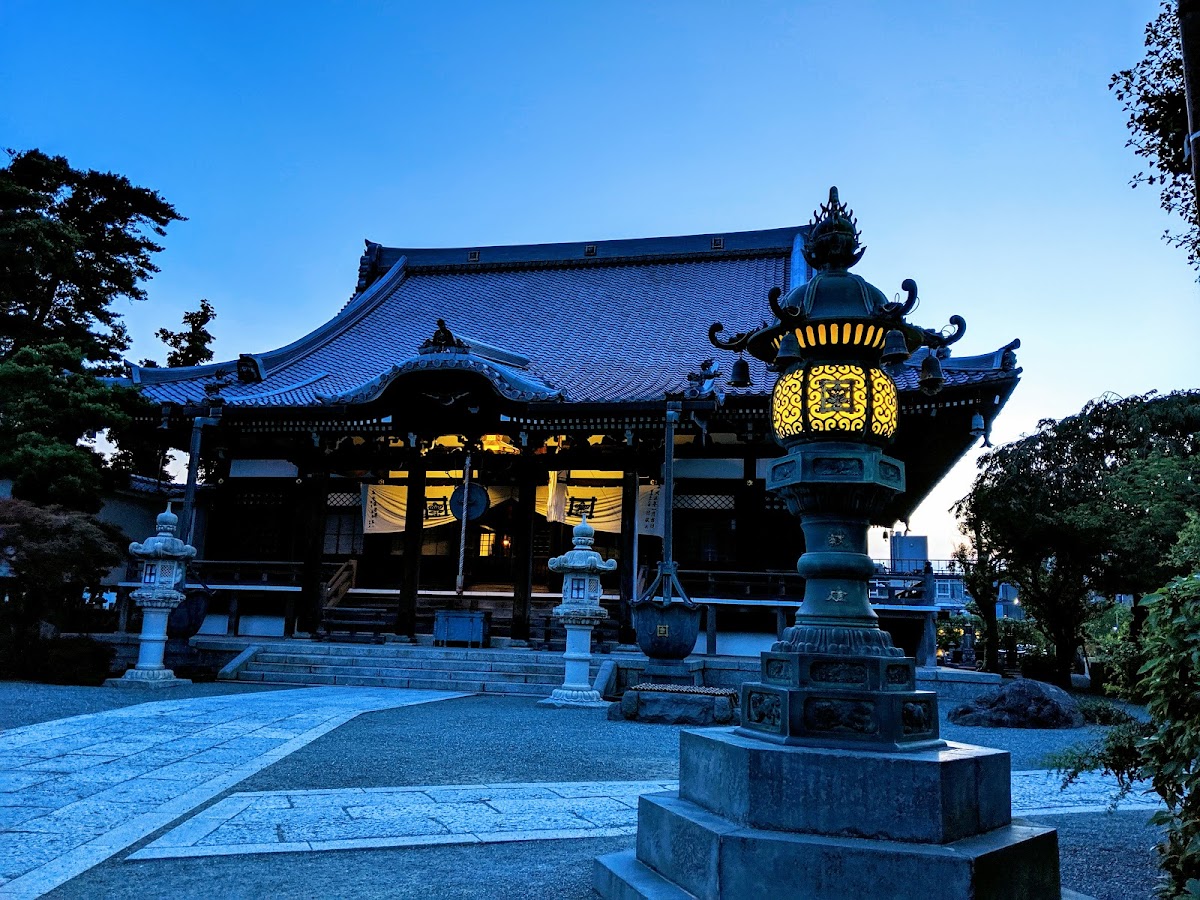
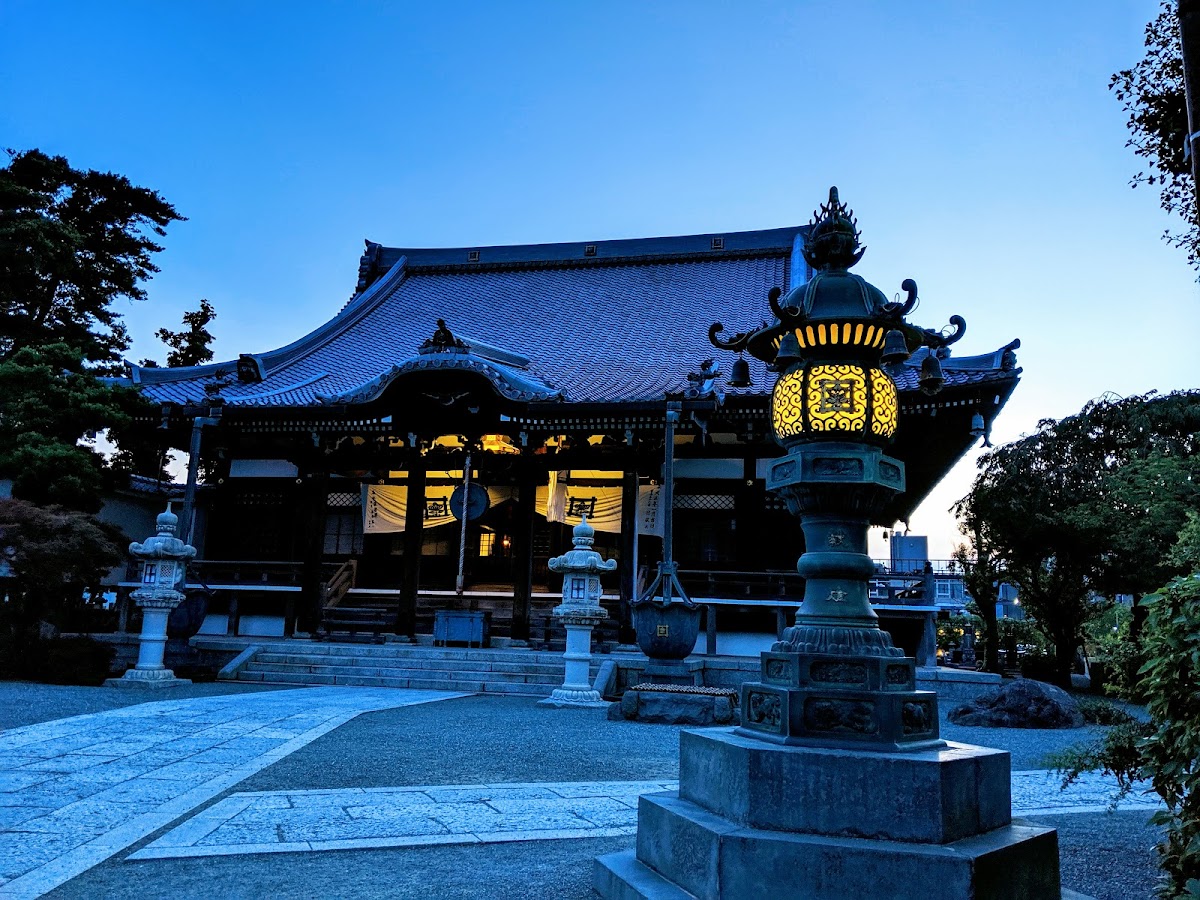
The Main Hall is the central building of Honkaku-ji Temple. The principal image, the Shakyamuni Triad, is enshrined inside, creating a solemn atmosphere. Visitors can join their hands in prayer and offer their respects in quiet contemplation at the main hall.
The Founder’s Hall enshrines a statue of Nichiren Shonin and is the center of faith for Honkaku-ji Temple as Higashi Minobu. The remains of Nichiren Shonin, which were divided among his ashes, are also enshrined here, and many believers visit to pay their respects.
Ebisu-do Hall and the Kamakura Seven Lucky Gods
The Ebisu-do Hall within the temple grounds is a hall dedicated to Ebisu-sama, one of the Kamakura Seven Lucky Gods. He is worshipped as the god of business prosperity, family safety, and abundant harvests.
The Kamakura Seven Lucky Gods pilgrimage is a popular route visiting seven temples and shrines scattered throughout Kamakura. Honkaku-ji Temple, being close to Kamakura Station and easily accessible, is a popular choice for those visiting the pilgrimage as their first or last stop. Especially during the first three days of the New Year, it is bustling with visitors carrying calligraphic scrolls and special treasure ship scrolls.
Doll Memorial Service Associated with Nichicho Shonin
There is a legend that Nichicho Shonin, the second head priest of Honkaku-ji Temple, suffered from an eye disease but recited the Lotus Sutra 10,000 times and achieved a cure. Because of this, the belief in “Nichicho-sama’s eyes” for eye disease healing arose, and even today, worshippers visit the temple praying for healing.
Furthermore, Honkaku-ji Temple holds a “Doll Memorial Service” every October. This is a ceremony where people express their gratitude for dolls and stuffed animals that they have cherished for many years, and many dolls are brought in from all over the country.
Grave of Okazaki Goro Masamune
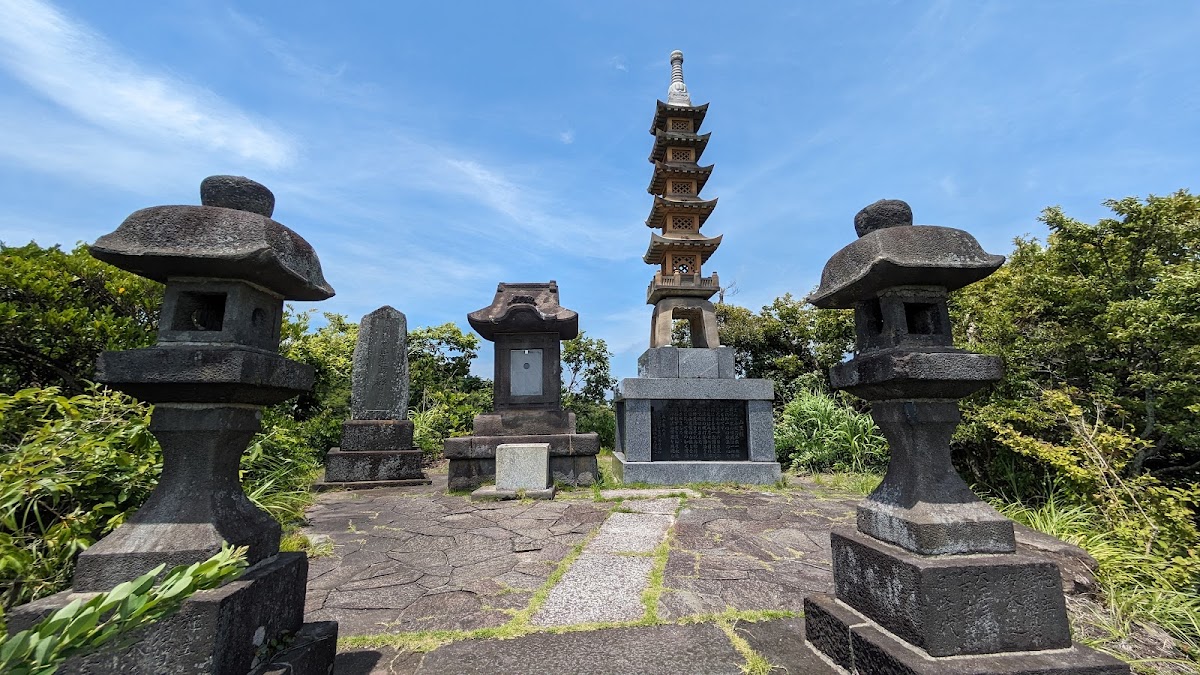
Within the temple grounds is a five-tiered pagoda believed to be the grave of Okazaki Goro Masamune, a retainer of the Kamakura Shogunate. Okazaki Goro Masamune was a warrior who served Minamoto no Yoritomo, and this is a valuable historical site that conveys the history of the Kamakura period.
Seasonal Flowers and Gardens
The grounds of Honkaku-ji Temple delight visitors with flowers that bloom throughout the seasons. From cherry blossoms in spring, to fresh greenery in early summer, and vibrant autumn leaves, the temple grounds display a different face with each season, making it a popular spot for photography.
In particular, the garden in front of the main hall is a beautifully maintained Japanese garden; simply sitting and gazing at it brings a sense of peace.
Basic Information and Access to Honkaku-ji Temple
Location and Contact Information
Address: 1-12-12 Komachi, Kamakura City, Kanagawa Prefecture 248-0006
Phone Number: 0467-22-0490
Temple Office Hours: 9:00 AM – 4:00 PM
Access Method
Access by Train:
- Approximately 5 minutes on foot from the East Exit of Kamakura Station on the JR Yokosuka Line
- Approximately 5 minutes on foot from Kamakura Station on the Enoshima Electric Railway
Exit the East Exit of Kamakura Station and proceed along Wakamiya-oji Street towards Hachimangu Shrine. Turn right at the first traffic light, cross the Ebisu-do Bridge over the Namekawa River, and you will immediately see the entrance to Honkaku-ji Temple on your left. It is very close to the station and easily accessible.
Access by Car:
- Approximately 20 minutes from the Asahina Interchange on the Yokohama-Yokosuka Expressway
Hongaku-ji Temple does not have its own parking lot, so you will need to use nearby coin-operated parking lots. Kamakura is a tourist destination, so parking lots get crowded on weekends and during peak tourist seasons. We recommend using public transportation.
Visiting Hours and Admission Fee
Visiting Hours: Grounds are freely accessible (Temple office is open from 9:00 to 16:00)
Admission Fee: Voluntary donation (whatever you feel is appropriate)
Hongaku-ji Temple is free to enter, and there is no set admission fee. Donations are made as offerings. However, separate fees may be set for special viewings or events, so we recommend checking in advance.
Annual Events and Festivals at Hongaku-ji Temple
New Year’s Seven Lucky Gods Pilgrimage
Every year from January 1st to 7th, the Kamakura Seven Lucky Gods Pilgrimage takes place. Honkaku-ji Temple’s Ebisu Hall is bustling with many worshippers, and lines form of people seeking blessings. Visitors can receive a Goshuin (temple stamp) on a shikishi (decorative paper board) or a treasure ship shikishi, and completing a pilgrimage to all seven gods of fortune is considered fulfilling a wish.
Doll Memorial Service in October
The Doll Memorial Service, held every October, is one of Honkaku-ji Temple’s important events. It’s a ceremony to express gratitude for dolls and stuffed animals that have been cherished for many years, and many dolls are brought in from all over Japan. Advance registration may be required, so those wishing to participate are advised to inquire at the temple office.
Other Buddhist Services and Events
As a Nichiren Buddhist temple, the “Oeshiki” service is held around October 13th, the anniversary of Nichiren Shonin’s death. Various other services are also held throughout the year, including the spring and autumn equinox services and the Obon (Buddhist festival) Segaki service.
Recommended Tourist Spots Around Honkaku-ji Temple
Tsurugaoka Hachimangu Shrine
Located about a 10-minute walk from Honkaku-ji Temple, Tsurugaoka Hachimangu Shrine is a representative tourist spot in Kamakura. Known as a shrine associated with Minamoto no Yoritomo, it was a central figure in the Kamakura Shogunate. The vast grounds feature numerous attractions, including the main shrine, the dance hall, and the Genpei Pond, and visitors can enjoy the changing seasons.
Myohon-ji Temple
Located about a 5-minute walk from Honkaku-ji Temple, Myohon-ji Temple is an ancient temple of the Nichiren sect. Built on the site of the Hiki Yoshikazu family’s residence, it boasts spacious grounds and a tranquil atmosphere. The scenery is particularly beautiful during the cherry blossom season in spring and the autumn foliage season.
Komachi Street
Komachi Street, which stretches from the east exit of Kamakura Station to Tsurugaoka Hachimangu Shrine, is Kamakura’s premier gourmet and shopping street. Approximately 250 shops line the street, including restaurants using Kamakura vegetables, long-established Japanese confectionery shops, and stylish cafes. Perfect for a visit before or after visiting Honkaku-ji Temple.
Kamakura-gu Shrine (Daito-no-miya)
Kamakura-gu Shrine, about a 10-minute bus ride from Kamakura Station, is a shrine dedicated to Prince Moriyoshi. Visiting it along with Honkaku-ji Temple will give you a deeper understanding of Kamakura’s history.
Hokoku-ji Temple (Bamboo Garden)
Hokoku-ji Temple, about a 12-minute bus ride from Kamakura Station, is a beautiful temple known as the “Bamboo Temple.” The bamboo grove, with its approximately 2,000 moso bamboo trees, is breathtaking, and you can enjoy a peaceful time while sipping matcha tea.
Recommended Restaurants near Honkaku-ji Temple
Dishes using Kamakura vegetables
Kamakura is famous for its fresh local vegetables called “Kamakura vegetables.” There are many restaurants and cafes around Honkaku-ji Temple that use plenty of Kamakura vegetables. Salads and pasta dishes made with colorful vegetables are not only visually appealing but also healthy.
Long-Established Japanese Confectionery Shops
Around Komachi Street and Kamakura Station, you’ll find many long-established Japanese confectionery shops with over 100 years of history. They offer a wide selection of seasonal sweets and famous confections perfect as souvenirs, including Kamakura’s famous “Hato Sablé” (pigeon-shaped shortbread cookies). Buying some as a souvenir after visiting Honkaku-ji Temple is highly recommended.
Shirasu Donburi and Seafood Dishes
Because Kamakura is close to the sea, you can enjoy fresh seafood dishes. In particular, raw shirasu donburi (rice bowl with raw shirasu) is a popular Kamakura specialty (due to fishing restrictions, only boiled shirasu is available from January to mid-March and in August).
Traditional House Cafes
Kamakura boasts numerous stylish cafes housed in renovated traditional Japanese houses. You can enjoy coffee and sweets while soaking up the atmosphere of these historic buildings. They are perfect for a break after visiting Honkaku-ji Temple.
Hotels and Accommodations near Honkaku-ji Temple
Hotel Metropolitan Kamakura
Hotel Metropolitan Kamakura, directly connected to Kamakura Station, boasts an excellent location, approximately a 5-minute walk from Honkaku-ji Temple. Opened in 2020, this relatively new hotel features modern, comfortable rooms and excellent facilities. It’s extremely convenient as a base for sightseeing in Kamakura, offering superb access to tourist spots in the Kamakura area, including Honkaku-ji Temple.
The hotel also has a restaurant using local Kamakura ingredients, which is open to non-guests as well. You can enjoy a relaxing meal after a tiring day of sightseeing.
Kamakura Prince Hotel
Located in Shichirigahama, the Kamakura Prince Hotel is a resort hotel with stunning ocean views. While a little further from Honkaku-ji Temple, it’s accessible in about 20 minutes via the Enoshima Electric Railway. Ocean-view rooms offer breathtaking views of Sagami Bay and Enoshima Island.
Guesthouses and Minshuku (Japanese-style inns)
Kamakura also has numerous guesthouses and minshuku offering reasonably priced accommodations. This is recommended for those who want to enjoy interacting with locals or those planning a long-term stay. There are several guesthouses around Honkaku-ji Temple, allowing you to enjoy a homey atmosphere during your stay in Kamakura.
Points and Manners for Visiting Honkaku-ji Temple
Etiquette for Visiting
Honkaku-ji Temple is a Nichiren Buddhist temple, so please follow the basic etiquette for visiting Buddhist temples. Bow at the main gate before entering the temple grounds, and purify your hands and mouth at the water basin. In the main hall, quietly join your hands in prayer and offer your prayers with sincerity.
If you wish to receive a Goshuin (temple stamp), it is recommended to visit during the temple office’s reception hours (9:00 AM to 4:00 PM) and bring your Goshuincho (stamp book). The Goshuin fee is usually around 300 to 500 yen.
Regarding Photography
Photography is generally permitted on the temple grounds, but there are areas where photography is prohibited, such as inside the main hall and the founder’s hall. Also, please be considerate of other visitors when taking photos. Especially during peak seasons like the New Year’s Seven Lucky Gods pilgrimage, consideration for others is necessary.
Clothing and Belongings
There are no specific dress code requirements, but appropriate and modest attire for visiting a temple is desirable. In summer, the sun is strong, so it is recommended to bring a hat, parasol, and drinks for hydration.
The temple grounds have many cobblestone and gravel paths, so choosing comfortable shoes is important. Women, in particular, should avoid high heels.
Honkaku-ji Temple and the Teachings of the Nichiren Sect
What is the Nichiren Sect?
The Nichiren Sect is a Buddhist sect founded by the Kamakura period monk Nichiren Shonin (1222-1282). Its fundamental scripture is the Lotus Sutra (Myoho Renge Kyo), and it teaches that all people can attain Buddhahood by chanting the title “Namu Myoho Renge Kyo.”
Nichiren Shonin criticized the corruption of the Buddhist world at the time and asserted that the Lotus Sutra was the true teaching of Shakyamuni Buddha. Through his strong conviction and passionate missionary work, he gained many followers, and even today, many Nichiren Buddhist temples exist throughout Japan.
The Role of Honkaku-ji Temple
As the head temple (historical temple) of the Nichiren sect, Honkaku-ji Temple has played a central role in Nichiren Buddhist faith in the Kanto region. By enshrining the remains of Nichiren Shonin as “Higashi Minobu,” it has served as a place of faith for followers in the Kanto region who could not travel to Mount Minobu.
Even today, Honkaku-ji Temple remains a place of worship for local people and plays an important role in conveying the teachings of the Nichiren sect and the history of Kamakura to the many tourists visiting Kamakura.
Visitor Voices and Reviews
Many visitors have shared various impressions of Honkaku-ji Temple.
“It was very convenient to access, being close to Kamakura Station. The temple grounds had a quiet and peaceful atmosphere, allowing me to forget the hustle and bustle of the city and enjoy a leisurely visit.”
“I visited as part of a Seven Lucky Gods pilgrimage, and the Ebisu deity in the Ebisu Hall was particularly impressive. I prayed for business prosperity and was able to start the year off right.”
“As a temple associated with Nichiren Shonin, I felt the weight of history. Hearing that some of his ashes were enshrined here at Higashi Minobu, I realized how widely Nichiren Shonin’s teachings were believed.”
“I visited in spring, and the cherry blossoms in the temple grounds were beautiful; I enjoyed taking pictures. There weren’t too many tourists, making it a hidden gem where you can relax.”
These visitor comments demonstrate the important position Honkaku-ji Temple holds in Kamakura tourism.
Kamakura Sightseeing Model Course
Here is a model course for Kamakura sightseeing, including Honkaku-ji Temple.
Half-Day Course (Morning)
9:00 Arrive at Kamakura Station
9:10 Visit Honkaku-ji Temple (30 minutes)
9:40 Visit Myohon-ji Temple (30 minutes)
10:10 Stroll and shopping on Komachi Street (60 minutes)
11:10 Visit Tsurugaoka Hachimangu Shrine (60 minutes)
12:10 Lunch on Komachi Street
Full-Day Course
9:00 Arrive at Kamakura Station
9:10 Visit Honkaku-ji Temple (30 minutes)
9:40 Visit Myohon-ji Temple (30 minutes)
10:10 Visit Tsurugaoka Hachimangu Shrine (60 minutes)
11:10 Lunch on Komachi Street (60 minutes)
12:10 Visit Kamakura-gu Shrine (60 minutes)
13:10 Visit Hokoku-ji Temple (Bamboo Garden) (60 minutes)
14:10 Hase-dera Temple and Kotoku-in Temple (Kamakura Great Buddha) Visit (90 minutes)
15:40 Travel to Enoshima Island by Enoshima Electric Railway
16:00 Stroll around Enoshima Island
17:30 Return to Kamakura Station
As you can see, Honkaku-ji Temple is ideally located as a starting point for Kamakura sightseeing, allowing you to efficiently visit Kamakura’s famous spots.
Summary: The Charms of Honkaku-ji Temple
Honkaku-ji Temple (Kamakura City, Kanagawa Prefecture) is the head temple of the Nichiren sect, with a history of nearly 600 years, known as “Higashi Minobu” associated with Nichiren Shonin. Despite its convenient location just a 5-minute walk from Kamakura Station, it is a precious temple where you can worship in a quiet and peaceful atmosphere.
There are many sights to see, including the Ebisu-do Hall, which enshrines the Ebisu deity of the Kamakura Seven Lucky Gods, the Soshi-do Hall, which houses the remains of Nichiren Shonin, and the temple grounds adorned with seasonal flowers. Throughout the year, various events are held, such as the New Year’s pilgrimage to the Seven Lucky Gods and the autumn doll memorial service.
When visiting Kamakura, be sure to stop by Honkaku-ji Temple and experience the teachings of Nichiren Shonin and the history of Kamakura. Away from the hustle and bustle of the city, the time spent in quiet prayer will surely be a memorable experience.
Nearby, there are many other attractive tourist spots, including Tsurugaoka Hachimangu Shrine, Myohon-ji Temple, and Komachi Street. Use Honkaku-ji Temple as your starting point to fully enjoy Kamakura’s history, culture, and cuisine. Honkaku-ji Temple is definitely one of the temples you should visit as part of a fulfilling sightseeing plan when visiting Kamakura City, Kanagawa Prefecture.