Honkoji Temple (Kamakura City, Kanagawa Prefecture) Complete Guide | History, Highlights, and Access Information
Honkoji Temple, located in Omachi, Kamakura City, Kanagawa Prefecture, is a Nichiren Buddhist temple known for its connection to Nichiren Shonin’s street preaching. Affectionately known as “Tsuji no Honkoji” (Honkoji of the Street), this temple maintains a tranquil atmosphere despite being within walking distance of Kamakura Station. This article comprehensively introduces useful information for visitors, including the history of Honkoji Temple, highlights within the temple grounds, access methods, and cemetery information.
Basic Information on Honkoji Temple
Honkoji Temple is a Nichiren Buddhist temple located at 2-5-32 Omachi, Kamakura City, Kanagawa Prefecture. Its mountain name is Hokke-zan, its former head temple was Hikigaya Myohonji Temple, and its corporate number is registered as 6021005001967.
Basic Data
- Official Name: Hokke-san Honkoji Temple
- Sect: Nichiren Buddhism
- Principal Image: Sanbo-son (Sanbo Honzon)
- Mountain Name: Hokke-san
- Alternate Name: Tsuji no Honkoji Temple
- Location: 2-5-32 Omachi, Kamakura City, Kanagawa Prefecture 248-0007
- Year of Founding: En’en 1 (1336)
- Founder: Nichijū Shōnin (Second Generation)
- Founder: Tenmoku Shōnin
Kamakura City is one of 17 temples named “Honkoji” throughout Japan, and it is positioned as an important temple that continues to transmit the teachings of Nichiren Shōnin.
History of Honkoji Temple
Founding and Early History
The history of Honkoji Temple dates back to En’en 1 (1336). Honkoji Temple was founded as “Kyusokuzan Honkoji” by Tenmoku Shonin, one of the “Churoso” (senior monks) who were disciples of Nichiren Shonin. This location was chosen as a historically significant site where Nichiren Shonin gave street sermons in Kamakura, making it an important sacred site for the Nichiren sect.
The temple’s original mountain name was “Kyusokuzan,” but in 1382 (Eitoku 2), the second head priest, Nichiju Shonin, changed the mountain name to “Hokkezan.” While Tenmoku Shonin was credited as the founder, Nichiju Shonin is known as the de facto founder who solidified the temple’s foundation.
Suffering and Reconstruction in the Edo Period
The most significant turning point in Honkoji Temple’s history occurred during the Edo period. In 1660 (Manji 3), Honkoji Temple was abolished by order of the shogunate. While the detailed reasons for this abolition are not clearly documented in historical records, it is believed to have been part of the religious policies and temple control of the time.
The Honkoji Temple, which had been demolished, was later relocated to Totsuka Ward in Yokohama City. The current existence of a Honkoji Temple in Totsuka Ward is a result of this historical process.
However, the history of Honkoji Temple in Kamakura did not end. In 1670 (Kanbun 10), Honkoji Temple was rebuilt on the site of Nichiren Shonin’s street preaching by Nichitei Shonin of the head temple Myohonji. This reconstruction shaped the Honkoji Temple into its current form.
The Origin of “Tsuji no Honkoji”
There is a clear reason why Honkoji Temple is called “Tsuji no Honkoji.” The location where this temple stands is considered one of the places where Nichiren Shonin gave street preaching in Kamakura, and it holds special significance in the faith of the Nichiren sect.
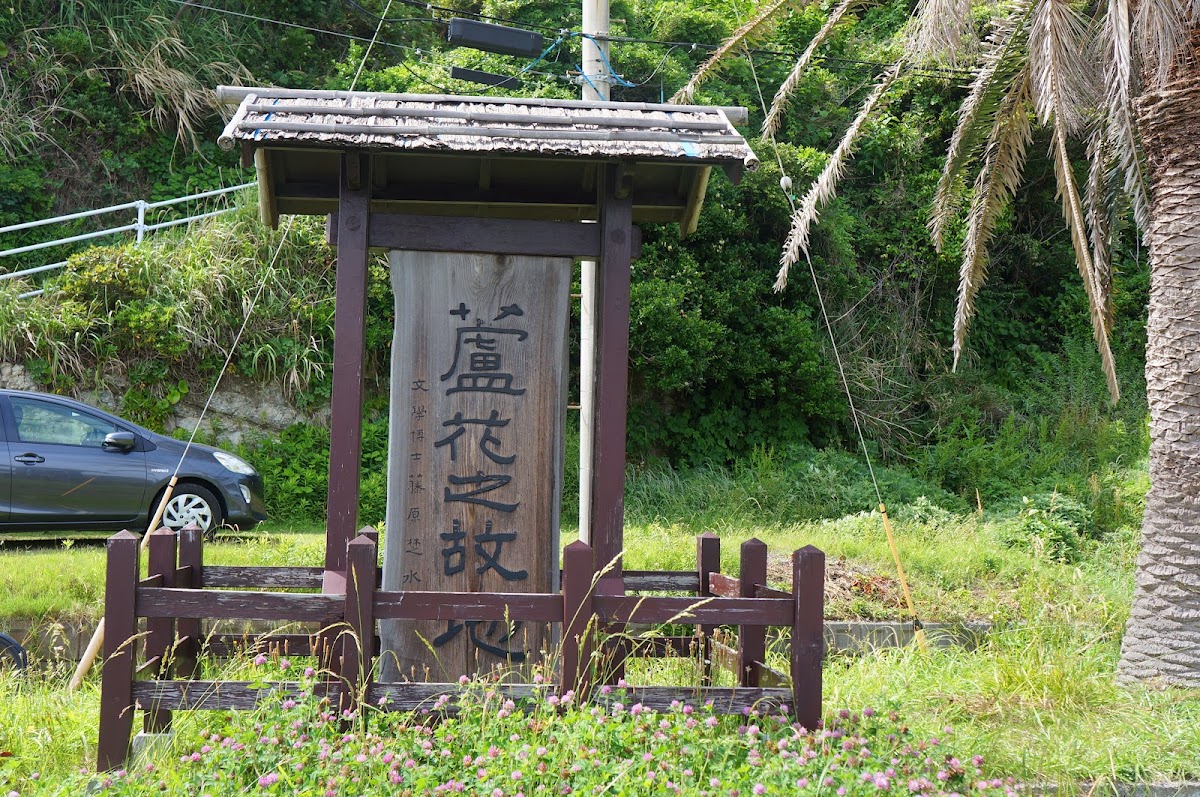
After establishing his sect in his hometown of Awa Province (present-day Chiba Prefecture) in 1253 (Kencho 5), Nichiren Shonin entered Kamakura and preached the teachings of the Lotus Sutra at various crossroads. At that time, Kamakura was the center of the samurai government and a bustling place where many people came and went. A monument marking the site of Nichiren Shonin’s street preaching still stands in front of Honkoji Temple, commemorating this historical fact.
Highlights of the Temple Grounds
The Temple Gate and Atmosphere
Passing through the temple gate of Honkoji Temple, one enters a tranquil space despite its location within walking distance of Kamakura Station. While relatively compact, the temple grounds maintain a beautifully maintained appearance, offering visitors a peaceful atmosphere.
Many visitors comment that “the temple grounds are quiet and calming,” and it is known as a place to escape the hustle and bustle of Kamakura tourism and enjoy a peaceful time.
The Main Hall and Prince Shotoku Hall
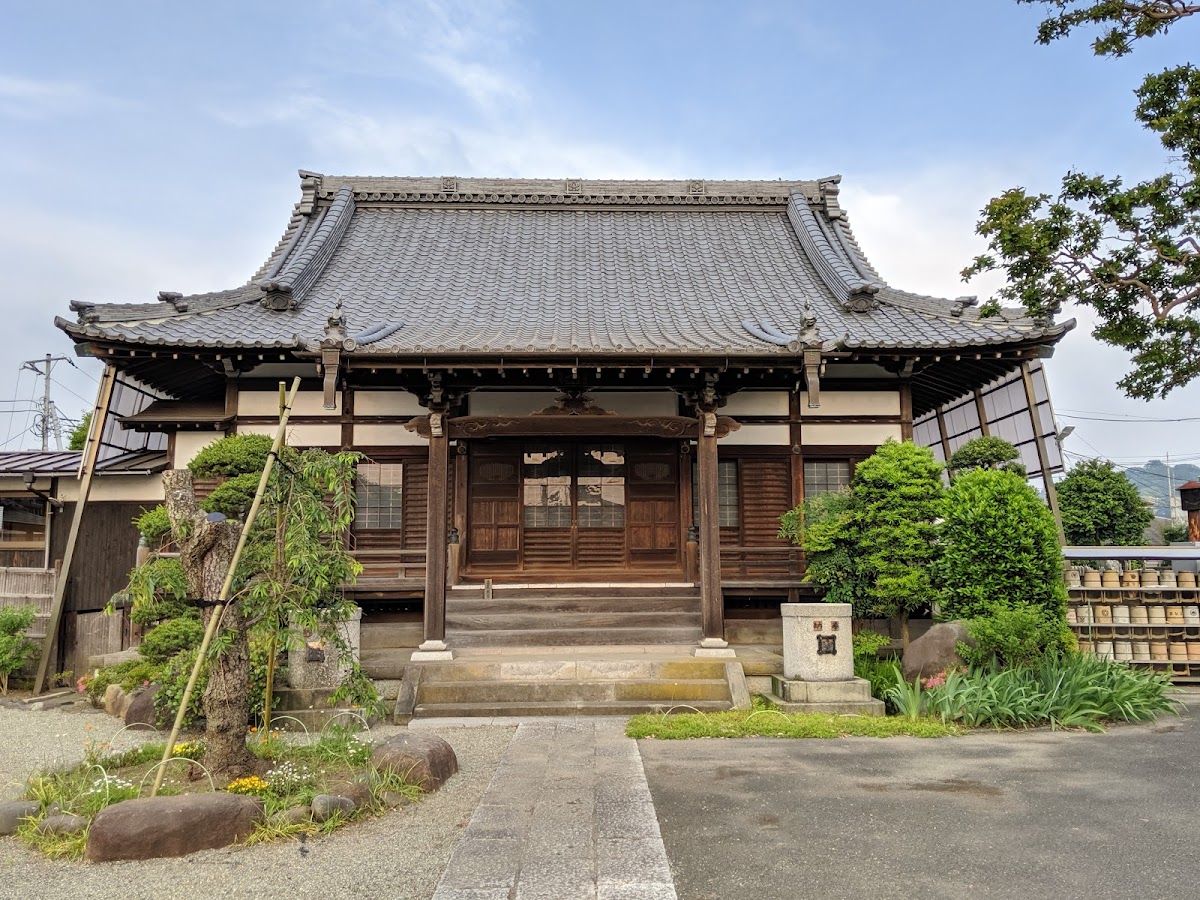
Upon entering the temple gate, the main hall is directly ahead. The main hall houses the principal image, the Sanbo-son, and is the center of Nichiren Buddhism. The Sanbo-son is a form of principal image representing the Three Treasures of Buddhism (Buddha, Dharma, and Sangha), and is widely adopted in Nichiren Buddhist temples.
Next to the main hall stands the Taishi-do (Prince Shotoku Hall), and these buildings constitute the central religious facilities within the temple grounds. Buddhist services and various ceremonies are held in these facilities, serving as a place of worship for parishioners and visitors.
Monument to the Site of Nichiren Shonin’s Street Preaching
In front of Honkoji Temple stands the “Monument to the Site of Nichiren Shonin’s Street Preaching.” This stone monument is an important historical marker indicating that this was the site of Nichiren Shonin’s street preaching.
While there are many temples and historical sites associated with Nichiren Shonin in Kamakura City, only a limited number of places are clearly designated as the site of his street preaching, and Honkoji Temple holds a particularly important position among them. Standing before the monument, one can imagine Nichiren Shonin preaching the teachings of the Lotus Sutra in this very place approximately 770 years ago.
The Beauty of Nature Through the Seasons
The grounds of Honkoji Temple are adorned with the beautiful scenery of nature throughout the four seasons. Particularly noteworthy is the weeping cherry tree, which was received approximately 30 years ago from Kuonji Temple on Mount Minobu, the head temple of the Nichiren sect.
This weeping cherry tree blooms magnificently in spring, adding vibrant color to the temple grounds. Given that Kuonji Temple is the head temple of the Nichiren sect, and the tree was received from there, it can be said to possess religious and historical significance beyond mere ornamental tree.
Also planted on the grounds are crape myrtle trees, which, alongside the weeping cherry tree, contribute to the landscape. Crape myrtle trees are known for their long blooming period from summer to autumn, delighting visitors during the summer months.
These trees give Honkoji Temple grounds a different appearance with each season—cherry blossoms in spring, crape myrtle in summer—creating a space where visitors can feel the changing seasons.
How to Access Honkoji Temple
Honkoji Temple is located in Omachi, Kamakura City, and is conveniently accessible on foot from Kamakura Station. The address is 2-5-32 Omachi, Kamakura City, Kanagawa Prefecture, and the postal code is 248-0007.
Access by Train
Using the JR Yokosuka Line/Shonan Shinjuku Line
- Approximately 9-12 minutes on foot (approximately 900 meters) from the East Exit of JR Kamakura Station
- Kamakura Station is easily accessible from both Tokyo and Yokohama, and is a major station used by many tourists.
Using the Enoshima Electric Railway Line
- Approximately 9 minutes on foot from Enoshima Electric Railway Kamakura Station
- Convenient for combining with sightseeing along the Enoden line.
From Kamakura Station to Honkoji Temple, head towards Omachi. The distance of about 10 minutes on foot from the station makes it easy to incorporate into a Kamakura sightseeing walk, and it can be visited together with other temples and shrines.
Access by Bus
If using public transportation by bus, the nearest bus stop is “Nakayashiki Bus Stop.”
- Approximately 1 minute walk from “Nakayashiki Bus Stop”
- If using the bus from Kamakura Station, this is the closest bus stop to Honkoji Temple.
Using the bus minimizes walking distance, making it a convenient option, especially on days with bad weather or for those with mobility issues.
Access by Car and Parking
If visiting by private car, you need to consider the location in Kamakura city center. Honkoji Temple has a parking lot, but if you are visiting for grave visits or memorial services, it is recommended to check with the temple in advance.
Kamakura city center is prone to traffic congestion during tourist seasons and weekends. Especially during the cherry blossom season in spring, the hydrangea season in early summer, and the autumn foliage season, congestion is expected, so using public transportation is recommended.
If visiting by car, using nearby paid parking lots is also an option. There are several hourly parking lots around Kamakura Station, and it is possible to walk to Honkoji Temple from there. ### Location in relation to surrounding temples and shrines
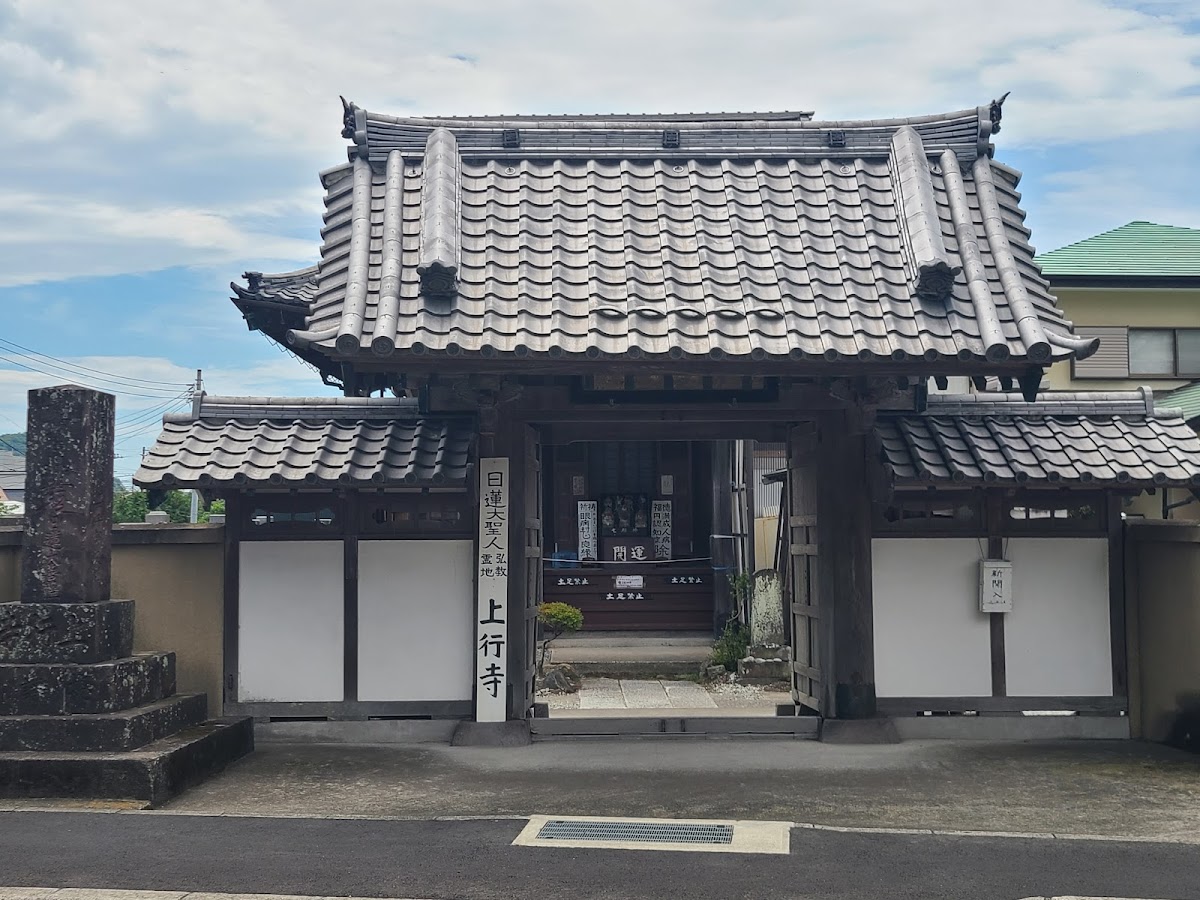
Honkoji Temple is located in the Omachi area of Kamakura City, and several other Nichiren Buddhist temples are scattered around the area. Specifically, it is located between Jogyoji Temple and Yuigahama Shrine in Omachi.
When sightseeing in Kamakura, visiting these surrounding temples and shrines together will allow you to enjoy a more fulfilling temple and shrine tour. The Omachi area is relatively close to Kamakura Station, and several historical temples are concentrated within walking distance, making it possible to create an efficient sightseeing route.
Information on Honkoji Temple’s cemetery and burial grounds
Honkoji Temple has a temple cemetery, and it can be used as a burial site. Located in the historic city of Kamakura, it is a popular choice for many as a temple cemetery with a tradition of the Nichiren Buddhist sect.
Features of the cemetery
Convenient Location
Honkoji Temple’s cemetery boasts excellent access, being approximately a 10-minute walk from JR Kamakura Station. It is easily accessible by public transportation, making it convenient for relatives visiting from afar. Furthermore, its proximity to the Nakayashiki bus stop (approximately a 1-minute walk) is a significant advantage for the elderly and those with mobility issues.
Peace of Mind as a Temple Cemetery
Honkoji Temple, a Nichiren Buddhist temple, has a long history and has served as a center of local faith for over 350 years since its reconstruction in 1670. Its features include the peace of mind that comes with a temple cemetery and a well-established, long-term management system.
Environment and Atmosphere
The temple grounds maintain a quiet and peaceful atmosphere, allowing visitors to enjoy the beauty of nature throughout the seasons. The grounds, planted with trees such as weeping cherry trees and crape myrtle, provide a tranquil space for those visiting graves.
Cemetery Plot and Pricing Information
Honkoji Temple’s cemetery offers multiple plots, allowing you to choose according to your preferences and budget. For specific prices and plot availability, we recommend contacting the temple directly or using a cemetery/burial ground brokerage service.
Generally, temple cemeteries in Kamakura City are popular, and cemeteries like Honkoji Temple, which are located within walking distance of the station, are expected to be priced at a certain level. It is important to confirm detailed pricing information, plot size, perpetual use fees, and management fees by requesting brochures or visiting the site.
Facilities and Equipment
Memorial Service Facilities
Honkoji Temple has memorial service facilities such as the main hall and the Taishido hall, where annual memorial services and various other memorial services can be held. Cemetery users can use these facilities to commemorate the deceased.
Parking
Parking is available for visitors, but space is limited, so using public transportation is recommended, especially during peak seasons (such as O-higan and O-bon).
Flow from Plot Purchase to Interment
When purchasing a cemetery plot at Honkoji Temple, the general process is as follows:
- Information Gathering & Brochure Request: First, check basic information about the cemetery, including prices and available plots.
- On-site Visit: Visit Honkoji Temple to observe the atmosphere of the grounds and the environment of the cemetery.
- Consultation & Application: Consult with the temple staff, communicate your desired plot and conditions, and submit an application.
- Contract: Confirm the terms and conditions, such as perpetual use fees and management fees, and conclude a contract.
- Gravestone Construction: Select a stonemason, decide on the design and material of the gravestone, and have it erected.
- Consecration Ceremony: Once the gravestone is completed, perform the consecration ceremony (soul-imbuing).
- Interment: Inter the deceased’s remains and perform memorial services.
As this is a Nichiren Buddhist temple, you may be required to become a parishioner. It is important to confirm the parishioner system and sectarian requirements with the temple in advance.
Conditions for Cemetery Use
The following conditions generally apply to using the cemetery at Honkoji Temple.
- Sect: As this is a Nichiren Buddhist temple, it is primarily intended for Nichiren Buddhist followers. For those of other sects, please inquire directly with the temple.
- Parishioner: Becoming a parishioner may be a requirement.
- Management Fee: An annual management fee is required for the maintenance of the cemetery.
These conditions vary by temple, so we recommend contacting Honkoji Temple directly for details.
Other Nichiren Buddhist Temples in Kamakura
When visiting Honkoji Temple, visiting other Nichiren Buddhist temples in Kamakura will allow you to gain a deeper understanding of the profound connection between Nichiren Shonin and Kamakura.
Myohonji Temple (Hikigaya)
Myohonji Temple, the former head temple of Honkoji Temple, is an important Nichiren Buddhist temple located in Hikigaya. Built on the site of Hiki Yoshikazu’s residence, it is known as a central figure in Nichiren Buddhism in Kamakura. It is within walking distance of Honkoji Temple, and we recommend visiting both.
Jogyoji Temple
Located in the Omachi area, near Honkoji Temple, Jogyoji Temple is also a Nichiren Buddhist temple. Like Honkoji Temple, it is often included in Omachi temple and shrine tours and can be visited on foot.
Other Nichiren Buddhist Temples
Within Kamakura City, there are many temples associated with Nichiren Shonin, such as Ankokuronji Temple, Myohoji Temple, and Choshoji Temple. By visiting these temples, you can trace the footsteps of Nichiren Shonin during his time in Kamakura.
Manners and Precautions for Visiting
When visiting Honkoji Temple, please pay attention to the following points.
Basic Manners for Visiting
- Bow at the Temple Gate: When passing through the temple gate, bow before entering the grounds.
- Quietness: The temple grounds maintain a quiet atmosphere. Please refrain from loud conversations.
- Photography: When taking photographs, please be considerate of other visitors. Photography inside the main hall may require permission.
- Attire: Please dress appropriately, especially when attending a memorial service.
Points to Note in the Cemetery Area
When passing through the cemetery area, please pay particular attention to the following points:
- Consideration for Other Families’ Graves: Please do not enter other people’s graves.
- Consideration for Visitors: Please be quiet and avoid disturbing those visiting graves.
- Cleanliness: When visiting a grave, please also consider cleaning the area around the grave.
Visiting Hours and Events
It is recommended to check Honkoji Temple’s visiting hours and events in advance. General visits may be restricted, especially on days with memorial services or special events.
Tourist Attractions Around Honkoji Temple
When visiting Honkoji Temple, you can make your Kamakura sightseeing more fulfilling by also visiting nearby tourist attractions.
Tsurugaoka Hachimangu Shrine
Tsurugaoka Hachimangu Shrine, a representative shrine of Kamakura, is about a 15-minute walk from Honkoji Temple. As a shrine associated with Minamoto no Yoritomo, it is a central spot for sightseeing in Kamakura.
Komachi Street
Komachi Street, which leads from Kamakura Station to Tsurugaoka Hachimangu Shrine, is a lively street lined with restaurants and souvenir shops. You can stop by on your way to or from Honkoji Temple.
Yuigahama Beach
Heading south from Kamakura Station, you will arrive at Yuigahama Beach. It is about a 20-minute walk from Honkoji Temple, and you can enjoy a stroll while looking at the sea.
Temples and Shrines in the Omachi Area
The Omachi area, where Honkoji Temple is located, is dotted with several historical temples and shrines, including the aforementioned Jogyoji Temple. It is an area where you can enjoy visiting temples and shrines in a relatively calm atmosphere with fewer tourists.
Summary
Honkoji Temple is a Nichiren Buddhist temple with historical value as the site of Nichiren Shonin’s street preaching, and is affectionately known as “Tsuji no Honkoji” (Honkoji of the Crossroads). Founded in 1336, Honkoji Temple, despite being destroyed at one point, was rebuilt in 1670 and has continued to exist as a place of worship to this day.
Conveniently located about a 10-minute walk from Kamakura Station, it boasts a quiet and peaceful grounds, allowing visitors to enjoy the beauty of nature throughout the seasons. The grounds, adorned with weeping cherry trees and crape myrtle trees donated from Kuonji Temple, offer peace of mind to worshippers.
It also serves as a temple cemetery, chosen by those seeking perpetual memorial services at a historical and traditional Nichiren Buddhist temple. Its convenient access, well-equipped facilities for memorial services, and tranquil environment make it an ideal cemetery.
When sightseeing in Kamakura, visiting historically significant temples like Honkoji Temple, in addition to the main tourist attractions, will allow you to discover the deeper charm of Kamakura. Honkoji Temple is a temple worth visiting as part of a pilgrimage tracing the footsteps of Nichiren Shonin, or simply as a place for quiet worship.