.png)
Myoryu-ji Temple (Kamakura City, Kanagawa Prefecture) Complete Guide | An Ancient Temple Associated with the Seven Lucky Gods of Kamakura and Nichishin Shonin
Myoryu-ji Temple, located in Komachi, Kamakura City, Kanagawa Prefecture, is an ancient Nichiren Buddhist temple dedicated to Jurojin, one of the Seven Lucky Gods of Kamakura. Established in the early Muromachi period, this temple continues to attract many visitors as a place associated with Nichishin Shonin, known as “Nichishin with the Pot on His Head,” and as a place that conveys the history of the Chiba clan.
This article provides detailed information you should know before visiting Myoryu-ji Temple, from its historical background and highlights to information on temple stamps and access.
Basic Information about Myoryu-ji Temple
Official Name: Eishozan Myoryu-ji Temple
Address: 2-17-20 Komachi, Kamakura City, Kanagawa Prefecture 248-0006
Phone Number: 0467-23-3195
Sect: Nichiren Buddhism
Mountain Name: Eishozan
Principal Image: Shakyamuni Buddha
Founder: Nichiei Shonin
Founder: Chiba Tanetsada
Established: 1385 (Shitoku 2nd year / Genchu 2nd year)
Former Head Temple: Nakayama Hokkeji Temple (Ichikawa City, Chiba Prefecture)
Dharma Lineage: Tatsushi Dharma Lineage
Pilgrimage Site: Kamakura Enoshima Seven Lucky Gods (Jurojin)
History of Myoryu-ji Temple
Background of its Founding and its Relationship with the Chiba Clan
Myoryu-ji Temple was founded in 1385 (Shitoku 2) by Chiba Tanesada, a descendant of Chiba Tsunetane, a powerful retainer of the Kamakura Shogunate. The Chiba clan was a prestigious samurai family that supported Minamoto no Yoritomo’s uprising and made a significant contribution to the establishment of the Kamakura Shogunate.
Chiba Tanesada invited Nichiei Shonin of Hokkeji Temple in Nakayama, Shimosa Province (present-day Chiba Prefecture), to be the founding abbot, and built a seven-building temple complex on the site of his former villa, “Chiba Yashiki.” This site is located in present-day Komachi, Kamakura City, and is close to Kamakura Station.
From the Muromachi Period to the Edo Period
In its early days, Myoryu-ji Temple flourished as an important center of the Nichiren sect. It is said that during the Muromachi period, it was a large temple with many halls and buildings. However, due to the turmoil of the Sengoku period and repeated fires during the Edo period, its original size was reduced.
Nevertheless, its role as a center of Nichiren Buddhism remained unchanged, and it became known as a temple visited by many believers, especially due to its connection with Nichishin Shonin.
Myoryu-ji Temple in Modern Times
Despite the effects of the Meiji Restoration’s separation of Shinto and Buddhism and the anti-Buddhist movement, Myoryu-ji Temple survived as a place of worship for the region. While the current main hall was rebuilt in modern times, the temple grounds still retain remnants that evoke the past, such as historical stone monuments and a pond associated with Nichishin Shonin.
The Legend of Nichishin Shonin with the Pot on His Head
Who Was Nichishin Shonin?
Indispensable to discussing Myoryu-ji Temple is Nichishin Shonin (1407-1488), known as “Nichishin with the Pot on His Head.” Nichishin Shonin was a Nichiren Buddhist monk during the mid-Muromachi period and is known as a religious reformer with unwavering conviction.
Origin of the “Pot-Headed” Name
Nichishin Shonin offered a veiled admonition to Ashikaga Yoshinori, the 6th Shogun of the Muromachi Shogunate, urging him to convert to Nichiren Buddhism. This frank advice angered the Shogun, and Nichishin Shonin was subjected to torture. During this torture, he was subjected to the harsh punishment of having a burning pot placed on his head, hence he became known as “Pot-Headed Nichishin.”
However, it is said that Nichishin Shonin did not succumb to this torture and remained true to his beliefs. This indomitable spirit deeply impressed later generations and became an important spiritual pillar of Nichiren Buddhism.
Training at Myoryu-ji Temple
It is said that Nichishin Shonin underwent rigorous training at Myoryu-ji Temple in his youth. The pond to the right of the main hall is still carefully preserved as “Nichishin Shonin’s Training Pond,” where Nichishin Shonin is said to have trained. This pond is an important historical site that conveys the indomitable spirit of the monk.
Kamakura Seven Lucky Gods and Jurojin
Kamakura Enoshima Seven Lucky Gods Pilgrimage
Myoryu-ji Temple enshrines Jurojin, one of the “Kamakura Enoshima Seven Lucky Gods.” The Kamakura Enoshima Seven Lucky Gods Pilgrimage is a popular pilgrimage route that visits eight temples and shrines scattered throughout Kamakura and Enoshima.
The Seven Lucky Gods Pilgrimage is especially lively during the New Year’s visit period, but many worshippers visit throughout the year. It is believed that by visiting each temple and shrine, one will be bestowed with seven blessings.
About Jurojin
Jurojin is the god of fortune who presides over longevity and health. Jurojin is a deity originating from Chinese Taoism, often depicted with a long white beard, leaning on a staff, and accompanied by a deer.
The Jurojin statue at Myoryu-ji Temple is a precious wooden carving made from a single piece of zelkova wood, and is enshrined in the main hall. This statue is believed to have been created during the Edo period, and is characterized by its exquisite carving technique and warm expression.
Benefits of Jurojin
By praying to Jurojin at Myoryu-ji Temple, the following benefits are believed to be received:
- Longevity: Prayers for good health and a long life
- Good Health and Protection: Protection from illness and misfortune
- Family Safety: Health and safety for all family members
- Good Fortune and Virtue: Receiving happiness and virtue
Highlights of Myoryu-ji Temple
Main Hall
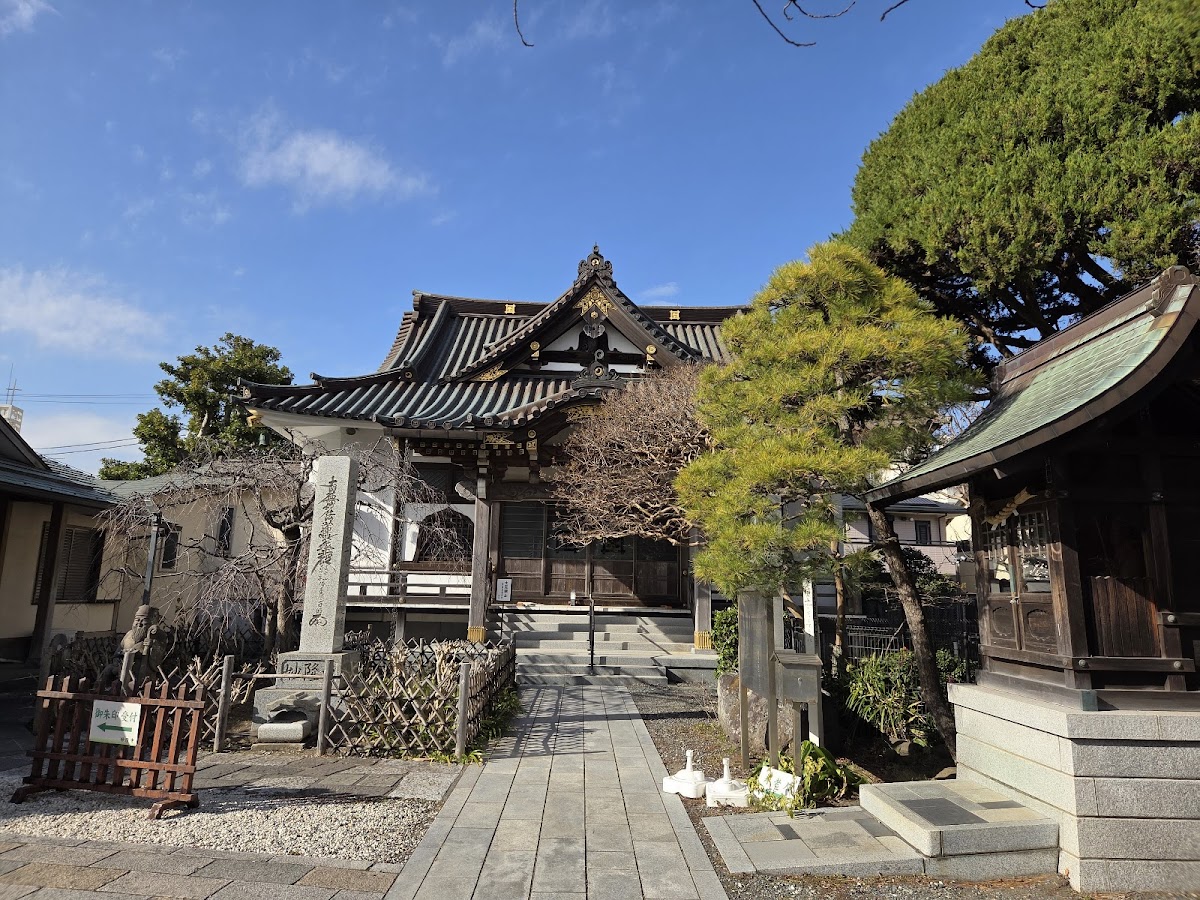
The main hall of Myoryu-ji Temple is a wooden building with a tranquil atmosphere. The main hall houses a statue of Shakyamuni Buddha, exuding a solemn atmosphere based on the teachings of the Nichiren sect. A statue of Jurojin (the god of longevity) is also enshrined within the main hall, allowing visitors to quietly offer their prayers.
The Pond Where Nichishin Shonin Trained
Located to the right of the main hall, this pond is a historical site where Nichishin Shonin is said to have undergone rigorous training. Though small, its historical value is immense, and many visitors come to this place to feel the indomitable spirit of Nichishin Shonin.
The area around the pond is enveloped in tranquility, creating a healing space that allows one to forget the hustle and bustle of the city.
Stone Monuments and Historical Sites on the Temple Grounds
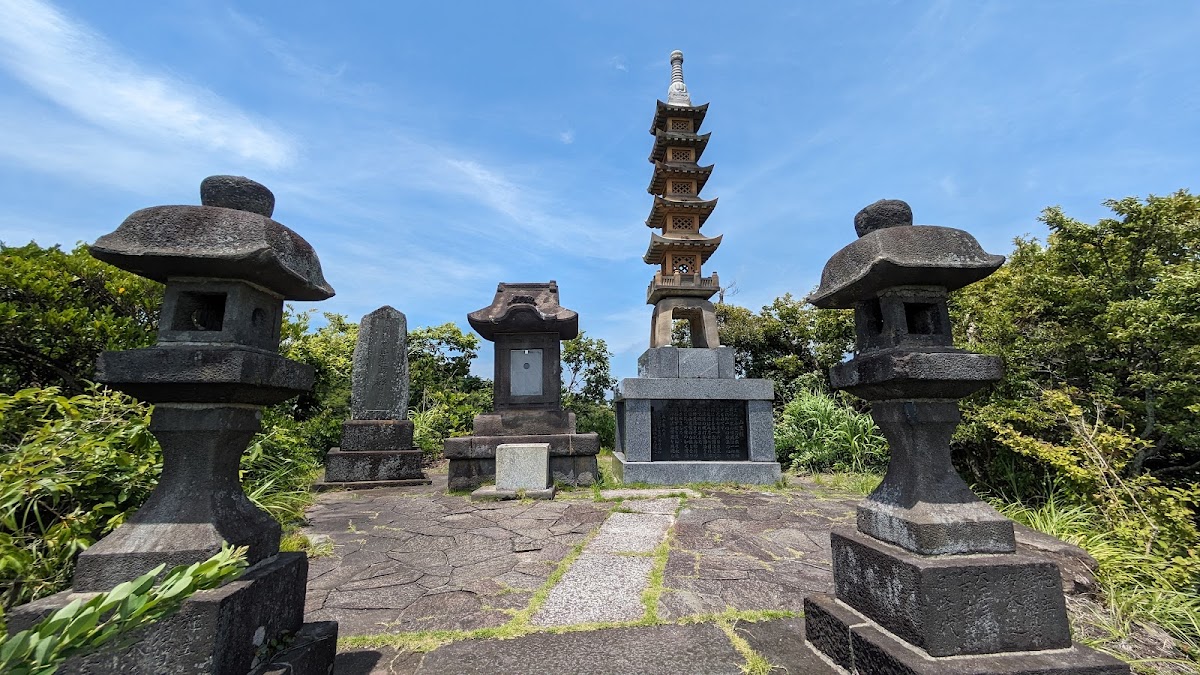
Throughout the temple grounds are stone monuments and memorial towers that tell the history of Myoryu-ji Temple. Historical sites related to the Chiba clan and records of donations by parishioners during the Edo period are among the interesting materials for history enthusiasts.
Seasonal Flowers
The grounds of Myoryu-ji Temple are adorned with flowers of all seasons. From plum and cherry blossoms in spring, to hydrangeas in early summer, and autumn leaves in fall, the temple grounds offer a different view depending on when you visit. Especially during hydrangea season, it’s known as a hidden gem where you can quietly enjoy the flowers without the crowds often found at other temples in Kamakura.
Goshuin (Temple Seal) Information
Types of Goshuin
At Myoryu-ji Temple, you can receive the following goshuin:
- Myoryu-ji Temple’s Standard Goshuin: A goshuin featuring the principal image, Shakyamuni Buddha.
- Kamakura Seven Lucky Gods – Jurojin Goshuin: A goshuin specifically for the Seven Lucky Gods pilgrimage.
- Nichishin Shonin’s Goshuin: A special goshuin commemorating Nichishin Shonin (depending on the season).
Goshuin Reception Hours and Location
Reception Hours: 9:00 AM – 4:00 PM
Reception Location: Temple office next to the main hall
Goshuin can be written directly at the temple office. Since the calligrapher may not always be available, it is recommended to call ahead to confirm availability if you wish to receive a goshuin.
Offering Fee for Goshuin (Temple Stamp)
Regular Goshuin: Approximately 300-500 yen (Donation)
Kamakura Seven Lucky Gods Goshuin: Approximately 300-500 yen (Donation)
About Goshuincho (Stamp Books)
Please check with the temple office upon your visit regarding the availability of Myoryu-ji Temple’s original goshuincho. Special shikishi (decorative paper) and goshuincho for the Kamakura Seven Lucky Gods are also popular.
Visiting Information
Visiting Hours and Admission Fee
Temple Grounds Visiting Hours: Anytime during the day (The grounds are accessible 24 hours a day, but it is recommended to avoid visiting at night)
Temple Office Reception Hours: 9:00 AM – 4:00 PM
Admission Fee: Free (Donation)
Myoryu-ji Temple is a temple that can be visited free of charge. However, we request a donation (whatever you feel is appropriate) for maintenance and upkeep.
About Parking
Myoryu-ji Temple does not have its own parking lot. If you are coming by car, please use the paid parking lots around Kamakura Station or Komachi Street. However, Kamakura’s roads are narrow and traffic congestion is particularly severe on weekends, so we strongly recommend using public transportation.
Regarding Photography
Photography is generally permitted within the temple grounds, but it is advisable to obtain permission in advance for photographing the interior of the main hall or the statue of Jurojin. Please observe proper etiquette and avoid disturbing other visitors when taking photographs.
Access Methods
Access by Train
Nearest Station: JR Yokosuka Line/Enoshima Electric Railway “Kamakura Station”
Travel Time from Station: Approximately 10-12 minutes on foot
Walking Route from Kamakura Station East Exit
- Exit Kamakura Station East Exit and head towards Wakamiya-oji Street.
- Turn right at the second torii gate of Tsurugaoka Hachimangu Shrine and enter Komachi Street.
- Continue straight along Komachi Street, then turn right into an alley.
- After passing through the residential area, you will arrive at Myoryu-ji Temple.
Komachi Street is a representative shopping street of Kamakura, lined with many restaurants and souvenir shops. You can enjoy a stroll before or after visiting the temple.
Access by Bus
If using the bus from Kamakura Station, take the “Keikyu Bus” or “Enoden Bus” and get off at the “Omachi Yotsukado” bus stop. It’s approximately a 5-minute walk from there. However, since it’s within walking distance of Kamakura Station, there’s little advantage to taking the bus.
Access by Taxi
Taking a taxi from the Kamakura Station East Exit taxi stand will get you there in about 5 minutes. The fare is approximately 700 to 1,000 yen.
Nearby Tourist Attractions
There are many of Kamakura’s representative tourist attractions around Myoryu-ji Temple.
Tsurugaoka Hachimangu Shrine
A representative shrine of Kamakura, located about a 5-minute walk from Myoryu-ji Temple. As a place associated with Minamoto no Yoritomo, it is bustling with many worshippers throughout the year.
Komachi Street
A shopping street leading from Kamakura Station to Tsurugaoka Hachimangu Shrine, with approximately 250 shops. Perfect for street food and souvenir shopping.
Honkaku-ji Temple
Like Myoryu-ji Temple, it is a Nichiren Buddhist temple and enshrines Ebisu, one of the Seven Lucky Gods of Kamakura. Located about a 3-minute walk away, this temple is a great place to visit when doing a pilgrimage to the Seven Lucky Gods.
Myohonji Temple
A major temple of the Nichiren sect, its highlight is the Founder’s Hall, one of the largest wooden buildings in Kamakura. It’s about an 8-minute walk from Myoryu-ji Temple.
Kamakura-gu Shrine
A shrine dedicated to Prince Moriyoshi, located about a 15-minute walk from Myoryu-ji Temple. It’s also known as a famous spot for autumn foliage.
Route for the Kamakura Seven Lucky Gods Pilgrimage
The Kamakura-Enoshima Seven Lucky Gods pilgrimage, including Myoryu-ji Temple, visits the following eight temples and shrines:
- Jochi-ji Temple (Hotei)
- Tsurugaoka Hachimangu Shrine (Benzaiten)
- Hokai-ji Temple (Bishamonten)
- Myoryu-ji Temple (Jurojin) ← This temple
- Honkaku-ji Temple (Ebisu-no-kami)
- Hase-dera Temple (Daikokuten)
- Goryo Shrine (Fukurokuju)
- Enoshima Shrine (Benzaiten)
Visiting all on foot takes approximately 6-8 hours. For an efficient pilgrimage, it is recommended to start at the temples and shrines around Kamakura Station and then proceed to Enoshima.
Annual Events
Myoryu-ji Temple holds annual events based on the traditions of the Nichiren sect. ### Main Annual Events
- January 1st – January 7th: New Year’s visit to the shrine, Kamakura Seven Lucky Gods pilgrimage
- February 3rd: Setsubun Festival
- Spring Equinox: Spring Equinox Festival
- April 8th: Flower Festival (Buddha’s Birthday Celebration)
- Autumn Equinox: Autumn Equinox Festival
- November 13th: Memorial service for Nichishin Shonin
- December 31st: New Year’s Eve bell ringing
The shrine is especially crowded with many visitors during the New Year’s Seven Lucky Gods pilgrimage. A memorial service is held to commemorate Nichishin Shonin on his death anniversary.
Manners and Precautions for Visiting a Temple
Basic Manners for Visiting a Temple
- Bow at the Temple Gate: Bow before entering the temple grounds.
- Be Quiet: Be quiet within the temple grounds and refrain from loud conversations.
- Worship at the Main Hall: Offer a monetary donation and bow with clasped hands.
- Photography: Be considerate of other visitors when taking photographs.
- Bow Upon Departure: Turn around and bow when leaving the temple gate.
Regarding Attire
There are no specific dress code requirements, but when visiting a temple, avoid revealing or overly flashy clothing and aim for modest attire.
Other Points to Note
- We recommend checking with the temple office in advance if you are bringing a pet.
- Smoking is prohibited on the temple grounds.
- Please take all your trash with you.
- Please refrain from touching plants or historical sites.
The Charm of Myoryu-ji Temple and Reasons to Visit
Myoryu-ji Temple, while located in the heart of Kamakura, is a temple enveloped in tranquility and serenity. Despite being close to the bustling Tsurugaoka Hachimangu Shrine and Komachi Street, it maintains a world of serenity.
The training pond, where you can feel the indomitable spirit of Nichishin Shonin, the statue of Jurojin (god of longevity), and the temple grounds that convey the history of the Chiba clan—Myoryu-ji Temple encapsulates the history and culture of Kamakura.
You can visit as part of a pilgrimage to the Seven Lucky Gods of Kamakura, follow in the footsteps of Nichishin Shonin, or simply visit as a place to quietly calm your mind. Myoryu-ji Temple is a profoundly welcoming temple that offers different values to each visitor.
Summary
Myoryu-ji Temple is a historic Nichiren Buddhist temple founded in 1385 by Chiba Tanetsada. It is a place associated with the monk Nabekamuri Nichishin and is also home to Jurojin, one of the Seven Lucky Gods of Kamakura, making it a beloved destination for many worshippers.
Despite its convenient location, just a 10-minute walk from Kamakura Station, the temple grounds are enveloped in tranquility, making it an ideal place to find peace of mind. When visiting Kamakura, be sure to stop by Myoryu-ji Temple. The indomitable spirit of Nichishin and the blessings of longevity bestowed upon you will gently welcome you.
Admission is free, and you can also receive a temple stamp (Goshuin). Combine your visit with shopping and enjoying the food on Komachi Street for a day immersed in Kamakura’s history and culture.