Enmei-ji Temple (Zushi City, Kanagawa Prefecture) Complete Guide | 1200 Years of History and the Charm of Zushi Daishi
Located in the heart of Zushi City, Kanagawa Prefecture, Enmei-ji Temple is an ancient temple of the Koyasan Shingon sect, affectionately known as “Zushi Daishi” by the local people. Founded in the Nara period by Gyoki Bodhisattva, this temple boasts a history of over 1200 years and is deeply connected to the origin of the place name Zushi. This article comprehensively introduces information you should know before visiting Enmei-ji Temple, including its history, cultural assets, annual events, and access methods.
History and Origins of Enmei-ji Temple
Founding in the Nara Period and Gyoki Bodhisattva
The history of Enmei-ji Temple dates back to the Nara period. During the Tenpyo era of Emperor Shomu (724-749), Gyoki Bodhisattva, a high-ranking priest who dedicated himself to social work and temple construction throughout Japan, founded this temple in this area. It is said that Enmei-ji Temple originated when Gyōki Bodhisattva himself carved a seated statue of Enmei Jizō Bodhisattva and enshrined it as the principal image.
Gyōki Bodhisattva is also known for his involvement in the construction of the Great Buddha of Tōdai-ji Temple and traveled throughout Japan to provide relief to the people. In Zushi, he founded a temple to enshrine Enmei Jizō, praying for the longevity and peace of the people.
Kōbō Daishi Kūkai and the Origin of the Place Name “Zushi”
In the Heian period, there is a legend that Kōbō Daishi Kūkai, the founder of the Shingon sect, visited Enmei-ji Temple. Kūkai erected a special shrine (zushi) to protect the Enmei Jizō Bodhisattva that Gyōki had enshrined. Because this shrine was so magnificent, the entire area eventually came to be called “Zushi,” and this is said to be the origin of the current place name “Zushi.”
This legend demonstrates that Enmei-ji Temple is not merely a temple, but a place deeply intertwined with the very identity of Zushi City.
Transitions from the Medieval to the Early Modern Period
From the Kamakura period to the Muromachi period, Enmei-ji Temple deepened its ties with the Miura clan, a powerful samurai group on the Miura Peninsula. The burial grounds of the Miura family, including Miura Michika, the lord of Sumiyoshi Castle in Kotsubo, remain within the temple grounds, testifying to the strong connection with the samurai class.
During the Edo period, it established a firm position as Kounzan Enmei-ji Temple, a temple of the Koyasan Shingon sect. It functioned as a center of local faith, as well as a hub for education and culture, becoming a powerful temple with many parishioners.
Development in the Modern Era
Despite the impact of the anti-Buddhist movement of the Meiji era, Enmei-ji Temple survived as a central hub of the local community. From the Showa to the Heisei and Reiwa eras, while continuing traditional temple activities, it has shown development in line with modern needs, such as the development of perpetual memorial graves and funeral facilities. ## Enmei-ji Temple’s Sect and Mountain Name
Enmei-ji Temple belongs to the Koyasan Shingon Sect, and its mountain name is Kounzan. The Shingon sect is a branch of Esoteric Buddhism founded by Kobo Daishi Kukai, characterized by its teachings of attaining Buddhahood in this lifetime and its practice of incantations and prayers. With Koyasan Kongobu-ji Temple as its head temple, it is one of the major Buddhist sects in Japan, boasting approximately 3,600 temples nationwide.
It is also affectionately known as “Zushi Daishi,” indicating a deep devotion to Kobo Daishi (Odaishi-sama).
Cultural Assets and Highlights of Enmei-ji Temple
Principal Image: Seated Statue of Enmei Jizo Bodhisattva
The principal image of Enmei-ji Temple is a seated statue of Enmei Jizo Bodhisattva, said to have been carved by the founder, Gyoki Bodhisattva. Enmei Jizo has been worshipped as a bodhisattva that extends people’s lifespans and relieves them from suffering. This statue is carefully preserved as a hidden Buddha image and is only unveiled on special occasions.
Bronze Amida Triad Statue (Zushi City Designated Cultural Property)
The bronze Amida Triad statue owned by Enmei-ji Temple is registered as a designated cultural property of Zushi City. It is a three-figure Buddha statue with Amida Buddha at the center, flanked by Kannon Bodhisattva and Seishi Bodhisattva, and is estimated to have been created between the Kamakura and Muromachi periods. Due to its exquisite craftsmanship and excellent state of preservation, it is valued as a precious cultural property representing regional Buddhist art.
Burial Grounds of the Miura Clan
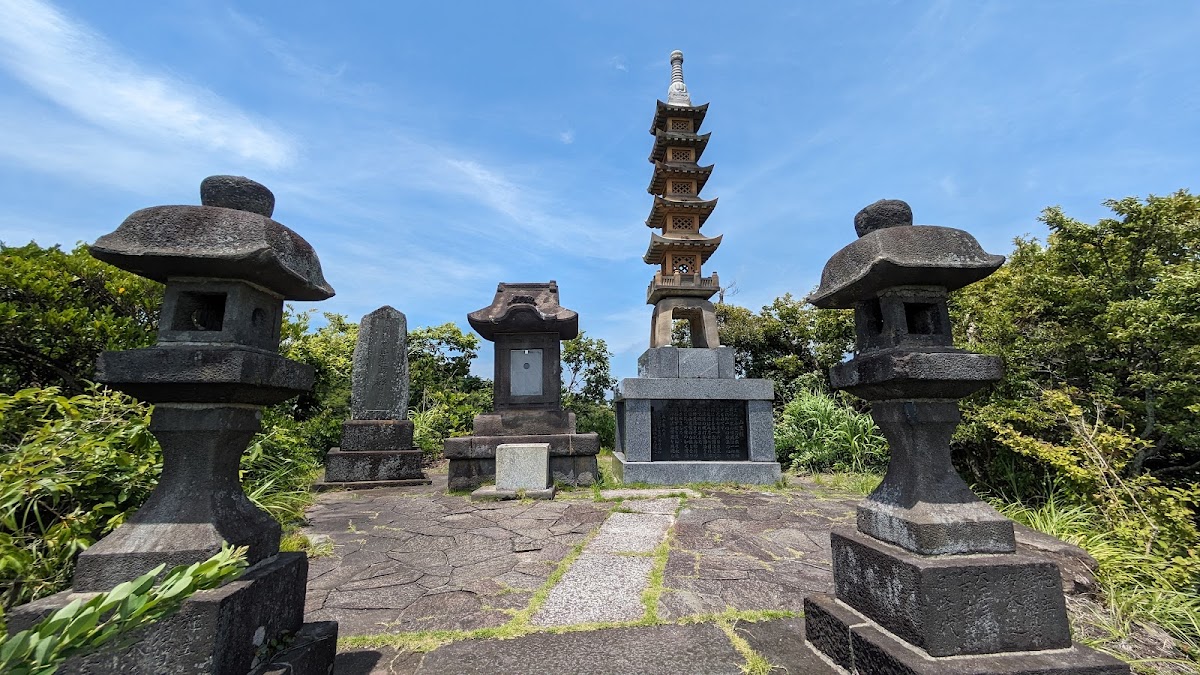
Within the temple grounds remain the burial grounds of the Miura clan, a samurai group from the Kamakura period. In particular, the tomb of Miura Michika, the lord of Sumiyoshi Castle in Kotsubo, is important as a historical relic illustrating the relationship between samurai and temples in the medieval period. The moss-covered five-tiered pagoda and stupa stand quietly, conveying a sense of historical weight.
Shonan Seven Lucky Gods: Benzaiten
Enmei-ji Temple is one of the Shonan Seven Lucky Gods pilgrimage sites, enshrining Benzaiten. Benzaiten is a goddess worshipped as the deity of music, art, learning, and wealth, and every New Year’s Day, the temple is bustling with pilgrims on a pilgrimage to the Seven Lucky Gods. The beautiful statue of Benzaiten is highly valued for its artistic merit.
Role as a Pilgrimage Site
Enmei-ji Temple is designated as a pilgrimage site for several sites:
- Miura Fudo-son Pilgrimage Site, No. 28
- Miura Jizo-son Pilgrimage Site, No. 24
- New Shikoku Eastern Province Eighty-Eight Pilgrimage Sites, No. 80
For pilgrims of these sites, Enmei-ji Temple is an important pilgrimage destination, and visitors from all over Japan come to seek the Goshuin (temple stamps) of each site.
Guide to Enmei-ji Temple Grounds
Main Hall
Enmei-ji Temple’s main hall is a magnificent building that preserves the traditional style of Shingon Buddhist temple architecture. The inner sanctuary houses the principal image, a seated statue of Enmei Jizo Bodhisattva, while the outer sanctuary allows worshippers to quietly offer their prayers. The hall is adorned with portraits of successive chief priests and votive offerings from parishioners.
Daishi Hall
The Daishi Hall, dedicated to Kobo Daishi, is an important facility of Shingon Buddhist temples. A special memorial service is held on the 21st of each month, the anniversary of Kobo Daishi’s passing, attracting many worshippers.
Henjo-kaku Hall (Funeral Facility)
Enmei-ji Temple has a funeral facility called “Henjo-kaku Hall.” It has two halls, the Shunko-den (150 seats) and the small ceremony hall (50 seats), accommodating funerals of various sizes, from family funerals to general funerals. This facility, offering a solemn atmosphere unique to a temple, is widely used in the community as a place to remember the deceased.
Perpetual Memorial Grave/Kongo Reiden
In response to modern needs, Enmei-ji Temple manages the perpetual memorial grave “Kongo Reiden.” This facility provides perpetual memorial services for those without successors or those who do not wish to burden their descendants. As a temple located in an urban area, it offers memorial services that adapt to changing times.
Annual Events and Memorial Services
Enmei-ji Temple holds annual events based on the traditions of the Shingon sect.
Main Annual Events
- First three days of the New Year: First shrine visit of the year, Shonan Seven Lucky Gods pilgrimage
- Setsubun Festival (around February 3rd): Bean scattering, prayer for warding off evil
- Spring Equinox Festival (March): Ancestor memorial service
- Kobo Daishi Birthday Celebration (June 15th): Memorial service celebrating the birth of Kobo Daishi
- Obon Segaki Festival (August): Ancestor memorial service, Segaki memorial service
- Autumn Equinox Festival (September): Ancestor memorial service
- Year-end and New Year Preparations (December): House sweeping, New Year’s Eve bell ringing
Monthly Regular Events
- 21st of every month: Kobo Daishi Memorial Service
- Every 24th of the Month: Jizo Bodhisattva Memorial Service
Many of these events are open not only to temple parishioners but also to the general public, fulfilling the temple’s role as a community-oriented institution.
Goshuin (Temple Seal) Information
Enmei-ji Temple offers multiple types of goshuin.
Types of Goshuin (Temple Seals)
- Goshuin of Enmei-ji Temple (Zushi Daishi)
- Goshuin of the Shonan Seven Lucky Gods (Benzaiten)
- Goshuin of the 28th Temple of the Miura Fudo-son Pilgrimage
- Goshuin of the 24th Temple of the Miura Jizo-son Pilgrimage
- Goshuin of the 80th Temple of the New Shikoku Eastern Province Eighty-Eight Sacred Sites
Goshuin Reception
- Reception Location: Temple Office
- Reception Hours: 9:00 AM – 5:00 PM
- Offering Fee: Approximately 300-500 yen each
- Notes: Reception may not be available during religious services, etc.
In addition to direct writing in your goshuin book, pre-printed goshuin are also available. Those on a pilgrimage should bring their own special goshuin book.
Access and Transportation Information
Enmeiji Temple is located in the heart of Zushi City, within walking distance of the station, making it very easily accessible.
Access by Train
If using the JR Yokosuka Line:
- Approximately 5 minutes on foot from the East Exit of JR Zushi Station
- Exit the station and proceed left (north). After passing through the shopping street, you will see it on your right.
If using the Keihin Kyuko Line:
- Approximately 3 minutes on foot from the North Exit of Keikyu Zushi-Hayama Station (formerly Shin-Zushi Station)
- Immediately after exiting the station, it is located on the way towards National Route 134.
Access by Car
- Yokohama-Yokosuka Expressway: Approximately 10 minutes from Zushi IC
- National Route 134: Towards Zushi city center
Parking: There is parking space for visitors on the temple grounds, but the number of spaces is limited. The parking lot can become full during memorial services and other events, so we recommend using public transportation.
Basic Information about Enmei-ji Temple
- Official Name: Kounzan Enmei-ji Temple
- Common Name: Zushi Daishi
- Sect: Koyasan Shingon Buddhism
- Principal Image: Enmei Jizo Bodhisattva
- Founding: Tenpyo era (724-749)
- Founder: Gyoki Bodhisattva
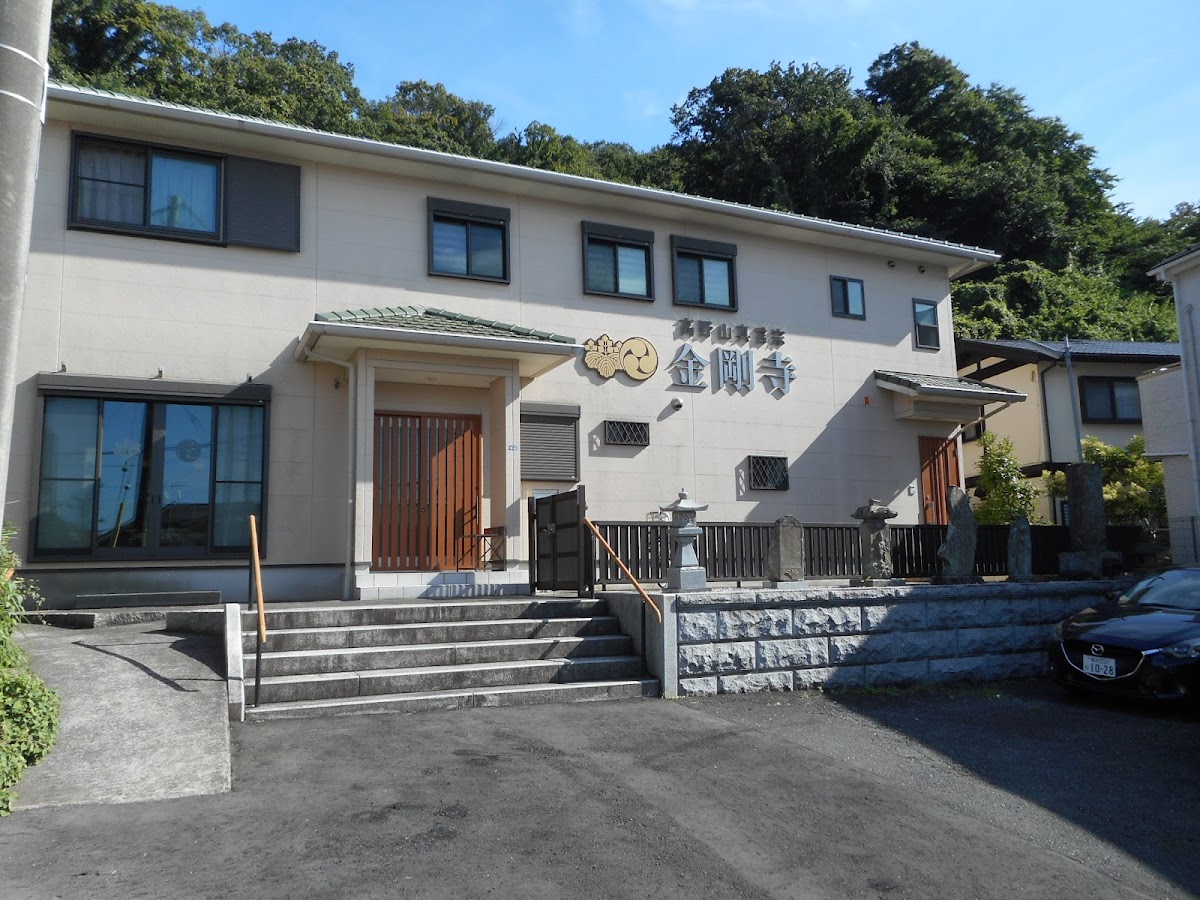
- Address: 3-1-17 Zushi, Zushi City, Kanagawa Prefecture 249-0006
- Phone Number: 046-873-9322
- FAX: 046-873-5946
- Temple Office Hours: 9:00 AM – 5:00 PM
- Admission Fee: Free (Free entry to the temple grounds)
- Parking: Available (Limited number of spaces)
Nearby Tourist Attractions
When visiting Enmei-ji Temple, we recommend also visiting nearby tourist attractions. ### Zushi Beach
Located about a 10-minute walk from Enmei-ji Temple, Zushi Beach is one of Shonan’s representative beaches. In summer, you can enjoy swimming, and in other seasons, you can enjoy strolling and marine sports.
Hiroyama Park
Hiroyama Park, situated on a hill, offers a spectacular view of Zushi Bay, Enoshima Island, and Mount Fuji. It also has a small zoo, making it popular with families.
Jinmuji Temple
Similarly an ancient temple said to have been founded by Gyoki Bodhisattva, its lush grounds display different expressions throughout the seasons. It’s also a popular hiking spot.
Zushi Marina
Zushi Marina, known as a luxury resort facility, offers restaurants and shopping. The yacht harbor scenery is also captivating.
Etiquette and Manners for Visiting Enmei-ji Temple
Proper Way to Visit
- Bow at the Temple Gate: Bow before entering the temple grounds.
- Purify at the Water Basin: Purify your hands and mouth before praying.
- Pray at the Main Hall: Quietly join your hands in prayer and pray wholeheartedly.
- Bow Upon Exit: Bow again at the temple gate when leaving the temple grounds.
Photography
Photography is generally permitted within the temple grounds, but photography inside the main hall and of Buddha statues may be prohibited. Please check with the temple office if you have any questions.
Dress Code
There are no specific dress code requirements, but please dress appropriately and respectfully, as this is a sacred place like a temple.
The Charm of Enmei-ji Temple: A 1200-Year-Old Temple in the City
The greatest charm of Enmei-ji Temple is that, despite its urban location just a few minutes’ walk from the station, it maintains the dignity of a 1200-year-old ancient temple. At first glance, it appears to be a temple nestled in a modern cityscape, but stepping onto its grounds reveals a history of faith that has continued uninterrupted since the time of Gyoki Bodhisattva. From the burial grounds of the Miura clan to Buddhist statues designated as city cultural properties, the more you learn about this temple, the deeper its history and culture become.
A Temple Walking Together with the Community
Enmei-ji Temple is not merely a tourist temple; it continues to function as a central hub for the local community. While meeting the needs of modern society with facilities such as funeral homes and perpetual memorial graves, it also fulfills its role as a traditional annual event venue and pilgrimage site.
This “balance of tradition and innovation” is the reason why Enmei-ji Temple has survived for over 1200 years and will continue to be cherished by the local people.
Summary
Enmei-ji Temple (Zushi Daishi), located in Zushi City, Kanagawa Prefecture, is an ancient temple of the Koyasan Shingon sect, founded by Gyoki Bodhisattva during the Nara period. This temple, which gave its name to Zushi, boasts a history of over 1200 years, yet is also appealing for its convenient location, just a few minutes’ walk from the station.
It offers numerous attractions, including a bronze statue of Amida Buddha and his two attendants (a city-designated cultural property), Benzaiten (one of the Shonan Seven Lucky Gods), and the burial grounds of the Miura clan. It is also designated as one of several pilgrimage sites, making it a popular destination for those collecting temple stamps (Goshuin).
Despite being in the heart of the city, Enmei-ji Temple maintains a tranquil atmosphere, making it a worthwhile place to visit for various purposes, such as historical walks, temple pilgrimages, and Goshuin collecting. When you visit Zushi, be sure to stop by.