Complete Guide to Sōtaiji Temple | A Thorough Explanation of the History, Goshuin (Temple Seals), and Highlights of this Koyasan Shingon Buddhist Temple in Sakurayama, Zushi City
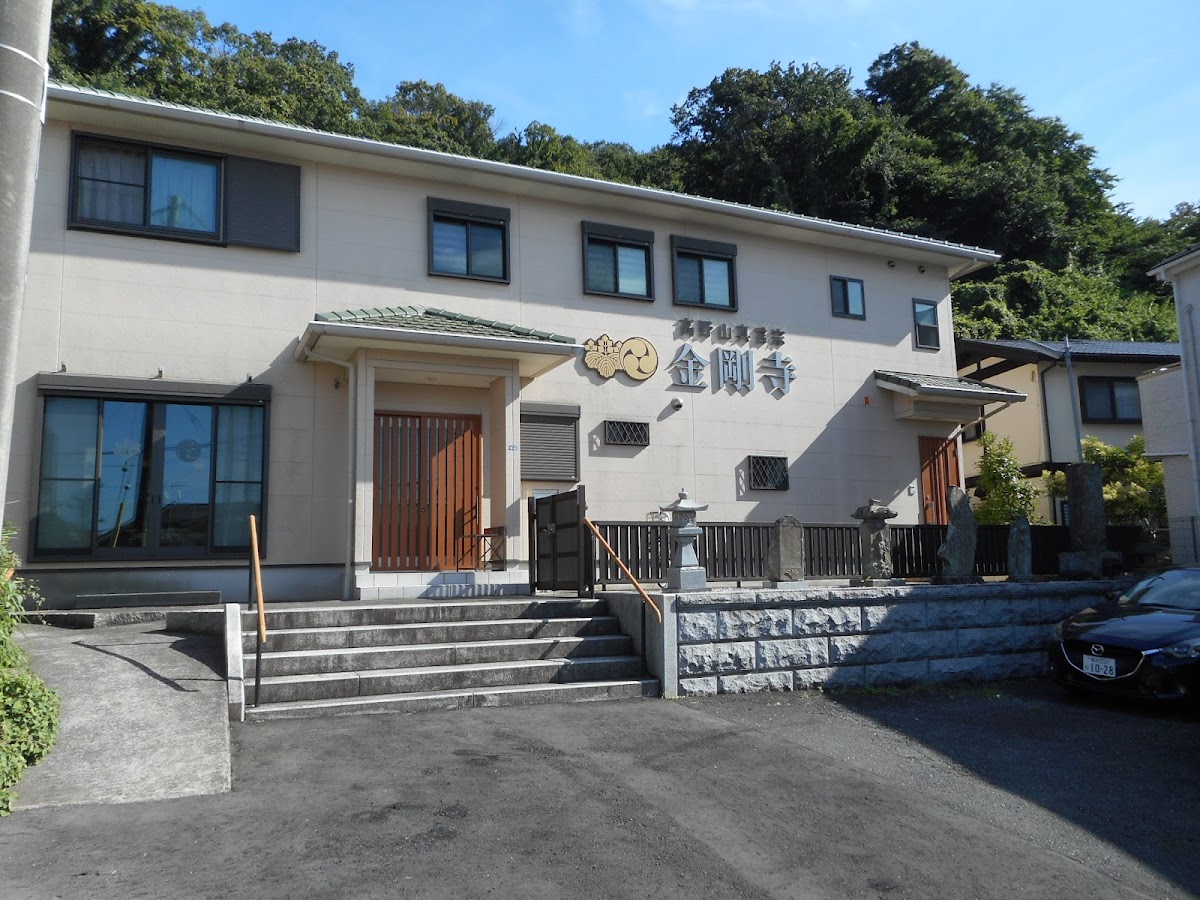
Sōtaiji Temple, located in Sakurayama, Zushi City, Kanagawa Prefecture, is a historic temple belonging to the Koyasan Shingon sect. It enshrines Daikokuten, one of the seven lucky gods of Shonan, and houses valuable statues of the Ten Kings of Hell and Buddhist statues from the Muromachi period, making it an important presence that conveys the local faith and culture to the present day. This article provides a detailed explanation of everything you need to know before visiting Sōtaiji Temple, including its history, highlights within the temple grounds, goshuin information, and access methods.
What is Sōtaiji Temple? | Basic Information and Overview
Sōtaiji Temple, also known as Kaikōzan or Kaichōzan, is a Koyasan Shingon Buddhist temple. Its principal image is a standing statue of Amida Buddha, and it is known as an ancient temple that has long been cherished by the local people.
Basic Data
- Official Name: Kaikozan Sotaiji Temple
- Sect: Koyasan Shingon Buddhism
- Principal Image: Standing Amida Buddha Statue
- Address: 7-7-1 Sakurayama, Zushi City, Kanagawa Prefecture 249-0005
- Phone Number: 046-873-9425
- Visiting Hours: 8:00 AM – 5:00 PM
- Nearest Station: Keikyu Zushi Line “Zushi-Hayama Station”, JR Yokosuka Line “Zushi Station”
- Relationship with Subsidiary Temples: Subsidiary temple of Shingon sect Enmeiji Temple
- Pilgrimage Site: Shonan Seven Lucky Gods (Daikokuten)
Sotaiji Temple is located slightly uphill from the center of Zushi City, nestled in a quiet residential area. As the surrounding area’s name, Sakurayama (Cherry Blossom Mountain), suggests, it was once known as a famous cherry blossom viewing spot.
History of Sotaiji Temple | From Founding to the Present
Founding and History
While the exact founding date of Sotaiji Temple is unknown, it is believed to have been established during the Kamakura period. As a center of Shingon Esoteric Buddhism in Sagami Province, it has attracted the faith of the local people.
The local history book “Shinpen Sagami no Kuni Fudoki Ko,” compiled in the late Edo period, mentions Sotaiji Temple, confirming its existence at least during the Edo period. This record is an important historical document supporting the long history of Sotaiji Temple.
Battle Against Fire and Reconstruction
The history of Sotaiji Temple is also a history of battling two major fires.
Fire in the Edo Period: The temple suffered its first fire during the Edo period, losing many buildings and records. It is believed that detailed records from the time of its founding were lost in this fire.
Fire in the Meiji Period: A fire occurred again in 1889 (Meiji 22), destroying buildings within the temple grounds. These two fires dealt a major blow to Sōtai-ji Temple, but each time it was rebuilt with the support of its parishioners.
Despite these fires, it is noteworthy that valuable cultural assets, such as the Amida Buddha statue and Fudo Myoo statue from the late Muromachi period, and the Ten Kings statues from 1685 (Jōkyō 2), have been preserved and passed down to the present day.
Developments Since the Modern Era
Despite the impact of the anti-Buddhist movement of the Meiji era, Sōtai-ji Temple has survived as a local temple, continuing to serve as a place of worship through the Showa, Heisei, and Reiwa eras. Currently, it is one of the Shonan Seven Lucky Gods temples, attracting many visitors.
Highlights and Cultural Assets of the Temple Grounds
Main Hall and the Principal Image of Amida Buddha
The main hall of Sōtai-ji Temple houses the principal image, a standing statue of Amida Buddha. This statue is believed to have been created in the late Muromachi period and is a valuable cultural asset that survived two fires. Amida Buddha is worshipped as the principal deity of the Western Pure Land, a Buddha who saves all sentient beings.
The main hall was rebuilt after a fire in the Meiji era and possesses a solemn atmosphere characteristic of Shingon Buddhist temples.
The Ten Kings and King Yama | Judges of Hell
One of the greatest highlights of Sōtai-ji Temple is the Ten Kings of Hell statue, created in 1685 (Jōkyō 2).
What is the Ten Kings belief?: The Ten Kings refer to the ten judges who judge the deceased in the afterlife. From the seventh day after death to the 33rd anniversary, there is a king corresponding to each day of judgment, who is believed to judge the deceased’s actions during their lifetime.
Composition of the Ten Kings:
- King Qin Guang (Seventh day)
- King Chu Jiang (Two-seventh day)
- King Song Di (Two-seventh day)
- King Wu Guan (Forty-seventh day)
- King Yama (Fifth-seventh day/Thirty-fifth day)
- King Bian Cheng (Sixth-seventh day)
- King Tai Shan (Seventh-seventh day/Forty-ninth day)
- King Ping Deng (One hundredth day)
- King Dusi (First anniversary)
- King Wu Dao Zhuan Lun (Third anniversary)
Among these, the most famous is King Yama, who is said to preside over the judgment on the fifth seventh day (thirty-fifth day). The statues of the Ten Kings at Sōtai-ji Temple are works from the early Edo period and are valued as precious cultural assets within Kanagawa Prefecture.
Statue of Datsueba | Guardian of the Sanzu River
Along with the statues of the Ten Kings, the statue of Datsueba is also enshrined. Datsueba is a figure depicted as an old woman who strips the clothes off the deceased at the banks of the Sanzu River, weighing their sins by the weight of the clothes.
While Datsueba is often depicted with a terrifying expression, in folk belief, she has also been worshipped as a cough suppressant and a protector of children’s growth.
Statue of Fudo Myoo
The statue of Fudo Myoo, believed to be from the late Muromachi period, is also an important cultural asset of Sōtai-ji Temple. Fudo Myoo is a particularly important deity in Shingon Buddhism, considered an incarnation of Dainichi Nyorai, possessing the power to sever worldly desires.
Depicted holding a sword and a lasso, and with flames behind him, Fudo Myoo is one of the central objects of worship at Sōtai-ji Temple, a Shingon Buddhist temple.
Shonan Seven Lucky Gods Pilgrimage | Daikokuten Temple
Sotaiji Temple enshrines Daikokuten, one of the Shonan Seven Lucky Gods.
About Daikokuten
Daikokuten is a god of fortune originating from Mahakala (Daikokuten-shin) in Indian mythology. He is known for holding a magic mallet and carrying a large bag on his back. He is widely worshipped as the god of business prosperity, abundant harvests, and wealth.
In Japan, he was syncretized with Okuninushi-no-Mikoto and came to be counted as one of the Seven Lucky Gods, representing perfect fortune and prosperity. Sotaiji Temple’s Daikokuten is a popular spot, attracting many visitors seeking good fortune.
About the Shonan Seven Lucky Gods Pilgrimage
The Shonan Seven Lucky Gods Pilgrimage is a popular pilgrimage route visiting temples and shrines in the Zushi and Hayama area. It attracts a particularly large number of visitors during the New Year’s pilgrimage season. It is believed that by visiting all seven temples and shrines, including Sōtai-ji Temple, one can receive the blessings of all seven gods of fortune.
During the Seven Gods of Fortune pilgrimage, it is common to collect a Goshuin (temple/shrine stamp) at each temple or shrine on a special shikishi (decorative paper). It is believed that displaying the completed shikishi at home will bring good fortune for the year.
Goshuin and Goshuincho Information
About Goshuin
Sōtai-ji Temple offers Goshuin. You can receive a Goshuin as a memento of your visit and as proof of your faith.
Features of the Goshuin:
- The mountain name “Kaimōzan” or “Kaichōzan” is inscribed.
- The temple name “Sōtai-ji” is inscribed.
- When doing the Shonan Seven Gods of Fortune pilgrimage, “Daikokuten” is written in ink.
- The date is included.
- The temple’s red seal is stamped.
How to Obtain a Goshuin
You can request a Goshuin at the main hall or temple office after your visit. You can bring your own goshuincho (stamp book) or receive a pre-written goshuin (stamp).
Important Notes:
- Visit during visiting hours (8:00 AM to 5:00 PM)
- Always complete your prayers before receiving a goshuin
- Prepare the goshuin fee (generally around 300-500 yen)
- Since the temple staff may be absent for religious services, it is recommended to call ahead to confirm if you wish to receive a goshuin.
Mentioning that you saw this on “Hotokami” will help the temple staff understand where you came from and will be pleased.
Access and Parking Information
Access by Train
Using the Keikyu Zushi Line:
- Get off at “Zushi-Hayama Station,” approximately 15 minutes on foot.
- Head northwest from the station towards Sakurayama.
Using the JR Yokosuka Line:
- Get off at “Zushi Station,” approximately 20 minutes on foot.
- Alternatively, you can take a bus from the station.
Access by Bus
If taking a bus from Zushi Station or Zushi-Hayama Station, the nearest bus stop is “Sakurayama.” It’s approximately a 5-minute walk from the bus stop.
Access by Car
- Approximately 10 minutes from the Zushi Interchange on the Yokohama-Yokosuka Expressway
- From Zushi city center, head towards Sakurayama
- Navigation setting: 7-7-1 Sakurayama, Zushi City, Kanagawa Prefecture 249-0005
Parking
There is parking space for visitors on the temple grounds, but the number of spaces is limited. Especially during the Seven Lucky Gods pilgrimage season and on weekends, congestion is expected, so we recommend using public transportation.
Manners and Etiquette for Visiting a Temple
Etiquette for Visiting a Shingon Buddhist Temple
Sōtai-ji Temple is a temple of the Koyasan Shingon sect, so it is more respectful to visit according to Shingon Buddhist etiquette.
- A Bow at the Temple Gate: Bow before entering the temple grounds.
- Purifying at the Water Basin: Purify your left hand, right hand, and mouth in that order.
- Worship in Front of the Main Hall:
- Quietly place your offering in the offering box.
- Join your hands and bow.
- Pray with all your heart.
- Bow again.
- Exploring the Temple Grounds: Quietly observe the temple grounds.
- Upon Departure: Turn around and bow before leaving the temple gate.
Regarding Photography
Photography is generally permitted on the temple grounds, but please note the following:
- Permission may be required to photograph inside the main hall.
- Be considerate of other visitors.
- Avoid using flash photography as it may damage the Buddha statues.
- Be considerate when posting on social media.
Nearby Attractions and Tourist Spots
Nearby Temples and Shrines
Chounji Temple: Also located in Zushi City, this is a Shingon Buddhist temple of the Koyasan sect, within walking distance of Sōtai-ji Temple.
Honryū-ji Temple: A Nichiren Buddhist temple, and one of the important temples in Zushi City.
Hiroyama Park: An observation park located about 10 minutes by car from Sōtai-ji Temple, offering a spectacular view of Sagami Bay.
The Charms of the Zushi and Hayama Area
Zushi City, where Sōtai-ji Temple is located, is a scenic area nestled between Kamakura and Hayama. Surrounded by the sea and mountains, it boasts a rich natural environment and has long been known as a resort area.
- Zushi Beach: A beautiful beach with shallow sand.
- Hiroyama: A scenic viewpoint overlooking Zushi and Hayama.
- Jinmuji Temple: An ancient temple founded during the Nara period.
- Zushi Marina: An area with resort facilities and restaurants.
Visiting these spots in conjunction with your visit to Sōtaiji Temple will allow you to experience the charm of Zushi more deeply.
Annual Events and Special Days
New Year’s Day and the Shonan Seven Lucky Gods Pilgrimage
Every year during the New Year’s season, the temple grounds are bustling with visitors on the Shonan Seven Lucky Gods pilgrimage. Especially from New Year’s Day to mid-January, many visitors come, so it is recommended to allow ample time for your visit.
Spring and Autumn Equinox Ceremonies
During the Equinox period, centered around the spring and autumn equinoxes, memorial services are held to honor ancestors.
Other Annual Events
As a Shingon Buddhist temple, events related to the anniversary of Kobo Daishi’s death are also held. For detailed event schedules, please contact the temple directly.
Connections between Sōtai-ji Temple and the Community
Relationship with Parishioners
Sōtai-ji Temple, as a local parishioner temple, has supported the religious lives of local residents for many years. It is an indispensable presence in the community, serving as a venue for religious ceremonies at important life events such as funerals, memorial services, and ancestral worship.
Protection and Inheritance of Cultural Properties
The Ten Kings statues and the group of Buddhist statues from the Muromachi period, which have survived two fires, are carefully protected as cultural heritage of the region. These cultural properties are not merely old works of art, but valuable assets that should be passed down to future generations as evidence of the region’s history and the faith of its people.
Role as a Tourism Resource
As one of the Shonan Seven Lucky Gods, Sōtai-ji Temple plays an important role as a tourism resource in Zushi City. This temple serves as a gateway to conveying the history and culture of Zushi to visitors and tourists from outside the region.
How to Enjoy Your Visit to Sōtai-ji Temple
Stroll Through the Temple Grounds
Sōtai-ji Temple is not a large temple, but its quiet grounds are perfect for a leisurely stroll. Away from the hustle and bustle of the city, a peaceful visit offers a moment of release from daily stress.
Carefully Admire the Ten Kings Statues
The Ten Kings statues, created in 1685 (Jōkyō 2), clearly demonstrate the characteristics of Buddhist sculpture from the early Edo period. Carefully observing each statue, with its unique expression and attributes, allows you to experience the beliefs and aesthetic sensibilities of that time.
Seasonal Scenery
As the place name Sakurayama (Cherry Blossom Mountain) suggests, the cherry blossoms are beautiful in spring, and the temple grounds and surrounding area show different expressions with each season. Visiting in different seasons, such as during the fresh green season or the autumn foliage season, is also recommended.
As part of the Seven Lucky Gods Pilgrimage
If you are visiting as part of the Shonan Seven Lucky Gods Pilgrimage, you can experience the charm of the Zushi and Hayama area comprehensively by visiting the other six temples and shrines as well. Spending a full day exploring at a leisurely pace is also recommended.
Koyasan Shingon Buddhist Temples in Kanagawa Prefecture
Besides Sōtai-ji Temple, there are many other Koyasan Shingon Buddhist temples in Kanagawa Prefecture. Visiting temples of the same sect will allow you to gain a deeper understanding of the worldview of Shingon Esoteric Buddhism.
Shingon Buddhist Temples in Kamakura
- Hase-dera Temple: A historic temple famous for its Hase Kannon statue.
- Gokuraku-ji Temple: A temple associated with the Kamakura period monk Ninsho Shonin.
Yokohama/Kawasaki Area
- Soji-ji Temple: The head temple of the Soto Zen sect (※Although the sect is different, it is included for reference).
- Numerous other Shingon Buddhist temples are scattered throughout the area.
A trip to visit Shingon Buddhist temples in Kanagawa Prefecture, starting from Sotai-ji Temple, would be very interesting.
Frequently Asked Questions (FAQ)
Q1: Is there an entrance fee to Sotai-ji Temple?
A: Visiting the temple grounds is free. However, there may be an additional fee for Goshuin (temple stamps) or special viewings.
Q2: Can I visit without a reservation?
A: Reservations are not required for regular visits. However, if you want to be sure to receive a Goshuin or wish to visit as a group, we recommend calling in advance.
Q3: Is it possible to visit the temple in a wheelchair?
A: There may be steps in some parts of the temple grounds. We recommend checking with the temple in advance regarding accessibility.
Q4: Is it possible to visit with a pet?
A: Generally, temples often discourage pets out of consideration for other visitors. Please check with the temple in advance.
Q5: How long does it take to visit all seven Shonan Lucky Gods?
A: If you visit all of them on foot, it’s best to allow half a day to a full day. Including time to visit each temple and shrine at your leisure, it’s recommended to spend a full day on the pilgrimage.
Q6: Can I request a memorial service or Buddhist memorial service at Sōtai-ji Temple?
A: It may be possible to consult with the temple even if you are not a parishioner. Please contact the temple directly for details. Phone Number: 046-873-9425
Q7: Are the Ten Kings statues always open for viewing?
A: They are usually open for viewing, but there may be times when they are unavailable due to religious services, etc. We recommend checking in advance if you wish to be sure to view them.
Q8: Is photography allowed freely?
A: Photography of the temple grounds’ exterior is permitted, but permission may be required for photographing the interior, such as the Buddha statues. Please check before taking photos.
Summary | The Charm of Sōtai-ji Temple
Located in Sakurayama, Zushi City, Kanagawa Prefecture, Sōtai-ji Temple is a temple of the Koyasan Shingon sect with a long history, and is an important temple that protects and passes down valuable cultural assets.
Main Attractions of Sōtai-ji Temple:
- Ten Kings statues from the early Edo period (Jōkyō 2, 1685)
- Amida Buddha and Fudo Myoo statues from the late Muromachi period
- A temple of good fortune, enshrining Daikokuten, one of the Shonan Seven Lucky Gods
- Historical value, having survived two fires
- Quiet and peaceful temple grounds
- A tourist base in the Zushi and Hayama area
Sōtai-ji Temple, located in Zushi City, easily accessible from central Tokyo, offers a tranquil environment for peaceful worship. Why not visit as part of your Shonan Seven Lucky Gods pilgrimage, or while sightseeing in Zushi?
The historic Ten Kings statues and the Muromachi period Buddhist statues quietly speak to us, living in the modern age, of the depth of faith and culture of our ancestors. We hope your visit to Sōtai-ji Temple will be a enriching experience.
When visiting, please mention that you saw this on “Hotokami”; the temple staff will surely appreciate it. May your visit to Sōtaiji Temple be fruitful and rewarding.