Complete Guide to Komyoji Temples | A Thorough Explanation of History, Highlights, and Visiting Information for Famous Temples Nationwide
The name “Komyoji” is used for numerous temples throughout Japan, each an important Buddhist temple with its own unique history and cultural assets. This article provides a detailed explanation of Komyoji temples throughout Japan, including the Komyoji Temple in Kamakura, known as the head temple of the Jodo sect, and the Komyoji Temple in Nagaokakyo, Kyoto, the head temple of the Seizan Jodo sect, as well as their historical background, highlights within the temple grounds, visiting information, and access details.
What is Komyoji Temple? | Origin of the Temple Name and Nationwide Distribution
The name “Komyoji” originates from the Buddhist term “Kōmyō,” meaning the light of Buddha’s wisdom. This name, symbolizing the immeasurable light of Amida Buddha, is particularly common in temples of the Jodo and Shingon sects.
There are dozens of Komyoji temples throughout Japan, widely distributed from Hokkaido in the north to Kyushu in the south. Regardless of sect, temples of various denominations, including Jodo-shu, Shingon-shu, and Nichiren-shu, have used this temple name, each playing an important role as a center of faith in their respective regions.
Kamakura’s Komyoji Temple | The Majestic Presence of a Jodo-shu Head Temple
History and Origin
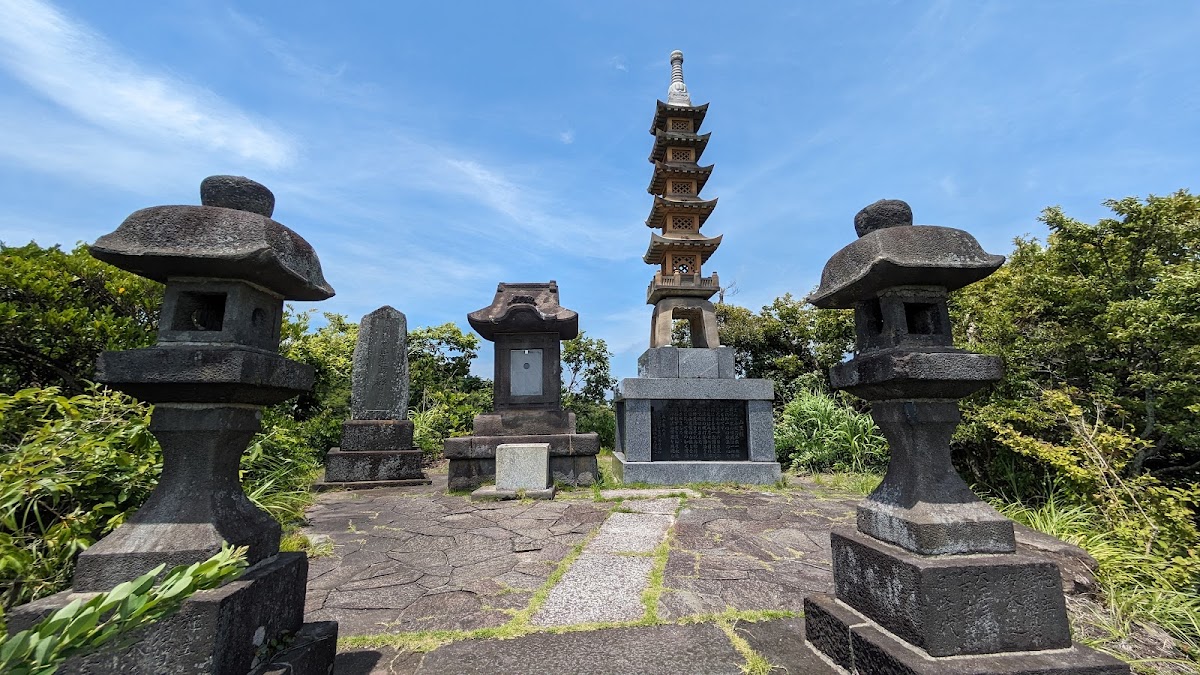
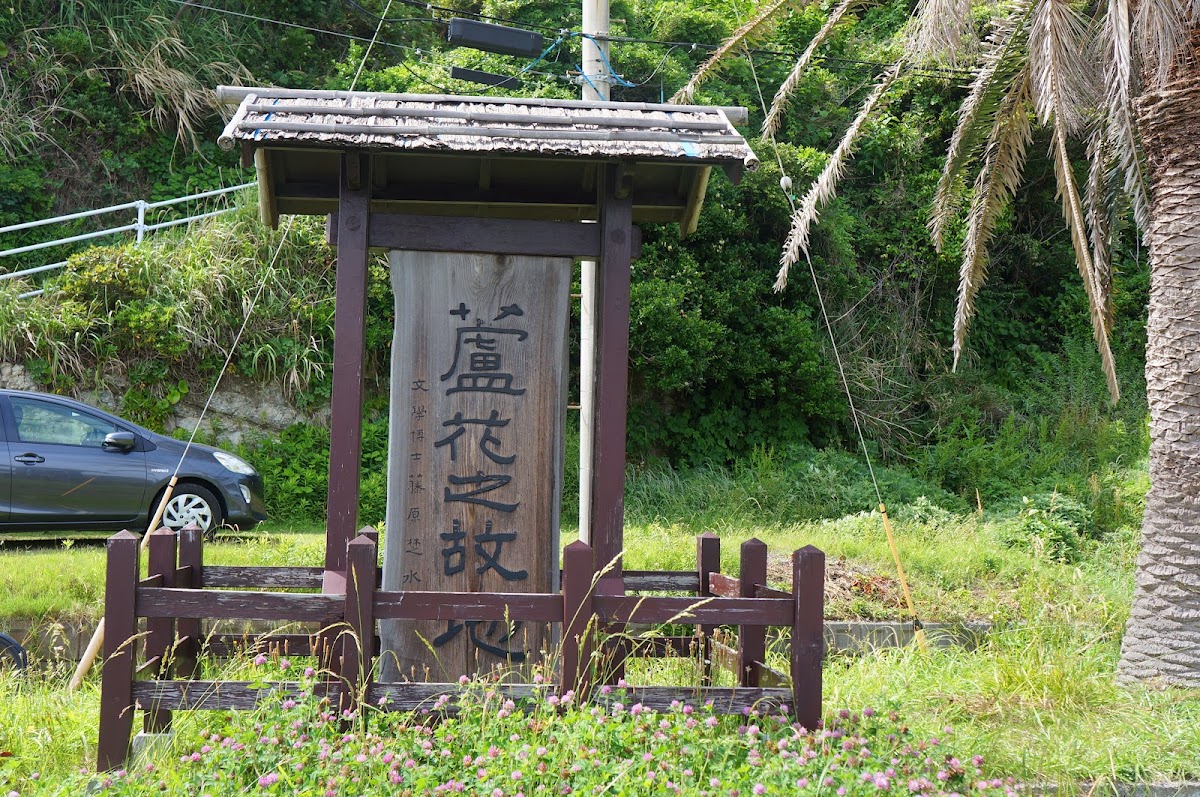
Located in Zaimokuza, Kamakura City, Kanagawa Prefecture, Komyoji Temple boasts a prestigious status as one of the head temples of the Jodo-shu sect, making it one of the most prominent temples in the Kanto region. Its mountain name is Tenshozan, its temple name is Rengein, and its official name is “Tenshozan Rengein Komyoji.”
According to temple tradition, it was founded in 1240 by Hojo Tsunetoki, the fourth regent, with the third patriarch of the Jodo-shu sect, Zen’a Ryochu, as its founding priest. Initially established as Rengeji Temple in Sasuke-ga-tani, it was moved to its current location and renamed Komyoji Temple in 1243. However, the *Ren’a Shōnin Den* states that he entered Kamakura in Shōgen 1 (1259), and the exact founding date remains a subject of debate among researchers.
In Meiō 4 (1495), it was designated an imperial prayer temple by Emperor Go-Tsuchimikado and developed into a central figure of the Jōdo sect in the Kanto region. During the Edo period, it received patronage from the Tokugawa family and, as one of the eighteen major temples of the Kanto region, produced many learned monks.
Highlights of the Temple Grounds
Main Hall
The main hall of Kōmyōji Temple is called the “Main Hall” and is known as one of the largest wooden buildings in Kamakura. The current building was rebuilt in Kyōhō 17 (1732), and its imposing hip-and-gable roof is truly impressive. The principal image, a statue of Amida Buddha, is believed to be a work from the Kamakura period and is an important object of worship.
Sanmon Gate
This is the largest surviving sanmon gate in Kamakura, built in Kanbun 8 (1668). This gatehouse is a two-tiered structure, with the upper level housing statues of the Shakyamuni Triad and the Sixteen Arhats. The view from this gate is exceptional, offering a panoramic view of the sea of Kamakura.
Founder’s Hall and Kishu Garden
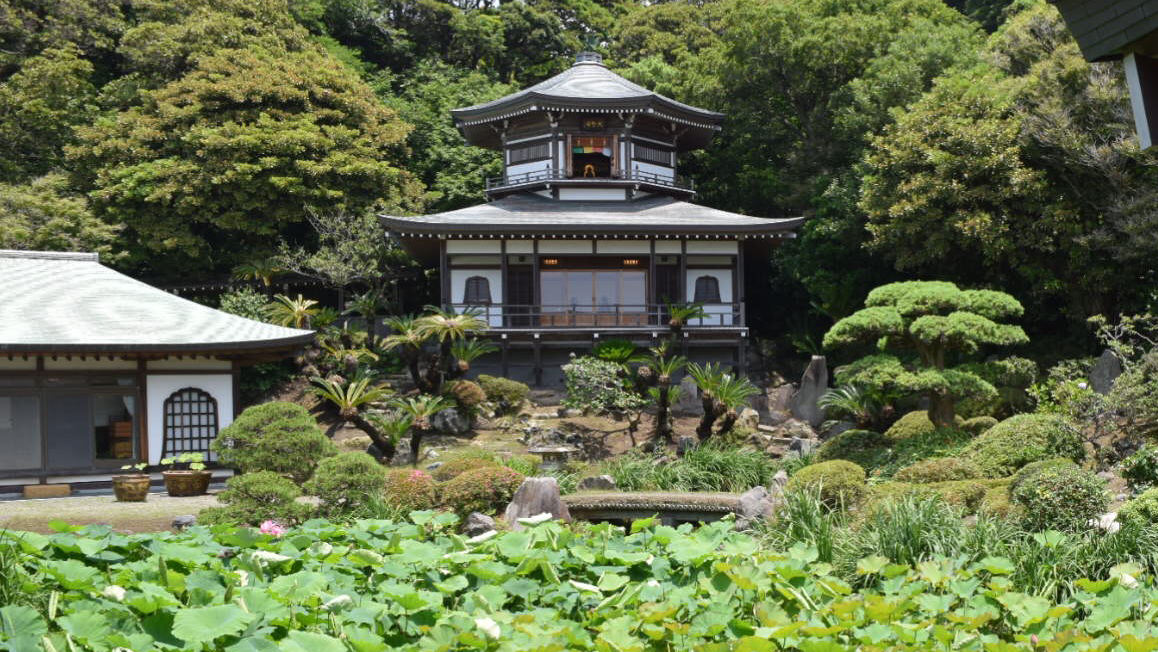
Behind the Founder’s Hall, which enshrines the temple’s founder, Zen’a Ryōchū Shōnin, lies the Kishu Garden, believed to have been created in the early Edo period. This pond-centered strolling garden maintains a beautiful landscape, allowing visitors to enjoy the scenery of each season.
Lotus Pond
Within the temple grounds is a vast lotus pond, where magnificent lotus flowers bloom in the summer. This lotus pond is also the origin of the temple’s name, “Rengein,” and is an important element symbolizing the Pure Land.
Cultural Properties
Kōmyōji Temple houses numerous cultural properties. Among them is a nationally designated Important Cultural Property: a bronze bell bearing the inscription of Kenchō 3 (1251), which showcases the excellent casting techniques of the Kamakura period. Furthermore, the main hall and temple gate are designated as prefectural cultural properties, and are protected as a group of buildings of high historical value.
Access and Visiting Information
Location: 6-17-19 Zaimokuza, Kamakura City, Kanagawa Prefecture
Access: From JR Kamakura Station, take the Keikyu Bus “bound for Zushi Station via Kotsubo” and get off at “Komyoji” bus stop (immediately adjacent), or walk for about 25 minutes.
Visiting Hours: Grounds are freely accessible (please check for entry to the main hall)
Admission Fee: Grounds are free (may be charged for special viewings)
Komyoji Temple, Nagaokakyo, Kyoto | Head Temple of the Seizan Jodo Sect
History and Origin of the Jodo Sect
Komyoji Temple, located in Ao, Nagaokakyo City, Kyoto Prefecture, occupies an extremely important position in the history of the Jodo sect as the head temple of the Seizan Jodo sect. This site is considered the “origin of the Pure Land school,” where Honen Shonin first expounded the teachings of Nembutsu (recitation of Amida Buddha’s name) in 1175, at the age of 43.
The temple’s founding dates back to 1198, when Kumagai Jiro Naozane (later known as Horikibo Rensho), famous from the Tale of the Heike, became a disciple of Honen Shonin after killing Taira no Atsumori at the Battle of Ichinotani, feeling the impermanence of life.
Honen Shonin spent his later years, from 1211 until his death in 1212, devoted himself to Nembutsu practice in this area. Behind the main hall is Honen Shonin’s mausoleum, which serves as the center of faith for the Seizan Jodo sect.
Main Buildings on the Temple Grounds
Miei-do Hall
The Miei-do Hall, which enshrines the image of Honen Shonin, is the center of faith for the Seizan Jodo sect. The current building was rebuilt during the Edo period and is a magnificent structure with a two-story hip-and-gable roof.
Amida-do Hall (Main Hall)
The main hall, which houses the principal image of Amida Buddha, is a solemn space that expresses the world of the Pure Land. The interior is decorated with vivid colors, allowing visitors to experience the splendor of the Pure Land.
Shakado Hall and Imperial Messenger Gate
The temple grounds contain dignified buildings such as the Shakado Hall and the Imperial Messenger Gate, demonstrating the grandeur of the head temple.
A Famous Spot for Autumn Leaves
Komyoji Temple is also known as one of Kyoto’s best spots for autumn leaves. In particular, the “Maple Path” leading to the temple becomes a spectacular sight in autumn when approximately 500 maple trees change color, creating a tunnel-like spectacle of autumn leaves.
Annual Events Guide
Komyoji Temple holds various events throughout the year. Particularly important is the “Gyoki” ceremony, a grand event held around the 25th day of the first month of the lunar calendar, which is the anniversary of the death of Honen Shonin. In 2025, it marked the 815th ceremony, and modern approaches such as live streaming were also implemented.
Furthermore, events that fuse Buddhist culture with contemporary art, such as the “Flower and Music Feast” and the “Komyoji Music Festival,” are regularly held, making it a welcoming temple where anyone, regardless of sect, can participate.
Access Information
Location: 26-1 Aonishijonouchi, Nagaokakyo City, Kyoto Prefecture
Access: Approximately 20 minutes by bus from Hankyu Nagaoka-Tenjin Station, or approximately 20 minutes by bus from JR Nagaokakyo Station
Visiting Hours: 9:00 AM – 4:00 PM (may vary depending on the season)
Admission Fee: Free entry to the temple grounds (charges apply during special viewings)
Tokyo – Kamiyacho Komyoji Temple | An Oasis in the City Center
Kamiyacho Komyoji Temple, located in Toranomon, Minato-ku, Tokyo, is a Jodo sect temple offering a tranquil space despite being in the heart of the city. It is also actively engaged in modern initiatives, opening its terrace in front of the main hall as the “Kamiyacho Open Terrace” and hosting various events such as opportunities to learn about Buddhism and various classes.
Amidst the hustle and bustle of the city, it is a beloved place where people seeking peace of mind can easily drop by, offering opportunities for Buddhist experiences that are easily accessible to modern people, such as “Oasaji” (morning service).
Location: 3-25-1 Toranomon, Minato-ku, Tokyo
Access: 3-minute walk from Kamiyacho Station on the Tokyo Metro Hibiya Line
Note that there are also Komyoji temples with the same name in Kimitsu City, Chiba Prefecture and Soka City, Saitama Prefecture, each serving as a center of faith in their respective regions.
Other Major Komyoji Temples
Komyoji Temple, Iida City, Nagano Prefecture
Komyoji Temple, located in Kume, Iida City, Nagano Prefecture, is an ancient temple of the Shingon Chizan sect. Its mountain name is Engyozan, and its principal image is Kannon Bodhisattva. It is said to have been founded by the monk Gyoki during the Yoro era (717-723) of the Nara period, and its origin is believed to be the enshrinement of a statue of Senju Kannon for Empress Komyo’s safe childbirth. This temple, with its long history, continues to attract many worshippers as a center of local faith.
Komyoji Temple, Kato City, Hyogo Prefecture
Komyoji Temple, located in Kato City, Hyogo Prefecture, is a temple of the Koyasan Shingon sect, and its mountain name is Gobusan. Its principal image is the Eleven-Faced Thousand-Armed Thousand-Eyed Kannon Bodhisattva, and it is one of the 75 famous temples of the Shingon sect, also known as “Harima Koya.”
Its founder is said to be Hodo, and it is a historically important site as the site of the Battle of Komyoji during the Kanno Disturbance. As the 28th temple of the New Saigoku Thirty-Three Kannon Pilgrimage, it attracts many pilgrims.
Komyoji Temples in Hokkaido
Several Komyoji Temples also exist in Hokkaido. Sapporo City has a Komyoji Temple of the Nichiren sect, Nemuro City has a Komyoji Temple of the Shinshu Otani sect, and Takikawa City has a Komyoji Temple of the Jodo Shinshu Honganji sect. Each of these temples functions as a center of Buddhist culture in the northern region.
Guidelines and Manners for Visiting Komyoji Temple
Basic Worship Etiquette
When visiting Komyoji Temple, please observe the following basic manners.
- A Bow at the Temple Gate: Before entering the temple grounds, bow at the temple gate to compose yourself.
- Proper Ritual of Hand-Washing: Cleanse your hands and mouth at the water basin.
- Worship at the Main Hall: Join your hands in prayer in front of the main hall and offer your prayers quietly.
- Photography: Refrain from taking photographs in areas where photography is prohibited, and be considerate of other worshippers.
- Silence: Remain quiet on the temple grounds and set your mobile phone to silent mode.
An Open Temple Regardless of Sect
Many Komyoji temples welcome worshippers and those of any sect. In particular, Komyoji, the head temple of the Seizan Jodo sect, accepts requests for memorial services (kuyo) from people of all sects, demonstrating its open temple stance.
Cultural Properties and Preservation Activities of Komyoji Temple
Nationally and Prefecturally Designated Cultural Properties
Nationwide, Komyoji temples possess numerous important cultural properties designated by the national and local governments. In terms of architecture, the main gate and main hall of Kamakura Komyoji Temple are designated as prefectural cultural properties, and crafts such as the temple bell are protected as important cultural properties.
Preservation and Utilization in the Modern Era
To pass on these cultural properties to future generations, each temple systematically implements preservation and repair projects. Simultaneously, educational activities and public events utilizing these cultural properties are also carried out, actively utilizing them as regional cultural resources.
Komyoji Temple in the Reiwa Era | New Initiatives
Digitalization and Online Distribution
With the arrival of the Reiwa era, Komyoji Temple is also undertaking various modern initiatives. New missionary activities utilizing digital technology are being developed, including live streaming of religious services, information dissemination on social media, and online Dharma talks.
In particular, Komyoji Temple, the head temple of the Nishiyama Jodo sect, has opened an official Instagram account (@komyo_ji_official) to actively share seasonal scenes of the temple grounds and event information.
Music Festivals and Cultural Events
Cultural events, including the “Komyoji Music Festival,” are new initiatives that attempt to fuse Buddhism and contemporary art. The 13th Music Festival in 2025 is also scheduled to be streamed online, making it accessible to many people regardless of location.
Seasonal Charms of Komyoji Temple
Spring at Komyoji Temple
In spring, cherry blossoms adorn the temple grounds, creating a refreshing atmosphere along with the new greenery. The view of the temple gate through the cherry blossoms at Komyoji Temple in Kamakura is particularly breathtaking.
Summer at Komyoji Temple
Summer is the peak season for lotus flowers. At Komyoji Temple in Kamakura, beautiful lotus flowers bloom from early morning, allowing visitors to experience the world of paradise.
Autumn at Komyoji Temple
Autumn foliage is one of Komyoji Temple’s greatest attractions. Komyoji Temple in Nagaokakyo, in particular, is known as one of Kyoto’s premier autumn foliage spots, and the tunnel of autumn leaves along the maple-lined approach is stunningly beautiful.
Komyoji Temple in Winter
The temple grounds, enveloped in the silence of winter, exude a dignified atmosphere. The snow-covered main hall and gardens present a beauty reminiscent of another world.
Access and Nearby Sightseeing
Around Komyoji Temple in Kamakura
Near Komyoji Temple in Kamakura is Zaimokuza Beach, where you can stroll along the shore after your visit. Furthermore, many historical sites such as Tsurugaoka Hachimangu Shrine, Kenchoji Temple, and Engakuji Temple are scattered around Kamakura Station, making it ideal for visiting as part of a Kamakura sightseeing trip.
Around Komyoji Temple in Nagaokakyo
Around Komyoji Temple in Nagaokakyo, there are many other notable sites such as Nagaoka Tenmangu Shrine and Yanagiya Kannon (Yogokuji Temple). It’s easily accessible from Kyoto city, and sightseeing courses combining it with Arashiyama and Katsura Imperial Villa are popular.
Summary | How to Enjoy Visiting Komyoji Temples
Komyoji Temples, scattered throughout Japan, are valuable cultural heritage sites, each possessing its own unique history and charm. Kamakura Komyoji Temple, the head temple of the Jodo sect, reigns supreme in the Kanto region, and Nagaokakyo Komyoji Temple, the head temple of the Seizan Jodo sect, stands in the birthplace of the Jodo school. Komyoji temples throughout Japan continue to play a vital role as centers of local faith and culture.
When visiting, we recommend checking the latest event information and access details on each temple’s official website. These temples are open to everyone, regardless of sect, and warmly welcome all those seeking peace of mind.
Walking through the historic grounds, admiring cultural artifacts, enjoying the beauty of nature throughout the seasons, and quietly offering prayers to calm your mind—that is the essence of visiting Komyoji temples. Why not visit a Komyoji temple near you?