Complete Guide to Joju-in Temples | A Thorough Explanation of Famous Temples in Kamakura, Kyoto, and Tochigi [2025 Latest Edition]
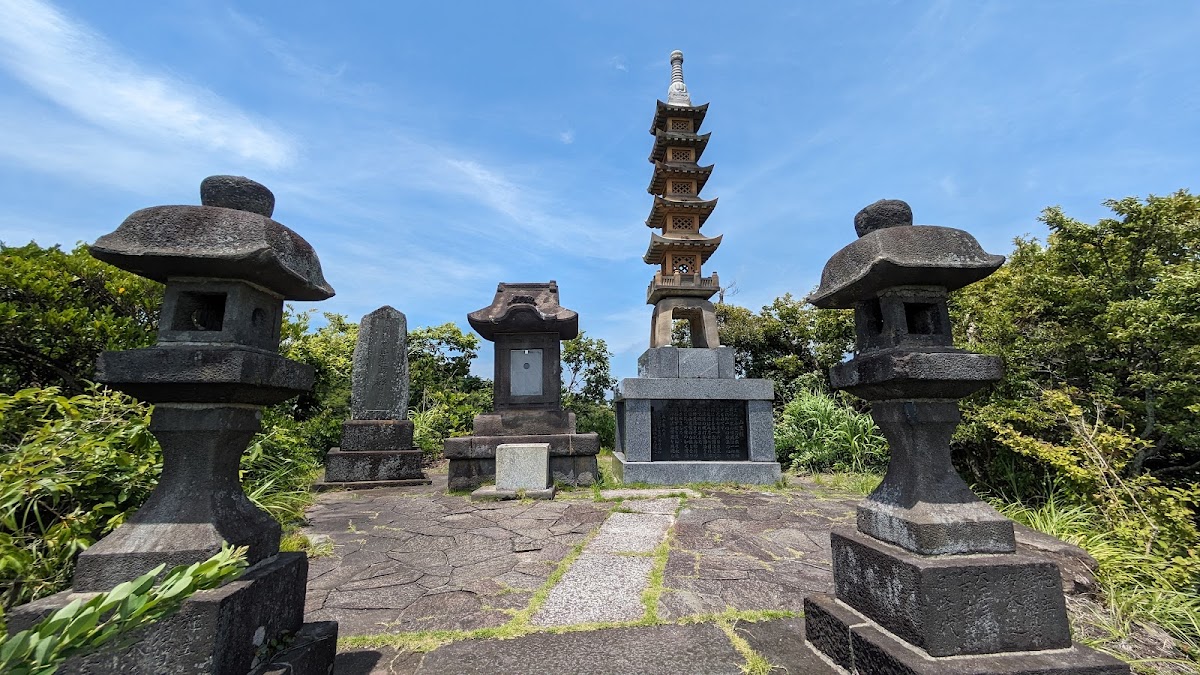
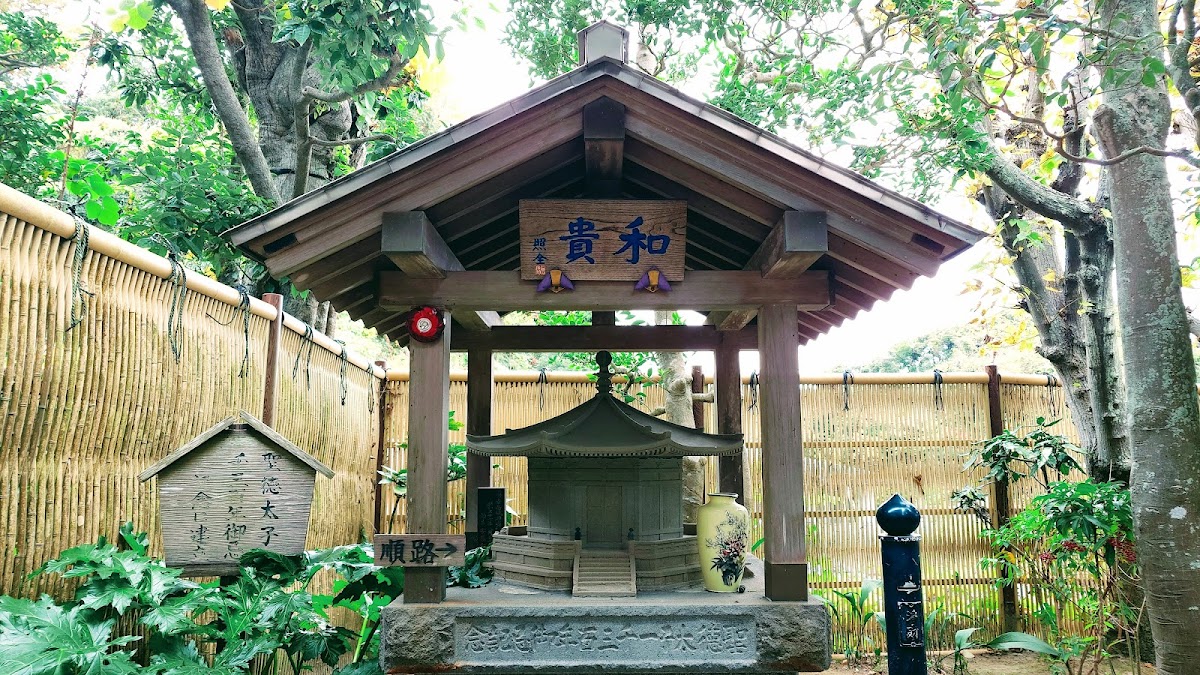
There are several temples named “Joju-in” throughout Japan. Among them, the most well-known are the Joju-in in Gokurakuji, Kamakura City, Kanagawa Prefecture; the Joju-in within the grounds of Kiyomizu-dera Temple in Kyoto; and the Joju-in in Tochigi Prefecture, famous for its blessings against dementia. This article provides a detailed explanation of these Joju-in temples, including their history, highlights, and access methods.
Kamakura Joju-in: An Ancient Temple for Matchmaking Overlooking Yuigahama Beach
History and Origin of Kamakura Joju-in
Located at 1-1-5 Gokurakuji, Kamakura City, Kanagawa Prefecture, Joju-in is a temple belonging to the Daikaku-ji branch of the Shingon sect. Its mountain name is Fumyo-zan, and its temple name is Horitsu-ji.
Joju-in Temple is said to have been founded in 1219 (Jokyu 1) by Hojo Yasutoki, the third regent of the Kamakura Shogunate. This area is known as a sacred site where Kobo Daishi Kukai practiced asceticism, and it was a historically significant place where Goma rituals were once performed. A legend remains that Kokuzo Bodhisattva appeared to Kukai during his training.
Hojo Yasutoki’s decision to build Joju-in Temple here was based on its value as a sacred site associated with Kukai, and its strategic importance as one of the seven passes of Kamakura, Gokurakuji-zaka Pass. It is said that the Hojo family also visited the temple for generations.
The Principal Deity and a Power Spot for Finding Love
The principal deity of Joju-in Temple is Fudo Myoo (Acala). This Fudo Myoo is highly regarded for granting wishes, making it a particularly popular power spot for women seeking love and relationships.
Within the temple grounds is a shrine dedicated to Fudo Myoo, the god of matchmaking, attracting visitors from all over Japan who pray for successful relationships and romantic fulfillment. Many of the amulets and votive tablets are themed around matchmaking, drawing attention from younger generations as well.
Spectacular View from the Approach: Yuigahama Beach
One of the greatest attractions of Joju-in Temple is the view of Yuigahama Beach from its approach. Located halfway up the Gokurakuji-zaka Pass, this temple offers panoramic views of Kamakura city and Sagami Bay, and on clear days, even Enoshima Island can be seen.
As you climb the long stone steps of the approach and look back, a breathtaking view of the blue sea and sky awaits. This view is considered “the best in Kamakura” and is a popular spot for photography. The scenery, which changes with the seasons, continues to captivate visitors.
From Hydrangeas to Bush Clover: Flowers on the Temple Grounds
Previously, Joju-in Temple was known as “one of Kamakura’s leading hydrangea viewing spots.” Approximately 260 hydrangea bushes were planted on both sides of the approach to the shrine, and during the June blooming season, it was bustling with many tourists.
However, as part of the recovery efforts following the Great East Japan Earthquake, many of the hydrangea bushes along the approach were donated to Minamisanriku Town in Miyagi Prefecture between 2015 and 2017. Since then, bush clover (hagi) has been planted along the approach, and is now a popular autumn flower.
In autumn, the purple bush clover flowers adorn the approach, creating a beautiful landscape in combination with the view of Yuigahama Beach. It offers a different charm from the hydrangeas, creating a scene that evokes the changing seasons.
Visiting Hours and Access
Visiting Hours
- Regular Season (March 2nd – October 31st): 8:00 AM – 5:00 PM
- Winter Season (November 1st – March 1st): 8:00 AM – 4:30 PM
Admission Fee
- Free (Free entry to the grounds)
Access
- Approximately 5-minute walk from Gokurakuji Station on the Enoshima Electric Railway
- Approximately 10-minute walk from Hase Station on the Enoshima Electric Railway
Gokurakuji Station is particularly charming among the Enoden stations, and the station building itself has been selected as one of the 100 Best Stations in the Kanto Region. The path from the station to Joju-in Temple is a picturesque walking route through a quiet residential area typical of Kamakura.
Location
1-1-5 Gokurakuji, Kamakura City, Kanagawa Prefecture 248-0023
Phone: 0467-22-3401
Recommended Tourist Spots Around Joju-in Temple
When visiting Joju-in Temple, it is recommended to also visit the surrounding tourist spots.
Gokuraku-ji Temple
A Shingon Ritsu sect temple located about a 3-minute walk from Joju-in Temple. A quiet, ancient temple that retains a strong atmosphere of the Kamakura period, it houses important cultural properties such as a standing statue of Shakyamuni Buddha.
Hase-dera Temple
One of Kamakura’s representative temples, located about a 15-minute walk away. It enshrines an eleven-faced Kannon Bodhisattva and is also famous for its hydrangeas. You can enjoy a panoramic view of Yuigahama Beach from the scenic walking path.
Kamakura Daibutsu (Kotoku-in Temple)
About a 7-minute walk from Hase Station. The seated statue of Amida Buddha, approximately 13.35 meters tall and a symbol of Kamakura, is designated a National Treasure.
Goryo Shrine
A shrine famous for the Enoden train passing right in front of its grounds. It’s a popular spot for photographing the Enoden and hydrangeas together during hydrangea season.
Recommended Restaurants near Joju-in Temple
Rikimochi-ya
A long-established Japanese confectionery shop near Hase Station, founded over 300 years ago. Their specialty, “Rikimochi,” is an exquisite treat made with soft mochi rice cakes coated in high-quality kinako (roasted soybean flour).
Cafe Sakanoshita
Approximately a 5-minute walk from Enoden Hase Station. A stylish cafe renovated from an old house, where you can enjoy dishes made with local ingredients.
Kaikoan
A sweet shop located on a hill overlooking Yuigahama Beach. Enjoy sweets such as anmitsu and zenzai along with a spectacular view.
Kyoto Joju-in Temple: Kiyomizu-dera’s “Moon Garden”
History and Positioning of Kyoto Joju-in Temple
Joju-in Temple in Kyoto is a sub-temple located north of the grounds of Kiyomizu-dera Temple, a World Heritage Site. It is a prestigious temple that was formerly the main temple of Kiyomizu-dera, and has played an important role as a sub-temple of the Hongan-shiki (a high-ranking Buddhist priest) responsible for Kiyomizu-dera’s finances, external affairs, and the maintenance of its buildings and treasures.
Joju-in Temple’s predecessor was “Hongan-in,” built as the residence of Abbot Gana when Kiyomizu-dera was rebuilt after being completely destroyed in the Onin War (1467-1477). Later, during the Edo period, it was developed into the current Joju-in Temple and became a central sub-temple supporting Kiyomizu-dera.
“Moon Garden”: A Famous Garden Representing Kyoto
The greatest highlight of Joju-in Temple is its garden, also known as the “Moon Garden.” This garden is a pond-style garden that uses Mount Kodaiji as a borrowed landscape, and is highly regarded as one of Kyoto’s most representative gardens.
The name “Moon Garden” originates from the ethereal beauty of the garden illuminated by the moon rising over Higashiyama. Since ancient times, the sight of the garden illuminated by moonlight has captivated people. The garden’s design is calculated to best reflect the moonlight, and the arrangement of the pond and stones are carefully crafted with the moon in mind.
Kyoto is said to have three Joju-in gardens themed around “snow, moon, and flowers,” and Joju-in at Kiyomizu-dera Temple is positioned as the garden symbolizing “the moon.”
Traces of the Restoration: Joju-in as a Historical Stage
Joju-in in Kyoto played an important role in the history of the Meiji Restoration. Due to its high status as a sub-temple of Kiyomizu-dera Temple, it is said that many patriots and court nobles visited and used it as a place for secret meetings and gatherings.
Joju-in Temple, with its dignified presence and tranquil atmosphere, is also an important historical witness to a turning point in history.
Special Openings and Visiting Information
Joju-in Temple in Kyoto is usually closed to the public, but special openings are held in spring and autumn. During these special openings, you can admire the “Moon Garden” up close and enjoy the garden’s beauty, which changes with the seasons.
Special Opening Dates (Typical Years)
- Spring: Late March to mid-April
- Autumn: Mid-November to early December
*Dates vary each year, so it is recommended to check the latest information on the Kiyomizu-dera Temple official website.
Admission Fee
Only accessible during special openings (normally closed to the public)
Admission fees may be included in the Kiyomizu-dera Temple admission fee or may be required separately.
Access
Since it is located within the grounds of Kiyomizu-dera Temple, access to Kiyomizu-dera Temple is required first. – Take the Kyoto City Bus and get off at “Gojo-zaka” or “Kiyomizu-michi” bus stop, then walk for about 10 minutes.
- Take the Keihan Railway and walk for about 25 minutes from “Kiyomizu-Gojo Station”.
Tochigi Joju-in Temple: A Famous Temple for Preventing Dementia
Features of Tochigi Joju-in Temple
Located in Iwafune-cho, Tochigi City, Tochigi Prefecture, Joju-in Temple is known as a “Sacred Site for Preventing Dementia.” It was the first “Sacred Site for Preventing Dementia” in northern Kanto, and is beloved by many worshippers as “Dementia-Preventing Kannon-sama.”
In today’s aging society, it attracts the faith of people praying for dementia prevention and healthy longevity, and there is a constant stream of worshippers praying for the health of their families.
A Tourist Temple with Flowers Blooming in Every Season
Tochigi’s Joju-in Temple is also known as the “Eastern Japan Flower Temple,” and visitors can enjoy seasonal flowers on its grounds. Plum blossoms, cherry blossoms, azaleas, hydrangeas, spider lilies, and other seasonal flowers adorn the temple grounds, making it a popular tourist spot where visitors can enjoy flower viewing along with their worship. It’s featured on various tourism websites.
Access
Location
Iwafune-cho, Tochigi City, Tochigi Prefecture
Access
- Approximately 10 minutes from the Sano-Fujioka Interchange on the Tohoku Expressway
- Excellent access, making it convenient for those visiting by car.
Other Joju-in Temples
Joju-in Temple in Okazaki City, Aichi Prefecture
In Okazaki City, Aichi Prefecture, there is Joju-in Temple, which preserves the legend of the tragic love story between Ushiwakamaru (Minamoto no Yoshitsune) and Jorurihime, the daughter of Kanetaka Choja.
In 1177 (Shoan 4), Ushiwakamaru, traveling to seek refuge with Fujiwara no Hidehira in Hiraizumi, Oshu, visited the village of Yahagi and stayed at the home of Kanetaka Choja. There, he met Jōrurihime, the daughter of a wealthy man, and fell in love. However, Ushiwakamaru had to depart for Hiraizumi, and the two were separated.
It is said that Jōrurihime continued to think of Ushiwakamaru and eventually died young. The area around present-day Jōjuin Temple is believed to be the setting for this beautiful yet tragic love story.
Points and Manners for Visiting Jōjuin Temple
Etiquette for Visiting Temples
When visiting Jōjuin temples in various locations, please observe basic visiting manners.
- Bow at the Temple Gate: Bow before entering the temple grounds.
- Purification at the Water Basin: Purify your hands and mouth before praying.
- Praying at the Main Hall: Quietly put your hands together and pray wholeheartedly.
- Photography: Be considerate of other visitors and refrain from taking photos in areas where photography is prohibited.
- Please be quiet: Please refrain from speaking loudly on the temple grounds and remain quiet.
About Goshuin (Temple Seals)
Many Jojuin temples offer Goshuin. Bring your Goshuincho (stamp book) and politely request one at the temple office or sutra hall after your visit. It’s important to remember that Goshuin are proof of your visit, not collectibles.
Best Season to Visit
Kamakura Joju-in Temple
- Autumn (September-October): The time when bush clover flowers are at their most beautiful.
- Early Summer: The contrast between the fresh greenery and the blue sea is stunning.
- Winter: The air is clearest, offering the best views.
Kyoto Joju-in Temple
- Spring (Late March-April): Special opening period with beautiful cherry blossoms.
- Autumn (Mid-November-Early December): Special opening period with beautiful autumn foliage.
Tochigi Joju-in Temple
- Spring (March-May): Plum blossoms, cherry blossoms, and azaleas bloom in succession.
- Early Summer (June): Hydrangeas are in full bloom.
- Autumn (September): Spider lilies are beautiful.
Origin and Meaning of the Name Joju-in
The temple name “Joju-in” means “fulfillment” in Buddhism, signifying the fulfillment of wishes and the completion of spiritual training. Many Joju-in temples have functioned as prayer temples, fulfilling the wishes of worshippers.
It’s interesting that while each Joju-in temple across Japan has its own unique characteristics, such as matchmaking, preventing dementia, or moon viewing, they all attract people’s faith under the common theme of “fulfillment of wishes.”
Summary: Visit the Joju-in that suits you
The Joju-in temples scattered throughout Japan each possess their own unique charm and history.
- Kamakura’s Joju-in is recommended for those wishing for romantic success or simply enjoying the scenery, as it boasts a spectacular view of Yuigahama Beach and is a power spot for matchmaking.
- Kyoto’s Joju-in is ideal for those who want to admire Kyoto’s representative garden, the “Moon Garden,” and for those who want to visit it in conjunction with Kiyomizu-dera Temple.
- Tochigi’s Joju-in is suitable for those wishing for the health and longevity of their family and those who want to enjoy seasonal flowers.
Understanding the unique characteristics of each Joju-in temple and visiting one that matches your purpose and interests will lead to a more fulfilling pilgrimage experience. A pilgrimage to various Joju-in temples, starting from Joju-in in Gokurakuji, Kamakura City, Kanagawa Prefecture, is an attractive option that can be enjoyed throughout the seasons.
By calming your mind in the tranquil temple grounds and experiencing the history and culture of each Joju-in, you can spend a special time away from everyday life. Please visit a Joju-in with your wishes in mind.