Complete Guide to Kaizoji Temple: History, Highlights, and Access Information for Kamakura’s Hidden Gem
Kamakura is home to many temples, but among them, Kaizoji Temple captivates visitors with its tranquil atmosphere and seasonal flowers. Located in a secluded area of Ogigayatsu, this temple is a little removed from the bustling center of Kamakura, making it known as a “hidden gem” where visitors can worship in a peaceful atmosphere.
This article provides detailed information you should know before visiting, from the history of Kaizoji Temple and its highlights within the grounds to the beauty of its seasonal flowers and access methods.
What is Kaizoji Temple?: An Ancient Temple in Ogigayatsu, Kamakura
Kaizoji Temple is a Rinzai Zen temple of the Kenchoji school located in Ogigayatsu, Kamakura City, Kanagawa Prefecture. Its official name is “Ogigayatsu-san Kaizoji,” and its mountain name is Senkokuzan.
Basic Information
- Sect: Rinzai Zen, Kenchoji School
- Principal Image: Yakushi Nyorai (Medicine Buddha)
- Founding: Kamakura period (around Kencho 5, 1253)
- Founder: Gen’ō Zenji (Shinshō Kūgai)
- Pilgrimage Site: 26th of the Kamakura Thirty-Three Kannon Pilgrimage, 23rd of the Kamakura Twenty-Four Jizo Pilgrimage
Kaizōji Temple is located northwest of the center of Kamakura, at the foot of Genjiyama Mountain, near Keshōzaka. The surrounding area is dotted with ancient temples such as Jōkōmyōji and Jufukuji, and retains a strong sense of Kamakura period history.
History of Kaizōji Temple: A History Continuing from the Kamakura Period
The history of Kaizōji Temple dates back to the Kamakura period. There are several theories regarding its origins, but we will introduce the most plausible one.
Origin of the Temple’s Founding
It is believed that a Shingon Buddhist temple originally stood on the site where Kaizo-ji Temple now stands. Records indicate that a member of the Fujiwara clan, ancestors of the powerful Uesugi clan of the Kamakura Shogunate, established a temple on this site.
In 1253 (Kencho 5), by order of Hojo Nagatoki, the 6th regent of the Kamakura Shogunate, the temple was rebuilt as a Rinzai Zen temple with Zen Master Gen’ō (Shinshō Kūgai) as its founding abbot. Zen Master Gen’ō was a disciple of Rankei Dōryū, the founder of Kenchō-ji Temple, and greatly contributed to the development of Zen Buddhism in Kamakura.
Reconstruction in 1394 (Ōei 1)
From the late Kamakura period to the Nanboku-chō period, Kaizo-ji Temple fell into disrepair. It is said to have been rebuilt in 1394 (Ōei 1) by Ōta Dōshin, the father of Ōta Dōkan, who was the chief retainer of the Ōgigayatsu Uesugi clan.
Ota Dokan is a samurai known for building Edo Castle, but his father, Doshin, was also a cultured man who dedicated himself to the restoration of temples in Kamakura.
From the Edo Period Onward
During the Edo period, it was positioned as a branch temple of Kencho-ji Temple and has been maintained as a temple of the Kencho-ji branch of the Rinzai school of Zen Buddhism to this day. Despite being affected by the Great Kanto Earthquake and war damage, it has been rebuilt each time and maintains its current appearance.
Highlights of Kaizo-ji Temple: A Thorough Explanation of the Temple Grounds’ Charm
The grounds of Kaizo-ji Temple contain numerous historically valuable buildings, gardens, and historical sites steeped in legend. Here, we introduce the main highlights.
The Temple Gate and Approach
The temple gate, which serves as the entrance to Kaizo-ji Temple, has a simple yet dignified appearance. Passing through the gate, a quiet approach lined with lush trees continues on both sides.
As you proceed along the approach, you will be greeted by different flowers depending on the season. One of the charms of Kaizo-ji Temple is that you can enjoy different scenery depending on the time of year you visit: cherry blossoms in spring, hydrangeas in early summer, and bush clover and spider lilies in autumn.
Main Hall (Yakushi-do)
The main hall houses the principal image, Yakushi Nyorai (Medicine Buddha). Yakushi Nyorai is believed to grant healing from illness and promote health and longevity, attracting many worshippers.
A beautiful garden spreads out in front of the main hall, offering a magnificent view, especially during the fresh green of spring and the vibrant autumn foliage. The ceiling inside the hall is adorned with paintings of flowers, another highlight.
Sixteen Wells
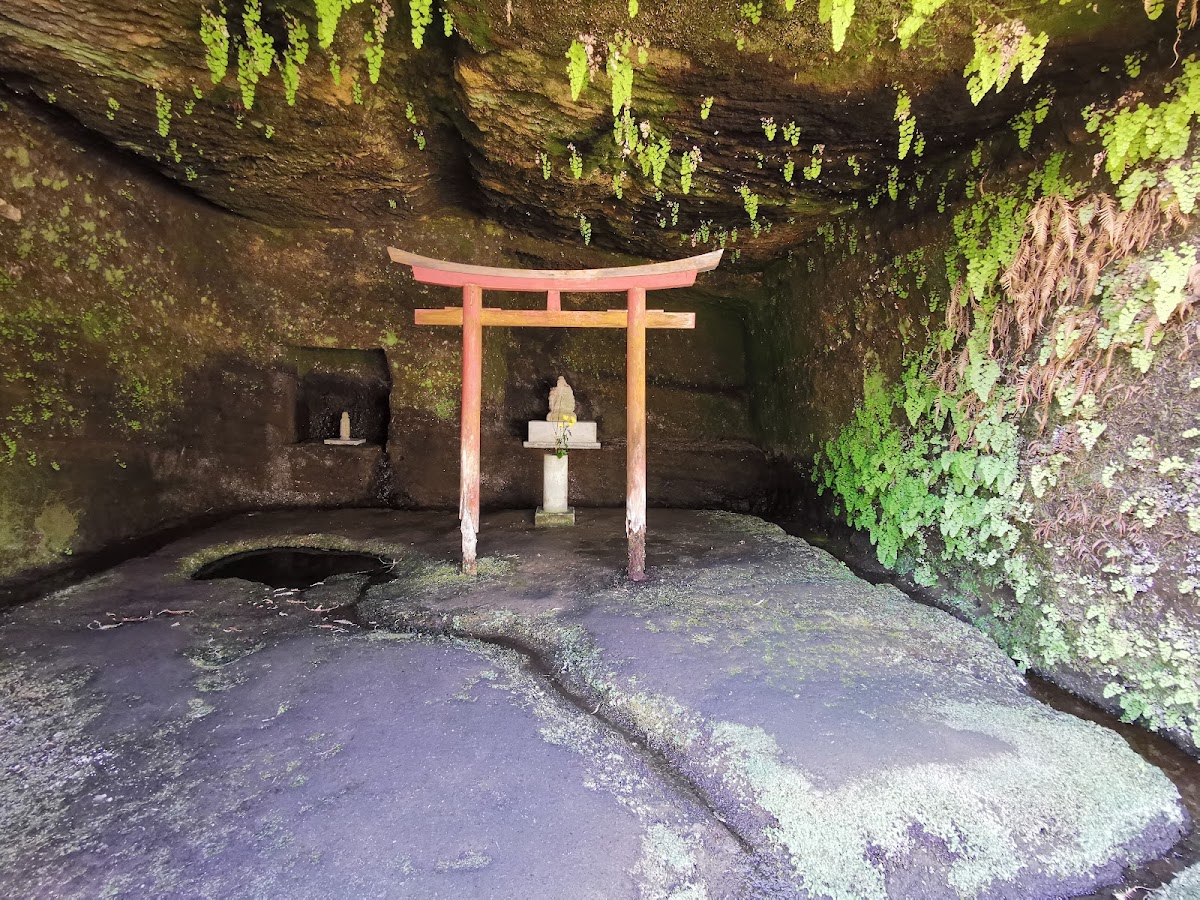
The greatest highlight of Kaizo-ji Temple is the Sixteen Wells. These are 16 holes located behind the main hall, carved into the bedrock, each gushing with clear water.
Characteristics of the Sixteen Wells
- 16 round holes (arranged in a 4×4 grid) carved into the bedrock
- Fresh water constantly springs forth
- Believed to be a water source facility from the Kamakura period
- A power spot with a mystical atmosphere
There are theories that these wells were used as a source of water for daily life during the Kamakura period, or that they were a water source for ascetic training. The number 16 is said to be derived from the Sixteen Arhats of Buddhism.
The Sixteen Wells are usually a special place that can only be visited by those who pay an admission fee. The cave is dimly lit and enveloped in a mystical atmosphere, leaving a deep impression on visitors.
The Bottomless Well
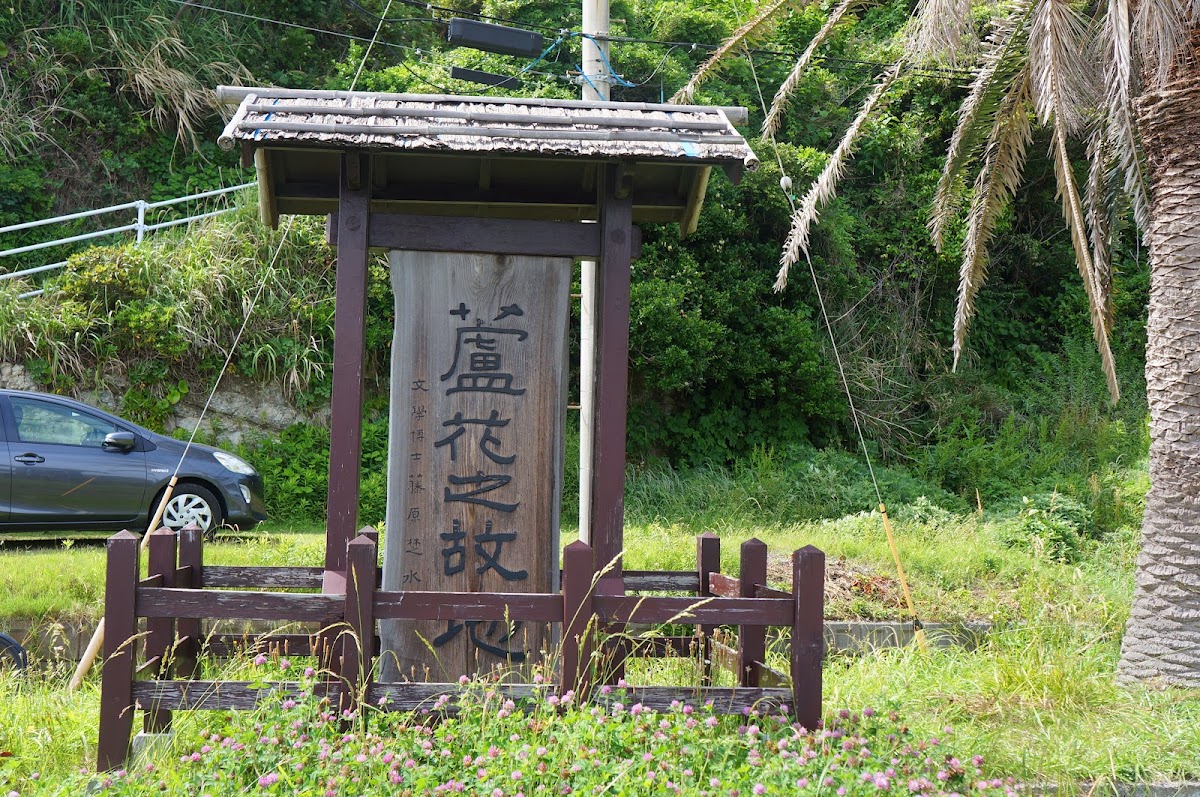
The Bottomless Well located beside the temple gate is also an important historical site of Kaizo-ji Temple. A legend remains about this well concerning Chiyono, the daughter of Adachi Yasumori, a famous monk of the Kamakura period.
The Legend of the Bottomless Well
When Chiyono was drawing water, the bottom of her bucket fell out. It is said that she composed the following poem at that time:
“The bottom of Chiyono’s bucket has fallen out; water cannot be collected, and therefore the moon cannot reflect.”
This poem expresses the state of enlightenment achieved by letting go of attachments, just as water cannot be collected in a bucket with a missing bottom, and therefore the moon cannot be reflected in it. Legend says that Chiyono attained enlightenment through this poem and became a nun.
The Bottomless Well still holds water today and is counted as one of the Ten Famous Wells of Kamakura.
Bell Tower and Temple Bell
In a corner of the temple grounds stands a bell tower, from which a beautiful temple bell hangs. This bell dates back to the Edo period and is still used as the New Year’s Eve bell.
The area around the bell tower is adorned with seasonal flowers, making it an excellent photo spot, especially during the cherry blossom season in spring and the hydrangea season in early summer.
Gardens and Seasonal Flowers
Kaizoji Temple is also known as the “Temple of Flowers,” and you can enjoy seasonal flowers throughout the temple grounds.
Spring (March-May)
- Plum Blossoms (Late February-March): White and red plum blossoms bloom throughout the temple grounds.
- Cherry Blossoms (Late March-Early April): Cherry blossoms near the temple gate and along the approach are beautiful.
- Crabapple Blossoms (April): The crabapple trees in front of the main hall bloom magnificently.
- Peonies (Late April-Early May): Vibrantly colored peonies adorn the temple grounds.
Early Summer (June-July)
- Hydrangeas (June): Various types of hydrangeas bloom along the approach and throughout the temple grounds.
- Japanese Irises (June): Japanese irises bloom profusely in the garden in front of the main hall.
- Balloon Flowers (July-August): Cool blue-purple flowers adorn the temple grounds in summer.
Autumn (September-November)
- Bush Clover (September): Bush clover flowers sway in the wind throughout the temple grounds.
- Red Spider Lily (September): Bright red spider lilies bloom along the approach to the temple.
- Autumn Leaves (Late November-Early December): Maple and ginkgo trees on the temple grounds change color.
Winter (December-February)
- Daffodil (December-February): A delicate fragrance fills the winter temple grounds.
- Winter Sweet (January-February): Sweet-smelling yellow flowers bloom.
Kaizoji Temple truly deserves the name “Temple of Flowers” because some kind of flower is always in bloom no matter when you visit.
Benefits and Goshuin (Temple Seal) of Kaizoji Temple
Benefits
Since Kaizoji Temple’s principal image is Yakushi Nyorai (Medicine Buddha), it is believed to offer the following benefits:
- Healing from Illness: Yakushi Nyorai is known as the Buddha of medicine.
- Health and Longevity: It is believed to bring good fortune in both mind and body.
- Fulfillment of Wishes: Based on the legend of the bottomless well, it is believed that wishes are fulfilled by letting go of attachments.
- Protection from Evil: The pure air of the temple grounds is believed to ward off evil spirits.
Furthermore, as it is also a pilgrimage site for the Kamakura Thirty-Three Kannon Pilgrimage and the Kamakura Twenty-Four Jizo Pilgrimage, many pilgrims visit.
Goshuin (Temple Seals)
At Kaizo-ji Temple, you can receive several types of goshuin.
- Yakushi Nyorai Goshuin (Main Deity)
- Kannon Bodhisattva Goshuin (26th of the Kamakura Thirty-Three Kannon Pilgrimage)
- Jizo Bodhisattva Goshuin (23rd of the Kamakura Twenty-Four Jizo Pilgrimage)
Goshuin can be obtained at the reception area in the main hall. After visiting the temple, you can usually leave your goshuincho (stamp book) and have it stamped while you pray. The offering fee is usually around 300 to 500 yen.
How to access Kaizo-ji Temple
Kaizo-ji Temple is within walking distance of Kamakura Station, but it’s located in a somewhat secluded area, so it’s recommended to check the route in advance.
Access by Train
From JR Yokosuka Line/Enoshima Electric Railway “Kamakura Station”
Walking (approx. 20 minutes)
- Exit Kamakura Station West Exit
- Walk straight along Onari Street
- Pass Jufuku-ji Temple and continue north
- Go through the residential area of Ogigayatsu and arrive at Kaizo-ji Temple
By Bus
From Kamakura Station West Exit, take the Keikyu Bus from the “Kamakura Station West Exit” bus stop:
- Take the Enoden Bus bound for “Asahi-cho”
- Get off at the “Sensuibashi” bus stop and walk for approximately 3 minutes.
However, bus services are limited, so please check the timetable.
Access by Car
From Asahina IC on the Yokohama-Yokosuka Expressway
- Approximately 20 minutes (approx. 7 km)
Important Notes
- There is no dedicated parking lot at Kaizo-ji Temple.
- The surrounding roads are narrow, and parking spaces are limited.
- We strongly recommend using public transportation.
If you absolutely must visit by car, the most practical option is to use a paid parking lot near Kamakura Station and walk from there.
Combining with Nearby Tourist Attractions
There are many other sights to see around Kaizo-ji Temple.
- Jufuku-ji Temple (approx. 10-minute walk): A Rinzai Zen temple built on the former site of the residence of Minamoto no Yoshitomo, father of Minamoto no Yoritomo.
- Jokomyo-ji Temple (approx. 5-minute walk): An ancient temple housing a nationally important cultural property.
- Eisho-ji Temple (approx. 15-minute walk): Kamakura’s only nunnery.
- Zeniarai Benzaiten Shrine (approx. 15-minute walk): A shrine with a legend that washing money there will increase your wealth.
- Genjiyama Park (approx. 20-minute walk): A park known for its cherry blossoms.
Combining these spots to enjoy a walking course in the Ogigayatsu/Genjiyama area is highly recommended.
Visiting Information: Hours, Fees, and Notes
Visiting Hours
- Regular Season: 9:30 AM – 4:00 PM
- Winter Season (December – February): 9:30 AM – 3:30 PM
*Hours may change due to weather or temple events.
Admission Fee
- Temple Grounds: Free (from the main gate to the front of the main hall)
- Viewing the Main Hall and the Sixteen Wells: Voluntary donation (approximately 200 yen)
The Sixteen Wells are the main attraction of Kaizoji Temple, so we highly recommend paying the admission fee to see them.
Notes for Visitors
- Photography: Photography is generally permitted within the temple grounds, but it is prohibited inside the main hall.
- Silence: This is a place for worship and spiritual practice, so please refrain from loud conversations.
- No Eating or Drinking: Eating and drinking are prohibited within the temple grounds.
- Pets: Pets are generally not allowed.
- Dress Code: There are no specific dress code requirements, but please dress appropriately for a temple.
Recommended Time to Visit
Kaizoji Temple is beautiful throughout the four seasons, but the best times to visit are:
- Mid-to-late April: Crabapple and peony blossoms are in full bloom.
- June: Hydrangeas and irises are beautiful during the rainy season.
- Mid-September: Bush clover flowers adorn the temple grounds.
- Late November to Early December: Autumn leaves are at their peak.
Weekday mornings are relatively uncrowded, allowing for a more relaxed visit. While it can get crowded on weekends and during peak flowering seasons, it’s not as busy as the main tourist attractions in Kamakura.
The Charm of Kaizo-ji Temple: Why is it a “Hidden Gem”?
Kamakura boasts many famous tourist spots such as Tsurugaoka Hachimangu Shrine, Hase-dera Temple, and Kotoku-in Temple (the Great Buddha of Kamakura), but Kaizo-ji Temple possesses a different kind of charm.
Tranquility and Serenity
The greatest charm of Kaizo-ji Temple is its tranquility. While within walking distance of Kamakura Station, it’s located away from the hustle and bustle of tourists, allowing for a peaceful and serene visit.
Stepping onto the temple grounds, the urban noise seems like a distant memory, and you can experience a sense of time slowing down.
The Weight of History
With a long history dating back to the Kamakura period, it retains historical sites that evoke a sense of historical romance, such as the legend of the bottomless well and the Sixteen Wells.
These historical sites are not merely tourist spots, but valuable cultural heritage that conveys the lives and beliefs of the people of the Kamakura period.
The Beauty of Nature Through the Seasons
Kaizo-ji Temple, known as the “Temple of Flowers,” offers the enjoyment of various flowers throughout the year. The meticulously maintained gardens harmonize with nature, creating a landscape that embodies Japanese aesthetics.
The “True Face” of Kamakura
Visiting Kaizo-ji Temple allows you to experience not only the touristy side of Kamakura, but also its past as a place of worship cherished by the local people.
Gourmet and Cafe Information Around Kaizo-ji Temple
Here are some nearby gourmet spots you might want to visit before or after your visit to Kaizo-ji Temple.
Around Kamakura Station West Exit
- Onari Street: Along the road from Kamakura Station West Exit towards Kaizo-ji Temple, you’ll find a scattering of stylish cafes and restaurants.
- Restaurants Using Kamakura Vegetables: Enjoy dishes made with fresh local vegetables.
- Japanese Confectionery Shops: A long-established Japanese confectionery shop is recommended; purchasing Kamakura’s famous sweets as a souvenir of your visit is a great idea.
Ogigayatsu Area
The area around Kaizo-ji Temple is a residential area, so there are few restaurants, but there are several hidden cafes. It’s a good idea to do some research beforehand.
Summary: A Peaceful Time at Kaizo-ji Temple
Kaizoji Temple is a “hidden gem” where you can escape the hustle and bustle of Kamakura and pray in peace. Its long history dating back to the Kamakura period, mystical historical sites such as the Sixteen Wells and the Bottomless Well, and the beautiful flowers of each season captivate visitors.
When visiting Kamakura, be sure to visit not only famous tourist spots, but also quiet temples like Kaizo-ji Temple. You’re sure to discover a new charm of Kamakura.
In particular, Kaizo-ji Temple is the perfect spot for those who want to escape the hustle and bustle of daily life and find peace of mind, those interested in history and culture, and those who enjoy photography.
On your next stroll through Kamakura, be sure to visit Kaizo-ji Temple and experience its tranquil atmosphere and the weight of history. Stepping onto the temple grounds, you’ll find yourself in a space of prayer that has remained unchanged since the Kamakura period.