Inage Shrine Complete Guide | A Thorough Explanation of the History, Goshuin (Seal Stamps), Festivals, and Blessings of Kawasaki Sanno-san
Located in Kawasaki Ward, Kawasaki City, Kanagawa Prefecture, Inage Shrine is a representative ancient shrine of Kawasaki, affectionately known locally as “Sanno-san.” This shrine, which has a long history alongside its sacred ginkgo tree over a thousand years old, enshrines the war god Takemikazuchi-no-kami and attracts many worshippers for its divine virtues of “victory” and “harmony.” This article comprehensively introduces information you should know before visiting Inage Shrine, including its history, highlights of the grounds, festivals, prayers, and access information.
What is Inage Shrine? | An Ancient Shrine with a Thousand-Year History as Kawasaki Sanno-sha
Before the Meiji era, Inage Shrine was called “Kawasaki Sanno-sha,” and it is still affectionately known as “Sanno-san” by its parishioners and local residents. While the exact date of its founding is unknown, the estimated age of the sacred ginkgo tree towering within the shrine grounds—over a thousand years—confirms its status as an ancient local shrine.
According to shrine tradition, it was established during the reign of Emperor Kinmei (around the 6th century). During a time of constant conflict in eastern Japan, it is said to have been built to enshrine Takemikazuchi-no-kami, a god of war, and to pray for the victory of the imperial army and subsequent peace and cooperation. Since then, it has long been revered as an imperial prayer site.
The “Shinpen Musashi Fudoki-ko,” compiled during the Edo period, records that Sasaki Takatsuna served as the magistrate in constructing the shrine buildings during the time of Minamoto no Yoritomo. Having endured numerous eras and changes, and alongside the sacred ginkgo tree that withstood the ravages of war, it continues to be revered as a spiritual center for the citizens of Kawasaki.
Deities and Divine Virtues of Inage Shrine
The main deity enshrined at Inage Shrine is Takemikazuchi-no-Okami. It enshrines the same deity as Kashima Shrine in Ibaraki Prefecture and is known for its powerful divine virtues as a god of war.
Takemikazuchi-no-Okami is a god of martial prowess who played an active role in the transfer of the land in Japanese mythology, and is worshipped as a god of victory, protection from evil, and good fortune. Furthermore, Inage Shrine emphasizes not only “victory” but also the spirit of “harmony,” and also functions as a shrine that prays for reconciliation and cooperation after battles, and for the realization of a peaceful society.
The Sacred Ginkgo Tree | A Natural Monument of Kawasaki City Over 1000 Years Old
When visiting Inage Shrine, the first thing that catches your eye is the sacred ginkgo tree towering over the grounds. Located just beyond the torii gate, this giant tree is estimated to be over 1000 years old, and everyone is overwhelmed by the thickness of its trunk.
This large ginkgo tree is designated as a natural monument of Kawasaki City and is truly a symbol of Inage Shrine. A legend says that if you walk around this sacred tree, which has survived for a long time, your wish will come true. Many worshippers can be seen praying to the tree and quietly walking around it, making their wishes.
The sacred tree has survived numerous hardships, including war, and its vitality embodies the history of the shrine itself. The large ginkgo tree changes its appearance with each season, displaying different beauty depending on when you visit: the fresh green of spring, the deep green of summer, the golden color of autumn, and the dignified appearance of winter.
Highlights of the Shrine Grounds | Historic Shrine Buildings and Subsidiary Shrines
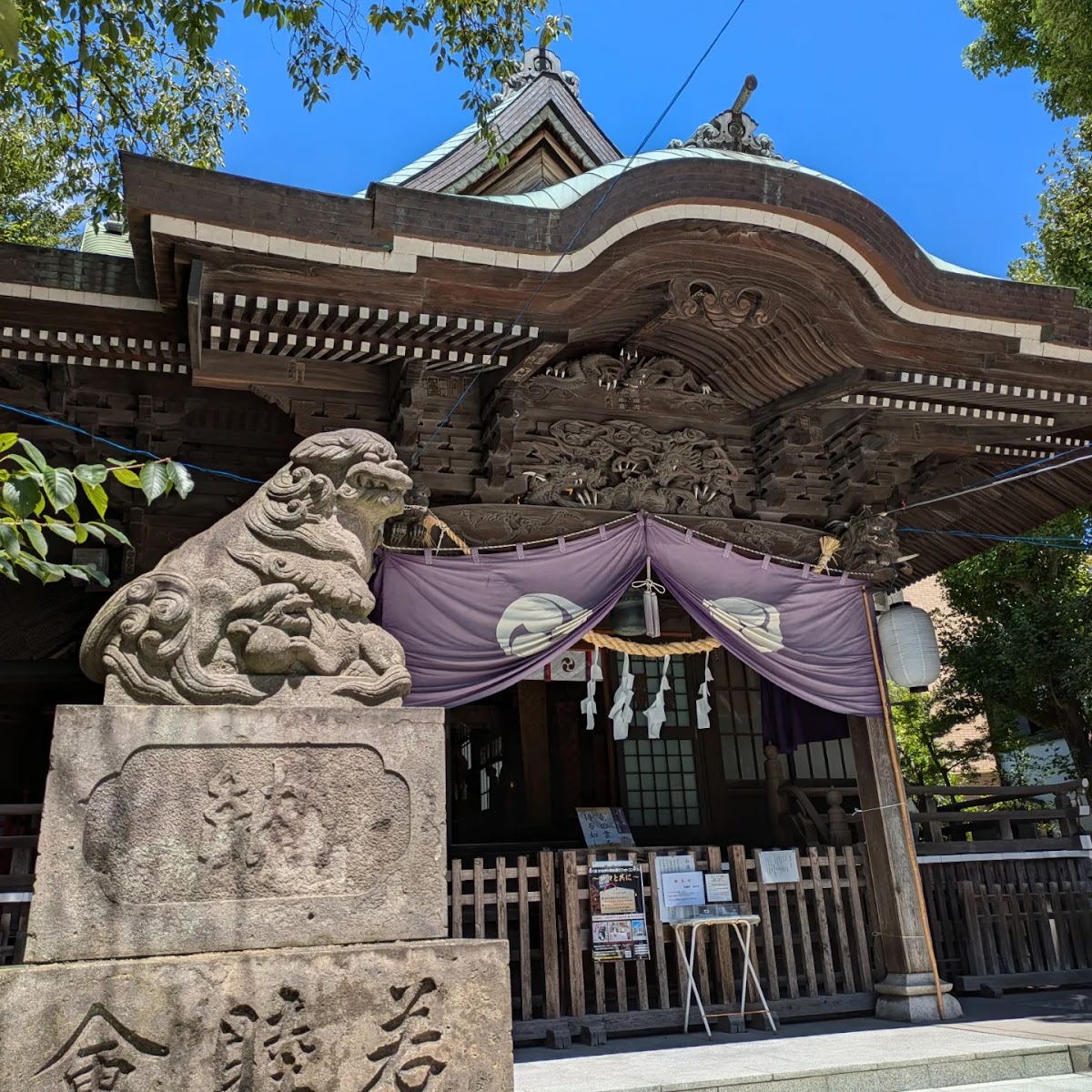
Within the grounds of Inage Shrine, various points of interest are scattered around the main shrine building.
Shrine Buildings
The current shrine buildings have been rebuilt several times throughout its long history to reach their present form. Records show that the shrine was constructed under the supervision of Sasaki Takatsuna during the time of Minamoto no Yoritomo, and it functioned as a center of local faith throughout the Edo period.
In the Meiji era, due to the policy of separating Shinto and Buddhism, when Prince Arisugawa Taruhito, who was visiting the area in 1868, rested at this shrine, he remarked that “the shrine’s name is inappropriate for the new government’s policy of separating Shinto and Buddhism.” Therefore, the shrine was renamed “Kawasaki Oogami Inage Shrine,” after the name of Inage-sho in Musashi Province, where it is located.
Haiku Monuments
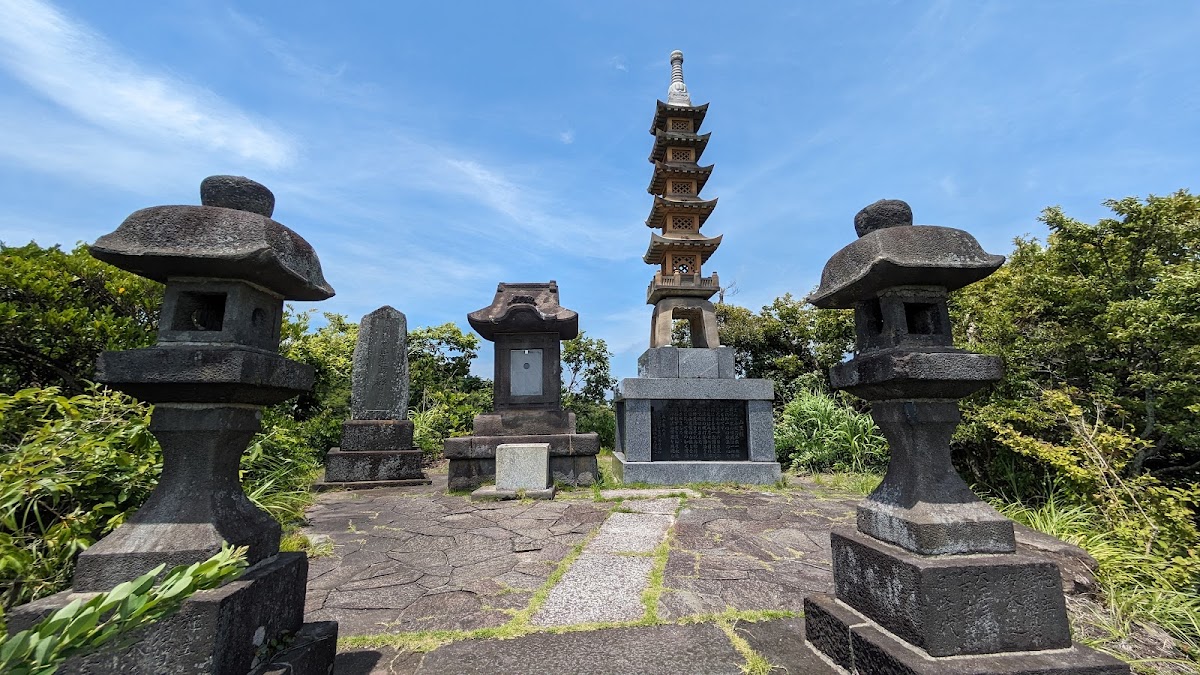
The shrine grounds are also known for the haiku monuments of Matsuo Basho and Masaoka Shiki. This suggests that the shrine has played an important role in cultural aspects. These haiku monuments are valuable historical materials that convey the cultural connections of Kawasaki that have continued since the Edo period.
Subsidiary Shrines
In addition to the main shrine, several subsidiary shrines are enshrined on the grounds, each attracting local faith. At subsidiary shrines such as Yasaka Shrine, their own annual festivals are held, providing a place to strengthen community ties.
Kawasaki Sanno Festival | Kawasaki’s Largest Summer Festival
The most famous festival at Inage Shrine is the “Kawasaki Sanno Festival,” held annually from August 1st and 2nd until the following Sunday. This festival is Kawasaki City’s representative summer festival, attracting many visitors from both within and outside the region.
Highlights of the Kawasaki Sanno Festival
At the Kawasaki Sanno Festival, Japanese drums, performances, music, and Kagura (sacred dance) are offered within the shrine grounds, enlivening the festival. The highlight is the two large portable shrines, known as “Kujaku” (Peacock) and “Tama” (Jewel). These shrines parade through the town, bringing energy to Kawasaki with the spirited shouts of the bearers.
The procession of the large portable shrines is an important event that strengthens community solidarity, with parishioners and local residents working together to support the festival. At night, the portable shrine illuminated by lanterns creates a magical atmosphere, leaving a lasting impression on many as a quintessential summer night scene.
History and Significance of the Sanno Festival
The Kawasaki Sanno Festival is not merely an entertainment event, but an important festival demonstrating the deep connection between the shrine and the local community. This festival, passed down through generations, is still carefully preserved by the local people and passed on to future generations.
Annual Festival Calendar | Main Events of Inage Shrine
In addition to the Kawasaki Sanno Festival, Inage Shrine holds various other festivals throughout the year.
Main Annual Events
- New Year’s Day Festival: A festival to welcome the new year and pray for peace throughout the year.
- Setsubun Festival: A festival to ward off evil spirits and invite good fortune through bean-throwing and other rituals.
- Yasaka Shrine Annual Festival (June 7th): An annual festival held at the Yasaka Shrine within the temple grounds.
- Minazuki Great Purification Ceremony (June 30th): A Shinto ritual to purify and cleanse away the sins and impurities accumulated over the past six months.
- Tanabata Festival (July 7th): A festival where people write their wishes on strips of paper.
- Kawasaki Sanno Festival (Early August): A major summer festival.
- Shichi-Go-San Pilgrimage: A pilgrimage in autumn to celebrate the growth of children.
- Niiname-sai Festival: A festival to give thanks for the harvest.
- New Year’s Eve Purification Ceremony: A Shinto ritual to cleanse away the sins and impurities of the past year and prepare for the New Year.
These ceremonies preserve traditional Japanese annual events and are deeply intertwined with the rhythm of life for the local people.
Prayer and Supplication Information | Significant Life Milestones at the Shrine
Inage Shrine accepts prayers and supplications for various milestones and wishes in life.
Prayer for Safe Childbirth
Prayers for safe childbirth are generally performed on the Day of the Dog in the fifth month of pregnancy. Inage Shrine accepts prayers for safe childbirth, praying for the health of mother and child and a safe delivery. We pray that you can have a safe delivery through the strong protective power of Takemikazuchi-no-Okami.
The Day of the Dog is considered an ideal day for prayers for safe childbirth because dogs are known for their prolific breeding and easy deliveries. We recommend checking the calendar for Days of the Dog beforehand and choosing a day when you are feeling well to visit the shrine.
The Day of the Dog is considered an ideal day for prayers for safe childbirth because dogs are known for their fertility and easy births. ### First Shrine Visit (Hatsumiyamairi)
The first shrine visit (Hatsumiyamairi) is an important ceremony to express gratitude for the safe birth of a baby and to pray for their healthy growth. Traditionally, boys visit on the 31st day after birth and girls on the 32nd day. However, nowadays, prioritizing the health of the baby and mother, visits are often held on a convenient day between one and three months after birth.
At Inage Shrine, prayers are offered during the first shrine visit for the baby’s health and happy growth. The first shrine visit is also an important ceremony as it signifies the recognition of the new parishioner by the local guardian deity.
Other Prayers and Supplications
- Shichi-Go-San Ceremony: Celebrating the growth of children aged three, five, and seven, and praying for their future health.
- Exorcism Prayer: Praying for protection from misfortune and a peaceful year for those in their unlucky year.
- Traffic Safety Prayer: Praying for the safety of vehicles and drivers.
- Success Prayer: Praying for success in exams and tests.
- Business Prosperity: Praying for the development and prosperity of one’s business.
- Family Safety: Praying for the health and happiness of all family members.
Prayers are usually offered in the morning and afternoon. For detailed times and whether reservations are required, it is recommended to contact the shrine in advance.
Goshuin (Shrine Seals) and Souvenirs | A Memento of Inage Shrine
At Inage Shrine, you can receive a Goshuin as a memento of your visit. Goshuin are valuable items given by the shrine as proof of your visit. If you bring your Goshuincho (seal book), a Shinto priest will carefully write it in ink for you.
Receiving Goshuin (Shrine Seals)
Goshuin are available at the shrine office. Reception hours are usually from 9:00 AM to around 4:00 PM, but these may change during festivals and events. If you wish to receive a goshuin, it is recommended to check in advance.
Items Available
In addition to goshuin, various items such as amulets, talismans, and votive tablets are available. Amulets for good luck in competitions and protection against evil are particularly popular, and are frequently sought after by students taking exams, athletes, and others facing competitive situations.
Inage Shrine is also known for holding the “Celebrity Charity Votive Tablet Exhibition” during the New Year period. Votive tablets by famous people are displayed, and the proceeds are used for charitable activities.
Access/Transportation Information | Within Walking Distance of Kawasaki Station
Inage Shrine is located in the heart of Kawasaki City, making it easily accessible by public transport.
Access by Train
- Approximately 15 minutes on foot from JR Kawasaki Station
- Approximately 13 minutes on foot from Keikyu Kawasaki Station
Kawasaki Station is a major station served by the Tokaido Main Line, Keihin-Tohoku Line, and Nambu Line, making it easily accessible from Yokohama and Tokyo. You can enjoy the scenery of Kawasaki while walking from the station to the shrine.
Access by Bus
If using the bus, it is convenient to take a bus from Kawasaki Station and get off at “Inage Shrine” or “Kawasaki Ward Office.”
Access by Car
If visiting by car, the shrine has its own parking lot. However, during major festivals such as the Kawasaki Sanno Festival, surrounding roads are expected to be congested and the parking lot may be full, so using public transportation is recommended.
Address
7-7 Miyamoto-cho, Kawasaki-ku, Kawasaki City, Kanagawa Prefecture 210-0000
Inage Shrine and the History of Kawasaki | A Thousand Years of Community Interaction
The history of Inage Shrine is synonymous with the history of the Kawasaki region itself. Located in Inage-sho, Musashi Province, this shrine has always been with the local people from ancient times through the Middle Ages, early modern period, modern era, and into the present day.
Inage Shrine in Ancient and Medieval Times
Founded during the reign of Emperor Kinmei, Inage Shrine played a crucial role in the turmoil of the eastern provinces by enshrining the god of war. During the time of Minamoto no Yoritomo, Sasaki Takatsuna constructed the shrine buildings, demonstrating its deep connection with the Kamakura Shogunate.
Kawasaki Sanno Shrine in the Edo Period
During the Edo period, Inage Shrine functioned as “Kawasaki Sanno Shrine,” serving as the guardian deity of Kawasaki-juku on the Tokaido road. Its inclusion in the “Shinpen Musashi Fudoki-ko” (New Compilation of the Topography of Musashi Province) indicates its recognition as an important shrine at the time.
Changes Since the Meiji Era
Due to the separation of Shinto and Buddhism during the Meiji era, the shrine was renamed “Kawasaki Oogami Inage Shrine.” Since then, it has walked hand in hand with Kawasaki’s modernization, and even during wartime, it continued to watch over the community alongside its sacred ginkgo tree. Through the post-war reconstruction period and the period of rapid economic growth, it continues to be revered as a spiritual anchor for the citizens of Kawasaki.
Cultural Value of Inage Shrine | Haiku Monuments and Charity Ema Exhibition
Inage Shrine is a shrine of high cultural value as well as religious significance.
Haiku Monuments of Matsuo Basho and Masaoka Shiki
Within the shrine grounds are haiku monuments to Matsuo Basho, the haiku master of the Edo period, and Masaoka Shiki, a haiku poet of the Meiji era. These are valuable historical materials that demonstrate Kawasaki’s long history as a center of cultural exchange. The history of literary figures and artists traveling along the Tokaido road stopping in Kawasaki and composing haiku here is still etched into the shrine grounds.
Celebrity Charity Ema Exhibition
The “Celebrity Charity Ema Exhibition,” held during the New Year’s season, is one of Inage Shrine’s modern initiatives. Ema (votive tablets) painted by prominent figures from various fields are displayed, and the proceeds are used for charitable activities. This initiative is a good example of a traditional shrine playing an active role in modern society.
Visiting Manners and How to Enjoy Your Visit
When visiting Inage Shrine, observing basic visiting manners will allow for a more fulfilling experience.
Basic Manners for Visiting a Shrine
- When passing through the torii gate: Bow before entering the shrine grounds.
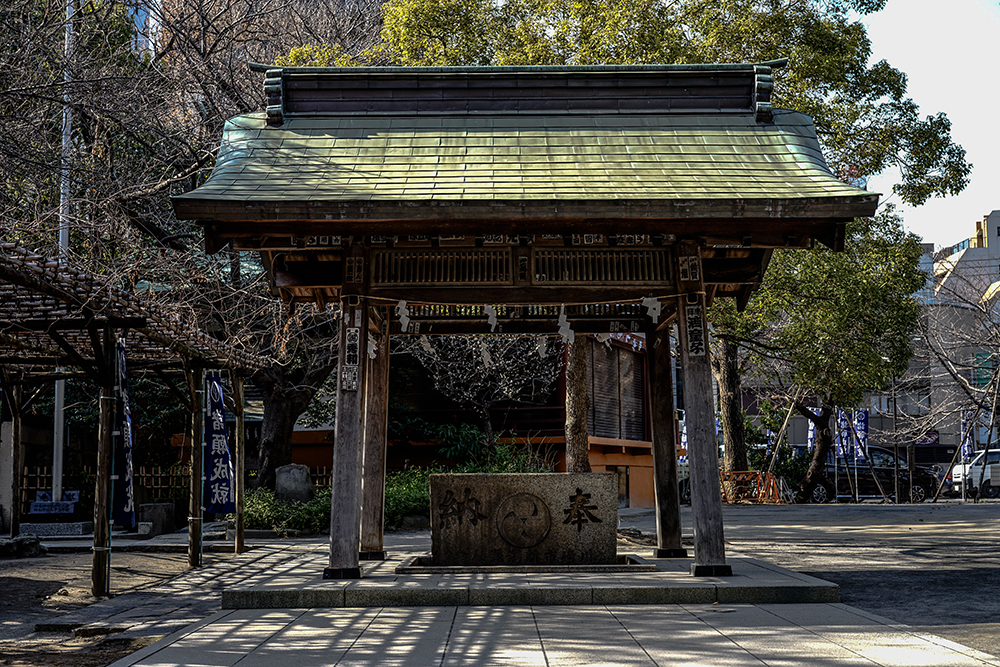
- Purifying yourself at the water basin: Purify your left hand, then your right hand, then your mouth.
- Walking along the approach to the shrine: Walk along the sides, as the center is considered the path of the gods.
- Manners at the main hall: Two bows, two claps, and one bow are the basic rituals.
- Respect for the sacred tree: When touching the large ginkgo tree, do so respectfully and quietly.
Enjoying the Shrine Through the Seasons
Inage Shrine shows different faces in each of the four seasons. In spring, the sacred tree is surrounded by fresh greenery; in summer, the Kawasaki Sanno Festival; in autumn, the large ginkgo tree shines golden; and in winter, the shrine grounds are serene and silent. You can discover various charms depending on when you visit.
Summary | Inage Shrine, a Spiritual Sanctuary in Kawasaki
Inage Shrine, along with its sacred ginkgo tree over a thousand years old, is a representative ancient shrine of Kawasaki with a long history. Dedicated to Takemikazuchi-no-Okami, and possessing the divine virtues of “victory” and “harmony,” this shrine is affectionately known as “Sanno-san” by locals and continues to attract the reverence of many people.
Through annual festivals such as the Kawasaki Sanno Festival, life rituals such as prayers for safe childbirth and first shrine visits, and daily worship, Inage Shrine continues to play a central role in the local community. Despite its convenient location within walking distance of Kawasaki Station, stepping into the shrine grounds envelops you in a tranquil atmosphere, making it an ideal place to escape the hustle and bustle of the city and find peace of mind.
When you visit Kawasaki, be sure to pay your respects at Inage Shrine and offer your prayers to the thousand-year-old sacred ginkgo tree. It will surely be a memorable experience.