Complete Guide to Nenojinja Shrine: A Thorough Explanation of History, Deities, Blessings, and All Nenojinja Shrines Nationwide
What is Nenojinja Shrine?
Nenojinja Shrines are shrines distributed from southern Kanto to the Tokai region, mainly around Yokohama City, Kanagawa Prefecture. They primarily enshrine Okuninushi-no-Mikoto. The name originates from the myth in the Kojiki (Records of Ancient Matters) where Okuninushi-no-Mikoto was saved by a mouse when he was subjected to a wildfire trial by Susanoo in the Land of Ne. The mouse (ne/ne) is considered a divine messenger associated with Okuninushi-no-Mikoto, hence the name.
Nenojinja Shrines are widely worshipped as “gods of fertility and child-rearing,” and several exist within Kanagawa Prefecture, particularly in Kawasaki City and Yugawara Town. While each Nenojinja Shrine has its own unique history and origins, they all share a common purpose: they are objects of worship for people praying for fertility and family prosperity.
The Deities and Mythology of Konojinja Shrine
Main Deity: Okuninushi-no-Mikoto (Ōnamuchi-no-Mikoto)
Ōkuninushi-no-Mikoto, the main deity of Konojinja Shrine, is known in Japanese mythology as the god of nation-building, and is also known as Ōnamuchi-no-Mikoto. According to the Kojiki and Nihon Shoki, Ōkuninushi-no-Mikoto is said to have fathered 181 children, and has been revered as the “god of fertility.”
Because of this mythological background, Konojinja Shrine attracts worshippers as the “oldest god of fertility and child-rearing in the Kanto region,” and is constantly visited by people praying for fertility, safe childbirth, and successful child-rearing.
The Legend of Mice and Ōkuninushi-no-Mikoto
The relationship between Ōkuninushi-no-Mikoto and mice is based on a famous myth recorded in the Kojiki. When Ōkuninushi-no-Mikoto was undergoing trials and training from his father, Susanoo-no-Mikoto, a wildfire engulfed the surrounding area, trapping him in flames. At that moment, a white mouse appeared, guided him to a cave underground, and saved him from the fire.
From this myth, the mouse became considered a divine messenger of Ōkuninushi-no-Mikoto, and its association with the direction of the rat (“Ne”) and the rat in the Chinese zodiac led to the name of the shrine, Ne-no-Jinja (Rat Shrine). Many shrines have statues or sculptures of mice on their grounds, and worshippers pray to the mouse for Ōkuninushi-no-Mikoto’s protection.
Syncretism with Honji-butsu (Original Buddha)
During the pre-Edo period, when Shinto and Buddhism were syncretized, the Eleven-Faced Kannon was enshrined as the Honji-butsu (original Buddha) of Ne-no-Jinja. There is also a legend that the shrine was named “Ne-no-Kami” (Rat God) by syncretizing it with the First Yaksha General, a retinue of Yakushi Nyorai (Medicine Buddha). Since the Meiji-era separation of Shinto and Buddhism, these shrines have been worshipped purely as Shinto shrines, but this historical background is still strongly reflected in the origin stories of various Konojinja shrines throughout Japan.
Major Konojinja Shrines in Kanagawa Prefecture
Konojinja Shrine in Suga, Tama Ward, Kawasaki City
Located in Sugakitaura, Tama Ward, Kawasaki City, Konojinja Shrine sits on the slopes of the Tama Hills and is a historically significant shrine said to have been the guardian shrine of seven villages in Ozawa-go during the Kamakura period. It is mentioned in the “Shinpen Musashi Fudoki-ko” (New Compilation of the Topography of Musashi Province), and during the Edo period, it was revered by the villagers as the guardian shrine of Suga Village.
Shrine Building and Sculptures
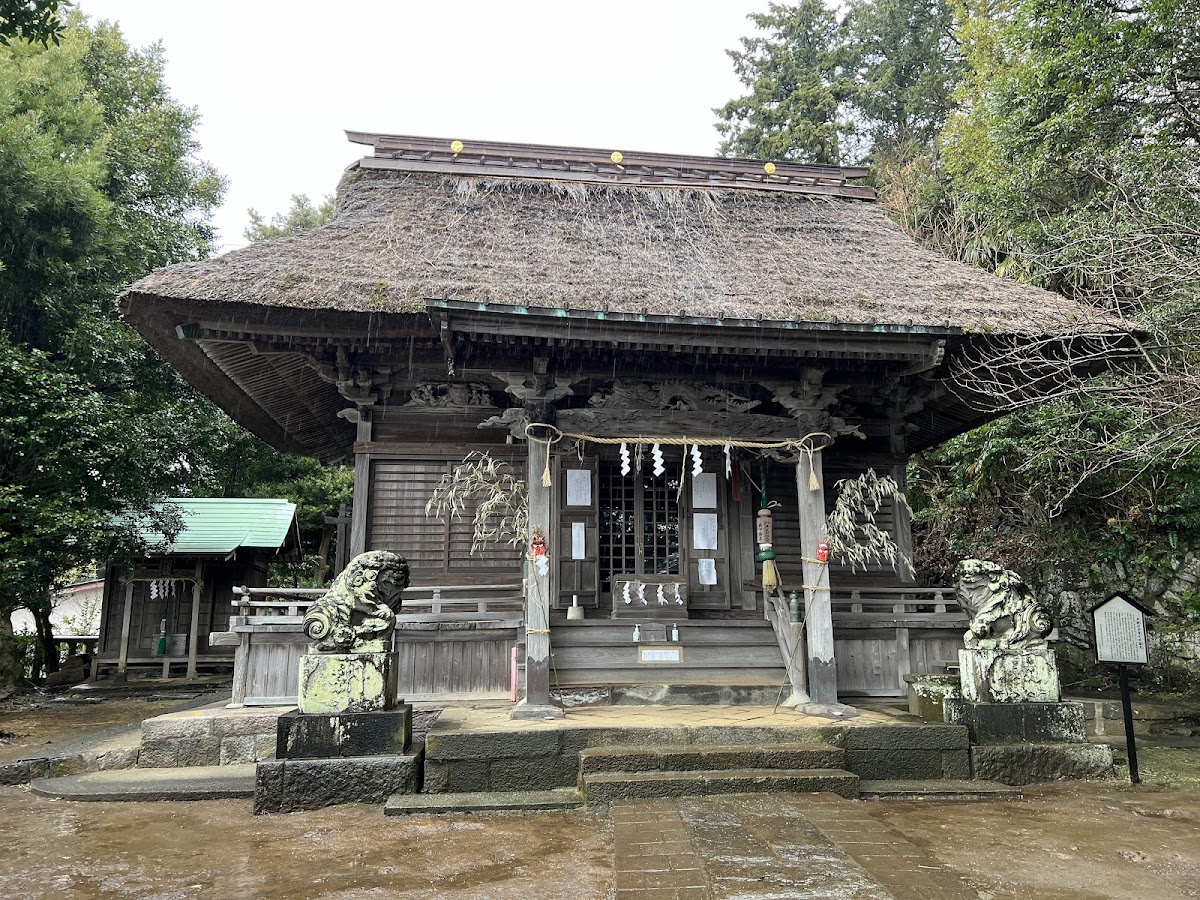
The main hall, surrounded by trees, is believed to have been built in the late Edo period and is adorned with magnificent carvings believed to be the work of renowned Edo craftsmen. This shrine building is designated as an important historical monument of Kawasaki City and is a valuable cultural asset that conveys exquisite carving techniques to the present day.
Origin and History
According to the origin story preserved at Hosenji Temple, which was formerly the head temple of this shrine, Sugamura Jinushi Myojin is the mausoleum of Oonamuchi-no-kami, and the date of its enshrinement is unknown. According to tradition, its original form was Eleven-faced Kannon, and later, Yakushi Daiichi Yaksha Taisho was incorporated, resulting in the name Konokami.
Yabusame Legend
Furthermore, there is a legend that when yabusame (mounted archery) was performed in this area, a shrine was built in this location, which is in the direction of the “rat” (子), and the arrowheads were enshrined there, leading to the name “Konokami” (子神). This shows that the shrine is deeply connected to the history of the region.
Konojinja Shrine in Fukuura, Yugawara Town
Located at 129 Fukuura, Yugawara Town, Ashigarashimo District, Kanagawa Prefecture, Konojinja Shrine is an ancient shrine with a history of 1,300 years. According to the “Jinrin no Ki,” a historical record of the shrine with a postscript dated the 11th day of summer in Eikyo 11 (1439), and the “Kamike Kumano Hozumi Ryakukeifu,” both handed down through the Shinto priest’s family, the shrine was founded and enshrined in the first year of Emperor Monmu’s reign (700) by En no Gyoja and his disciple, Hozumi no Mimaro.
History of the Shrine’s Construction
The shrine’s construction is said to have been carried out by Hozumi Toshimoto in the 7th year of Tenryaku (953), ten years later, and has since attracted the faith of the local community for over a thousand years. This long history speaks to the fact that Konojinja Shrine has been a place of worship that has continued uninterrupted since ancient times.
Prayer and Worship
Currently, Konojinja Shrine in Yugawara offers prayers by reservation only (closed Mondays and Tuesdays), accepting prayers for conception, child-rearing, and family safety. The latest worship information can be found on the official website.
Konojinja Shrine in Asao Ward, Kawasaki City
A Konojinja Shrine is also located in Asao Ward, Kawasaki City, and it enshrines Okuninushi-no-Mikoto as its deity. Based on the aforementioned mythology, mice are revered as divine messengers and are beloved by the local people.
Other Konojinja Shrines in Kanagawa Prefecture
Within Kanagawa Prefecture, four Konojinja Shrines have been confirmed in the Kawasaki City area alone: one each in the former Hayano Village of Tsuzuki District, and the other in the Suga, Nogawa, and Kajigaya Villages of Tachibana District. Multiple Konojinja Shrines are distributed mainly around Yokohama City. Each has cultivated its own unique history and beliefs as a guardian shrine of its region.
Distribution and Regional Characteristics of Konojinja Shrines
Konojinja Shrines (also known as Konojinja, Konojinja, or Konojinja) are a distinctive group of shrines concentrated in the area from southern Kanto to the Tokai region. They are particularly numerous in the area centered around Kanagawa Prefecture, and each region has its own unique origins and traditions.
Nenojinja Shrines in the Kanto Region
Besides Kanagawa Prefecture, Nenojinja shrines are scattered throughout Tokyo, Chiba, and Saitama prefectures. The Nenojinja Shrine in Matsunogo, Togane City, Chiba Prefecture, is located on a hill and is known as a scenic spot where you can enjoy views of the town of Togane after climbing the stone steps.
Variations in Shrine Names
There are several variations in the spelling, such as “子之神社,” “子神社,” and “子ノ神社,” but all are pronounced “Nenojinja” or “Nejinja,” and belong to a group of shrines with similar religious foundations. The differences in spelling depending on the region reflect the history of each shrine developing independently.
Benefits and Faith of Nenojinja Shrines
Benefits for Conception and Child-Rearing
The most well-known benefits of Nenojinja Shrines are for conception and child-rearing. Based on the myth that the main deity, Okuninushi-no-Mikoto, fathered 181 children, many couples hoping for children and parents praying for the healthy growth of their children visit the shrine.
Prayer for Safe Childbirth
Prayers for safe childbirth during pregnancy are an important object of worship at Kono Shrine. The custom of receiving prayers on the Day of the Dog (Inu no Hi) and other designated days for the health and safe delivery of both mother and child continues to this day.
Family Safety and Prosperity
Okuninushi-no-Mikoto is the god of nation-building and is also worshipped as a god who protects people’s lives. Therefore, prayers for family safety and prosperity are widely offered.
Protection from Misfortune and Fire
Based on the myth that a mouse saved Okuninushi-no-Mikoto from fire, the shrine is also believed to offer protection from fire and misfortune.
Festivals and Annual Events of Kono Shrine
Grand Festival
At Kono Shrines throughout the region, a grand annual festival is held. Local residents participate in carrying the portable shrine, and kagura (sacred dance) and other performances are held, making it an important event that strengthens community bonds.
First Shrine Visit of the New Year
Many worshippers visit shrines for their first shrine visit of the new year, praying for the safety of their families and the health of their children throughout the year. The first shrine visit of the year of the Rat holds special significance for Konojinja Shrine, which considers the rat to be a divine messenger.
Shichi-Go-San Festival
Konojinja Shrine, worshipped as a deity of child-rearing, also sees many Shichi-Go-San (7-5-3) celebrations. Families gather to express gratitude for their children’s growth and pray for their continued healthy development.
Subsidiary Shrines and Auxiliary Shrines of Konojinja Shrine
Many Konojinja Shrines have multiple subsidiary shrines and auxiliary shrines in addition to the main hall dedicated to the principal deity, Okuninushi-no-Mikoto. These reflect the history and changing beliefs of the region, and it is common to find Inari shrines, Hachiman shrines, and Tenjin shrines enshrined together.
Cultural Properties and Architecture of Konojinja Shrine
Shrine Architecture
Many shrine buildings constructed from the late Edo period to the Meiji period remain, preserving the architectural techniques and decorative styles of the time. Some, like the main hall of Konojinja Shrine in Tama Ward, Kawasaki City, are designated as important historical monuments by the city.
Sculptures and Decorations
In addition to traditional motifs such as dragons, lions, and flowers and birds, the carvings adorning the shrine buildings sometimes feature rats. These are believed to be the works of master craftsmen from the Edo period and possess high artistic merit.
Stone Structures
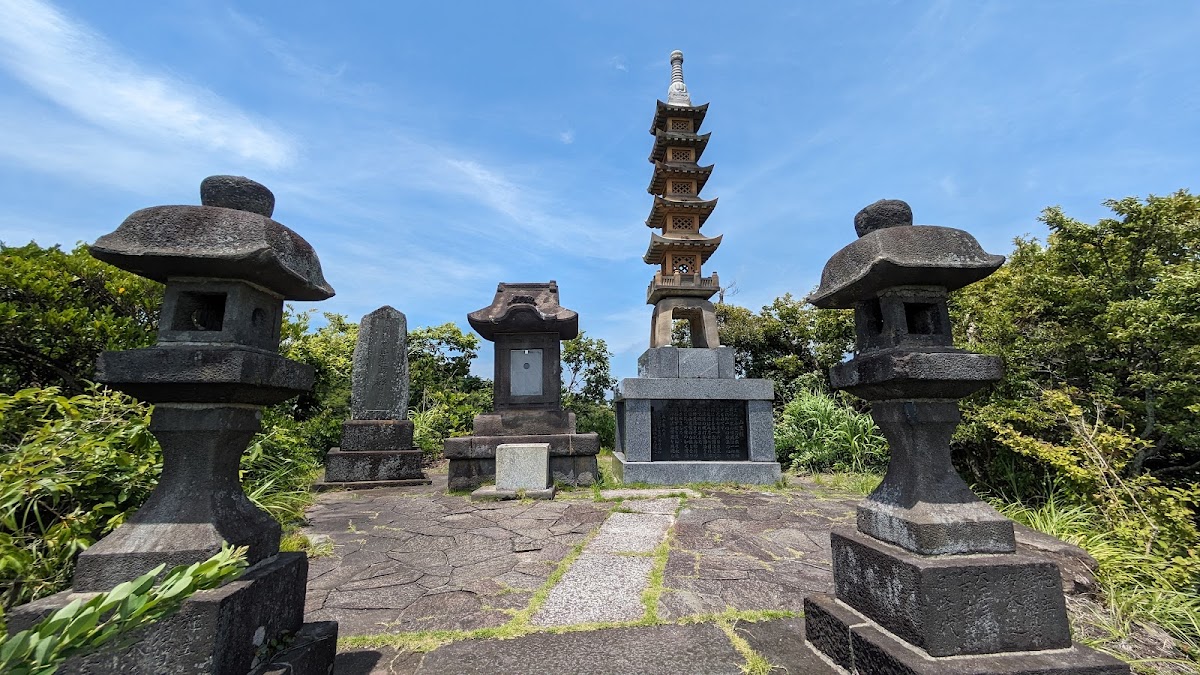
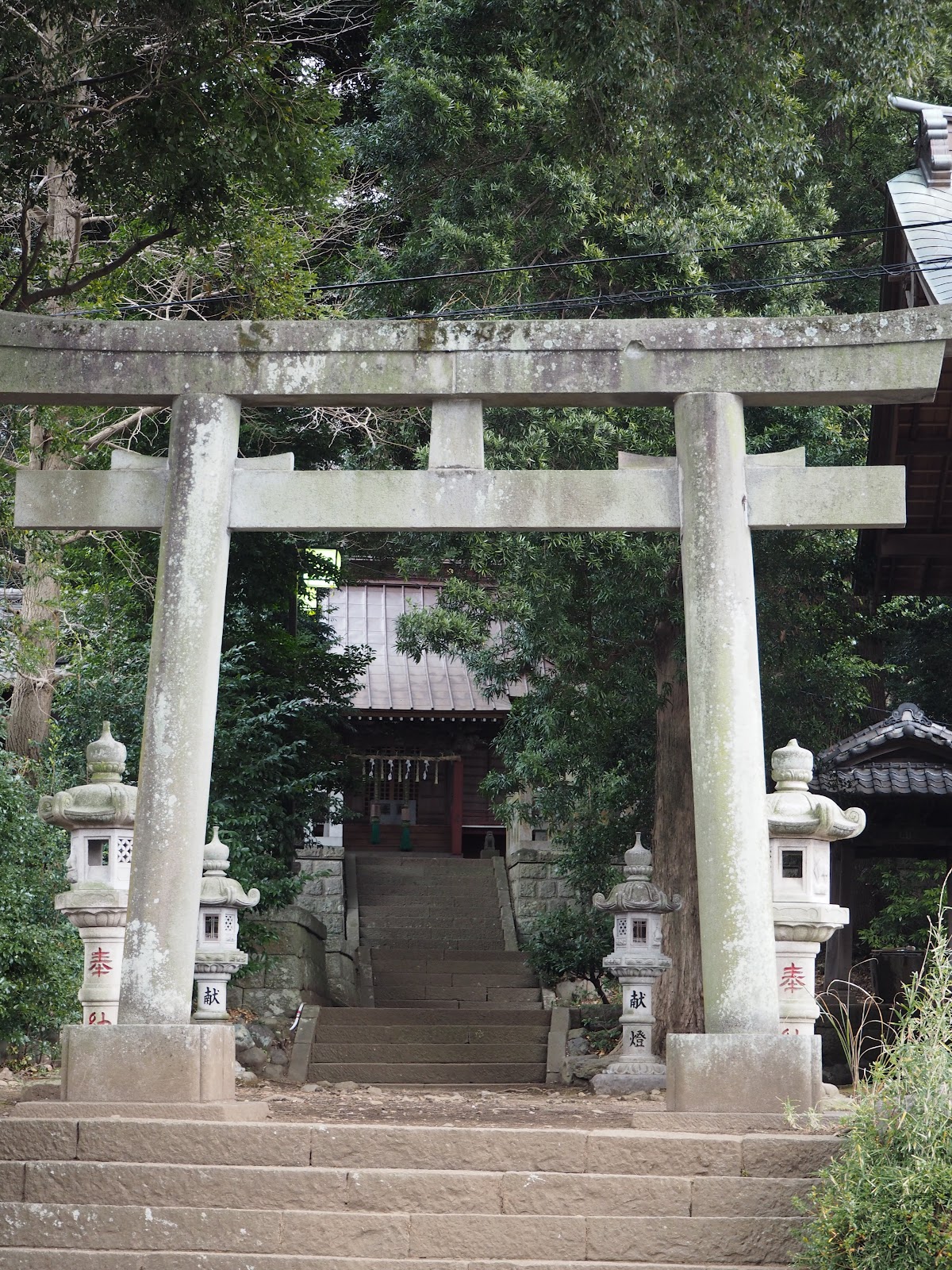
Various stone structures, including torii gates, guardian lion-dogs, lanterns, and water basins, are placed within the shrine grounds. Many of these bear inscriptions indicating the date of dedication and the names of donors, making them valuable historical documents that tell the story of the local people’s faith.
Konojinja Shrine and the Local Community
Role as a General Guardian Shrine
From the Kamakura period to the Edo period, many Konojinja Shrines functioned as the general guardian shrines for multiple villages. As exemplified by the example of the Kono Shrine in Tama Ward, Kawasaki City, which served as the guardian shrine for seven villages in Ozawa-go, there were also shrines with a wide-ranging sphere of influence.
From Village Guardian Shrine to Regional Deity
Since the implementation of the town and village system in the Meiji era, the guardian shrines of each village have undergone integration and reorganization, and are now positioned as central religious facilities for the local community. They serve as places to deepen interaction and bonds among local residents through festivals and cleaning activities.
Value as a Tourism Resource
In recent years, their historical value and importance as cultural assets have been re-recognized, and they are attracting attention as tourist spots. The Tama Ward Tourism Association and the Kawasaki/Aso Tourism Association, among others, introduce Kono Shrine and utilize it to promote the charm of the region.
Points to Note When Visiting Kono Shrine
Access Information
There are several ways to access Kono Shrines in various locations, including public transportation and private cars. Kono Shrines in Kawasaki City are accessible by bus or taxi from JR Nambu Line and Odakyu Line stations. Konojinja Shrine in Yugawara Town is accessible from Yugawara Station.
Shrine Visiting Etiquette
It is important to observe basic shrine visiting etiquette. Bow once when passing through the torii gate, purify your hands and mouth at the water basin, and perform the two bows, two claps, and one bow ritual in front of the main hall.
Goshuin (Shrine Seal)
Many Konojinja Shrines offer goshuin (shrine seals). Collecting goshuin as a memento of your visit and to deepen your connection with the shrine is becoming increasingly popular. It’s a good idea to check the hours and procedures for obtaining them in advance.
Prayer Requests
If you wish to request prayers for conception, safe childbirth, first shrine visit for a newborn, or Shichi-Go-San (a traditional Japanese rite of passage for children), it is recommended to contact the shrine in advance and make a reservation. Some shrines, like Konojinja Shrine in Yugawara, operate on a reservation-only basis, so it’s necessary to check their official website or call them.
Historical Changes of Konojinja Shrine
From Ancient to Medieval Times
Some shrines, like Konojinja Shrine in Yugawara, which is said to have been founded in the first year of Emperor Monmu’s reign (700), have founding traditions that date back to ancient times. During the Kamakura period, with the rise of the samurai class, it came to play an important role as the guardian shrine of the region.
Fires of War in the Sengoku Period
During the Sengoku period, many shrines lost their buildings and historical records due to fires. However, the faith of the local residents did not cease, and in the Edo period, reconstruction and maintenance of the shrine buildings progressed.
Development in the Edo Period
During the Edo period, it established a firm position as the guardian shrine of the village, and the construction of shrine buildings and the development of festivals were carried out. It was also mentioned in local histories such as the “Shinpen Musashi Fudoki-ko” (New Compilation of the Topography of Musashi Province), and its history became widely known.
Separation of Shinto and Buddhism in the Meiji Era
With the Shinto-Buddhism Separation Order in the early Meiji period, the Buddhist elements that had been syncretized were eliminated, and it was reorganized as a purely Shinto shrine. The shrine’s name was unified as “Konojinja,” and it was positioned within the modern shrine system.
Modern Konojinja
After the war, the surrounding environment changed dramatically with the progress of urbanization, but Konojinja remains a cherished spiritual pillar of the community. Its value as a cultural asset is recognized, and efforts are being made to balance preservation and utilization.
Konojinja and Kanagawa Prefecture’s Shrine Culture
Kanagawa Prefecture has approximately 1,100 shrines, which are overseen by the Kanagawa Prefectural Shrine Association. Among them, Konojinja stands out as a group of shrines with distinctive forms of worship, representing the diversity of shrine culture within the prefecture.
Along with shrines scattered throughout the prefecture, including Yokohama City, Kawasaki City, Sagamihara City, Yokosuka City, Hiratsuka City, Kamakura City, Fujisawa City, Odawara City, Chigasaki City, Miura City, Hadano City, Atsugi City, Isehara City, and Minamiashigara City, it continues to convey the history and culture of the region.
Summary: The Charm and Value of Konojinja Shrine
Konojinja Shrine is a venerable shrine with a history spanning over a thousand years, possessing a unique faith based on the myth of Okuninushi-no-Mikoto and the rat. It has attracted the faith of many as a deity of fertility and child-rearing, and has played an important role as a spiritual pillar of the local community.
Konojinja Shrines, distributed mainly in Kanagawa Prefecture, each have their own unique history and origins, yet are united by a common foundation of faith. The shrine buildings, adorned with elaborate carvings from the Edo period, and the historical records documenting their origins, possess high cultural value and are valuable resources for understanding the region’s history.
Even in modern times, they maintain ties with local residents through annual events such as New Year’s visits, Shichi-Go-San (a traditional rite of passage for children), and annual festivals, and remain cherished places of worship even amidst urbanization. Visiting Konojinja Shrine allows you to experience traditional Japanese faith and local history.
For those praying for children, those wishing for family happiness, and those interested in history and cultural assets, Konojinja Shrine is a place worth visiting. Why not join your hands in prayer in the tranquil temple grounds and feel the spirit of faith that has been woven over a thousand years of history?