What is a Daishido? A Complete Explanation of the History, Types, and Famous Architecture of Buddhist Halls Dedicated to Kobo Daishi
A Daishido (大師堂) is one of the most important Buddhist halls in Japanese Buddhist temples. This article provides a comprehensive explanation of Daishido, from their definition and history to their architectural styles and famous Daishido throughout Japan.
Definition and Basic Concepts of a Daishido
A Daishido is one of the names for Buddhist halls in Japan, and is a building dedicated to the worship of high-ranking monks who have been granted the title of Daishi (大師). The title of Daishi is an honorific bestowed by the imperial court upon monks who have achieved particularly outstanding accomplishments, and dedicated halls have been built to commemorate their great achievements and pass them on to future generations.
What is the Daishi Title?
The Daishi title is the highest honorific title bestowed by the imperial court upon monks who have achieved outstanding accomplishments in the history of Japanese Buddhism. It was institutionalized from the Nara period to the Heian period and was often bestowed upon the founders and restorers of various Buddhist sects.
The following are some of the most prominent Buddhist monks who received the title of “Great Master”:
- Kukai (Kobo Daishi) – Founder of the Shingon sect
- Saicho (Dengyo Daishi) – Founder of the Tendai sect
- Enchin (Chisho Daishi) – Founder of the Tendai Jimon sect
- Ryogen (Jie Daishi/Gansan Daishi) – Restorer of the Tendai sect
- Honen (Enko Daishi) – Founder of the Jodo sect
- Shinran (Kenshin Daishi) – Founder of the Jodo Shinshu sect
The halls dedicated to these high-ranking monks are the centers of faith in their respective sects.
History and Development of the Daishido Hall
Origins and Formation Process
The origins of the Daishido Hall date back to the Heian period. Especially after Kukai (Kobo Daishi) passed away in 835, his disciples and followers, revering his virtues, erected halls dedicated to him in various locations, including Okunoin on Mount Koya.
In 921, Emperor Daigo bestowed upon Kukai the title of “Kobo Daishi,” marking the first such bestowal of the title in Japan. This event spurred the construction of Daishido (halls dedicated to Kobo Daishi) in Shingon Buddhist temples throughout Japan.
Development from the Medieval to the Early Modern Period
From the Kamakura period to the Muromachi period, with the development of various Buddhist sects, Daishido and Mieido (halls dedicated to the founders) were built. In particular, in Jodo Shinshu Buddhism, the Mieido, dedicated to Shinran, was considered even more important than the main hall, and at temples such as Honganji, the Mieido served as the centerpiece of the temple complex.
During the Edo period, the worship of Kobo Daishi spread among the common people, and as the Shikoku 88 Temple Pilgrimage became popular, Daishi halls were built at each temple on the pilgrimage route. Furthermore, religious organizations such as Daishi-ko (Daishi associations) were formed in urban temples, and regular religious services began to be held.
Changes Since the Modern Era
Due to the Meiji-era separation of Shinto and Buddhism, some Daishi halls faced the threat of extinction, but many survived thanks to the enthusiastic preservation efforts of believers. From the Taisho to Showa periods, new Daishi halls were built and existing halls were renovated in various locations to commemorate the birth and death of Kobo Daishi.
In modern times, the value of these halls as cultural assets is recognized, and an increasing number of Daishi halls are designated as Important Cultural Properties. They are also attracting attention as tourist resources, becoming places visited by many worshippers and tourists.
Daishido Halls Dedicated to Kukai (Kobo Daishi)
The vast majority of Buddhist halls throughout Japan that call themselves “Daishido” (Great Master Halls) are dedicated to Kukai (Kobo Daishi), the founder of the Shingon sect of Buddhism. Almost every Shingon temple has a Daishido, playing a central role in the faith.
Characteristics of Kobo Daishi Faith
Kobo Daishi faith has the following unique characteristics:
- Belief in His Living Body – The belief that Kukai did not die, but merely entered into eternal meditation.
- Two Traveling Together – The idea that Kobo Daishi always accompanies pilgrims on their journeys.
- 21st Day Faith – The 21st of each month is celebrated as a special day, in honor of Kukai’s death date of March 21st.
- Exorcism Faith – The belief that statues of Kobo Daishi possess the power to ward off evil.
These beliefs are reflected in the rituals and worship practices at Daishido halls.
Placement of the Daishido Hall in Shingon Buddhist Temples
In the layout of Shingon Buddhist temples, the Daishido Hall is usually built near the main hall. In most cases, it is located to the left or right of the main hall, with consideration given to the flow of worshippers so that they can visit the Daishido Hall after visiting the main hall.
The size of the Daishido Hall varies from temple to temple, but as an important building second only to the main hall, it generally has a size and status befitting its status.
Daishido Halls Dedicating Other Great Masters
Daishido Halls Dedicating Enchin (Chisho Daishi)
Enchin (814-891) was a high-ranking priest considered the founder of the Tendai Jimon sect, and was given the title “Chisho Daishi” in 927. In temples of the Tendai Jimon sect, centered around Onjo-ji Temple (Mii-dera Temple), Daishido Halls dedicated to Chisho Daishi have been built.
The distinctive features of the Chisho Daishi Hall lie in its internal structure, which reflects the doctrines of the Tendai sect, and the arrangement of esoteric Buddhist ritual implements. The Chisho Daishi Hall at Onjo-ji Temple plays a crucial role as the center of the Jimon sect’s faith.
Daishi Hall dedicated to Ryogen (Jie Daishi/Ganzan Daishi)
Ryogen (912-985) is known as the restorer of the Tendai sect and received the title of “Jie Daishi.” He is also called “Ganzan Daishi” because he passed away on the third day of the new year.
Ganzan Daishi Halls are commonly found in temples of the Tendai sect’s Sanmon sect, including Enryaku-ji Temple on Mount Hiei. Ganzan Daishi is believed to have miraculous powers for warding off evil and bringing good fortune, and the worship of Ganzan Daishi is particularly popular in the Kanto region, with many temples in this area having Ganzan Daishi Halls.
Characteristics of the Gansan Daishi Hall
The Gansan Daishi Hall often holds a Goma fire ritual on the third of each month, creating an open space where believers can freely participate. Furthermore, as it is considered the birthplace of the “omikuji” (fortune-telling slips) supposedly invented by Gansan Daishi, many Daishi Halls also offer the opportunity to draw these slips.
The Mikage-do Hall Dedicated to Honen (Enko Daishi)
Honen (1133-1212), the founder of the Jodo sect, received several Daishi titles, including “Enko Daishi.” In Jodo sect temples, the hall dedicated to Honen is generally called the “Mikage-do Hall.”
The Mikage-do Hall at Chion-in Temple is known as a prime example of a Mikage-do Hall dedicated to Honen and is designated a National Treasure.
The Miei-do Hall, dedicated to Shinran (Kenshin Daishi)
Shinran (1173-1263), the founder of Jodo Shinshu Buddhism, was given the title “Kenshin Daishi.” In Jodo Shinshu temples, the “Miei-do Hall,” which houses a wooden statue of Shinran, is considered even more important than the main hall and occupies a central position within the temple complex.
The Miei-do Halls of Higashi Honganji and Nishi Honganji temples are known as some of the world’s largest wooden structures and serve as centers of Jodo Shinshu faith.
Architectural Style and Structure of Daishido Halls
Basic Architectural Structure
While the architectural style of Daishido halls varies depending on the era, region, and sect, there are commonalities in their basic structure:
- Three bays in the front, four bays in the depth – A standard-sized layout for a Daishido hall
- Separation of the outer and inner sanctuaries – Separation of the space for worshippers from the space where the Buddha statue is enshrined
- Kohai (front porch) – A canopy projecting from the front
- Hip-and-gable or hip-and-gable roof – A roof style indicating formality
Characteristics of the Interior Space
The interior of a Daishido hall typically has the following spatial configuration:
Gejin (outer sanctuary) – The front worship space, usually covered with tatami mats or wooden planks, accessible to general worshippers. During religious services, believers sit here and participate in chanting.
Naijin (inner sanctuary) – A sacred space where the statue of the Great Master is enshrined, usually accessible only to monks. A Shumidan (altar platform) is erected, upon which the statue of Kobo Daishi is enshrined.
Wakijin (side sanctuary) – Spaces located on either side of the inner sanctuary, where attendant Buddhas or guardian deities may be enshrined.
Decoration and Design
The decoration of the Daishido (Great Master’s Hall) reflects the sect and style of the era of the enshrined master:
- Sculpture – Intricate carvings of dragons, phoenixes, flowers, and birds adorn the transoms and rainbow beams.
- Coloring – Gold leaf and vibrant colors are used for decoration, mainly in the inner sanctuary.
- Plaque – A plaque bearing the name “Daishido” or the name of each master is displayed on the front.
- Ceiling Painting – Paintings of flowers, celestial beings, and other motifs may be depicted on the coffered or vaulted ceilings.
Daishido in Shikoku
The Shikoku 88 Temple Pilgrimage is known as a pilgrimage route visiting places associated with Kobo Daishi, and each temple on the pilgrimage route has a Daishido.
Relationship between the Shikoku Pilgrimage and Daishido
On the Shikoku Pilgrimage, it is customary to visit both the main hall and the Daishido at each temple. The order of worship is as follows:
- Bow at the temple gate
- Purify yourself at the water basin
- Worship the main deity at the main hall
- Worship Kobo Daishi at the Daishi Hall
- Receive your Goshuin (temple stamp) at the sutra copying office
When worshipping at the Daishi Hall, chant “Namu Daishi Henjo Kongo” to confirm the bond of “traveling together” with Kobo Daishi.
Characteristic Daishido Halls of Shikoku
Each of the 88 temples of the Shikoku Pilgrimage has its own distinctive Daishido hall:
- Temple No. 1, Ryōzenji – The starting point of the pilgrimage, and the first Daishido hall visited by many pilgrims.
- Temple No. 21, Tairyūji – A Daishido hall built on the site where Kūkai practiced asceticism.
- Temple No. 75, Zentsūji – The Mikage-dō hall, built on the birthplace of Kūkai, attracts particular devotion.
- Temple No. 88, Ōkuboji – As the final temple of the pilgrimage, pilgrims offer their gratitude at the Daishido hall after completing the pilgrimage.
Examples of Famous Daishido Halls (Mikage-dō Halls)
Numerous historically and architecturally significant Daishido halls exist throughout Japan.
Kongōbu-ji Temple, Mount Kōya (Wakayama Prefecture)
Mount Kōya, the head temple of the Shingon sect, has several important Daishido halls. The Okunoin mausoleum is a sacred site where Kukai is believed to still meditate, and it is the highest sacred site of Shingon Buddhism.
Toji Temple (Kyo-o-gokoku-ji) (Kyoto Prefecture)
Toji Temple, which Kukai received from Emperor Saga, has the Daishido (Miei-do), which is designated as a National Treasure. A large-scale festival is held on the 21st of each month, “Kobo-san Day,” attracting many worshippers.
Naritasan Shinshoji Temple (Chiba Prefecture)
The Daishido at Naritasan Shinshoji Temple, a leading Shingon Buddhist temple in the Kanto region, is a relatively new building, completed in 2004. The statue of Kobo Daishi is revered as the “Exorcising Daishi” and is unveiled on the 21st of each month, the day of gratitude. This statue of Kobo Daishi is characterized by its stern expression, unlike typical statues of the Great Master.
Saidaiji Temple (Nara Prefecture)
At Saidaiji Temple, the head temple of the Shingon Ritsu sect, the Daishido Hall was expanded and renovated in 1973 to commemorate the 1200th anniversary of Kobo Daishi’s birth. There is a religious organization centered around the Terayama Daishi-ko, and Goma prayer ceremonies are held annually on January 21st (Hatsu-Daishi-ku) and May 21st (Terayama Daishi-ko Grand Festival).
Oyama-dera Temple (Kanagawa Prefecture)
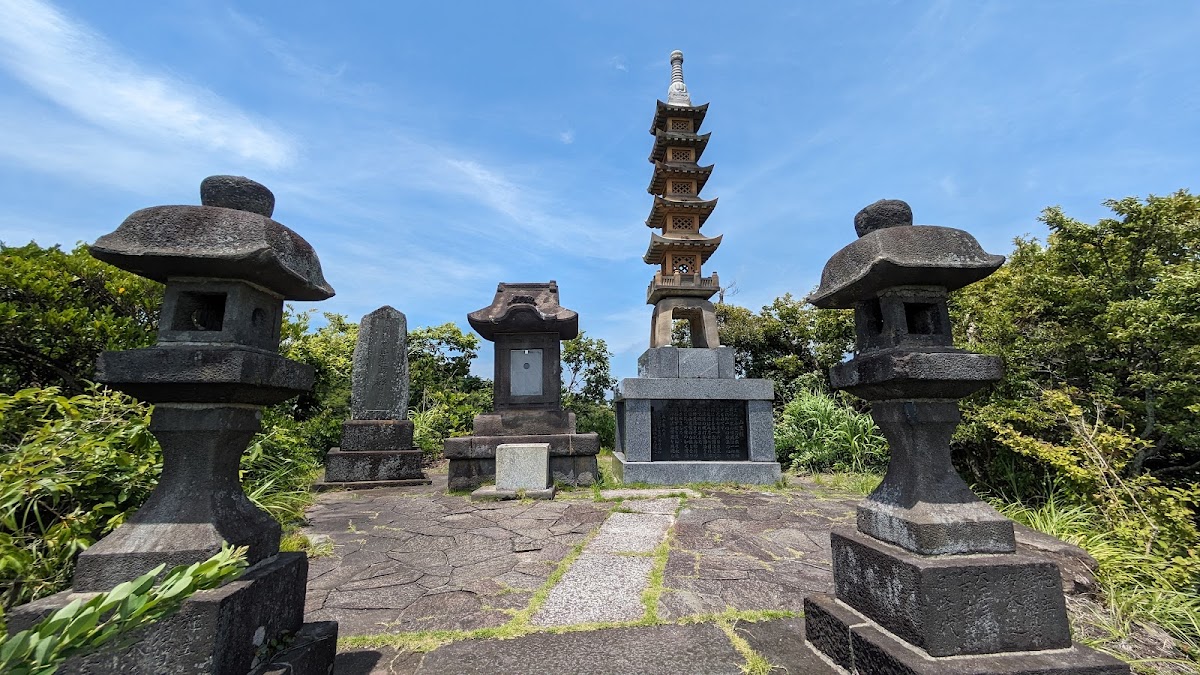
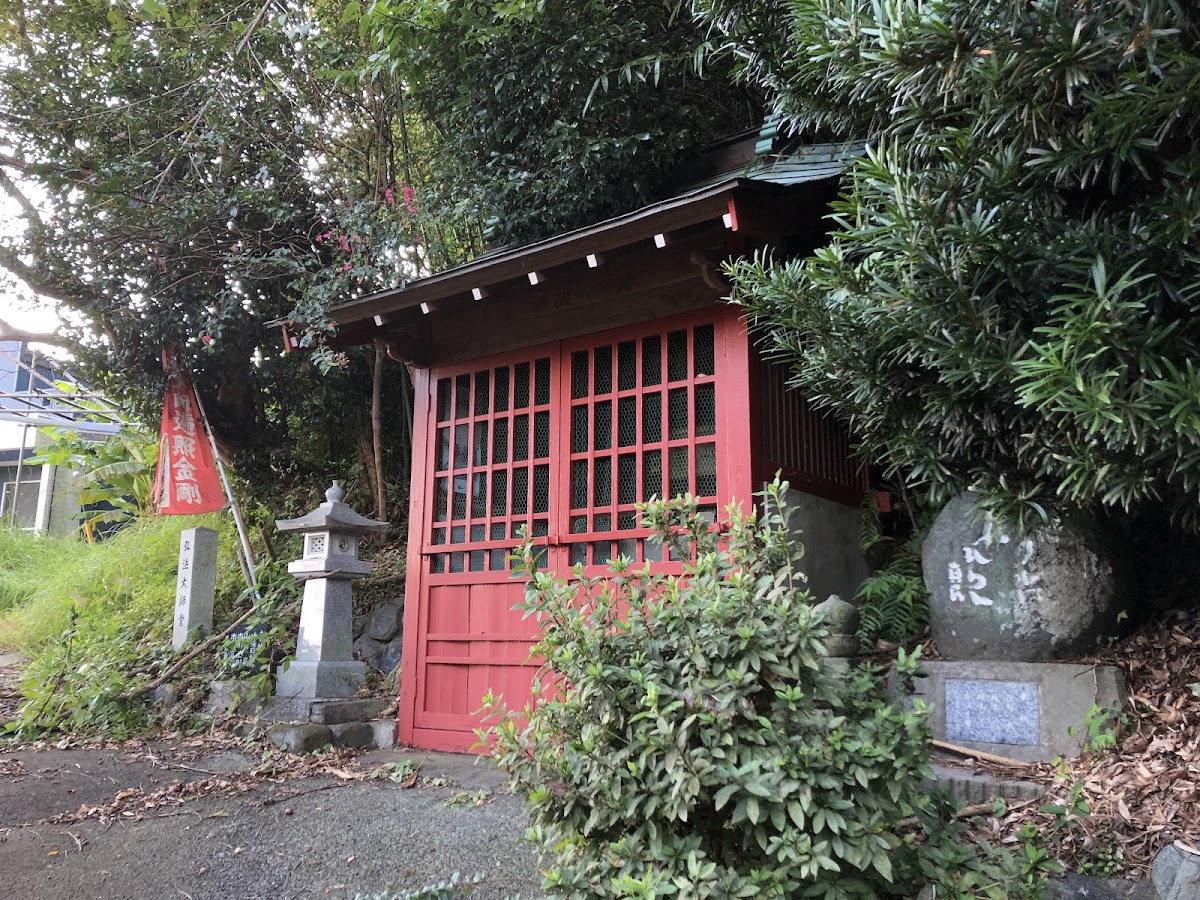
The Kobo Daishido Hall at Oyama-dera Temple on Amefuri Mountain was built in 1907 (Meiji 40) at the behest of the Fudo-ko Hon-Asa Mutsumi-kai in Asakusa, Tokyo. It was relocated in 1914 (Taisho 3) with the reconstruction of the Hokyoin-to pagoda, and is unique in that it houses 93 small statues of Kobo Daishi.
Rozan-ji Temple (Kyoto Prefecture)
Rozan-ji Temple, of the Tendai Enjo sect, has the Gansan Daishido Hall, which measures three bays wide and four bays deep, facing west. The front 1-ken (approximately 1.8m) is a tatami-floored outer hall where a Goma (fire ritual) is performed on the 3rd of every month, creating an open space where anyone can freely participate.
Chion-in Temple (Kyoto Prefecture)
Chion-in Temple, the head temple of the Jodo sect, houses the Miei-do Hall, dedicated to Honen, and is designated a National Treasure. Following major renovations during the Heisei era, it continues to function as a center of Jodo sect faith.
Higashi Hongan-ji and Nishi Hongan-ji Temples (Kyoto Prefecture)
Both head temples of the Jodo Shinshu sect have massive Miei-do Halls dedicated to Shinran. These are known as some of the world’s largest wooden structures and symbolize the importance of the Miei-do Hall in Jodo Shinshu.
Ceremonies and Events at the Daishi-do Hall
Regular Ceremonies
Various ceremonies are held throughout the year at the Daishi-do Hall:
Monthly Ceremony – At the Daishi-do Hall, dedicated to Kobo Daishi, a monthly ceremony is generally held on the 21st of each month. This day commemorates March 21st, the day of Kukai’s passing, and is affectionately known as “O-Daishi-sama Day.”
Gansan Daishi Day – A memorial service is held at the Gansan Daishi Hall on the 3rd of every month.
Annual Events
Hatsu-Daishi (January 21st) – The first Kobo Daishi memorial day of the new year, where prayers are offered for good health throughout the year. Many temples hold special memorial services, attracting many worshippers.
Spring Daishi-ko (around March 21st) – The most important memorial service commemorating Kukai’s passing. A grand memorial service is held as the Sho-Mieku.
Birthday Memorial Service (June 15th) – A memorial service celebrating Kukai’s birthday.
Autumn Daishi-ko (Great Master’s Service) – This service, held around the autumn equinox, expresses gratitude for a bountiful harvest.
Goma Prayer
At the Daishi-do (Great Master’s Hall) of the Shingon sect, Goma prayers are regularly performed. Goma is an important ritual in Esoteric Buddhism, where fire is lit to burn away worldly desires and fulfill wishes. Worshippers write their wishes on wooden sticks and offer them, which are then burned on the Goma altar by the monks.
Etiquette for Visiting the Daishido Hall
Basic Worship Method
The basic etiquette for visiting the Daishido Hall is as follows:
- Bow at the Temple Gate – Bow at the temple gate before entering the temple.
- Water Purification – Cleanse your hands and mouth at the water basin.
- Visit the Main Hall – First, pay your respects to the main deity in the main hall.
- Visit the Daishido Hall – Afterwards, proceed to the Daishido Hall.
- Pray with Clasped Hands – Clasp your hands together in front of the Daishido Hall and chant “Namu Daishi Henjo Kongo.”
- Sutra Copying – Receive a Goshuin (temple stamp) at the sutra copying office.
Offerings
The following are common offerings for the Daishido Hall:
- Flowers – Offer seasonal flowers.
- Incense – Light three incense sticks.
- Lantern – Light a candle.
- Offerings – Offered with gratitude.
Cultural Value of Daishido Halls
Daishido Halls Designated as Important Cultural Properties
Nationwide, there are several Daishido halls designated as Important Cultural Properties. These are historically valuable structures that preserve architectural techniques and styles from the medieval to early modern periods.
Daishido halls designated as Important Cultural Properties are recognized for the following values:
- Typical Architectural Style – Excellent examples representing the architectural style of that era
- Technical Mastery – Utilizing advanced architectural techniques
- Historical Significance – Occupying an important position in the history of the sect
- Preservation Status – Retaining much of its original appearance
Role in Local Culture
Daishido halls have played diverse roles in local communities beyond mere religious facilities:
Community Center – Serving as a place for interaction among local residents through religious organizations such as Daishi-ko (Daishi religious associations).
Educational Space – As a temple school, it served as a place to teach reading and writing to local children.
Cultural Transmission – Through annual events and memorial services, it plays a role in passing on traditional culture to the next generation.
Significance of Daishido in Modern Times
Continuation as a Place of Worship
Even in modern times, Daishido remains an important place of worship for many believers. Especially in an aging society, its role as a spiritual anchor is increasing.
Utilization as a Tourism Resource
As its value as a cultural property is recognized, Daishido is also attracting attention as an important tourist resource. With the boom in the Shikoku Pilgrimage, many worshippers and tourists from both Japan and abroad visit.
Preservation and Restoration of the Building
The preservation and restoration of historical Daishido is an important issue from the perspective of cultural property protection. Many temples are carrying out restoration work using traditional techniques to ensure its transmission to future generations.
Summary
Daishido is an architectural structure that occupies an important position in Japanese Buddhist culture. Centered around Kobo Daishi Kukai, these halls have attracted worshippers for over a thousand years, serving as places to enshrine the founders and high-ranking priests of various Buddhist sects.
Daishido halls, primarily found in Shingon Buddhist temples throughout Japan, continue to function as centers of faith, reflecting the unique characteristics of each region and era. Many of these halls boast outstanding architectural features and are highly valued as cultural assets.
Even today, Daishido halls possess multifaceted value as places of worship, cultural assets, and tourist attractions, remaining symbols of Japanese spiritual culture. Through the practice of Daishi worship, including the Shikoku Pilgrimage, the significance of Daishido halls as places of peace and tranquility for many will undoubtedly continue to be passed down through generations.