Complete Guide to Saba Shrines: A Thorough Explanation of the Origin, History, and Visiting Information of “Saba Shrines” Nationwide
Saba Shrines are unique shrines with distinctive names scattered throughout Japan. There are several theories regarding the origin of the name “Saba,” and the enshrined deities and historical backgrounds vary by region. This article comprehensively explains the historical background, enshrined deities, and visiting information for major Saba Shrines throughout Japan, including those in Fujisawa City (Kanagawa Prefecture), Hofu City (Yamaguchi Prefecture), Nishiizu Town (Shizuoka Prefecture), and Nanao City (Ishikawa Prefecture).
What are Saba Shrines?: The History Hidden in the Name “Saba”
Saba Shrines (Saba Jinja) are shrines scattered throughout Japan, with about 12 located primarily in Kanagawa, Yamaguchi, Shizuoka, and Ishikawa prefectures. There are several theories regarding the origin of this distinctive name, “Saba.”
The most plausible theory is that it originates from the official title “Sama no Kami” (Head of the Left Division of the Imperial Stables) held by Minamoto no Yoritomo. It is believed that the name “Saba” (左馬) was abbreviated from “Sama-no-kami” (左馬頭), and this became established as the name of the shrine. In particular, many Saba Shrines in Kanagawa Prefecture enshrine Minamoto no Yoshitomo, demonstrating a deep connection to the Minamoto clan.
In some regions, the name was written as “鯖” (saba), and the Saba Shrine in Fujisawa City has a history of name changes from “Sama-no-kami” → “鯖” → “Saba.” This change is said to be related to natural disasters such as floods and historical circumstances of the region.
Saba Shrine in Fujisawa City, Kanagawa Prefecture: An Ancient Shrine Dedicated to Minamoto no Yoshitomo
History and Origin
Saba Shrine, located at 141 Ishikawa, Fujisawa City, is a shrine dedicated to Minamoto no Yoshitomo. The exact date of its founding is unknown, but one theory suggests it was established in 1611 (Keicho 16), at the end of the Sengoku period, by the Ishikawa Six, who held power in the region at the time.
The Ishikawa Six were influential figures in the Ishikawa region during the late Sengoku period. It is believed that this shrine originated when they enshrined Minamoto no Yoshitomo as the guardian deity of the region.
Changes in Name and History of Floods
The name of Saba Shrine has undergone interesting changes. Initially, it was called “Sama-no-kami,” but later it was changed to “Saba.” However, records show that after being struck by floods, it was renamed again to “Saba.”
This name change is thought to have reflected a sense of good fortune and the hopes of local residents for recovery from the floods. The adoption of the more dignified characters “Saba,” avoiding the fish-related characters “Saba,” may have been a consideration to maintain the shrine’s dignity.
Basic Information and Access
Location: 141 Ishikawa, Fujisawa City, Kanagawa Prefecture 252-0815
Deity Enshrined: Minamoto no Yoshitomo
Annual Festival Date: Second Sunday of September (Some sources say October 1st)
Main Festivals:
- January 1st: New Year’s Festival
- October 1st: Grand Annual Festival
Parking: Available
Managed by: Fujisawa Shirahata Shrine in Sagami Province
Located between Fujisawa-Honmachi Station and Chogo Station on the Odakyu Enoshima Line, it is also known as a tourist spot in Fujisawa City. It is affectionately known as “Myojin-sama” in the area and is revered by local residents.
“Saba Shrines” Scattered in Yokohama, Fujisawa, and Yamato
Within Kanagawa Prefecture, there are approximately 12 shrines called “Saba,” mainly in Yokohama City, Fujisawa City, and Yamato City. These shrines all share deep connections with the Minamoto clan, particularly their common origins in Minamoto no Yoritomo’s official title, “Sama-no-kami” (Head of the Left Division of the Imperial Stables).
These shrines hold significant historical importance as a testament to the Minamoto clan’s influence during the Kamakura period.
Saba Shrine, Hofu City, Yamaguchi Prefecture: The Status of the Suo Province’s Grand Shrine
History as the Suo Province’s Grand Shrine
Saba Shrine, located in Sōsha-chō, Hofu City, Yamaguchi Prefecture, holds a special status as the grand shrine of Suo Province. A grand shrine is a shrine where the deities of various shrines within a specific region are gathered and enshrined together (joint enshrinement), a system established so that the provincial governor could pay homage to all the gods in their jurisdiction with a single visit.
Originally called “Kanagiri Shrine,” it was renamed “Saba Shrine” in 1907 (Meiji 40) after merging with Katsuma Shrine, Hachiman Shrine, and Hiyoshi Shrine. This renaming further clarified its character as a representative shrine of the region.
Deities and Shrine Tradition
Saba Shrine in Hofu City is located at the southern foot of Mt. Tatara and enshrines the following fourteen deities:
- Amaterasu Omikami
- Susanoo-no-Mikoto
- Mihotsuhime-no-Mikoto
- Shinatsuhiko-no-Mikoto
- Shinatsuhime-no-Mikoto
- Ukanomitama-no-Mikoto
- Sokotsutsu-no-Mikoto
- Nakatsutsu-no-Mikoto
- Uwatsutsu-no-Mikoto
- Onamuchi-no-Mikoto
- Kotoshironushi
- Takeminakata-no-Kami
- Takemikazuchi-no-kami
- Futsunushi-no-kami
According to shrine tradition, Emperor Chuai is said to have stopped here during his conquest of Tsukushi, making it a shrine with a long history dating back to ancient times. It is said that successive provincial governors worshipped here as the principal shrine of Suo Province, and it has played an important role in the history of the region.
Basic Information and Access
Location: Sōsha-chō, Hofu City, Yamaguchi Prefecture
Former Shrine Rank: Prefectural Shrine
Location: Approximately 500m east of Hofu Tenmangu Shrine, near Kokubunji Temple
Features: Located on the northern foothills of the former provincial capital site
The shrine is situated about 500m east of Hofu Tenmangu Shrine, past Kokubunji Temple. There is a torii gate by the roadside, and climbing the stairs leads to an open shrine grounds. Further east is the Mōri Residence, and the area is located in a concentration of historical sites.
Relocation of Kaneei Shrine
A notable recent event is the relocation of Kaneei Shrine, which was enshrined as the guardian deity of the Kanebo Corporation Hofu Plant (which closed in 2005), to the grounds of Sawa Shrine. This Kaneei Shrine was established by inviting a deity from Fushimi Inari Taisha, and it remains a valuable presence that conveys the history of the industry.
Sawa Shrine in Nishiizu Town, Shizuoka Prefecture: An Ancient Shrine on the Western Side of the Izu Peninsula
Location and Characteristics
Sawa Shrine, located in Nishina, Nishiizu Town, Shizuoka Prefecture, is situated on the western side of the Izu Peninsula. It is located approximately 600m northwest of the Nishiizu Town Hall, slightly east of National Route 136.
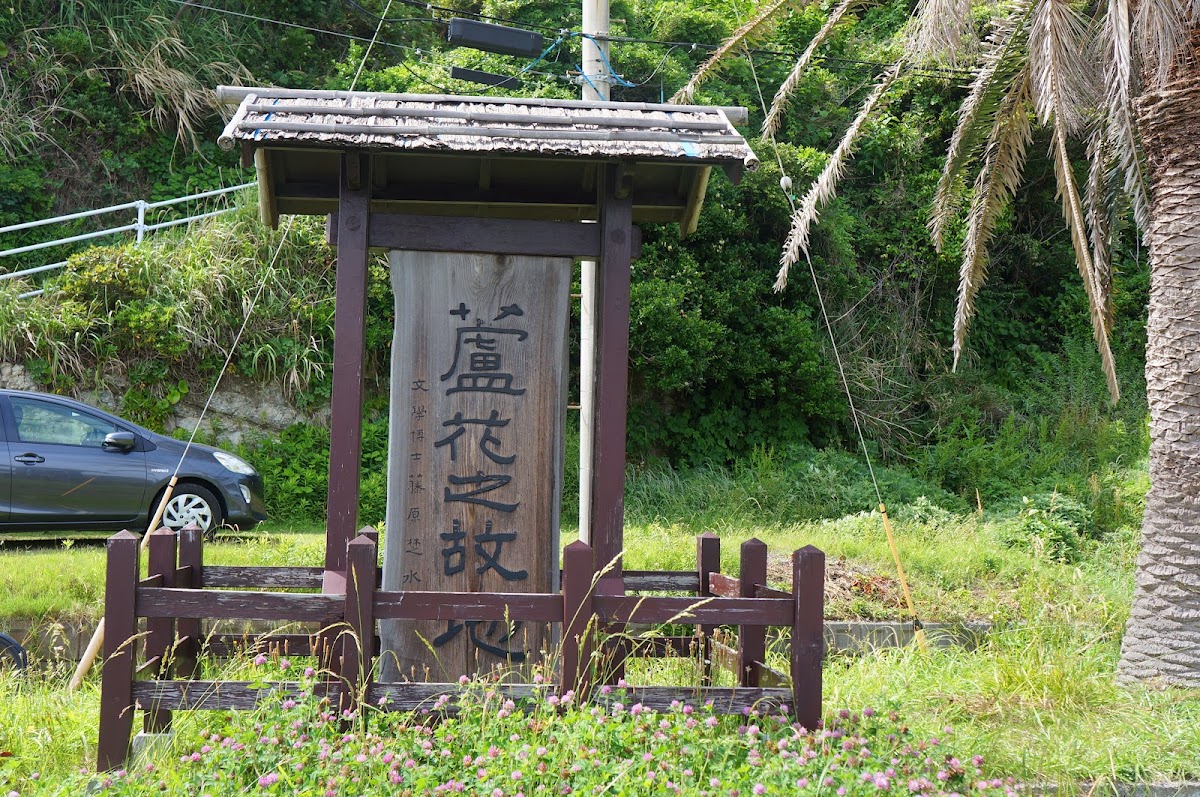
At the entrance to the shrine grounds is a signpost inscribed with “Sawa Shrine,” located next to the Sawada Community Disaster Prevention Center. Its proximity to a local disaster prevention center indicates that the shrine is closely connected to the lives of the local residents.
Basic Information
Location: Nishina, Nishiizu-cho, Kamo-gun, Shizuoka Prefecture
Access: East from National Route 136
Nearby Facilities: Sawada Community Disaster Prevention Center
Located on a tourist route on the west side of the Izu Peninsula, this shrine is a convenient stop when visiting scenic coastal areas.
Saba Shrine, Nanao City, Ishikawa Prefecture: The tutelary shrine of Notojima Island
History and Name Change
Saba Shrine, located in Saba-cho, Notojima, Nanao City, Ishikawa Prefecture, was originally called “Kusushi Shrine,” but its name was changed to its current name in 1944 (Showa 19). Historically, it enshrined Omiya Shrine and is considered an important shrine on Notojima Island.
Deities and Faith
Deities:
- Ōnamuchi-no-Mikoto
- Sukunahikona-no-Mikoto
- Ōmiyame-no-Mikoto
These deities are deeply revered by local residents as tutelary deities and are worshipped as the guardian deities of Saba-machi, Notojima.
Basic Information
Location: 27 O, Saba-machi, Notojima, Nanao City, Ishikawa Prefecture
Parish Area: Saba-machi, Notojima, Nanao City
Located on the remote island of Notojima, the shrine maintains a unique form of worship deeply intertwined with the lives of the islanders.
The Relationship Between Saba Shrine and the Minamoto Clan: The Mystery of Samanokami
Minamoto no Yoshitomo and Saba Shrine
The reason why many Saba Shrines in Kanagawa Prefecture enshrine Minamoto no Yoshitomo is due to the deep connection between the Minamoto clan and Sagami Province (present-day Kanagawa Prefecture). Minamoto no Yoshitomo was the father of Minamoto no Yoritomo and a warrior who met a tragic end after being defeated in the Heiji Rebellion.
Yoshitomo’s official title was Sama no Gon no Kami (Provisional Head of the Left Division of the Imperial Stables), and his son Yoritomo also held the title of Sama no Kami (Head of the Left Division of the Imperial Stables). It is believed that this title, “Sama no Kami,” transformed into the sound “Saba,” which became established as the name of the shrine.
The Kamakura Shogunate and Sagami Province
With the establishment of the Kamakura Shogunate in Sagami Province, many shrines were built in areas associated with the Minamoto clan. Saba Shrine is one such shrine, serving to pray for the Minamoto clan’s military success and to commemorate their achievements.
The concentration of Saba Shrines in Yokohama, Fujisawa, and Yamato indicates that this region was within the sphere of influence of the Kamakura Shogunate and that faith in the Minamoto clan was particularly strong in this area.
Comparison of Characteristics of Saba Shrines in Various Regions
Regional Characteristics
Kanagawa Prefecture (Fujisawa City):
- Deity: Minamoto no Yoshitomo
- Characteristics: Deeply connected to the Minamoto clan
- Founded: Around Keicho 16 (1611)
- Name Changes: Samanokami → Saba → Saba
Yamaguchi Prefecture (Hofu City):
- Nature: General Shrine of Suo Province
- Deities: Fourteen gods (including Amaterasu Omikami)
- Former Shrine Rank: Prefectural Shrine
- Characteristics: A prestigious shrine visited by provincial governors
Shizuoka Prefecture (Nishiizu Town):
- Location: West side of the Izu Peninsula
- Characteristics: A community-oriented shrine
- Surroundings: Sawada Community Disaster Prevention Center
Ishikawa Prefecture (Nanao City):
- Former Name: Kusushi Shrine
- Name Change: Showa 19 (1944)
- Characteristics: The tutelary deity of Noto Island
- Deities enshrined: Ōkuninushi-no-Mikoto and others
As you can see, even with the same name “Saba Shrine,” the enshrined deities, history, and characteristics vary greatly depending on the region.
Highlights and benefits of visiting Saba Shrine
Highlights of Fujisawa City Saba Shrine
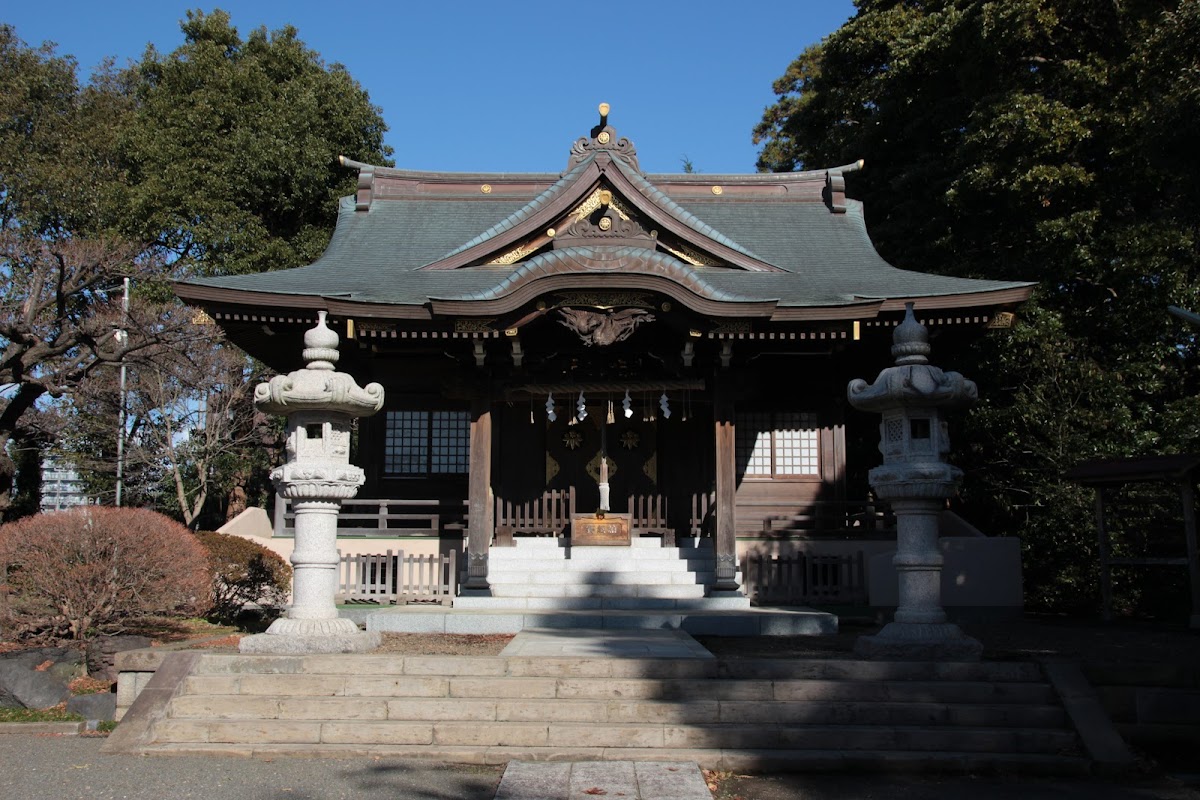
Fujisawa City’s Saba Shrine is a shrine quietly nestled in a residential area. While the grounds are not particularly large, it possesses a calm atmosphere that evokes the history of the region.
As it enshrines Minamoto no Yoshitomo, it is believed to offer blessings for military success, victory in competitions, and good fortune. Furthermore, as the local guardian deity, prayers are also offered for family safety and business prosperity.
Highlights of Hofu City Saba Shrine
Hofu City’s Saba Shrine is a shrine with the status of the principal shrine of Suō Province. Situated in a naturally rich environment at the southern foot of Mt. Tatara, the grounds offer a panoramic view of Hofu city.
Because it enshrines fourteen deities, it is believed to offer various blessings and is worshipped as a shrine for comprehensive good fortune. Especially due to its location near the site of the former provincial capital, many people visit it in conjunction with historical exploration.
Points to Note When Visiting
When visiting Sawa Shrine, please note the following:
- If it is a jointly managed shrine: Sawa Shrine in Kanagawa Prefecture is a jointly managed shrine of Shirahata Shrine. If you wish to receive a Goshuin (shrine stamp) or prayers, it is recommended to contact Shirahata Shrine in advance.
- Parking: Sawa Shrine in Fujisawa City has a parking lot, but it is located in a residential area, so consideration for surrounding residents is necessary.
- Annual Festival Day: Annual festival days vary from shrine to shrine. Visiting during a festival allows you to experience a different kind of liveliness.
- Casual Visiting: As it is a shrine cherished as the local guardian deity, it has a casual atmosphere that makes it easy to visit.
Tourist Attractions Around Saba Shrine
Around Fujisawa City
The following are some tourist attractions around Saba Shrine in Fujisawa City:
- Shirahata Shrine: A shrine that was formerly managed by Saba Shrine and enshrines Minamoto no Yoshitsune.
- Yugyo-ji Temple: An ancient temple known as the head temple of the Jishu sect.
- Fujisawa-juku: An area that retains the atmosphere of a post town on the Tokaido Fifty-three Stations route.
There are many historical sites and tourist attractions along the Odakyu Enoshima Line, which can be visited in conjunction with a visit to Saba Shrine.
Around Hofu City
The area around Saba Shrine in Hofu City is a concentration of historical sites:
- Hofu Tenmangu Shrine: One of Japan’s three major Tenjin shrines
- Kokubunji Temple: Remains of Suo Kokubunji Temple
- Mori Residence: Residence of the Mori family
- Suo Provincial Government Site: Ruins of the ancient provincial government
Many people visit Saba Shrine as part of a historical exploration route visiting these sites.
Summary: The Diversity and Historical Value of Saba Shrine
Saba Shrines are a fascinating group of shrines scattered throughout Japan, each with its own unique history and characteristics. In Kanagawa Prefecture, they retain strong ties to the Minamoto clan; in Yamaguchi Prefecture, they maintain their status as the main shrine; and in Shizuoka and Ishikawa Prefectures, they are revered as local tutelary deities.
The seemingly unusual name “Saba” has a historical origin, stemming from the Minamoto clan’s official title “Sama-no-kami” (Head of the Left Stables), making it a valuable resource for conveying the history of medieval Japan. Furthermore, the historical changes in the name from “Sama-no-kami” to “Saba” to “Saba” depending on the region tell the story of the changing beliefs and lifestyles of the local people.
By visiting Saba Shrines in various locations, you can understand the diversity of Japanese shrine worship and the historical background of each region. As shrines associated with the Minamoto clan, as general shrines, and as tutelary shrines, Saba Shrines have each played their respective roles, making them valuable historical sites for learning about Japanese history and culture.
When visiting, understanding the history and characteristics of each shrine will allow for a deeper experience. We recommend visiting Saba Shrines as easily accessible local shrines and as part of a historical exploration.