
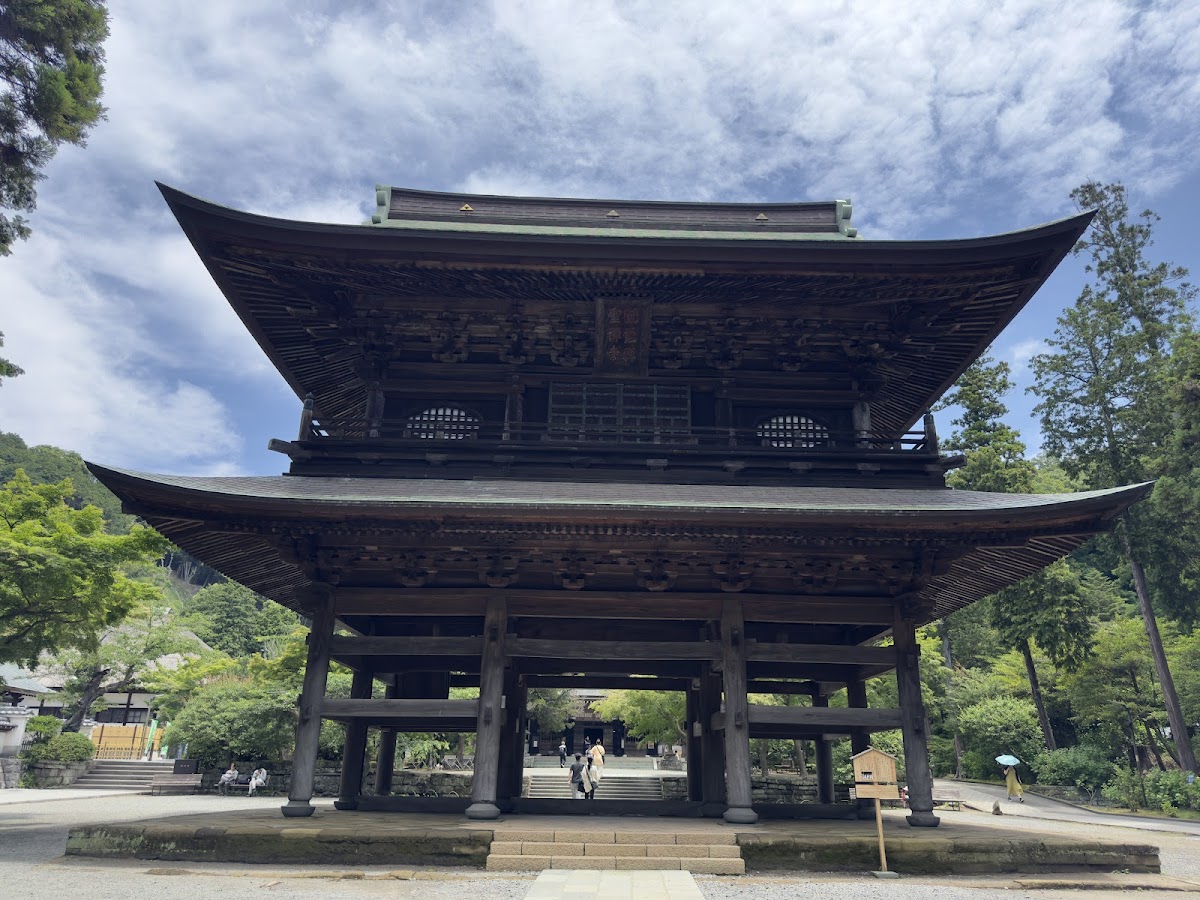
Complete Guide to Daikeiji Temple: History and Access Information for Temples of the Same Name in Kamakura, Fujieda, and Ota
There are several temples named Daikeiji throughout Japan. Among them, the most well-known are the Rinzai sect Engakuji temple in Kamakura City, Kanagawa Prefecture; the Nichiren sect temple in Fujieda City, Shizuoka Prefecture; and the temple in Ota City, Gunma Prefecture, affectionately known as the Peony Temple. This article provides a comprehensive explanation of these Daikeiji temples, including their history, cultural assets, points of interest, and access information.
Table of Contents
- Taikeiji Temple in Kamakura City (Rinzai Zen Engakuji School)
- Taikeiji Temple in Fujieda City (Nichiren Buddhism)
- Taikeiji Temple in Ota City (Nichiren Buddhism, Peony Temple)
- Taikeiji Temples in Other Areas
- Access Information for Each Taikeiji Temple
Taikeiji Temple in Kamakura City (Rinzai Zen Engakuji School)
History and Founding
Taikeiji Temple, located in Terabun, Kamakura City, Kanagawa Prefecture, is a historical temple belonging to the Rinzai Zen Engakuji School. Its mountain name is Reishozan (currently also called Reishozan), and its principal image is Shakyamuni Buddha.
Its founding is said to date back to the Koan era (1278-1287), dating back to the late Kamakura period. This period was after the Mongol invasions, when the Kamakura Shogunate promoted the protection of Zen Buddhism, and many Zen temples were established. Daikeiji Temple is considered one of the temples that emerged within this historical context.
At the time of its founding, Daikeiji Temple is believed to have been located southeast of its current location (around present-day Kajiwara 1-chome, Kamakura City, near Kamakura Municipal Fukasawa Junior High School). The temple grounds at that time were extremely vast, extending across the entire Fukasawa area. The current place name “Terabun” is also thought to originate from the temple grounds surrounding Daikeiji Temple.
Transition from the Medieval to the Early Modern Period
By 1384 (Shitoku 1), Daikeiji Temple had attained a status high enough to be counted among the Ten Great Temples of the Kanto region. During this period, Daikeiji Temple had many sub-temples, and buildings such as the Yakushi-do (Medicine Buddha Hall) and Jizo-do (Jizo Hall) were also constructed.
However, with the arrival of the Sengoku period (Warring States period), Daikeiji Temple’s fate changed dramatically. With the rise of the Odawara Hojo clan under Hojo Soun, it was caught in the flames of war, and many of its buildings were destroyed. This destruction resulted in the loss of its former vast grounds and prosperity, leading to its current size.
Temple Treasures and Cultural Properties
The Shakyamuni Buddha statue, the principal image of Daikeiji Temple, is designated as a cultural property of Kamakura City and is highly regarded as an excellent example of Kamakura period Buddhist sculpture.
Particularly noteworthy within the temple grounds is the giant juniper tree (Byakushin), said to be over 700 years old. This ancient tree is designated as a natural monument of Kamakura City and can be considered a living witness that has watched over this land since the founding of Daikeiji Temple. Its trunk is thick, and its branches are magnificent, exuding an overwhelming presence that captivates visitors.
Daikeiji Temple Today
Although Daikeiji Temple has lost some of its former grandeur, it remains a beloved temple in the community, exuding a sense of history within its tranquil atmosphere. As a temple of the Engakuji branch of the Rinzai school, it continues to conduct religious activities such as Zen meditation sessions, passing on the spirit of Zen to the present day.
Daikeiji Temple (Nichiren Sect) in Fujieda City
History and Overview
Located at 4-2-7 Fujieda, Fujieda City, Shizuoka Prefecture, Daikeiji Temple belongs to the Nichiren sect. Its mountain name is Enmyozan, and it is a temple that conveys the teachings of Nichiren Shonin, attracting many followers in the region.
Daikeiji Temple was founded in 1434 (Eikyo 6) by Nisshin Shonin, a high-ranking priest of the Nichiren sect. Nisshin Shonin, also known as “Nabekaburi Shonin” (Pot-Wearing Priest), was a renowned monk who dedicated himself to spreading the Nichiren sect during the Muromachi period.
The Eternal Pine and Temple Grounds
Daikeiji Temple in Fujieda City is particularly famous for its pine tree known as the “Eternal Pine.” This pine tree is carefully protected as a symbol of the temple and is a popular spot visited by many worshippers.
The temple grounds have a quiet and peaceful atmosphere, providing a tranquil space despite its urban location. The main hall and other buildings are properly maintained while preserving the traditional style of the Nichiren sect.
Temple School Activities and Modern Initiatives
Daikeiji Temple in Fujieda City actively engages not only in traditional temple activities but also in modern social contribution activities. As part of its temple school activities, it provides educational experience programs for children and holds various experiential events that local residents can participate in.
Furthermore, it disseminates the latest information on events and activities through its official website and social media (Facebook, LINE official account), deepening its interaction with the local community as an open temple.
Relationship with the Nichiren Sect Shizuoka Prefecture Central Office
Daikeiji Temple belongs to the Nichiren Sect Shizuoka Prefecture Central Office and plays a part in the regional Nichiren sect temple network. Through regular memorial services and events, it plays a role in transmitting the teachings of Nichiren Shonin to the present day.
Daikeiji Temple (Nichiren Sect, Peony Temple) in Ota City
History and Founding Legend
Located in Ota City, Gunma Prefecture, Daikeiji Temple is a Nichiren sect temple with the mountain name Choshozan. This temple is widely known as the “Peony Temple” and is counted as one of the 100 Flower Temples of Eastern Japan.
According to temple tradition, the origins of Daikeiji Temple can be traced back to the wife of Minamoto no Yoshihira, the eldest son of Minamoto no Yoritomo. It is said that she became a nun to pray for her husband’s soul and built a hermitage, which marked the temple’s founding. Later, Koyasu Nyudo of the Nishikiuchi clan provided the land, and the temple was formally established with the invitation of Myobo Kukaku Shonin from Omata Keisokuji Temple in Ashikaga.
It is also said that in Eikyo 6 (1434), it was restored as a Nichiren sect temple by Nichishin Shonin of the Nichiren sect.
Fame as a Peony Temple
Daikeiji Temple in Ota City became famous as a “Peony Temple” due to its magnificent peony garden. Approximately 150 varieties and 3,000 peony plants are cultivated there, offering a dazzling display of flowers during the blooming season (mid-April to early May).
During the peony blooming season, the temple grounds are enveloped in vibrant colors, attracting many tourists not only from the surrounding area but also from far away. The peony garden is open to the public for a fee during this period, allowing visitors to fully appreciate the beauty of spring.
Activities as a “Temple Where Smiles Gather”
Under the slogan, “A life of peace and smiles through Buddhist teachings,” Daikeiji Temple in Ota City aims to be a “warm and welcoming temple where smiles gather.” While cherishing its traditional role as a temple, it is also dedicated to creating a place where local people can easily visit and find peace of mind.
Attractions as a Tourist Spot
As a member of the Ota City Tourism and Products Association, Daikeiji Temple is an important tourist resource in the region. Beyond the peony season, it’s a temple worth visiting year-round, offering opportunities for strolling through its historic grounds and peaceful worship.
It’s also featured on Gunma Prefecture’s tourism information website, “Kokoro ni Gugutto Kanko Gunma” (Gutto Gunma Tourism for the Heart), and is recognized as one of Gunma Prefecture’s leading flower viewing spots.
Other Daikeiji Temples
Besides the three Daikeiji temples mentioned above, there are other temples named “Daikeiji” throughout Japan. This is likely because the name, meaning “great joy,” is considered auspicious and was adopted in various regions.
Each Daikeiji temple has developed uniquely, deeply intertwined with the history and culture of its respective region. They also belong to various sects, such as Rinzai Zen and Nichiren Buddhism, each possessing distinct characteristics.
Access Information for Each Daikeiji Temple
Access to Daikeiji Temple in Kamakura City
Location: 1-8-4 Terabun, Kamakura City, Kanagawa Prefecture
Access by Train:
- Approximately 20 minutes on foot from JR Tokaido Line/Yokosuka Line “Ofuna Station”
- Alternatively, you can take a bus from Ofuna Station.
Access by Bus:
- Take the Keikyu Bus bound for “Fukazawa” from the west exit of Ofuna Station, get off at the “Terabun” bus stop, and walk for approximately 5 minutes.
Access by Car:
- Approximately 10 minutes from the Yokohama-Yokosuka Expressway “Hino IC”
- Parking is limited, so using public transportation is recommended.
Access to Daikeiji Temple in Fujieda City
Location: 4-2-7 Fujieda, Fujieda City, Shizuoka Prefecture
Access by Train:
- Approximately 15 minutes on foot from JR Tokaido Line “Fujieda Station”
Access by Bus:
- Accessible by bus from Fujieda Station
Access by car:
- Approximately 15 minutes from the Tomei Expressway “Yaizu IC”
- Parking available
Access to Daikeiji Temple in Ota City
Location: 1000 Nitta Daikonmachi, Ota City, Gunma Prefecture
Access by train:
- Take a taxi or bus from the Tobu Isesaki Line “Ota Station”
Access by car:
- Approximately 15 minutes from the Kita-Kanto Expressway “Ota Yabuzuka IC”
- The parking lot gets crowded during the peony blooming season, so early arrival is recommended
- Parking available (may be charged during the peony blooming season)
Map and surrounding information
Many other historical temples, shrines, and tourist spots are located around each Daikeiji Temple.
Around Daikeiji Temple in Kamakura City:
- Approximately 10 minutes by car to Engakuji Temple (head temple)
- Approximately 15 minutes by car to the Kamakura Daibutsu (Great Buddha of Kamakura, Kotokuin Temple)
- Located in a quiet residential area of Fukasawa district
Around Daikeiji Temple in Fujieda City:
- Located in the city center of Fujieda, close to shopping streets, etc.
- Approximately 10 minutes by car to Rengeji Pond Park
Around Daikeiji Temple in Ota City:
- Numerous historical sites related to Nitta Yoshisada
- Approximately 5 minutes by car to Ikushina Shrine
- Approximately 15 minutes by car to Ota City Museum of Art and Library
Manners and Precautions for Visiting Temples
When visiting each Daikeiji Temple, please observe the following manners:
- Be quiet: Temples are religious facilities, places of training and prayer. Please refrain from loud conversations.
- Regarding photography: Photography inside the main hall and of Buddha statues may be prohibited. Please check before taking pictures.
- Dress Code: Please avoid revealing clothing and dress appropriately when visiting the temple.
- Peony Garden (Ota City): Please be careful not to damage the flowers and walk only on the designated paths.
- Parking: Please use the designated parking area to avoid inconveniencing local residents.
Summary
There are temples named Daikeiji in various locations throughout Japan, including Kamakura, Fujieda, and Ota. While each has a different sect, history, and characteristics, they all share the common wish for “great joy” in their name.
Kamakura’s Daikeiji is an ancient temple of the Rinzai sect, Engakuji branch, preserving a 700-year-old juniper tree and the history of the Kamakura period. Fujieda’s Daikeiji is a Nichiren sect temple, known for its Eternal Pine and modern temple school activities. Daikeiji Temple in Ota City is known as the “Peony Temple” and is a famous spot for flowers, with 3,000 peony bushes blooming in the spring.
Each Daikeiji Temple plays an important cultural and spiritual role in its respective region and is well worth visiting. For historical exploration, flower viewing, and peace of mind, please visit the Daikeiji Temples in each area. Each Daikeiji Temple will offer visitors a different kind of charm and inspiration.
.png)