Daichōji Temple: A Thorough Explanation of the History and Characteristics of Jōdo and Sōtō Zen Temples Scattered Across Japan
The name Daichōji (大長寺) refers to several temples located throughout Japan. Despite sharing the same name, each possesses its own unique history and cultural background, playing a vital role in its local community. This article provides a comprehensive explanation of Daichōji temples located in Kamakura City, Osaka City, Gyōda City, Kaisei Town, and other locations, covering their history, principal image, grounds, cultural assets, and access.
Table of Contents
- Daichoji Temple (Kamakura City) – A Jodo Sect Temple Associated with Tokugawa Ieyasu
- Daichoji Temple (Osaka City) – A Temple Associated with Chikamatsu Monzaemon’s “Shinju Ten no Amijima”
- Daichoji Temple (Gyoda City) – Deep Connections with Hyakumanben Chionji Temple
- Daichoji Temple (Kaisei Town) – A Kongozan Temple of the Soto Zen Sect
- Other Daichoji Temples
- Comparison and Characteristics of Each Temple
- Points to Note and Manners When Visiting
Daichoji Temple (Kamakura City) – A Jodo Sect Temple Associated with Tokugawa Ieyasu
Overview and History
Daichoji Temple, located in Iwase, Kamakura City, Kanagawa Prefecture, is a temple belonging to the Jodo sect. Its mountain name is Kikyozan, its temple name is Gokokuin, and its principal image is Amida Buddha. Founded in 1548 (Tenbun 17), the temple was established by Hojo Tsunashige, lord of Tamanawa Castle in Sagami Province, who invited Kanyo Sontei to be its founding abbot.
Initially called “Daichoji,” it was later renamed “Daichoji.” Tokugawa Ieyasu played a significant role in this name change. After the Siege of Odawara in 1590 (Tensho 18), Ieyasu visited the temple and, upon hearing the mountain name “Kikyozan,” remarked, “A turtle must live a long and healthy life,” leading to the name change to “Daichoji.”
Relationship with Tokugawa Ieyasu
Daichoji had a deep connection with Tokugawa Ieyasu; the name “Daichoji” is recorded in a donation document from Ieyasu. This was the direct trigger for the name change. The Aoi crest can still be seen on the temple grounds, a testament to its connection with the Tokugawa family.
The relationship with the Tamagawa Hojo family was also important; Hojo Tsunashige, as the lord of Tamagawa Castle, wielded considerable influence in Sagami Province. It is believed that Daichoji Temple also served as a kind of family temple for the Hojo family.
Temple Grounds and Cultural Properties
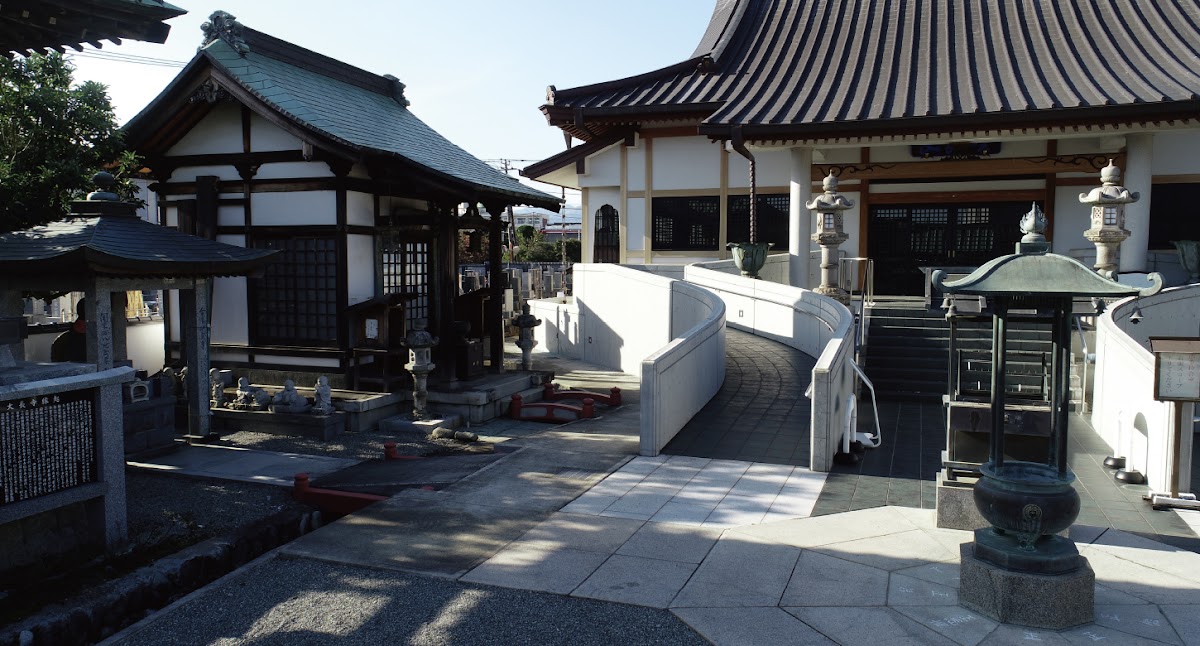
Daichoji Temple in Iwase, Kamakura City, is a short walk from Ofuna Station; the nearest bus stop is Sunaoshibashi. The temple grounds are located in a quiet residential area, creating a peaceful atmosphere.
The main hall houses the principal image, Amida Buddha, and serves as the center of faith for this Jodo sect temple. Furthermore, the temple’s long history has been preserved to this day through the maintenance and management of successive chief priests.
Access
- Location: Iwase, Kamakura City, Kanagawa Prefecture
- Nearest Station: Ofuna Station, JR Tokaido Line/Yokosuka Line
- Bus: Get off at Sunaoshibashi bus stop
- Parking: Parking available for visitors (please check with the temple for details)
Daichoji Temple (Osaka City) – A temple associated with Chikamatsu Monzaemon’s “Shinju Ten no Amijima”
Overview and History of Founding
Daichoji Temple, located in Nakano-cho, Miyakojima-ku, Osaka City, is a Jodo sect temple. It was built in 1605 (Keicho 10) by Sasaki Takahisa, a member of the Mori Terumoto family, to pray for the repose of his maternal grandfather, Mori Sadaharu.
Initially located where the current Fujita Museum stands, it was moved to its current location in 1912 (Meiji 45) when the wealthy merchant Fujita Denzaburo acquired the land for his residence. This relocation is one of the events that tell the story of Osaka’s modernization and urban development.
Connection to Chikamatsu Monzaemon’s “Shinju Ten no Amijima”
Daichoji Temple in Osaka City is particularly known for housing the tombs of Koharu and Jihei, the protagonists of Chikamatsu Monzaemon’s masterpiece Joruri play, “Shinju Ten no Amijima.”
“Shinju Ten no Amijima” is a work based on a real-life double suicide incident that occurred in 1720, and is known as the tragic love story of Jihei, a paper merchant, and Koharu, a courtesan. The tombs of the two, the Hiyokuzuka, are a valuable cultural heritage that conveys the common people’s culture and views on love during the Edo period.
7th Temple of the Osaka New Forty-Eight Vows Pilgrimage
Daichoji Temple is also designated as the 7th temple of the “Osaka New Forty-Eight Vows Amida Pilgrimage.” This pilgrimage visits temples in Osaka Prefecture that enshrine Amida Buddha as their principal image, and is visited by many believers.
Highlights of the Temple Grounds
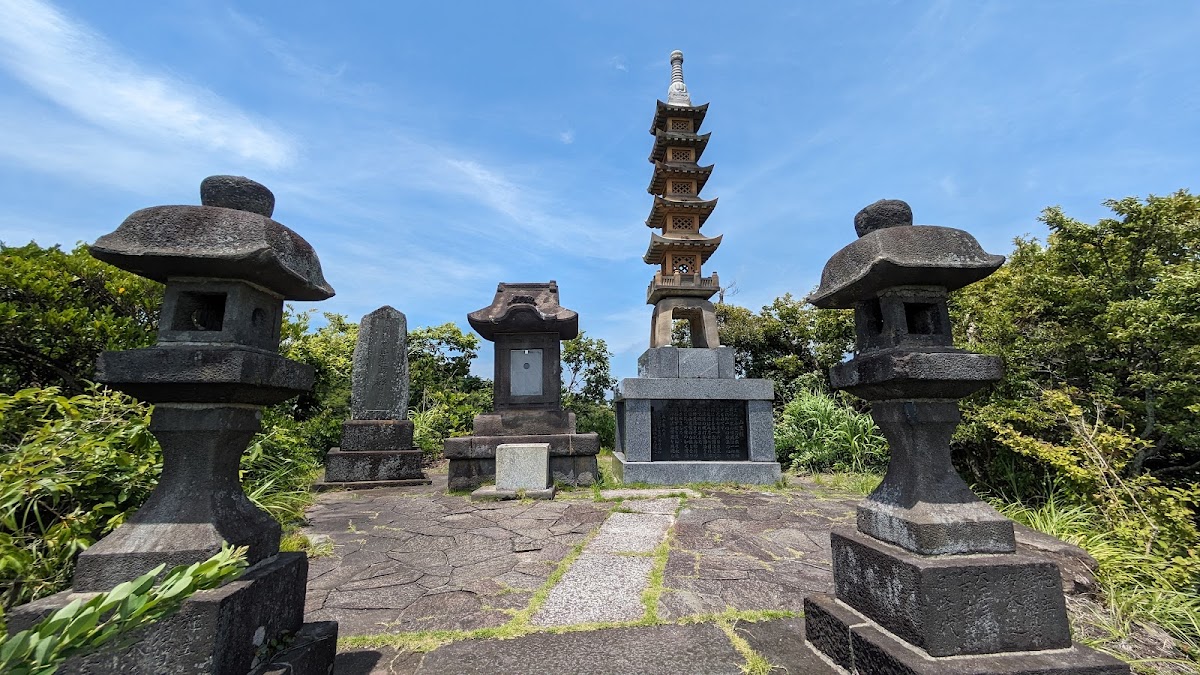
Besides the main hall, the main highlight of the Daichoji Temple grounds in Nakano-cho, Miyakojima-ku is the Hiyokuzuka (a tomb dedicated to Koharu and Jihei). The Hiyokuzuka is an important pilgrimage site for literature fans and history enthusiasts, and many visitors still come to see it.
Access
- Address: 2-1-14 Nakano-cho, Miyakojima-ku, Osaka City
- Phone: 06-6351-6570
- Nearest Station: Miyakojima Station (Osaka Metro Tanimachi Line), Sakuranomiya Station (JR Osaka Loop Line)
- Access: Approximately 10-15 minutes on foot from each station
Daichoji Temple (Gyoda City) – Deep Connection with Hyakumanben Chionji Temple
Overview and Founding
Daichoji Temple, located in Gyoda City, Saitama Prefecture, is a temple belonging to the Jodo sect. Founded during the Tenbun era (1532-1555), Daichoji Temple has a deep connection with Hyakumanben Chionji Temple (Kyoto), one of the head temples of the Jodo sect.
Abbot Gyuzen and Daichoji Temple
The founding of Daichoji Temple involves Abbot Gyuzen, who became the 29th abbot of Hyakumanben Chionji Temple. It is said that Abbot Gyuzen’s stay at the Haraguchi family residence in Gyoda Saijo Village during his missionary journey from Kyoto to the Oshu region became the impetus for the temple’s founding.
This anecdote is a valuable example illustrating the regional spread of Buddhism from the medieval to the early modern period, illustrating the relationship between the head temples in Kyoto and local temples.
Role in the Region
Daichoji Temple in Gyoda City has long served as a spiritual pillar for local residents, acting as a center of Jodo sect faith in the region. It is also a member of the Gyoda City Buddhist Association, contributing to the development of local Buddhist culture.
Access
- Location: Gyoda City, Saitama Prefecture
- Nearest Station: JR Takasaki Line Gyoda Station, Chichibu Railway Gyoda-shi Station
- Access: Please confirm details with the temple.
Daichoji Temple (Kaisei Town) – Kongozan Temple of the Soto Zen School
Overview and Features
Daichoji Temple, located in Kaisei Town, Ashigarakami District, Kanagawa Prefecture, is a temple belonging to the Soto Zen school. Its mountain name is Kongozan, and it is noteworthy that it belongs to a different sect than the Jodo sect Daichoji Temples introduced previously.
It was founded in 1541 (Tenbun 10) as the only temple in the then Yoshida-jima Village. The principal image is Shakyamuni Buddha, and as a Soto Zen temple, it transmits the teachings of Zen.
Buddhist Statues and Sacred Sites on the Temple Grounds
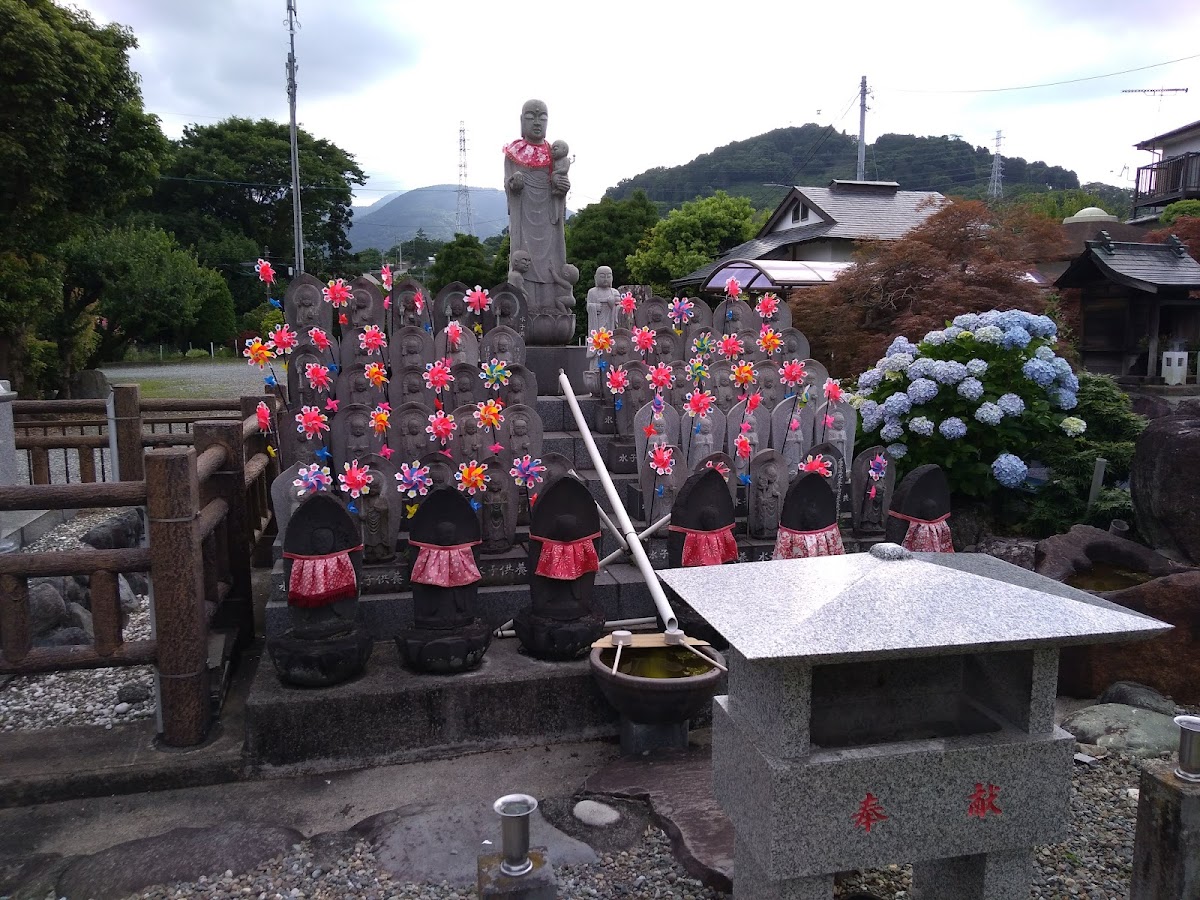
Within the grounds of Daichoji Temple in Kaisei Town, Fudo Myoo and the Thirteen Buddhas of Fortune and Virtue are enshrined. Furthermore, the Jizo statue is designated as the 95th sacred site of the “Kanto 108 Jizo Kannon Pilgrimage,” attracting many pilgrims.
These Buddhist statues are cherished as objects of local faith, and visitors come with various wishes.
Activities as a Soto Zen Temple
As a Soto Zen temple, it transmits the teachings of Zen to local residents through religious activities such as Zen meditation sessions and Dharma talks. Even in modern society, it serves as a refuge for people seeking peace of mind.
Access
- Location: Kaisei-cho, Ashigarakami-gun, Kanagawa Prefecture
- Nearest Station: Kaisei Station, Odakyu Odawara Line
- Access: Within walking distance from Kaisei Station (See the temple’s official website for details)
Other Daichoji Temples
There may be other temples named “Daichoji” throughout Japan besides the one listed above. Even with the same name, the location, sect, principal image, and history may differ, so it is important to always confirm the location when visiting or researching.
The duplication of temple names is a common phenomenon in Japanese temple culture, with each temple possessing its own unique history and regional characteristics.
Comparison and Characteristics of Each Temple
Differences by Sect
Of the Daichoji temples introduced, those in Kamakura City, Osaka City, and Gyoda City belong to the Jodo sect, while the Daichoji temple in Kaisei Town belongs to the Soto sect.
Characteristics of Jodo Sect Temples:
- Principal image is Amida Buddha (Kamakura City, Osaka City)
- Preaches rebirth in paradise through chanting the Buddha’s name
- Founded by Honen Shonin
Characteristics of Soto Sect Temples:
- Principal image is Shakyamuni Buddha (Kaisei Town)
- A Zen sect that emphasizes seated meditation
- Founded by Dogen Zenji
Diversity of Historical Backgrounds
The founding dates of each Daichoji temple range from the Tenbun era (1532-1555) to Keicho 10 (1605). Each temple was founded during the turbulent period from the Sengoku period to the early Edo period, reflecting the social conditions of the time.
Cultural Properties and Highlights
- Kamakura City: Relationship with Tokugawa Ieyasu, Aoi crest
- Osaka City: The tomb of Koharu and Jihei, connection to Chikamatsu’s literature
- Gyoda City: Historical connection with Hyakumanben Chionji Temple
- Kaisei Town: 95th sacred site of the Kanto 108 Jizo Kannon Pilgrimage, Thirteen Buddhas of Good Fortune
Each temple possesses its own unique cultural properties and highlights, making them well worth a visit.
Points to Note and Manners When Visiting a Temple
Basic Manners for Visiting a Temple
When visiting Daichoji Temple, please observe the following basic manners:
- Attire: Please wear clean and understated clothing.
- Photography: Photography is often permitted on the temple grounds, but please check in advance regarding photography inside the main hall or of Buddha statues.
- Quietness: Please behave quietly on the temple grounds and avoid disturbing other visitors.
- Offering: Please offer your donation with sincerity.
- Praying with Clasped Hands: Please pray with clasped hands in front of the main hall.
Visiting Hours and Admission Fees
Many temples are open for daytime visits, but it is recommended to check with each temple in advance regarding specific visiting hours and admission fees. Hours may differ during special viewings or religious ceremonies.
About Goshuin (Temple Seals)
Some temples offer Goshuin. When receiving a Goshuin (temple stamp):
- Bring your Goshuincho (stamp book)
- Receive it after your visit
- Prepare the Goshuin fee (usually around 300-500 yen)
- Request politely
Daichoji Temple in Osaka City is also a pilgrimage site for the Osaka New Forty-Eight Vows, so there may be special Goshuin available for pilgrims.
Modern Significance of Daichoji Temple
Preservation of Regional Culture
Daichoji temples throughout Japan play an important cultural role in their respective regions. Temples are not merely religious facilities; they convey the history of the region and function as centers of the community.
Even after the Meiji-era separation of Shinto and Buddhism and the wave of modernization, these temples have been maintained with the support of local residents and have been passed down to the present day.
Value as a Tourist Resource
Daichoji temples in Kamakura City and Osaka City, in particular, have increased in value as tourist resources due to their historical background and cultural assets. As places associated with Chikamatsu literature and temples associated with Tokugawa Ieyasu, they attract visitors with cultural interests. ### Temples as a Spiritual Sanctuary
Even in modern society, temples play a vital role as a spiritual sanctuary for people. Through activities such as Zen meditation sessions, Dharma talks, and sutra copying sessions, they meet the spiritual needs of modern individuals.
Summary
Temples bearing the name “Daichoji” exist throughout Japan, each possessing its own unique history and cultural background. These include a temple in Kamakura associated with Tokugawa Ieyasu, a temple in Osaka associated with Chikamatsu’s literature, a temple connected to Hyakumanben Chionji in Gyoda City, and a Soto Zen temple in Kaisei Town—a diverse group of temples with distinct characteristics.
Visiting these temples allows you to experience the diversity and regional characteristics of Japanese Buddhist culture. When visiting, pay attention to the historical background and cultural assets of each temple, and appreciate their uniqueness.
Understanding the differences in location and sect, and choosing a temple that suits your purpose, will lead to a more fulfilling pilgrimage experience. These temples, sharing the common name “Daichoji” but each with its own distinct story, represent a facet of Japan’s rich religious culture.
Visiting these temples allows you to experience the diversity and regional characteristics of Japanese Buddhist culture. When visiting, pay attention to the historical background and cultural assets of each temple, and appreciate their uniqueness.
Understanding the differences in location and sect, and choosing a temple that suits your purpose, will lead to a more fulfilling pilgrimage experience. These temples, each with its own distinct story despite sharing the common name “Daichoji,” represent a part of Japan’s rich religious culture.
References
- *Shinsan Jodo-shu Daijiten* (New Compilation of the Encyclopedia of the Jodo Sect)
- *Kamakura no Jiten* (Temples of Kamakura), edited by the Kamakura City Board of Education
- *Osaka City History*, compiled by the Osaka City History Compilation Committee
- Materials from the Gyoda City Buddhist Association
- Official information and guide materials from each temple
*The information in this article is current as of the time of writing. Please check with each temple for the latest information before visiting.