Complete Guide to Samukawa Shrine | A Thorough Explanation of its Divine Blessings, History, Worship Methods, and Goshuin (Shrine Seals)
Samukawa Shrine, located in Samukawa-machi, Koza-gun, Kanagawa Prefecture, is an ancient shrine boasting a history of over 1600 years as the Ichinomiya (first-ranked shrine) of Sagami Province. Known as the only shrine in Japan with the divine blessing of “Happo-yoke” (protection from all directions), it is one of the most prestigious shrines in the Kanto region, attracting approximately 2 million visitors annually and drawing fervent devotion not only from locals but from across Japan.
This article comprehensively introduces information useful for both first-time visitors and frequent visitors, covering everything from the history of Samukawa Shrine, its enshrined deities, the meaning of Happo-yoke, worship methods, goshuin (shrine seals), and access information.
What is Samukawa Shrine?
Samukawa Shrine is a shrine located in Miyayama, Samukawa-machi, Koza-gun, Kanagawa Prefecture, and has long been revered by the imperial court and samurai families as the Ichinomiya of Sagami Province. It is listed as a Shikinaisha (Myojin Taisha), formerly a Kokuhei Chusha (National Shrine of the Second Rank), and is currently designated as a Beppyo Jinja (Special Shrine) by the Association of Shinto Shrines.
Located on the north bank of the Sagami River, its vast grounds are home to a forest with trees hundreds of years old, creating a sacred atmosphere. During the New Year’s pilgrimage, approximately 500,000 people visit in the first three days alone, with many worshippers gathering from all over Japan, especially to receive prayers for protection against all directions.
Status as the Ichinomiya of Sagami Province
An Ichinomiya is a shrine that held the highest rank in each province during the Ritsuryo period. Samukawa Shrine, as the Ichinomiya of Sagami Province (most of present-day Kanagawa Prefecture), has played an important role as the guardian deity and general protector of the region.
It has been revered by successive imperial courts and shogunate governments, and has a history of being deeply revered by samurai families such as Minamoto no Yoritomo, the Hojo clan, and the Tokugawa family.
Deities and Divine Virtues
Deities
The deities enshrined at Samukawa Shrine are the following two:
- Samukawa Hiko no Mikoto
- Samukawa Hime no Mikoto
These two deities are collectively referred to as “Samukawa Daimyojin.” Samukawa Daimyojin is revered as the “Parent Deity of Kanto,” having pioneered the Kanto region, primarily Sagami Province, bestowing upon the path to all kinds of industrial development and guiding the development of the fundamental aspects of human life, such as clothing, food, and shelter.
Divine Virtue of Protection from All Directions
The most distinctive feature of Samukawa Shrine is that it is the only guardian deity of protection from all directions in the entire country.
Protection from all directions refers to the divine virtue of removing all calamities caused by geomancy, house layout, direction, auspicious days, etc., and protecting oneself from all evil and misfortune. It is believed that this prayer wards off not only misfortunes related to directions and orientations, but also calamities that befall people at all stages of life, guiding them toward a better future.
Specifically, many people receive the Happo-yoke prayer in the following situations:
- New construction, renovation, land purchase
- Moving
- Changing jobs, employment, starting a business
- Travel, business trips
- Years of misfortune
- Life milestones and turning points
The eight directions refer to the four cardinal directions (east, west, north, south) and the four corners (northeast, southeast, southwest, and northwest). It is called “Happo-yoke” because it wards off misfortune from all eight directions.
Other Divine Virtues
In addition to Happo-yoke, Samukawa Shrine is believed to have the following divine virtues:
- Good Fortune and Prosperity
- Industrial Development
- Business Prosperity
- Family Safety
- Traffic Safety
- Exorcism
- Matchmaking
History of Samukawa Shrine
Founding and Ancient History
The exact founding date of Samukawa Shrine is unclear, but according to shrine tradition, it dates back approximately 1600 years. Its name is recorded in ancient documents from the Nara and Heian periods, confirming its long-standing reverence by the imperial court.
The “Engishiki Jinmyocho” (927 AD) lists it as “Sagami Province, Takaza District, Samukawa Shrine, Myojin Taisha,” indicating its highest rank as a Myojin Taisha (Great Shrine). Descriptions of Samukawa Shrine can also be found in historical texts such as the “Shoku Nihon Koki” (Later Chronicle of Japan Continued).
Development in the Medieval and Early Modern Periods
During the Kamakura period, it was deeply revered by the warriors of the Kamakura Shogunate, including Minamoto no Yoritomo. The Hojo clan also revered Samukawa Shrine for generations, contributing to the construction of shrine buildings and donating sacred lands.
Although it temporarily declined during the Sengoku period, it regained its prosperity under the patronage of the Tokugawa family during the Edo period. It received land grants from successive shoguns and became widely revered as the guardian shrine of the Kanto region.
Modern Era
Under the Meiji era’s shrine ranking system, it was ranked as a National Shrine of the second rank, and after World War II, it became a Special Shrine of the Association of Shinto Shrines. The current shrine building was constructed in 1977 and boasts a magnificent Gongen-zukuri architectural style.
Even in the Heisei era, improvements to the shrine grounds continued, including the construction of the guest hall “Sanshuden” and the development of the Kamitakeyama Shrine Garden, and it continues to welcome many visitors today.
Shrine Grounds Guide
Samukawa Shrine’s grounds are vast and offer numerous points of interest. Here are some of the main facilities.
First and Second Torii Gates
Two magnificent torii gates mark the entrance to the sacred area along the approach to the shrine. Bow before passing through the gates.
Water Basin
This is where you purify your body and mind before worship. Follow the proper etiquette to purify your hands and mouth before proceeding to the main shrine.
Third Torii Gate and Shrine Gate
After passing through the third torii gate, you will see a vermilion-painted shrine gate directly ahead. This gate is an important boundary separating the inside from the outside of the shrine grounds.
Worship Hall and Main Shrine
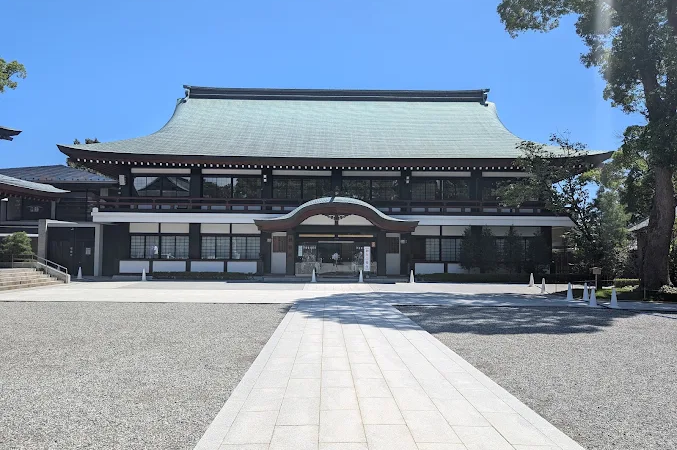
The shrine buildings, constructed in 1977 in the Gongen-zukuri style, are magnificent and beautiful. The main shrine houses the enshrined deity, and worship takes place in the worship hall.
Armillary Sphere
An armillary sphere, indicating direction, is installed on the shrine grounds. This is a distinctive device befitting a shrine dedicated to protection from all directions.
Kantakeyama Shinen (Kantakeyama Shrine Garden)
Opened in 2014, this beautiful garden allows visitors to enjoy the changing seasons. With a pond, waterfall, and tea house, it offers a peaceful space for a leisurely stroll.
Subsidiary Shrines
The following subsidiary shrines are located within the grounds:
- Miyayama Shrine
- Inari Shrine
- Yasaka Shrine
- Ancestral Spirit Shrine
Each shrine offers different divine blessings, and many visitors come to pay their respects after visiting the main shrine.
Shrine Office/Amulet Shop
This is where you can receive Goshuin (shrine stamps), amulets, and talismans. A wide variety of amulets are available, including those for protection from all directions and those for good fortune.
How to Visit a Shrine and Etiquette
Basic Visiting Etiquette
- Bow before the Torii Gate: Bow before passing through the torii gate.
- Walk along the edge of the path: The center of the path is considered the path of the gods, so walk along the edge.
- Purify yourself at the water basin:
- Hold the ladle in your right hand and purify your left hand.
- Switch the ladle to your left hand and purify your right hand.
- Switch the ladle back to your right hand, receive water in your left hand, and rinse your mouth.
- Purify your left hand again.
- Hold the ladle upright and purify the handle.
- Pray at the main hall:
- Place your offering in the offering box.
- Two bows, two claps, one bow (two bows, two claps, one bow).
- Bow deeply twice.
- Clap your hands twice.
- Pray sincerely.
- Bow deeply once.
- Bow upon leaving: When leaving the shrine grounds, turn around and bow before the torii gate.
Prayer for Protection from All Directions
If you wish to receive the prayer for protection from all directions, please register at the shrine office. Reservations are not required; same-day registration is possible.
Prayer Reception Hours: 8:00 AM – 5:00 PM (Open year-round)
The prayer fee starts from 5,000 yen (the gifts received vary depending on the amount). During the prayer, a Shinto priest will recite prayers and offer a tamagushi (sacred branch). The ceremony takes approximately 20-30 minutes.
Goshuin (Shrine Seal) Information
Beautiful goshuin are available at Samukawa Shrine.
Types of Goshuin (Shrine Seals)
- Regular Goshuin: Features the shrine seal and date of Samukawa Shrine.
- Special Goshuin: Limited edition goshuin are available during special times such as New Year’s and annual festivals.
Goshuin Reception
Reception Location: Shrine Office/Gift Counter
Reception Hours: 8:00 AM – 5:00 PM
Offering Fee: 500 yen (subject to change)
Goshuin notebooks are also available, and the original Samukawa Shrine designs are popular.
Annual Events and Festivals
Samukawa Shrine holds various festivals and events throughout the year.
Main Annual Events
January
- New Year’s Day Festival (January 1st)
- New Year’s Day Festival (January 1st)
- Beginning of the Year Festival (January 3rd)
February
- Setsubun Festival (around February 3rd)
- Prayer Festival (February 17th)
April
- Spring Grand Festival (April)
June
- Summer Purification Ceremony (June 30th)
September
- Annual Festival (September 20th)
- Autumn Grand Festival (September)
November
- Harvest Festival (November 23rd)
- Shichi-Go-San Festival (November)
December
- Year-End Purification Ceremony (December 31st)
- New Year’s Eve Festival (December 31st)
Annual Festival
The annual festival, held on September 20th, is the most important event at Samukawa Shrine. Various Shinto rituals are performed, including a portable shrine procession and the dedication of sacred dances (kagura).
Access Information
Access by Train
Nearest Station: JR Sagami Line “Miyayama Station”
- Approximately 5 minutes on foot from Miyayama Station
From Other Lines
- Transfer to the Sagami Line from JR Tokaido Line “Chigasaki Station”
- Transfer to the Sagami Line from Odakyu Line/Sotetsu Line “Ebina Station”
Access by Car
Using Expressways
- Approximately 3 minutes (approx. 1 km) from Ken-O Expressway “Samukawa Kita IC”
- Approximately 20 minutes from Tomei Expressway “Atsugi IC”
- Approximately 20 minutes from Odawara-Atsugi Road “Isehara IC”
Address: 3916 Miyayama, Samukawa-machi, Koza-gun, Kanagawa Prefecture 253-0106
Parking
There is free parking on the temple grounds (capacity of approximately 400 cars). However, it becomes very crowded during New Year’s and festivals, so we recommend using public transportation.
Visiting Hours and Shrine Office Hours
Visiting Hours: 6:00 AM to sunset (Open year-round)
Shrine Office/Gift Shop: 8:00 AM to 5:00 PM
Prayer Request Reception: 8:00 AM to 5:00 PM
*Hours may change depending on the season. Please check the official website for the latest information.
Samukawa Shrine Assembly Hall (Wedding Venue)
Within the grounds of Samukawa Shrine is the “Samukawa Shrine Assembly Hall,” where Shinto wedding ceremonies can be held.
You can hold a traditional Japanese wedding ceremony in a solemn atmosphere surrounded by a vast forest. A reception hall and waiting rooms are also available, accommodating both small and large groups.
Inquiries: Samukawa Shrine Assembly Hall (TEL: 0467-75-5555)
Nearby Tourist Attractions
Here are some nearby attractions you might want to visit when you come to Samukawa Shrine.
Samukawa Town Tourism Association
This facility provides tourist information about Samukawa Town, and you can also purchase local specialties and souvenirs.
Stroll along the Sagami River
A promenade is maintained along the Sagami River, allowing you to enjoy a stroll while appreciating nature.
Nearby Restaurants
There are many restaurants around Samukawa Shrine that you can visit after your prayers. There are various types of establishments, including Japanese, Western, and cafes, where you can enjoy lunch or tea.
The Charm of Samukawa Shrine and Points to Note When Visiting
Receiving the Divine Blessing of Protection from All Directions
When you are at a turning point in your life or starting something new, receiving a prayer for protection from all directions will protect you from all kinds of misfortunes and guide you in a positive direction.
Enjoying Nature in Every Season
The vast grounds of the shrine offer nature that changes with the seasons, and in particular, you can stroll through the beautiful gardens of Kamitakeyama Shrine. It shows different expressions in each season, such as cherry blossoms in spring, fresh greenery in early summer, and autumn leaves.
Experiencing History and Tradition
At this ancient shrine with over 1600 years of history, you can feel the prestige and tradition of Sagami Province’s Ichinomiya (first-ranked shrine).
Time for Quiet Prayer
Away from the hustle and bustle of the city, you can find a sacred space to calm your mind and reflect on yourself.
Summary
Samukawa Shrine, as the only Ichinomiya of Sagami Province with the divine power of protection from all directions, has attracted the faith of people for over 1600 years. By receiving prayers for protection from all directions at life’s turning points or when starting a new chapter, you can be protected from all kinds of misfortunes and guided in a positive direction.
The vast grounds feature magnificent shrine buildings and beautiful gardens, allowing you to enjoy the changing seasons while praying in peace. It is easily accessible, just a 5-minute walk from Miyayama Station on the JR Sagami Line and a 3-minute drive from the Ken-O Expressway Samukawa Kita Interchange.
Why not visit Samukawa Shrine for various occasions such as New Year’s prayers, warding off evil, life-changing events, or before a trip, and receive its divine blessings for protection from all directions? As one of the most renowned shrines in the Kanto region, you’re sure to have a memorable pilgrimage experience.