Ueda Shrine (Nankoku City, Kochi Prefecture) | A Thorough Explanation of the History and Highlights of this Ancient Shrine Associated with the Kamo Clan
Ueda Shrine, located in Ueda, Nankoku City, Kochi Prefecture, is a historical shrine with deep ties to the ancient Kamo clan. Also known as Takakamo Daimyojin, it sits in a tranquil environment overlooking the peaks of Kitayama and backed by the Jogatani Kofun burial mounds. This article provides a detailed explanation of everything you need to know before visiting Ueda Shrine, including its history, enshrined deities, highlights within the grounds, goshuin (shrine seals), and access information.
Overview of Ueda Shrine
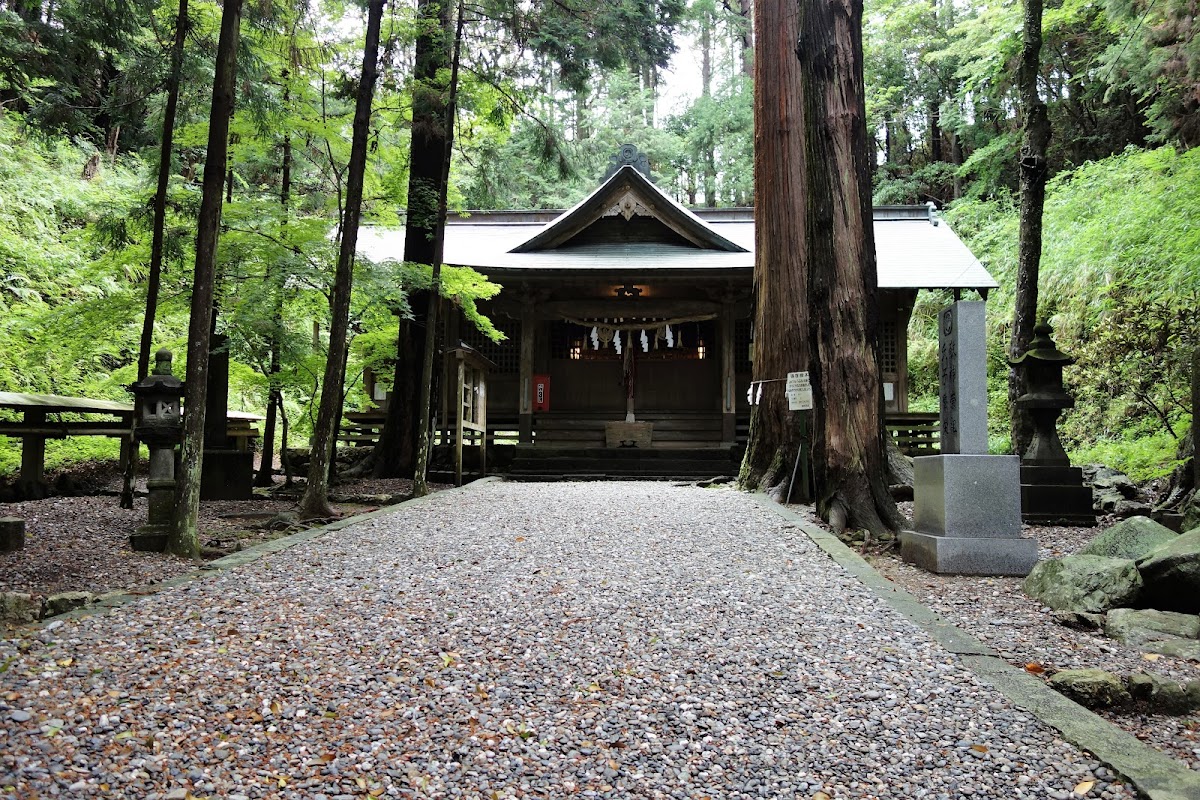
Ueda Shrine is a beloved local shrine in the Ueda district of Nankoku City. Overlooking the peaks of Kitayama stretching east and west, and with the Jogatani Kofun burial mounds spreading out behind it, it is situated in a truly serene and tranquil location, a place truly worthy of being described as a “pristine and serene paradise.”
Basic Information about the Shrine
Location: Ueda, Nankoku City, Kochi Prefecture
Former Shrine Rank: Village Shrine
Alternate Name: Takagamo Daimyojin
Main Deity: Ajisukitakahikone-no-Mikoto
About the Deity
Ajisukitakahikone-no-Mikoto, the main deity of Ueda Shrine, is a god who holds an important position in Japanese mythology.
About Ajisukitakahikone-no-Mikoto
Ajisukitakahikone-no-Mikoto is known as the child of Okuninushi-no-Mikoto and Takiribime-no-Mikoto. Takiribime-no-Mikoto is one of the three Munakata goddesses and is worshipped as a goddess of the sea and navigation.
This god appears in the Kojiki and Nihon Shoki during the funeral of Ame-no-Wakahiko. A myth tells of Ajisukitakahikone-no-Mikoto, who, upon visiting the shrine to mourn the death of Ame-no-Wakahiko, was mistaken for a family member due to his resemblance to Ame-no-Wakahiko. Enraged, he cut down the mourning hut. This anecdote suggests he also possesses characteristics of a thunder god and agricultural deity.
Relationship with the Kamo Clan
Ueda Shrine is known as a shrine of the Kamo clan. The Kamo clan was one of the powerful clans of ancient Japan, worshipping at the Kamigamo Shrine (Kamo Wakeikazuchi Shrine) and Shimogamo Shrine (Kamo Mioya Shrine) in Kyoto. Ajisukitakahikone-no-Mikoto is sometimes identified with Kamo Wakeikazuchi-no-Kami and has been revered as the ancestral deity of the Kamo clan.
The presence of a shrine associated with the Kamo clan in Nankoku City, Kochi Prefecture, is an important historical source illustrating the Kamo clan’s sphere of influence in ancient times and their cultural impact on Tosa Province.
The History of Ueda Shrine
While the exact founding date of Ueda Shrine is unclear, its history is believed to date back to ancient times.
History from Ancient Times
The area around Ueda in Nangoku City, where the shrine is located, has been inhabited since the Kofun period (Tumulus period). The Jogatani Kofun Cluster behind it indicates that this region was under the control of powerful local clans from ancient times. It is presumed that Ueda Shrine, while having deep ties to these ancient clans, has been worshipped as a guardian deity of the region.
There are various theories regarding the timing and circumstances of the Kamo clan’s expansion into Tosa Province, but their relationship with the central Kamo clan is evident from the shrine’s enshrined deities and alternative name (Takakamo Daimyojin). It is thought that by enshrining the same deity as the Kamo Shrine in Kyoto, the shrine demonstrated its connection to the central government and played a role in enhancing the authority of the region.
History from the Early Modern Period Onward
During the Edo period, it was under the control of the Tosa Domain and served as a village shrine, attracting local devotion. Despite being affected by the Meiji-era separation of Shinto and Buddhism and the policy of consolidating shrines, the shrine’s rituals have continued to this day, supported by the fervent faith of the local residents.
Highlights of the Shrine Grounds
The grounds of Ueda Shrine stand quietly amidst a rich natural environment.
Shrine Buildings
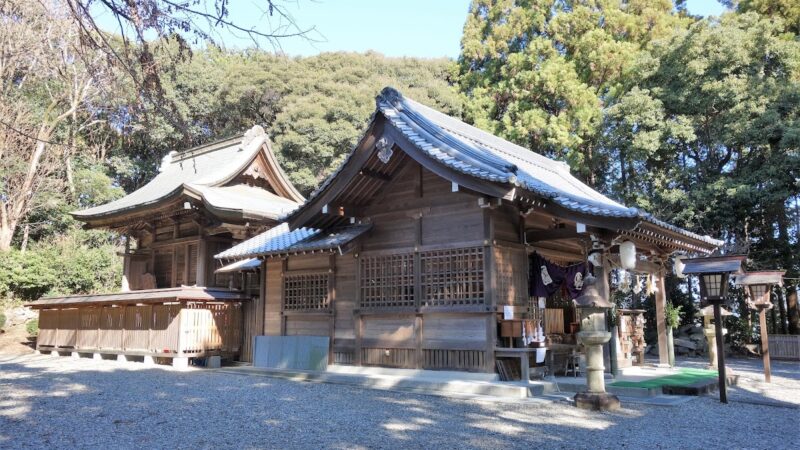
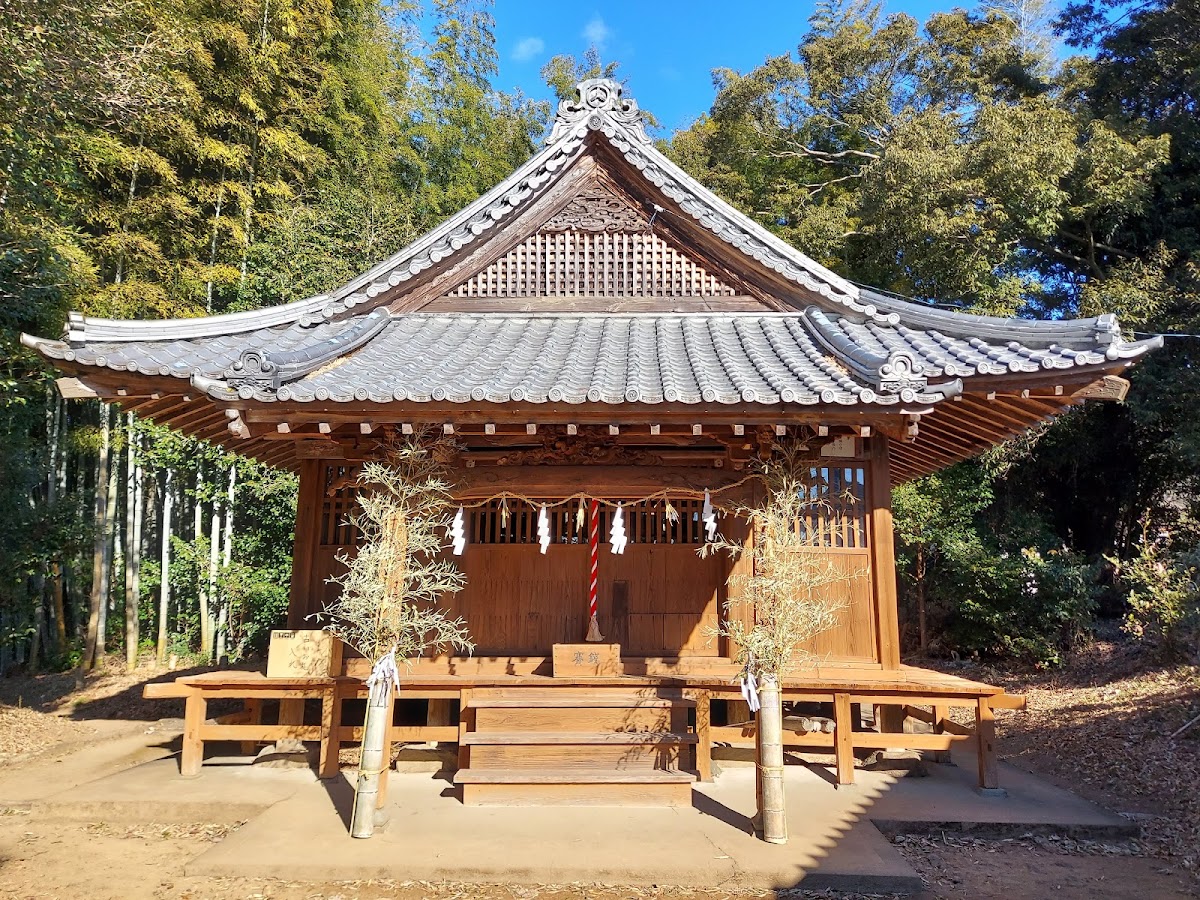
The main shrine building is constructed in the traditional style of Shinto shrine architecture and, together with the worship hall, welcomes visitors. While not large in scale, it is meticulously maintained, reflecting the deep faith of the local people.
Tree lush surrounds the shrine buildings, and the forest encircling the grounds in particular exudes a sacred atmosphere. The scenery, with the peaks of Kitayama in the background, is truly beautiful and worthy of being called a “fairyland.”
Subsidiary Shrines
In addition to the main shrine, Ueda Shrine’s grounds also house several subsidiary shrines. These subsidiary shrines embody various local beliefs, representing prayers closely related to daily life, such as those for agriculture, commerce, and family safety.
Relationship with the Jogaya Kofun Cluster
The Jogaya Kofun Cluster, located behind Ueda Shrine, is a group of burial mounds believed to have been constructed during the late Kofun period (around the 6th century). The existence of this cluster indicates that this region was under the control of powerful local clans from ancient times.
The relative locations of the shrine and the burial mounds suggest that Ueda Shrine may have been dedicated to the chieftains and their families buried in the mounds. This integrated form of worship, combining burial mounds and shrines, is a characteristic of ancient beliefs found throughout Japan, and Ueda Shrine is one such example.
Regarding Goshuin (Shrine Seals)
It is recommended to check in advance whether Ueda Shrine offers Goshuin. Smaller shrines may not have resident priests, so those wishing to receive a Goshuin should inquire with the Kochi Prefectural Shrine Association or nearby shrines beforehand.
Kochi Prefecture has many shrines, including Tosa Shrine, and the number of visitors enjoying shrine pilgrimages is increasing. When visiting Ueda Shrine, it’s also recommended to visit other nearby shrines.
Access Information
Here’s how to access Ueda Shrine.
Access by Public Transportation
Nearest Station: JR Dosan Line “Gomen Station” or “Gomenmachi Station”
- Approximately 10-15 minutes by taxi from the station
- If using a local bus, please check the bus routes running within Nangoku City.
Access by Car
Kochi Expressway: Approximately 10-15 minutes from “Nangoku IC”
- Via National Route 32 towards Ueda, Nangoku City
- You can search for “Ueda Shrine” or its address on your car navigation system.
Parking
Due to the size of the shrine, there may not be a large, dedicated parking lot. When visiting, please check the situation around the shrine and be considerate of the neighbors. To maintain an environment where visitors can freely worship, please park responsibly and respectfully.
Nearby Tourist Attractions
Here are some nearby spots you might want to visit when you come to Ueda Shrine.
Ono Shrine (Okutoyo-cho, Nankoku City)
Besides Ueda Shrine, Nankoku City has many other historical shrines. Ono Shrine is located in Okutoyo-cho, Koren, and is a place of worship for the local community. Be sure to visit it when you’re enjoying a shrine tour in Nankoku City.
Tosa Shrine
Tosa Shrine, located in Kochi City, is a prestigious shrine known as the Ichinomiya (first-ranked shrine) of Tosa Province. It’s about a 20-30 minute drive from Ueda Shrine and attracts many visitors as one of Kochi Prefecture’s representative shrines.
Okutoyo Castle Ruins
The ruins of Okutoyo Castle, the residence of the Chosokabe clan, a powerful warlord of Tosa during the Sengoku period, are also nearby. This is a particularly recommended spot for history buffs.
Manners and Precautions for Visiting Shrines
Here are some basic manners to observe when visiting Ueda Shrine.
Etiquette for Worship
- Bow before passing through the torii gate: As a sign of respect before entering the sacred area, bow before the torii gate.
- Purify yourself at the water basin: If there is a water basin, purify your hands and mouth.
- Avoid the center of the path: The center of the path is considered the path of the gods, so walk along the side.
- Two bows, two claps, one bow: In front of the main hall, bow twice, clap twice, and finally bow once.
Photography
Photography is generally permitted within the shrine grounds, but please refrain from taking pictures inside the main hall or in areas where photography is prohibited. Also, please be considerate of other worshippers.
Maintaining a Tranquil Environment
Ueda Shrine is characterized by its quiet environment, often described as a “tranquil and serene paradise.” Please avoid loud conversations and noise, and worship with a quiet attitude befitting a sacred area.
Annual Events and Festivals
It is believed that various festivals are held throughout the year at Ueda Shrine.
Annual Grand Festival
Many shrines hold their annual grand festival in the autumn. It is possible that Ueda Shrine also holds a festival organized by the local parishioners. It is recommended to check the specific dates in advance.
New Year’s Visit
During the Hatsumode (first shrine visit of the year), local residents visit to pray for the new year. As a traditional Japanese belief, the custom of visiting the local guardian deity at the beginning of the year continues to this day.
Faith and Blessings of Ueda Shrine
Ajisukitakahikone-no-Mikoto, the main deity of Ueda Shrine, is believed to bestow various blessings due to his divine nature.
Agriculture and Abundant Harvest
Ajisukitakahikone-no-Mikoto, who has the characteristics of a thunder god, is considered a guardian deity of agriculture as a god who brings rain. Since ancient times, there has been a belief in praying for a bountiful harvest.
Good Fortune and Protection from Evil
As a deity possessing powerful divine authority, it is believed to offer blessings for protection from evil and good fortune. Many people visit the shrine at life’s turning points or when facing difficulties.
Guardian of the Region
As a local guardian deity, it also plays a role in protecting the region, and a belief in praying for family safety and peace in the community is deeply rooted.
Shrines Related to the Kamo Clan in Kochi Prefecture
Besides Ueda Shrine, there may be other shrines in Kochi Prefecture related to the Kamo clan and Ajisukitakahikone-no-Mikoto.
The Kamo clan was a powerful clan in ancient times, and traces of their influence can be found throughout Japan. Further research is needed regarding the activities and influence of the Kamo clan in Tosa Province.
Significance of Visiting Ueda Shrine
Ueda Shrine is one of the shrines of particularly high historical value in Kochi Prefecture.
Deepening Understanding of Ancient History
By tracing the footsteps of the ancient Kamo clan, you can deepen your understanding of the relationship between the central government and local areas, and the transmission of culture in ancient times.
Experiencing Local Culture
Visiting Ueda Shrine, which has been protected as the local tutelary shrine, is a valuable opportunity to experience the history and culture of Nankoku City firsthand.
Peace of Mind
The tranquil shrine grounds, embraced by the nature of Kitayama, are ideal for escaping the hustle and bustle of modern life and finding peace of mind. Through worship, you can connect with the spirit of ancient Japanese nature worship and Shinto.
Summary
Ueda Shrine, located in Nankoku City, Kochi Prefecture, is a shrine with a long history, associated with the Kamo clan and serving as the local tutelary shrine. Enshrining Ajisukitakahikone-no-Mikoto as its main deity, its serene environment, backed by the Jogatani Kofun Cluster, offers visitors a sense of ancient history and peace of mind.
When visiting Kochi Prefecture, why not visit not only famous shrines like Tosa Shrine, but also locally rooted shrines like Ueda Shrine? There, you’ll find a glimpse of the true Japan that you won’t find in tourist guides.
When visiting, please respect the tranquil environment of the shrine and observe proper etiquette. It’s recommended to check in advance about parking availability and the issuance of Goshuin (shrine stamps). Visiting nearby shrines such as Ono Shrine and Tosa Shrine in conjunction with Ueda Shrine will allow you to gain a deeper understanding of Kochi Prefecture’s shrine culture.
We hope your visit to Ueda Shrine will be a fruitful experience.