Niida Shrine (Nakaya, Nankoku City, Kochi Prefecture) Complete Guide | History, Deities, and Access Information
Niida Shrine, located in Nakaya, Nankoku City, Kochi Prefecture, is a shrine that has long been revered as the local guardian deity. While several shrines with the same name exist in Kochi Prefecture, this article provides a detailed explanation of the Niida Shrine located in Nakaya, Nankoku City, including its history, enshrined deities, and access information.
Basic Information on Niida Shrine
Location and Address
Niida Shrine is located in Nakaya, Nankoku City, Kochi Prefecture. Nankoku City is located in the central part of Kochi Prefecture and is known as a transportation hub with Kochi Ryoma Airport and Kochi University School of Medicine.
Address: Nakaya, Nankoku City, Kochi Prefecture
Nankoku City has several scattered settlements, and the Nakaya area is known as a historically significant rural area. Niida Shrine has been the center of faith for local residents as the guardian deity of this region.
Information as a Religious Corporation
Niida Shrine is registered as a religious corporation and operates as a shrine belonging to the Association of Shinto Shrines. There are multiple shrines with the same name, “Niida Shrine,” throughout Japan, and several Niida Shrines have been identified in Kochi Prefecture alone.
Shrines with the same name but different locations include the Niida Shrine in Niida, Kochi City (known for its over 700-year-old camphor tree) and the Niida Shrine in Tosayama Kuwao, Kochi City (which possesses a main hall designated as a registered tangible cultural property). Each of these operates as an independent religious corporation.
Deities and Beliefs
About the Main Deity
The deity enshrined at Niida Shrine is believed to be a local guardian deity, prayed to for abundant harvests and peace in the region. Many Niida Shrines in Kochi Prefecture enshrine agricultural or land deities as their main deities, and the Niida Shrine in Nakatani, Nankoku City, is presumed to have a similar character.
History of Local Beliefs
The Nakatani district of Nangoku City has long been a settlement centered on agriculture. Niida Shrine, as the local tutelary shrine, is believed to have held rituals aligned with the agricultural cycle, such as prayers for a bountiful harvest in spring and thanksgiving for the harvest in autumn.
For local residents, the shrine has functioned not merely as a religious facility, but as the center of the community. During festivals, local people gather, deepening their bonds through Shinto rituals.
Shrine Grounds and Highlights
Shrine Buildings and Facilities
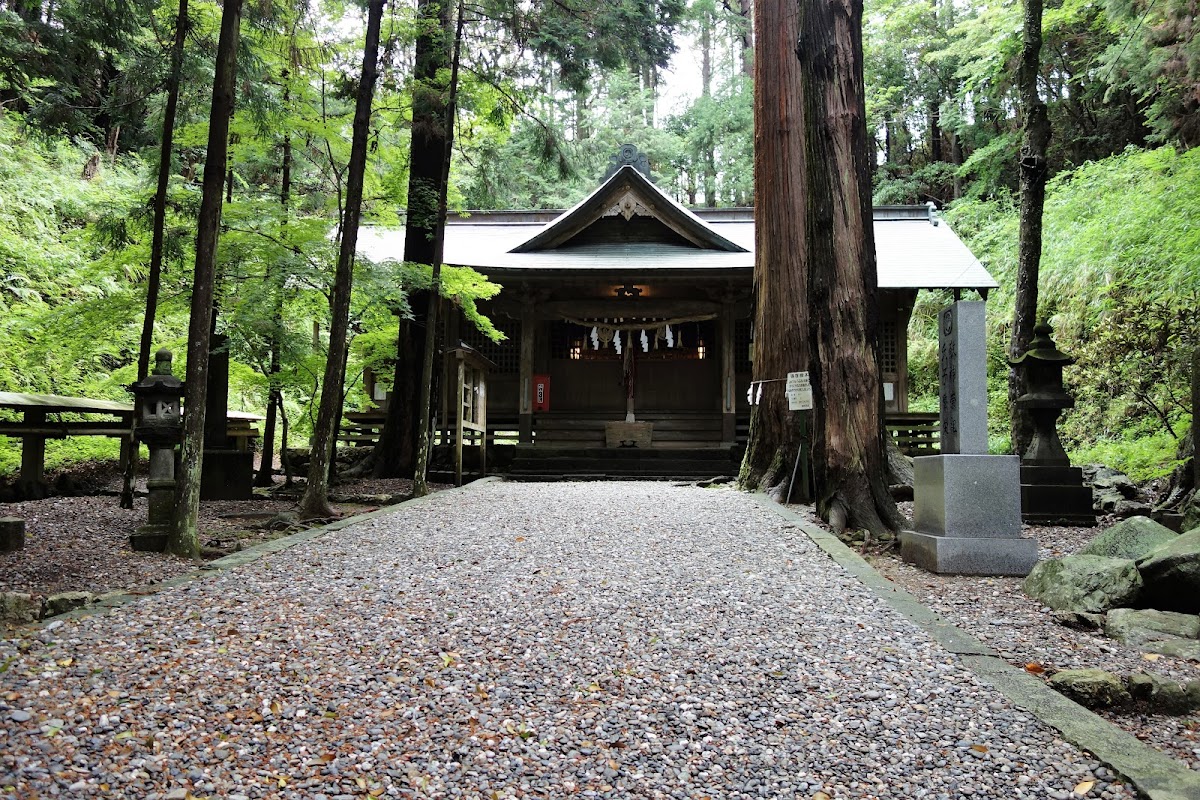
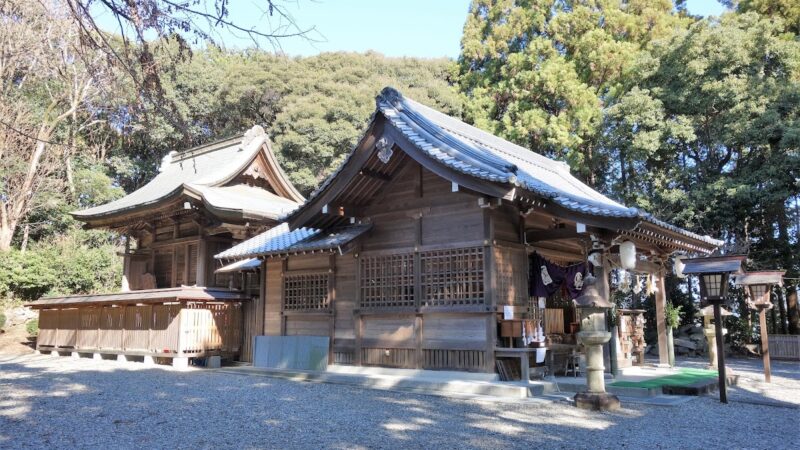
Niida Shrine in Nakatani, Nangoku City, maintains the typical form of a local tutelary shrine. Basic shrine buildings such as the main hall and worship hall are arranged within the grounds, creating a space that supports local faith.
While the grounds are not large in scale, they are equipped with the necessary facilities for a shrine rooted in the community. Worshippers can offer prayers to the deities following the traditional worship procedure: passing through the torii gate, purifying themselves at the water basin, and then proceeding to the worship hall.
Atmosphere of the Shrine
Nakaya in Nankoku City is a quiet area slightly removed from the city center, and the grounds of Niida Shrine are enveloped in a tranquil atmosphere. Its charm lies in the fact that one can visit the shrine peacefully, away from the hustle and bustle of the city.
The surrounding area is a rural landscape, allowing visitors to experience the beauty of nature throughout the seasons. The shrine stands amidst an environment that displays different expressions with each season: fresh greenery in spring, lush green rice fields in summer, golden rice stalks in autumn, and a quiet rural landscape in winter.
Annual Events and Festivals
Main Festivals
Niida Shrine, the local guardian shrine, holds various festivals throughout the year. Particularly important festivals include the following:
Spring Grand Festival: A grand spring festival praying for a bountiful harvest, with local residents gathering for the Shinto rituals. Held before the start of full-scale farming work, it prays for a good harvest that year.
Autumn Grand Festival: This is a major autumn festival expressing gratitude for the harvest, a significant event where thanks are given for the year’s bounty. Newly harvested rice and other offerings are sometimes presented to the gods.
Monthly Festival: This is a regular festival held on a fixed day each month, praying for the maintenance of the shrine and the peace and prosperity of the community.
Connection with the Community
The festivals of Niida Shrine play an important role in maintaining the local community. Especially during the Grand Festival, local residents participate wholeheartedly in the preparation and operation, creating a place for intergenerational exchange.
In recent years, with the increasing depopulation and aging of rural areas, maintaining shrine festivals has become a challenge for the community. However, faith in the local deity is at the core of the community’s identity, and traditions are preserved through the efforts of the residents.
Access and Transportation Information
Access by Public Transportation
The main means of access to Nakatani, Nangoku City by public transportation is the bus. You will need to take a bus from Kochi Station or the center of Nangoku City, but since the number of buses may be limited, it is recommended to check the timetable in advance.
From the nearest bus stop, you will need to walk to the shrine. Asking locals for directions may create opportunities to interact with the local community.
Access by Car
Access by car is the most convenient. It is approximately 15-20 minutes by car from the Nangoku Interchange on the Kochi Expressway.
Example Route:
- From the Nangoku Interchange on the Kochi Expressway, head towards National Route 32.
- Follow the signs towards the Nakatani area.
- Head towards the shrine, asking locals for directions.
Nakatani in Nangoku City is a rural area, so some roads are narrow. Please drive safely and pay attention to oncoming traffic.
Parking Information
There may be parking spaces for visitors on the shrine grounds or nearby, but large-scale parking facilities may not be available. During festivals and other events, please follow the instructions of local residents regarding parking.
When visiting the shrine, it is important to park considerately, checking the situation on the shrine grounds and ensuring you do not inconvenience other visitors or local residents.
Manners and Etiquette for Visiting the Shrine
Basic Visiting Etiquette
When visiting Niida Shrine, please observe the following basic etiquette:
- Bow at the Torii Gate: Bow before passing through the torii gate to show respect for entering the sacred area.
- Walking the Path: The center of the path is considered the path of the gods, so it is polite to walk along the sides.
- Watering Procedure: Cleanse your left hand, then your right hand, and finally rinse your mouth. Be careful not to put your mouth directly on the ladle.
- Worship Procedure: The basic procedure in front of the main hall is “two bows, two claps, one bow.” Bow deeply twice, clap twice, and finally bow deeply once more. ### Considerations Unique to a Local Shrine
Niida Shrine, the guardian shrine of the local area, requires different considerations than large, touristy shrines.
- Quiet Worship: Please understand that this is a place of worship for local residents and worship quietly.
- Consideration for Photography: When taking photographs, please be careful not to disturb religious ceremonies and avoid including local residents in your photos.
- Take Your Trash Home: To keep the shrine grounds clean, please be sure to take your trash home with you.
- Entry onto Private Property: The area around the shrine consists of residential areas and farmland. Please be careful not to enter private property.
Differences from Other Niida Shrines in Kochi Prefecture
Niida Shrine in Niida, Kochi City
Niida Shrine, located in Niida, Kochi City, is known for its camphor tree over 700 years old. Designated a natural monument of Kochi City in March 2024, this giant camphor tree boasts a trunk circumference of 650 cm at chest height and a height of 32 meters, attracting many visitors.
This shrine has strong ties to Sakamoto Ryoma, and preserves a votive ema (votive tablet) of Yugaomaru and anecdotes related to Ryoma. Furthermore, a flower arrangement is held at the purification fountain in the early part of each month, which has become a topic of discussion on social media. Known for its beautiful corridors and umbrella fortune-telling, it is also a popular tourist spot.
Niida Shrine in Tosayama Kuwao, Kochi City
Located in Tosayama Kuwao, Kochi City, Niida Shrine is a shrine whose main hall, built in the Meiji era (1889), is designated as a Registered Tangible Cultural Property. The wooden, single-story main hall, with its shingle roof, is small in size (3.6 square meters), but its historical value is recognized.
Situated in a mountainous area, this shrine is preserved as a valuable cultural asset that conveys the local faith to the present day. ### Characteristics of Niida Shrine in Nakatani, Nankoku City
Compared to other shrines, Niida Shrine in Nakatani, Nankoku City, has a stronger character as a local guardian shrine. Because it hasn’t been commercialized for tourism, it’s a valuable place to glimpse the original form of local faith.
The existence of multiple shrines with the same name indicates that the place name “Niida” was widely distributed throughout Kochi Prefecture, and that unique beliefs developed in each region.
History and Culture of Nankoku City
Overview of Nankoku City
Nankoku City is a city with a population of approximately 47,000 located in the central part of Kochi Prefecture. Known as the “gateway to the sky” due to the presence of Kochi Ryoma Airport, it is a transportation hub in Kochi Prefecture.
The city also has educational institutions such as Kochi University School of Medicine and its affiliated hospital, and Kochi University of Technology, giving it an academic aspect. On the other hand, much of the city area is farmland, and agriculture is thriving.
Characteristics of the Nakatani District
The Nakatani district is an area within Nankoku City that retains a rural landscape. Agriculture, primarily rice cultivation, has been practiced, utilizing the abundant water resources of the Monobe River system.
The area is dotted with ancient settlements, each with its own tutelary deity. Niida Shrine is one such shrine, with a long history, serving as a center of local faith.
In recent years, the area has experienced aging and depopulation, but residents continue their efforts to preserve local traditions and culture.
Nearby Attractions and Tourist Information
Tourist Spots in Nankoku City
When visiting Niida Shrine, it is recommended to also explore other tourist spots in Nankoku City.
Nishijima Horticultural Park: A large-scale tourist farm in Nankoku City where you can enjoy strawberry and melon picking. It also has a cafe and restaurant, making it a popular spot for families.
Okō Castle Ruins: The site of the castle of the Chōsokabe clan, a samurai family during the Sengoku period, and designated as a national historic site. The Kochi Prefectural Museum of History and Folklore is located next door, offering opportunities to learn about Kochi’s history.
Hieyama Shrine: A shrine located in Gomen-cho, Nangoku City, revered as the local guardian deity.
Shrine Pilgrimage in Eastern Kochi Prefecture
Many historical shrines are scattered throughout eastern Kochi Prefecture. Starting with Niida Shrine, a shrine pilgrimage would be a great way to enjoy the experience.
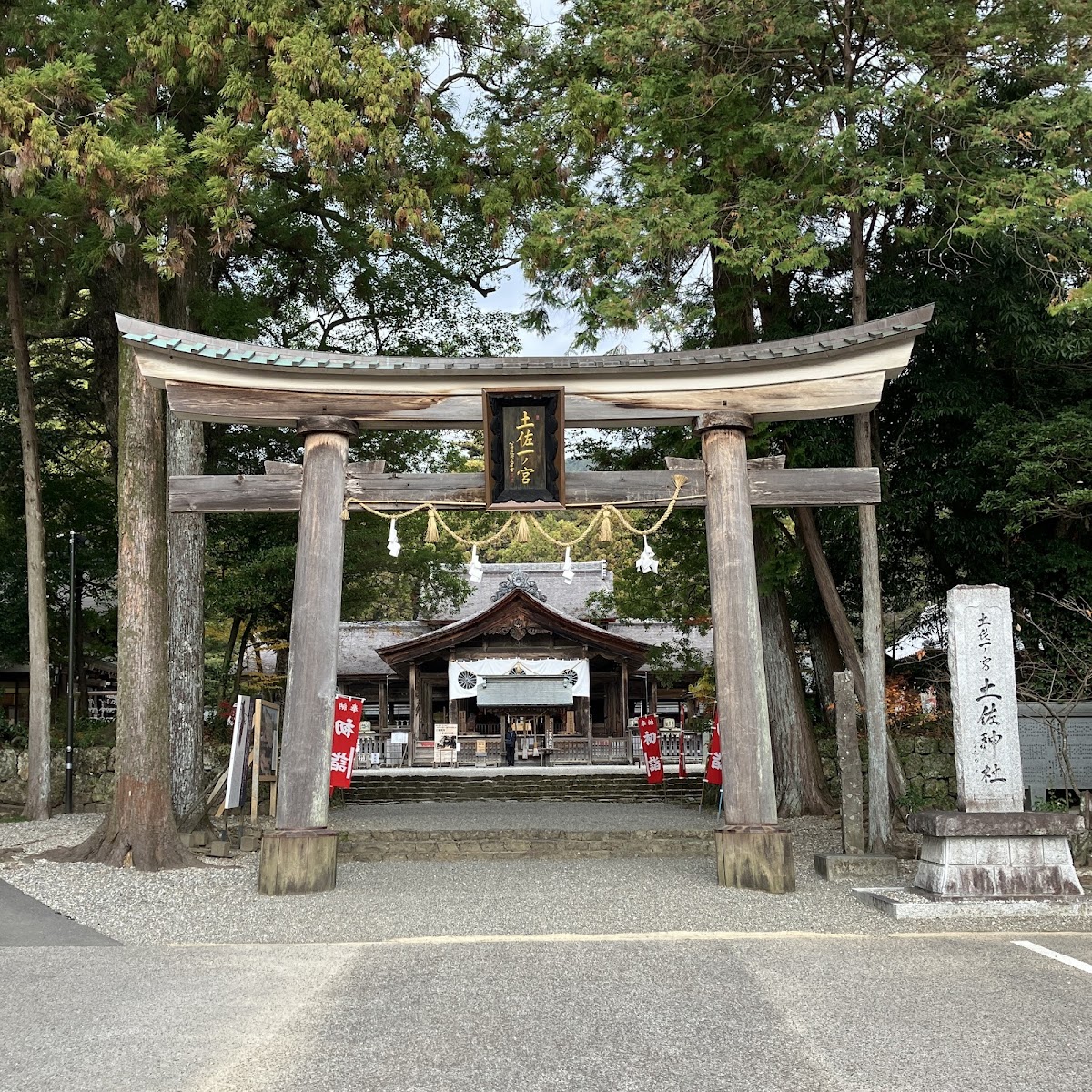
- Tosa Shrine (Kochi City): A prestigious shrine known as the Ichinomiya (first-ranked shrine) of Tosa Province.
- Wakamiya Hachimangu Shrine (Kochi City): A historical shrine restored by Chosokabe Motochika.
- Shioe Tenmangu Shrine (Kochi City): A shrine dedicated to Sugawara no Michizane, the god of learning.
Precautions for Visiting Shrines
Clothing and Belongings
While no special attire is required for visiting shrines, clean and subdued clothing is desirable to show respect to the deities.
- Shoes: Choose comfortable shoes for walking around the shrine grounds. Sandals and high heels should be avoided.
- Hats: It is customary to remove your hat in front of the main hall.
- Offerings: Having small change on hand is convenient.
Seasonal Precautions
Spring and Autumn: These are pleasant seasons, but mornings and evenings can be chilly. Bringing a jacket is recommended.
Summer: Kochi Prefecture experiences intense summer heat. Don’t forget heatstroke prevention measures such as hats, parasols, and drinking water. Insect repellent spray is also useful.
Winter: While the climate is relatively mild, it can get cold in mountainous areas. Be sure to dress warmly.
Visiting Hours
Generally, shrine grounds are open for worship during the day, but it’s best to avoid visiting early in the morning or late at night. Especially at Niida Shrine, the local guardian shrine, please be mindful of visiting during hours that respect the lives of local residents.
Since the shrine office may have limited opening hours, it’s recommended to check in advance if you wish to receive a Goshuin (shrine stamp).
About Goshuin
Issuance of Goshuin
It’s recommended to check in advance whether Goshuin are issued at Niida Shrine. Smaller shrines may not have resident priests, and therefore may not issue Goshuin.
If you wish to receive a Goshuin, please note the following points.
- Bring your Goshuincho (stamp book): Goshuin (temple/shrine stamps) are written in your Goshuincho. Be sure to bring your Goshuincho.
- Prepare your offering: Generally, an offering of 300 to 500 yen is required. It’s best to prepare the exact amount to avoid needing change.
- Check opening hours: Check the opening hours of the shrine office in advance.
- Be polite and courteous: Goshuin are proof of your visit, not a stamp rally. Please request them politely.
Goshuin Pilgrimage in Kochi Prefecture
Kochi Prefecture has many shrines, each offering unique Goshuin. A Goshuin pilgrimage visiting shrines in eastern Kochi Prefecture, including Niida Shrine, is popular.
Collecting Goshuin allows you to experience Kochi’s history and culture, which is one of its attractions.
Coexistence with the Community and the Future of the Shrine
As the Center of the Local Community
Niida Shrine is not merely a religious facility; it has played a central role in the local community. Through festivals, cleaning activities, and other events, it serves as a place where local residents gather and interact.
In rural areas facing depopulation and an aging population, maintaining shrines is a major challenge. However, faith in the local guardian deity is the core of the community’s identity, and traditions are preserved through the efforts of the residents.
Mindset as a Worshipper
When we worshippers visit a local shrine, we need to understand what that shrine means to the local residents.
Unlike large, touristy shrines, local guardian deities are places of daily worship for residents. When visiting, it is important to show respect to the local people and worship quietly.
Inheritance of Tradition
Shrine festivals and traditional events are valuable cultural heritage passed down through generations. Passing on these traditions to the next generation is an important challenge for the community.
We, as worshippers, can indirectly support the continuation of these traditions by understanding their value and treating them with respect.
Summary
Niida Shrine, located in Nakatani, Nankoku City, Kochi Prefecture, is a shrine with a long history as the local guardian deity. While several shrines with the same name exist in Kochi Prefecture, the Niida Shrine in Nakatani, Nankoku City, has a strong character as a community-based place of worship, making it a valuable presence that conveys the original character of the region.
Because it is not a tourist destination, you can worship in a quiet and peaceful atmosphere, and catch a glimpse of the local faith. When you visit Nankoku City, please be sure to stop by.
When worshipping, it is important to understand that it is a place of worship for the local residents and to treat it with respect. Let’s worship with heartfelt gratitude to the local people who continue to protect the shrine’s traditions.
We hope that your visit to Niida Shrine, while experiencing Kochi Prefecture’s rich nature and history, and the warmth of the local people, will be a memorable experience.