Complete Guide to Kiyotaki-ji Temple | History, Highlights, and Visiting Information for the 35th Temple of the Shikoku 88 Temple Pilgrimage
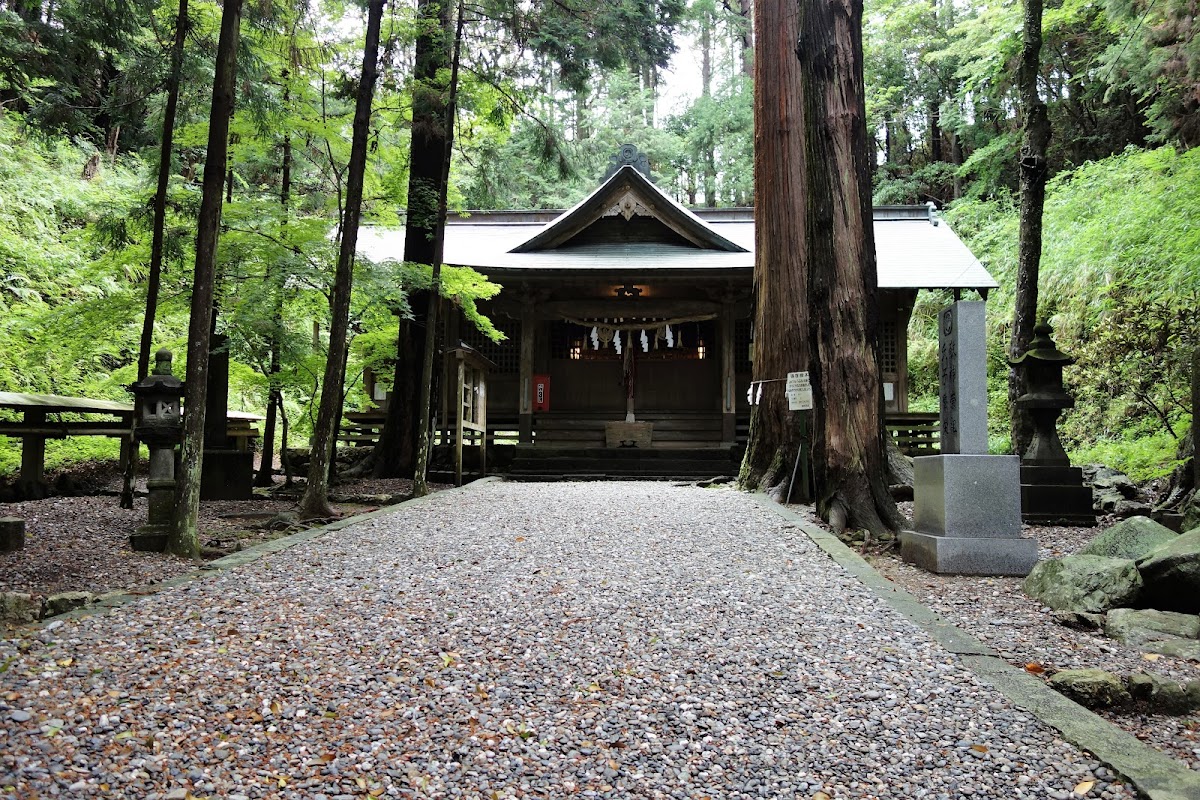
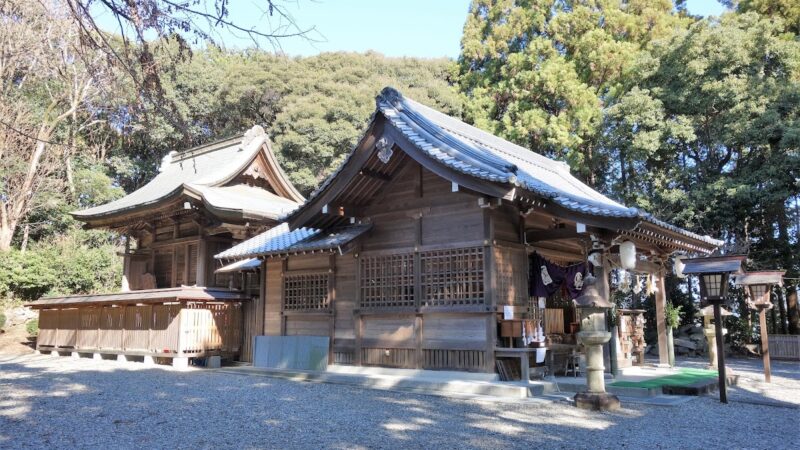
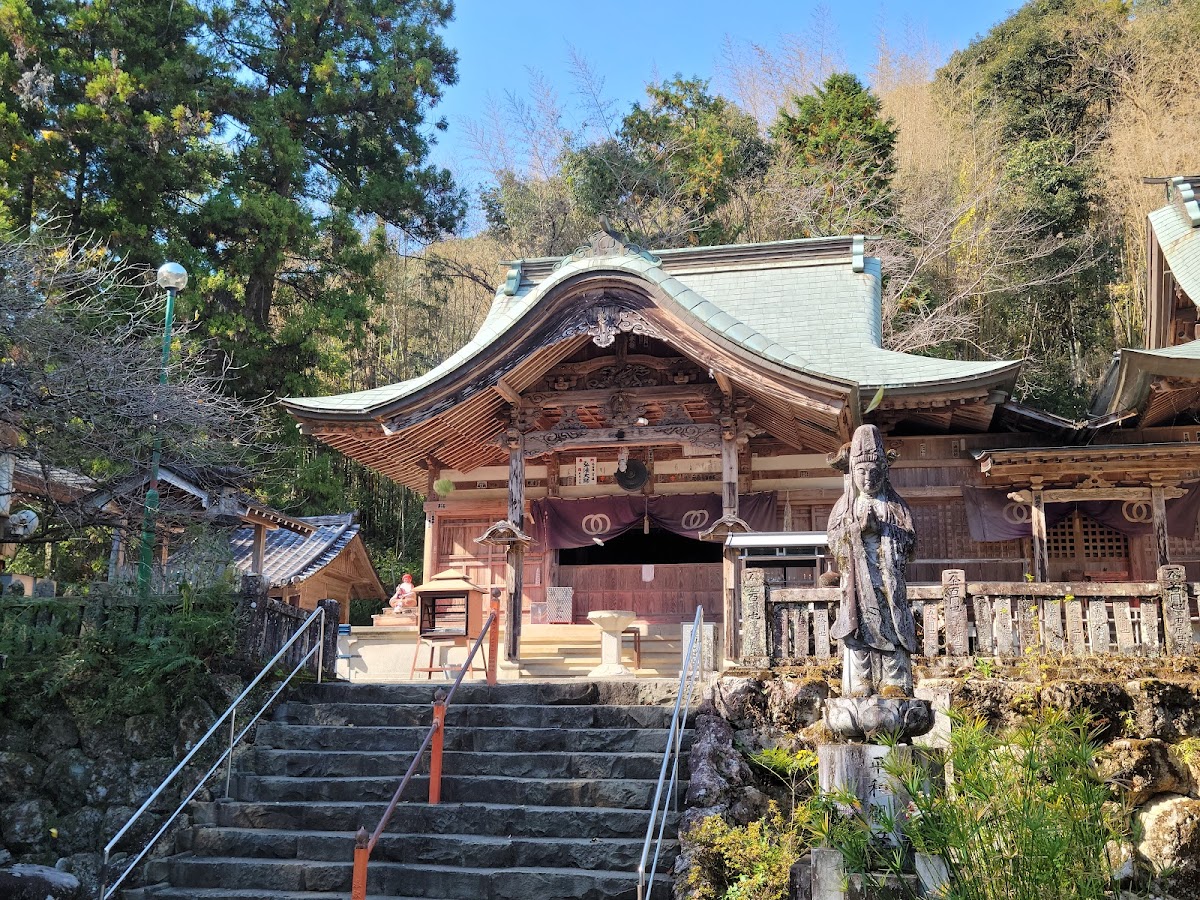
Kiyotaki-ji Temple is a Shingon sect temple located in Tosa City, Kochi Prefecture, and is the 35th temple of the Shikoku 88 Temple Pilgrimage, beloved by many pilgrims. Its formal name is Iōzan Kyōchiin, and its principal image is Yakushi Nyorai (Medicine Buddha). This ancient temple, with a history of nearly 1300 years, is known for its founding by Gyōki Bodhisattva and legends surrounding the miraculous powers of Kūkai (Kūkai), and is a culturally valuable temple possessing numerous nationally and prefecturally designated important cultural properties.
History and Origins of Kiyotaki-ji Temple
Founding and Construction History by Gyōki
The history of Kiyotaki-ji Temple dates back to the 7th year of the Yōrō era (723 AD). The temple’s origins date back to the Nara period, when the eminent monk Gyōki Bodhisattva carved a statue of Yakushi Nyorai (Medicine Buddha) and enshrined it in this location. Gyōki was a renowned monk who also participated in the construction of the Great Buddha of Tōdai-ji Temple. He traveled throughout Japan, carrying out social work to alleviate the suffering of the people. In this Tosa region, he established a temple with Yakushi Nyorai as its principal deity, dedicated to relieving people’s illnesses.
It is believed that the temple initially served as a facility for medical care and relief. Yakushi Nyorai, revered as the Buddha of healing and longevity, became a spiritual anchor for the local people.
The Origin of the Name of Seiryūji Temple and Kōbō Daishi Kūkai
In the early Heian period, Kōbō Daishi Kūkai visited this area and practiced asceticism. It is said that on the day of his completion of his practice, when Kūkai struck the altar with his staff, pure water gushed forth like a waterfall, eventually forming a pond as clear as a mirror. Following this miraculous event, the temple was named “Iōzan Kyōchiin Seiryūji.”
Kūkai designated this temple as the 35th temple of the Shikoku 88 Temple Pilgrimage, and since then, it has developed into an important pilgrimage site on the Shikoku Pilgrimage. The legend of the spring of clear water continues to resonate with visitors today, symbolizing the purity of Buddhist teachings and the healing power of Yakushi Nyorai (Medicine Buddha).
Meaning of Iōzan and the Faith in Yakushi Nyorai
The mountain name, “Iōzan,” originates from “Dai-Iōbutsu” (Great King of Medicine Buddha), another name for Yakushi Nyorai. Yakushi Nyorai is the principal deity of the Eastern Pure Land of Lapis Lazuli, and is said to have made twelve great vows to relieve the suffering of sentient beings. This mountain name indicates that Seiryūji has long been revered as a sacred site for healing illnesses and praying for good health.
From the medieval to the early modern period, Seiryu-ji Temple is believed to have played a role in the local medical care, cultivating medicinal herbs and passing down folk remedies. Even today, many worshippers visit the temple to pray for health and longevity.
Cultural Properties and Treasures of Seiryu-ji Temple
Nationally Designated Important Cultural Property: Standing Statue of Yakushi Nyorai
The standing statue of Yakushi Nyorai, the principal image of Seiryu-ji Temple, is a valuable Buddhist statue designated as a National Important Cultural Property. Attributed to Gyoki, this statue is known for its elegant form, exhibiting the style of the late Heian period. Standing approximately 80 centimeters tall, it depicts a typical Yakushi Nyorai, holding a medicine jar in its left hand and forming the Abhaya Mudra with its right hand.
The principal image is usually enshrined in a shrine and is only unveiled on special occasions. Its serene expression and well-proportioned physique retain many characteristics of Heian period Buddhist art and are highly valued in art history.
Prefectural Designated Cultural Property: Four Bronze Mirror Images
Kiyotaki-ji Temple possesses four bronze mirror images, designated cultural properties of Kochi Prefecture, as its temple treasures. These are hanging Buddha images (kakebotoke) believed to have been created between the Heian and Kamakura periods, with Buddha images cast onto the surface of circular mirrors. They are valuable artifacts demonstrating the high level of metalworking technology of the time and cultural properties that tell the story of the syncretic Shinto-Buddhist belief system.
These mirror images convey the history of the faith of Iōzan, where mountain worship and Buddhism were fused.
Other Temple Treasures and Buildings
Within the temple grounds are the main hall and Daishi Hall, built during the Edo period, preserving the traditional style of Tosa temple architecture. Furthermore, the pagoda, built in 1900 (Meiji 33), features ceiling paintings of a rising dragon and a celestial maiden by local painter Kubo Nansō, making it a highly artistic decoration.
The bell tower and Niomon gate are also historically significant structures, and the entire temple grounds are enveloped in a tranquil atmosphere.
Highlights and Pilgrimage Spots within the Temple Grounds
Main Hall and Proper Worship Procedures
The main hall of Seiryu-ji Temple is the central building housing the Yakushi Nyorai (Medicine Buddha). Visitors first offer their sutras at the main hall, chanting sutras and mantras. The mantra for Yakushi Nyorai is “Om Korokoro Sendari Matougi Sowaka.”
In addition to the main deity, the main hall also houses Nikko Bosatsu (Sunlight Bodhisattva) and Gekko Bosatsu (Moonlight Bodhisattva) as attendants, and the Twelve Divine Generals as retinues, showcasing the complete form of Yakushi worship. Many visitors come to pray for health and recovery from illness.
Daishi-do Hall and Kobo Daishi Worship
Next to the main hall is the Daishi-do Hall, dedicated to Kobo Daishi Kukai. In the Shikoku Pilgrimage, it is customary to offer sutras at both the main hall and the Daishi-do Hall, and many visitors at Seiryu-ji Temple visit both halls.
At the Daishido Hall, visitors chant “Namu Daishi Henjo Kongo” while praying for safe travels and the fulfillment of their wishes. A statue of Kobo Daishi is enshrined inside, and a lamp is always lit.
The Sacred Site of Kagamiike Pond and Pure Spring Water
The legendary spring water, said to have sprung forth when Kobo Daishi struck the ground with his staff, still remains on the temple grounds. This water is called “Kagamiike” (Mirror Pond), and its clear surface reflects the surrounding scenery, creating a beautiful spectacle.
Some visitors even draw this sacred water to take home. The pure water symbolizes the healing power of Yakushi Nyorai (Medicine Buddha) and remains an object of worship.
Nature and Seasonal Scenery on the Temple Grounds
Kiyotaki-ji Temple is located on the mountainside, surrounded by abundant nature. Visitors are greeted by beautiful scenery throughout the seasons: cherry blossoms in spring, fresh greenery in early summer, and vibrant autumn leaves. Especially during the autumn foliage season, the temple grounds are dyed in shades of red and yellow, offering a serene and soul-cleansing experience.
From the temple grounds, you can also enjoy views of the city of Tosa and the Pacific Ocean, making the excellent scenery another of Seiryu-ji Temple’s charms.
Seiryu-ji Temple as the 35th Temple of the Shikoku 88 Temple Pilgrimage
The Pilgrimage Route and the Temple’s Position
Seiryu-ji Temple, as the 35th temple of the Shikoku 88 Temple Pilgrimage, is located approximately 7 kilometers from the 34th temple, Tanegami-ji, and approximately 58 kilometers from the 36th temple, Seiryu-ji. It is the first mountain temple encountered upon entering Tosa Province, requiring a shift from the flat pilgrimage route to a mountain path.
This geographical change holds significance as a place of spiritual training, presenting a physical and mental test for pilgrims. The temple grounds of Seiryu-ji, which appear after the climb up the mountain, offer a sense of accomplishment and relief.
Sutra Copying and Temple Seals
At Seiryu-ji Temple, you can receive a temple seal in your sutra copy book as proof of your visit. The ink inscription will include the characters for “Yakushi Nyorai” (Medicine Buddha) and the mountain name “Iōzan,” while the red seal will bear the temple number “No. 35.”
At the sutra copying office, images of the principal deity and amulets are also available, and many people purchase them as mementos of their visit. The sutra copying hours are usually from 8:00 AM to 5:00 PM, but these may vary depending on the season, so it is recommended to check in advance.
Pilgrimage Experience and Temple Lodging Information
There are pilgrim lodgings and guesthouses around Seiryu-ji Temple, warmly welcoming pilgrims. For those on foot, it is common to stay overnight in this area before continuing to the next temple.
The entire region cherishes pilgrimage culture, and the tradition of hospitality, or “osettai,” to pilgrims is still passed down today. Interacting with local people is one of the valuable experiences of the Shikoku Pilgrimage.
Access and Visiting Information for Kiyotaki-ji Temple
Access by Car
Access to Kiyotaki-ji Temple is convenient by car. It’s about a 15-minute drive from the Tosa Interchange on the Kochi Expressway, via National Route 56 and a prefectural road up a mountain road. The road is narrow in some places, so please drive carefully, paying attention to oncoming traffic.
There is a parking lot on the temple grounds with space for about 20 regular cars. It is free to use, but it can get crowded during peak seasons, so visiting earlier in the day is recommended. You can drive close to the main hall, making it easily accessible even for those with mobility issues.
Access by Public Transportation
If using public transportation, take the JR Tosa City Station or the Tosaden Kotsu tram/bus. However, Kiyotaki-ji Temple is located in the mountains, so it is a considerable distance from the station and bus stop, making walking difficult. Taking a taxi is a more practical option. It’s about a 20-minute taxi ride from Tosa City Station. Those on foot will be hiking up the mountain along the pilgrimage route, which takes about two hours, so sufficient preparation and physical fitness are necessary.
Notes for Visitors
The approach to Kiyotaki-ji Temple is a mountain path, and the temple requests support for the maintenance costs of the path. Maintenance incurs significant expenses, so donations greatly assist the temple’s operation.
When visiting, please wear comfortable clothing and walking shoes. Particular caution is needed during rainy weather and winter, as the path can be slippery. Bringing insect repellent during summer will make your visit more comfortable.
Opening Hours and Admission Fee
Kiyotaki-ji Temple is usually open from 7:00 AM to 5:00 PM. The reception hours for the temple’s stamp office are similar, but may change depending on the season and weather. Admission is free, but a stamp offering fee (300 yen) is required for stamping at the main hall and the Daishi Hall.
During the New Year holidays and special memorial services, visiting hours may change, so it is recommended to check in advance if you are visiting from afar.
Tourist Attractions Around Seiryu-ji Temple
History and Culture of Tosa City
Tosa City, where Seiryu-ji Temple is located, is a scenic area in the central-western part of Kochi Prefecture, facing the Pacific Ocean. It has prospered since ancient times through maritime transport and fishing, and is also known as a production center for Tosa washi (Japanese paper). Historical buildings and cultural facilities are scattered throughout the city, allowing visitors to enjoy sightseeing in conjunction with a visit to Seiryu-ji Temple.
Pilgrimage to Nearby Temples
Those experiencing the Shikoku Pilgrimage will also visit the temples before and after Seiryu-ji Temple. Tanegami-ji Temple, the 34th temple, is known for prayers for safe childbirth, and Seiryu-ji Temple, the 36th temple, is revered as the Namikiri Fudo, attracting worshippers seeking maritime safety. Each temple has its own unique characteristics, allowing you to deeply experience the pilgrimage of Tosa’s sacred sites.
Local Specialties and Cuisine
In and around Tosa City, you can enjoy dishes made with fresh seafood. In particular, katsuo no tataki (seared bonito) is a specialty of Kochi Prefecture, and you can savor its authentic taste at local restaurants and eateries. Furthermore, there is an abundance of local specialties perfect for souvenirs, such as crafts made with Tosa washi (Japanese paper) and local sake.
Buddhist Events You Can Experience at Seiryu-ji Temple
Regular and Annual Events
At Seiryu-ji Temple, a memorial service for Yakushi Nyorai (Medicine Buddha) is held on the 8th of every month. Special services are also held during the spring and autumn equinoxes and during the Obon period, attracting many parishioners and believers.
Especially on the 8th of every month, the auspicious day of Yakushi Nyorai, a special memorial service is held for the principal image, and visitors can participate in the chanting of sutras. This is a valuable opportunity to experience traditional Buddhist events.
Sutra Copying and Buddha Image Copying Experience
At Seiryu-ji Temple, you may be able to experience sutra copying and Buddha image copying by making a reservation in advance. Calming your mind in the tranquil temple grounds and engaging with Buddhist teachings provides a precious escape from the hustle and bustle of modern society.
Sutra copying typically involves copying the Heart Sutra, and even beginners receive careful instruction. Completed sutras can be dedicated to the main hall, allowing you to accumulate merit.
Seiryu-ji Temple’s Faith and Local Community
Temple Activities Rooted in the Community
Seiryu-ji Temple is not merely a tourist destination, but a place of faith deeply rooted in the local community. For local people, it is a spiritual haven visited at important milestones in their lives, and it plays a role in supporting the local community through festivals and memorial services.
The Yakushi faith continues to thrive in the lives of local people, from praying for the health of local children to praying for the health and longevity of the elderly.
Preserving the Pilgrimage Culture
The Shikoku Pilgrimage is a unique Japanese pilgrimage culture with a history of over 1200 years. Kiyotaki-ji Temple, as the 35th temple on the pilgrimage, plays a crucial role in the preservation of this culture. The temple strives to preserve this traditional culture through the maintenance of the pilgrimage route and the guidance and support of pilgrims.
In recent years, the number of foreign pilgrims has increased, and the temple also functions as a place for international cultural exchange.
Etiquette and Manners for Visiting Kiyotaki-ji Temple
Basic Visiting Manners
When visiting Kiyotaki-ji Temple, it is important to observe the proper etiquette expected of a Buddhist temple. Bow when passing through the temple gate and behave quietly within the temple grounds. When praying in the main hall or the Daishi Hall, remove your hat and set your mobile phone to silent mode.
Photography is permitted, but be considerate of the interior of the main hall and other visitors. Photography of the principal image of Buddha is often prohibited, so confirmation is necessary.
Procedure for Receiving a Temple Stamp
When visiting as part of the Shikoku Pilgrimage, first recite sutras at the main hall, then at the Daishi Hall. Afterward, receive a temple stamp in your pilgrimage book at the stamp office. It’s important to understand that receiving a temple stamp is proof of your visit, not simply a stamp rally.
When reciting sutras, chant the Heart Sutra, the mantra of the principal deity, and the sacred name. Beginners should bring a sutra book or refer to the sutras displayed on the temple grounds.
The Culture of Hospitality
Shikoku has a unique culture called “Osettai,” where local people offer pilgrims drinks, food, and sometimes money. This is an act of devotion to Kobo Daishi, and recipients should remember to express their gratitude by chanting “Namu Daishi Henjo Kongo.”
When receiving hospitality, it is also important to pass on that kindness to the next person.
Summary: The Charm and Significance of Visiting Seiryu-ji Temple
Seiryu-ji Temple is a renowned temple with a history of nearly 1300 years, serving as the 35th temple on the Shikoku 88 Temple Pilgrimage. It is beloved by many pilgrims. Many elements of high historical and cultural value remain, including its founding by Gyoki Bodhisattva, the miraculous powers of Kobo Daishi Kukai, and its principal image, the Yakushi Nyorai (Medicine Buddha), a nationally designated Important Cultural Property.
Located in the mountains of Io-zan, the temple grounds are a tranquil space surrounded by abundant nature, making it an ideal place to escape the hustle and bustle of everyday life and find peace of mind. The healing power of Yakushi Nyorai and the legend of this sacred site with its pure spring water continue to attract the faith of many.
Seiryu-ji Temple is a temple worth visiting not only for those on the Shikoku pilgrimage, but also for those interested in history and culture, and those seeking inner peace. Through a visit, you can experience traditional Japanese faith and culture and spend valuable time reflecting on yourself.
When you visit Tosa City in Kochi Prefecture, be sure to stop by Seiryu-ji Temple and experience its history, spiritual power, and tranquil atmosphere.