Enkoji Temple Complete Guide | History, Highlights, and Access Information for the 39th Temple of the Shikoku 88 Temple Pilgrimage
Located in Nakayama, Hirata-cho, Sukumo City, Kochi Prefecture, Enkoji Temple is an ancient temple of the Shingon Chizan sect, known as the 39th temple of the Shikoku 88 Temple Pilgrimage. Its formal name is Shakkizan-jisan-in, and its principal image is Yakushi Nyorai (Medicine Buddha). As the final temple on the Tosa Road (Kochi Prefecture), known as a “training ground,” it is an important sacred site visited by many pilgrims.
Table of Contents
- Basic Information about Enkoji Temple
- History and Origin of Enkoji Temple
- The Legend of the Red Turtle and the Origin of the Temple’s Mountain Name
- Highlights of the Temple Grounds
- Cultural Properties and Treasures
- Eye-Washing Well and Treasure Water
- Inner Sanctuary and Surrounding Extra Sacred Sites
- Etiquette and Benefits of Worship
- Transportation and Access Information
- Precautions During Worship and Surrounding Area Information
Basic Information about Enkoji Temple
Official Name: Akagame-zan Jisan-in Enkoji Temple
Sect: Shingon-shu Chizan-ha
Principal Image: Yakushi Nyorai (Medicine Buddha)
Founder: Gyoki Bodhisattva
Founded: Jinki 1 (724 AD)
Pilgrimage Site: 39th Temple of the Shikoku 88 Temple Pilgrimage
Location: 390 Nakayama, Hirata-cho, Sukumo City, Kochi Prefecture
Mantra: Om Korokoro Sendari Matougi Sowaka
Waka Poem: Namu Yakushi, with a prayer for the complete removal of all illnesses, please help my body as I visit.
Enkoji Temple is located at the southwestern end of Tosa Road and is an important temple that marks the end of the “training grounds” of the Shikoku Pilgrimage. The next temple, the 40th temple, Kanjizaiji Temple (Ehime Prefecture), is approximately 50 kilometers away, a long journey crossing the prefectural border.
History and Origin of Enkoji Temple
Founding and Gyoki Bodhisattva
The history of Enkoji Temple dates back to the Nara period. It is said to have been founded in 724 AD by Gyoki Bodhisattva, who received an imperial order from Emperor Shomu. Originally called “Tsurukameyama Seyakuin Hokoji,” it enshrined Yakushi Nyorai (Medicine Buddha) as its principal deity and served as a medical center providing relief to those suffering from illness.
Gyoki Bodhisattva was a prominent high priest of the Nara period, known for founding temples throughout Japan and dedicating himself to social welfare. In Sukumo, he is said to have established a temple and provided medical services for the health and welfare of the local residents.
Restoration by Kobo Daishi
During the Enryaku era (782-806), Kobo Daishi (Kukai) visited this area and restored the dilapidated temple. He carved a statue of Yakushi Nyorai, enshrined the two attendant bodhisattvas, Nikko Bosatsu and Gekko Bosatsu, and completed the seven-building temple complex. It is said that at this time, the temple’s name was changed to “Akagameyama Terayama Enkoji.”
Kobo Daishi named the spring on the temple grounds “Houisui” (Treasure Water of Healing) and claimed it was effective for eye diseases and other ailments. This spring is the “Eye-Washing Well” that still remains today. Through Daishi’s restoration, Enkoji Temple established a firm position as one of the Shikoku Pilgrimage sites.
From the Medieval to the Early Modern Period
Enkoji Temple flourished as a center of local faith from the Heian period onward. In particular, in 911 AD (Engi 11), a bronze bell related to the Red Turtle Legend (described later) was dedicated, marking a significant turning point in the temple’s history.
During the Sengoku period, it was caught up in the conflicts of Tosa and temporarily declined, but in the Edo period, it was restored under the protection of the Tosa Domain. As the Shikoku Pilgrimage became popular among common people, it welcomed many pilgrims as the 39th temple on the pilgrimage.
The Red Turtle Legend and the Origin of the Mountain Name
The famous Red Turtle Legend is the origin of Enkoji Temple’s mountain name, “Akagame-zan” (Red Turtle Mountain). This legend is an essential episode when discussing Enkoji Temple.
Messenger from the Dragon Palace
In the 11th year of the Engi era (911 AD), a red turtle appeared in the pond in front of the temple. This red turtle was carrying a bronze temple bell on its back, and it is said that it dedicated it to the temple.
According to the legend, this red turtle was a messenger from the Dragon Palace, and the sea god donated the bell to praise the miraculous powers of Enkoji Temple. The bell bears the inscription “January, the 11th year of the Engi era…”, which enhances the credibility of the legend.
Change of Mountain Name
In commemoration of this miraculous event, the temple adopted the mountain name “Akagame-zan” (Red Turtle Mountain). Since then, Enkoji Temple has been deeply connected to the red turtle, and even today, a stone statue of a red turtle is placed on the temple grounds, making it a beloved symbol.
Near the entrance to the temple grounds stands a large stone statue of a red turtle, welcoming visitors. This statue, symbolizing the legend of the Dragon Palace, is a popular spot for commemorative photos among visitors to Enkoji Temple.
Highlights of the Temple Grounds
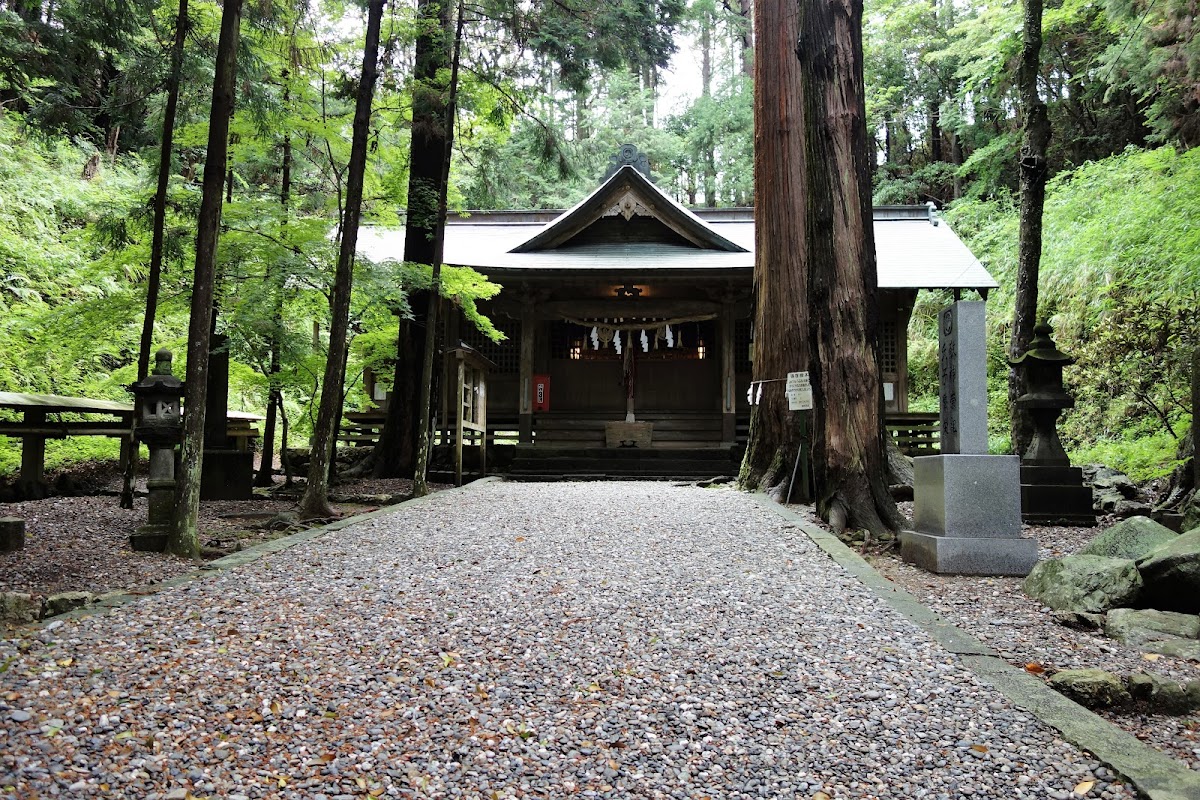
Enkoji Temple’s grounds are quietly situated amidst a rural landscape, providing a peaceful environment for worship.
Main Hall
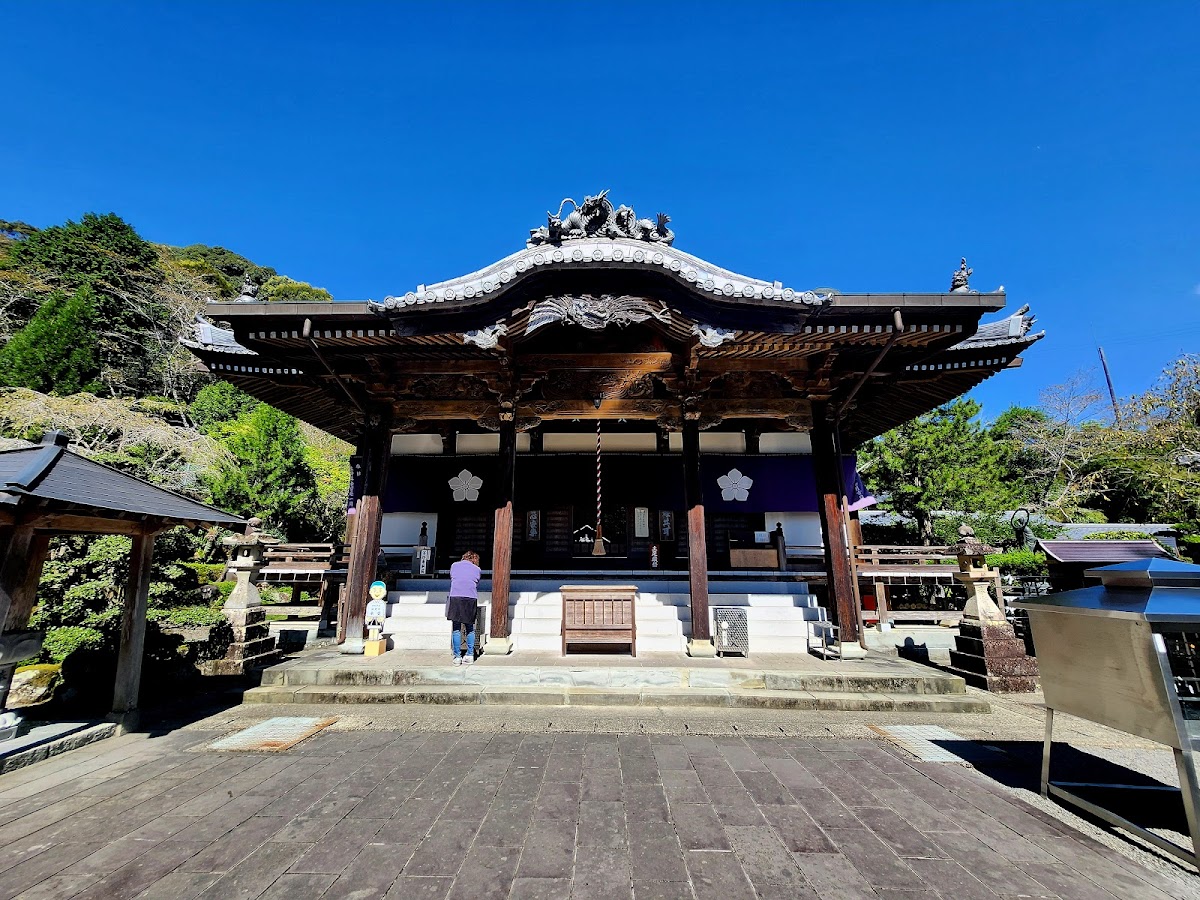
The main hall houses the principal image, Yakushi Nyorai (Medicine Buddha). Yakushi Nyorai is a Buddha known for granting healing from illness and promoting health and longevity. The current main hall was rebuilt between the Edo and Meiji periods, preserving the beauty of traditional temple architecture.
Inside the main hall are also enshrined the two attendant bodhisattvas, Nikko Bosatsu and Gekko Bosatsu, said to have been carved by Kobo Daishi, and are revered as the Yakushi Triad.
Daishi Hall
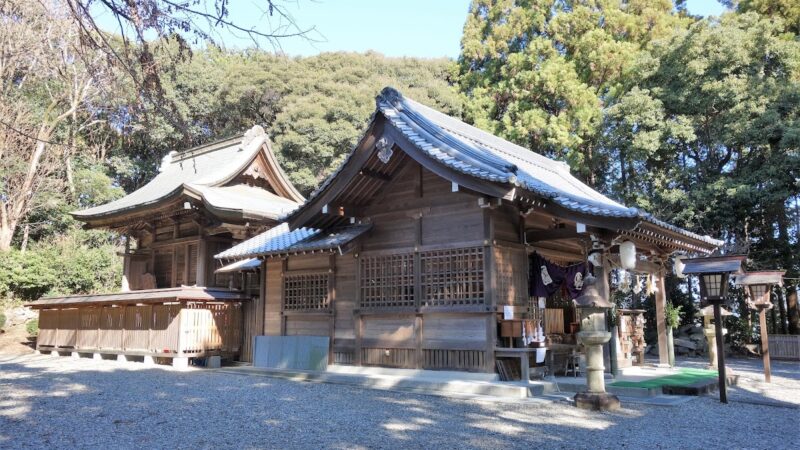
To the left of the main hall is the Daishi Hall, where a statue of Kobo Daishi is enshrined. On the Shikoku Pilgrimage, it is customary to visit both the main hall and the Daishi Hall, and many pilgrims perform sutra copying and chanting here.
Bell Tower and Bell
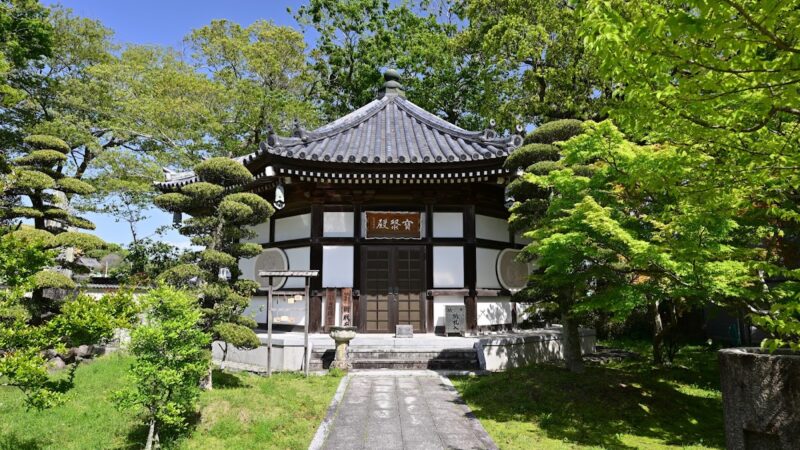
Within the temple grounds is a bell tower, where a replica of the bronze bell famous for the Red Turtle legend hangs. The original bell is designated as a National Important Cultural Property and is currently housed in the treasure hall.
This bell bears an inscription from the 11th year of the Engi era (911 AD), making it the oldest bell in Kochi Prefecture and one of the oldest in Shikoku, making it an extremely valuable cultural asset. It is a medium-sized bell, approximately 75 centimeters tall and 47 centimeters in diameter, and is a superb example of the high level of casting technology during the Heian period.
Red Turtle Stone Statue
Near the entrance to the temple grounds is a large stone statue of a red turtle, symbolizing the Ryugu (Dragon Palace) legend. Although relatively new, this statue is a beloved symbol of Enkoji Temple and a popular spot for many visitors to take commemorative photos.
Release Pond
In front of the temple gate lies the Release Pond, said to be the setting for the legend of the red turtle. Even today, its tranquil surface enhances the scenic beauty of the temple grounds.
Cultural Properties and Treasures
Enkoji Temple possesses numerous valuable cultural properties, including nationally designated Important Cultural Properties.
Nationally Designated Important Cultural Properties
Bronze Bell (Temple Bell): Designated as a nationally designated Important Cultural Property in 1941. This precious temple bell from the Heian period, bearing an inscription from 911 AD, holds high academic value as the oldest bronze bell in Tosa Province. Its historical connection to the legend of the red turtle further enhances its value.
Other Temple Treasures
- Standing Statue of Yakushi Nyorai (Main Image): A hidden Buddha statue said to have been created by Kobo Daishi.
- Statues of Nikko Bosatsu and Gekko Bosatsu: Enshrined as the two attendant bodhisattvas to Yakushi Nyorai.
- Statue of Kobo Daishi: An image enshrined in the Daishi Hall.
- Ancient Documents: A valuable collection of materials that convey the history of the temple.
These cultural assets are usually not open to the public, but may be viewable on special occasions.
Eye-Washing Well and Treasure Water
Especially famous at Enkoji Temple is the “Eye-Washing Well” located to the right of the main hall.
Kobo Daishi and Treasure Water
It is said that when Kobo Daishi restored Enkoji Temple, he dug a spring on the temple grounds with his staff and named it “Treasure Water.” This sacred water is believed to be effective against various illnesses, and has attracted worshippers, especially for its miraculous power in healing eye diseases.
Faith for Healing Eye Diseases
From the Edo period to the Showa era, people suffering from eye diseases visited Enkoji Temple from all over Japan, washing their eyes with the water from this well and praying for healing. Even today, many worshippers visit to pray for eye health, and can be seen drawing water from the well to take home.
Sacred Water for Safe Childbirth
Besides healing eye diseases, this water is also believed to bring blessings for safe childbirth, and it is a local custom for pregnant women to drink it. The sacred water is one of the important objects of worship at Enkoji Temple.
The Current Eye-Washing Well
Even today, the well still holds pure water beside the main hall, and worshippers can draw water with a ladle to wash their eyes or take it home. However, hygiene precautions are necessary if washing your eyes directly with the water.
Inner Sanctuary and Surrounding Extra Sacred Sites
Enkoji Temple also has an inner sanctuary, and there are several extra sacred sites scattered around the area.
Enkoji Temple’s Inner Sanctuary
Enkoji Temple’s inner sanctuary is located in the mountains, a short distance from the main temple, and is considered a place for deeper spiritual training. It is used as a place for serious spiritual practice and meditation in a tranquil setting.
Nearby Extra Sacred Sites
Besides the 88 temples of Shikoku, there are many extra sacred sites in southwestern Tosa. Around Enkoji Temple:
- Tsuteru-ji Temple (between temples 25 and 26)
- Kamimine-ji Temple (temple 27)
Pilgrims with ample time can gain a deeper pilgrimage experience by visiting these extra sacred sites as well.
Etiquette and Benefits of Visiting a Temple
Basic Etiquette for Visiting a Temple
- Bow at the Temple Gate: Bow and clasp your hands together before entering the temple grounds.
- Purify at the Water Basin: Cleanse your hands and mouth.
- Worship at the Main Hall: Place your votive slip, offer candles and incense, offer sutras, and chant sutras.
- Worship at the Daishi Hall: Worship using the same etiquette as the Main Hall.
- Receive a Goshuin (temple stamp) at the Sutra Office: Receive a Goshuin in your sutra book.
- Eye-Washing Well: Cleanse your eyes with the Treasure Water.
Benefits of Enkoji Temple
- Healing of Eye Diseases: Pray for eye health using the Treasure Water.
- Healing of Illness: Healing of various illnesses through the merits of Yakushi Nyorai (Medicine Buddha).
- Healthy Longevity: Pray for longevity through Yakushi faith.
- Prayer for Safe Childbirth: Successful childbirth through the Treasure Water.
- Fulfillment of Wishes: A sense of accomplishment as the final temple on the pilgrimage route.
Goshuin (Temple Seal) and Sutra Copying
Enkoji Temple’s goshuin features the calligraphy of “Yakushi Nyorai” (Medicine Buddha) and the red seal of “No. 39”. The sutra copying office is usually open from 7:00 to 17:00, but this may vary depending on the season, so prior confirmation is recommended.
Transportation Information and Access
Access by Public Transportation
Train and Bus:
- Get off at Nakamura Station on the Tosa Kuroshio Railway
- Take the Kochi Seinan Kotsu bus bound for Katashima (approx. 40 minutes)
- Get off at the Terayamaguchi bus stop and walk for approximately 10 minutes.
Important Note: Bus service is limited, so it is important to check the timetable in advance. Service is especially reduced on Sundays and public holidays.
Access by Car
From Kochi City:
- Approximately 100 kilometers west on National Route 56
- Estimated time: Approximately 2 hours
From Ehime Prefecture:
- Head east on National Route 56
- Approximately 50 kilometers from Temple No. 40, Kanjizaiji
- Cross Matsuo Pass and enter Kochi Prefecture
Parking: Free parking available on the temple grounds (approximately 30 regular cars)
Pilgrimage Route
The pilgrimage route from Temple No. 38, Kongofukuji, is approximately 55 kilometers long and takes about two days on foot. There are two routes: one along the coast passing through Tosashimizu City and Otsuki Town, and another inland.
The pilgrimage route to Temple No. 40, Kanjizaiji (Ainan Town, Ehime Prefecture), is approximately 50 kilometers long. Known as a difficult section crossing Matsuo Pass, it is an important boundary between the “training ground” and the “enlightenment ground.”
Points to Note When Visiting and Information about the Surrounding Area
Points to Note When Visiting
- Attire: Avoid revealing clothing and wear comfortable clothing that allows for easy movement.
- Time: Visit during the operating hours of the temple office (approximately 7:00 AM to 5:00 PM).
- Eye-Washing Well: When using the water, please be mindful of hygiene.
- Photography: Please be aware of areas where photography is prohibited, such as inside the main hall.
- Quietness: Please pray quietly within the temple grounds.
Nearby Tourist Attractions
Sukumo City:
- Sukumo History Museum: A facility where you can learn about the history and culture of Sukumo.
- Daruma Sunset: A beautiful sunset over Sukumo Bay.
Natural Scenery:
- Kanyo Island Park: Known as a scenic spot.
- Oshima Island: An island floating in Sukumo Bay.
Accommodation
While Enkoji Temple does not have a temple lodging, there are various accommodations in Sukumo city, including:
- Business Hotels
- Guesthouses
- Pilgrim Inns
and more. Considering the journey to the 40th temple, staying in Sukumo city is convenient.
Dining and Shopping
Since the area around the temple is rural, restaurants are limited. If you travel to Sukumo city center, you can find:
- Seafood restaurants
- Local cuisine restaurants using local ingredients
- Convenience stores
and more.
Summary
Enkoji Temple, the 39th temple of the Shikoku 88 Temple Pilgrimage, is an important sacred site marking the end of the Tosa Road, a “training ground.” It boasts a long history, founded in 724 by Gyoki Bodhisattva and restored by Kobo Daishi. It offers many attractions, including the legend of the red turtle, a Heian period temple bell (a nationally important cultural property), and the Hōi-sui spring, known for its healing properties for eye diseases.
The temple grounds, quietly nestled in the countryside, provide a peaceful environment for worship, attracting not only pilgrims but also many general tourists. Despite being located in Sukumo City, at the southwestern tip of Kochi Prefecture, Enkoji Temple possesses extremely high historical and cultural value and is an indispensable and important temple on the Shikoku Pilgrimage.
The next temple, the 40th temple, Kanjizaiji, is approximately 50 kilometers away, crossing the prefectural border. For pilgrims who cross the Matsuo Pass and progress from the “training ground” to the “enlightenment ground,” visiting Enkoji Temple marks a significant milestone. Believing in the protection of Yakushi Nyorai and the miraculous power of the sacred water, many people continue to visit Enkoji Temple today.