Complete Guide to Tanemaji Temple | History, Highlights, and Access Information for the 34th Temple of the Shikoku 88 Temple Pilgrimage
Tanemaji Temple is a Shingon sect (Toyozan branch) temple located in Haruno-cho, Kochi City, Kochi Prefecture. It is the 34th temple of the Shikoku 88 Temple Pilgrimage and is beloved by many pilgrims. This article comprehensively introduces everything you need to know before visiting Tanemaji Temple, including its history, highlights, visiting information, and access methods.
What is Tanemaji Temple?
Tanemaji Temple’s official name is “Hon’o-yama Suzaku-in Tanemaji,” and its principal image is Yakushi Nyorai (Medicine Buddha). The unique pronunciation “Tanemaji” originates from a legend that Kobo Daishi Kukai sowed the seeds of the five grains there.
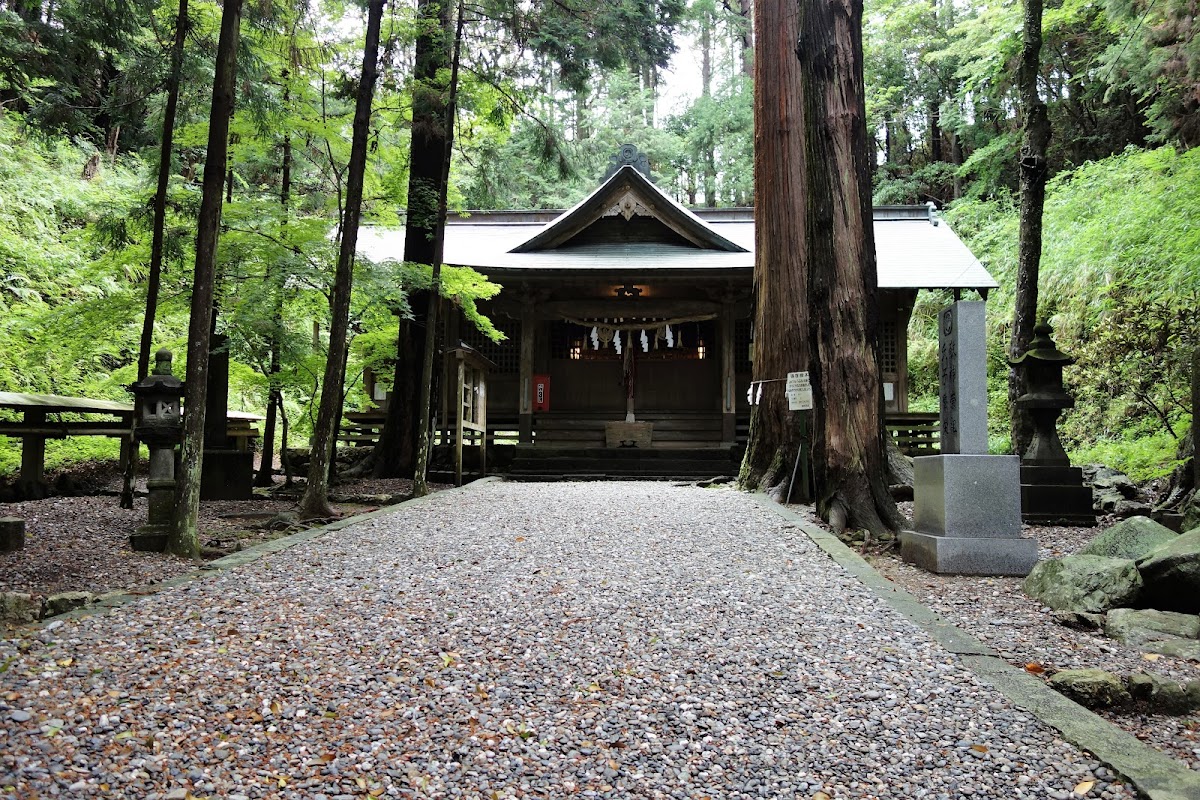
The temple grounds are enveloped in a quiet and peaceful atmosphere, a space where you can escape the hustle and bustle of the city and find peace of mind. It is especially known as a sacred site for prayers for safe childbirth, attracting many worshippers from all over Japan. ### Basic Information about Tanemaji Temple
- Official Name: Honbizan Suzakuin Tanemaji Temple
- Sect: Shingon-shu Buzan-ha
- Principal Image: Yakushi Nyorai (Medicine Buddha)
- Founder: Kobo Daishi (Kukai)
- Founded: Konin era (810-824)
- Pilgrimage Site: 34th temple of the Shikoku 88 Temple Pilgrimage
- Waka Poem: Even the seeds of the five grains, though defeated in the world, are protected by the deep compassion of the Buddha.
History and Origin of Tanemaji Temple
History of Founding
Tanemaji Temple was founded during the Konin era (810-824). After returning from Tang China, Kobo Daishi Kukai was traveling through Shikoku when he witnessed the devastated fields and the suffering of the people in this area.
It is said that to save the people, the Great Master bestowed seeds of the five grains (rice, wheat, millet, beans, and sorghum) that he had brought back from Tang China upon the villagers and taught them farming methods. This legend is the origin of the temple’s name, “Tanema-ji.”
Enshrinement of Yakushi Nyorai
Kobo Daishi carved and enshrined a statue of Yakushi Nyorai (Medicine Buddha) in this place, praying for the healing of people’s illnesses and for a bountiful harvest. This Yakushi Nyorai is still worshipped as the principal image of the temple and is especially believed to grant blessings for safe childbirth and fertility.
Historical Changes
Throughout its long history, Tanema-ji has suffered from several fires and wars, but each time it has been rebuilt with the support of the local people and believers. During the Edo period, the temple received patronage from the lord of the Tosa domain and was granted temple lands, developing into an important temple in the region.
Although affected by the anti-Buddhist movement of the Meiji era, faith in the temple as part of the Shikoku Pilgrimage never ceased, and it continues to welcome many pilgrims to this day.
Highlights of Tanegami-ji Temple
Main Hall and Yakushi Nyorai
The main hall houses the principal image, a seated statue of Yakushi Nyorai (Medicine Buddha). This Yakushi Nyorai is considered a hidden Buddha and is not usually open to the public, but its miraculous powers have been passed down through generations.
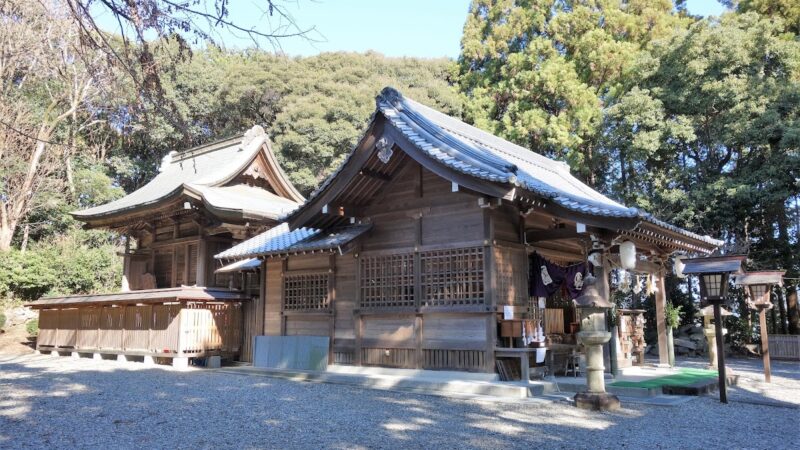
The architectural style of the main hall dates from the late Edo period, possessing a simple yet dignified appearance. Pilgrims chant sutras and offer candles and incense in front of the main hall as they pray.
Daishi Hall
Next to the main hall is the Daishi Hall, where a statue of Kobo Daishi (Kukai) is enshrined. According to the customs of the Shikoku pilgrimage, it is considered standard practice to visit both the main hall and the Daishi Hall. At the Daishido Hall, offer your prayers with sincerity, consciously engaging in a dialogue with the Great Master.
Bottomless Ladle (Symbol of Safe Childbirth)
The most distinctive feature of Tanegami-ji Temple is the “bottomless ladle.” It is known as a symbol of safe childbirth.
The ladle with a hole in the bottom is revered as a charm for safe childbirth, due to the wordplay between “bottomless” and “safe delivery.” Many bottomless ladles are dedicated on the temple grounds, telling the story of Tanegami-ji Temple’s history as a sacred site for safe childbirth prayers.
The custom of pregnant women and families of expectant mothers visiting and dedicating bottomless ladles in prayer for safe childbirth continues to this day.
Koyasu Jizo
Koyasu Jizo is also enshrined on the temple grounds, making it a spot for prayers for conception and successful child-rearing. The sight of the rows of small Jizo statues soothes the hearts of visitors.
Bell Tower and Bell
The temple grounds feature a magnificent bell tower, and visitors can ring the bell (please note the time of day). The sound of the bell is believed to purify the mind and dispel worldly desires.
Garden and Nature of the Temple Grounds
The grounds of Tanemaji Temple boast a well-maintained garden, where seasonal flowers welcome visitors. Cherry blossoms in spring, lush greenery in summer, vibrant autumn leaves, and camellias in winter offer different scenery with each season.
Information on Tanemaji Temple’s Goshuin (Temple Seal)
Types of Goshuin
At Tanemaji Temple, you can receive the Goshuin of the 34th temple of the Shikoku 88 Temple Pilgrimage. The Goshuin features the calligraphy of “Yakushi Nyorai” (Medicine Buddha) and the temple’s seal.
Where and When to Obtain the Goshuin
The Goshuin can be obtained at the temple office.
- Reception Hours: 7:00 AM – 5:00 PM (Hours may vary depending on the season)
- Offering Fee: 300 yen (for inscription in the pilgrimage notebook), 500 yen (for a calligraphic scroll or hanging scroll)
About the Goshuincho (Stamp Book)
While it’s common to bring your own pilgrimage notebook, the temple also sells its own original goshuincho. First-time pilgrims can purchase a notebook here.
Etiquette and Manners for Visiting a Temple
Basic Procedure for Visiting a Temple
- Bow at the Temple Gate: Bow at the temple gate before entering the temple grounds.
- Purify at the Water Basin: Purify your hands and mouth.
- Ring the Bell at the Bell Tower: Ring the bell to announce your arrival (do not ring it on your way out).
- Pray at the Main Hall: Offer candles and incense, place your votive slip, make an offering, and pray with clasped hands and chant sutras.
- Pray at the Daishi Hall: Pray in the same way as at the Main Hall.
- Receive a Goshuin (temple stamp) at the Sutra Office: Receive a Goshuin after praying.
Pilgrim’s Attire
Formal attire includes a white robe, straw hat, walking stick, and Buddhist stole, but nowadays, everyday clothing is also acceptable for visiting a temple. However, please avoid revealing or flashy clothing and dress respectfully.
Regarding Photography
Photography is generally permitted on the temple grounds, but consideration must be given to avoid disturbing the interior of the main hall or other visitors. In particular, photography of the principal image of Buddha is often prohibited, so please be careful.
How to Access Tanemaji Temple
Location
72 Akiyama, Haruno-cho, Kochi City, Kochi Prefecture 781-0304
Access by Car
From the Kochi Expressway:
- Approximately 20 minutes from Kochi IC via National Route 56
- Set your car navigation system: Search for “Tanemaji Temple” or the address above
From Previous/Next Temples:
- From Temple No. 33, Sekkeiji Temple: Approximately 3km (approximately 10 minutes by car)
- To Temple No. 35, Seiryuji Temple: Approximately 7km (approximately 15 minutes by car)
Parking Information
- Number of Parking Spaces: Approximately 30 regular cars
- Fee: Free
- Large Buses: Parking available (prior confirmation required)
The parking lot is adjacent to the temple grounds and easily accessible. However, it can get crowded during the spring and autumn pilgrimage seasons, so we recommend visiting earlier in the day.
Access by Public Transportation
Train/Bus:
- From JR Kochi Station, take the Tosa Electric Railway bus bound for Haruno, get off at the Akiyama bus stop, and walk for approximately 5 minutes.
- Travel time: Approximately 40 minutes
- Since bus services are limited, it is recommended to check the timetable in advance.
Taxi:
- Approximately 30 minutes by taxi from JR Kochi Station, fare approximately 4,000-5,000 yen.
Walking Pilgrimage
- From Temple No. 33, Sekkeiji: Approximately 3km (approximately 45 minutes on foot)
- To Temple No. 35, Seiryuji: Approximately 7km (approximately 2 hours on foot)
The route is relatively flat and easy to walk.
Visiting Hours and Admission Fees
Visiting Hours
- Temple Grounds: Free (Always open)
- Temple Office: 7:00 AM – 5:00 PM (May vary depending on the season)
- Open Year-Round
Admission Fees
- Admission Fee: Free
- Temple Stamp: 300 yen and up
Nearby Attractions and Tourist Spots
Temple No. 33: Sekkei-ji Temple
Sekkei-ji Temple, the temple before Tanegami-ji Temple, is known for its connection to Chosokabe Motochika. It is especially recommended for history buffs.
Temple No. 35: Seiryu-ji Temple
Seiryu-ji Temple, the next temple on the pilgrimage route, is located on the mountainside and boasts magnificent views from its grounds.
Katsurahama Beach
Katsurahama Beach, a representative tourist spot in Kochi City, is about a 30-minute drive from Tanegami-ji Temple. It boasts numerous attractions, including a statue of Sakamoto Ryoma and the Katsurahama Aquarium.
Kochi Castle
Kochi Castle, with its existing keep, is located in the heart of Kochi City, about a 30-minute drive from Tanegami-ji Temple. The view from the keep is spectacular.
Prayers and Amulets at Tanegami-ji Temple
Prayer for Safe Childbirth
Tanegami-ji Temple is particularly famous for prayers for safe childbirth. Those wishing to pray for safe childbirth can apply at the temple’s office. The prayer fee is generally 5,000 yen and up.
Types of Amulets
- Safe Childbirth Amulet: An amulet for praying for a safe delivery.
- Fertility Amulet: An amulet for praying for children.
- Exorcism Amulet: An amulet for warding off evil.
- Health Amulet: An amulet for praying for good health and longevity.
- Traffic Safety Amulet: An amulet for traffic safety.
Offering of a Bottomless Ladle
When praying for a safe childbirth, you can offer a bottomless ladle. Please check the offering fee at the temple office.
Annual Events at Tanemachi Temple
Main Events
- January 1st-3rd: Shusho-e (New Year’s Buddhist service)
- Spring & Autumn Equinox: Higan-e (Equinox service)
- April 21st: Kobo Daishi Mikage-ku (memorial service for Kobo Daishi)
- August 13th-15th: Urabon-e (Buddhist festival)
- 21st of every month: Ennichi (Kobo Daishi’s memorial day)
Various Buddhist services and events are held throughout the year, and some are open to general visitors. If you wish to visit on a special day, it is recommended to inquire with the temple in advance.
Accommodation Information
Tanemachi Temple does not have its own lodging facilities, but there are guesthouses and business hotels in the surrounding area.
Nearby Accommodations
- Hotels in Kochi City: Many are located within a 20-30 minute drive from Tanemaji Temple.
- Guesthouses: Several guesthouses catering to pilgrims are located around Haruno Town.
Walking pilgrims are advised to book accommodations in advance.
Points to Note When Visiting Tanemaji Temple
Clothing and Items to Bring
- Wear comfortable walking shoes.
- In summer, bring a hat, sunscreen, and water.
- In winter, dress warmly.
- Always carry rain gear.
Manners and Etiquette
- Worship quietly within the temple grounds.
- Always take your trash with you.
- Be considerate of other visitors.
- Smoking is only permitted in designated areas.
Health Management
Especially walking pilgrims should visit at their own pace without overexerting themselves. Taking breaks is important if you are not feeling well.
Reviews and Reputation of Tanemaji Temple
Many visitors to Tanemaji Temple have shared the following comments:
- “I was able to pray at my own pace in a quiet and peaceful atmosphere.”
- “I visited to pray for a safe delivery, and I was able to give birth safely.”
- “The bottomless ladle was impressive, and I felt the history of this temple as a sacred site for safe childbirth.”
- “The parking lot was large, making it an easily accessible temple.”
- “The staff at the temple office were kind and explained everything carefully.”
Summary
Tanemaji Temple is a venerable temple with a history of over 1200 years, serving as the 34th temple of the Shikoku 88 Temple Pilgrimage. Named after the legend that Kobo Daishi sowed the seeds of the five grains here, the temple is particularly well-known nationwide as a sacred site for prayers for safe childbirth.
It offers many points of interest, including the unique object of worship, the bottomless ladle, the main hall with Yakushi Nyorai as its principal deity, and the tranquil atmosphere of the temple grounds. Easily accessible from Kochi City and equipped with ample parking, this temple is convenient for both those traveling by car and those on foot.
It’s a temple that we highly recommend not only to those undertaking the pilgrimage, but also to those visiting Kochi for prayers for safe childbirth or sightseeing. You’ll have a valuable experience of quietly praying and connecting with the teachings and history of Kobo Daishi.
When visiting, please observe proper etiquette and show respect while exploring the temple grounds. We hope your visit to Tanemaji Temple will be a memorable and wonderful experience.