Iinji Temple (Kyoto Prefecture) | An Ancient Temple on the Shuzan Road with a Hōkyōintō Pagoda, a National Important Cultural Property
Iinji Temple, located in Umegahata, Ukyo-ku, Kyoto City, is an ancient Jodo sect temple situated along the Shuzan Road, which runs from Takao to Shuzan. It has a history that began as a nunnery in the Kamakura period and was rebuilt during the Azuchi-Momoyama period. Within its grounds, a precious Hōkyōintō pagoda, designated as a National Important Cultural Property, still stands quietly. A temple enveloped in tranquility, unlike the bustling tourist area of central Kyoto, it is a place well worth visiting, where one can feel the weight of history.
History and Origins of Iinji Temple
Beginning as the Kamakura Period Nunnery “Zenmyōji Temple”
The origins of Iinji Temple date back to the Kamakura period. Initially, there was a nunnery called “Zenmyōji Temple” on this site. Zenmyōji Temple is said to have been founded as a branch temple of Kōzanji Temple in Toganoo, which is also a World Heritage Site.
Following the Jōkyū War (1221), a major political upheaval between the Imperial Court and the Kamakura Shogunate, Zenmyōji Temple played a crucial role as a place of refuge and shelter for the wives of defeated court nobles who sought refuge with Myōe Shōnin of Kōzanji Temple. This nunnery served as both a refuge and a spiritual haven for women who were victims of the war.
Restoration in the Azuchi-Momoyama Period and the Birth of Iinji Temple
Zenmyōji Temple was later abandoned as time passed. However, during the Azuchi-Momoyama period, Iinji Temple was restored on this site as a Jōdo sect temple. The Jōdo sect, founded by Hōnen Shōnin, teaches belief in Amida Buddha’s original vow and the desire to attain rebirth in the Pure Land through chanting the Nembutsu (invocation of Amida Buddha).
While detailed records of the origin of the temple name “Iinji” are unavailable, the Buddhist term “Iin” (為因) means “cause” or “cause,” and is thought to represent the Buddha’s compassion in saving sentient beings and the merit of chanting the Buddha’s name, which is the cause of attaining rebirth in paradise.
Important Cultural Property: Hōkyōintō Pagoda
Valuable Stone Art from the Kamakura Period
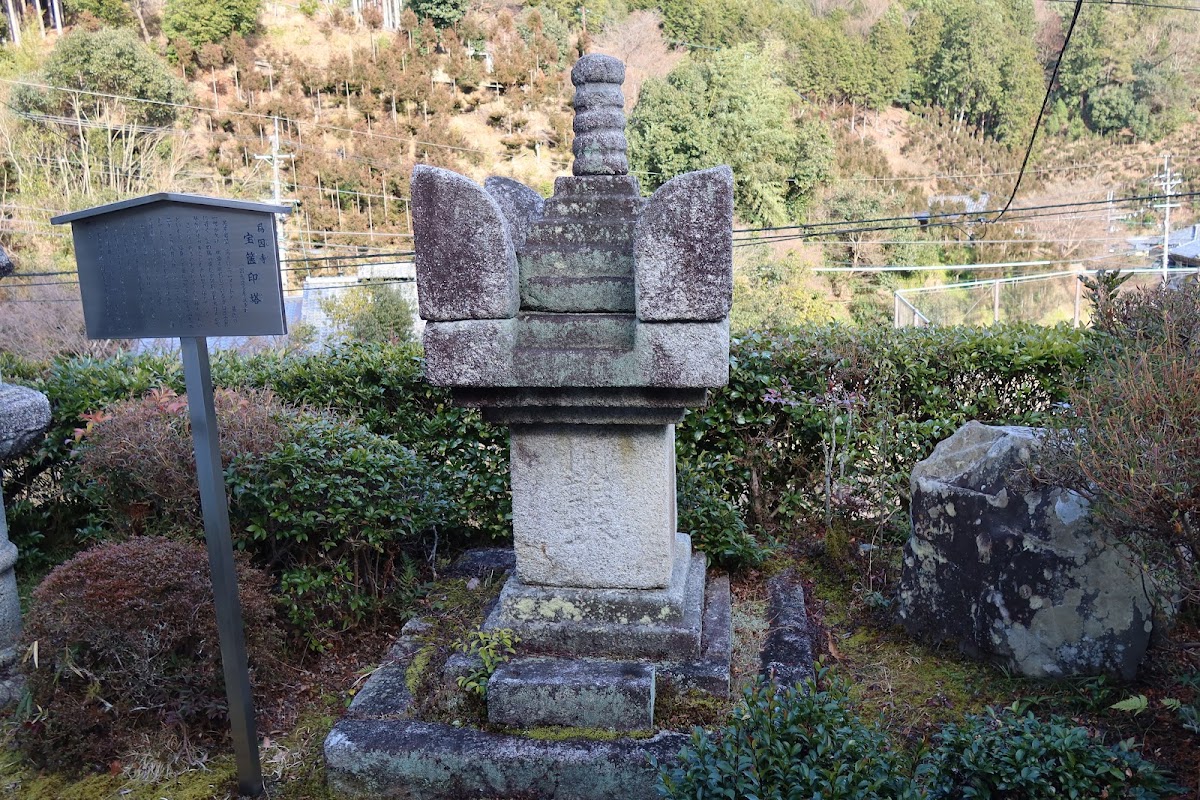
The most noteworthy cultural property within the grounds of Iinji Temple is the Hōkyōintō pagoda, designated as an Important Cultural Property. This pagoda was constructed during the Kamakura period and is a valuable legacy that conveys the excellent stone art techniques of that time.
The Hōkyōintō pagoda was originally a form introduced from China as a pagoda to house the Hōkyōin Dharani Sutra, and in Japan, it came to be widely used as a memorial pagoda or tomb pagoda. The Hōkyōintō pagoda at Iinji Temple is presumed to have been erected as a memorial pagoda during the time of Zenmyōji Temple.
Structure and Characteristics of the Hōkyōintō Pagoda
A Hōkyōintō pagoda consists of four components from bottom to top: a base, foundation, tower body, roof, and finial. The Hōkyōintō pagoda at Iinji Temple maintains a beautifully balanced shape in each part, and is particularly characterized by the elegant curves of the corner ornaments rising from the four corners of the roof.
Although the stone has weathered considerably, the intricate details of the carvings, a testament to the high level of stonemasonry during the Kamakura period, can still be seen. The fact that this pagoda has survived for over 700 years is a testament to the skill of the time and the efforts of those who have protected this temple for generations.
Grounds and Highlights of Iinji Temple
The Serene Atmosphere of the Temple Grounds
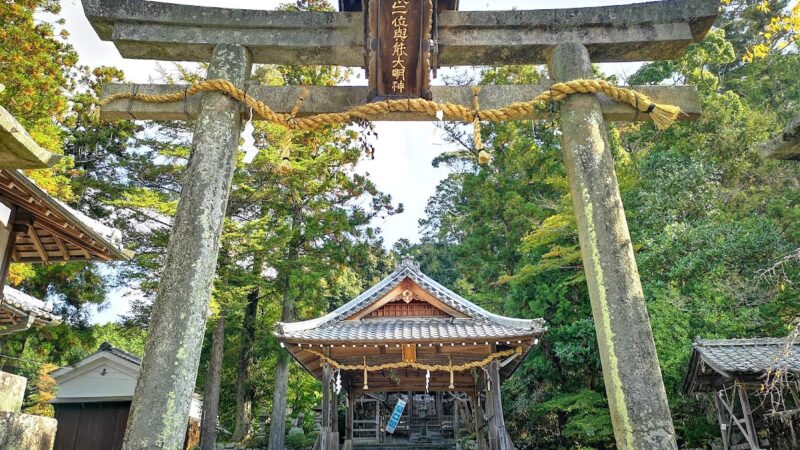
Despite being located along the main road, the Shūzan Kaidō, stepping into the grounds of Iinji Temple feels like entering another world, enveloped in tranquility. Unlike flashy tourist temples, it maintains the simple appearance of a Jōdo sect temple that attracts local faith. The temple grounds are not vast, but the well-maintained space exudes cleanliness and tranquilly welcomes visitors. Especially during the seasons of fresh greenery in spring and vibrant autumn foliage, visitors can enjoy the beautiful scenery harmonizing with the surrounding nature.
The Main Hall and the Faith of the Jodo Sect
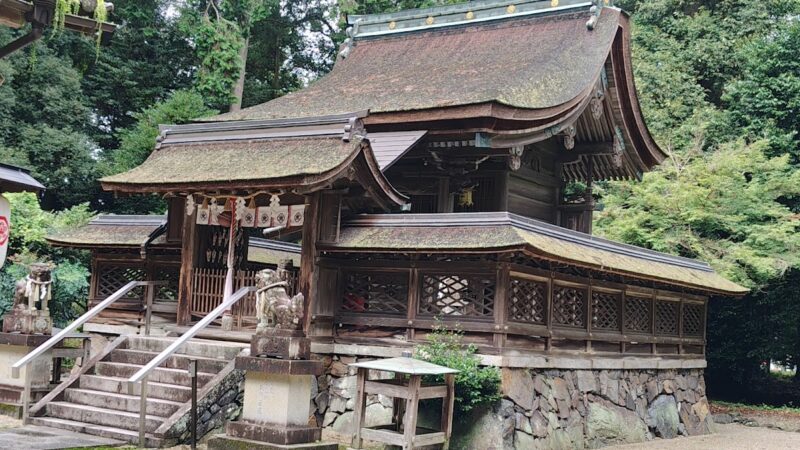
The main hall of Iinji Temple, as a Jodo sect temple, enshrines Amida Buddha as its principal deity. As is typical of Jodo sect temples, daily services are held in the main hall, making it the center of faith for the parishioners.
The architectural style of the main hall is relatively simple, but it reflects the spirit of “exclusive recitation of the Buddha’s name,” a teaching of the Jodo sect. Rather than extravagant decorations, the essence of Honen Shonin’s teachings—believing in Amida Buddha’s salvation through the sole recitation of the Buddha’s name—can be felt throughout the temple grounds.
Historical Background of the Surrounding Area and its Relationship to Kōzan-ji Temple
Kōzan-ji Temple and Myōe Shōnin
The fact that Zenmyō-ji Temple, the predecessor of Iin-ji Temple, was a branch temple of Kōzan-ji Temple reveals a deep connection between this region and Kōzan-ji Temple. Kōzan-ji Temple is one of the constituent assets of the World Heritage Site “Historic Monuments of Ancient Kyoto” and is an ancient temple known for its Chōjū-jinbutsu-giga (Scrolls of Frolicking Animals).
Myōe Shōnin (1173-1232) was a Kegon sect monk who restored Kōzan-ji Temple and was known for his strict precepts and profound scholarship. The record of his relief of the wives of court nobles after the Jōkyū War is an important episode that illustrates Myōe Shōnin’s compassionate character.
Historical Significance of the Shūzan Kaidō Road
The Shūzan Kaidō Road, where Iin-ji Temple is located, was an important road connecting Kyoto city to the Kitayama region, famous for its Kitayama cedar trees, and further to the Tanba region. This road has been used as a transportation route for goods since ancient times and remains a major road connecting Kyoto and Fukui as National Route 162.
Along this road, in addition to Iinji Temple, there are many other famous temples such as Jingoji Temple and Kozanji Temple, and it was once a route frequented by many ascetic monks and pilgrims. It is believed that Iinji Temple also functioned as a place of worship for these travelers.
Access and Visiting Information
How to Get to Iinji Temple
Location
Umegahata, Ukyo-ku, Kyoto City, Kyoto Prefecture (along the Shuzan Kaido Road)
Access by Public Transportation
- Approximately 5 minutes on foot from the JR Bus “Toganoo” bus stop
- Approximately 10 minutes on foot from the Kyoto City Bus “Takao” bus stop
The most common route is to take a JR Bus or Kyoto City Bus from Kyoto Station or Shijo Karasuma towards Takao and get off at Toganoo or Takao. Since bus services are limited, it is recommended to check the timetable in advance.
Access by Car
From central Kyoto, head north on National Route 162 (Shuzan Kaido), pass Takao, and continue towards Toganoo to reach Iinji Temple. Please check in advance regarding parking availability.
About Visiting
Iinji Temple is generally a closed temple. It is recommended to inquire with the temple in advance regarding entry to the grounds and viewing of the Hōkyōintō pagoda. Visiting during special public viewings is the most reliable option.
When viewing the Hōkyōintō pagoda, a designated Important Cultural Property, please be careful not to touch or approach it too closely, from the perspective of cultural property preservation.
Nearby Tourist Attractions
Kōzanji Temple (World Heritage Site)
Kōzanji Temple, within walking distance of Iinji Temple, is a famous temple registered as a World Heritage Site. Known for its national treasure, the “Chōjū-jinbutsu-giga” (Scrolls of Frolicking Animals and Humans), it attracts many visitors as a temple associated with Myōe Shōnin. The Sekisui-in and the beauty of its autumn foliage are also famous, making it a recommended spot to visit along with Iinji Temple. ### Jingoji Temple
Located on the slopes of Mount Takao, Jingoji Temple is an ancient Shingon Buddhist temple with deep ties to Kukai (Kobo Daishi). It houses numerous valuable cultural assets, including the National Treasure standing statue of Yakushi Nyorai and portraits (attributed) of Minamoto no Yoritomo and Taira no Shigemori. The views from the temple grounds are magnificent, and it is especially crowded with tourists during the autumn foliage season.
Saimyoji Temple
Saimyoji Temple, along with Jingoji and Kozanji, is known as one of the “Three Treasures of Takao,” and is another important temple in the area. Founded during the Heian period, this Shingon Buddhist temple has its main hall and guest hall designated as Important Cultural Properties. The quiet mountain grounds offer beautiful natural scenery throughout the seasons.
Points to Note When Visiting Iinji Temple
Respect the Quiet Worship Environment
Iinji Temple is not a tourist temple, but a temple that attracts the faith of the local community. When visiting, please respect the quiet worship environment and be mindful not to make noise. Especially when memorial services or events are taking place, consideration is needed to avoid disturbing anyone.
Seasonal Charms
Located in a naturally rich environment along the Shuzan Highway, Iinji Temple displays different expressions in each of the four seasons.
Spring (March-May)
The fresh greenery is beautiful, and the trees on the temple grounds are budding. Enjoy a visit in the refreshing air.
Summer (June-August)
The temple grounds, enveloped in deep green, are cooler than the city center, creating a summer resort atmosphere.
Autumn (September-November)
The entire Takao area is known as a famous spot for autumn foliage, and the area around Iinji Temple is also adorned with beautiful autumn colors.
Winter (December-February)
The snow-covered Hōkyōintō pagoda and temple grounds exude a solemn and mystical atmosphere.
Recommended Exploring the Surrounding Area
Besides Iinji Temple, historical temples and natural spots are scattered along the Shuzan Kaido road. If you have time, a leisurely stroll through the area from Takao to Toganoo will allow you to fully appreciate Kyoto’s profound history and natural beauty.
In particular, the “Takao Three Temples”—Kozanji, Jingoji, and Saimyo-ji—are all within walking distance of each other and can be visited in half a day to a full day. A promenade along the Kiyotaki River is also well-maintained, allowing you to enjoy temple visits while strolling through nature.
The Weight of History Conveyed by Iinji Temple
The Jokyu War and the Stories of Women
The history of Zenmyo-ji Temple, the predecessor of Iinji Temple, which took in the wives of court nobles defeated in the Jokyu War, holds significance beyond mere temple history. For women whose lives were turned upside down by political defeat, this nunnery was a place to sustain their lives and regain peace of mind.
The compassionate spirit of Myōe Shōnin and the existence of Zenmyōji Temple, which put it into practice, are valuable examples illustrating the social role of Buddhism during the turbulent Kamakura period.
From Ruin to Reconstruction
The fact that Zenmyōji Temple was rebuilt as a Jōdo sect temple during the Azuchi-Momoyama period after being abandoned speaks to the religious importance of this area. Even though the sect changed, its continued history as a place of worship demonstrates the significance of Iinji Temple.
Important Cultural Property Tells the Story of the Era
The preservation of the Kamakura-period Hōkyōintō pagoda as an Important Cultural Property proves that Iinji Temple was not merely a small local temple, but a valuable entity in Japanese cultural history. This stone pagoda is a witness to history, having watched over this land for over 700 years since the time of Zenmyōji Temple.
Summary: A Visit to Quiet History
While Iinji Temple may lack the splendor of Kyoto’s famous tourist temples, it is a valuable temple with a deep history dating back to the Kamakura period and possessing a precious cultural asset: a Hōkyōintō pagoda designated as an Important Cultural Property.
Beginning as a refuge for women caught in the turmoil of the Jōkyū War, it was later rebuilt as a Jōdo sect temple and continues to attract local faith. Its enduring presence embodies the essence of a Buddhist temple that has remained a spiritual haven for people across generations.
When visiting the Shūzan Kaidō, be sure to visit not only famous temples like Kōzanji and Jingoji, but also the quietly situated Iinji Temple. Standing before the Hōkyōintō pagoda, a designated Important Cultural Property, and reflecting on 700 years of history will be a precious experience that allows you to forget the hustle and bustle of modern life.
For those who want to experience Kyoto’s profound history and culture, and those seeking a peaceful environment to calm their minds, Iinji Temple is a hidden gem worth visiting. Why not take some time to feel the weight of history in the temple grounds, where the teachings of the Jodo sect still thrive?