Hokyoin Temple (Kyoto Prefecture) Complete Guide: Visiting a Famous Autumn Foliage Spot and the History of Ashikaga Yoshiakira and Kusunoki Masayuki
Nestled in a quiet corner of Sagano, Kyoto, Hokyoin Temple is not only known as a famous spot for autumn foliage, but is also a valuable temple that conveys the history of the Nanboku-cho period. It boasts a rare history in Kyoto, with the tombs of two men who were once enemies—Ashikaga Yoshiakira, the second shogun of the Muromachi shogunate, and Kusunoki Masayuki, a warrior of the Southern Court—standing side by side.
History of Hokyoin Temple: An Ancient Temple Dating Back to the Heian Period
From its Founding to the Zennyu-ji Temple Era
The history of Hokyoin Temple dates back to the Heian period. Founded by the imperial decree of Emperor Shirakawa (1053-1129), this temple was initially called “Zennyu-ji Temple.” The mountain name, Zennyuzan, originates from the temple’s original name at the time of its founding.
After many years following its establishment in the Heian period, the temple experienced a period of decline, but a turning point came during the Nanboku-cho period.
Restoration by Mokuan Shuyu, a leading disciple of Musō Soseki
During the Nanboku-cho period, Mokuan Shuyu, a leading disciple of Musō Soseki, a high-ranking priest of the Rinzai sect, entered the temple and dedicated himself to its restoration. With the patronage of Ashikaga Yoshiakira, the second shogun of the Muromachi shogunate, Mokuan Shuyu achieved the reconstruction of the temple complex. During this period, the temple was temporarily renamed “Kanrinji.”
From Ashikaga Yoshiakira’s Posthumous Name to the Current Name
After Ashikaga Yoshiakira died at the young age of 38 in 1367 (Jōji 6), the temple was renamed to its current name, “Hōkyōin,” after his posthumous posthumous name. As Yoshiakira’s burial place, the temple has since etched its name in history.
Currently, Hōkyōin operates independently as an independent temple of the Rinzai sect.
Ashikaga Yoshiakira and Kusunoki Masayuki: A Bond Beyond Enemy and Ally
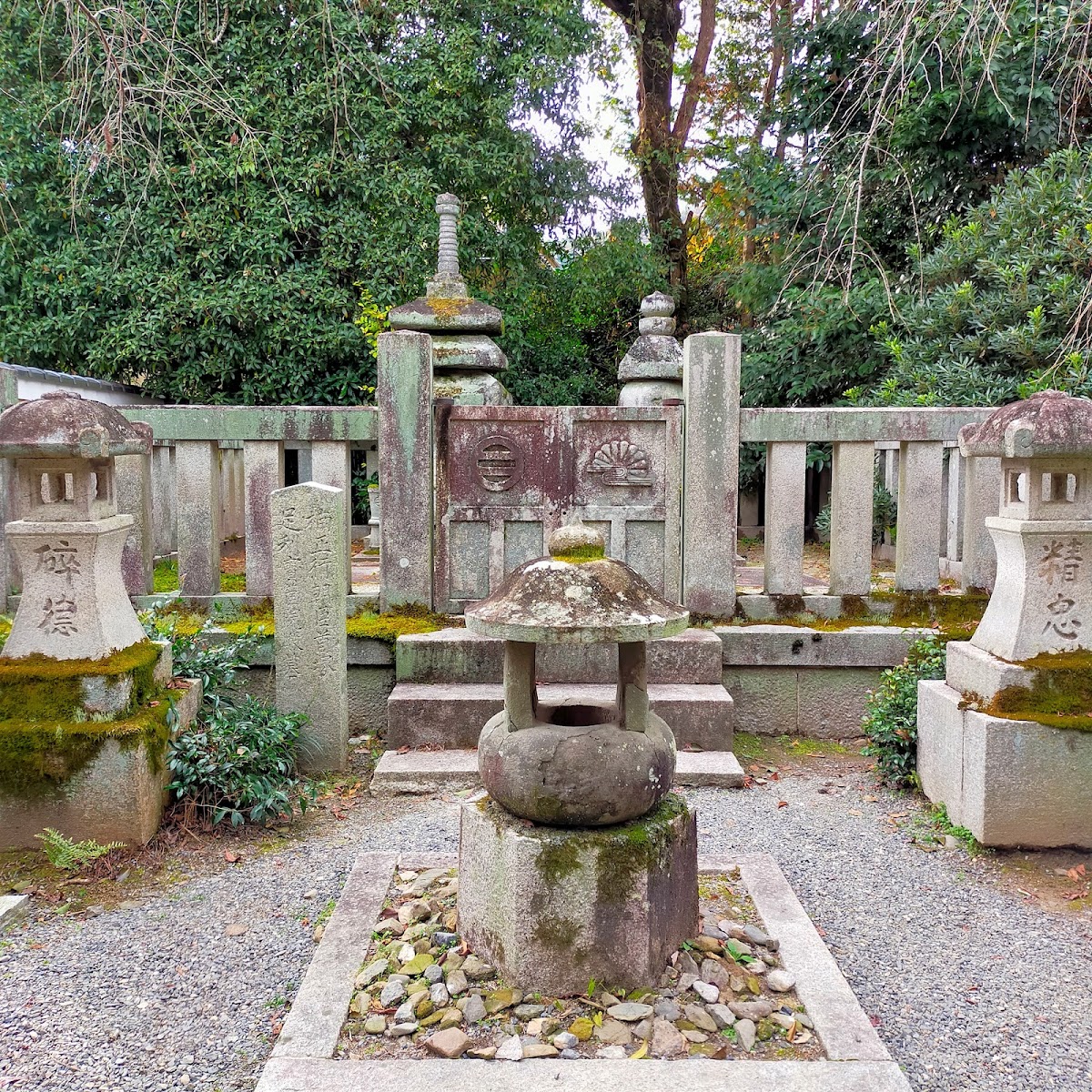
The most distinctive feature of Hōkyōin is that the tombs of two warlords who were on opposing sides during the Nanboku-chō period lie side by side. This arrangement holds a profound human drama.
Ashikaga Yoshiakira, the Second Shogun of the Muromachi Shogunate
Ashikaga Yoshiakira (1330-1367) was born as the eldest son of Ashikaga Takauji, the founder of the Muromachi Shogunate. After the death of his father, Takauji, he succeeded to the shogunate as the second shogun, but lived through a difficult period of turmoil during the Nanboku-cho period (Northern and Southern Courts).
Yoshiakira is said to have possessed not only political acumen but also a keen eye for discerning true character. He deeply admired the character and bravery of his enemy general, Kusunoki Masayuki, and never forgot to show him respect even after his death.
Kusunoki Masayuki, a Loyal Retainer of the Southern Court
Kusunoki Masayuki (1326-1348) was the eldest son of Kusunoki Masashige, who played a key role in the overthrow of the Kamakura shogunate. Following in his father’s footsteps, he fought as a Southern Court general against the Northern Court and the Muromachi shogunate.
In 1348 (Shohei 3), he fought against the Ashikaga-aligned army of Kō no Moronao in the Battle of Shijōnawate, and died in battle along with his younger brother, Masatoki. He was only 23 years old. Masayuki, known as “Shonanko” (Little Kusunoki), is remembered in posterity as a symbol of loyalty, alongside his father, Masashige (Great Kusunoki).
Tombs Adjacent to Yoshiakira’s Last Will
Ashikaga Yoshiakira, though an enemy general, was deeply impressed by Kusunoki Masayuki’s character and loyalty. It is said that on his deathbed, Yoshiakira left a will stating, “When I die, bury me next to Masayuki.”
Due to this will, Yoshiakira’s tomb and Masayuki’s burial mound stand side-by-side at Hokyoin Temple. This arrangement, demonstrating the samurai aesthetic that transcends friend and foe, and showing respect for humanity, deeply moves visitors to Hokyoin Temple.
Autumn Leaves at Hokyoin Temple: One of Kyoto’s Top Scenic Spots
Hokyoin Temple has been attracting increasing attention in recent years as a “hidden gem for autumn leaves in Kyoto.” While the Arashiyama and Sagano area boasts many autumn foliage spots, the autumn leaves at Hokyoin Temple are exceptionally beautiful.
Best Time to See Autumn Leaves
The autumn leaves at Hokyoin Temple typically begin to change color around mid-November, reaching their peak from late November to early December. Because the peak season is slightly later than other autumn foliage spots in the Arashiyama area, it’s possible to enjoy beautiful autumn leaves even in early December.
While this can vary depending on weather conditions, the following is a general guideline:
- Beginning of Color Change: Mid-November
- Peak Viewing: Late November to early December
- Peak of Leaf Fall: Early to mid-December
Types of Autumn Leaves Adorning the Temple Grounds
The gardens of Hokyoin Temple are planted with a wide variety of trees:
- Maple (Acer palmatum): The main attraction covering the entire temple grounds. It creates a vibrant gradient of red, orange, and yellow.
- Enkianthus perulatus: The bright red Enkianthus perulatus is another highlight.
- Other trees: Trees that display different expressions throughout the seasons, such as ginkgo trees, are also placed throughout the grounds.
A carpet of autumn leaves covering the stone-paved approach
The greatest highlight of the autumn leaves at Hokyoin Temple is the stone-paved approach beyond the gate. Maple trees lining both sides of the approach cross overhead like a tunnel, enveloping you in a vibrant gradient of red, orange, and yellow in autumn.
During the leaf-falling season, the stone pavement is covered with a carpet of autumn leaves, and the beauty of the fallen leaves is exceptional. The contrast between the vast expanse of maple trees and the fallen leaves decorating the approach evokes a sense of elegance in visitors.
Autumn leaves in the garden
The autumn leaves in the garden viewed from the main hall are also magnificent. The garden, incorporating the technique of borrowed scenery, offers a picturesque beauty from every angle thanks to its carefully calculated layout.
The contrast between the moss and autumn leaves, the harmony between the stonework and the foliage—these are just some of the many aesthetic sensibilities unique to Japanese gardens that can be felt throughout.
Notes on Photography
At Hokyoin Temple, tripods and monopods are prohibited to preserve the beauty of the autumn leaves and out of consideration for other visitors. Only handheld photography is permitted, so please be aware of this when visiting.
Also, because the temple grounds are relatively compact, it can get crowded during the autumn foliage season. For those who want to enjoy the autumn leaves in peace, visiting early in the morning right after opening or on weekdays is recommended.
Highlights of Hokyoin Temple
Principal Image: Eleven-Faced Thousand-Armed Kannon Bodhisattva
The principal image of Hokyoin Temple is the Eleven-Faced Thousand-Armed Kannon Bodhisattva. Kannon Bodhisattva, said to save all sentient beings with a thousand arms, has been revered by people since ancient times.
The Beauty of the Garden
Even outside of the autumn foliage season, the garden of Hokyoin Temple displays different expressions throughout the four seasons:
- Spring: The beauty of fresh greenery and azalea blossoms
- Summer: The refreshing scenery of green maple leaves
- Autumn: The spectacular view of autumn leaves
- Winter: The tranquility of the snow-covered garden
A Temple Grounds Filled with History
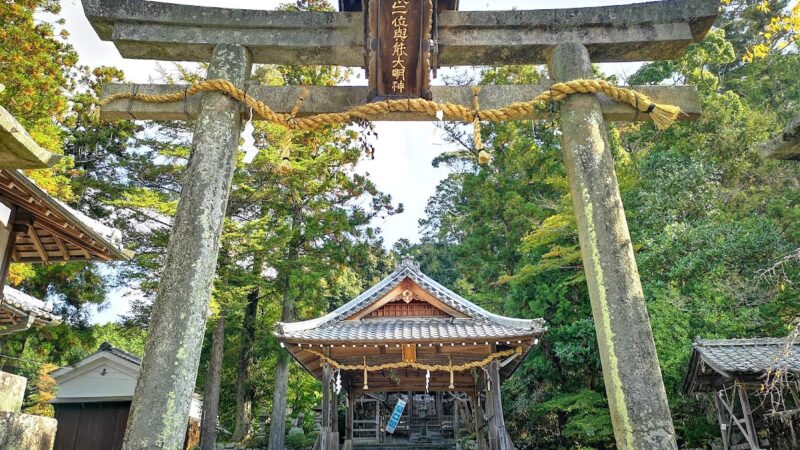
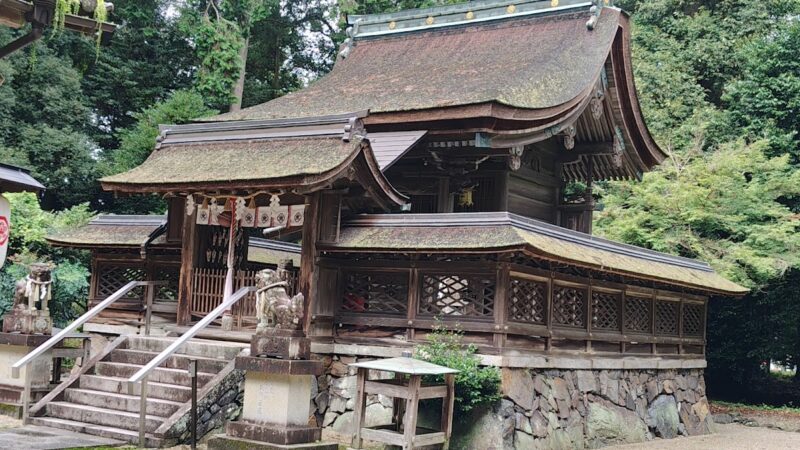
The temple grounds are dotted with stone structures and buildings that evoke the history from the Nanboku-cho period to the Muromachi period. You can quietly stroll through the grounds and reflect on the flow of time.
Access Information
Basic Information
- Official Name: Zennyuzan Hokyoin
- Sect: Rinzai Zen Sect (Independent)
- Location: Minamichuin-cho, Saga Shakadomonzen, Ukyo-ku, Kyoto City, Kyoto Prefecture
- Mountain Name: Zennyuzan
Access by Train and Bus
By JR:
- Get off at JR Sagano Line “Saga-Arashiyama Station,” approximately 15 minutes on foot
By Randen (Keifuku Electric Railway):
- Get off at Randen Arashiyama Main Line “Arashiyama Station,” approximately 15 minutes on foot
By Hankyu Railway:
- Get off at Hankyu Arashiyama Line “Arashiyama Station,” approximately 20 minutes on foot
By City Bus/Kyoto Bus:
- Get off at the “Saga Shakado-mae” bus stop and walk for about 3 minutes.
Landmarks in the vicinity
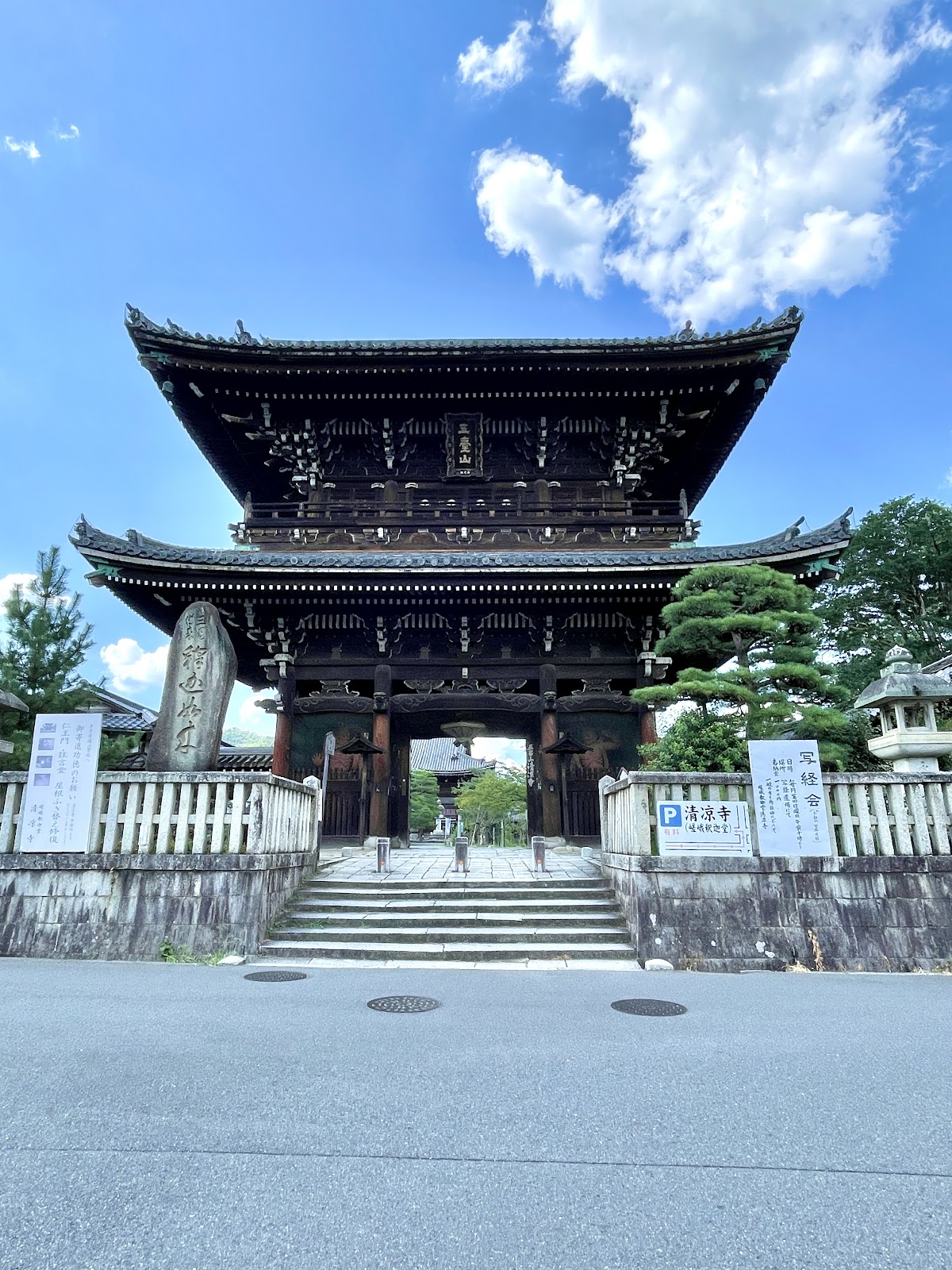
Hokyoin Temple is located next to Seiryoji Temple (Saga Shakado). If you head towards Seiryoji Temple, you will easily find Hokyoin Temple. It is situated in a quiet residential area of Sagano, offering a peaceful atmosphere.
Access by car and parking
Hokyoin Temple does not have its own parking lot. If you are visiting by car, you will need to use a nearby paid parking lot. However, the Arashiyama/Sagano area is extremely crowded during the autumn foliage season, so we strongly recommend using public transportation.
Visiting Information
Visiting Hours
- Regular Season: 9:00 AM – 4:00 PM (Gate closes at 4:30 PM)
- Autumn Foliage Season: Hours may be extended (Please check the official website)
Admission Fee
- Regular Season: Approximately 500 yen for adults
- Autumn Foliage Season: Special admission fees may apply
*Admission fees are subject to change, so please check the official website for the latest information before visiting.
Closed Days
Generally open every day, but there may be days when the temple is closed for religious services, etc. Especially if you are planning a group visit, it is recommended to check in advance.
Tourist Attractions Around Hokyoin Temple
Hokyoin Temple is located in the Arashiyama/Sagano area, and there are many tourist attractions nearby.
Seiryoji Temple (Saga Shakado)
Located immediately east of Hokyoin Temple, Seiryoji Temple is a historic temple affectionately known as “Saga Shakado.” It houses a National Treasure, a standing statue of Shakyamuni Buddha, and is a beautiful temple known for its cherry blossoms in spring and autumn foliage. It’s ideal to visit in conjunction with Hokyoin Temple.
Nison-in Temple
Nison-in Temple, with its beautiful approach known as the “Maple Horse Riding Ground,” is also within walking distance. Its name comes from the fact that it enshrines two principal deities: Shakyamuni Buddha and Amida Buddha.
Jojakkoji Temple
Located on the slopes of Mt. Ogura, Jojakkoji Temple is a representative spot for autumn foliage in Sagano. The combination of the pagoda and the autumn leaves is one of Kyoto’s most spectacular views.
Bamboo Grove Path
The Bamboo Grove Path, a symbolic landscape of Arashiyama and Sagano, is also nearby. Walking through the lush bamboo tunnel offers a uniquely Kyoto experience.
Tenryu-ji Temple
Tenryu-ji Temple, a UNESCO World Heritage Site, is a representative temple of Arashiyama. The Sogenchi Garden, designed by Muso Soseki, is known as a masterpiece of Japanese garden design.
Points to Note When Visiting Hokyoin Temple
Recommended Time to Visit
The autumn foliage season (late November to early December) is the most recommended time, but other seasons also have their charms:
- Spring (April to May): The beauty of fresh greenery and blooming azaleas
- Summer (June to August): The refreshing scenery of green maple leaves
- Winter (January to February): The serene beauty of the snowy landscape (when covered in snow)
Time Required
The temple grounds are compact, so 30 minutes to an hour is sufficient for a visit. However, if you plan to enjoy the autumn foliage or take plenty of photos, it is recommended to allocate a little more time.
Clothing and Items to Bring
- Comfortable Walking Shoes: Since you’ll be walking on stone-paved paths and in gardens, comfortable walking shoes such as sneakers are recommended.
- Seasonal Clothing: It gets especially cold in autumn and winter, so wear warm clothing.
- Rain Gear: Bring a folding umbrella if the weather is unpredictable.
- Camera: Tripods are not permitted, but you can capture beautiful autumn foliage with a handheld camera.
Tips for Avoiding Crowds
Hokyoin Temple gets crowded during the autumn foliage season. The following times are relatively less crowded:
- Immediately After Opening (Around 9:00 AM): Visiting first thing in the morning is recommended.
- Weekday Mornings: Weekdays are less crowded than weekends.
- Just Before Closing: You can also visit in the evening in a relatively calm atmosphere.
How to Explore the Sagano Area
The Sagano area, including Hokyoin Temple, is suitable for exploring on foot. The following model courses are recommended:
Half-Day Course Example:
Arashiyama Station (Randen Line) → Tenryu-ji Temple → Bamboo Grove Path → Jojakko-ji Temple → Nison-in Temple → Seiryo-ji Temple → Hokyo-in Temple → JR Saga-Arashiyama Station
Autumn Foliage Focused Course:
Hokyo-in Temple → Nison-in Temple → Jojakko-ji Temple → Tenryu-ji Temple
Enjoy the atmosphere of Sagano while strolling at a leisurely pace.
Cultural Value of Hokyo-in Temple
A Place that Tells the History of the Nanboku-cho Period
Hokyo-in Temple is a valuable historical site that conveys the important period in Japanese history known as the Nanboku-cho period. The arrangement of the tombs of two warlords, who were on opposing sides, side by side, speaks to the complex political situation of the time and the respect for humanity that transcended it.
A Symbol of the Bushido Spirit
The anecdote of Ashikaga Yoshiakira’s admiration for his enemy general, Kusunoki Masayuki, and his will requesting to be buried beside him, exemplifies the spirit of “respect for the enemy” in Bushido. This spirit offers many insights for us today.
Kyoto’s Garden Culture
The garden of Hokyoin Temple is one of the representative works of Kyoto’s garden culture. Its design, which maximizes the beauty of nature in each of the four seasons, can be said to be a crystallization of Japanese aesthetics.
Notes for Visiting Hokyoin Temple
Manners and Rules
- Be Quiet: Temples are also places of prayer. Please refrain from loud conversations.
- Photography Manners: Tripods and monopods are prohibited. Please be considerate of other visitors.
- No Eating or Drinking: Eating and drinking are prohibited on the temple grounds.
- No Smoking: Smoking is prohibited throughout the temple grounds.
- Please Cherish the Plants: Please do not touch the autumn leaves or flowers, or break any branches.
COVID-19 Prevention Measures
When visiting, please cooperate with the infection prevention measures set by each temple. Please keep basic precautions in mind, such as wearing a mask, disinfecting your hands, and maintaining social distancing.
Summary: The Charm of Hokyoin Temple
Hokyoin Temple is a temple located in a quiet corner of Sagano, Kyoto, that offers many moving experiences to its visitors.
Historical Value: A place that conveys the history of the Nanboku-cho period and demonstrates respect for humanity that transcends the boundaries of friend and foe.
Beauty of Autumn Leaves: As one of Kyoto’s premier autumn foliage spots, it offers breathtaking scenery in the fall.
Tranquil Atmosphere: A space where you can quietly contemplate history and nature in the tranquil environment of Sagano.
Charm of the Four Seasons: A garden where you can enjoy the beauty of each season, not just the autumn leaves.
By visiting Hokyoin Temple, you can experience the history, culture, and natural beauty of Japan all at once. When visiting the Arashiyama and Sagano area, be sure to stop by Hokyoin Temple. The autumn leaves covering the stone-paved approach, the aesthetics of the samurai that transcended the boundaries of friend and foe, and the beauty of the tranquil garden will surely create lasting memories.
Especially during the autumn foliage season, Hokyoin Temple is one of Kyoto’s most representative autumn landscapes. Spend a luxurious time reflecting on history and feeling the Japanese aesthetic while surrounded by a sea of autumn leaves in the temple grounds.