Myoshunji Temple (Kyoto Prefecture) Complete Guide | History, Highlights, Access, and Goshuin Information
Kyoto Prefecture boasts numerous temples, but among them, Myoshunji Temple, a Nichiren Buddhist temple with a long and distinguished history, is a beloved place of faith deeply rooted in the community. This article provides detailed information you should know before visiting, from the historical background of Myoshunji Temple to its highlights and visiting information.
About Myoshunji Temple
Myoshunji Temple is a Nichiren Buddhist temple located in Kyoto Prefecture. The temple’s name, “Myoshunji,” incorporates the character “Myō,” characteristic of Nichiren Buddhist temples, and inherits the tradition of a sect that values the teachings of the Lotus Sutra.
Nichiren Buddhism is a Buddhist sect founded by Nichiren Shonin during the Kamakura period, characterized by its faith centered on chanting the mantra “Namu Myōhō Renge Kyō.” Myoshunji Temple, based on this teaching, has functioned as a spiritual center for the people of the region.
Characteristics of a Nichiren Buddhist Temple
Nichiren Buddhist temples share several common characteristics:
- Emphasis on the Title: The teaching that one can attain Buddhahood by chanting the seven-character title, “Namu Myoho Renge Kyo”
- Devotion to the Lotus Sutra: The Lotus Sutra is considered the highest scripture
- Worldly Benefits: A tendency to emphasize happiness and benefits in this world
- Founder Faith: Deep reverence for Nichiren Shonin
Myoshunji Temple also possesses these characteristics and conducts daily religious services and ceremonies accordingly.
History of Myoshunji Temple
Background of Founding
The founding period and founder of Myoshunji Temple can be understood based on local historical materials and temple traditions. Nichiren Buddhist temples spread throughout Japan from the Kamakura period to the Muromachi period, and many Nichiren Buddhist temples were also established in Kyoto.
Kyoto has long been a center of Buddhist culture, and temples of various sects have coexisted there. The Nichiren sect also holds an important position in Kyoto, and Myoshunji Temple is considered to have developed as a temple playing a vital role within it.
Historical Changes
Japanese temples have experienced various changes throughout their long history. They have overcome many difficulties, including the wars of the Sengoku period, the religious policies of the Edo period, and the anti-Buddhist movement after the Meiji Restoration, to reach the present day.
Myoshunji Temple is no exception; while being tossed about by the waves of time, it has continued to preserve its Buddhist traditions with the support of its parishioners and local residents. The Edo period, in particular, was a time when the danka system (parishioner system) was established, and the bond between temples and parishioners became stronger.
Progress Since the Modern Era
After the Meiji era, the Japanese Buddhist world underwent a period of great transformation. Many temples faced hardship due to the separation of Shinto and Buddhism and the anti-Buddhist movement, but Myoshunji Temple, while maintaining its ties with the local community, has been passed down to the present day.
In modern times, in addition to traditional religious activities, temples also play a central role in the local community.
Highlights of the Temple Grounds
Main Hall
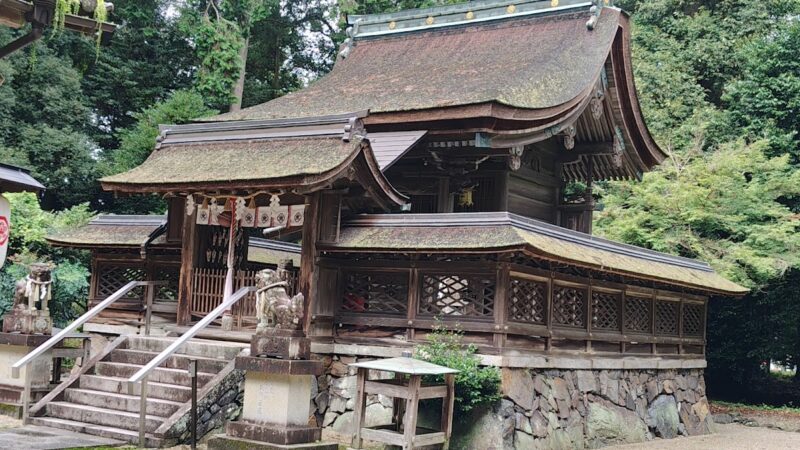
The main hall of Myoshunji Temple is the central building of the temple. In the main hall of Nichiren Buddhist temples, the principal image is usually enshrined, such as the “Three Treasures” or “One Pagoda, Two Deities, Four Disciples” designated by Nichiren Shonin.
Daily services are held inside the main hall, and parishioners can be seen gathering and chanting the Daimoku. While architectural styles vary by era, many Nichiren Buddhist temples still preserve the beauty of traditional Japanese architecture.
Atmosphere of the Temple Grounds
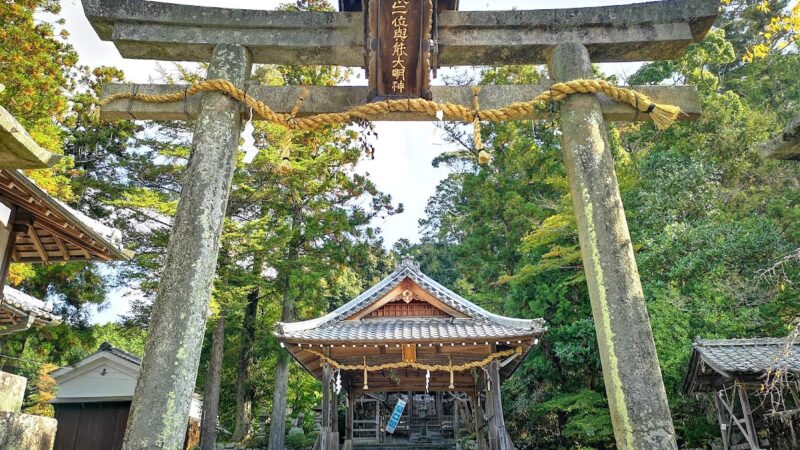
The temple grounds are a tranquil space, far removed from the hustle and bustle of everyday life. Well-maintained gardens and seasonal flowers welcome visitors, creating a calming environment.
Walking through the temple grounds allows you to experience the following elements:
- Stone monuments and memorials: Valuable historical materials that convey the history and origins of the temple.
- Bell tower: A building where the temple bell that marks the time is hung.
- Cemetery: A resting place for the ancestors of the temple’s parishioners.
- Gardens: A space where you can enjoy the beauty of nature in each of the four seasons.
Seasonal Charms
Kyoto temples show different faces in each of the four seasons.
Spring: A season when cherry blossoms and plum blossoms are in full bloom, and you can feel the breath of new life. If there are cherry trees on the temple grounds, it becomes a popular spot for cherry blossom viewing.
Summer: The lush green temple grounds become a place of rest for people seeking coolness. Visiting a temple amidst the sound of cicadas has a unique charm of Japanese summer.
Autumn: The autumn leaves turn beautiful colors, and the temple grounds are adorned in the splendor of autumn. Kyoto is bustling with tourists during the autumn foliage season, but local temples offer a relatively quiet way to enjoy the autumn colors.
Winter: The temple grounds, covered in snow, present a fantastical beauty. Visiting in the crisp, clear air is a purifying experience for both mind and body.
About Goshuin (Temple Seals)
What are Goshuin?
Goshuin are seals and calligraphic inscriptions given as proof of visiting a temple or shrine. In recent years, collecting goshuin has become a popular hobby, and many visitors carry goshuin notebooks when visiting temples and shrines.
Goshuin include the following elements:
- Temple Name: The official name or mountain name of the temple
- Principal Deity Name: The name of the enshrined Buddha
- Date of Visit: The date of the visit
- Seal: The temple’s unique seal
Goshuin of Myoshunji Temple
Myoshunji Temple may also offer goshuin. Goshuin (temple stamps) at Nichiren Buddhist temples typically bear the mantra “Namu Myoho Renge Kyo” and the name of the principal deity.
Basic Manners When Receiving a Goshuin:
- Complete your prayers first: The goshuin is proof of your prayers, so first, offer your prayers at the main hall.
- Prepare a goshuin notebook: It is advisable to bring a dedicated goshuin notebook.
- Request politely: Request politely by saying, “May I have a goshuin?”
- Pay a donation: The usual amount is around 300 to 500 yen.
- Donate with gratitude: After receiving the goshuin, say “Thank you.”
Points to Note When Receiving a Goshuin
Remember that a goshuin is a symbol of faith, not a stamp rally. Please note the following:
- Avoid visiting during Buddhist services or ceremonies.
- Do not force a request if the head priest or temple office is absent.
- Limit requests for multiple items.
- Collecting for resale purposes is strictly prohibited.
Access Information
Access by Public Transportation
Access to temples in Kyoto Prefecture is convenient via public transportation such as city buses, subways, and private railways within Kyoto City. We recommend checking the specific access methods to Myoshunji Temple in advance.
Major Transportation Options in Kyoto City:
- Kyoto City Bus: A comprehensive bus network covering the city.
- Kyoto City Subway: Two lines: the Karasuma Line and the Tozai Line.
- Keihan Railway: A private railway connecting Kyoto and Osaka.
- Hankyu Railway: Lines passing through Kawaramachi and Karasuma.
- JR: A railway network centered around Kyoto Station.
Access by Car
If visiting by private car, it is convenient to enter the temple name or address into your car’s navigation system. However, since the roads in Kyoto are narrow and traffic congestion is common during peak tourist season, it is recommended to allow ample time for travel.
Regarding parking, please check in advance whether the temple has its own parking lot. If not, you will need to use a nearby coin-operated parking lot.
Nearby Tourist Attractions
Kyoto Prefecture has numerous tourist attractions. When visiting Myoshunji Temple, you can enjoy a more fulfilling Kyoto sightseeing experience by also visiting nearby sights.
Major Tourist Areas in Kyoto:
- Higashiyama Area: Kiyomizu-dera Temple, Yasaka Shrine, Kodai-ji Temple, etc.
- Arashiyama Area: Togetsukyo Bridge, Tenryu-ji Temple, Bamboo Grove, etc.
- Kinkaku-ji/Kitayama Area: Kinkaku-ji Temple, Kamigamo Shrine, etc.
- Fushimi Area: Fushimi Inari Taisha Shrine, Daigo-ji Temple, etc.
Manners and Etiquette for Visiting Temples
Basic Manners for Visiting Temples
When visiting a temple, it is important to act with respect as it is a religious facility. Please observe the following basic manners:
- Dress Code: Avoid revealing clothing and visit in clean, presentable attire.
- Quietness: Please refrain from speaking loudly or making noise within the temple grounds.
- Photography: Please refrain from taking pictures in areas where photography is prohibited.
- Smoking and Eating: Please refrain from smoking or eating outside of designated areas.
- Restricted Areas: Please do not enter areas marked as “No Entry.”
Etiquette for Worship
The proper etiquette for worshipping at a Nichiren Buddhist temple is as follows:
- Bow at the Temple Gate: Bow before entering the temple grounds.
- Purify at the Water Basin: Purify your hands and mouth (hold the ladle in your right hand, purify your left hand, switch to your left hand and purify your right hand, then switch back to your right hand, receive water in your left hand, and rinse your mouth).
- In Front of the Main Hall: Place your offering in the offering box.
- Gassho: Bring your hands together in front of your chest.
- Chanting: Chant “Namu Myoho Renge Kyo” silently or softly.
- Bow: Bow deeply to conclude your visit.
About Offerings
Offerings are made to express gratitude and prayers to Buddha. There are no set amounts, but many people offer 5-yen coins as a token of “good fortune.”
When throwing in your offering, it is considered good manners to do so gently rather than roughly.
What You Can Experience at Myoshunji Temple
Buddhist Services and Events
Nichiren Buddhist temples hold various services and events throughout the year. Major events include:
Oeshiki: This is the most important Buddhist service, centered around the anniversary of Nichiren Shonin’s death (October 13th). Many parishioners gather, and the event is held on a grand scale.
Obon: A ceremony to welcome the spirits of ancestors, including the Segaki memorial service.
Higan-e: A memorial service held during the week centered around the spring and autumn equinoxes.
Gantan-hoyo: A memorial service held to welcome the new year, praying for peace throughout the year.
Participating in these events allows for a deeper understanding of the faith and culture of Nichiren Buddhism.
Sutra Copying and Buddha Image Copying Experience
Many temples offer experiences in sutra copying and Buddha image copying. Sutra copying is a practice of transcribing Buddhist scriptures, believed to calm the mind and improve concentration.
In Nichiren Buddhist temples, it is common to copy the title “Namu Myoho Renge Kyo” or a passage from the Lotus Sutra. Some temples offer programs that are easy for beginners to participate in, so those interested should inquire.
Zen Meditation
Zazen (seated meditation) is primarily a Zen Buddhist practice, but some temples of other sects also offer time for meditation and quiet sitting. Taking time away from the hustle and bustle of daily life and facing oneself can be a valuable experience for modern people.
Annual Events at Myoshunji Temple
Spring Events
Spring Equinox Ceremony (March): A memorial service for ancestors held around the spring equinox. As the saying goes, “The heat and cold last until the equinox,” and people remember their ancestors during this pleasant season.
Flower Festival (April 8th): A celebration of the birth of Buddha. It’s a lively event with the custom of pouring sweet tea, and children also participate.
Summer Events
Obon (August): One of the most important events for welcoming and honoring the spirits of ancestors. It is held in various forms depending on the region, including Segaki (feeding of hungry ghosts) ceremonies and Bon Odori (Bon dance).
Autumn Events
Autumn Equinox Service (September): A Buddhist service held around the autumnal equinox.
Oeshiki Ceremony (around October 13th): The most important memorial service commemorating the death anniversary of Nichiren Shonin. A lantern procession and special services are held, attracting many believers.
Winter Events
New Year’s Eve Bell Ringing (December 31st): The temple bell is rung 108 times at the end of the year to dispel worldly desires and welcome the new year with a pure heart.
New Year’s Day Service (January 1st): A service to pray for happiness and peace in the new year.
Myoshunji Temple and the Local Community
The Danka System and Temples
Many Buddhist temples in Japan are supported by the Danka system. A Danka is a family that provides economic and spiritual support to a specific temple, and has a relationship with the temple where they request funerals, memorial services, etc.
Myōshunji Temple has functioned as a member of the local community, with deep ties to its parishioners. A relationship of mutual support has been established, where parishioners support the maintenance and operation of the temple, and the temple serves as a spiritual pillar for the parishioners.
As a Center of the Local Community
In modern times, temples are not merely religious institutions but also play a central role in local communities.
- Gathering Place: Used as a place for gatherings and meetings of local residents
- Cultural Activities: Serving as a base for the transmission of traditional culture and cultural activities
- Educational Place: Providing moral education and lifelong learning opportunities for children
- Welfare Activities: Serving as a base for monitoring the elderly and welfare activities
Myōshunji Temple is believed to contribute to the local community by fulfilling these diverse roles.
The Teachings of Nichiren Buddhism and Myōshunji Temple
The Life of Nichiren Shonin
Nichiren Shonin (1222-1282) was a Buddhist monk who was active during the Kamakura period. Born in Awa Province (present-day Chiba Prefecture), he became a monk at a young age and underwent ascetic training at Mount Hiei and other locations.
After studying various scriptures, he became convinced that the Lotus Sutra was the true teaching of Shakyamuni Buddha, and he taught that anyone could attain Buddhahood by chanting the title “Namu Myoho Renge Kyo.”
Teachings of the Lotus Sutra
The Lotus Sutra (Myoho Renge Kyo) is one of the important scriptures of Mahayana Buddhism. Its main teachings are:
- One Vehicle Doctrine: The doctrine of equality that all people can become Buddhas.
- Eternal Enlightenment: Shakyamuni Buddha is the eternal Buddha who has existed since eternity.
- The True Nature of All Phenomena: All existence is truth as it is.
Nichiren Shonin positioned the Lotus Sutra as the supreme scripture and dedicated his life to spreading its teachings.
Meaning of the Title
The title “Namu Myoho Renge Kyo” is the core of Nichiren Buddhism.
- Namu: Meaning to take refuge in, to believe
- Myoho Renge Kyo: The formal name of the Lotus Sutra
The whole phrase means “I take refuge in the teachings of the Lotus Sutra.” It is said that by chanting this title, one can obtain the merits of the Lotus Sutra.
Kyoto’s Buddhist Culture and Myoshunji Temple
Kyoto and Buddhism
Since Kyoto became the capital of Japan in 794 as Heian-kyo, it has developed as the center of Japanese Buddhist culture. Many head temples and important temples of various sects, including Tendai, Shingon, Jodo, Jodo Shinshu, Rinzai, Soto, and Nichiren, are concentrated in Kyoto.
Many temples are registered as World Heritage Sites, such as Kiyomizu-dera, Kinkaku-ji, Ginkaku-ji, Ryoan-ji, and Ninna-ji, attracting many worshippers and tourists from both Japan and abroad.
Nichiren Temples in Kyoto
Numerous important Nichiren temples also exist in Kyoto. Particularly famous are:
- Honpoji Temple: Known for its sliding screen paintings by Hasegawa Tohaku
- Myokenji Temple: One of the head temples of the Nichiren sect
- Myokakuji Temple: A temple associated with Oda Nobunaga
- Ryuhonji Temple: Known for its Kishimojin (Hariti) statue
Myoshunji Temple, as one of these Nichiren sect temples in Kyoto, also possesses its own unique history and characteristics.
Characteristics of Kyoto’s Temple Culture
Kyoto’s temples possess a unique culture cultivated over a long history:
- Garden Culture: Many beautiful gardens, such as dry landscape gardens and pond gardens.
- Architectural Beauty: Buildings that embody the essence of traditional Japanese architecture.
- Arts and Crafts: Houses valuable cultural artifacts such as Buddhist statues, paintings, and calligraphy.
- Shojin Ryori (Vegetarian Cuisine): A tradition of vegetarian cuisine based on Buddhist teachings.
- Relationship with the Tea Ceremony: Deeply connected to the tea ceremony culture, primarily within the Zen sect.
Tips for Visiting Myoshunji Temple
Preparations Before Visiting
Before visiting Myoshunji Temple, it is recommended to make the following preparations:
- Check Opening Hours: Temples have opening and closing times.
- Check Events: Check the schedule of memorial services and events, and inquire in advance if you wish to participate.
- Prepare Appropriate Attire: Prepare appropriate clothing.
- Goshuincho (Stamp Book): If you wish to receive a Goshuin (temple stamp), please bring your Goshuincho (stamp book).
- Prepare cash: Prepare small change for offerings and donations for Goshuin.
Mindset when visiting a temple
Visiting a temple is not just sightseeing, but also an opportunity for spiritual cultivation. Please visit with the following mindset:
- Gratitude: Be grateful for your daily life
- Humility: Be humble in the presence of Buddha
- Quiet Mind: Leave the hustle and bustle of everyday life and quiet your mind
- Respect: Remember to show respect as it is a religious site
How to Spend Your Time After Visiting
After visiting the temple, we recommend the following:
- Strolling the Grounds: Take a leisurely walk around the grounds and enjoy the seasonal nature
- Rest: Take time to calm your mind on a bench or elsewhere on the temple grounds
- Reflection: Reflect on your insights and feelings during your visit
- Exploring the Surrounding Area: Visit nearby historical sites and shopping streets
Summary
Myoshunji Temple, located in Kyoto Prefecture, is a Nichiren Buddhist temple with a long history and tradition of faith. It continues to uphold the teachings of Nichiren Shonin and maintains a faith centered on the mantra “Namu Myoho Renge Kyo.”
Within the temple grounds, you can enjoy the beauty of nature throughout the seasons and find peace of mind in a tranquil atmosphere. You can also receive a Goshuin (temple stamp), making it a memento of your visit.
While Kyoto boasts numerous famous temples, visiting a locally rooted temple like Myoshunji Temple allows for a deeper understanding of Kyoto’s Buddhist culture and its connection to the local community.
When visiting, it is important to show respect for a religious site and observe appropriate manners. Doing so will lead to a more fulfilling visit and inner peace.
If you have the opportunity to visit Kyoto, please do visit Myoshunji Temple and experience the faith of the Nichiren sect and Kyoto’s history and culture. The time spent in the quiet temple grounds will be a precious experience that allows you to forget the hustle and bustle of everyday life.