Complete Guide to Sanji Chionji Temple (Kyoto Prefecture) | History of the Nunnery, Goshuin (Temple Seal), and Visiting Information
Nestled in a quiet residential area of Kamigyo-ku, Kyoto City, Sanji Chionji Temple is a prestigious Jodo sect nunnery with a long and distinguished history. Also known as “Irie Gosho,” this temple has held an important position in Kyoto’s history due to its connection to the Imperial family. This article comprehensively introduces everything you need to know before visiting Sanji Chionji Temple, including its history, highlights, visiting information, and access methods.
What is Sanji Chionji Temple? Basic Information
Sanji Chionji Temple is a Jodo sect nunnery located at 4 Kamitachiuri-cho, Shinmachi-dori Kamitachiuri-sagaru, Kamigyo-ku, Kyoto City. It does not have a mountain name, and its principal image is Amida Buddha. It boasts the prestige of a nunnery and has a long history as a temple where women of Imperial lineage serve as abbots.
Basic Temple Data
- Official Name: Sanji Chion-ji Temple
- Sect: Jodo-shu Chion-in School
- Temple Rank: Nunnery
- Principal Image: Amida Buddha (Statue of Master Shandao)
- Alternate Name: Irie Gosho
- Location: 4 Kamitachiuri-cho, Kamitachiuri-sagaru, Shinmachi-dori, Kamigyo-ku, Kyoto City, Kyoto Prefecture
- Founded: Mid-14th Century (Nanboku-cho Period)
- Founder: Princess Miko (Princess Irie)
History and Origin of Sanji Chion-ji Temple
Founding Circumstances and Princess Miko
The history of Sanji Chion-ji Temple dates back to the mid-14th century during the Nanboku-cho period. The temple’s origins lie with Princess Kenshin (also known as Princess Irie), daughter of Emperor Go-Kōgon of the Northern Court, who deeply embraced Buddhism and converted the former palace of Emperor Sukō, “Irie-dono,” into a temple.
Princess Kenshin received a statue of Master Shandao, brought from Tang China and housed in the imperial palace, and established the temple with this statue as its principal image. Master Shandao is a great figure in Chinese Pure Land Buddhism and is revered as an important founder of the Jōdo sect in Japan. The fact that this historically significant Buddha statue became the principal image speaks to the high status of Sanji Chion-ji Temple.
Origin of the name “Sanji Chion-ji”
Initially called “Irie Gosho” or “Irie-dono,” it was later renamed “Sanji Chion-ji.” The origin of this name is deeply connected to Buddhist rituals within the imperial court.
At the Imperial Court, a six-time daily service called “Rokuji Gongyo” (six-time service) was performed. This involved dividing the day and night into six time periods, with Buddhist chanting and sutra recitation performed at each time. It is said that during the reign of Emperor Go-Kashiwabara, it was decided that three of these services (morning, midday, and sunset) would be performed at this temple, hence the name “Sanji Chionji” (Three-Time Chionji Temple).
This special role demonstrated the status of Sanji Chionji as a nunnery with deep ties to the Imperial Court.
The Great Fire of Tenmei and the History of Reconstruction
Throughout its long history, Sanji Chionji has suffered numerous fires. In particular, the Great Fire of Tenmei in 1788 (Tenmei 8) during the late Edo period was a major disaster that devastated much of Kyoto city. The temple buildings of Sanji Chionji were also destroyed in this fire.
The current temple complex was rebuilt after the Great Fire of Tenmei. From the late Edo period to the Meiji era, the temple buildings were gradually renovated, resulting in their current form. The history of destruction and reconstruction due to fire is a history of hardship shared by many temples in Kyoto.
Status as a Nunnery
What is a Nunnery?
A “Nunnery” (Amamonzeki) refers to a nunnery where women of the imperial family or regent families serve as abbots. Monzeki temples are high-status temples where abbots are members of the imperial family or noble families, and among these, nunneries where women serve as abbots are called Amamonzeki temples.
Besides Sanji Chionji Temple, Kyoto also has other Amamonzeki temples such as Daishoji, Hokyoji, Dongein, Reikanji, and Koshoin, sometimes referred to as the “Five Nunneries of Kyoto” or the “Five Amamonzeki Temples.”
Characteristics of Sanji Chionji Temple as a Nunnery
Sanji Chionji Temple, as a nunnery of the Jodo sect, possesses unique characteristics that differentiate it from nunneries of other sects. A life of ascetic practice centered on the Nembutsu (recitation of Amida Buddha’s name) based on the teachings of the Jodo sect has been practiced there.
The dignified atmosphere befitting a nunnery remains on the temple grounds, and its prestige can be felt from the gate and architectural style. While public access is limited, its tranquil atmosphere is befitting of its name, “Irie Gosho” (Irie Palace).
Highlights of Sanji Chionji Temple
Principal Image: Statue of Master Shandao
The most important cultural asset of Sanji Chionji Temple is the principal image, a statue of Master Shandao. This Buddha statue is an ancient statue said to have been brought from Tang Dynasty China, and was originally enshrined in the Imperial Palace before being bestowed upon Princess Miko.
Master Shandao (613-681) was a Pure Land Buddhist monk of the Tang Dynasty in China. Through his works such as the *Commentary on the Sutra of Contemplation*, he systematized Pure Land Buddhism and greatly influenced Honen Shonin, the founder of the Jodo (Pure Land) sect in Japan. This statue holds significant importance for the Jodo sect.
Atmosphere and Architecture of the Temple Grounds
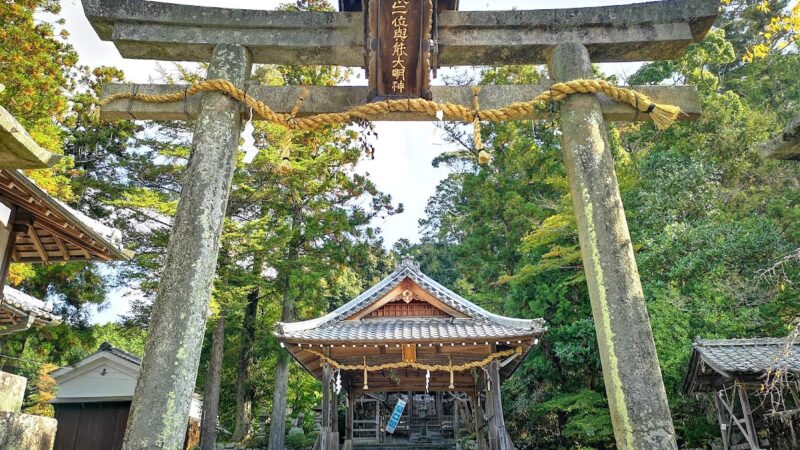
The grounds of Sanji Chionji Temple are enveloped in a quiet and dignified atmosphere befitting a nunnery. While usually closed to the public, its formality can be felt even from the temple gate.
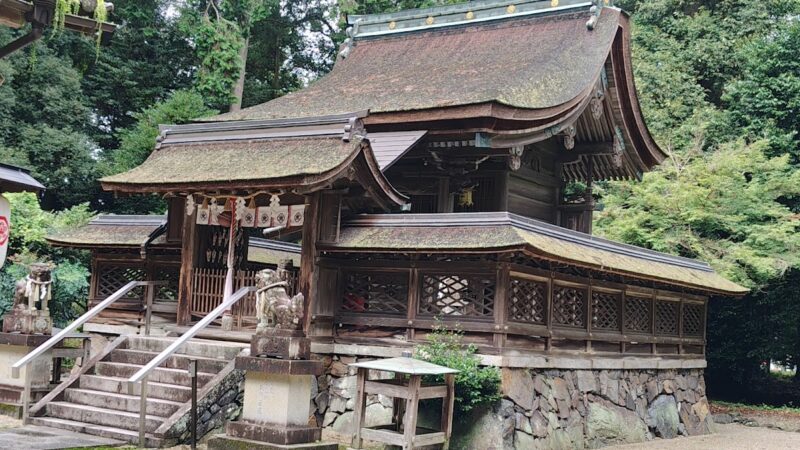
The buildings, rebuilt after the Great Fire of Tenmei, preserve the style of the late Edo period, possessing a simple yet dignified design. The harmony of white walls and tiled roofs is beautiful, blending seamlessly into Kyoto’s residential area while maintaining a unique presence.
About the Goshuin (Temple Seal)
Sanji Chionji Temple offers Goshuin. The Goshuin features the temple name and the name of the principal deity written in ink, along with the temple’s seal. As is typical of Jodo sect temples, the characters “Namu Amida Butsu” (Homage to Amida Buddha) are sometimes inscribed.
Those wishing to receive a Goshuin (temple stamp) must visit the temple directly on a day when it is open to the public. However, since the temple is usually closed to the public, it is recommended to check in advance whether it is open. It is important to bring your Goshuincho (stamp book) and make a polite request.
Visiting Information and Access
Visiting Hours and Admission Fee
Sanji Chionji Temple is generally closed to the public. While it may be open during special openings, it is not always open to the public.
- Normal Visiting Hours: Closed
- Special Openings: Irregular (Check information from Kyoto City or the Kyoto Tourism Association)
- Admission Fee: May be set during special openings
If you are planning a visit, it is recommended to contact the Kyoto City Tourism Association or the temple directly in advance.
Access Methods
Access by Train and Bus
Using Kyoto City buses is convenient for reaching Sanji Chionji Temple.
If using Kyoto City Bus:
- Get off at the “Kamitachiuri-dori Shinmachi Nishi-iri” bus stop, approximately 1 minute walk.
- Get off at the “Imadegawa Shinmachi” bus stop, approximately 5 minute walk.
- Get off at the “Horikawa Kamitachiuri” bus stop, approximately 7 minute walk.
If using the Subway:
- Get off at “Imadegawa Station” on the Kyoto Municipal Subway Karasuma Line, approximately 15 minute walk.
- Get off at “Marutamachi Station” on the Kyoto Municipal Subway Karasuma Line, approximately 20 minute walk.
Access by Car and Parking
If visiting by private car, it takes about 10 minutes from the center of Kyoto city. However, the temple’s dedicated parking lot is likely not open to the public, so we recommend using nearby coin-operated parking lots.
There are several paid parking lots around Kamigyo Ward, but they can be crowded during tourist season, so using public transportation is recommended.
Nearby Tourist Attractions
Many historical temples and shrines are within walking distance of Sanji Chionji Temple.
- Shiramine Shrine (approx. 10-minute walk): A shrine known as the god of kemari (traditional Japanese football).
- Seimei Shrine (approx. 15-minute walk): A shrine dedicated to Abe no Seimei, the Onmyoji (exorcist/diviner).
- Kitano Tenmangu Shrine (approx. 20-minute walk): The head shrine of Tenmangu shrines dedicated to Sugawara no Michizane, the god of learning.
- Kyoto Gyoen National Garden (approx. 15-minute walk): A vast national park including the Kyoto Imperial Palace.
- Shokokuji Temple (approx. 15-minute walk): A Zen temple founded by Ashikaga Yoshimitsu, the third shogun of the Muromachi shogunate.
Sanji Chionji Temple and the History of Kyoto
Kyoto and the Imperial Family during the Nanboku-cho Period
The mid-14th century, when Sanji Chionji Temple was founded, was a unique period in Japanese history known as the Nanboku-cho period. After the collapse of Emperor Go-Daigo’s Kenmu Restoration, the imperial court split into the Northern Court in Kyoto and the Southern Court in Yoshino, a situation of parallel existence that continued for approximately 60 years.
Emperor Go-Kōgon was the fourth emperor of the Northern Court (reigned 1352-1371), and the fact that his daughter, Princess Miko, founded Sanji Chion-ji Temple demonstrates the deep faith the Northern Court’s imperial family held in Buddhism. Furthermore, the conversion of Emperor Sukō’s former palace into a temple speaks to the strong ties within the imperial family.
Jōdo Buddhism and Kyoto
Jōdo Buddhism is a Buddhist sect founded in the early Kamakura period by Hōnen Shōnin (1133-1212). After studying at Mount Hiei, Hōnen Shōnin preached the doctrine of exclusive recitation of the Buddha’s name, which was accepted by a wide range of people, from aristocrats to commoners.
Kyoto has many Jōdo Buddhism temples, including Chion-in Temple, the head temple of the Jōdo Buddhism. Sanji Chion-ji Temple belongs to the Chion-in branch and, as a highly prestigious nunnery within the Jōdo Buddhism, occupies an important position in Kyoto’s religious history.
The fact that it was responsible for the third of the six daily services at the Imperial Court is a valuable example demonstrating that the Jodo sect’s practice of nembutsu (recitation of Amida Buddha’s name) was incorporated into court rituals.
The Great Tenmei Fire and Kyoto’s Reconstruction
The Great Tenmei Fire, which occurred on January 30, 1788 (Tenmei 8), is one of the largest fires in Kyoto’s history. The fire, which started near Miyagawa-cho east of the Kamo River, was fanned by strong winds and spread throughout the city, destroying many important buildings, including the Kyoto Imperial Palace, Nijo Castle, Higashi Honganji Temple, and Nishi Honganji Temple.
It is said that approximately 80% of Kyoto’s city center was destroyed in this fire, and the buildings of Sanji Chionji Temple were no exception. However, thanks to the efforts of the people of Kyoto, the temple was rebuilt and stands in its current form. The rebuilt buildings after the Great Tenmei Fire are also valuable cultural assets that tell the history of Kyoto’s reconstruction.
Points to Note and Etiquette When Visiting
Considerations for a Private Temple
Sanji Chionji Temple is a private nunnery that is generally closed to the public. Since it is still used as a place of training, please observe the following points when visiting:
- Avoid entering the temple grounds without permission: It is best to limit your visit to praying from the temple gate.
- Consideration for Photography: Please refrain from taking photographs of the temple grounds and buildings, especially respecting the privacy of the practitioners.
- Maintain Silence: As the temple is located in a residential area, please avoid loud conversations.
- Adhere to Rules During Special Openings: Please follow the temple’s instructions during special openings.
Etiquette When Receiving a Goshuin (Temple Stamp)
A Goshuin is not merely a stamp rally; it is a token of your visit. Please observe the following etiquette.
- Request a Goshuin (temple stamp) after praying: Face the main hall and bow in prayer before requesting a Goshuin.
- Prepare a Goshuincho (stamp book): Use a dedicated Goshuincho, not a notepad or scrap of paper.
- Prepare an offering: Generally around 300-500 yen.
- Use polite language: Ask politely, “May I receive a Goshuin?”
- Wait quietly while the stamp is being written: Limit smartphone use.
Clothing and Belongings
Please dress appropriately for visiting a temple.
- Appropriate attire: Avoid revealing clothing and opt for subdued attire.
- Shoes: Easy-to-remove shoes are convenient (especially if entering the building during special openings).
- Belongings: Goshuincho, offering, camera (if photography is permitted).
Significance of Visiting Sanji Chionji Temple
Touching Kyoto’s Hidden History
Sanji Chionji Temple is not a famous tourist spot like Kinkakuji or Kiyomizu-dera, but it is a valuable place where you can feel the deep history of Kyoto. As a temple with ties to the Imperial family dating back to the Nanboku-cho period, it embodies the layered history of Kyoto.
Because it is not open to the public, its quiet atmosphere preserves the spirit of that time even more vividly. You can experience the true essence of a temple, different from those bustling with tourists.
The Teachings of the Jodo Sect and Nembutsu Practice
Visiting Sanji Chionji Temple is also an opportunity to experience the teachings of the Jodo Sect. The Nembutsu practice of chanting “Namu Amida Butsu” is a simple practice that anyone can do, yet it holds profound religious meaning.
The teaching of exclusive Nembutsu preached by Honen Shonin is based on the idea of equality, that all people, regardless of social status or education, are saved by Amida Buddha’s original vow. In the tranquil atmosphere of Sanji Chionji Temple, you can reflect on these teachings of the Jodo Sect.
The Culture of Nunneries
Nuneries occupy a unique position in the history of Japanese Buddhism. Not only did female members of the imperial family and court nobles become nuns and use the temple as a place of spiritual training, but it also became a center of cultural activities.
Visiting Sanji Chionji Temple allows you to deepen your understanding of the relationship between women and Buddhism, the connection between the imperial family and Buddhism, and the diversity of Kyoto’s religious culture.
Annual Events at Sanji Chionji Temple
As a Jodo sect temple, Sanji Chionji Temple holds various Buddhist services and events throughout the year. However, as it is a private temple, the number of events open to the public is limited.
Main Annual Events
- New Year’s Day Memorial Service (January 1st): A memorial service to welcome the New Year
- Spring Equinox Service (Around the Spring Equinox): A memorial service for ancestors
- Birth Day Celebration (April): A memorial service celebrating the birth of Honen Shonin
- Obon Festival (August): A memorial service for the Obon festival
- Autumn Equinox Service (Around the Autumn Equinox): A memorial service for ancestors
- Memorial Service (January): A memorial service held on the anniversary of Honen Shonin’s death
These events are mainly held inside the temple, making general participation difficult in many cases. However, if they coincide with a special public opening, it may be possible to attend some of the services.
The Role of Sanji Chionji Temple in Kyoto Sightseeing
Sightseeing in the Kamigyo Ward Area
Kamigyo Ward, where Sanji Chionji Temple is located, is in the heart of Kyoto City and is an area where the Kyoto Imperial Palace and many historical buildings are concentrated. Unlike the bustling tourist areas of Higashiyama and Arashiyama, this area offers a tranquil atmosphere where you can experience Kyoto’s history.
Advantages of sightseeing in Kamigyo Ward:
- Relatively few tourists: Allows for leisurely sightseeing
- High concentration of historical buildings: Allows for efficient visits to multiple historical sites
- Experience the daily life of Kyoto: Creates a sense of local life
- Excellent access: Convenient transportation in the city center
Recommended sightseeing course
We suggest a sightseeing course in Kamigyo Ward, including Sanji Chionji Temple.
Half-Day Course (Primarily Walking):
- Kyoto Gyoen National Garden (Kyoto Imperial Palace)
- Shokokuji Temple
- Sanji Chionji Temple
- Shiramine Shrine
- Seimei Shrine
Full-Day Course (Walking and Bus):
Morning: Kyoto Gyoen National Garden → Shokokuji Temple → Sanji Chionji Temple → Shiramine Shrine
Lunch: Traditional townhouse cafes and Japanese restaurants around Kamigyo Ward
Afternoon: Seimei Shrine → Kitano Tenmangu Shrine → Daitokuji Temple
This course allows you to experience the diverse religious culture of Kyoto, including places associated with the Imperial Family, Zen temples, and shrines.
Summary: The Charm of Sanji Chionji Temple
Sanji Chionji Temple is a temple that is rarely featured prominently in tourist guidebooks, but it is extremely important for a deep understanding of Kyoto’s history.
Main Features of Sanji Chionji Temple
- Prestige as a Nunnery: A temple with a long history as a temple associated with the Imperial family.
- Important Jodo Sect Temple: A temple with a history of performing the three-hour service at the Imperial Palace.
- History from the Nanboku-cho Period: Founded by Princess Miko, daughter of Emperor Go-Kogon.
- Precious Principal Image: A statue of Master Shandao brought from Tang China.
- Reconstruction from the Great Fire of Tenmei: A reconstructed building that tells the story of Kyoto’s history.
- Tranquil Atmosphere: The temple’s original appearance is preserved due to its non-public nature.
Points to Note When Visiting
- Understand that it is generally a non-public temple.
- Check for special opening information in advance.
- Combine your visit with other nearby tourist spots.
- Be mindful of its location in a quiet residential area and observe proper etiquette.
- Study the history and culture of nunneries beforehand.
Sanji Chionji Temple may not be flashy, but it is a valuable temple that quietly conveys the deep history and culture of Kyoto. This spot is especially recommended for repeat visitors to Kyoto and those interested in Kyoto’s history.
Although it is often closed to the public and visitors usually only pay their respects from the gate, you can still feel the atmosphere of this prestigious nunnery, formerly known as “Irie Gosho.” Be sure to visit it during your Kyoto sightseeing trip.