Complete Guide to Buddha Temples: The Charm and Visiting Information of Historic Temples in Osaka and Yamanashi
Table of Contents
There are many temples named Buddha Temple throughout Japan. This article focuses on Buddha Temple in Taishi-cho, Osaka Prefecture, and Buddha Zen Temple in Fuefuki City, Yamanashi Prefecture, both of which are of particularly high historical value. We will provide detailed explanations of the history, cultural assets, highlights, and visiting information for each temple.
What is Buddha Temple?: Origin and Meaning of the Name
The name Buddha Temple originates from “Buddha,” the honorific title of Shakyamuni, the founder of Buddhism. In Sanskrit, “Buddha” means “awakened one” or “enlightened one,” referring to a being who has reached the highest state of enlightenment in Buddhism.
In Japanese Buddhist temples, temples bearing the name “Buddha” are relatively rare, and each temple has the mission of directly inheriting and spreading the teachings of Buddha. In modern times, they are often written as “Buddha Temple,” and both spellings are used.
Butsu-ji Temple in Taishi-cho, Osaka Prefecture: An Ancient Temple Associated with Shinran
Overview and History
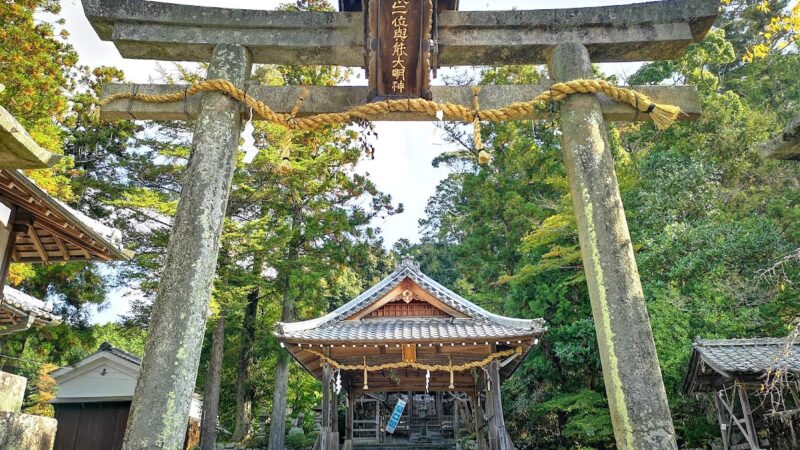
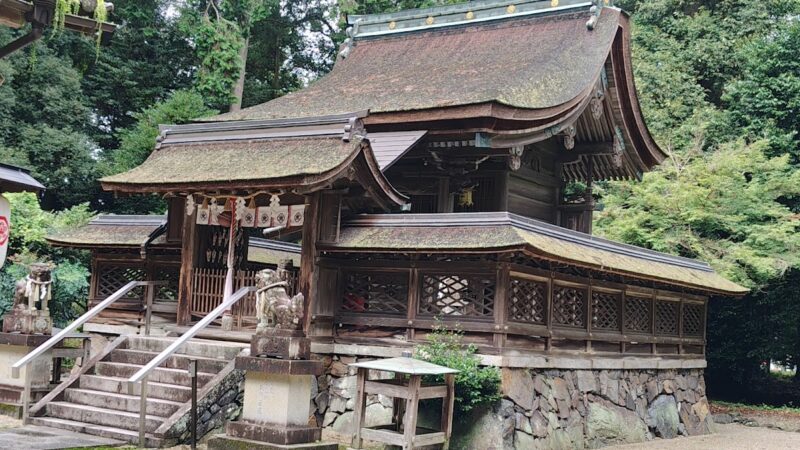
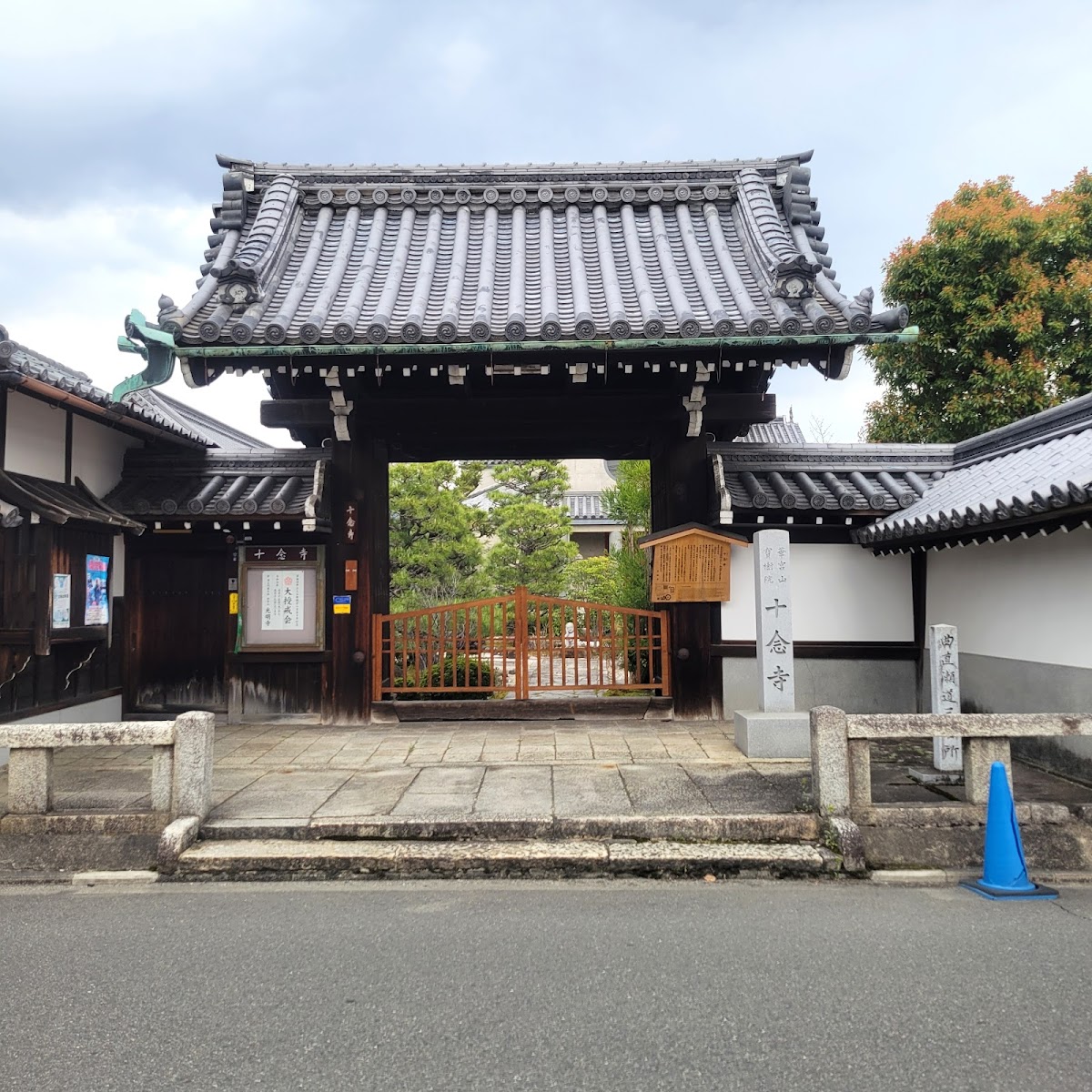
Butsu-ji Temple, located in Taishi-cho, Minamikawachi-gun, Osaka Prefecture, is a venerable Buddhist temple belonging to the Jodo Shinshu Honganji sect. While the exact founding date is unknown, records indicate that Shinran Shonin, a high-ranking priest of the Kamakura period, visited the temple, suggesting it existed at least before the Kamakura period.
Shinran Shonin is known as the founder of Jodo Shinshu Buddhism. Born in Kyoto in 1173, he trained at Mount Hiei before becoming a disciple of Honen Shonin. After conducting missionary work in the Kanto region, he is said to have returned to Kyoto in his later years and visited many temples. Since Butsuda-ji Temple in Taishi-cho was one of the places he visited, it can be said to be a temple of significant historical importance for Jodo Shinshu Buddhism.
Fire and Loss of Documents in the Edo Period
A major turning point in the history of Butsuda-ji Temple was a fire that occurred in the late Edo period. This fire destroyed not only the temple buildings but also most of the valuable documents related to the temple’s founding and history.
The loss of documents due to this fire is a major obstacle to unraveling the detailed history of Butsuda-ji Temple. However, efforts continue to unravel the temple’s history, albeit fragmentarily, through local oral traditions, records remaining in other temples, and archaeological investigations.
Butsuda-ji Tumulus: The Tomb of Soga no Kurayamada Ishikawa Maro
Within the grounds of Butsuda-ji Temple, there are archaeologically significant remains. This is the tumulus known as the “Buddha Temple Tumulus,” and it is believed to be the tomb of Soga no Kurayamada no Ishikawa Maro, a powerful local lord of the Asuka period.
Soga no Kurayamada no Ishikawa Maro is known for his role in the Taika Reforms (645 AD), where he, along with Prince Naka no Ōe (later Emperor Tenji) and Nakatomi no Kamatari, assassinated Soga no Iruka. He is also famous for establishing Yamada-dera Temple (present-day Sakurai City, Nara Prefecture), and he had a significant influence on the politics and culture of the Asuka period.
The Buddha Temple Tumulus has attracted the attention of archaeologists and historians as a site potentially connected to such historical figures. Investigations of the tumulus’s form and unearthed artifacts provide clues to understanding the funeral customs of the time and the history of the region.
Historical Background of Taishi Town
Taishi Town, where Buddha Temple is located, is known as a place associated with Prince Shōtoku (Prince Umayado). The town is home to numerous imperial tombs, including Eifuku-ji Temple (believed to be the burial place of Prince Shotoku), the tombs of Empress Suiko and Emperor Yomei, making it an extremely important area in the history of ancient Japan.
This region has long been one of the centers of Buddhist culture, with many temples being built. Buddha-ji Temple is also thought to have been founded amidst this flourishing Buddhist culture and functioned as a center of local faith.
Visiting Information and Access
Access to Buddha-ji Temple in Taishi-cho, Osaka Prefecture, is generally by bus or taxi from Kaminotaishi Station on the Kintetsu Minami-Osaka Line or Kishi Station on the Kintetsu Nagano Line. Visiting by car is also possible, and because there are many historical sites related to Prince Shotoku in the surrounding area, many tourists visit as part of a historical tour.
It is recommended to contact the temple in advance before visiting. As a Jodo Shinshu temple, memorial services and Buddhist rituals may be held, so checking the timing of your visit will allow for a more fulfilling experience.
Butsuden Zenji Temple, Fuefuki City, Yamanashi Prefecture: A Zen Training Center
Overview and Features
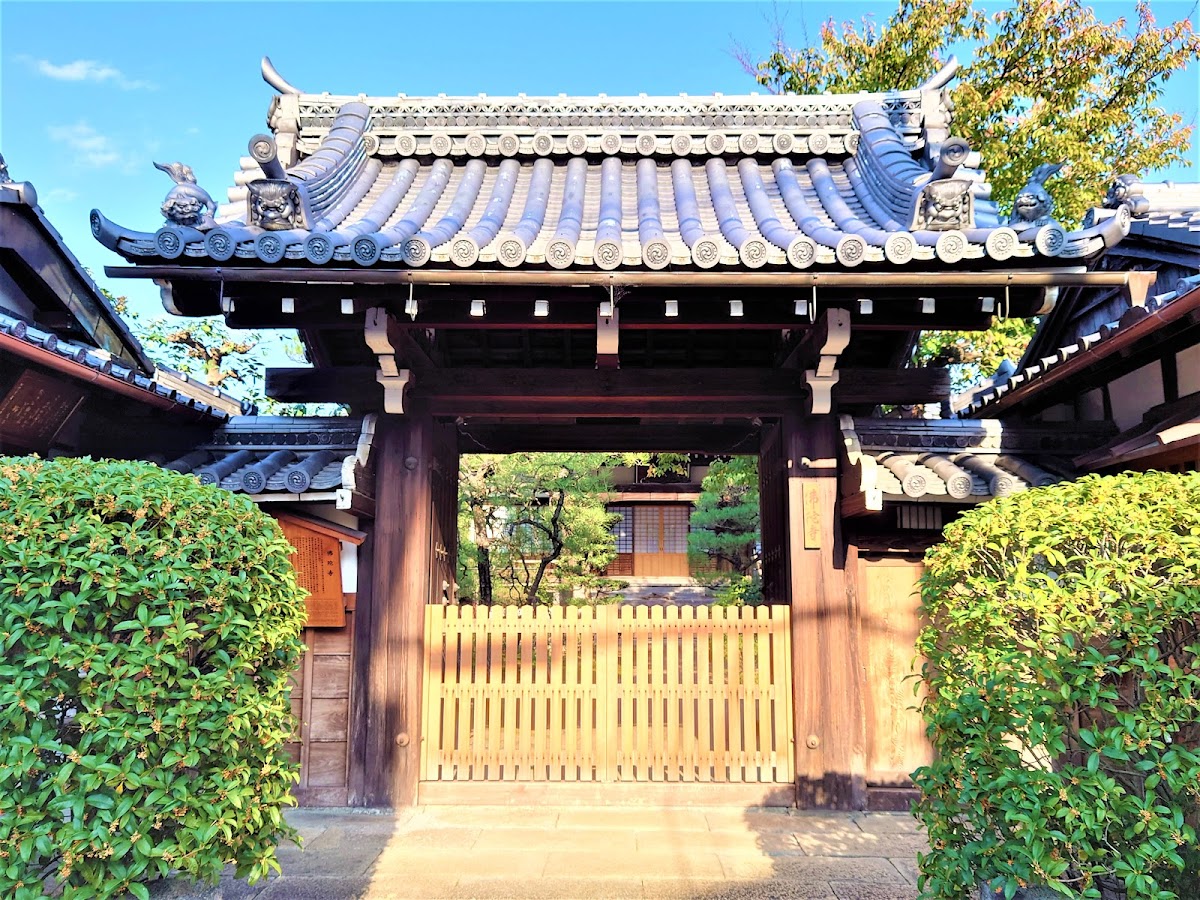
Butsuden Zenji Temple (Butsudenji), located in Fuefuki City, Yamanashi Prefecture, is known as a Zen Buddhist temple. While the Butsudenji Temple in Osaka belongs to the Jodo Shinshu sect, this temple has the character of a training center centered on Zen teachings.
Zen Buddhism is a branch of Buddhism that emphasizes the exploration of one’s inner self through seated meditation. It was introduced to Japan from China and became widely accepted, particularly among the samurai class, from the Kamakura period onward. Butsuden Zenji Temple is one of the temples that carries on this Zen tradition to the present day.
Highlights and Charms of the Temple Grounds
The grounds of Butsuden Zenji Temple have several points of interest that attract the attention of visitors and researchers. Numerous photos and experiences from visitors have been posted on temple and shrine information websites such as Omairi, and the seasonal changes in scenery and the tranquil atmosphere unique to Zen temples are highly praised.
Zen temples are characterized by their simple yet refined architecture, meticulously maintained gardens, and spaces for self-reflection in tranquility. Buddha Zen Temple inherits these Zen traditions, offering peace of mind to its visitors.
Regional Characteristics of Fuefuki City
Fuefuki City is located in the central part of Yamanashi Prefecture and is known for its thriving fruit cultivation. It is particularly famous for its peach and grape production, boasting a beautiful landscape often referred to as a “peach blossom paradise.”
Buddha Zen Temple is situated in this naturally rich environment, and one of its attractions is the opportunity to enjoy the scenery of each season while visiting. In spring, peach blossoms bloom, and in autumn, the fruit ripens, allowing visitors to experience Zen teachings amidst the scenery.
Visiting and Zen Meditation Experience
Many Zen temples offer experiential programs such as Zen meditation sessions and sutra copying sessions for the general public. Buddha Zen Temple may also offer such activities, so those interested are advised to inquire with the temple in advance.
Zen meditation is a practice that calms the mind by sitting quietly with correct posture and regulating breathing. It is often possible to experience it with guidance, even for beginners, and is considered effective for refreshing the mind and body in today’s stressful society.
Other Buddha Temples and Related Temples
Buddha Temples in China
There are also temples named Buddha Temple in China. According to Baidu Encyclopedia, there is a Buddha Temple believed to have been founded during the Ming Dynasty, and was formerly called “Foye Temple.” Although it suffered significant damage during wars and the Cultural Revolution, it was rebuilt in 2005, and Master Shi Jinyin was invited to serve as the head priest, a position he holds to this day.
As this example shows, the name “Buddha Temple” has a history of being used in East Asian Buddhist regions to refer to temples that directly transmit the teachings of Buddha.
Buddha Temple Related Materials in Kyoto
Historical materials related to Buddha Temple also exist in Kyoto. The archives of Buddhist University contain an academic paper titled “On the Deities of Buddha Temples,” which studies the Buddhist statues and beliefs of Buddha Temples in Kyoto.
Through such academic research, the cultural properties and characteristics of beliefs of Buddha Temples throughout Japan are being revealed, and their position in the history of Japanese Buddhism is being clarified.
Differences between Buddha Temples and Bodhi Temples
The term “Bodhi Temple” is often confused with “Buddha Temple.” These are completely different concepts, so let’s clarify them here.
What is a Bodhi Temple?
A Bodhi Temple is a temple where ancestral graves are located and funerals and memorial services are held. “Bodhi” originates from the Sanskrit word “bodhi,” meaning “enlightenment” or “awakening,” but in Japan, it is understood as a concept particularly associated with ancestor worship.
During the Edo period, the temple registration system made it mandatory for everyone to belong to a temple. This system served not only as religious control but also as a means of household registration, forming the basis of the modern family temple system.
Difference from Buddha Temple
“Buddha Temple” is the proper name of a specific temple, while “family temple” is a general noun representing a function or role. Therefore, while a Buddha Temple can be someone’s family temple, the two are fundamentally different concepts.
There are several temples throughout Japan that bear the name “family temple.” For example, Tachibana-dera Temple in Asuka Village, Nara Prefecture (official name: Buttozan Jogu Koin Bodaiji) and Osorezan Bodaiji Temple in Mutsu City, Aomori Prefecture are well-known. While these temples use “family temple” as their name, it is still a proper noun referring to a specific temple.
Significance and Modern Value of Visiting Buddha Temples
Dialogue with History
Visiting a Buddha Temple has significance beyond mere sightseeing. In particular, Butsudaji Temple in Taishi-cho, Osaka Prefecture, offers a valuable opportunity to trace the footsteps of Shinran Shonin and experience the history of Buddhism during the Kamakura period. Furthermore, the Butsudaji Kofun (ancient burial mound) within the temple grounds allows one to contemplate even older history, dating back to the Asuka period.
Spiritual Peace
Modern society is an information-overloaded and stressful environment. Visiting Butsudaji Temple, especially Zen temples like Butsuda Zenji in Yamanashi Prefecture, allows one to escape daily life and have time to reflect on oneself in silence. This will be a very important experience for mental and physical health.
Understanding Local Culture
Temples are the crystallization of the history and culture of their respective regions. By visiting Butsudaji Temple, one can understand the unique characteristics of the region, such as the worship of Prince Shotoku in Taishi-cho and the lifestyle and culture in harmony with nature in Fuefuki City.
Practical Advice for Visiting Buddha Temple
Etiquette for Visiting Temples
When visiting a temple, please observe the following basic manners:
- Bow when passing through the temple gate
- Behave quietly within the temple grounds and do not speak loudly
- Do not take pictures in areas where photography is prohibited
- Remove your hat and clasp your hands together when praying in the main hall
- Place your offering quietly, do not throw it
- Request a temple stamp (Goshuin) politely
Best Time to Visit
The best seasons to visit vary depending on the temple. Cherry blossoms and autumn leaves offer particularly beautiful scenery, but these can also be crowded. If you wish to pray in peace, visiting on weekdays or early in the morning is recommended.
Preparations Before Visiting
It is recommended to prepare the following before your visit:
- Check the latest information on the temple’s official website and social media.
- Check access methods and travel time.
- Check visiting hours and whether there is an entrance fee.
- Check the schedule for special viewings and events.
- Prepare your Goshuincho (stamp book) if you plan to bring one.
The Future of Butsudaji Temple: Preservation and Inheritance
Value as a Cultural Asset
Historical temples like Butsudaji Temple are not merely religious facilities, but possess value as Japanese cultural assets. Diverse cultural assets, including buildings, Buddhist statues, ancient documents, and burial mounds within the temple grounds, are preserved, and passing these on to future generations is a crucial challenge.
Collaboration with the Community
Modern temples are also expected to play a central role in local communities. Butsudaji Temple continues to work in collaboration with the local community, engaging in local history education, promoting tourism, and serving as a place of spiritual healing.
Temples in the Digital Age
In recent years, many temples have been using the internet and social media to disseminate information. New forms of Buddhist transmission are beginning, such as online Dharma talks, Zen meditation sessions, and virtual temple visits. Buddha Temple will also continue to adapt to the times, devising ways to convey the Buddha’s teachings to the modern world.
Summary: The Buddha’s Teachings as Conveyed by Buddha Temple
While each temple bearing the name Buddha Temple has its own distinct history and characteristics, they all share the common mission of transmitting the Buddha’s teachings to the modern age. Buddha Temple in Taishi-cho, Osaka Prefecture, is a Jodo Shinshu temple associated with Shinran Shonin, while Buddha Zen Temple in Fuefuki City, Yamanashi Prefecture, is a Zen training center. Each temple transmits Buddhist wisdom in its own way.
In modern society, temples are not merely relics of the past, but continue to be important places for people seeking peace of mind. Visiting Buddha Temple offers an opportunity to connect with history, reflect on oneself, and touch upon the essence of the Buddha’s teachings.
Buddhist temples scattered throughout Japan are deeply intertwined with the history and culture of their respective regions, preserving the traditions of Buddhism. Visiting these temples and experiencing their history and spirituality will enrich our hearts and bring new perspectives to our lives.