Hoonji Temple (Kamigyo Ward, Kyoto Prefecture) Complete Guide | The Legend of the Roaring Tiger and the Charm of Important Cultural Properties
Hoonji Temple, located on Teranouchi Street in Kamigyo Ward, Kyoto City, is an ancient Jodo sect temple affectionately known as “Nakitora” (Roaring Tiger). Its mountain name is Gyotenzan, and its temple name is Butsugain. It enshrines the Amida Triad as its principal image. It has a history of being relocated to its current location due to Toyotomi Hideyoshi’s urban planning, and is also known for its deep connections with Sengoku period warlords, including Kuroda Nagamasa.
This article will comprehensively cover the charm of Hoonji Temple, from its history and highlights within the grounds to its important cultural properties and access information.
History of Hoonji Temple
Founding and Early History
Hoonji Temple was founded in 1501 (Bunki 1) by Ryōyo Shōgei, a Jōdo sect monk. Ryōyo Shōgei was a monk of the Seizan branch of the Jōdo sect, and initially established the temple in what is now Nakagyō-ku, Kyoto City. From its inception, it was a temple that attracted many followers as a training ground for Amida Buddhism.
Ryōyo Shōgei spread the teachings of the Jōdo sect and developed Hoonji Temple as a base for Nembutsu practice. The temple’s name, “Hōon,” represents the fundamental Buddhist spirit of repaying the Buddha’s kindness.
Toyotomi Hideyoshi’s Urban Planning and Relocation
A significant turning point in the history of Hoonji Temple was the urban redevelopment of Kyoto carried out by Toyotomi Hideyoshi during the Tenshō era (1573-1592). When Hideyoshi was developing the city of Kyoto, he implemented the “Temple Town Policy,” which involved concentrating temples in specific areas.
As a result of this policy, Hoonji Temple was relocated to its current location in Iba-cho, Ogawa-dori Teranouchi-sagaru, Kamigyo-ku. Many temples were gathered around Teranouchi-dori, and the name “Teranouchi” still remains today. This relocation allowed Hoonji Temple to develop in a new environment.
Deep Connection with Kuroda Nagamasa
An essential aspect of discussing Hoonji Temple is its relationship with the Sengoku period warlord Kuroda Nagamasa (1568-1623). Kuroda Nagamasa served Toyotomi Hideyoshi and Tokugawa Ieyasu, and greatly contributed to the Eastern Army’s victory at the Battle of Sekigahara. He became the first lord of the Chikuzen Fukuoka Domain, with a 520,000 koku stipend.
Kuroda Nagamasa was a devout follower of Hoonji Temple and made significant contributions to its development and the construction of its temple buildings. In particular, during the Keicho era (1596-1615), it is said that the temple supported the construction of major buildings, including the main hall. It also served as the family temple of Nagamasa, and the relationship between the Kuroda family and Hoonji Temple continued throughout the Edo period.
From the Edo Period to the Modern Era
During the Edo period, Hoonji Temple maintained stable operation as a Jodo sect temple. It attracted the faith of samurai families and court nobles, including the Kuroda family, and held an important position among Jodo sect temples in Kyoto.
The impact of the anti-Buddhist movement of the Meiji era was relatively minor, allowing the temple to preserve many cultural properties and buildings. During the Showa era, the main hall and gardens were restored, and they have been preserved in good condition to this day.
The Origin and Legend of “Nakitora”
Hoonji Temple is widely known by the nickname “Nakitora” (鳴虎). An interesting legend surrounds this name.
Details of the Roaring Tiger Legend
According to a legend passed down at the temple, the main hall of Hoonji Temple once had a tiger painting on a sliding screen, painted by a Kano school artist. The painting was so lifelike that it is said to have escaped from the screen every night and roared.
The tiger’s roars were so loud that the monks were at their wit’s end. A high-ranking monk then sealed the painting with a rope, and the tiger finally became quiet.
From this legend, Hoonji Temple came to be known as “Naru-tora” (Roaring Tiger) and has been cherished by the local people. Even today, it is known as “Naru-tora Hoonji” and attracts many visitors.
Tigers and Buddhist Culture
Tigers are an important motif in Buddhist art. Especially in Zen Buddhism, tigers are often depicted as symbols of bravery and spirituality, and many temples retain tiger paintings on sliding screens and folding screens. The legend of the Roaring Tiger at Hoonji Temple is situated within this tradition of Buddhist art.
Highlights of the Temple Grounds
Hoonji Temple’s grounds offer many points of interest, including historical buildings and beautiful gardens.
Main Hall
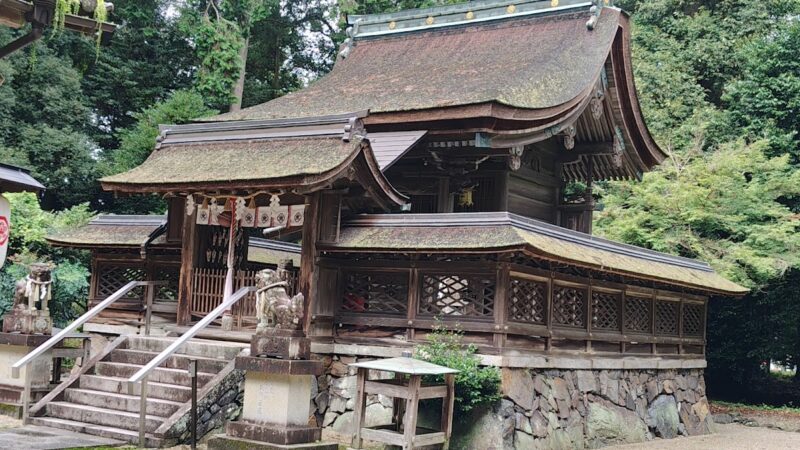
The main hall of Hoonji Temple is believed to have been built during the Keicho era in the early Edo period. It is a magnificent building with a hipped roof and tiled roof, exhibiting the typical form of a Jodo sect temple.
Inside the main hall, the principal image, the Amida Triad, is enshrined. This Amida Triad is attributed to Kaikei and exhibits the characteristics of excellent Buddhist sculpture from the Kamakura period. Kaikei, along with Unkei, is a representative Buddhist sculptor of the Kamakura period, known for his refined and elegant style.
The architectural style of the main hall preserves its original form from when it was built with the support of Kuroda Nagamasa, making it a valuable surviving example of Jodo sect temple architecture in Kyoto.
Garden
Hoonji Temple has a beautiful dry landscape garden. This garden is believed to have been created in the early Edo period and is a Zen-like space composed of white sand and stone arrangements.
The garden’s characteristic feature lies in its simple yet profound spatial expression. The skillful placement of stones of various sizes and the technique of representing the flow of water through ripples in the white sand are inherited from the tradition of Kyoto’s dry landscape gardens.
The garden’s beauty is particularly striking during the seasons of fresh greenery in spring and vibrant autumn foliage, attracting many visitors. The garden can be viewed from the main hall, providing a space for peaceful contemplation.
Temple Gate
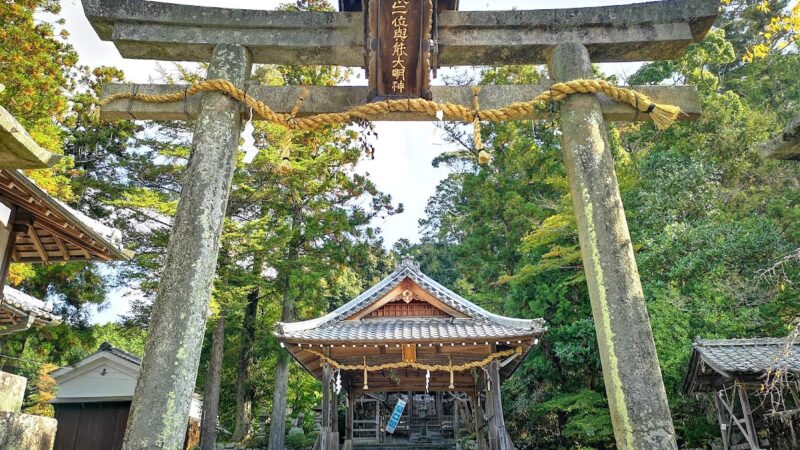
The temple gate of Hoonji Temple is a magnificent gate facing Teranouchi Street. Its gabled roof and tiled roof are typical of Edo-period temple gates.
The temple gate bears the mountain name “Gyotenzan,” welcoming visitors. Passing through the gate, one enters a tranquil temple grounds, experiencing a sense of stepping into a different world away from the hustle and bustle of the city.
Other Buildings
Besides the main hall, the temple grounds also include the priest’s quarters, bell tower, and cemetery. These buildings were constructed from the Edo period to the modern era and continue to maintain the temple’s functions.
Important Cultural Properties and Cultural Assets
Hoonji Temple houses valuable cultural assets designated as National Important Cultural Properties.
Painted Silk Scroll of the Buddha’s Nirvana
The most important cultural asset held by Hoonji Temple is the “Painted Silk Scroll of the Buddha’s Nirvana,” designated as a National Important Cultural Property.
This Nirvana painting depicts the scene of Shakyamuni Buddha’s death and is believed to be a work from the Muromachi period. On a large canvas several meters in both height and width, Shakyamuni Buddha lies beneath a pair of sal trees, surrounded by mourning disciples, bodhisattvas, and animals, all depicted in meticulous detail.
The colors are remarkably well-preserved, with vibrant hues such as gold leaf, ultramarine, and vermilion still remaining. The Nirvana painting is often displayed around March 15th each year during the Nirvana Ceremony, attracting many visitors during this time.
Other Cultural Properties
In addition to the Nirvana painting, Hoonji Temple possesses the following cultural properties:
- Amida Triad Statues: These Kamakura period Buddhist statues are enshrined as the principal image. Attributed to Kaikei, they are characterized by their elegant style.
- Ancient Documents: Historically valuable materials such as letters from warlords including Kuroda Nagamasa and documents concerning temple lands are preserved.
- Buddhist Altarware: Buddhist altarware and ritual implements from the Edo period, used in Jodo sect ceremonies, remain.
These cultural properties are usually not open to the public, but may be viewable on special occasions.
Access and Visiting Information
Address
579 Ibacho, Ogawa-dori Teranouchi-sagaru, Kamigyo-ku, Kyoto City, Kyoto Prefecture 602-0066
Phone Number
075-414-1550
Transportation Access
By City Bus
- Get off at the “Horikawa Teranouchi” bus stop (Kyoto City Bus), approximately 5 minutes on foot
- Get off at the “Tenjin Koen-mae” bus stop (Kyoto City Bus), approximately 7 minutes on foot
By Subway
- Get off at “Kuramaguchi” Station (Kyoto Municipal Subway Karasuma Line), approximately 15 minutes on foot
- Get off at “Imadegawa” Station (Kyoto Municipal Subway Karasuma Line), approximately 20 minutes on foot
Access from Kyoto Station
- Take City Bus Route 9 from Kyoto Station, get off at “Horikawa Teranouchi”
- Travel time: Approximately 30 minutes
By Car
- Approximately 30 minutes from the “Kyoto Minami IC” on the Meishin Expressway
- Parking: Limited spaces available (advance confirmation recommended)
Visiting Hours and Admission Fee
Hoonji Temple is generally a closed temple. Normally, only the exterior can be viewed. However, special openings may occur on the following occasions:
- Nirvana Ceremony (mid-March): The Nirvana painting may be displayed.
- Kyoto’s Special Public Opening of Non-Public Cultural Properties: May be open during special opening periods held in spring and autumn.
If you wish to visit, it is recommended to inquire by phone in advance.
Visiting Etiquette
- Hoonji Temple is a temple that still conducts religious activities. Please visit in silence.
- Please check in advance whether photography is permitted.
- Please refrain from eating, drinking, or smoking on the temple grounds.
- Please avoid directly touching cultural properties.
Nearby Attractions
The Teranouchi area, where Hoonji Temple is located, has many historical temples and tourist attractions.
Temples in the Teranouchi-dori Area
Around Hoonji Temple, many temples are scattered, gathered together under Toyotomi Hideyoshi’s temple town policy.
- Honpoji Temple: A Nichiren Buddhist temple housing Hasegawa Tohaku’s masterpiece, the “Buddha’s Nirvana Painting.”
- Myokenji Temple: A head temple of the Nichiren sect, known for its beautiful garden.
- Suika Tenmangu Shrine: A shrine dedicated to Sugawara no Michizane, worshipped as the god of learning.
Nishijin Area
Within walking distance of Hoonji Temple lies the Nishijin area, the heartland of Nishijin weaving, a traditional Kyoto industry.
- Nishijin Textile Center: A facility where you can learn about the history and production process of Nishijin weaving.
- Ori-Sei-Kan: A Nishijin weaving museum exhibiting valuable textiles.
Kitano Tenmangu Shrine
Located approximately 1.5 km west of Hoonji Temple, Kitano Tenmangu Shrine is the head shrine of all Tenmangu shrines nationwide, dedicated to Sugawara no Michizane, the god of learning. It is also known as a famous spot for plum blossoms and autumn leaves, attracting many visitors throughout the year.
Points to Note When Visiting Hoonji Temple
Recommended Time to Visit
While you can view the exterior of Hoonji Temple year-round, the following times are particularly recommended:
- Mid-March (Nirvana Day): The Nirvana painting, a nationally important cultural property, may be on display.
- Spring (April-May): The fresh greenery is beautiful, and you can enjoy the tranquil atmosphere of the temple grounds.
- Autumn (November): The beauty of the garden is particularly striking during the autumn foliage season.
- Special Opening Period: During the special openings of Kyoto’s normally closed cultural properties in spring and autumn, it may be possible to view the interior, which is usually closed to the public.
Estimated Time Required
Viewing the exterior only takes about 15-20 minutes. If viewing the interior during a special opening, allow 30 minutes to 1 hour. If visiting other nearby temples, it is recommended to allocate about half a day.
Photography
Photography of the main gate and exterior is permitted, but there may be restrictions on photography inside. Photography rules may be set during special openings, so be sure to check before taking pictures.
Annual Events at Hoonji Temple
As a Jodo sect temple, Hoonji Temple holds the following annual events:
Main Buddhist Services and Events
- Shōshō-e (January): A Buddhist service to welcome the New Year.
- Nirvana-e (around March 15th): A Buddhist service commemorating the passing of Shakyamuni Buddha. A Nirvana painting may be displayed.
- Hanamatsuri (April 8th): A Buddhist service celebrating the birth of Shakyamuni Buddha.
- Obon Memorial Service (August): A memorial service for ancestors.
- Higan-e (around the Spring and Autumn Equinoxes): A memorial service for ancestors.
These events are primarily for temple members, but general public participation may be possible. Please inquire with the temple for details.
Significance of Hōonji Temple Research
Hōonji Temple is an important subject of research in Japanese religious history, art history, and architectural history.
Position in the History of Jōdo Buddhism
Hōonji Temple is an important example of the development of Jōdo Buddhism temples in Kyoto. The activities of Ryōyo Shōkei Shōnin and the subsequent history of temple management provide valuable information for understanding the regional expansion of the Jōdo sect.
Contribution to Urban History Research
As a concrete example of temple relocation during Toyotomi Hideyoshi’s reconstruction of Kyoto, the history of Hōonji Temple is important in urban history research. The case of Hōonji Temple is indispensable for understanding the formation process of the temple cluster around Teranouchi-dori.
Relationship between Samurai and Temples
The relationship between Kuroda Nagamasa and Hōonji Temple is a good example of the relationship between samurai and temples from the Sengoku period to the early Edo period. Historical materials from Hōonji Temple provide valuable information for understanding the faith of samurai and the reality of their support for temples.
Summary
Hōonji Temple, located in Kamigyo-ku, Kyoto City, is an ancient Jōdo sect temple affectionately known as “Narutora.” Since its founding in 1501, it has been closely intertwined with the history of Kyoto, including relocation due to Toyotomi Hideyoshi’s urban planning and support from Kuroda Nagamasa.
This temple boasts many attractions, including a Nirvana painting designated as an Important Cultural Property, a main hall built in the early Edo period, and a beautiful dry landscape garden. While normally closed to the public, special openings offer the opportunity to experience its history and cultural treasures up close.
Located in the historic temple district of Teranouchi-dori, Hoonji Temple is a place where you can feel the profound history and culture of Kyoto. When visiting Kyoto, be sure to stop by this tranquil ancient temple.
The history and cultural treasures of Hoonji Temple are the culmination of Kyoto’s faith and art accumulated over more than a thousand years. For us living in the modern age, Hoonji Temple quietly speaks to us about the importance of protecting such cultural heritage and passing it on to future generations.