Genbu Shrine (Kyoto Prefecture) Complete Guide | The Northern Guardian Shrine of the Yasurai Festival and the Four Divine Beasts Worship
Genbu Shrine, located in Murasakino Unrin-in-cho, Kita-ku, Kyoto City, is an ancient shrine with over a thousand years of history as a guardian shrine of the north of Heian-kyo (Kyoto). Known as the birthplace of the “Genbu Yasurai Festival,” one of Kyoto’s three great unusual festivals, it is popular with many worshippers for its blessings of protection against evil and misfortune based on the Four Divine Beasts belief. This article comprehensively introduces information you should know before visiting, from the history of Genbu Shrine, its enshrined deities, details of the Yasurai Festival, to access methods.
What is Genbu Shrine? | Guardian Shrine of the North of Heian-kyo
Genbu Shrine is located northwest of the Kyoto Imperial Palace and was founded as a guardian shrine of the north of Heian-kyo. The shrine’s name, “Genbu,” refers to one of the Four Divine Beasts (Azure Dragon, White Tiger, Vermilion Bird, and Black Tortoise) based on the Chinese Yin-Yang Five Elements philosophy, and is a divine beast that guards the north. Genbu is depicted as a turtle with a snake coiled around it and has been worshipped as a guardian deity of longevity and water.
Heian-kyo (Kyoto) was designed based on the principles of feng shui, and was believed to have a topography corresponding to the Four Symbols: Azure Dragon (Kamo River) to the east, White Tiger (San’in Road) to the west, Vermilion Bird (Ogura Pond) to the south, and Genbu (Funayama) to the north. Genbu Shrine played a crucial role in protecting the northern region and thus held an important position in safeguarding the imperial city.
It is also known by other names such as “Kame no Miya,” “Koretaka no Yashiro,” and “Akasha,” and is beloved by the local people. The name “Kame no Miya” in particular derives from the turtle, a symbol of Genbu, and is linked to the belief in prayers for longevity.
Deity Enshrined | History of the Shrine’s Deity, Prince Koretaka
The deity enshrined at Genbu Shrine is Prince Koretaka. Prince Korechika was a member of the imperial family during the early Heian period, born as the eldest son of Emperor Montoku. Due to his mother’s low social status, he was excluded from the line of succession, and his half-brother, Prince Korehito (later Emperor Seiwa), ascended the throne.
Prince Korechika excelled in scholarship and was particularly skilled in woodworking, leading to his reverence as the ancestral deity of woodworkers. After becoming a monk, he is said to have lived in seclusion in Ohara and Ono in Kyoto, contributing to the development of woodworking arts. Due to his character and virtuous reputation, he was deified after his death.
There are various theories as to why Genbu Shrine came to enshrine Prince Korechika, but it is believed that his deep connection to the northern Kyoto region and his popularity among the people are contributing factors. Special rituals are sometimes held on May 5th, the anniversary of the prince’s death.
Genbu Yasurai Festival | One of Kyoto’s Three Great Unusual Festivals
The most famous event at Genbu Shrine is the “Genbu Yasurai Festival,” held annually on the second Sunday of April. Along with the Kurama-dera Fire Festival and the Koryu-ji Cow Festival, it is considered one of Kyoto’s three great unusual festivals and is designated as a National Important Intangible Folk Cultural Property.
History and Origins of the Yasurai Festival
The origins of the Yasurai Festival date back to the Heian period. During the Koho era (964-968), when an epidemic broke out, the Hanashizume-no-Matsuri (Flower Calming Festival) was held at Imamiya Shrine by imperial decree. At that time, it was believed that epidemics occurred around the time when flowers fell in spring, and the festival aimed to prevent disease by appeasing the spirits of the flowers.
History and Origins of the Yasurai Festival
The origins of the Yasurai Festival date back to the Heian period. It is said to have begun during the Koho era (964-968), when an epidemic broke out and the Hanashizume-no-Matsuri (Flower Calming Festival) was held at Imamiya Shrine by imperial command. At that time, it was believed that epidemics would spread around the time when flowers fell in spring, and the festival sought to prevent disease by calming the spirits of the flowers.
The name “Yasurai” in the Yasurai Festival originates from the words “Yasurai” (夜須礼) and “Yasurau” (安らう), meaning to appease the god of disease and pray for good health. The Yasurai Festival at Genbu Shrine is a precious folk event that carries on the tradition of this flower-appeasing festival to this day.
Festival Contents and Highlights
The most distinctive features of the Yasurai Festival are the brightly colored flower umbrellas, the unique music, and the procession of dancers wearing demon masks. Red-haired and black-haired demons carry large flower umbrellas and parade through the town dancing to the music of flutes and drums, chanting “Yasurai Hana ya!” (Yasurai flower ya!).
The flower umbrellas are about 2 meters in diameter and decorated with colorful artificial and fresh flowers. There is a legend that standing under these umbrellas will bring good health for a year, and many worshippers can be seen trying to stand beneath them.
The procession departs from Genbu Shrine, parades through the parish area of Murasakino, and then returns to the shrine. Along the way, the demons dance wildly, sometimes making gestures as if leaping towards the spectators, performing actions to drive away plague gods. This bizarre behavior is the reason it’s called a “bizarre festival.”
In 1979, the cultural value of this traditional event was recognized, and it was designated a National Important Intangible Folk Cultural Property. It is still carefully preserved by the local people and has become a springtime Kyoto tradition, attracting many tourists and researchers every year.
Divine Blessings and Virtues | Protection from Evil and Misfortune
Genbu Shrine is believed to offer various blessings due to its location and enshrined deity.
Protection from Evil and Misfortune
The most representative blessings are protection from evil and misfortune. Since Genbu is a divine beast that guards the north, it is believed to have the power to protect against disasters related to the “north” direction. Many people visit this shrine if they have problems with the north side of their house according to feng shui principles, or when traveling or moving to the north. As a shrine that protects the northern direction of each household, it attracts worshippers seeking protection from negative influences.
Protection from Disease and Good Health
Since the origin of the Yasurai Festival lies in the eradication of disease, it is also widely known for its benefits in protecting against disease and praying for good health. It is particularly popular during the spring transition, a time when people are prone to illness.
Prayer for Longevity
The turtle, a symbol of Genbu (the Black Tortoise), has been considered a symbol of longevity since ancient times. Therefore, Genbu Shrine is believed to grant blessings for longevity, and many families visit to pray for the health of the elderly or to celebrate Respect for the Aged Day. Its alternative name, “Kame no Miya” (Turtle Shrine), is also deeply connected to this belief.
Business Prosperity
Because Prince Korechika contributed to the development of woodworking techniques, the shrine is also worshipped as the guardian deity of craftsmen and merchants. The shrine is particularly revered by woodworkers and other artisans, and attracts visitors praying for business prosperity and skill improvement.
Highlights of the Shrine Grounds
While the grounds of Genbu Shrine are not vast, they offer a tranquil atmosphere dotted with historical sites.
Main Hall
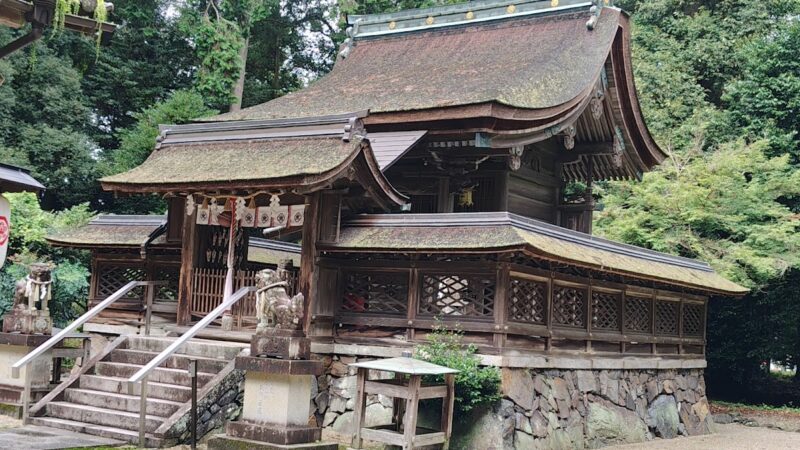
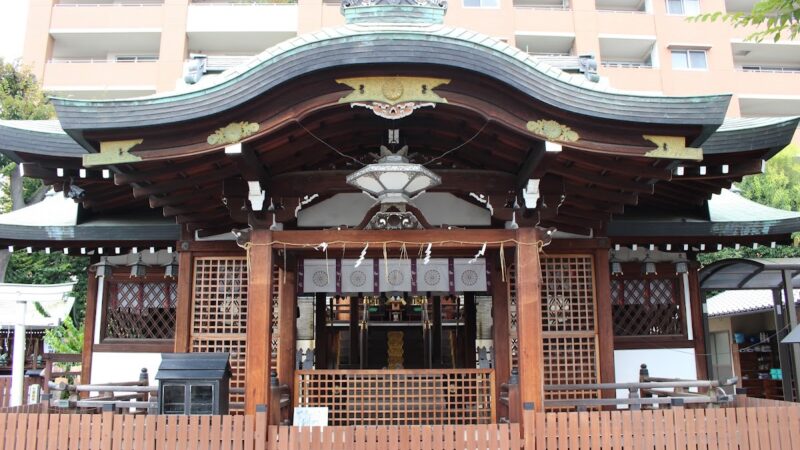
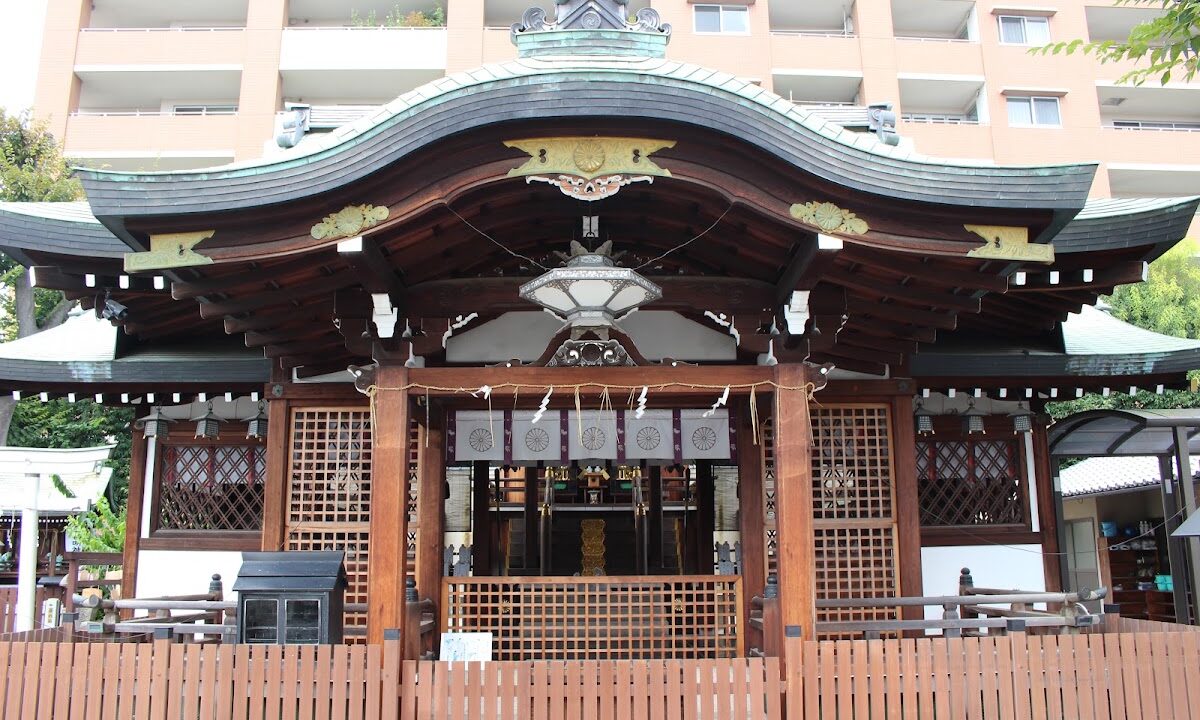
The main hall, though simple, is dignified in its construction and enshrines Prince Korechika. Visitors offer prayers for protection against misfortune and evil in front of the main hall. The area surrounding the main hall is adorned with decorations and carvings symbolizing the Four Symbols belief, showcasing the unique characteristics of Genbu Shrine.
Torii Gate and Shrine Name Marker
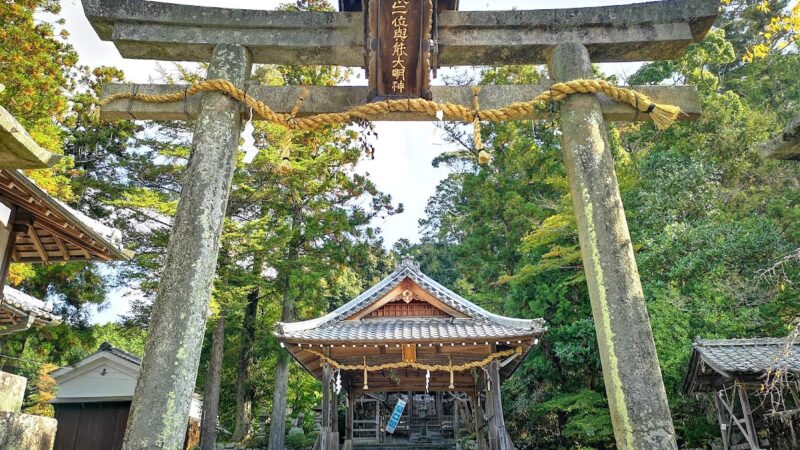
The torii gate at the entrance to the grounds is simple yet exudes a sense of history. Upon passing through the gate, one immediately sees the shrine name marker inscribed with “Genbu Shrine.” While relatively new, this marker is an important indicator of the shrine’s status.
Subsidiary Shrines
In addition to the main shrine, several subsidiary shrines are enshrined within the grounds. It is believed that by visiting these subsidiary shrines as well, one can receive a greater number of blessings, including protection from evil, business prosperity, and longevity. This shrine, known as a “three-in-one” shrine, is popular with visitors for its efficient acquisition of multiple blessings.
Yasurai Festival Related Exhibits
Even outside of the Yasurai Festival period, the shrine grounds and surrounding area sometimes display the flower umbrellas and costumes used in the festival. Seeing the actual festival equipment up close allows visitors to feel the power and tradition of this unique festival.
Goshuin (Shrine Seal) Information
Genbu Shrine offers Goshuin. Goshuin are important symbols connecting the shrine and its visitors, and many receive them as a memento of their visit.
The Goshuin features the calligraphy and red seal of “Genbu Shrine,” creating a simple yet powerful impression. During the Yasurai Festival, special goshuin (temple/shrine stamps) may be available, so it’s a good idea to check in advance if you plan to visit during this period.
Goshuin are generally available during the hours the shrine office is open. However, since Genbu Shrine is a small shrine, the office is not always open. If you want to be sure to receive a goshuin, it is recommended to call ahead or visit during events such as the Yasurai Festival.
Even if you don’t have a goshuin book, pre-printed goshuin may be available. The offering fee is similar to that of most shrines, around 300 to 500 yen.
Access | How to get there by train and bus
Genbu Shrine is located in Kita-ku, Kyoto City, and is easily accessible by public transportation.
Access by train
The nearest station is Kuramaguchi Station on the Kyoto Municipal Subway Karasuma Line. Genbu Shrine is approximately a 15-minute walk from Kuramaguchi Station. The easiest route is to exit the station and head northwest, then proceed north along Horikawa Street.
From Kyoto Station to Kuramaguchi Station, it takes about 15 minutes on the Karasuma Subway Line. It’s easily accessible from the city center, making it a convenient stop during sightseeing.
Access by Bus
If using the bus, Kyoto City Buses are convenient. The main nearest bus stops are as follows:
- “Horikawa Kuramaguchi” bus stop: Approximately 5 minutes on foot after alighting
- “Daitokuji-mae” bus stop: Approximately 5 minutes on foot after alighting
From Kyoto Station, the most common route is to take City Bus routes 206 or 9 and get off at “Horikawa Kuramaguchi.” The journey takes about 30 minutes, but this may vary depending on traffic conditions.
Access by Car and Parking
If traveling by car, it’s about 30 minutes from the Meishin Expressway “Kyoto Minami IC” and about 25 minutes from the “Kyoto Higashi IC.” However, since Genbu Shrine does not have its own parking lot, you will need to use a nearby coin-operated parking lot.
On the day of the Yasurai Festival, surrounding roads will be congested and traffic restrictions may be in place, so we strongly recommend using public transportation.
Nearby Tourist Attractions
Many famous Kyoto tourist spots are scattered around Genbu Shrine.
Daitoku-ji Temple
Located about a 10-minute walk from Genbu Shrine, Daitoku-ji Temple is the head temple of the Rinzai sect’s Daitoku-ji branch. Its vast grounds contain many sub-temples, where you can enjoy the essence of Japanese culture, including dry landscape gardens and tea rooms. The gardens of Daisen-in and Koto-in are particularly worth seeing.
Imamiya Shrine
Located about a 15-minute walk from Genbu Shrine, Imamiya Shrine is a shrine deeply connected to the Yasurai Festival. Known as a shrine associated with Keishoin, the origin of the phrase “tamakoshi” (marrying into wealth), it is believed to bring good fortune and success in finding a partner. The “aburi mochi” (grilled rice cakes) sold along the approach to the shrine are also a local specialty.
Funayama Hill
Funayama Hill, considered a symbol of the northern protection of Heian-kyo (Kyoto), is located about a 10-minute walk from Genbu Shrine. It’s a small hill 112 meters high, offering panoramic views of Kyoto city from its summit. It’s also known as a famous spot for cherry blossoms in spring and autumn foliage.
Kinkaku-ji Temple (Rokuon-ji Temple)
Kinkaku-ji Temple, a World Heritage Site, is about a 25-minute walk or a 10-minute bus ride from Genbu Shrine. The golden reliquary hall is a representative Kyoto landmark, attracting many tourists from both Japan and abroad.
Manners and Precautions for Visiting a Shrine
When visiting Genbu Shrine, please note the following points:
Basic Worship Etiquette
The basic etiquette for visiting a shrine is “two bows, two claps, one bow.” Bow before passing through the torii gate, purify yourself at the water basin, and then proceed to the main hall. At the main shrine, bow deeply twice, clap your hands twice, and finally bow once before offering your prayers.
Photography
Photography is generally permitted within the shrine grounds, but it is considered good manners to refrain from taking pictures inside the main shrine or in sacred areas. During the Yasurai Festival, please be considerate of the procession and avoid obstructing their progress when taking photos.
Attire
There are no specific dress code requirements, but since the shrine is a sacred place, overly revealing clothing should be avoided. For crowded events such as the Yasurai Festival, comfortable clothing and walking shoes are recommended.
Shrine Office Hours
Genbu Shrine is a small shrine, so the shrine office is not always open. If you wish to obtain a Goshuin (shrine stamp) or other items, it is recommended to contact the shrine in advance to confirm.
Annual Events at Genbu Shrine
In addition to the Yasurai Festival, various other Shinto rituals are performed at Genbu Shrine.
Second Sunday of April: Genbu Yasurai Festival
This is the most important annual event and is designated as a National Important Intangible Folk Cultural Property. A procession of demons carrying flower-decorated umbrellas parades through the town, praying for the eradication of disease and good health.
New Year’s Day: Saitansai Festival
This is the first Shinto ritual of the new year, praying for peace and prosperity throughout the year. Many worshippers visit for their first shrine visit of the year, enjoying the refreshing atmosphere of the new year.
May 5th: Prince Korechika Memorial Festival
This is a memorial festival held on the anniversary of the death of the enshrined deity, Prince Korechika. Prayers are offered to commemorate the virtues of the prince and to express gratitude.
Other Monthly Festivals
Monthly festivals are also held, with parishioners and devotees attending to pray for the prosperity of the shrine and the safety of the community.
The Four Divine Beasts Belief and the Position of Genbu Shrine
To deeply understand Genbu Shrine, it is important to know the background of the Four Divine Beasts belief.
The Philosophy of the Four Divine Beasts
The Four Divine Beasts Belief is a concept of urban planning based on Chinese Feng Shui philosophy. A location with the following geographical features—Azure Dragon (flowing water) to the east, White Tiger (main road) to the west, Vermilion Bird (lakes and marshes) to the south, and Black Tortoise (hills) to the north—was considered ideal for building a capital city.
Heian-kyo was precisely chosen as a location with these four divine beast features, with the Kamo River to the east, the San’in Road to the west, Ogura Pond to the south, and Funayama Hill to the north. Genbu Shrine, as a shrine responsible for protecting the north, played a vital role in the protective system of Heian-kyo.
The Symbol of Genbu
Genbu is a mythical creature depicted as a turtle with a snake coiled around it, and is said to govern the north, winter, and water. “Gen” represents the color black, and “Bu” signifies armament and defense, representing its character as a guardian of the north.
The turtle is a symbol of longevity, and the snake is a symbol of regeneration and vitality. The combination of these two, Genbu, has been believed to possess the power to protect people from disease and disaster as a guardian of life.
The Four Divine Beasts Belief in Kyoto
Besides Genbu Shrine, Kyoto has other shrines and places related to the Four Divine Beasts belief. The Azure Dragon of the East is associated with Yasaka Shrine and Kiyomizu-dera Temple, the White Tiger of the West with Matsuo Taisha Shrine, and the Vermilion Bird of the South with Jonan-gu Shrine, among others. These shrines and temples form a system of protection for all of Kyoto.
Genbu Shrine plays a crucial role as a guardian of the north within this network of Four Divine Beasts belief, and is one of the cornerstones of Kyoto’s spiritual protection system.
History of Genbu Shrine | From Founding to the Present
The exact founding date of Genbu Shrine is unclear, but it is believed to have been established around the time of the relocation of the capital to Heian-kyo (794 AD) as a shrine protecting the north.
Heian Period
With the construction of Heian-kyo, it was positioned as a shrine protecting the north based on the concept of the Four Symbols. Initially, it may have enshrined the mythical creature Genbu itself, but later, Prince Korechika came to be enshrined as the main deity.
The fact that the Chinka Festival, the origin of the Yasurai Festival, began during the Kōhō era (964-968 AD) indicates that it was already functioning as an important local shrine by this time.
Medieval to Early Modern Period
From the Muromachi period to the Sengoku period, Kyoto was repeatedly struck by war, but Genbu Shrine survived, supported by the faith of the local residents. During the Edo period, it became deeply rooted in the community as the tutelary shrine of the Murasakino area, and the Yasurai Festival became an important annual event in the region. ### Modern Era
Even after the Meiji-era separation of Shinto and Buddhism and the wave of modernization, Genbu Shrine remained a central center of local faith. The designation of the Yasurai Festival as an Important Intangible Folk Cultural Property in 1979 was a groundbreaking event, officially recognizing the shrine’s cultural value.
Today, it is carefully preserved by local residents and devotees, and welcomes many visitors as a valuable shrine that conveys Kyoto’s history and traditions to the present day.
Summary | Recommendation for Visiting Genbu Shrine
Genbu Shrine has a history of over a thousand years as a guardian shrine of the northern part of Heian-kyo (Kyoto), and possesses a unique form of worship that fuses the belief in the Four Divine Beasts and the worship of Prince Korechika. The Genbu Yasurai Festival, one of Kyoto’s three great unusual festivals, is designated as a National Important Intangible Folk Cultural Property, a valuable folk event that conveys prayers for the eradication of disease.
Genbu Shrine is believed to offer a variety of blessings, including protection from evil, warding off misfortune and disease, longevity, and business prosperity. As the guardian deity of the north, it attracts a constant stream of worshippers seeking protection from negative influences on the north side of their homes. Its convenient location, within walking distance of Kuramaguchi Station on the Kyoto Municipal Subway, is another attractive feature.
Nearby are many of Kyoto’s most famous tourist spots, such as Daitoku-ji Temple, Imamiya Shrine, and Kinkaku-ji Temple, making it easy to incorporate into a Kyoto sightseeing route. Visiting during the Yasurai Festival on the second Sunday of April will allow you to experience a thousand years of tradition firsthand.
Spending time praying to the guardian deity of Heian-kyo in the tranquil grounds will surely become an unforgettable memory of your Kyoto trip. Be sure to visit Genbu Shrine and experience Kyoto’s deep history and world of faith.