Daishogun Hachijinja Shrine (Kyoto Prefecture) Complete Guide | Exploring the Guardian Deity of Heian-kyo and the National Important Cultural Property Statues
Located south of Kitano Tenmangu Shrine in Kamigyo Ward, Kyoto City, Daishogun Hachijinja Shrine is a shrine with over a thousand years of history, founded at the same time as the relocation of the capital to Heian-kyo. It enshrines Daishogun, the star god who governs directions, and has long been revered as a guardian deity for protection against evil and misfortune. It houses 80 statues of Daishogun, designated as National Important Cultural Properties, and valuable ancient astronomical and calendrical materials related to Onmyodo (Japanese esoteric cosmology), making it a precious place that conveys the Onmyodo culture of the Heian period.
History and Origin of Daishogun Hachijinja Shrine
The Relocation of the Capital to Heian-kyo and its Role in Protecting the Imperial City
The founding of Daishogun Hachijinja Shrine dates back to Enryaku 13 (794), when Emperor Kanmu relocated the capital to Heian-kyo. Emperor Kanmu, in order to protect the imperial city, placed guardian deities in the four directions of the capital based on the principles of Onmyōdō (Japanese esoteric cosmology). The Daishogun Hachijinja Shrine was built as the “Daishogun-dō” (Great General Hall) in the northwest corner of the Imperial Palace (Dairi), in the direction of Ken (戌亥), which corresponds to the “Heavenly Gate” in Feng Shui.
Initially, it was a shrine dedicated solely to Daishogun, a directional deity invited from the foot of Mount Kasuga in Nara. However, this Daishogun is one of the Eight Generals and is considered a star deity with the divine attributes of the planet Venus (Taihaku/Kinsei). As a god who governs directions, it is said that those who violate his directions will receive severe punishment, and he has long been revered by people.
Origin of the name “Hachijinja Shrine” and changes in the enshrined deity
The “eight” in the shrine’s name has multiple meanings. Initially, only the Great General was enshrined, but later, eight other deities related to the calendar (the Eight Calendar Gods), including the Great General, were also enshrined, and the name “Hachijinja” (Eight Shrines) was added.
Furthermore, during the Edo period, Susanoo-no-Mikoto and his eight children (the Eight Child Gods) were syncretized, and Emperor Kanmu also came to be enshrined. While the current principal deity is Susanoo-no-Mikoto, the worship of the original deity, the Great General, remains the core of the shrine. In this way, the shrine’s current name, “Great General Hachijinja,” was established through the layered worship of deities over time.
Unchanging Location for Over a Thousand Years
A remarkable feature of the Great General Hachijinja is that it has remained in the same location for over a thousand years, since the construction of Heian-kyo (Kyoto), without ever being moved. Located in a bustling area south of Kitano Tenmangu Shrine, in a corner of Ichijo-dori Shopping Street, down Tenjin-suji, this shrine has continuously played the important role of guarding the directions of Heian-kyo (Kyoto). This unchanging location embodies the essential meaning of a shrine that governs directions.
Benefits and Beliefs Regarding Protection from Directional Misfortune and Evil Spirits
What is Daishogun?
Daishogun is a star deity that governs directions in Onmyodo (Japanese esoteric cosmology). Considered the essence of Taibai (Venus), it is believed to travel through the heavens in all four directions every three years, and it was thought that undertaking actions in the direction of its manifestation would bring disaster. Therefore, it was considered important to divine the auspiciousness or inauspiciousness of directions and avoid the direction of Daishogun.
During the Heian period, the aristocracy would check the direction of Daishogun when moving, traveling, or building, and perform a ritual called “katatagae” (changing directions), demonstrating the deep-rooted belief in Daishogun in their daily lives. Daishogun Hachijinja Shrine, as a shrine that directly enshrines this directional deity, served as a spiritual pillar for the people of Heian-kyo. ### Modern-Day Beliefs in Protection Against Misfortune and Evil Spirits
Even today, Daishogun Hachijinja Shrine continues to attract fervent devotion as a deity of protection against misfortune and evil spirits. A constant stream of worshippers visit to pray for protection against directional misfortunes during life’s turning points, such as moving, building a new house, traveling, or changing jobs, and to move in a positive direction.
The shrine is particularly revered by those in the construction and real estate industries, and those whose jobs involve frequent travel. Many worshippers visit to pray for business success and safety. Furthermore, worshippers from all over Japan visit seeking a wide range of blessings, including protection against misfortune during unlucky years and prayers for the health of their families.
80 Daishogun Deity Statues, National Important Cultural Properties
Precious Group of Deity Statues Housed in the Hōtoku-den Hall
The greatest treasure of Daishogun Hachijinja Shrine is the 80 wooden statues of Daishogun deity housed in the Hōtoku-den Hall (treasure house). These are designated as National Important Cultural Properties and are believed to have been created between the Heian and Kamakura periods.
The statues depict the deities in armed form, reflecting their character as warrior gods protecting the cardinal directions. Each statue is meticulously carved down to the smallest detail, testifying to the deep faith and high level of skill of the time. The number of 80 statues makes this the largest collection of directional deities in Japan, and it is an extremely important resource for studying Onmyōdō culture.
Ancient Astronomical and Calendar Documents of the Abe Family of Onmyōdō
Along with the statues of the Great General, the Hōtoku-den also houses ancient astronomical and calendar documents passed down through the Abe family, a prestigious family of Onmyōdō practitioners. These are designated as tangible cultural properties of Kyoto Prefecture and are valuable historical materials for understanding the realities of Onmyōdō, astronomy, and calendrical science during the Heian period.
These documents include tools and documents actually used by Onmyōji (practitioners of Onmyōdō) of the time, such as calendars, compasses, and astronomical charts, offering a glimpse into the true nature of Onmyōdō, which was deeply intertwined with the lives of Heian aristocrats. These documents demonstrate that the worship of the Great General was not merely superstition, but a systematic philosophy based on advanced astronomical knowledge.
Special Viewing Opportunities
Viewing of the Hōtoku-den Hall is limited to two special viewing periods per year: May 1st-5th and November 1st-5th. During these periods, you can view the normally closed Daishogun statue and ancient astronomical and calendrical artifacts up close. Viewing hours are 10:00 AM to 4:00 PM, and the admission fee is 500 yen.
Even outside of the special viewing periods, it may be possible to view the hall by making a reservation in advance by phone, postcard, or fax. Those who wish to leisurely appreciate these valuable cultural artifacts should consider making a reservation. The powerful presence of the statue and the beauty of the intricate carvings are truly awe-inspiring when seen in person.
Highlights of the Shrine and Grounds
Gongen Hachimune-zukuri Main Hall
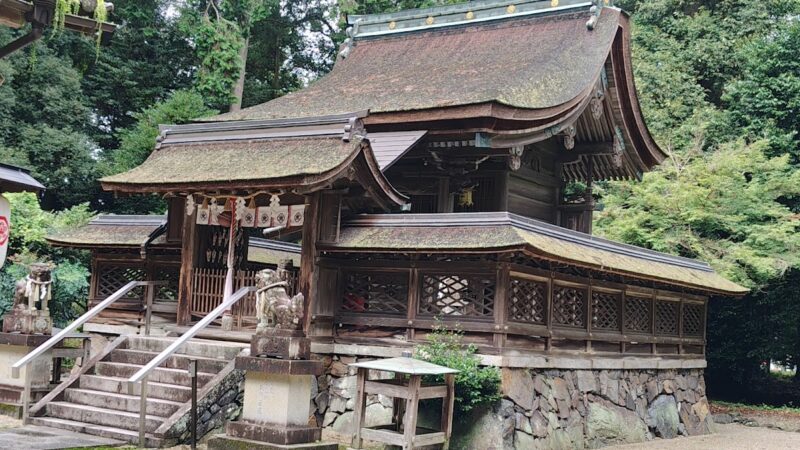
The current shrine building was rebuilt in the early Showa period in the Gongen Hachimune-zukuri style. The Gongen-zukuri style is a highly dignified architectural style, seen in Nikko Toshogu Shrine and other examples, where the main hall and worship hall are connected by a stone corridor. The Hachimune-zukuri style refers to a complex structure with eight roof ridges, presenting a majestic appearance befitting a shrine dedicated to directional deities.
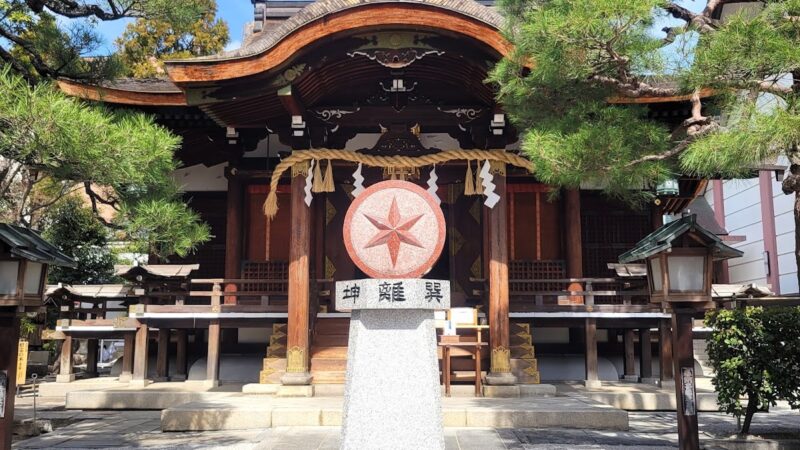
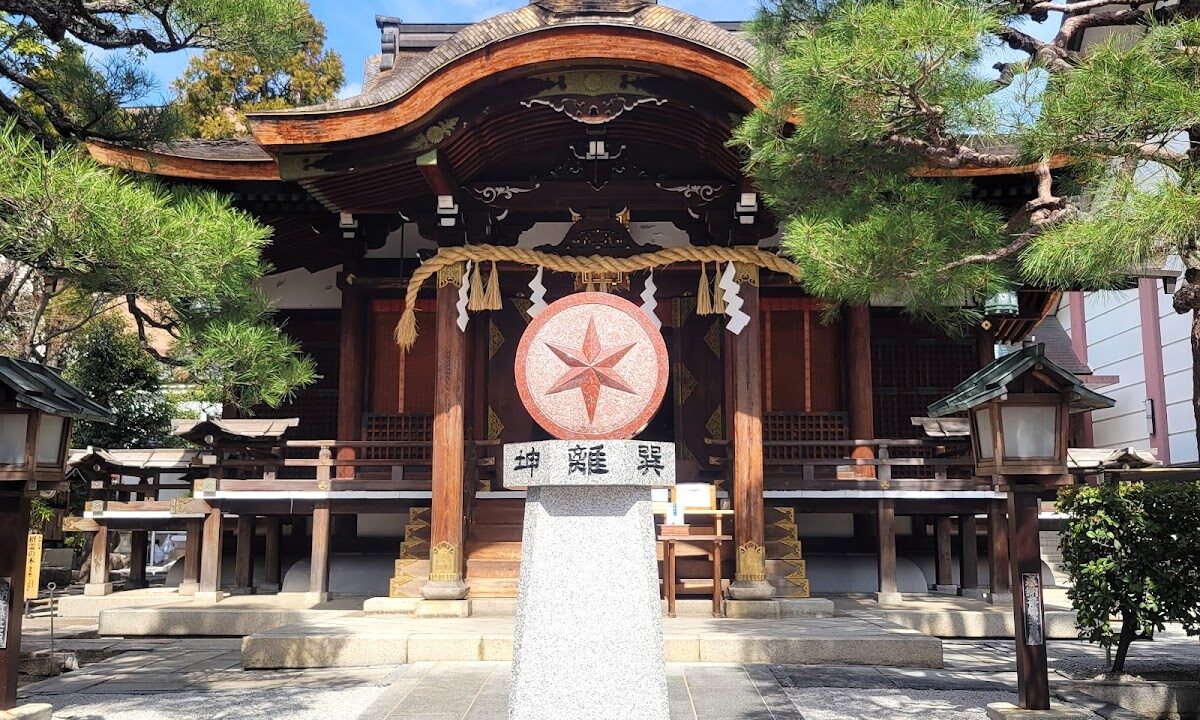
The plaque above the main hall bears the inscription “Daishogun Hachijinja,” telling the history of the enshrined deities. Even amidst the bustling Ichijo-dori shopping street, the vermilion-lacquered shrine exudes a sacred atmosphere, allowing visitors to feel the history of Heian-kyo.
Atmosphere and Worship Etiquette
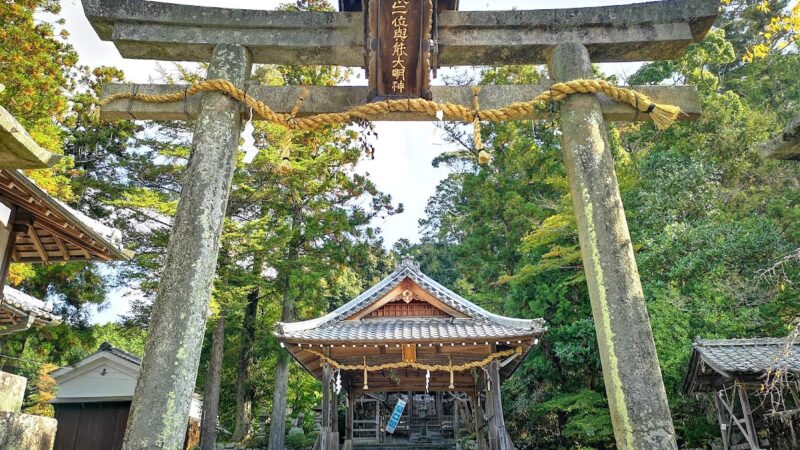
The shrine grounds are not particularly large, but they are kept in a clean and orderly state. Basic worship etiquette is followed: passing through the torii gate, purifying oneself at the water basin, and then proceeding to the main hall.
Despite its location in the lively Ichijo-dori shopping street, a tranquil atmosphere permeates the grounds, allowing one to feel the dignity of a shrine with over a thousand years of history. Visitors range from locals to tourists, each coming to pray for protection against misfortune and evil.
Daishogun Festival and Annual Events
The Daishogun Festival, the annual festival of Daishogun Hachijinja Shrine, is held every year on the third Sunday of October. This festival features traditional Shinto rituals expressing gratitude to the gods of direction and praying for the peace and security of the capital.
In addition, various Shinto rituals are held throughout the year, including the New Year’s visit, the Setsubun Festival, and the Summer Purification Ceremony. The shrine is especially lively during periods related to protection against misfortune and evil, attracting many visitors.
Access and Basic Information
Address and Transportation Access
Address
55 Nishimachi, 3-chome, Ichijo-dori, Gozen-nishi-iri, Kamigyo-ku, Kyoto City, Kyoto Prefecture 602-8374 (or 48 Nishimachi)
Access by Train and Bus
- Get off at “Kitano Tenmangu-mae” bus stop (Kyoto City Bus), approximately 5 minutes on foot
- Get off at “Kamishichiken” bus stop (Kyoto City Bus), approximately 3 minutes on foot
- Get off at “Kitano Hakubaicho Station” on the Randen (Keifuku Electric Railway) Kitano Line, approximately 10 minutes on foot
- From JR/Subway “Kyoto Station,” City Bus routes 50 and 101 are convenient.
It’s easily found by heading south from Kitano Tenmangu Shrine, down Tenjin-suji Street, and entering the Ichijo-dori shopping street. Because of its location within the shopping street, it’s recommended to combine a visit with shopping or dining.
Access by Car and Parking
Approximately 30 minutes from the Meishin Expressway “Kyoto Minami IC” and approximately 40 minutes from the “Kyoto Higashi IC”. However, there is no dedicated parking lot on the temple grounds, so you will need to use nearby coin-operated parking lots. There are several parking lots around Ichijo-dori and Kitano Tenmangu Shrine, but they can get crowded on holidays and during tourist seasons, so we recommend using public transportation.
Opening Hours and Shrine Office
Opening Hours
6:00 AM – 6:00 PM (Temple grounds are open every day)
Shrine Office
9:00 AM – 5:00 PM
You can receive amulets and Goshuin (temple stamps) at the shrine office. Various amulets related to protection against misfortune and evil are available, and they are popular as amulets for moving, traveling, or building a new house.
Admission Fees and Visit to the Hōtoku-den Hall
Temple Grounds Visit
Free
Hōtoku-den Hall (Treasure House) Visit
- Fee: 500 yen
- Special Visiting Period: May 1st-5th, November 1st-5th
- Visiting Hours: 10:00-16:00
- Visiting Outside of these periods: Reservation required (by phone, postcard, or fax)
At the Hōtoku-den Hall, you can view 80 statues of the Great General, a National Important Cultural Property, and ancient astronomical and calendrical artifacts, a Kyoto Prefecture designated cultural property. It is especially recommended for those interested in Onmyōdō (Japanese esoteric cosmology) and Heian period beliefs.
Contact Information
TEL: 075-461-0694
FAX: 075-461-0684
Official Website: http://www.daishogun.or.jp/
For details regarding visits and reservations, please contact the above numbers directly. If you wish to visit the Hōtokuden Hall outside of the special viewing period, it is recommended to contact us in advance.
Recommended Spots in the Area
Kitano Tenmangu Shrine
Located about a 5-minute walk from Taishogun Hachijinja Shrine, Kitano Tenmangu Shrine is the head shrine of all Tenmangu shrines nationwide, dedicated to Sugawara no Michizane, the god of learning. It is also known as a famous spot for plum blossoms, with approximately 1,500 plum trees of about 50 varieties blooming from February to March. With many national treasures such as the main hall and important cultural properties, it is recommended to visit both Kitano Tenmangu Shrine and Taishogun Hachijinja Shrine. On the 25th of each month, the Tenjin Market (festival day) is held, with many stalls lining the streets and bustling with people seeking antiques, secondhand clothing, food, and more.
Hirano Shrine
Located about a 15-minute walk from Taishogun Hachijinja Shrine, Hirano Shrine is famous for its cherry blossoms. It has been cherished as the “Sakura no Miya” (Cherry Blossom Shrine) since the Heian period, and boasts approximately 400 cherry trees of about 60 varieties. Many rare varieties of cherry blossoms are found here, allowing visitors to enjoy the blossoms for an extended period from mid-March to late April. The cherry blossoms are also illuminated at night, creating a magical atmosphere.
Kinkaku-ji Temple (Rokuon-ji Temple)
Located approximately 2km northwest of Taishogun Hachijinja Shrine, about a 15-minute bus ride away, Kinkaku-ji Temple is one of Kyoto’s most representative tourist attractions. Officially known as Rokuon-ji Temple, it was built by Ashikaga Yoshimitsu, the third shogun of the Muromachi shogunate. The reliquary hall (Kinkaku), covered in gold leaf, is a World Cultural Heritage site, and its reflection in the pond is breathtakingly beautiful. The harmony of the Golden Pavilion with the scenery of each season provides a fresh and moving experience no matter how many times you visit.
Kamishichiken Geisha District
Located about a 5-minute walk east of Taishogun Hachijinja Shrine, Kamishichiken is known as Kyoto’s oldest geisha district. Developed as a temple town for Kitano Tenmangu Shrine, it still boasts a row of high-class teahouses. The charming streets lined with cobblestone alleys and traditional townhouses with red lattice windows offer a truly Kyoto-esque atmosphere. In spring, you can enjoy the dazzling performances of geiko and maiko at the “Kitano Odori” dance festival.
Senbon Shakado (Daihoonji Temple)
Located about a 15-minute walk southeast from Taishogun Hachijinja Shrine, Senbon Shakado Temple boasts the oldest wooden building in Kyoto City, a National Treasure, which survived the Onin War. The main hall, dating from the Kamakura period, is characterized by its imposing structure and beautiful curves. The “Daikon-daki” (radish stew) in December is a well-known winter tradition, attracting many visitors.
Recommended Restaurants in the Area
Restaurants in Ichijo-dori Shopping Street
Ichijo-dori Shopping Street, where Taishogun Hachijinja Shrine is located, is dotted with restaurants beloved by locals. You can easily enjoy Kyoto’s unique food culture, from traditional Japanese confectionery shops and cafes converted from townhouses to long-established tofu shops. Strolling through the shopping streets and finding your favorite shops is part of the fun.
Local Specialties Around Kitano Tenmangu Shrine
Near the gate of Kitano Tenmangu Shrine is Sawaya, a long-established shop offering the famous “awamochi” (millet rice cake). Founded in the Edo period, their awamochi, available in two varieties—kinako (roasted soybean flour) and anko (sweet bean paste)—has a simple yet profound flavor. There are also many restaurants serving yudofu (boiled tofu) and Kyoto cuisine around the shrine, making it perfect for a meal after visiting the shrine.
Cafes and Sweet Shops in Kamishichiken
In the geisha district of Kamishichiken, you’ll find stylish cafes converted from townhouses and traditional sweet shops. Enjoy matcha parfaits and Japanese sweets while experiencing the atmosphere of Kyoto. Saryo SENTAMA, in particular, offers creative sweets using Kyoto ingredients in a modern setting, making it popular with younger generations.
Kyoto Cuisine in the Nishijin Area
The Nishijin area, where Taishogun Hachijinja Shrine is located, is dotted with traditional Kyoto cuisine restaurants. You can enjoy the delicate flavors unique to Kyoto, such as kaiseki cuisine using seasonal Kyoto vegetables, and yuba (tofu skin) and tofu dishes. Many restaurants offer Kyoto cuisine at relatively affordable prices during lunchtime, so be sure to stop by during your sightseeing.
Hotel and Accommodation Information in the Area
Accommodation in the Kitano/Nishijin Area
The Kitano/Nishijin area around Taishogun Hachijinja Shrine is dotted with guesthouses converted from traditional townhouses and small inns. A key feature is that many accommodations offer reasonable prices while allowing you to experience the charm of Kyoto. In recent years, the number of accommodations offering entire townhouse rentals has also increased, making them suitable for families and groups.
Hotels near Nijo Castle and Kyoto Imperial Palace
The area around Nijo Castle and Kyoto Imperial Palace, 2-3 km south of Taishogun Hachijinja Shrine, has a concentration of various types of accommodations, from large hotels to business hotels. It’s a convenient area with good transportation access, making it an ideal base for sightseeing in Kyoto. Many hotels offer breakfast dishes using Kyoto ingredients, ensuring a comfortable stay.
Accommodation near Kyoto Station
The area around Kyoto Station is Kyoto’s largest concentration of accommodations, offering a wide range of options from luxury hotels to capsule hotels. It boasts excellent access to transportation, including Shinkansen bullet trains, local trains, subways, and buses, making it convenient not only for sightseeing in Kyoto but also for day trips to Osaka and Nara. The station building also offers a variety of shopping and dining facilities.
Points to Note and Manners When Visiting Taishogun Hachijinja Shrine
Manners for Worship
Please observe basic manners when visiting a shrine. Bow when passing through the torii gate, and walk along the edge of the path, as the center is considered the path of the gods. At the purification fountain, cleanse your left hand, then your right hand, then your mouth, and at the main hall, perform the two bows, two claps, and one bow ritual. It is important to pray quietly and sincerely.
Photography
Photography is generally permitted on the shrine grounds, but there may be restrictions on photographing the interior of the Hōtoku-den hall or the statues of the gods. Please check before taking photos or follow the instructions. Also, please be considerate of other visitors and remember that this is a sacred place.
Clothing and Belongings
There are no specific dress code requirements, but please wear clean clothing appropriate for a sacred place like a shrine. When visiting the Hōtoku-den, we recommend allowing ample time for appreciation. If you collect Goshuin (shrine stamps), please remember to bring your Goshuincho (stamp book).
Seasonal Highlights
While Taishogun Hachijinja Shrine can be visited throughout the year, the special viewing periods in May and November offer a rare opportunity to see the nationally important cultural property, the sacred statue, up close. We recommend visiting during these times. Furthermore, you can witness traditional Shinto rituals at the Taishogun Festival in October. Combining a visit with nearby tourist attractions, such as cherry blossoms in spring or autumn leaves in fall, will enhance your Kyoto sightseeing experience.
Summary: A Guardian Deity of Directions with a Thousand Years of History
Daishogun Hachijinja Shrine is a historic shrine founded at the same time as the relocation of the capital to Heian-kyo, and has been revered as a guardian deity of directions in the same location for over a thousand years. The 80 statues of the Daishogun deity, designated as a National Important Cultural Property, and the ancient astronomical and calendrical artifacts, designated as a Kyoto Prefecture Cultural Property, are valuable cultural heritage that convey the Onmyodo (Yin-Yang) culture of the Heian period and are well worth a visit.
Worshippers seeking protection from misfortune and evil continue to visit, and it remains a popular place for prayers during life’s turning points such as moving, building a new house, or traveling. Visiting it in conjunction with nearby tourist spots such as Kitano Tenmangu Shrine and Kinkakuji Temple will allow you to gain a deeper understanding of Kyoto’s history and culture.
Despite being located in the bustling Ichijo-dori shopping street, stepping into the shrine grounds reveals a tranquil space imbued with a thousand years of history. When you visit Kyoto, be sure to stop by Taishogun Hachijinja Shrine and reflect on the gods who have protected the directions of Heian-kyo (ancient Kyoto). Visiting during the special viewing period and seeing the national treasure-class statues of the gods will surely be an unforgettable memory of your trip to Kyoto.