Complete Guide to Kyoto Grand Shrine | History, Goshuin (Shrine Seals), and Access Information for Kyoto’s Ise Shrine
Located in the bustling Shijo-Teramachi shopping district of Kyoto, Kyoto Grand Shrine is a beloved shrine known as “Kyoto’s Ise Shrine.” Founded in the Meiji era as a place of worship for Ise Grand Shrine, it also played a historical role in popularizing Shinto wedding ceremonies in Japan. In recent years, its monthly changing goshuin (shrine seals) and original shrine maiden merchandise have gained popularity, attracting an increasing number of younger visitors.
This article comprehensively covers everything you need to know before visiting Kyoto Grand Shrine, from its historical background and highlights to goshuin information and access methods.
What is Kyoto Grand Shrine? | Originating as a Place of Worship for Ise Grand Shrine
Kyoto Grand Shrine is a shrine located in Sadayasu-mae-cho, Shijo-sagaru, Teramachi-dori, Shimogyo-ku, Kyoto City. Officially, it originated from the Kyoto branch of the Jingu-kyo, a missionary organization of Ise Grand Shrine, and was founded as the Kyoto Regional Headquarters of the Jingu Hosaikai (Jingu Worship Association).
History and Background of Founding
From the late Edo period to the Meiji era, “pilgrimage to Ise Grand Shrine” was a dream for ordinary people. However, due to the transportation conditions at the time, it was not easy for people living far away to visit Ise Grand Shrine. Therefore, places where people could worship Ise Grand Shrine from afar were established throughout the country, and Kyoto Grand Shrine was one of them.
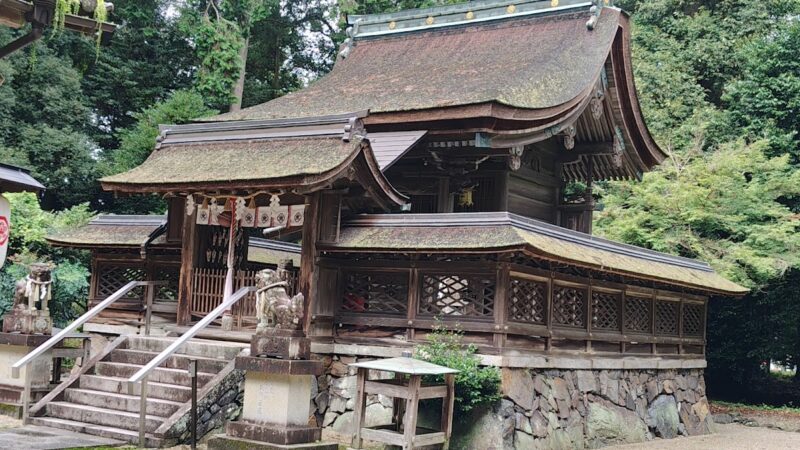
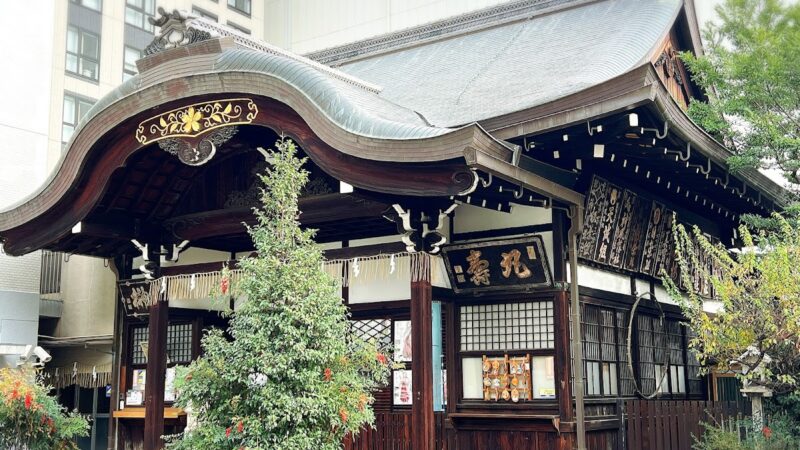
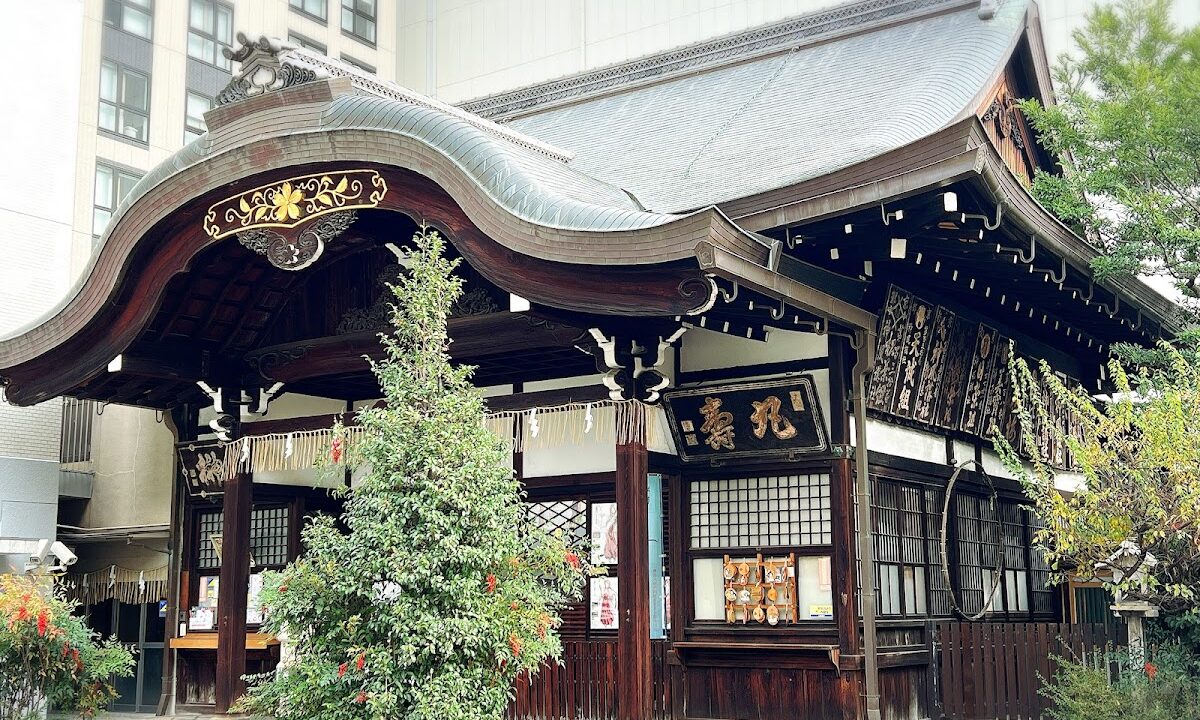
In July 1873 (Meiji 6), the divided spirits of Amaterasu Omikami and Toyouke Omikami were welcomed from the Inner and Outer Shrines of Ise Grand Shrine, and the shrine building was constructed in 1875 (Meiji 8). The main hall is a relocated entrance and study of the Ichijo family, and its elegant curved gable roof is said to be one of the finest in Japan.
Role as the Birthplace of Shinto Wedding Ceremonies
Kyoto Grand Shrine is particularly noteworthy for its historical role in popularizing Shinto wedding ceremonies. In 1900 (Meiji 33), the wedding ceremony of Crown Prince Yoshihito (later Emperor Taisho) and Kujo Setsuko (later Empress Teimei) was held at a shrine in Tokyo. This ceremony became the catalyst for the spread of this style throughout Japan, and Shinto wedding ceremonies began to be held at Kyoto Grand Shrine as well.
After the war, on April 5, 1946 (Showa 21), the shrine was renamed “Kyoto Grand Shrine,” and it remains so to this day.
Deities and Blessings
Kyoto Grand Shrine enshrines the same deities as Ise Grand Shrine.
Main Deity
- Amaterasu Omikami: The ancestral deity of the Imperial Family and the tutelary deity of all Japanese people. A deity personifying the sun, revered as the supreme deity.
- Toyouke-no-Okami: The deity who presides over food and grains, and is worshipped as the guardian deity of clothing, food, and shelter.
Expected Benefits
Kyoto Grand Shrine is believed to offer the following benefits:
- Marital Harmony and Matchmaking: Due to its history as the birthplace of Shinto wedding ceremonies, it is believed to bring good fortune in finding a partner and marital harmony.
- Safe Childbirth and Child-Rearing: Many visitors come to pray for peace in the home and prosperity of descendants.
- Family Safety: Through the divine virtues of Amaterasu-Omikami, one can pray for the health and safety of their family.
- Business Prosperity: Through the divine virtues of Toyouke-no-Okami, one can pray for the development of their business and prosperity.
Highlights of the Shrine Grounds
Architectural Beauty of the Main Hall
The main hall of Kyoto Grand Shrine was relocated from the entrance and study of the Ichijo family, and is characterized by the elegant curves of its karahafu (curved gable). Despite being located in a bustling commercial district, the shrine maintains a dignified architectural style, instilling a sense of solemnity in visitors.
Facing Teramachi Street and facing west, it stands amidst the hustle and bustle of Shijo Kawaramachi, yet a tranquil atmosphere permeates the grounds.
Shrine Office and Offerings
The shrine office offers a variety of offerings. In addition to amulets and votive tablets, the unique goshuin (shrine stamps) and original goods, described below, are also popular.
Gachapon Fortune Slips
One of Kyoto Daijingu’s distinctive offerings is the gachapon-style fortune slips. Turning the machine like a capsule toy reveals a fortune slip inside, making it popular even among younger visitors. It’s gaining a reputation for offering a different kind of enjoyment compared to traditional fortune slips.
Goshuin Information | Popular Monthly Designs
Kyoto Daijingu’s goshuin are known nationwide for their diverse variations.
Monthly Goshuin (Shrine Seals)
One of the major attractions of Kyoto Daijingu Shrine is its monthly goshuin, which features a different design each month. Designs inspired by seasonal flowers and events attract many collectors.
Seasonal Limited Goshuin
In addition to the regular monthly goshuin, there are also goshuin available only during special periods, such as the Gion Festival. These goshuin, linked to Kyoto’s annual events, are highly popular as souvenirs of visits.
Goshuin with Shrine Maiden Illustrations
A distinctive feature of Kyoto Daijingu Shrine’s goshuin is the stamp featuring a cute illustration of a shrine maiden. The original shrine maiden character is also featured in the merchandise (described later), making it a design appealing to younger generations.
Goshuin Notebooks
Original goshuin notebooks are also available, featuring designs unique to Kyoto Daijingu Shrine. They are recommended for those starting their goshuin collection for the first time.
Shrine Maiden Goods | Anime-Style Characters Popular
One of Kyoto Grand Shrine’s distinctive initiatives is the sale of original shrine maiden character goods.
Photo-Style Goods
Photo-style goods featuring anime-style shrine maiden characters are popular, especially among young visitors. These unique items blend the traditional atmosphere of a shrine with modern character culture.
Other Goods
The shrine maiden characters are featured on various goods such as stickers and postcards. They are perfect as souvenirs of your visit, and also make great collector’s items.
Surrounding Area Information | Things to Enjoy After Your Visit
Onigiri Shop
An onigiri (rice ball) shop operates in front of Kyoto Grand Shrine. It’s perfect for a light snack after your visit, offering a convenient way to enjoy Kyoto’s local cuisine. Its easy accessibility, especially when combined with a stroll along Teramachi Street, is a major draw.
Teramachi Street Shopping District
Teramachi Street, facing Kyoto Grand Shrine, is one of Kyoto’s representative shopping districts. From long-established shops to new boutiques, a diverse array of stores line the streets, allowing you to enjoy shopping and street food in conjunction with your temple visit.
Nearby Tourist Attractions
The Shijo Kawaramachi area is the heart of Kyoto, and the following tourist attractions are within walking distance:
- Nishiki Market: A food market known as “Kyoto’s Kitchen”
- Yasaka Shrine: A shrine famous for the Gion Festival
- Kamogawa River: A representative riverside promenade of Kyoto
- Pontocho: A geisha district with a distinctly Kyoto atmosphere
Access & Basic Information
Location
622, Teianmae-cho, Shijo-sagaru, Teramachi-dori, Shimogyo-ku, Kyoto City, Kyoto Prefecture 600-8031
Phone Number & Fax
075-351-0221
Nearest Station and Access
Access by Train
- Hankyu Kyoto Line “Kyoto Kawaramachi Station”: Approximately 3 minutes on foot (most convenient)
- Keihan Main Line “Gion Shijo Station”: Approximately 5 minutes on foot
- Kyoto Municipal Subway Karasuma Line “Shijo Station”: Approximately 8 minutes on foot
Landmarks
- From Shijo-Teramachi intersection, head south on Teramachi Street.
- Approximately 100 meters south from Fujii Daimaru on Teramachi Street.
- Near Teramachi-Ayakoji intersection.
- Near the eastern end of Ayakoji Street.
Access by Bus
Get off at the Kyoto City Bus “Shijo Kawaramachi” bus stop, approximately 3 minutes on foot.
Visiting Hours
General visiting hours are around 9:00 AM to 5:00 PM, but please inquire directly for details.
Parking
There is no dedicated parking lot. Please use nearby coin-operated parking lots. However, the Shijo Kawaramachi area is one of the most crowded areas in Kyoto, so we strongly recommend using public transportation.
Admission Fee
Entry to the temple grounds is free.
Manners and Precautions for Visiting
Basic Visiting Etiquette
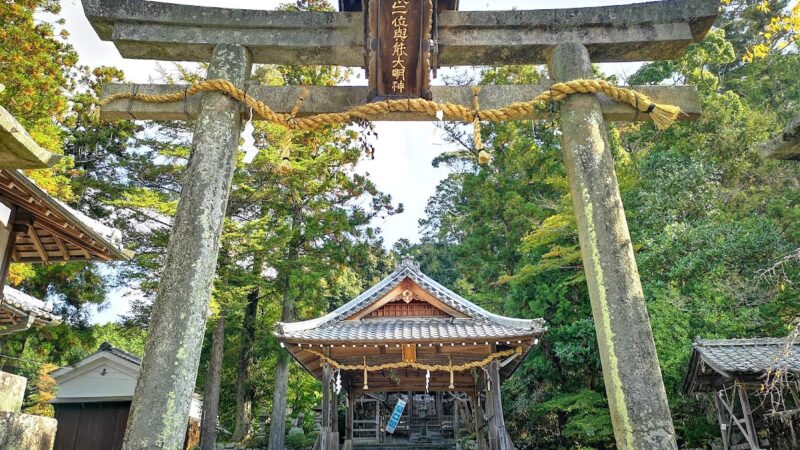
- When passing through the torii gate: Bow before entering the temple grounds.
- Purification at the Water Basin: Purify your left hand, then your right hand, and then your mouth.
- Worship at the Main Hall: Worship using the two bows, two claps, and one bow ritual.
Photography
Photography is generally permitted on the shrine grounds, but please be considerate of other worshippers. It is considered good manners to refrain from taking photographs inside the main hall.
Crowded Periods
The shrine may be crowded on the first day of distribution of monthly limited-edition goshuin (shrine stamps) and during the Gion Festival. It is recommended to visit with ample time.
Annual Events
Various Shinto rituals are held throughout the year at Kyoto Grand Shrine.
Main Annual Events
- Saitansai (January 1st): A festival celebrating the New Year
- Setsubunsai (February): A prayer for protection from evil and for good fortune
- Kinensai (Spring): A festival praying for a bountiful harvest
- Reisai: The shrine’s most important festival
- Niinamesai (November): A festival giving thanks for the harvest
For detailed dates, we recommend checking the official website or contacting the shrine directly.
The Charm of Kyoto Daijingu Shrine | A Fusion of Tradition and Modernity
The greatest charm of Kyoto Daijingu Shrine lies in its blend of modern elements while maintaining the prestige of a traditional shrine dating back to the Meiji era.
The monthly changing goshuin (shrine stamps) and anime-style shrine maiden goods are examples of efforts to make shrine visits more accessible to younger generations. At the same time, the shrine maintains its dignified aspects, such as the architectural beauty of the main hall and the history of Shinto wedding ceremonies.
Located in the heart of Kyoto, at Shijo Kawaramachi, this shrine, known as “Kyoto’s Ise Shrine,” enshrines a divided spirit of Ise Grand Shrine and continues to be cherished by locals.
Visitor Voices and Reviews
Visitors to Kyoto Daijingu Shrine have shared the following comments:
- “It’s close to Shijo Kawaramachi, making it convenient to visit while shopping.”
- “The monthly changing goshuin (shrine stamps) are wonderful, making me want to visit every month.”
- “It has a surprisingly quiet atmosphere for being in the middle of a bustling area.”
- “The shrine maiden goods are cute and make great souvenirs.”
- “The karahafu (curved gable) of the main hall is beautiful and architecturally impressive.”
- “The gacha-gacha fortune-telling machines are fun.”
The shrine is particularly highly rated for its goshuin and goods, and has many repeat visitors.
Relationship between Kyoto Daijingu Shrine and Ise Grand Shrine
Kyoto Daijingu Shrine was originally founded as a place of worship for Ise Grand Shrine. A remote worship site is a place for worshipping a shrine from afar, established for those who cannot actually travel to Ise Grand Shrine.
Ise Grand Shrine’s Inner Shrine enshrines Amaterasu Omikami, and its Outer Shrine enshrines Toyouke Omikami. Kyoto Grand Shrine enshrines the divided spirits of both deities. Therefore, it is believed that visiting Kyoto Grand Shrine grants the same divine blessings as visiting Ise Grand Shrine.
Even today, it maintains a strong connection with Ise Grand Shrine as a member of the Jingu Hosaikai (Shrine Worship Association).
Summary | Shrines to Visit in Kyoto
Kyoto Grand Shrine is “Kyoto’s Ise-san,” founded in the Meiji era as a remote worship site for Ise Grand Shrine. While playing a historical role in popularizing Shinto wedding ceremonies, it is now popular with younger generations through its monthly changing goshuin (shrine stamps) and original shrine maiden merchandise.
Located in Shijo Kawaramachi, the heart of Kyoto, it boasts excellent accessibility. Its ability to easily combine a visit with shopping and dining is a major attraction. The shrine boasts numerous attractions, including the architectural beauty of its main hall and its historical connection to Ise Grand Shrine.
When visiting Kyoto, be sure to stop by Kyoto Grand Shrine and experience its unique atmosphere where tradition and modernity blend seamlessly. With the enjoyment of collecting the monthly changing goshuin (shrine stamps) and the fun of the gacha-gacha (capsule toy) fortune-telling machines, this shrine offers new discoveries with every visit.
Enjoy a special pilgrimage experience in the heart of Kyoto while receiving various blessings, such as those for matchmaking, family safety, and business prosperity.