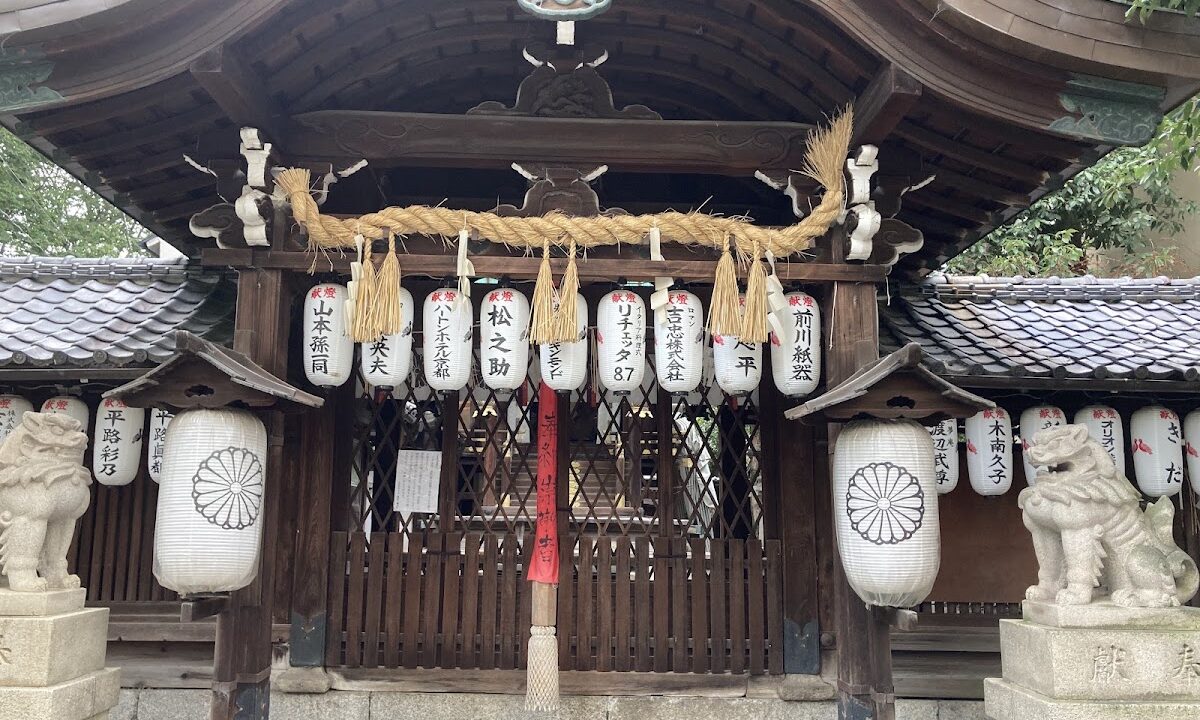
Gosho Hachimangu Shrine (Kyoto Prefecture) Complete Guide | The History and Blessings of Mushi Hachiman, Associated with Ashikaga Takauji
Located along Oike Street in Nakagyo Ward, Kyoto City, Gosho Hachimangu Shrine is a shrine with a history associated with Ashikaga Takauji, the first shogun of the Muromachi Shogunate. Affectionately known to local residents as “Oike no Hachiman-san” and “Mushi Hachiman,” it attracts worshippers praying for safe childbirth and the healthy growth of their children. This article provides a detailed explanation of Gosho Hachimangu Shrine, including its history, the origin of its alternative names, enshrined deities, blessings, highlights of the grounds, and access methods.
History and Origins of Gosho Hachimangu Shrine
Origin of its Founding and the Residence of Nakain Michinari
While the exact founding date of Gosho Hachimangu Shrine is unclear, it is believed to have begun with the enshrinement of Wakamiya, the tutelary deity of Iwashimizu Hachimangu Shrine (the Minamoto clan’s tutelary shrine), within the residence located at Sanjo-bomon.
The origin of the name Gosho Hachimangu Shrine dates back to October of the first year of the Koan era (1278). In that year, the Nijo Imperial Palace burned down, and Emperor Go-Uda temporarily resided at the residence of Nakain Michinari. It is said that at this time, the Hachiman shrine located within the residence came to be named “Gosho” (Imperial Palace), and thus it became known as “Gosho Hachimangu Shrine.”
Due to this historical background, Gosho Hachimangu Shrine has been recognized by the people of Kyoto as a prestigious shrine enshrined at the Emperor’s temporary residence.
Deep Connection with Ashikaga Takauji
An essential aspect of discussing Gosho Hachimangu Shrine is its connection to Ashikaga Takauji, the first shogun of the Muromachi shogunate. It is said that Ashikaga Takauji enshrined this Hachiman shrine as the guardian deity of his residence.
Since Ashikaga Takauji’s posthumous Buddhist name was “Tojiin-dono,” this shrine also came to be called “Tojiji Hachiman.” Furthermore, it also has the alternative name “Takakura Hachiman,” derived from its location, and has been cherished by the local people.
Its history, having been enshrined at the residence of Ashikaga Takauji, a historically important figure, speaks to the prestige and deep faith of Gosho Hachimangu Shrine.
Relocation During Wartime and Current Location
Gosho Hachimangu Shrine was originally located at the southwest corner of Oike Sakai-cho, in a place called Gosho Hachiman-cho. However, due to the forced evacuation of Oike Street that began in March 1945 (Showa 20) during the Pacific War, it was forced to relocate to its current location at 596-1 Kamekoya-cho, Nakagyo-ku, Kyoto City.
The forced evacuation was a policy to create firebreaks by demolishing buildings to prevent the spread of fires caused by air raids. Oike Street is a major east-west thoroughfare in Kyoto City, and many buildings, shrines, and temples were relocated to widen it. Gosho Hachimangu Shrine was one of them.
The current location is southwest of its original site, facing Oike Street. Even now, nearly 80 years after the end of the war, it continues to attract the faith of the local community.
Alternative Names and Origins of Gosho Hachimangu Shrine
Gosho Hachimangu Shrine is known for having several alternative names. Each name has a deep meaning and historical background.
Tojiji Hachiman / Tojiin Hachiman
This name originates from Ashikaga Takauji’s posthumous Buddhist name, “Tojiin-dono.” It came to be called by this name because it was a guardian deity enshrined within Takauji’s residence. Tojiin Temple still exists in Kita Ward, Kyoto City, as Takauji’s family temple, and is known as a temple associated with the Ashikaga shogunate.
Takakura Hachiman
This is a regional name derived from its location around Takakura Street. Street names in Kyoto are deeply intertwined with local identity, and it has been affectionately known as “Takakura no Hachiman-san” by locals.
Oike Hachiman Shrine
Located facing Oike Street, it is widely known by the familiar name “Oike Hachiman Shrine.” Even today, many local residents refer to it by this name.
Mushi Hachiman (Insect Hachiman)
Its most distinctive alternative name is “Mushi Hachiman.” This name comes from the belief that Gosho Hachiman Shrine has miraculous powers to ward off “kan no mushi” (a type of infant ailment). Along with Miyake Hachiman Shrine in Kamitakano, Sakyo-ku, Kyoto City, it is known as “Mushi Hachiman” and has attracted the faith of parents praying for the healthy growth of their children.
“Kan no mushi” is a traditional term referring to symptoms in infants such as crying at night, irritability, and seizures. While modern medicine understands these as temporary symptoms in the development of the nervous system, they have long been a source of worry for parents. Gosho Hachiman Shrine has attracted deep faith as a deity that soothes these symptoms in infants.
Deities and Blessings
Deities
The deities enshrined at Gosho Hachimangu Shrine are the three standard deities of Hachiman worship.
Emperor Ojin
The 15th Emperor, and the deity considered to be the original form of Hachiman. He is revered as the god of military fortune and industrial development.
Empress Jingu
The mother of Emperor Ojin, and worshipped as the goddess of safe childbirth. Known for the legend of the conquest of the Three Kingdoms of Korea, she became a target of prayers for safe childbirth due to the tradition that she went to battle while pregnant.
Himegami
One of the three Hachiman deities, she is a goddess often identified with the Munakata Three Goddesses or Tamayorihime-no-Mikoto.
Many Hachiman shrines throughout Japan enshrine these three deities, and Gosho Hachimangu Shrine is one of them, continuing the tradition of Hachiman worship.
Main Benefits
Prayer for Safe Childbirth Based on the legend that Empress Jingu safely gave birth to Emperor Ojin while pregnant, this shrine is known for its blessings of safe childbirth. Pregnant women visit to pray for a safe delivery.
Health of Infants and Protection from Irritability The most distinctive benefit of Gosho Hachimangu Shrine is the healthy growth of infants and protection from irritability. As its alternative name, “Mushi Hachiman,” suggests, parents of children suffering from symptoms such as night crying, tantrums, and convulsions have visited this shrine since ancient times.
Protection of Child-Rearing This shrine is worshipped as a deity that watches over the growth of children from safe childbirth to infancy. It is also visited during milestones such as the first shrine visit for a newborn and Shichi-Go-San (a traditional Japanese rite of passage for children).
Family Safety Based on the history of Ashikaga Takauji enshrining this deity as a guardian deity of his residence, it is also worshipped as a guardian deity of the home.
Highlights and Features of the Shrine Grounds
Atmosphere of the Shrine and Grounds
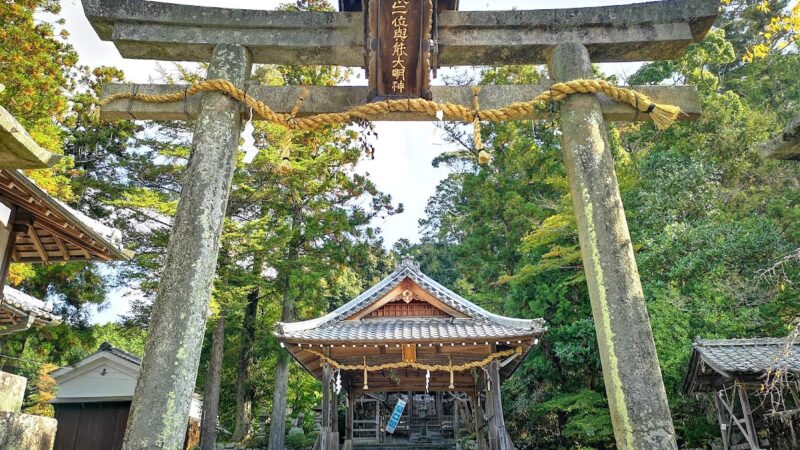
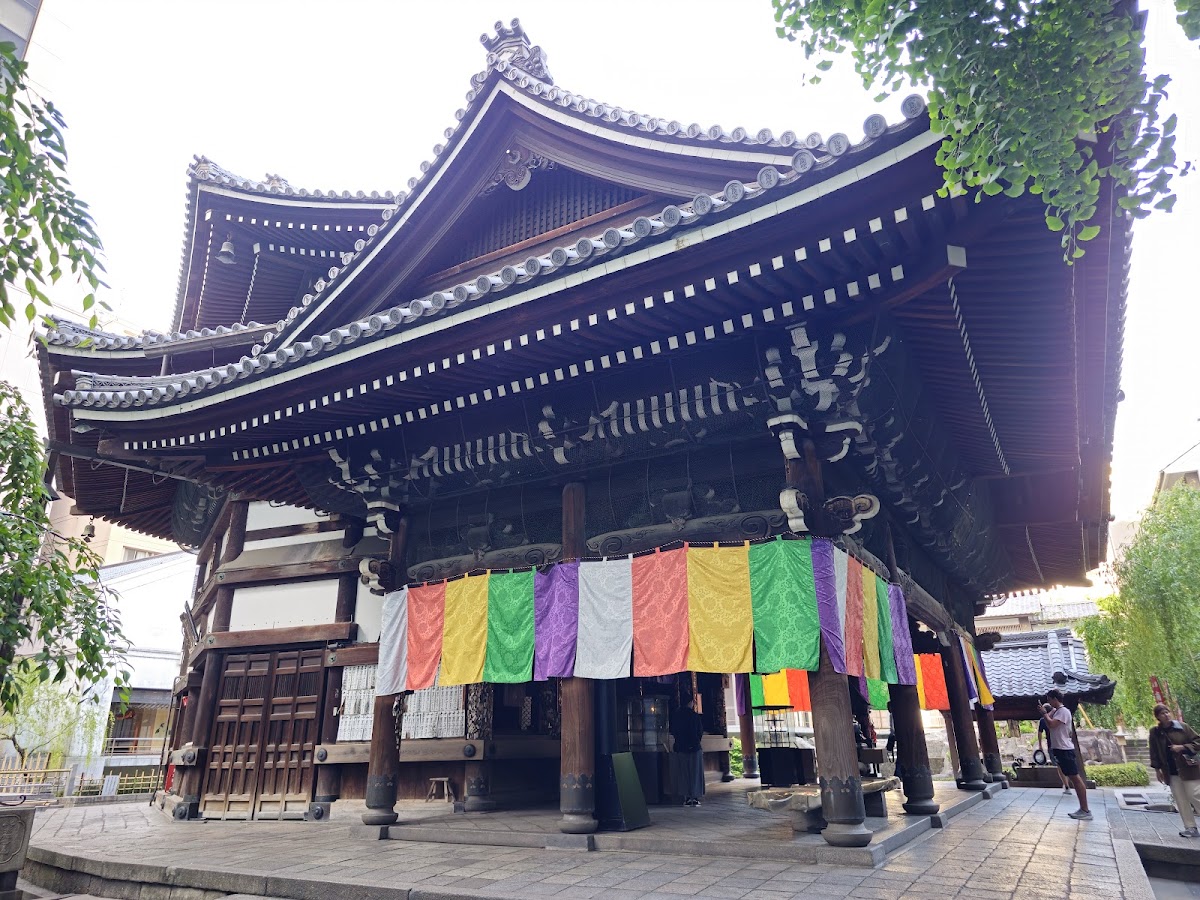
Gosho Hachimangu Shrine is located along Oike Street, amidst the towering buildings of central Kyoto. Despite its urban location, the shrine grounds are enveloped in a tranquil atmosphere, offering peace to visitors.
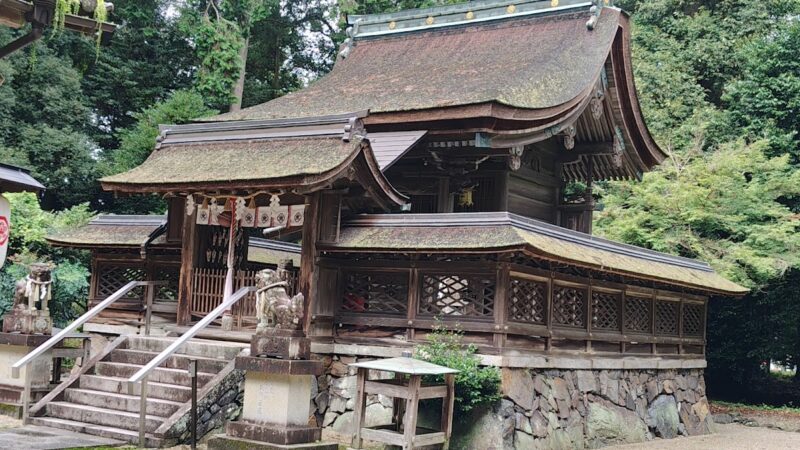
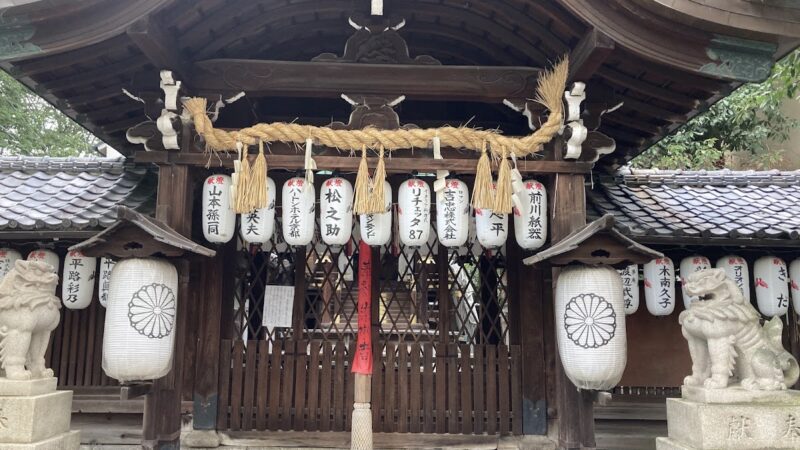
The shrine buildings were rebuilt after the war and, though small, are meticulously maintained. Upon passing through the torii gate, you immediately encounter the worship hall, with the main sanctuary located beyond.
The grounds are not particularly large, but are kept clean, reflecting the deep faith of the local people. Despite facing the main street of Oike Street, stepping inside the grounds offers a peaceful space far removed from the hustle and bustle.
Omoshiro-ichi (Used Clothing and Antiques Market)
Every Friday, Gosho Hachimangu Shrine hosts an open-air market called “Omoshiro-ichi” (Used Clothing and Antiques Market). Stalls selling used clothing and antiques line the grounds, attracting many people searching for bargains.
This shrine also functions as a community hub, strengthening the ties between the shrine and local residents. This is one reason why not only tourists but also locals visit regularly.
Seasonal Events
Gosho Hachimangu Shrine holds various festivals throughout the year. Many worshippers attend, especially those praying for the health of children.
Traditional festivals of the Hachimangu Shrine, such as the New Year’s visit, Setsubun festival, and the autumn grand festival, are preserved. As a shrine deeply rooted in the community, events involving parishioners and nearby residents are also highly valued.
Access and Visiting Information
Location
Address
596-1 Kamekoya-cho, Nakagyo-ku, Kyoto City, Kyoto Prefecture
Phone Number
075-221-6417
Access by Train
Karasuma Oike Station (Karasuma Line/Tozai Line)
Approximately 3 minutes on foot from Exit 3-1. This is the most convenient access method. Karasuma Oike Station is a major station where the Karasuma Line and Tozai Line of the Kyoto Municipal Subway intersect, offering excellent access from Kyoto Station, Shijo, and Nijo Castle.
Kyoto City Hall Station (Tozai Line)
Approximately 5 minutes on foot. This is the next station after Karasuma Oike Station and is also within walking distance. Convenient for those walking from Kyoto City Hall or Kyoto Imperial Palace.
Karasuma Station (Hankyu Kyoto Line)
Approximately 10 minutes on foot. If using the Hankyu Line, get off at Karasuma Station and head east along Oike Street.
Access by Bus
Approximately 3 minutes on foot from the Kyoto City Bus “Karasuma Oike” bus stop. From Kyoto Station, you can use city bus routes 4, 17, and 205.
Access by Car and Parking
Although located along Oike Street, there is no dedicated parking lot. When visiting, we recommend using nearby coin parking or public transportation. Please avoid parking on the street on Oike Street, as it is a busy thoroughfare.
Visiting Hours and Admission Fee
The shrine grounds are generally open to visitors. However, the office hours may vary depending on the day, so it is recommended to call ahead to confirm if you wish to obtain a Goshuin (shrine stamp) or amulet.
Admission is free. Donations are voluntary.
Nearby Tourist Attractions
Kyoto Gyoen National Garden (Kyoto Imperial Palace & Sento Imperial Palace)
Located approximately 15 minutes’ walk north from Gosho Hachimangu Shrine, Kyoto Gyoen National Garden is a major tourist attraction in Kyoto. Within its vast grounds are the Kyoto Imperial Palace and the Sento Imperial Palace, where visitors can enjoy historical buildings and beautiful gardens. While advance reservations are required to visit the Kyoto Imperial Palace and Sento Imperial Palace, Kyoto Gyoen itself can be freely explored.
Nijo Castle
Located about a 10-minute walk west of Gosho Hachimangu Shrine, the World Heritage Site of Nijo Castle was built by Tokugawa Ieyasu to protect the Kyoto Imperial Palace and serve as lodging for the Shogun during his visits to Kyoto. It is known for its National Treasure, the Ninomaru Palace, its beautiful gardens, and its renowned cherry blossoms and autumn foliage.
Nishiki Market
Known as “Kyoto’s Kitchen,” Nishiki Market is about a 10-minute walk south of Gosho Hachimangu Shrine. With over 130 shops, it offers a chance to experience Kyoto’s food culture. You can find Kyoto vegetables, pickles, dried goods, fresh fish, and other ingredients unique to Kyoto.
Honnoji Temple
Honnoji Temple, famous for the “Honnoji Incident” where Oda Nobunaga was assassinated by Akechi Mitsuhide, is about a 7-minute walk southeast of Gosho Hachimangu Shrine. While the current Honnoji Temple has moved from its original location, it attracts many visitors due to its connection to Nobunaga.
Points to Note When Visiting Gosho Hachimangu Shrine
Best Time to Visit
Gosho Hachimangu Shrine is open for visits throughout the year, but the following times are especially recommended:
Prayer for Safe Childbirth
It is common to visit on the Day of the Dog in the fifth month of pregnancy. Since dogs are known for their fertility and easy births, there is a custom of wearing a maternity belt on this day to pray for a safe delivery.
First Shrine Visit (Omiyamairi)
Around one month after birth, a visit is made to pray for the baby’s healthy growth. The 31st day for boys and the 32nd day for girls are generally considered ideal, but the date should be decided based on the health of both mother and child.
Cured to Exorcise Irritability
A visit is made during the period when children are troubled by irritability such as night crying and tantrums. There is no specific time, but many families visit when the symptoms are concerning.
Goshuin (Shrine Seals) and Amulets
Gosho Hachimangu Shrine offers Goshuin (shrine seals). You can receive a Goshuin if you visit during the shrine office’s opening hours. However, staff may be absent, so it is recommended to call ahead to confirm if you definitely want a Goshuin.
Various amulets are also available, with amulets for safe childbirth and children being particularly popular.
Shrine Visiting Manners
Please follow general shrine visiting manners.
- Bow before passing through the torii gate.
- Cleanse your hands and mouth at the temizuya (water basin).
- Place your offering in front of the main hall.
- Worship using the two bows, two claps, and one bow ritual.
- Remain quiet within the shrine grounds.
Although it is a small shrine in an urban area, it is cherished as a place of worship for the community. Please visit with respect.
The Charm and Current State of Faith at Gosho Hachimangu Shrine
Gosho Hachimangu Shrine, despite its central location in Kyoto, is a venerable shrine with a history spanning over 1000 years. It possesses multifaceted appeal, including its connection to the historically important figure Ashikaga Takauji, its status as a shrine enshrined in the temporary palace of Emperor Go-Uda, and its role as a local shrine dedicated to protecting children’s health as “Mushi Hachiman.”
Even today, it continues to attract worshippers seeking safe childbirth and the health of their children, functioning as a shrine deeply integrated into the lives of local residents. The weekly “Omoshiro-ichi” (Interesting Market) held every Friday demonstrates that the shrine is not merely a religious institution but also plays a central role in the local community.
Unlike large-scale tourist shrines, Gosho Hachimangu Shrine offers a quiet and peaceful atmosphere for worship. Taking time to quiet your mind at this historic, small shrine amidst your Kyoto sightseeing is a truly Kyoto-style experience.
Summary
Gosho Hachimangu Shrine is a historic Hachiman shrine located along Oike Street in Nakagyo Ward, Kyoto City. It has a history dating back to when Ashikaga Takauji enshrined it as the guardian deity of his residence, and has been affectionately known by several names, including “Tojiji Hachiman,” “Takakura Hachiman,” and “Oike no Hachiman-san.”
In particular, it is known as “Mushi Hachiman” (Insect Hachiman) and is believed to have miraculous powers for safe childbirth and warding off infant ailments, attracting the faith of parents praying for the healthy growth of their children. It enshrines three deities: Emperor Ojin, Empress Jingu, and Himegami, and continues the tradition of Hachiman worship to this day.
Conveniently located about a 3-minute walk from Karasuma Oike Subway Station, and close to major tourist attractions such as Kyoto Gyoen National Garden and Nijo Castle, it’s easy to stop by during your Kyoto sightseeing. Every Friday, the “Omoshiroichi” (Interesting Market) is held on the shrine grounds, serving as a place for community interaction.
Gosho Hachimangu Shrine, where history and faith thrive in the heart of Kyoto. In this place associated with Ashikaga Takauji, the prayers of parents for their children’s health are still carried on today. When you visit Kyoto, be sure to stop by this small but historic shrine.