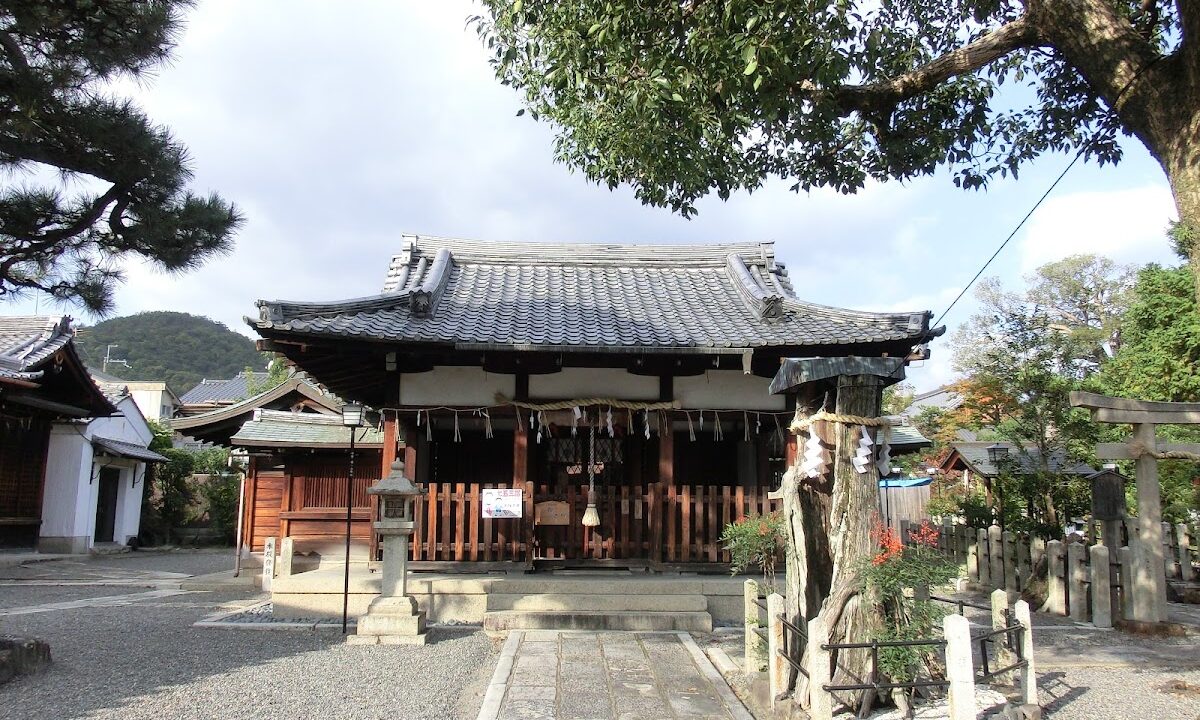
Rokushō Shrine (Kyoto Prefecture) Complete Guide | History, Goshuin (Shrine Seal), and Shrine Highlights
Rokushō Shrine, located near Tōjiin Temple in Kita Ward, Kyoto City, is a historic shrine that has been cherished by the local community since ancient times as “Kinugasa Goryō” or “Kinugasadake Goryō.” With a unique history of enshrining six deities and a past as the guardian shrine of Tōjiin Temple, which is associated with the Ashikaga clan, this guide provides a detailed introduction to the shrine, from its history to its shrine grounds and information on its goshuin (shrine seal).
Basic Information on Rokushō Shrine
Rokushō Shrine is located at 53 Tōjiin Nakamachi, Kita Ward, Kyoto City, and is easily accessible, about a 3-minute walk from Tōjiin Station on the Randen Line. The shrine grounds, quietly nestled in a residential area, are enveloped in a tranquil atmosphere that makes you forget the hustle and bustle of the city.
Location: 53 Tojiin Nakamachi, Kita-ku, Kyoto City, Kyoto Prefecture
Nearest Station: Approximately 3 minutes on foot from Tojiin Station on the Randen Kitano Line
Visiting Hours: Grounds are open freely (Shrine office is open irregularly)
Parking: None (Please use nearby paid parking)
History and Origins of Rokushō Shrine
Origin as Kinugasa Goryō
The origins of Rokushō Shrine are ancient, dating back to the Enryaku era (782-806) in the early Heian period. Since ancient times, this shrine was located at the foot of Mount Kinugasa and was therefore called “Kinugasa Goryō” or “Kinugasa-dake Goryō.” As the name suggests, it began with the enshrinement of the spirits of ancestors residing on Mount Kinugasa.
It is likely that it enshrined the spirits of successive generations of pioneers of this land in ancient times. In ancient times, the ancestral deity of pioneering was called “Amateru Kuniteru no Kami” or “Okunimitama no Kami.” This worship of Amateru Kuniteru no Kami eventually developed into the practice of inviting six deities to the shrine.
Origin of the Name “Rokushō Shrine”
The distinctive name “Rokushō” (Six Deities) originates from the fact that six deities were invited to the shrine. These six deities are Ise Ōmikami (Amaterasu Ōmikami), Iwashimizu Ōkami, Kamo Ōkami, Matsuo Ōkami, Inari Ōkami, and Kasuga Ōkami. These are all deities enshrined in famous shrines representing Kyoto and the Kinki region, and the shrine came to be called “Rokushō Shrine” because the spirits of these deities were invited from each shrine and enshrined together.
This form of inviting six deities is thought to have been influenced by the syncretic Shinto-Buddhist thought that emerged after the Heian period. The practice of enshrining multiple powerful deities in one place to gain greater spiritual power was seen in various regions from the medieval to the early modern period.
Deep Relationship with Toji-in Temple
An essential aspect of the history of Rokushō Shrine is its relationship with the neighboring Toji-in Temple. Toji-in is a Rinzai Zen temple of the Tenryu-ji branch, founded by Ashikaga Takauji in 1341, and flourished as the family temple of the Ashikaga shogunate.
Since the founding of Toji-in, Rokushō Shrine was positioned as its guardian shrine and was revered as the temple’s protector. Under the patronage of the Ashikaga clan, the shrine developed alongside the temple and is said to have attracted many worshippers. The fact that the shrine and temple formed a unified place of worship during this period is a valuable example of the syncretism of Shinto and Buddhism at that time.
Separation of Shinto and Buddhism and Relocation to the Current Location
The separation of Shinto and Buddhism in the early Meiji era brought a major turning point to Rokushō Shrine. The shrine, which had previously been located within the grounds of Toji-in Temple, was forced to become independent from the temple due to the Shinto-Buddhist separation policy. At this time, the shrine relocated to its current location, southeast of Toji-in Temple and north of Toji-in Station, and restarted as an independent shrine.
This relocation was not merely a change of location; it marked the end of a history of Shinto-Buddhist syncretism that had lasted for over a thousand years. However, even today, Rokushō Shrine and Toji-in Temple are geographically close, and visiting both allows one to experience the multifaceted religious history of Kyoto.
Deities and Divine Virtues
Six Deities
Let’s take a closer look at the six deities enshrined at Rokushō Shrine, examining their respective divine attributes and virtues.
Ise Ōmikami (Amaterasu Ōmikami)
Amaterasu Ōmikami, the deity enshrined at Ise Grand Shrine, is the supreme deity in Japanese mythology and considered the ancestral deity of the Imperial family. Possessing the characteristics of a sun goddess, she bestows divine virtues such as national peace and security, good fortune, and protection against evil.
Iwashimizu-no-Okami
This deity is the principal deity of Iwashimizu Hachimangu Shrine, Emperor Ojin. It is worshipped as a god of military success, victory in competitions, and national protection, and is deeply revered by samurai families.
Kamo-no-Okami
This refers to the deities of Kamigamo Shrine and Shimogamo Shrine, including Kamo Wakeikazuchi-no-Kami and Kamo Taketsunomi-no-Mikoto. As a guardian deity of Kyoto, it offers divine blessings for protection against evil, warding off misfortune, and matchmaking.
Matsuo-no-Okami
This refers to Oyamakui-no-Kami, the deity of Matsuo Taisha Shrine. Known as the god of sake brewing and agriculture, it offers divine blessings for business prosperity and abundant harvests.
Inari-no-Okami
This refers to Ukanomitama-no-Kami, the deity of Fushimi Inari Taisha Shrine. It is widely worshipped throughout Japan as a god of business prosperity, abundant harvests, and family safety.
Kasuga Okami
This is the collective name for the deities enshrined at Kasuga Taisha Shrine: Takemikazuchi-no-Mikoto, Futsunushi-no-Mikoto, Amenokoyane-no-Mikoto, and Himegami. They are believed to bestow blessings of national protection, military success, and good fortune.
Because it is possible to worship these six deities at once, Rokushō Shrine has been cherished by local people since ancient times as a place where the “Six Shrine Pilgrimage” can be completed in one location.
Faith and Benefits
Rokushō Shrine is worshipped as a shrine that can fulfill a wide range of prayers, including good fortune, family safety, business prosperity, protection from evil, and academic success, thanks to the combined divine virtues of the six deities. It also serves as a local guardian shrine, a place of daily worship for local people.
Highlights of the Shrine Grounds
Shrine Building and Worship Hall
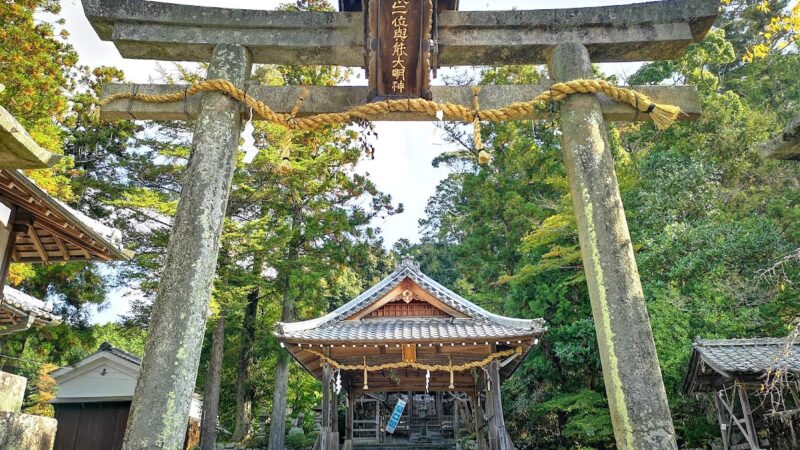
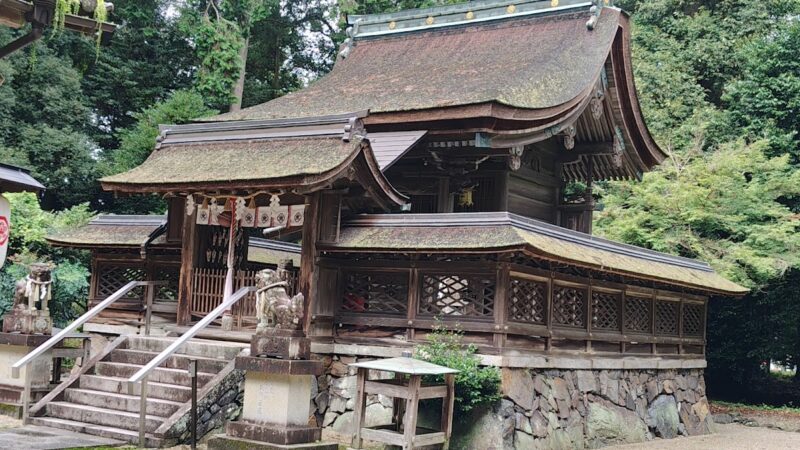
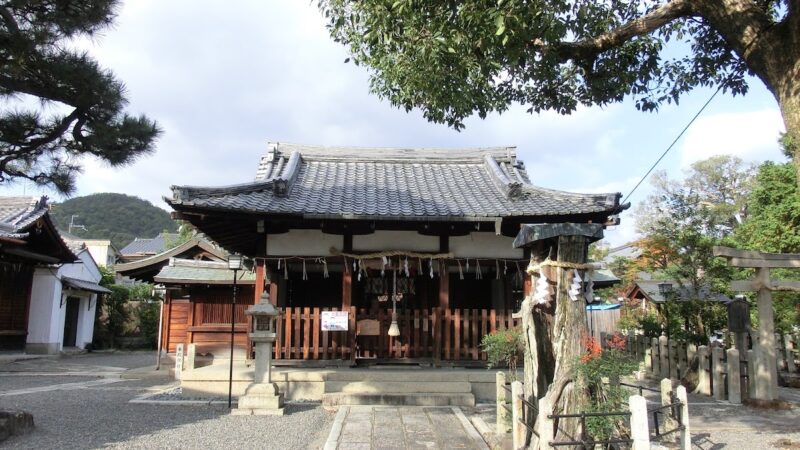
The grounds of Rokushō Shrine are not particularly large, but they possess a charming, intimate atmosphere that evokes a sense of history. The main shrine is built in the one-bay nagare-zukuri style, exhibiting a simple yet dignified appearance. The worship hall has an open design, making it easy for worshippers to visit and pray.
The shrine grounds are lush with ancient trees, creating a tranquil atmosphere despite its urban location. Especially during the seasons of fresh greenery and autumn leaves, the vibrant colors of the trees add color to the grounds, soothing the hearts of visitors.
Chikaraishi Daimyojin
A noteworthy subsidiary shrine within the grounds of Rokushō Shrine is “Chikaraishi Daimyojin.” This shrine has a unique form of worship where small stones are offered as prayers.
Chikaraishi worship is a folk belief found throughout Japan since ancient times, where people believe in the spiritual power residing in stones, and customarily offer stones with wishes or lift stones as a test of strength. The Rikiishi Daimyojin (Power Stone Deity) at Rokushō Shrine is believed to bring blessings for good health, improved physical strength, and success in competitions, and worshippers continue to offer small stones as prayers.
Many small stones are offered within the shrine grounds, testifying to the deep faith of people over many years. This Rikiishi Daimyojin is one of the most distinctive features of Rokushō Shrine and a must-see spot for visitors.
Stone Monuments and Lanterns
The shrine grounds are dotted with stone monuments and lanterns that tell the story of history. These stone structures bear the names and dates of their donors, conveying the deep connection between the shrine’s history and the local community.
In particular, stone structures from the Edo and Meiji periods remain, making them valuable cultural assets that demonstrate the shrine’s long-standing role as a center of local faith.
Goshuin (Shrine Seal) Information
Goshuin (Shrine Seal) is available at Rokushō Shrine. Goshuin (temple/shrine stamps) are available at the shrine office, but staff may not always be present. Therefore, if you wish to obtain a goshuin, it is recommended to check in advance.
The goshuin features the calligraphy and red seal of “Rokushō Shrine,” a simple yet dignified design. The goshuin for Rikiishi Daimyōjin may also be available at the same shrine office.
Goshuincho (stamp book) and other items
Rokushō Shrine also offers items such as amulets and ema (votive tablets). However, as it is a small shrine, the variety of items is limited. The shrine office may be closed during your visit, so those wishing to purchase items should pay attention to the visiting hours.
Annual Festivals and Events
Rokushō Shrine holds various festivals throughout the year. The main annual festivals are held in spring and autumn, with local parishioners and devotees gathering for religious ceremonies.
The dates of the annual festivals may vary from year to year, so those wishing to participate are advised to inquire with the shrine in advance. The annual festival features Kagura (sacred dance and music) performances and a Naorai (celebratory feast), serving as a place to strengthen community bonds.
Furthermore, during the New Year, the shrine is bustling with worshippers, who pray for safety and well-being in the coming year. Annual events such as Setsubun (bean-throwing festival) and the Summer Purification Ceremony are also held, preserving traditional Japanese religious practices.
Access and Surrounding Area Information
Access by Public Transportation
Using the Keifuku Electric Railway (Arashiyama Line)
Get off at Tojiin Station on the Arashiyama Line Kitano Line, approximately 3 minutes on foot. Head north from the station, and after a short walk through the residential area, you will arrive at the shrine. Tojiin Station is an unmanned station, but access is very convenient.
Using City Buses
Get off at Tojiin Minamimachi or Tojiin-michi bus stops on the Kyoto City Bus, approximately 5 minutes on foot. These bus stops are used when accessing from Shijo Karasuma or Kyoto Station by bus.
Access by Car
Rokushō Shrine does not have its own parking lot. If you are visiting by car, you will need to use a nearby coin-operated parking lot. There are several paid parking lots around Tōji-in Temple, but they can get crowded during peak tourist season, so using public transportation is recommended.
Nearby Tourist Attractions
Tōji-in Temple
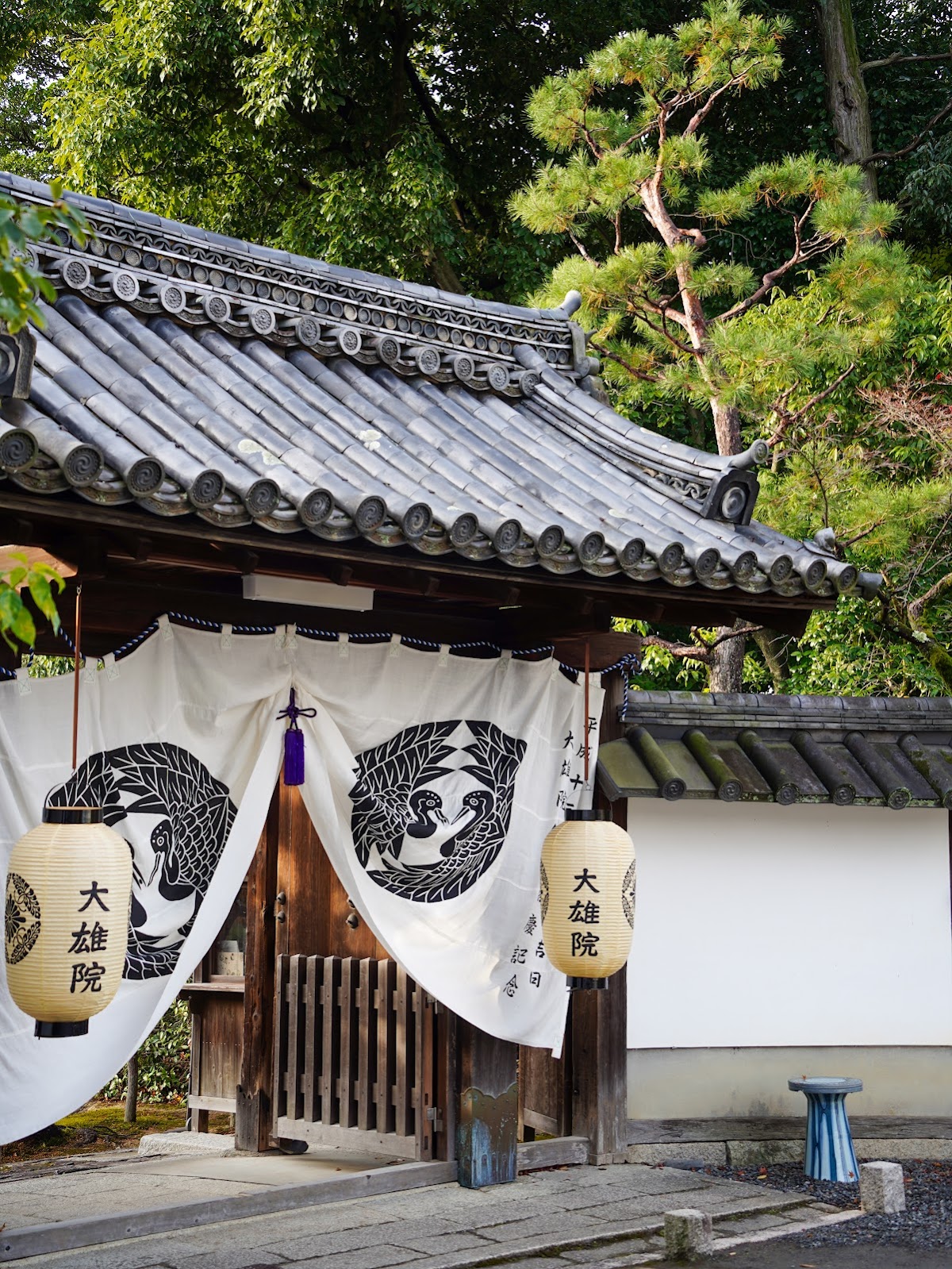
Located next to Rokushō Shrine, it is the family temple of the Ashikaga shogunate. It is known for its beautiful garden and wooden statues of successive Ashikaga shoguns. It is a must-visit spot when visiting Rokushō Shrine.
Ryōan-ji Temple
A temple famous for its rock garden, a UNESCO World Heritage Site. It is approximately a 15-minute walk from Rokushō Shrine.
Kinkaku-ji Temple
A representative tourist attraction of Kyoto. It is approximately a 20-minute walk or a 10-minute bus ride from Rokushō Shrine.
Ninna-ji Temple
A monzeki temple (a temple formerly headed by a member of the imperial family) registered as a UNESCO World Heritage Site. It is famous for its Omuro cherry blossoms. It is approximately a 15-minute walk from Rokushō Shrine.
As described above, Rokushō Shrine is surrounded by many of Kyoto’s most famous tourist spots, making it an easily accessible addition to any sightseeing route.
Etiquette and Precautions for Visiting a Shrine
Basic Worship Etiquette
When visiting Rokushō Shrine, please follow general shrine worship etiquette.
- Bow before passing through the torii gate.
- Cleanse your hands and mouth at the temizuya (water basin).
- Bow twice, clap twice, and bow once in front of the main hall.
- Pay your respects at the Chikaraishi Daimyōjin shrine within the grounds.
- Bow once at the torii gate upon leaving.
Photography
Photography is generally permitted on the shrine grounds, but please be considerate of other visitors. Also, please note that photography inside the shrine buildings and of the sacred object may be prohibited.
Appropriate Attire for Visiting a Shrine
There are no specific dress code requirements, but please be mindful that this is a sacred place and dress cleanly and respectfully.
The Charm of Rokushō Shrine and Reasons to Visit
Experience the Layers of History
Rokushō Shrine has a history that is a microcosm of Japanese religious history, beginning with the faith of ancient pioneers, progressing through a unique form of worship called Rokusha Kanjō, developing under the patronage of the Ashikaga clan, and experiencing the separation of Shinto and Buddhism to reach its present state. By visiting this small shrine, you can feel the changes in Japanese faith over more than a thousand years.
A Quiet Space for Prayer
In contrast to Kinkaku-ji and Ryōan-ji, which are bustling with tourists, Rokushō Shrine maintains a quiet atmosphere as the guardian shrine of the region. It is an ideal space for those who want to escape the hustle and bustle and offer prayers in peace.
The Folk Belief of Chikaraishi (Power Stone)
The Chikaraishi Daimyōjin shrine within the grounds is a valuable presence that conveys the simplicity and strength of folk belief. The act of offering small stones reflects the faith of the Japanese people from ancient times and has a universality that can be resonated with people today.
Hidden Gem of Kyoto Sightseeing
Located in Kita Ward, an area with many famous tourist spots, Rokushō Shrine remains relatively unknown, making it a hidden gem for Kyoto sightseeing. It’s a shrine worth visiting for those who want to avoid crowds and enjoy a peaceful visit, or for those who want to experience Kyoto’s hidden history.
Connection to the Community
Rokushō Shrine is not merely a tourist spot; it plays a central role in the local community. Carefully preserved by local parishioners, it serves as a place to deepen community bonds through daily worship and festivals.
Even amidst increasing urbanization, the role of such local shrines remains significant, contributing to the preservation of traditional culture and the maintenance of regional identity. Visiting Rokushō Shrine offers an opportunity to experience not only Kyoto as a tourist destination, but also Kyoto as a place of life.
Summary
Rokushō Shrine is a historical shrine that has been revered by the local people since ancient times as Kinugasa Goryō. With its unique form of worship involving the enshrinement of six deities, its history as the guardian shrine of Toji-in Temple, and its current form after the separation of Shinto and Buddhism, Rokushō Shrine is a fascinating shrine with a multi-layered history.
The Chikaraishi Daimyōjin (power stone deity) and other historical stone structures within the grounds, along with the tranquil atmosphere, offer peace of mind to visitors. When visiting famous tourist spots such as Kinkaku-ji Temple and Ryōan-ji Temple, be sure to extend your trip a little and visit Rokushō Shrine.
By experiencing this form of faith thriving on the back streets rather than the main thoroughfares of Kyoto, you can gain a deeper understanding of Kyoto’s history and culture. Rokushō Shrine is a precious spot where you can experience the profound depths of Kyoto.