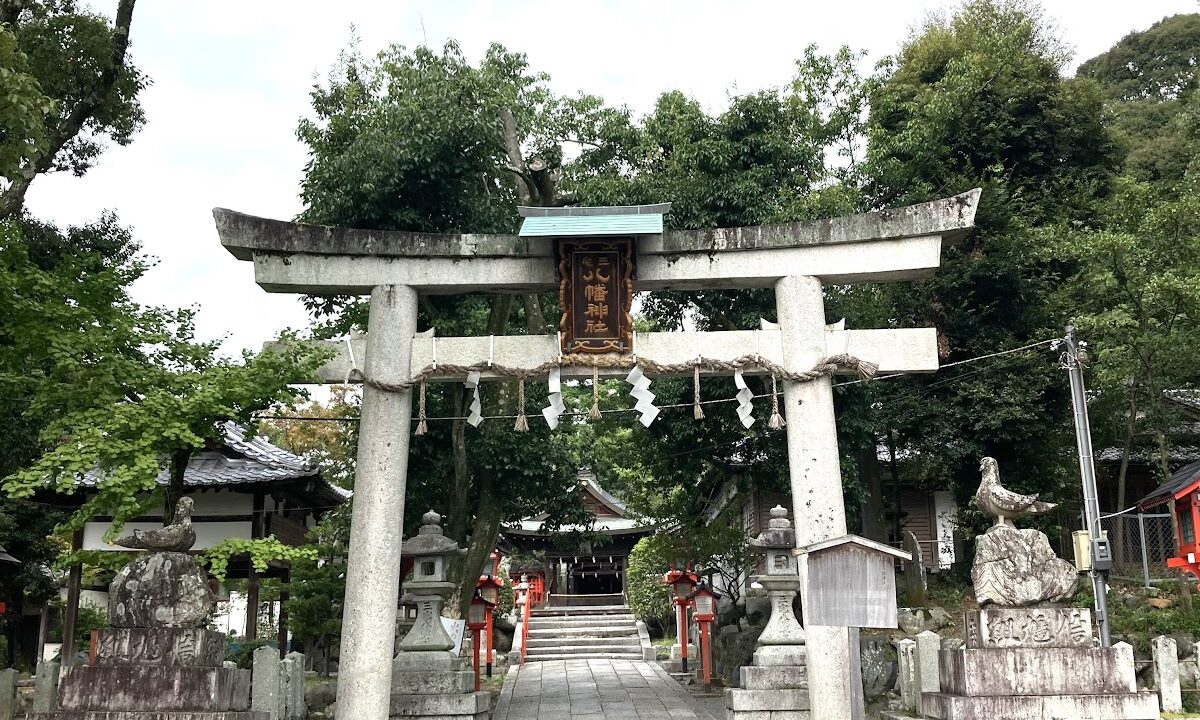
Miyake Hachiman Shrine (Kyoto Prefecture) Complete Guide | History, Blessings, and Access Information for “Mushi Hachiman,” the Guardian Deity of Children
Miyake Hachiman Shrine (Miyake Hachiman-gu), located in the Kamitakano area of Sakyo Ward, Kyoto City, is an ancient shrine with a history of over 1400 years. Affectionately known as “Mushi Hachiman,” it attracts worshippers from all over Japan seeking blessings for curing children’s tantrums and stopping night crying. This article comprehensively introduces information useful for sightseeing and visiting Miyake Hachiman Shrine, including its history, blessings, highlights, and visiting information.
History and Origins of Miyake Hachiman Shrine
Founded during the Reign of Empress Suiko
The founding of Miyake Hachiman Shrine dates back to the reign of Empress Suiko (592-628). Ono no Imoko, known as an envoy to the Sui Dynasty, suffered from illness on his way to Sui China. He prayed at Usa Hachiman Shrine in Kyushu and miraculously recovered. After returning to Japan, Ono no Imoko, grateful for this miraculous event, is said to have founded the shrine by inviting the deity of Usa Hachiman Shrine as an act of gratitude.
Connection with the Miyake Clan
Later, Miyake Takanori, the Bingo Saburo, moved to this area and deeply revered the shrine, hence the name “Miyake Hachiman.” The Miyake clan protected this shrine for generations, developing it into a center of local faith.
The Onin War and Reconstruction
The shrine boasted magnificent buildings and even possessed rice fields, but during the Onin War (1467-1477), ancient records and treasures were all destroyed by fire. Several years later, the villagers conspired to attempt reconstruction, but the shrine gradually deteriorated. In 1869 (Meiji 2), the worship hall was built, and in 1887 (Meiji 20), the main hall and shrine office were constructed, resulting in its current form.
Deep Connection with the Imperial Family
The shrine has had a deep connection with the Imperial Family since ancient times, and the monthly visits by the Imperial family continue to this day. This historical background speaks to the prestige and deep faith of Miyake Hachiman Shrine.
Why it’s called “Mushi Hachiman” | Benefits as a Guardian Deity for Children
Miraculous Efficacy for Curing Child Irritability
The main reason Miyake Hachiman Shrine is called “Mushi Hachiman” is because it is believed to have remarkable efficacy in curing child irritability. “Kan no mushi” is a general term for symptoms such as crying at night, irritability, and convulsions in infants and young children, which have troubled parents since ancient times.
Diverse Blessings
The main blessings of Miyake Hachiman Shrine are as follows:
- Guardian Deity of Children: Watching over healthy growth
- Protection from Colic: Healing from night crying and convulsions
- Prayer for Safe Childbirth: Healthy delivery for both mother and child
- Academic Success: Supporting children’s learning
- Pest Control: Effective against diseases and pests in grains and vegetables
The shrine has a particularly strong reputation for protection against childhood illnesses, and from the Edo period to the Meiji era, many parents visited with their children. The spread of this faith can be seen from the large number of votive tablets (ema) described later.
Annual Festival on September 15th
The annual festival is held every year on September 15th, attracting many worshippers. On this day, families from all over the country visit, especially those praying for their children’s health, and the shrine grounds are bustling with activity.
Collection of Ema (votive tablets) designated as Important Tangible Folk Cultural Properties | Valuable Materials for Folk Culture
Nationally Designated Important Tangible Folk Cultural Property
The ema hall and worship hall of Miyake Hachiman Shrine preserve numerous ema that were dedicated from the Kaei era to the Meiji era, evoking memories of that time. In 2009, 124 ema were designated as a Nationally Important Tangible Folk Cultural Property under the title “Miyake Hachiman Shrine Dedicated Ema for Child-Rearing Prayers.”
Kyoto City Designated Tangible Folk Cultural Property
Furthermore, in 2001, 133 ema related to child-rearing and coming-of-age ceremonies were designated as a Kyoto City Tangible Folk Cultural Property under the title “Miyake Hachiman Shrine Dedicated Ema.”
History Told by Ema
The large, framed ema dedicated from the late Edo period to the Meiji era primarily depict pilgrimage processions and scenes of worship. These are not merely offerings, but are highly valued for the following reasons:
- Record of the Era: Visually records the clothing, customs, and social conditions of the time.
- Reflection of Regional Characteristics: Shows the lifestyle, culture, and beliefs of the Kyoto area.
- Materials on Child-Rearing Customs: Valuable folk materials related to the themes of child-rearing and coming-of-age rituals.
- Spread of Belief: Tells the story of the nationwide spread of the belief in warding off kan-no-mushi (a type of insect).
Public Display at the Ema Museum
There is an Ema Museum on the shrine grounds where you can view these valuable ema up close. Opening hours are 10:00 AM to 3:00 PM, and the admission fee is 300 yen. This is a particularly recommended spot for those interested in folklore and history.
The Legend of the Dove, Messenger of the Gods, and Highlights of the Shrine Grounds
Why Doves are Considered Messengers of the Gods
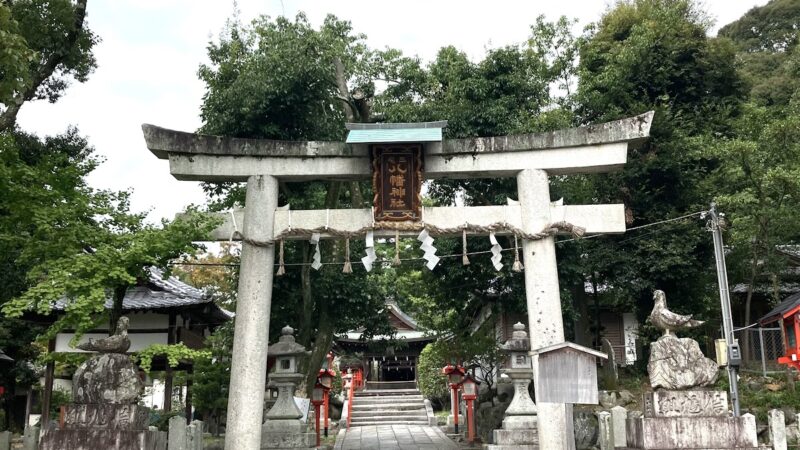
At Miyake Hachiman Shrine, doves are treated with great care as messengers of the gods. A statue of a dove is placed at the south entrance of the main hall, and many doves inhabit the shrine grounds. Hachiman-jin has had a deep connection with doves since ancient times, and this tradition is carried on at our shrine, which was established by inviting the deity from Usa Hachiman-gu Shrine.
Hatomochi (Dove Rice Cake)
A popular souvenir for visitors is “Hatomochi.” These adorable rice cakes shaped like doves have long been a beloved souvenir of Miyake Hachiman Shrine. Characterized by their simple sweetness and soft texture, they are enjoyed by both children and adults.
Main Facilities on the Shrine Grounds
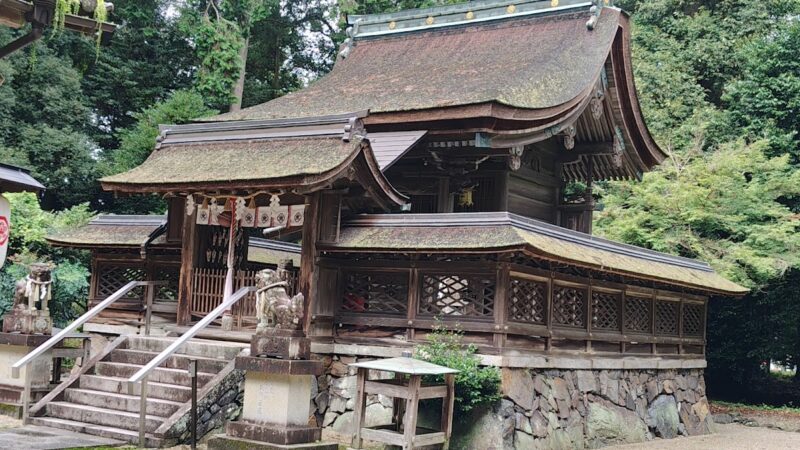
Main Hall: Built in 1887 (Meiji 20), the main hall exudes divine power and conveys the deep faith of ancient times.
Worship Hall: Built in 1869 (Meiji 2), many worshippers pray for the health of their children in the worship hall.
Ema Hall: Ema (votive tablets), designated as Important Tangible Folk Cultural Properties, are stored and displayed here.
Shrine Office: Goshuin (stamps) and other offerings are available here. Opening hours are 9:00 AM to 4:00 PM.
A Naturally Rich Environment
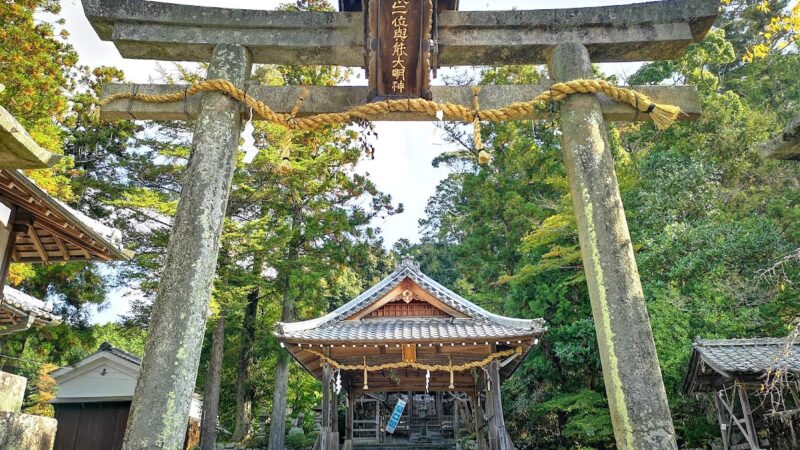
The Kamitakano area in Sakyo Ward, Kyoto City, is a naturally rich area located at the foot of Mount Hiei. The grounds of Miyake Hachiman Shrine are also surrounded by greenery, allowing visitors to enjoy the scenery of each season. The fresh greenery of spring and the vibrant autumn foliage are particularly beautiful, making it a perfect place to combine a visit to the shrine with a nature stroll.
Visiting Information and Access
Basic Information
Official Name: Miyake Hachimangu Shrine
Location: 22 Miyake-cho, Kamitakano, Sakyo-ku, Kyoto City
Phone Number: 075-781-5003
Visiting Hours: Grounds are freely accessible
Shrine Office: 9:00 AM – 4:00 PM
Ema Museum: 10:00 AM – 3:00 PM
Admission Fee: Grounds are free, Ema Museum: 300 yen
Former Shrine Rank: Village Shrine
Access by Train
Using the Eizan Electric Railway Kurama Line
- Get off at “Hachimanmae Station,” approximately 3-4 minutes on foot
- Approximately 15 minutes from Demachiyanagi Station on the Kurama Line
- There are signs guiding you from the station to the shrine, so you won’t get lost.
The Eizan Electric Railway also operates sightseeing trains such as “Hiei” and “Kirara,” allowing you to enjoy the scenery from the train windows.
Access by Bus
Using Kyoto Bus
- Get off at the “Hachimanmae” bus stop.
- From Kyoto Station, there is a route involving transferring between city buses and Kyoto buses.
- From Demachiyanagi Station, Kyoto Bus routes 17 and 18 are convenient.
Access by Car and Parking
Access by private car is possible. There is parking space for visitors on the shrine grounds, but the number of spaces is limited, so we recommend using public transportation. Especially during festivals and on weekends, congestion is expected.
Nearby Tourist Attractions
The following tourist attractions are located near Miyake Hachiman Shrine:
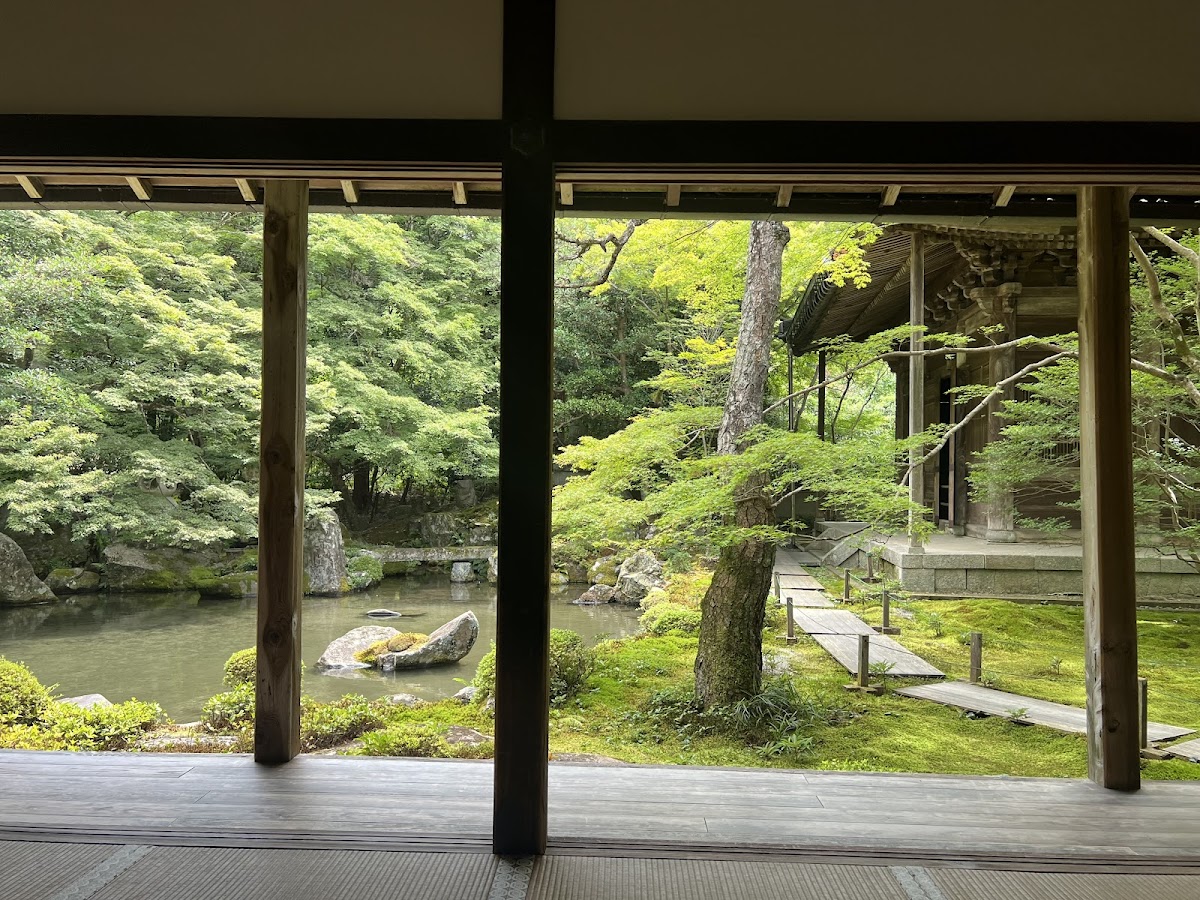
- Rengeji Temple: A temple known for its beautiful garden (approx. 15-minute walk)
- Enkoji Temple: Famous for its autumn foliage (approx. 20-minute walk)
- Shisendo Temple: An elegant mountain villa associated with Ishikawa Jozan (approx. 25-minute walk)
- Kurama-dera Temple: Further north via the Eizan Electric Railway (approx. 15-minute train ride)
It is recommended to include these in a day-long sightseeing course around the Rakuhoku area.
Goshuin (Shrine Seal) Information
Goshuin Reception
Goshuin are available at the shrine office at Miyake Hachiman Shrine. Reception hours are 9:00 AM to 4:00 PM.
Features of the Goshuin
The goshuin features the calligraphy and red seal of “Miyake Hachimangu,” a simple yet dignified design. Many people have their goshuin (stamps) recorded in their goshuincho (stamp book) as a memento of their visit to pray for their child’s health.
Bringing Your Goshuincho
Those wishing to receive a goshuin (stamp) should bring their goshuincho. If you do not have a goshuincho, pre-printed goshuin may be available (please inquire at the shrine office).
Items Offered and Amulets
Children’s Amulets
The most popular item offered at Miyake Hachiman Shrine is an amulet for protecting children’s health. Various amulets are available for protection against colic, cessation of night crying, and prayers for healthy growth.
Safe Childbirth Amulets
Amulets for safe childbirth are also popular. They make a welcome gift for pregnant women or those expecting a baby.
Academic Success Amulets
Amulets for praying for children’s academic success are also available. These are suitable as gifts for students or those taking exams.
Manners and Precautions for Visiting a Shrine
Basic Worship Etiquette
- Bow before passing through the torii gate: This is a courtesy before entering the sacred area.
- Purify yourself at the water basin: Purify your left hand, right hand, and mouth in that order.
- Two bows, two claps, one bow: This is the basic etiquette at the main hall.
- Worship quietly: Remember to be considerate of other worshippers.
Photography
Photography is generally permitted on the shrine grounds, but please note the following:
- Photography may be prohibited inside the main hall.
- Be considerate and avoid including other worshippers in your photos.
- Photography may be prohibited inside the Ema (votive tablet) museum; please check beforehand.
- Avoid using flash photography.
Visiting with Children
As this shrine is known as a guardian deity for children, visits with children are very welcome. However, please keep the following points in mind:
- Do not allow children to run around the shrine grounds.
- Do not allow children to shout.
- Do not chase or harass pigeons.
- Strollers are permitted, but please be careful of steps.
Annual Events at Miyake Hachiman Shrine
Annual Festival (September 15th)
The most important annual event is the annual festival on September 15th. Many worshippers visit to pray for the health of their children and the happiness of their families. A special Shinto ritual is performed on this day, and the shrine grounds are filled with a lively atmosphere.
New Year’s Visit
The first three days of the New Year are bustling with worshippers praying for health and happiness in the new year. Many families visit to pray for the healthy growth of their children.
Other Events
Regular Shinto rituals, such as monthly festivals, are also held. Please inquire at the shrine office for detailed event schedules.
The Charms and Sightseeing Plans of the Rakuhoku Area
Characteristics of the Rakuhoku Area
The Rakuhoku area, where Miyake Hachiman Shrine is located, is a naturally rich region located in the northern part of Kyoto City. Located at the foot of Mount Hiei, it has the following characteristics:
- Natural Environment: Blessed with abundant greenery and clear streams
- Historical Heritage: Scattered with ancient temples and famous places
- Tranquil Atmosphere: A calm space away from the hustle and bustle of tourist areas
- Seasonal Beauty: Enjoy the beauty of nature in every season
Recommended Sightseeing Plan
Half-Day Course
- Board the Eizan Electric Railway at Demachiyanagi Station
- Get off at Hachimanmae Station and visit Miyake Hachiman Shrine (1 hour)
- Walk to Rengeji Temple (30 minutes)
- Visit Rengeji Temple (30 minutes)
- Return from Ichijoji Station
Full-Day Course
- Morning: Visit Miyake Hachiman Shrine
- Lunch: Ramen restaurant in the Ichijoji area
- Afternoon: Visit Enkoji Temple and Shisendo Temple
- Evening: Stroll around Shugakuin Imperial Villa
Gourmet Information
The following gourmet spots are located around Miyake Hachiman Shrine:
- Ichijoji Ramen Street: Numerous ramen shops within walking distance
- Cafes: Cafes where you can enjoy the nature of Rakuhoku
- Japanese Confectionery Shops: Long-established shops offering traditional Kyoto sweets
Folkloric Value of Miyake Hachiman Shrine
Research Materials on Child-Rearing Customs
The votive tablets at Miyake Hachiman Shrine are extremely valuable resources for studying Japanese child-rearing customs. The following customs from the late Edo period to the Meiji era are visually recorded:
- Omiyamairi: A baby’s first visit to a shrine
- Shichi-Go-San: A ritual celebrating a child’s growth
- Hatsutanjo: A celebration of a child’s first birthday
- Kan no Mushi Fuji: The boundary between folk belief and medicine
Changes in Regional Beliefs
The pilgrimage processions depicted on the votive tablets reveal the following characteristics of regional beliefs:
- Worship from a Wide Area: Pilgrims visited not only from Kyoto City but from all over the Kinki region
- Behavior Across Social Classes: Beliefs were shared by a wide range of social classes, from samurai to commoners
- The Role of Women: The central role of mothers in childcare
- Community Support: The involvement of the local community in child-rearing
Significance in Modern Times
Even in modern times, the faith of Miyake Hachiman Shrine holds the following significance:
- Alleviating Child-Rearing Anxiety: Spiritual support alongside scientific medicine
- Inheritance of Traditional Culture: Passing on the history and culture of the region to the next generation
- Community Building: Interaction among parents through worship
- Tourism Resource: Balancing cultural value with tourism
Summary | Points to Note When Visiting Miyake Hachiman Shrine
Miyake Hachiman Shrine has a history of over 1400 years and has attracted worshippers as “Mushi Hachiman,” protecting the health of children. Founded during the reign of Empress Suiko by Ono no Imoko, who invited the deity from Usa Hachiman, the main hall and worship hall, rebuilt during the Meiji era after the Onin War, still welcome worshippers today.
The votive tablets, designated as a National Important Tangible Folk Cultural Property, are valuable historical materials that convey childcare customs from the late Edo period to the Meiji era and can be viewed at the Votive Tablet Museum. Pigeons, considered messengers of the gods, are treated with care on the shrine grounds, and the pigeon-shaped rice cakes (hatomochi) are a popular souvenir.
Access is convenient, a 3-4 minute walk from Eizan Electric Railway’s “Hachimanmae Station,” or immediately after alighting at the Kyoto Bus “Hachimanmae” stop. Goshuin (shrine stamps) and amulets for children can be obtained at the shrine office.
Located in the lush natural surroundings of the Rakuhoku area, Miyake Hachiman Shrine offers a place to pray for the health of children and experience traditional Japanese child-rearing culture. It’s a must-visit during your Kyoto sightseeing trip. I especially recommend it to those with young children or those expecting a baby.