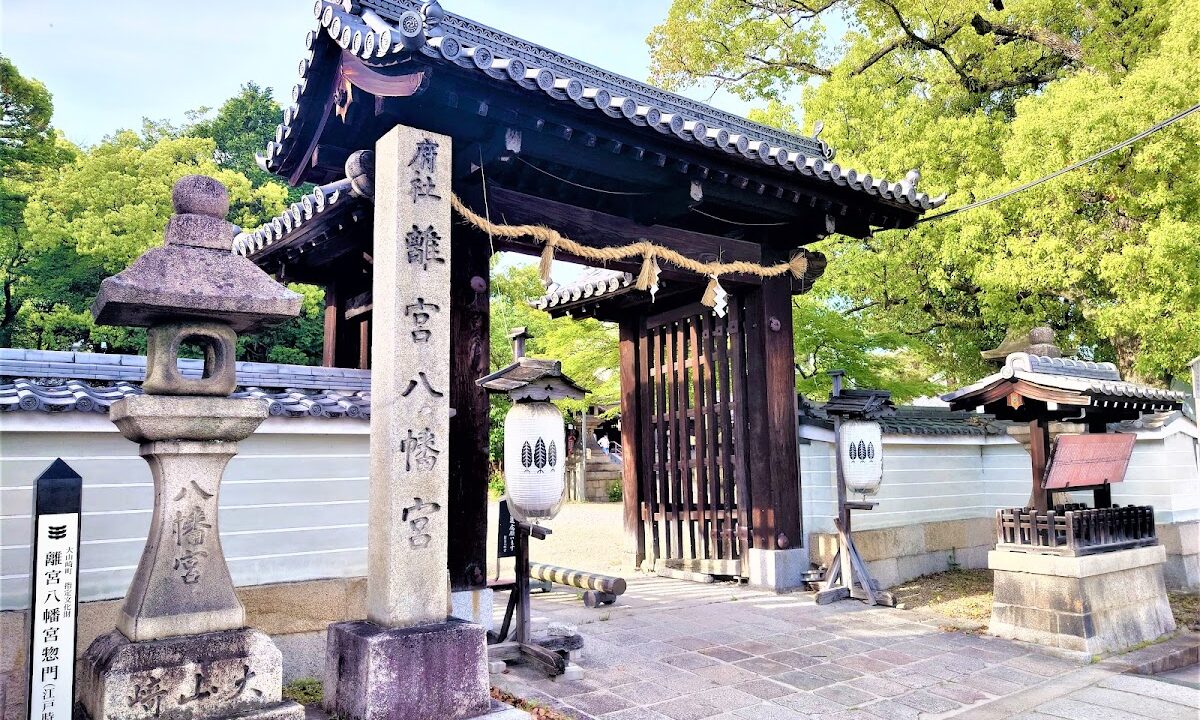
Rikyu Hachimangu Shrine (Kyoto Prefecture) Complete Guide | The Birthplace of Oil Refining and the History of the Former Iwashimizu Hachimangu Shrine
Rikyu Hachimangu Shrine, located in Oyamazaki-cho, Otokuni-gun, Kyoto Prefecture, is a historic shrine founded in the early Heian period. Known as the original shrine of Iwashimizu Hachimangu Shrine, it boasts a unique history as the birthplace of oil refining in Japan and flourished as the headquarters of the “Oil Guild” during the medieval period. This article provides a detailed explanation of Rikyu Hachimangu Shrine’s history, cultural assets, highlights, and access methods.
Overview and Basic Information of Rikyu Hachimangu Shrine
Rikyu Hachimangu Shrine is conveniently located approximately 1 minute’s walk from JR Yamazaki Station and approximately 3 minutes’ walk from Hankyu Oyamazaki Station. It is easily accessible from Kyoto city center, making it a convenient shrine to visit during sightseeing.
Basic Information
- Location: 21-1 Nishitani, Oyamazaki-cho, Otokuni-gun, Kyoto Prefecture
- Deities Enshrined: Hachiman-no-Okami (Emperor Ojin), Empress Jingu, Sakatoke-no-Okami, Hime-sanjin
- Shrine Rank: Former Prefectural Shrine
- Founded: 859 (Jogan 1)
- Opening Hours: 6:00 AM – 5:00 PM (Shrine office: 9:00 AM – 5:00 PM)
- Admission Fee: Free entry to the grounds
- Phone Number: 075-956-0218
Although the grounds are compact, they contain numerous historically valuable buildings and stone monuments, creating a peaceful atmosphere for worship.
History and Origin of Rikyu Hachimangu Shrine
Founding in the First Year of the Jōgan Era and Emperor Saga’s Detached Palace
The founding of Rikyu Hachimangu Shrine dates back to the first year of the Jōgan era (859 AD). It is said to have begun when Gyōkyō, a monk from Daian-ji Temple in Nara, invited the Hachiman deity from Usa Hachimangu Shrine in Kyushu.
When Emperor Seiwa received a divine oracle in a dream, Gyōkyō, on his way back to Kyoto from Kyushu, saw a divine light in the Yamazaki area. It is said that when they dug at that spot, clear water gushed from between the rocks, and thus Hachiman was enshrined there. This clear water became the origin of the name “Iwashimizu,” which later led to the relocation of Iwashimizu Hachimangu Shrine to Otokoyama.
The name of the shrine, “Rikyu” (detached palace), originates from the fact that Emperor Saga’s detached palace (villa) once stood on this site. As an important shrine protecting the southwest of Heian-kyo (Kyoto), it received deep reverence from the imperial court.
Relationship with Iwashimizu Hachimangu Shrine
Rikyu Hachimangu Shrine is positioned as the “original shrine” and “original palace” of Iwashimizu Hachimangu Shrine. Founded in Yamazaki in the first year of the Jogan era (860 AD), it was moved to Otokoyama (the current site of Iwashimizu Hachimangu Shrine) the following year, the second year of the Jogan era (860 AD).
However, the Yamazaki shrine continued to be maintained and played an important role as the original shrine of Iwashimizu Hachimangu Shrine. The relationship between the two shrines continues to this day, and visiting Rikyu Hachimangu Shrine allows one to learn about the origins of Iwashimizu Hachimangu Shrine.
History as the birthplace of oil production
Perilla oil production and the invention of a Shinto priest
The reason Rikyu Hachimangu Shrine is known as the “ancestor of oil” is that it is the birthplace of oil production technology in Japan. During the Heian period, it is said that a Shinto priest of Rikyu Hachimangu Shrine invented a device for extracting oil from perilla seeds.
Until then, only limited quantities of oil could be produced, but the invention of this oil press made mass production possible. Perilla oil was in high demand as lamp oil and was highly valued among temples and nobles.
A stone monument to the “Oil Ancestor” stands on the shrine grounds, commemorating the birthplace of oil production. Due to this historical achievement, it continues to be revered by oil industry professionals nationwide.
The Prosperity of the Oil Guild and the Middle Ages
From the Kamakura period to the Muromachi period, Rikyu Hachimangu Shrine flourished greatly as the headquarters of the “Oil Guild.” The Oil Guild was a commercial organization (a trade association) of oil manufacturers, and it was the largest of the “guilds” in the Middle Ages.
The oil guild at Rikyu Hachimangu Shrine obtained a monopoly on oil refining and sales from the Imperial Court and the Shogunate, controlling oil distribution throughout Japan. Yamazaki was a crucial transportation hub connecting Kyoto and Osaka, making it an ideal location for oil distribution.
Through the activities of the oil guild, immense wealth and power were concentrated at Rikyu Hachimangu Shrine. At its peak, thousands of oil merchants belonged to the guild, and the shrine wielded significant economic and political influence. However, due to the turmoil of the Sengoku period and Oda Nobunaga’s policy of abolishing guilds, the oil guild declined.
Cultural Properties and Buildings of Rikyu Hachimangu Shrine
Registered Tangible Cultural Property: Worship Hall
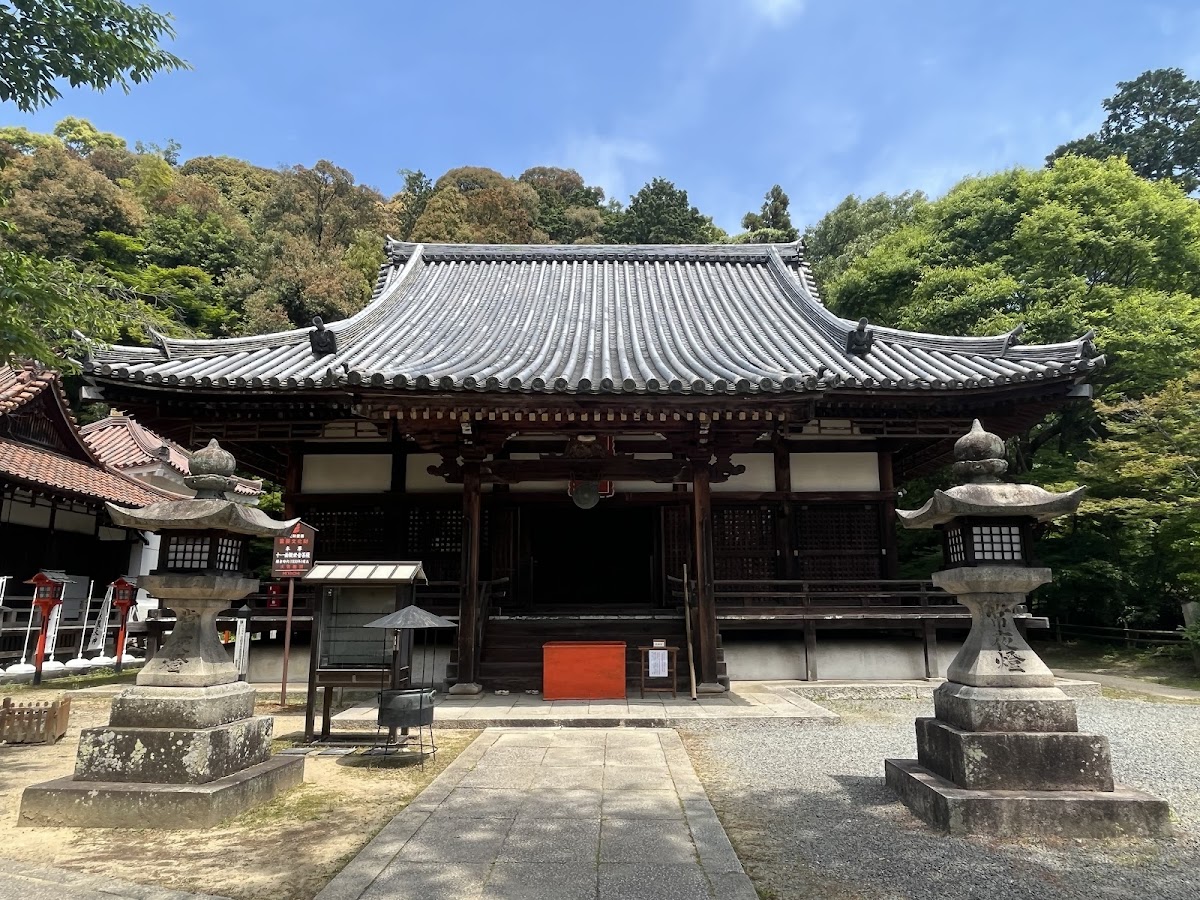
The worship hall of Rikyu Hachimangu Shrine is a single-story wooden building constructed in 1928 (Showa 3), with a copper-plated roof. The building has a floor area of 57 square meters and, as a valuable structure that retains the characteristics of shrine architecture from the early Showa period, it was designated a National Registered Tangible Cultural Property in 2013.
The worship hall, while simple, is built with dignity and creates a sacred space to welcome worshippers. The architectural style follows the traditional shrine architecture of the early Showa period, making it an important resource for understanding the architectural techniques of that time.
Important Cultural Property Documents
Rikyu Hachimangu Shrine houses ancient documents designated as National Important Cultural Properties. These documents are extremely valuable historical materials for understanding the activities of the oil guild and the commercial history of the Middle Ages.
These documents include documents from the Imperial Court and the Shogunate guaranteeing the privileges of the oil guild, records concerning the manufacture and sale of oil, and records of transactions with other regions. These are highly regarded as first-class resources in the study of Japanese economic and commercial history.
Oyamazaki Town Designated Cultural Properties
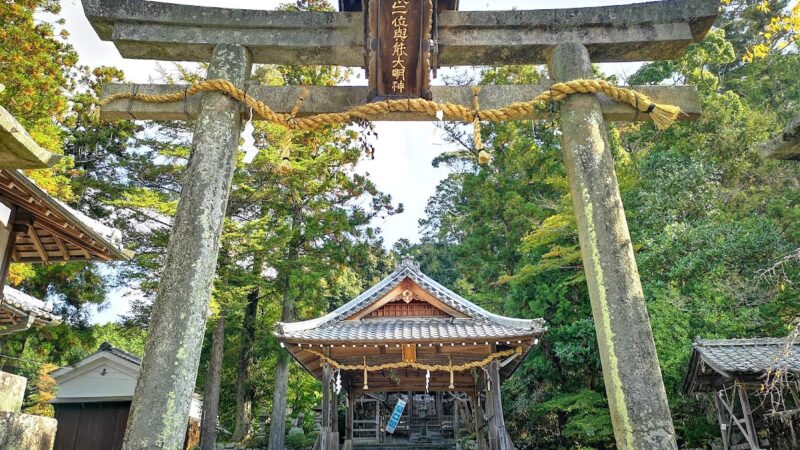
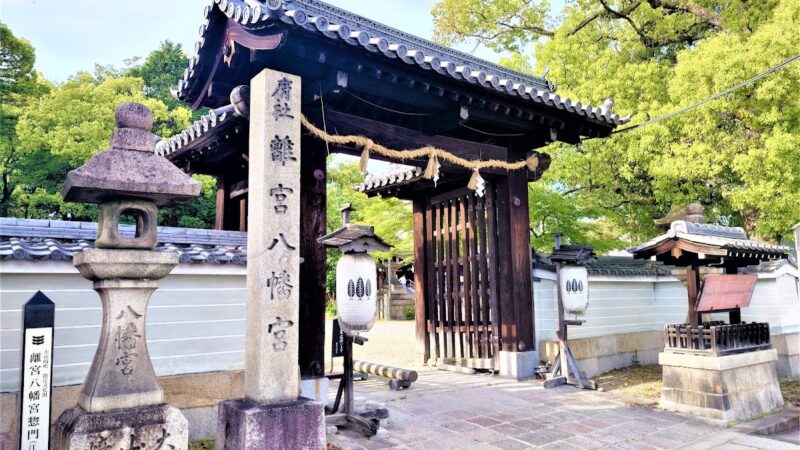
Both the main gate and the east gate of Rikyu Hachimangu Shrine are designated as Oyamazaki Town Designated Cultural Properties. These gates are valuable historical remains that convey the architectural style of the Edo period.
The main gate (Sōmon) is located at the front entrance of the shrine and is an important structure that first welcomes worshippers. The east gate (Higashimon) is located on the east side of the shrine grounds and indicates the former extent of the grounds. Both gates have high historical value and are carefully preserved as local cultural assets.
Highlights and Spots on the Shrine Grounds
Main Hall and Middle Gate
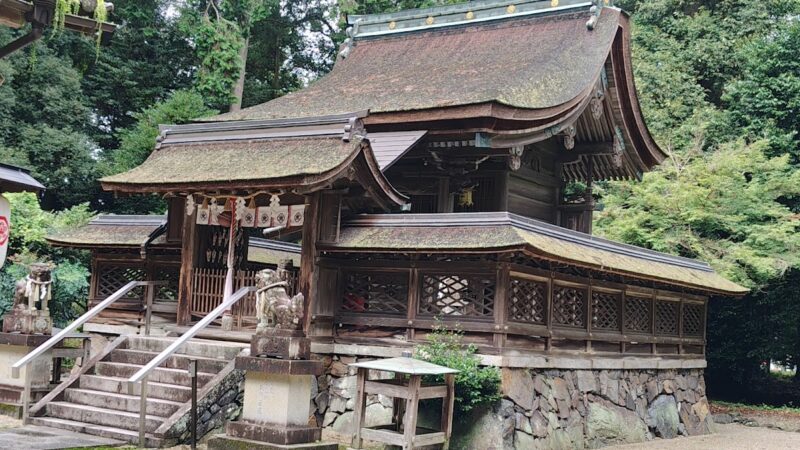
The main hall is the central building of the shrine, dedicated to Hachiman Daishin, and exudes a solemn atmosphere. The middle gate is an important structure that separates the path to the main hall and is designated as a nationally registered tangible cultural property.
When worshipping, please respectfully perform the ritual of two bows, two claps, and one bow at the worship hall. The area around the main hall is maintained as a sacred space, allowing for quiet worship.
Tenjin’s Sitting Stone
Within the shrine grounds is a historical site called the “Tenjin’s Sitting Stone.” This stone is said to be where Sugawara no Michizane, a scholar and politician of the Heian period, rested when he was appointed as the Provisional Governor of Dazaifu and departed for Kyushu.
Sugawara no Michizane was demoted in 901 AD and passed through Yamazaki on his way from Kyoto to Dazaifu in Kyushu. The Tenjin Koshikakeishi (Tenjin Sitting Stone) is a valuable historical site commemorating Michizane’s footsteps, attracting many visitors.
Monument to the Founder of Oil and Stone Monuments Related to Oil Refining
Within the shrine grounds stands a stone monument inscribed with “Founder of Oil,” indicating that this is the birthplace of oil refining. This monument was erected by oil industry professionals from across Japan and symbolizes the historical importance of Rikyu Hachimangu Shrine.
Furthermore, information boards explaining the development of oil refining technology and the history of oil guilds are also installed, conveying the unique history of Rikyu Hachimangu Shrine to visitors.
The Atmosphere of the Water Basin and Shrine Grounds
At the water basin, visitors purify their minds and bodies with pure water before praying. The shrine grounds are surrounded by trees, maintaining a tranquil atmosphere despite its proximity to the city.
In spring, the cherry blossoms are beautiful, and in autumn, the autumn leaves are stunning, allowing visitors to enjoy nature throughout the seasons. Although the grounds are compact, the spatial design conveys a sense of historical weight.
Goshuin (Shrine Seals) and Offerings
Types of Goshuin and Reception Hours
Goshuin are offered at Rikyu Hachimangu Shrine. The shrine office is open from 9:00 to 17:00. In addition to the regular goshuin, seasonal limited-edition goshuin are sometimes offered.
The goshuin features the calligraphy and red seal of “Rikyu Hachimangu,” and also includes a seal indicating its status as the original shrine of Iwashimizu Hachimangu Shrine and its origin as the founder of oil. Bring your goshuincho (stamp book) to receive one as a memento of your visit.
Amulets and Souvenirs
Rikyu Hachimangu Shrine offers a variety of amulets and souvenirs. Hachiman-sama is worshipped as the god of military fortune and victory, and amulets for success in competitions and careers are popular.
There are also unique souvenirs related to the birthplace of oil production, which are popular with visitors praying for business prosperity and success. Ema (votive tablets) and amulets are also available, allowing visitors to pray for family safety and the fulfillment of their wishes.
Access and Nearby Attractions
Access by Train
Rikyu Hachimangu Shrine is easily accessible by train.
If using the JR Kyoto Line:
- Get off at JR Yamazaki Station, approximately 1 minute walk.
- Approximately 20 minutes from Kyoto Station, approximately 30 minutes from Osaka Station.
If using the Hankyu Kyoto Line:
- Get off at Hankyu Oyamazaki Station, approximately 3 minute walk.
- Approximately 25 minutes from Kyoto Kawaramachi Station, approximately 35 minutes from Osaka Umeda Station.
The shrine is very close to the station, making it easy to find even for first-time visitors. Following the signs in front of the station will quickly lead you to the shrine entrance.
Access by Car and Parking
If visiting by car, it’s approximately 5 minutes from the Meishin Expressway Oyamazaki Interchange. However, since the shrine’s dedicated parking is limited, we recommend using public transportation.
There are coin-operated parking lots nearby, but the number of spaces is limited, and they may be full on holidays. Access by train is the most reliable and convenient option.
Nearby Tourist Attractions
There are several attractive tourist spots around Rikyu Hachimangu Shrine.
Suntory Yamazaki Distillery
Located about a 10-minute walk away, you can tour the whiskey manufacturing process (reservations required). It’s a popular spot where you can also enjoy whiskey tasting.
Hoshakuji Temple (Treasure Temple)
About a 15-minute walk. Known as the temple where Toyotomi Hideyoshi established his headquarters during the Battle of Yamazaki, it houses important cultural property Buddhist statues.
Tennozan Mountain
A historical mountain that was the site of the Battle of Yamazaki. It’s a popular hiking course, offering panoramic views of the Kyoto Basin and the Osaka Plain from the summit.
Iwashimizu Hachimangu Shrine
About a 15-minute drive, or a 20-minute train ride. The relocated site of Rikyu Hachimangu Shrine, it’s a prestigious shrine with a national treasure main hall. Visiting both shrines will give you a deeper understanding of the history of Hachiman worship.
Annual Events and Festivals
Rikyu Hachimangu Shrine holds various festivals and events throughout the year.
New Year’s Day Festival (January 1st)
A festival celebrating the New Year, attracting many visitors for their first shrine visit of the year.
Setsubun Festival (around February 3rd)
Setsubun rituals, such as bean-throwing, are held.
Annual Grand Festival (around September 15th)
The most important festival of Rikyu Hachimangu Shrine, sometimes including a portable shrine procession.
Details and dates of these events may vary from year to year, so it is recommended to check with the shrine before visiting.
The Charm of Rikyu Hachimangu Shrine and Points for Visiting
The greatest charm of Rikyu Hachimangu Shrine lies in its combination of religious importance as the original shrine of Iwashimizu Hachimangu Shrine and industrial historical significance as the birthplace of oil refining. It possesses a unique history different from typical shrines, allowing visitors to experience Japanese economic and commercial history through their visit.
Although the grounds are compact, they are rich in cultural assets such as the main hall and gates, as well as historical sites such as the Tenjin-koshikakeishi stone, making them a concentrated source of interest. Its convenient location, just a few minutes’ walk from the station, is a major draw, making it easy to stop by during your Kyoto sightseeing.
When visiting, don’t just offer your prayers; reflecting on the history of the oil guild, the development of oil refining technology, and its relationship with Iwashimizu Hachimangu Shrine will provide a deeper experience.
Summary
Rikyu Hachimangu Shrine is a venerable shrine with a history of over 1000 years since its founding in 859 AD. It holds religious significance as the original shrine of Iwashimizu Hachimangu Shrine, and also plays a noteworthy role in Japanese industrial history as the birthplace of oil refining. In the Middle Ages, it prospered as the headquarters of the oil guild, boasting immense wealth and power.
Even today, it houses valuable cultural assets, including the registered tangible cultural property of the worship hall and important cultural properties of ancient documents, preserving its history. Its excellent accessibility, just a few minutes’ walk from JR Yamazaki Station and Hankyu Oyamazaki Station, is another attractive feature.
When you visit Kyoto or Osaka, be sure to stop by Rikyu Hachimangu Shrine and experience the origins of Hachiman worship and the birthplace of Japan’s oil refining culture. The time you spend reflecting on history in the tranquil grounds will surely be a memorable experience.