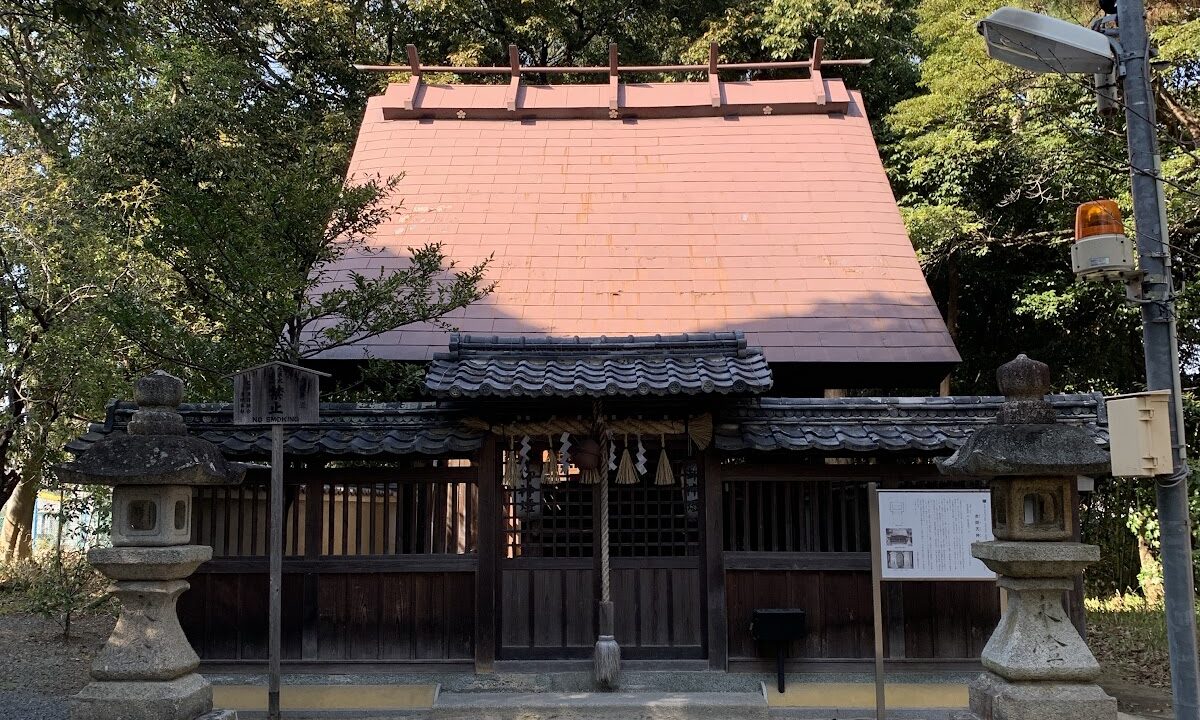
Akane Tenjin Shrine (Kyoto Prefecture) Complete Guide | A Thorough Explanation of History, Deities, Access, and Highlights
Akane Tenjin Shrine, located in Imasato, Nagaokakyo City, Kyoto Prefecture, is a historic shrine that has been cherished by the local people for centuries. It also serves as a temporary resting place for the deity of Mukai Shrine and is revered as a god of family safety and abundant harvests. This article provides a detailed explanation of everything you need to know before visiting Akane Tenjin Shrine, including its history, deities, access methods, and highlights within the shrine grounds.
About Akane Tenjin Shrine
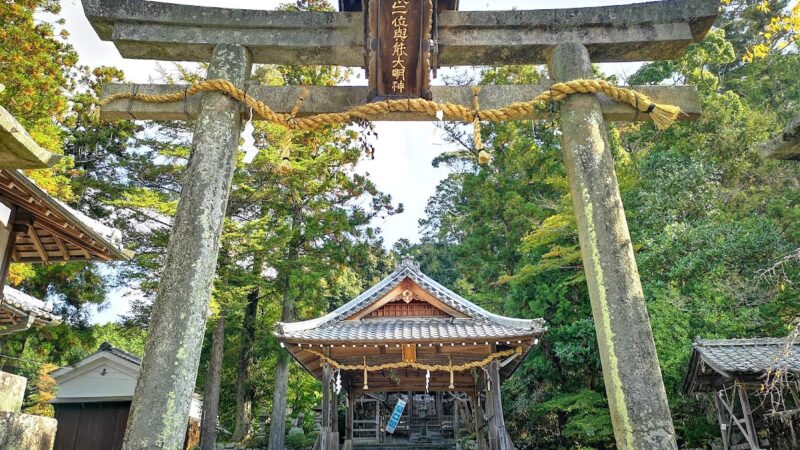
Akane Tenjin Shrine is located in Akane, Imasato, Nagaokakyo City, Kyoto Prefecture, and has a long history as the local guardian shrine. The surrounding area is a quiet residential area with rural landscapes, and the shrine grounds are enveloped in a peaceful and tranquil atmosphere.
Characteristics of the Shrine
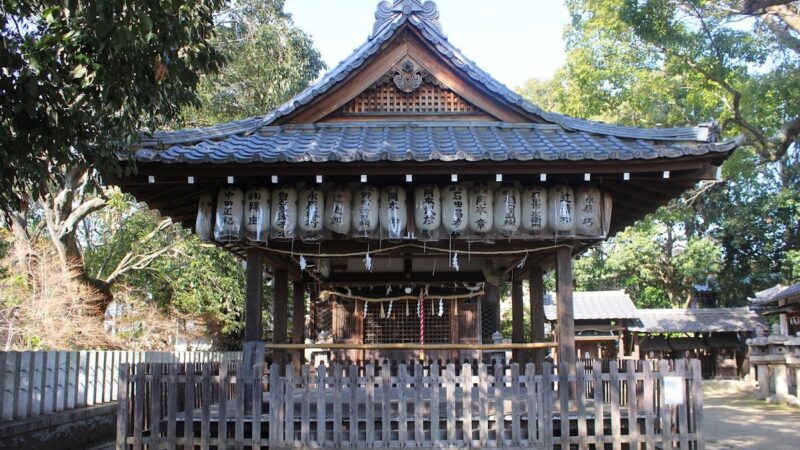
The most distinctive feature of Akane Tenjin Shrine is its role as a temporary resting place for the deity of Mukai Shrine. An Otabisho is a place where the portable shrine (mikoshi) rests or stays during a shrine festival procession, playing an important role in the local festival culture.
The shrine grounds are designated as a cultural property preservation area, protecting its historical landscape. The approach to the shrine and the grounds are adorned with the beauty of nature throughout the seasons, and particularly beautiful scenery can be enjoyed during the cherry blossom season in spring and the autumn foliage season.
Deities and Blessings
Main Deities
Akane Tenjin Shrine enshrines the divine couple who created the land and the gods in Japanese mythology.
Izanagi-no-Mikoto
One of the creator gods in Japanese mythology, a male deity who, together with Izanami-no-Mikoto, created the land of Japan and many gods.
Izanami-no-Mikoto
The wife of Izanagi-no-Mikoto, a goddess who, together with him, created the land and the gods.
These two deities have been worshipped since ancient times as gods of creation, matchmaking, and marital harmony.
Benefits
Akane Tenjin Shrine is believed to offer the following benefits:
- Family Safety: Protection of family health and peaceful living
- Abundant Harvest: Abundant crops and business prosperity
- Matchmaking: Benefits of finding a good partner
- Marital Harmony: Harmony between spouses and family harmony
- Prosperity of Descendants: Blessings of children and the prosperity of descendants
As the guardian deity of the region, this shrine has watched over the lives of local people since ancient times.
History of Akane Tenjin Shrine
Founding and History
The exact founding date of Akane Tenjin Shrine is unclear, but it is believed to have been enshrined in this region since ancient times. The Imasato district of Nagaokakyo City was once a thriving agricultural area, and the shrine attracted the faith of people praying for abundant harvests.
Relationship with Mukai Shrine
Akane Tenjin Shrine plays an important role as a temporary shrine for Mukai Shrine, located in Mukai City. Mukai Shrine is an ancient shrine said to have been founded in 718 AD (Yoro 2), and enshrines Mukai-no-kami (the god of fire and thunder) as its main deity.
During festivals, the portable shrine (mikoshi) is carried out from Mukai Shrine and paraded to several temporary shrines, including Akane Tenjin Shrine. This procession of the mikoshi is an important annual event in the region and is still passed down today.
The Onin War and Reconstruction
The Onin War (1467-1477) was a large-scale civil war that lasted for 11 years, centered in Kyoto. Many temples and shrines around Kyoto were destroyed by fire during this conflict. It is believed that the area around Akane Tenjin Shrine was also affected by the war, and it is presumed to have been rebuilt in a later period.
History Since the Early Modern Period
During the Edo period, the shrine was revered by villagers as the local guardian deity, and festivals and annual events were held there. Even after the separation of Shinto and Buddhism in the Meiji era and the social changes after World War II, the faith rooted in the community has continued uninterrupted to the present day.
Highlights of the Shrine Grounds and Cultural Properties
Main Hall
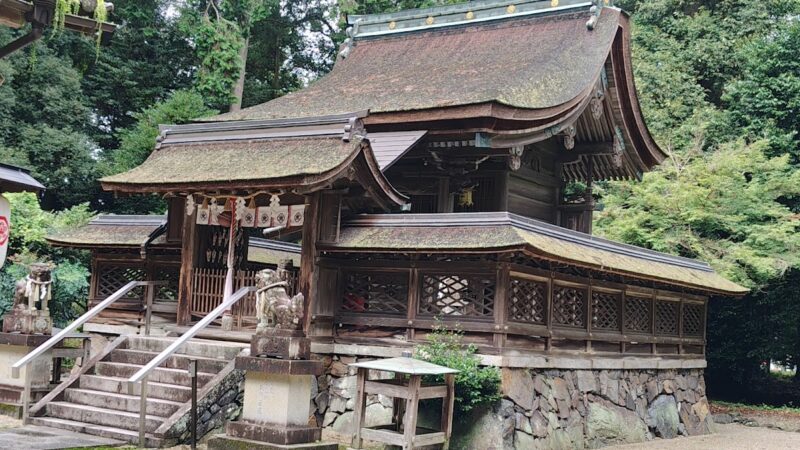
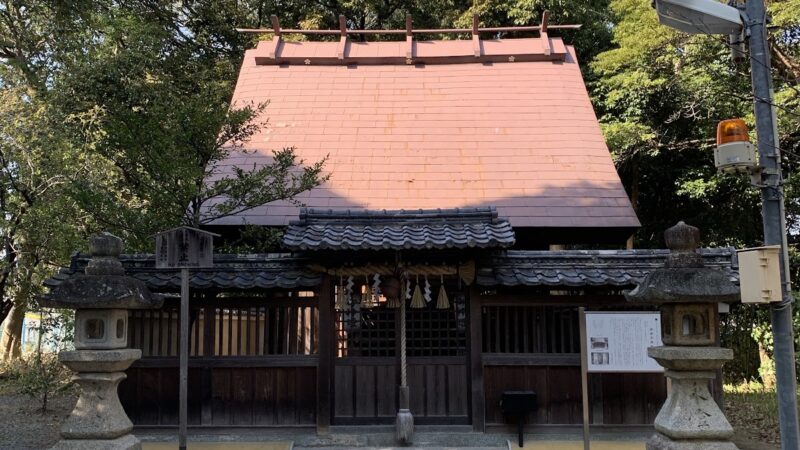
The main hall of Akane Tenjin Shrine is a building in the style of traditional shrine architecture. Although small in scale, it is carefully maintained, reflecting the deep faith of the local people.
Shrine Grounds Environment
The shrine grounds are designated as a cultural property environment preservation area, protecting the historical landscape. This designation restricts development in the surrounding area, preserving the historical and cultural value of the shrine.
Seasonal Scenery of the Approach
Cherry trees and maple trees are planted along the approach to the shrine, allowing visitors to enjoy beautiful scenery in each season.
Spring (Late March to Early April)
The cherry blossoms are in full bloom, painting the approach to the shrine in a delicate pink. It’s a popular walking route for locals.
Autumn (Mid-November to Late November)
The autumn leaves change color, creating a vibrant landscape of red and yellow. You can spend a relaxing time admiring the autumn foliage in the tranquil shrine grounds.
Stone Monuments and Sculptures
Within the shrine grounds are stone monuments, stone lanterns, and other stone sculptures that evoke a sense of history. These are valuable cultural assets that tell the story of the long history of faith.
Access and Basic Information
Location
Address: 4-214-1 Imasato Akane, Nagaokakyo City, Kyoto Prefecture
(※Some sources list “Imasato 4-17-49,” but the correct address is the one above.)
Access by Train
Nearest Station: Hankyu Kyoto Line “Nishimuko Station”
Approximately 20 minutes on foot from the station (approx. 1.5 km)
Nishimuko Station is a station where local trains on the Hankyu Kyoto Line stop. It is easily accessible from both Osaka and Kyoto.
From Kyoto Kawaramachi Station: Approximately 20 minutes (using the limited express train, transfer at Katsura Station)
From Osaka Umeda Station: Approximately 40 minutes (using the limited express train, transfer at Katsura Station)
Walking Route
From Nishimuko Station to Akane Tenjin Shrine, you will walk through a residential area. The most common route is to exit the station and head west towards the Imasato area. The path is flat and easy to walk, but there are few signs, so it’s recommended to check the route beforehand using a map app.
Access by Car
From Kyoto Jukan Expressway “Nagaokakyo IC”: Approximately 10 minutes
From Meishin Expressway “Kyoto Minami IC”: Approximately 20 minutes
Regarding parking, there may not be dedicated parking spaces on the shrine grounds, so using public transportation is recommended. If visiting by car, it is recommended to use nearby coin parking or check in advance.
Visiting Hours and Admission Fee
Visiting Hours: Grounds are freely accessible (24-hour visitation possible)
Admission Fee: Free
Shrine Office: May not have a permanent staff member
Contact Information
Akane Tenjin Shrine is a small shrine, so there may not be a permanently stationed priest. For detailed information, we recommend contacting Mukai Shrine (075-921-0217).
Annual Events and Festivals
Festivals and Temporary Shrines of Mukai Shrine
Akane Tenjin Shrine plays an important role throughout the year as the temporary shrine of Mukai Shrine. Especially during the autumn grand festival, the portable shrine is paraded, and local people gather to perform the festival.
Local Folk Performing Arts
In Nagaokakyo City and the surrounding areas of Mukai City, traditional folk performing arts have been passed down for generations. Some Tenjin shrines hold traditional events such as “Nerikomi Bayashi” (a type of festival music), striving to preserve local culture.
Attractions in the Surrounding Area
Mukai Shrine
Location: 65 Kitayama, Mukai-cho, Mukai City, Kyoto Prefecture
Access: Approximately 10 minutes on foot from Nishimukai Station on the Hankyu Kyoto Line
This ancient shrine, founded in 718 AD (Yoro 2), is the main shrine of Akane Tenjin Shrine. The main hall is designated as an Important Cultural Property and is a building of high historical value.
Nagaoka Tenmangu Shrine
Location: 2-15-13 Tenjin, Nagaokakyo City, Kyoto Prefecture
Access: Approximately 10 minutes on foot from Nagaoka Tenjin Station on the Hankyu Kyoto Line
This Tenmangu shrine enshrines Sugawara no Michizane and is popular with students preparing for exams as the god of learning. In spring, the Kirishima azaleas, approximately 150 years old, bloom magnificently.
Komyoji Temple
Location: 26-1 Aonishijonouchi, Nagaokakyo City, Kyoto Prefecture
Access: Approximately 20 minutes by bus from JR Nagaokakyo Station
This is the head temple of the Seizan Jodo sect and is known as a famous spot for autumn foliage. In particular, the “Maple Path” leading to the temple is breathtaking in autumn when approximately 200 maple trees change color.
Otokuniji Temple
Location: 3-14-7 Imasato, Nagaokakyo City, Kyoto Prefecture
Access: Approximately 15 minutes on foot from Hankyu Kyoto Line Nagaoka-Tenjin Station
This is a temple of the Shingon-shu Buzan sect and is famous as a temple of peonies. In spring, approximately 2,000 peony plants bloom, attracting many visitors.
About Goshuin (Shrine Seals) and Goshuincho (Shrine Seal Books)
Akane Tenjin Shrine is a small shrine and does not have a resident priest. Therefore, it is highly likely that they do not issue Goshuin. If you wish to receive a Goshuin, you can obtain one at the main shrine, Mukai Shrine.
Mukai Shrine offers not only regular Goshuin but also seasonal limited-edition Goshuin. We recommend obtaining a Goshuin from Mukai Shrine as a memento of your visit.
Akane Tenjin Shrine is a small shrine and does not have a resident priest. Therefore, it is highly likely that they do not issue Goshuin. ## Manners and Etiquette for Visiting a Shrine
Basic Etiquette for Visiting a Shrine
- Bow before passing through the torii gate: Before entering the sacred area, bow before the torii gate.
- Walk along the edge of the path: The center of the path is considered the path of the gods, so walk along the edge.
- Purify yourself at the water basin: If there is a water basin, purify your hands and mouth.
- Two bows, two claps, one bow: In front of the main hall, bow twice, clap twice, and finally bow once.
- Bow after leaving the torii gate: When leaving the sacred area, turn around and bow once.
Regarding Photography
Photography is generally permitted on the shrine grounds, but please note the following points.
- Please refrain from taking photos inside the main hall or worship hall.
- Please be considerate of other worshippers.
- Please maintain silence and respect the sacred atmosphere.
- Please avoid using tripods.
The Charm of Akane Tenjin Shrine
A Quiet Worship Environment
The greatest charm of Akane Tenjin Shrine is its quiet and peaceful worship environment. Unlike famous shrines bustling with tourists, it retains a simple atmosphere that has been preserved by the local people. A space where one can escape the hustle and bustle of everyday life and worship in peace is a precious thing in modern times.
A Faith Rooted in the Community
Throughout its long history, Akane Tenjin Shrine has been intertwined with the lives of the local people. As the guardian deity, it has attracted the faith of people praying for family safety and abundant harvests. This form of faith rooted in the community gives a sense of the origins of Japanese shrine culture.
Nature in Every Season
The cherry blossoms and autumn leaves in the shrine grounds and along the approach create beautiful scenery in every season. The shrine grounds, which display different expressions in each of the four seasons—the cherry blossoms of spring, the fresh greenery of spring, the autumn foliage, and the tranquility of winter—offer new discoveries with every visit.
Connection to Mukai Shrine
Akane Tenjin Shrine has a deep connection with Mukai Shrine through its role as a temporary shrine for the deity during festivals. This relationship is an interesting element in understanding the regional festival culture and network of beliefs.
Points to Note When Visiting
Absence of Shrine Office
Akane Tenjin Shrine is a small shrine, so there may not be a permanent priest. If you wish to obtain a goshuin (shrine stamp) or other items, it is recommended to visit Mukai Shrine.
Access Confirmation
It is about a 20-minute walk from the nearest station, which is a bit of a distance. Especially in summer or on rainy days, it is recommended to allow ample time for your visit. Since there are few signs along the way, using a smartphone map app is recommended.
Parking Confirmation
There may not be a dedicated parking lot, so using public transportation is recommended. If you are visiting by car, it is a good idea to check in advance whether there is parking available or to research nearby coin-operated parking lots.
Visiting Hours
The temple grounds are open 24 hours a day, but please be considerate of the surrounding residents when visiting early in the morning or late at night. Visiting during daylight hours is recommended.
History and Culture of Nagaokakyo City
History of Nagaokakyo
Nagaokakyo City, as its name suggests, is a historical area where the capital was once located. In 784 AD, Emperor Kanmu moved the capital from Heijo-kyo to Nagaokakyo, and the city was constructed. Although the capital was moved to Heian-kyo after only 10 years, this short period also holds significant meaning in Japanese history.
Modern Nagaokakyo City
Present-day Nagaokakyo City is located midway between Kyoto and Osaka, and has developed as a conveniently located residential city. While historical temples, shrines, and historical sites are scattered throughout, bamboo groves and rural landscapes remain, making it an attractive area where history and nature harmonize. ## The Significance of Visiting Akane Tenjin Shrine
Akane Tenjin Shrine may lack the glamour of famous tourist destinations, but it is a place where you can feel the essence of Japanese shrine culture. This small shrine, protected by the local community and quietly attracting worshippers, possesses a simple charm unspoiled by tourism.
Visiting it along with surrounding shrines such as Mukai Shrine and Nagaoka Tenmangu Shrine will allow you to gain a deeper understanding of the region’s religious culture. Why not extend your Kyoto sightseeing trip a little and visit? You will be able to spend a peaceful time away from everyday life in its tranquil grounds.
Summary
Akane Tenjin Shrine is a historical shrine located in Nagaokakyo City, Kyoto Prefecture. It enshrines Izanagi-no-Mikoto and Izanami-no-Mikoto as its deities, and is believed to bring blessings of family safety and abundant harvests. It also serves as a temporary shrine for Mukai Shrine’s deities, occupying an important position in the region’s festival culture.
The shrine grounds are designated as a cultural heritage preservation area, and the cherry blossoms and autumn leaves along the approach create beautiful scenery throughout the seasons. Its greatest charm lies in the quiet atmosphere, untouched by commercialization, allowing for peaceful worship.
Access is approximately a 20-minute walk from Nishimuko Station on the Hankyu Kyoto Line. Numerous historical temples and shrines, such as Mukai Shrine, Nagaoka Tenmangu Shrine, and Komyoji Temple, are scattered throughout the area, allowing visitors to experience the rich religious culture of the region by visiting them together.
Why not spend some peaceful time at this quiet shrine, a little removed from the hustle and bustle of Kyoto?