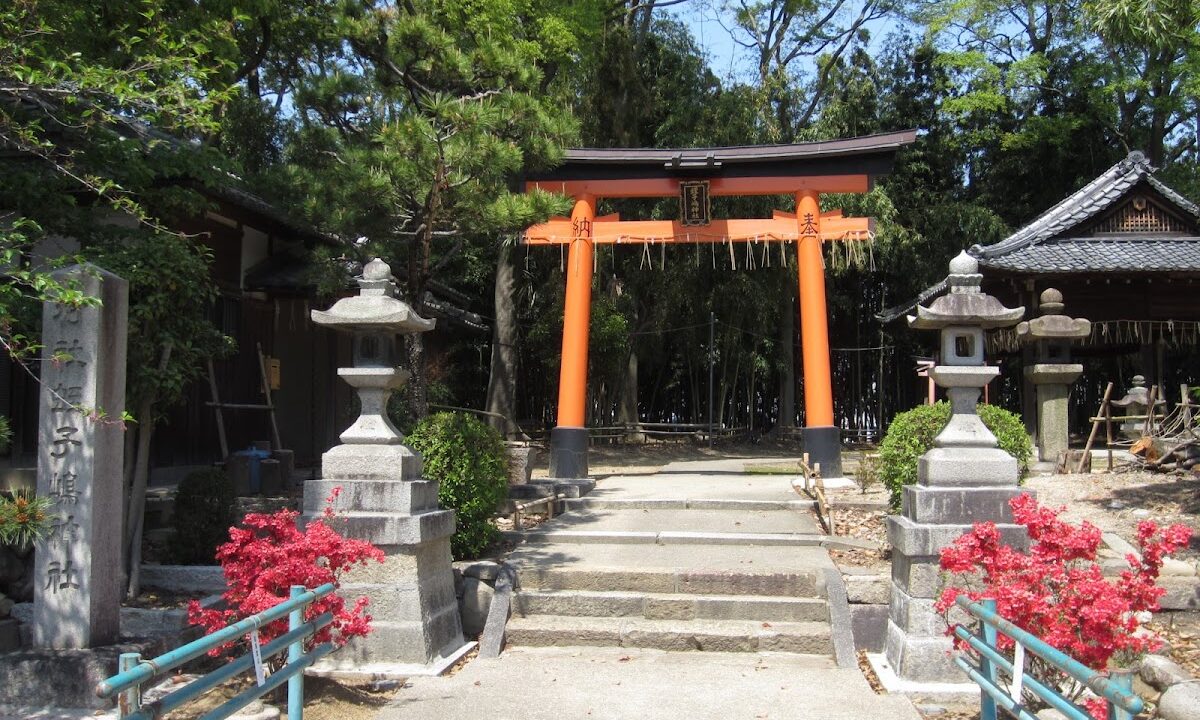
Ebisujima Shrine (Kyoto Prefecture) Complete Guide: History, Benefits, Access, and Highlights Explained in Detail
Kyoto Prefecture boasts numerous shrines, but Ebisujima Shrine, deeply rooted in local faith, possesses a unique history and culture. This article provides a detailed explanation of everything you need to know before visiting, including the shrine’s historical background, enshrined deities, benefits, highlights within the grounds, annual events, worship methods, and access information.
What is Ebisujima Shrine?
Ebisujima Shrine is a historical shrine located in Kyoto Prefecture, revered by local residents. The name “Ebisu” is deeply connected to Ebisu, one of the Seven Lucky Gods, and has long been worshipped as a guardian deity of business prosperity and fishing.
The inclusion of “shima” (island) in the shrine’s name suggests that this area was once close to water or had an island-like topography. Kyoto’s topography underwent significant changes from ancient to medieval times, and many shrines retain the history of the land in their names.
History of Ebisujima Shrine
Origin of Founding
While there are various theories regarding the exact founding date of Ebisujima Shrine, local traditions suggest it has been worshipped since ancient times by people involved in fishing and water transport. Ebisu (Ebisu-sama) was originally worshipped as a god of fortune and fishing, arriving from the sea, and was particularly revered in areas near the sea and rivers.
In ancient times, the Kyoto Basin had many bodies of water, including Ogura Pond, and water transport flourished. It is believed that Ebisujima Shrine was deeply connected to such waterside worship.
Transition from Medieval to Early Modern Period
In the medieval period, the worship of Ebisu-sama strengthened its character as a god of business prosperity along with the development of commerce. Kyoto developed as a commercial city from the Heian period onward, and as market and merchant activities flourished, shrines dedicated to Ebisu (the god of mercy) became popular among merchants.
During the Edo period, festivals called “Ebisu-ko” were held frequently throughout the region, and the custom of worshipping Ebisu annually became established in merchant households. Ebisujima Shrine, within this flow of faith, has been maintained as an important center of local worship.
Developments since the Modern Era
While many small shrines were consolidated or abolished due to the Meiji-era separation of Shinto and Buddhism and the shrine consolidation policy, Ebisujima Shrine survived, supported by the strong faith of local residents. Even amidst the post-war period of rapid economic growth and increasing urbanization, it continues to function as a central hub for the local community.
Currently, while preserving traditional festivals, the shrine is managed in a way that adapts to the new era, playing a role in passing on the region’s history and culture to future generations.
Deities and Blessings
Main Deity: Hiruko-no-kami (Ebisu-no-kami)
The main deity of Hiruko-jima Shrine is Hiruko-no-kami. Hiruko-no-kami, also known as Ebisu-no-kami, is widely known as one of the Seven Lucky Gods. In Japanese mythology, he was born as the first child of Izanagi and Izanami, but because he was an incomplete child without bones, he was set adrift in a boat made of reeds.
However, there is a legend that after drifting at sea, Hiruko-no-kami washed ashore in Nishinomiya (present-day Nishinomiya City, Hyogo Prefecture) and came to be worshipped as the god of the sea and fishing. He is also sometimes identified with Kotoshironushi-no-kami, and has become a popular deity of business prosperity.
Benefits
Visiting Ebisu-jima Shrine is believed to bring the following benefits:
Business Prosperity Ebisu is most famous as the god of business prosperity and is an important object of worship for those engaged in business. Many visitors come to pray for the prosperity of their stores, successful transactions, and an increase in customers.
Protection from Fisheries The core of the original Ebisu worship is the benefit of safety in fishing and abundant catches. Ebisu is worshipped as the guardian deity of those engaged in work on the sea and rivers.
Family Safety As the local guardian deity, Ebisu is revered as a god who protects the health and safety of families and the peace of the home.
Good Fortune and Fulfillment As one of the Seven Gods of Fortune, Ebisu is considered a god who brings comprehensive good fortune and is worshipped by those who pray for happiness in all aspects of life.
Good Luck and Prosperity This shrine is also suitable for those praying for good fortune when starting a new business or during a turning point in life.
Highlights of the Shrine Grounds
Main Hall
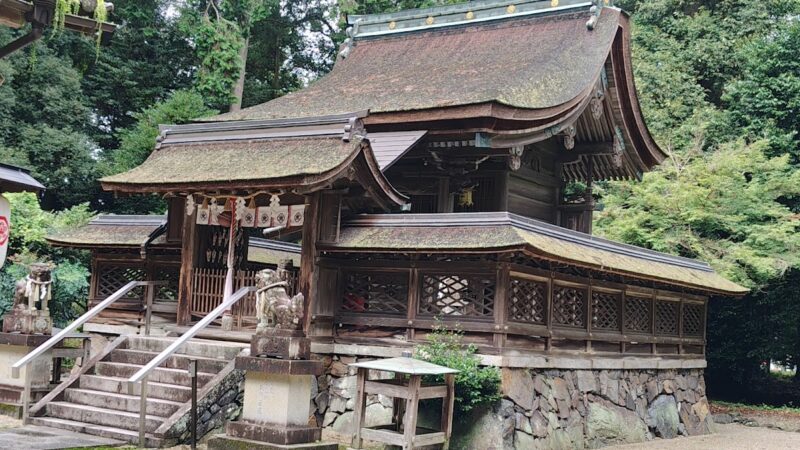
The main hall of Ebisujima Shrine maintains the traditional style of shrine architecture and serves as the center of local faith. Although not large in scale, it is meticulously maintained, reflecting the deep respect the local residents have for the shrine.
The architectural style and decorations of the main hall reflect the characteristics of its era, making it a worthwhile sight for those interested in shrine architecture.
Worship Hall
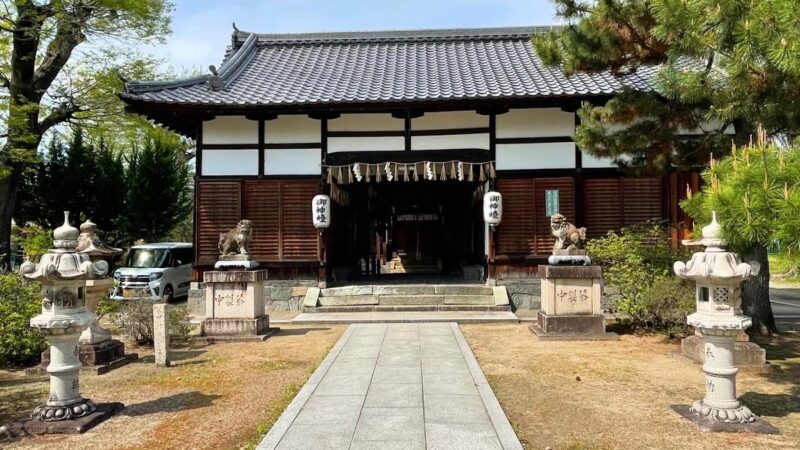
The worship hall, where worshippers offer their prayers, is located in front of the main hall and is where daily worship and festival rituals take place. From the worship hall, one can worship the main hall, and it offers a peaceful atmosphere for calming one’s mind during worship.
Shrine Office
There is a shrine office where you can receive Goshuin (shrine stamps) and amulets. However, in the case of small shrines, it may not be open all the time, so it is recommended to check in advance.
Subsidiary Shrines
Several subsidiary shrines (Auxiliary Shrines/Subsidiary Shrines) may be enshrined around the main hall. These reflect local beliefs and history, each with its own unique significance.
Sacred Trees and Nature
Sometimes, ancient trees remain within the shrine grounds, cherished as sacred trees that have watched over the shrine for many years. Amidst increasing urbanization, the greenery within the shrine grounds also functions as a valuable natural space for the community.
Annual Events and Festivals
New Year’s Visit (January 1st-3rd)
Many people from the community visit shrines for their first shrine visit of the new year, praying for safety and prosperity throughout the year. Many shop owners and business owners also visit to pray for business success.
Toka Ebisu (Around January 10th)
Shrines dedicated to Ebisu often hold an important festival called “Toka Ebisu” or “Ebisu-ko” around January 10th. It is bustling with worshippers praying for business prosperity, and lucky charms are distributed.
At Ebisujima Shrine, there is a possibility of special festivals being held during this period, so it is recommended to check in advance.
Annual Grand Festival (Autumn)
Many shrines hold their annual grand festival (the most important festival of the year) in the autumn. This may include a procession of portable shrines and dedication ceremonies, and may involve the entire community.
Monthly Festival
This is a regular ritual held on a specific day each month, praying for the maintenance of the shrine and the peace and security of the community.
Etiquette and Manners for Visiting a Shrine
Basic Etiquette for Visiting a Shrine
By observing the basic etiquette for visiting a shrine, you can make a more heartfelt visit.
How to Pass Through the Torii Gate
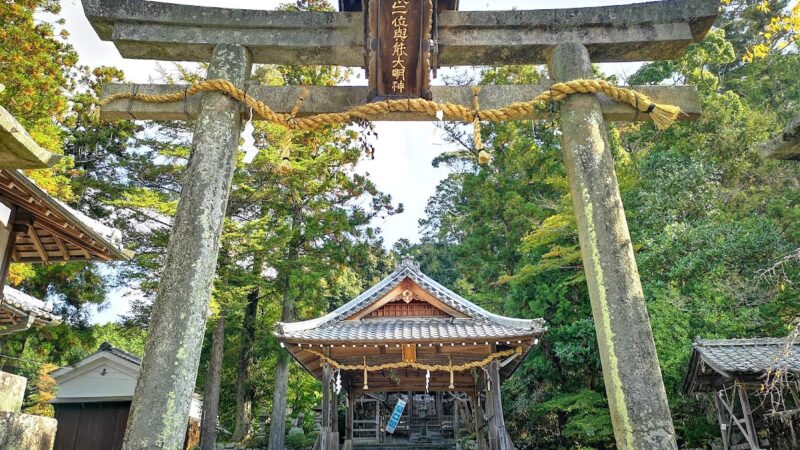
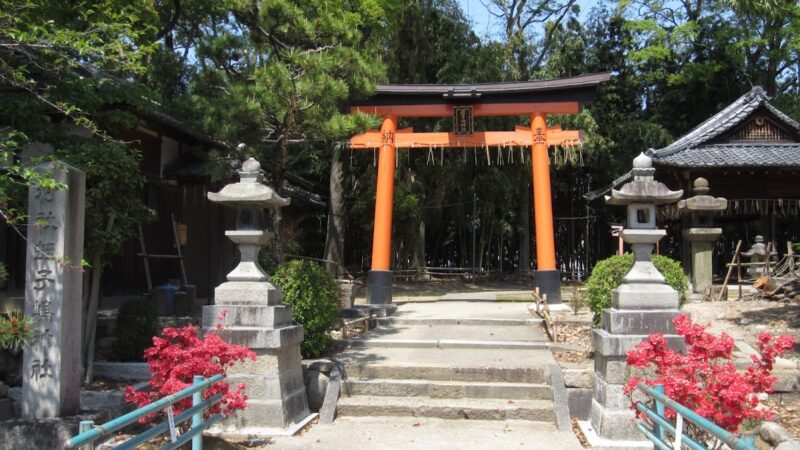
The torii gate is the entrance to the sacred area. Bow before passing through the torii gate and walk avoiding the center of the path (considered the path of the gods).
How to Wash Your Hands
Purify your body and mind at the water basin. Hold the ladle in your right hand, purify your left hand, switch to your left hand and purify your right hand, switch back to your right hand, receive water in your left hand and rinse your mouth, and finally, hold the ladle upright and purify the handle.
Worship at the Main Hall
At the main hall, the basic procedure is “two bows, two claps, one bow.” Place your offering, ring the bell if there is one, bow deeply twice, clap twice, offer your prayer, and then bow once.
Points to Note During Worship
- Be quiet on the shrine grounds and avoid disturbing other worshippers.
- Take photographs only in designated areas, and be discreet in sacred places such as the main hall.
- Follow the shrine’s regulations regarding pets.
- Always take your trash with you.
Amulets and Goshuin (Shrine Seals)
Amulets
It is believed that Ebisu-jima Shrine offers amulets related to the blessings of Ebisu, the god of fortune.
- Business Prosperity Amulet: An amulet wishing for business prosperity.
- Good Fortune Amulet: An amulet wishing for overall good fortune.
- Family Safety Amulet: An amulet protecting the health and safety of the family.
- Traffic Safety Amulet: An amulet protecting the safety of cars and bicycles.
The types of amulets vary depending on the shrine, so it is recommended to check when you visit.
Goshuin (Shrine Seal)
Collecting goshuin has become popular in recent years, but please understand that goshuin are proof of worship and are not stamp rallies. If you wish to receive a goshuin at Ebisujima Shrine, it is recommended to check the opening hours of the shrine office in advance.
Access and Basic Information
Location
The exact location of Ebisujima Shrine is in a specific area within Kyoto Prefecture, but it is recommended to check the latest information before visiting.
Transportation Access
Public Transportation
Please check the walking route from the nearest station or bus stop in advance. Within Kyoto City, it’s often accessible by city bus or subway.
By Car
It’s necessary to check in advance whether parking is available. Smaller shrines may not have dedicated parking, so you may need to use nearby coin-operated parking lots.
Visiting Hours
While entry to the shrine grounds is generally free, the opening hours of the shrine office may be limited. If you wish to obtain a Goshuin (shrine stamp) or amulet, please check the opening hours in advance.
Admission Fee
Generally, visiting shrines is free, but there may be additional fees for special viewings.
Nearby Attractions
Kyoto Prefecture boasts numerous historical sites and cultural properties. When visiting Ebisujima Shrine, combining your visit with other nearby attractions will enhance your Kyoto sightseeing experience.
Nearby Shrines and Temples
Kyoto has many famous shrines and temples. Depending on the location of Ebisujima Shrine, visiting nearby temples and shrines will allow you to experience Kyoto’s deep religious culture.
Historic Streetscapes
Kyoto’s old streets offer a precious space to experience traditional Japanese culture. You can enjoy the atmosphere of traditional townhouses and alleyways while strolling through the area.
Food & Souvenirs
Enjoying local flavors such as traditional Japanese sweets, pickles, and matcha sweets is a highlight of any trip to Kyoto. Visiting the shopping streets and markets around the shrine is also recommended.
The Charm of Visiting Ebisujima Shrine
Community-Rooted Faith
The greatest charm of Ebisujima Shrine lies in the simple and sincere faith rooted in the local community that still thrives there. Unlike large-scale tourist shrines, it is a shrine closely intertwined with the lives of the local people, allowing you to experience the true essence of a shrine.
Quiet Worship Environment
In contrast to famous shrines crowded with tourists, one of its charms is the calm atmosphere where you can worship at your own pace. It is an ideal environment for quieting your mind and offering prayers.
Inheritance of History and Culture
The forms of festivals and beliefs that have been passed down through a long history are invaluable resources for understanding traditional Japanese culture. Knowing the history of a region allows for a deeper understanding and appreciation.
Spread of Ebisu (Hiruko-no-Kami) Worship
Ebisu Shrines Across Japan
Shrines dedicated to Ebisu (Hiruko-no-Kami) exist throughout Japan. The most famous is Nishinomiya Shrine in Nishinomiya City, Hyogo Prefecture, known as the “head shrine of Ebisu.” There is also Kyoto Ebisu Shrine (a sub-temple of Kennin-ji Temple) in Kyoto City, which attracts many worshippers during the “Toka Ebisu Grand Festival.”
Ebisujima Shrine has played a vital role in local faith as part of this network of Ebisu worship.
Relationship to the Seven Lucky Gods Belief
Ebisu, one of the Seven Lucky Gods, is worshipped as a god who brings good fortune, along with the other six gods (Daikokuten, Bishamonten, Benzaiten, Fukurokuju, Jurōjin, and Hotei). He is especially known for his blessings of business prosperity, and merchants often enshrined Ebisu and Daikokuten together.
Kyoto has many pilgrimage routes to the Seven Lucky Gods, and it is believed that by visiting the temples and shrines dedicated to each god, one can receive seven blessings.
Best Season for Visiting
Spring (March-May)
During cherry blossom season, Kyoto is enveloped in a vibrant atmosphere. If there are cherry trees on the temple grounds, you can enjoy visiting while admiring the beautiful blossoms.
Summer (June-August)
During the season of fresh greenery, the trees on the temple grounds are full of life, and you can visit in refreshing air. However, Kyoto summers are hot and humid, so don’t forget to take precautions against heatstroke.
Autumn (September-November)
The autumn foliage season is the peak season for sightseeing in Kyoto. The trees in the shrine grounds change color beautifully, and many autumn festivals are held during this time.
Winter (December-February)
This season is filled with important events such as Hatsumode (first shrine visit of the year) and Toka Ebisu (Ebisu festival). The cold is severe, but visiting the shrine in the crisp air is exceptional.
Mindset When Visiting Ebisujima Shrine
Visiting a shrine is not merely sightseeing; it is an act of showing respect and gratitude to the gods. By having the following mindset, you can have a more meaningful time.
A Grateful Heart
The basis of worship is gratitude. Be grateful for the things you take for granted in your daily life, and express that feeling before the gods.
A Humble Attitude
A humble attitude is important before the gods. Rather than just making greedy wishes, the proper way to worship is to first express gratitude, and then state your resolve and vows. ### Respect for the Community
It is important not to forget to show respect to the local people who have protected the shrine for generations. As a visitor, it is expected that you will respect the local culture and customs.
Summary
Ebisujima Shrine, a historic shrine located in Kyoto Prefecture, is beloved by the local people for its blessings of business prosperity, protection of fisheries, and family safety. As a shrine with Ebisu, the god of fortune, as its main deity, it is a valuable presence that conveys traditional Japanese faith culture to the present day.
Unlike large-scale tourist shrines, its simple, community-rooted faith evokes a sense of the bonds of local community that are gradually disappearing in modern society. When visiting Kyoto, you can discover a deeper charm of Kyoto by visiting not only famous tourist spots but also local shrines like this one.
When visiting, it is important to observe basic etiquette and manners, and to visit with respect for the gods and the community. Why not spend some meaningful time at Ebisujima Shrine, calming your mind in the tranquil grounds, offering daily gratitude, and reaffirming your new resolve? Whether you’re praying for business prosperity, facing a turning point in your life, or simply seeking peace of mind, Ebisu-jima Shrine is open to all visitors. Ebisu’s warm smile will surely bring good fortune to all who come.