Complete Guide to Tanakura Hiko Shrine (Kyoto Prefecture): History, Deities, Access, and Goshuin Information
Tanakura Hiko Shrine is a historic shrine located in Kyotango City, Kyoto Prefecture. Deeply intertwined with the history of the Tango region, this shrine has long been revered by the local people. This article provides detailed information on the history of Tanakura Hiko Shrine, its enshrined deities, highlights of the grounds, visiting information, and access methods.
Basic Information on Tanakura Hiko Shrine
Tanakura Hiko Shrine is located in Yasaka-cho, Kyotango City, Kyoto Prefecture, and is one of the valuable shrines that conveys the history of the Tango region to the present day.
Location: Kibashi, Yasaka-cho, Kyotango City, Kyoto Prefecture
Shrine Rank: Shikinaisha (listed in the Engishiki Jinmyocho)
Main Deity: Tanakura Hiko no Mikoto
Located in the inland area of the Tango Peninsula, it sits in a quiet environment surrounded by abundant nature. As a local guardian shrine and a shrine with a history dating back to ancient times, it attracts attention not only from local people but also from history enthusiasts and visitors on shrine pilgrimages.
History and Origins of Tanagura Mago Shrine
History from Ancient Times
While the exact founding date of Tanagura Mago Shrine is not clearly known, it is listed as “Tanagura Mago Shrine, Takeno District, Tango Province” in the *Engishiki Jinmyocho* (927 AD), compiled in the early Heian period, confirming that it is an ancient shrine with a history of at least 1000 years.
Shrines listed in the *Engishiki Jinmyocho* are called “Shikinaisha,” indicating that they were considered important by the imperial court at the time. Many Shikinaisha exist in Tango Province, and Tanagura Mago Shrine is one of them, having been a central figure in local faith since ancient times.
Connection to the Tango Region
The Tango region was an independent country known as “Tango Province” in ancient times and had deep ties with the Yamato court. This region was home to powerful ancient clans such as the Amabe and Tanba clans, fostering a unique culture and beliefs.
Tanagura Mago Shrine is closely connected to this ancient culture of the Tango region, and is believed to have attracted worshippers alongside the development of the region and the advancement of agriculture.
Changes from the Medieval Period Onward
From the medieval period to the early modern period, Tanagura Mago Shrine continued to attract the faith of local people as the tutelary deity of the region. While it is said to have declined temporarily during times of war, the shrine buildings were rebuilt during the Edo period through the efforts of local people and have been carefully preserved to this day.
Even during the Meiji era’s reform of the shrine system, it was positioned as an important shrine in the region and continues to play a role as a spiritual pillar of the community to this day.
About the Enshrined Deity
Tanagura Hiko no Mikoto
The main enshrined deity of Tanagura Mago Shrine is Tanagura Hiko no Mikoto. Detailed records of this deity are limited, but it is believed to have been worshipped as a god associated with the development of the region and agriculture.
The name “Tanagura” suggests the possibility that the deity is associated with warehouses or elevated buildings used for storing grain. In ancient times, grain storage was crucial for the survival of a community, and the deity may have been revered as a guardian of such warehouses.
Divine Virtues
Tanagura Son Shrine is believed to possess the following divine virtues:
- Abundant Harvest: As a guardian deity of agriculture, it brings abundant harvests.
- Family Safety: Protects the peace and happiness of families.
- Business Prosperity: Assists in the development and prosperity of businesses.
- Regional Protection: Protects the peace and tranquility of the entire region.
The divine virtues related to agriculture are particularly emphasized, and local people visit the shrine to pray for a bountiful harvest in spring and to give thanks for the harvest in autumn.
Highlights of the Shrine Grounds
Main Hall and Worship Hall
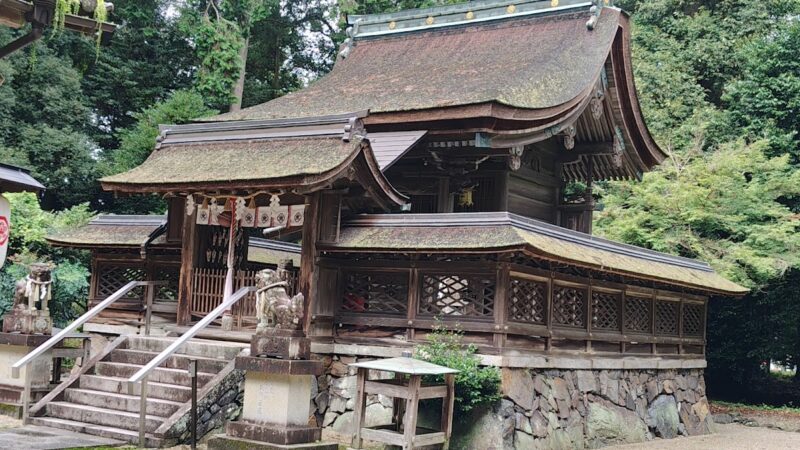
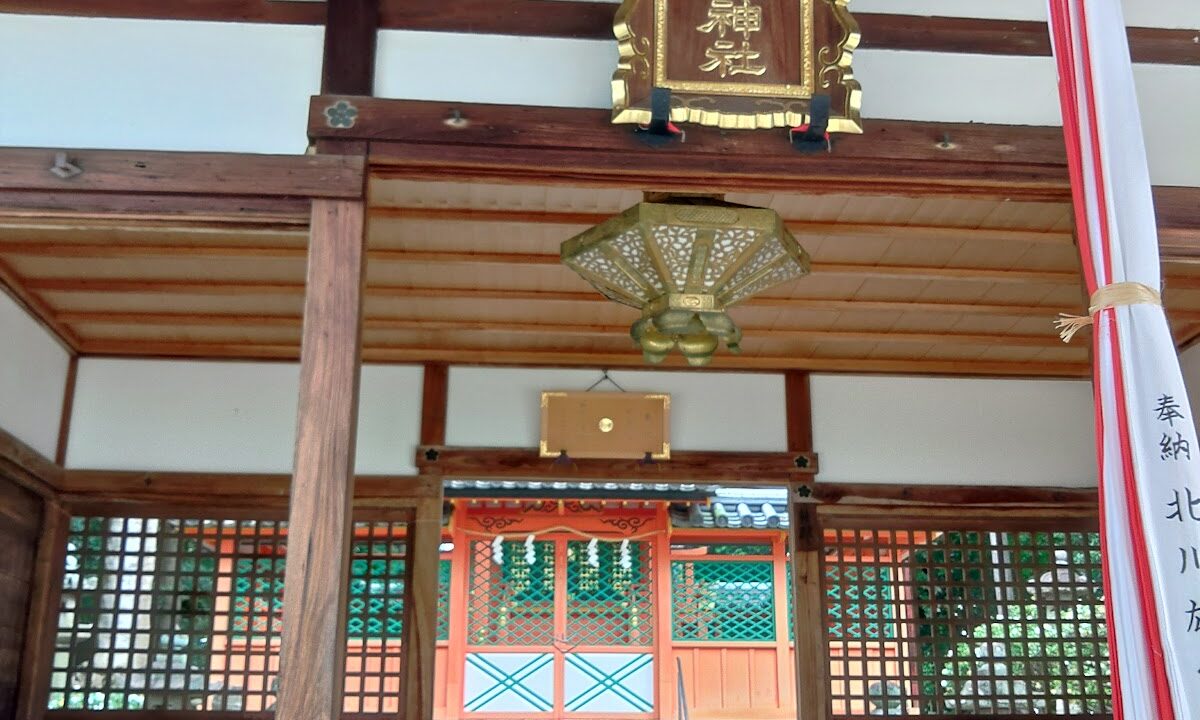
The main hall of Tanagura Son Shrine is a valuable building that preserves the traditional style of shrine architecture. Although not large in scale, it is meticulously maintained, reflecting the deep faith of the local people.
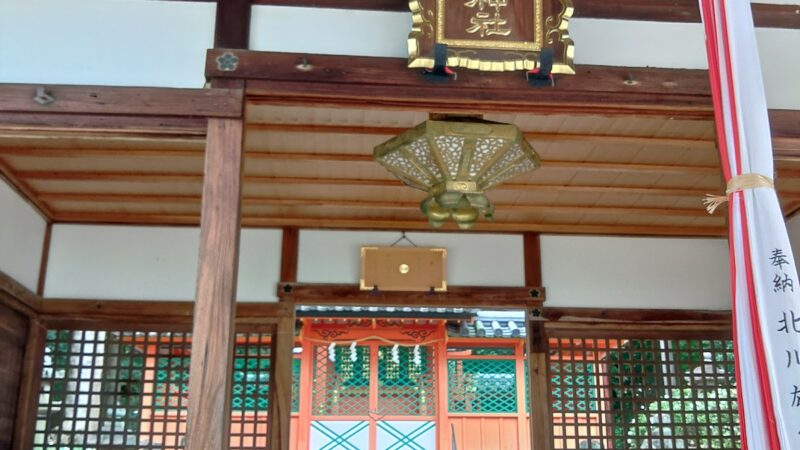
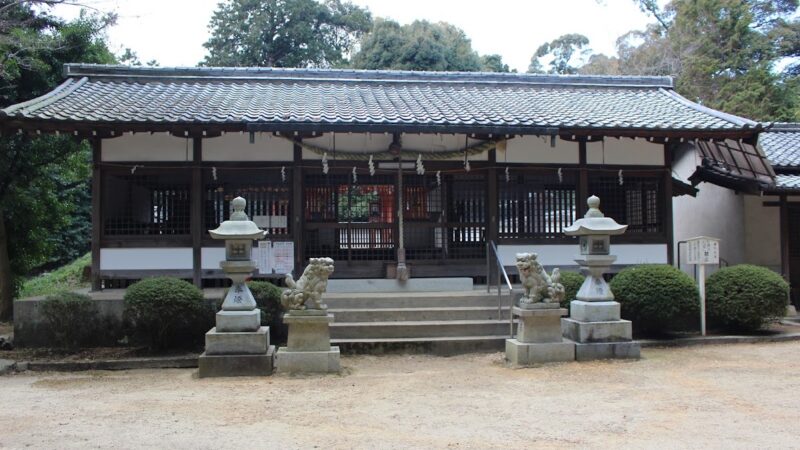
The worship hall is where worshippers offer their prayers to the gods, possessing a simple yet solemn atmosphere.
Nature within the Shrine Grounds
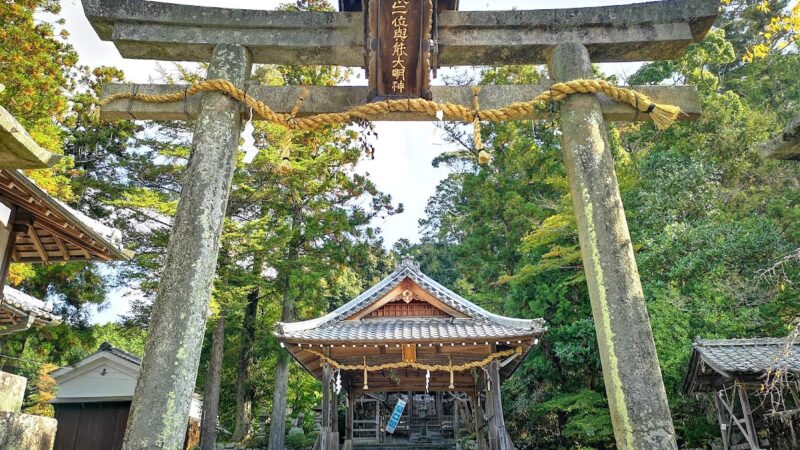
The grounds of Tanagura Son Shrine are surrounded by abundant nature. Ancient trees stand as if protecting the shrine, allowing visitors to enjoy the beautiful scenery of each season.
In spring, the fresh greenery is beautiful; in summer, it is enveloped in deep green; in autumn, the autumn leaves color the grounds; and in winter, a tranquil snowscape unfolds. It offers an environment where one can escape the hustle and bustle of the city and worship peacefully amidst nature.
Stone Steps and Torii Gate
A torii gate stands at the entrance to the shrine, and from there, stone steps lead up to the main hall. As you climb these steps step by step, you can experience the feeling of entering a sacred realm from the everyday world.
Annual Events and Festivals
Annual Festival
Tanagura Son Shrine holds its annual festival every autumn. This festival is an important event where local people gather to offer thanks to the gods for the past year.
During the annual festival, Shinto rituals are solemnly performed, and prayers are offered for peace and prosperity in the community and for a bountiful harvest. It is an important opportunity to continue preserving local traditions.
Other Annual Events
- New Year’s Day Festival: Praying for peace throughout the year at the start of the new year
- Spring Harvest Festival: Praying for a bountiful harvest as spring arrives
- Autumn Grand Festival: Praying for thanks for the harvest and for the prosperity of the community
These events are carefully preserved and passed down by the local people, demonstrating the strong bond between the shrine and the community.
Goshuin (Shrine Seal) Information
Regarding the Issuance of Goshuin
Regarding the issuance of Goshuin at Tanagura Sonjinja Shrine, there may not always be a permanently staffed shrine office. Those wishing to receive a Goshuin are advised to check in advance.
In the case of small shrines, the chief priest often serves other shrines as well, and there may be times when they are absent. If you want to be sure to receive a goshuin (shrine stamp), it’s best to contact them in advance or inquire with the local tourism association.
About Goshuincho (Shrine Stamp Books)
Those visiting shrines are advised to bring their own goshuincho. Goshuin are not merely commemorative stamps, but valuable items bestowed by the shrine as proof of worship. Handle them carefully and store them safely.
Access Methods
Access by Public Transportation
Tanagura Sonjinja Shrine is located in the inland area of Kyotango City, making access by public transportation somewhat inconvenient.
Nearest Stations: Kyoto Tango Railway Miyazu Line “Mineyama Station” or “Amino Station”
From the station, you will need to use a local bus or taxi. Since the number of local buses is limited, it is recommended to check the timetable in advance.
Access by Car
Access by car is the most convenient.
From Kyoto City:
- Take the Kyoto Jukan Expressway and exit at Yosa-Amanohashidate IC.
- Take National Route 176, National Route 312, etc., towards Kyotango City.
- Travel time: Approximately 2 to 2.5 hours
From Osaka:
- Take the Kyoto Jukan Expressway to Yosa-Amanohashidate IC.
- Travel time: Approximately 2.5 to 3 hours
There may be a few parking spaces near the shrine, but there is no large parking lot, so please be careful when visiting.
Tips for Setting Your Car Navigation System
When searching on your car navigation system, you may not be able to find the shrine by searching for “Tanagura Sonjinja Shrine”. In that case, try searching by the address “Kibashi, Yasaka-cho, Kyotango City, Kyoto Prefecture” or aim for a nearby landmark.
Manners and Points for Visiting a Shrine
Basic Etiquette for Visiting a Shrine
When visiting a shrine, please observe the following basic etiquette:
- Bow before the Torii Gate: Bow before the torii gate before entering the sacred area.
- Purify yourself at the Water Basin: If there is a water basin, purify your hands and mouth.
- Walking along the Path: The center of the path is considered the path of the gods, so walk along the sides.
- Etiquette at the Main Hall: The basic etiquette is two bows, two claps, one bow (two bows, two claps, one bow).
- Bow upon Exit: Turn around and bow again when leaving the torii gate.
Appropriate Attire for Visiting a Shrine
There are no specific dress code requirements, but please wear clean clothing that is respectful to the gods. Also, since there may be stone steps or unpaved paths within the shrine grounds, comfortable shoes are recommended.
Regarding Photography
Photography is generally permitted within the shrine grounds, but there are areas where photography is prohibited, such as inside the main hall. If unsure, please check with the chief priest or other shrine staff. It is also important to be considerate of other visitors.
Nearby Tourist Attractions
Highlights of Kyotango City
When visiting Tanagura Son Shrine, you can also visit other tourist attractions in Kyotango City.
Kotohiki Beach: A beautiful beach famous for its singing sands. Environmental conservation activities are also active here.
Tango Chirimen History Museum: A facility where you can learn about the history and techniques of Tango Chirimen, a traditional industry of Tango.
Yuhigaura Coast: A coast known for its beautiful sunsets. It is also a popular hot spring resort.
Tenki Tenki Tango: A roadside station where you can purchase local specialties and fresh agricultural products.
Shrine Pilgrimage on the Tango Peninsula
The Tango Peninsula is dotted with many historical shrines. In addition to Tanakura Son Shrine, why not visit the following shrines as well?
- Motoise Kono Shrine: A prestigious shrine known as the Ichinomiya (first-ranked shrine) of Tango Province.
- Urashima Shrine: A shrine associated with the legend of Urashima Taro.
- Hinuma Manai Shrine: An ancient shrine revered as the Ninomiya (second-ranked shrine) of Tango Province.
How to Enjoy Visiting Tanakura Son Shrine
Worship in Tranquility
The greatest charm of Tanakura Son Shrine is the opportunity to worship in a peaceful environment. Because it hasn’t been commercialized for tourism, you can experience the true essence of a shrine.
We recommend visiting with ample time, soaking in the atmosphere of the grounds, and taking time to quietly reflect on the deities.
Scenery of the Seasons
The natural scenery of the shrine grounds, which changes with each season, is also a highlight. The fresh greenery of spring and the vibrant autumn foliage are particularly beautiful, making a visit a truly memorable experience amidst nature.
Experiencing Local History
Visiting Tanagura Son Shrine offers an opportunity to connect with the ancient history of the Tango region. As an ancient shrine listed in the Engishiki Jinmyocho (a historical record of shrines), imagining how this region developed and the faith of its people while visiting will lead to a deeper experience.
Summary: The Charm of Tanagura Son Shrine
Tanagura Son Shrine is a historic shrine located in Kyotango City, Kyoto Prefecture. With a history spanning over 1000 years and carefully preserved by the local people, this shrine is a valuable presence that conveys the culture and faith of the Tango region to the present day.
In a quiet environment untouched by tourism, Tanagura Son Shrine allows you to experience the true essence of a shrine. The time spent praying peacefully in the shrine grounds, surrounded by abundant nature, will surely be a memorable experience, allowing you to forget the hustle and bustle of everyday life.
When visiting Kyotango City, be sure to visit Tanagura Son Shrine. By experiencing its ancient history and the faith of the local people, you will surely feel the profound depth of Japanese shrine culture.
When visiting the shrine, please remember to show respect to the gods and observe proper etiquette. We hope you will offer your prayers with sincerity, wishing that this precious cultural heritage will be passed down to future generations.