Complete Guide to Mikurusu Shrine (Ujitawara Town, Kyoto Prefecture) | Exploring the Legends of Emperor Tenmu and the History of the Tahara Festival
Mikurusu Shrine, located in the southern district of Ujitawara Town, Tsuzuki District, Kyoto Prefecture, is a historical shrine that preserves the legends of Emperor Tenmu related to the Jinshin War, the largest civil war in ancient Japan. It has a unique history of offering chestnuts to the imperial court and has attracted local devotion as one of the three shrines that make up the Tahara Festival. This article provides a detailed explanation of Mikurusu Shrine’s history, highlights, and access methods.
What is Mikurusu Shrine? | Basic Information and Pronunciation
Mikurusu Shrine is pronounced “Mikurusu Jinja” and is located at 76 Minamimiyanoue Nishi, Ujitawara Town, Tsuzuki District, Kyoto Prefecture. It is revered as the tutelary shrine of the southern and Gounokuchi districts and is one of the important shrines that make up the Tahara Festival (Sansha Matsuri) as the “Ichinomiya” (first shrine).
Basic Information
- Location: 76 Minamimiyanoue Nishi, Ujitawara-cho, Tsuzuki-gun, Kyoto Prefecture
- Deities Enshrined: Omiya Daimyojin and others
- Founding: Believed to be during the Kamakura period (1283), but its existence earlier is also suggested.
- Designated Cultural Property: Sacred cedar tree on the shrine grounds (Ujitawara-cho designated natural monument)
- Visiting Hours: Grounds are freely accessible
- Parking: Parking is available in the shade of trees around the shrine.
The Jinshin War and the Legend of Emperor Tenmu | The Story of Boiled and Roasted Chestnuts
The most important historical background of Mikurisu Shrine lies in the events immediately preceding the Jinshin War, the largest civil war in ancient Japan, which occurred in 672. This legend is recorded in the *Uji Shūi Monogatari* (Tales of Uji) and is the origin of the shrine’s name.
Prince Oama’s Journey to Yoshino
Just before the Jinshin War, Prince Oama (later Emperor Tenmu), who had escaped from Otsu-kyo, stopped at this place on his way to Yoshino. It is said that when the villagers offered the prince boiled and roasted chestnuts, he ate them, buried them in the ground, and prayed for victory in battle.
The Sprouting of the Chestnut Grove and Offering to the Imperial Court
Eventually, the buried chestnuts sprouted and grew into a magnificent chestnut grove, and the harvested chestnuts were offered to the Imperial Court. This legend is the origin of the shrine’s name, “Mikurisu,” and it is said that the custom of offering chestnuts to the Kyoto Imperial Palace every November 15th continued from the Middle Ages until 1887 (Meiji 20).
This history of offering chestnuts is important evidence that Mikurisu Shrine was not merely a local tutelary shrine, but a shrine with deep ties to the Imperial Court.
The Founding and History of Mikurisu Shrine
Records and Mysteries from the Kamakura Period
According to shrine tradition, Mikurisu Shrine originated in June 1283 (Koan 6) during the Kamakura period, when it was established as a branch shrine of Araki’s Omiya Shrine, one of the three shrines that make up the Tahara Festival. However, there are also records indicating that the shrine received land donations from powerful families before 1283, suggesting that the actual founding date is likely older.
Development from the Medieval to the Early Modern Period
From the medieval period onward, Mikurisu Shrine gathered local faith as the tutelary deity of the southern district, while simultaneously maintaining ties with the imperial court through the offering of chestnuts. This dual nature shaped Mikurisu Shrine’s unique position.
During the Edo period, its role as the “Ichinomiya” (first shrine) of the Tahara Festival was established, and it became a central figure in the Sanja Matsuri (Three Shrine Festival) along with Omiya Shrine and Daido Shrine.
The Role of Mikurisu Shrine in the Tahara Festival (Sansha Festival)
The Tahara Festival is the most important festival in Ujitawara town, and is held by three shrines: Mikurisu Shrine, Omiya Shrine, and Daido Shrine. Mikurisu Shrine, as the “Ichinomiya” (first shrine), plays a central role in this festival.
History and Significance of the Tahara Festival
The Tahara Festival is a long-standing traditional event where the portable shrines of the three shrines parade through the area, praying for a bountiful harvest and peace in the community. The designation of Mikurisu Shrine as the Ichinomiya indicates that this shrine is recognized as the most prestigious in the region.
Festival Structure and Flow
In the Tahara Festival, portable shrines are brought out from each of the three shrines and paraded through the area according to a designated route. The portable shrine of Mikurisu Shrine is carried by parishioners from the Minami and Gounokuchi districts, symbolizing community unity.
Highlights of the Shrine Grounds | Sacred Tree Designated as a Town Natural Monument
Sacred Cedar Tree
The most noteworthy feature of the grounds of Mikurisu Shrine is the sacred cedar tree, designated as a natural monument by Ujitawara Town. This gigantic cedar is the largest in the town and, estimated to be several hundred years old, continues to protect the shrine grounds as a sacred tree.
A sacred rope (shimenawa) is stretched around the sacred tree, creating a sacred atmosphere. Its thickness, the spread of its branches, and its height all contribute to its overwhelming presence, naturally inspiring a sense of awe in visitors.
Abundant Nature within the Shrine Grounds
The shrine grounds are lush with trees such as cedar, oak, and maple, and many large trees can be seen. The nature within the grounds, which shows different expressions depending on the season, creates a tranquil space away from the hustle and bustle of the city.
In particular, the autumn foliage is beautiful, and the contrast between the red of the maple and the green of the cedar delights the eyes of visitors. You can enjoy the scenery of each season: the fresh green of spring, the deep green of summer, and the snow-covered landscape of winter.
Main Shrine and Worship Hall
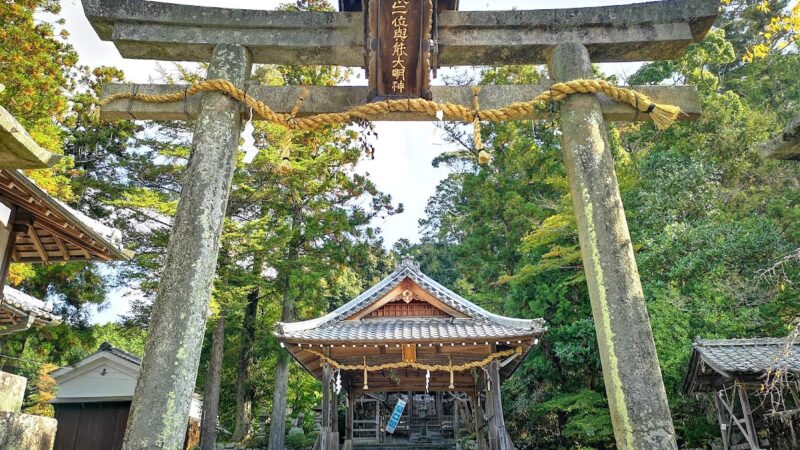
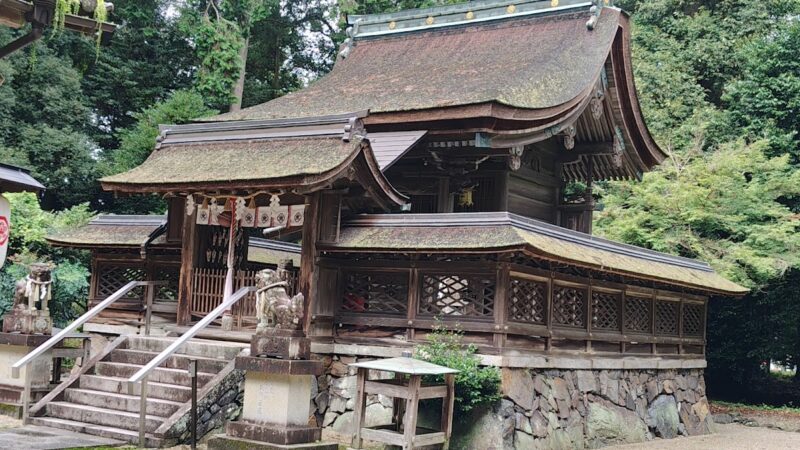
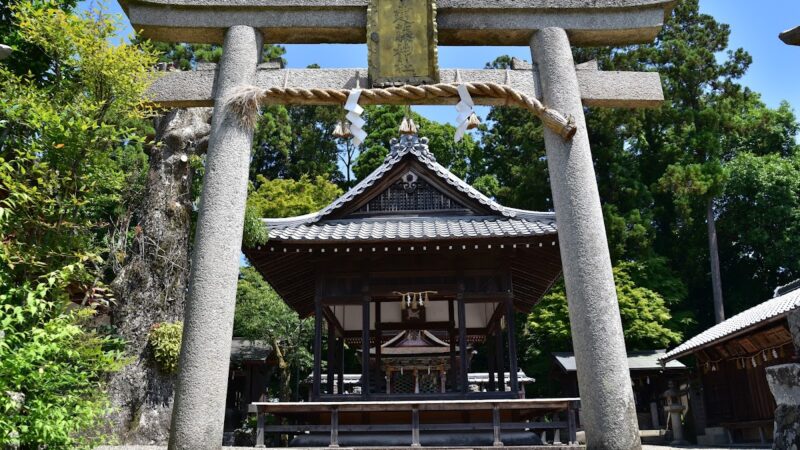
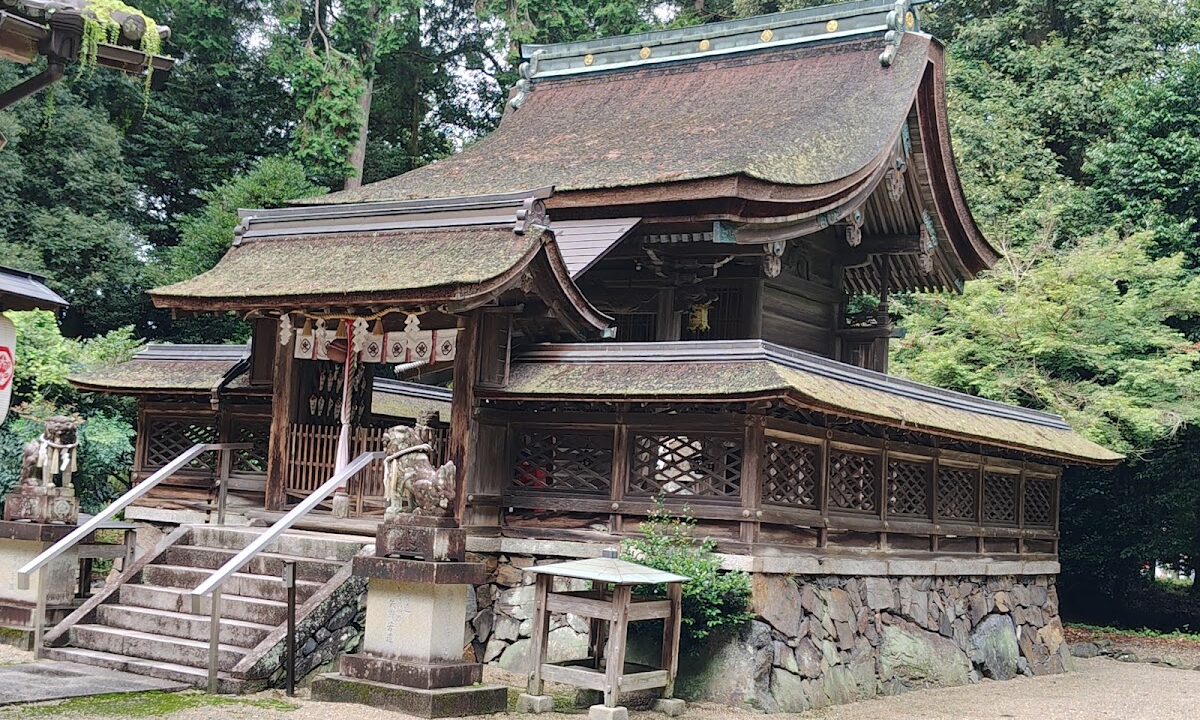
The main shrine maintains the style of traditional Shinto shrine architecture, possessing a simple yet dignified presence. From the worship hall, you can overlook the entire shrine grounds, creating an ideal environment for quiet prayer.
How to Access Mikurisu Shrine
Access by Public Transportation
Because Mikurisu Shrine is located in the Yamashiro region of southern Kyoto Prefecture, access by public transportation is somewhat inconvenient. You will need to combine a bus and a taxi from the nearest station.
If using JR or Keihan Railway:
- Get off at JR Nara Line “Uji Station” or Keihan Uji Line “Uji Station”
- Take the Keihan Uji Bus bound for “Ichumae” or “Kogyodanchi”
- Get off at the “Minami” bus stop and walk for about 10 minutes.
If using Kintetsu Railway:
- Get off at Kintetsu Kyoto Line “Shin-Tanabe Station”
- Take the Keihan Uji Bus bound for “Ichumae”
- Get off at the “Minami” bus stop and walk for about 10 minutes.
Access by Car
Access by car is the most convenient.
From Kyoto City:
- Approximately 40 minutes via National Route 24
- Approximately 15 minutes from Keiji Bypass “Uji-Higashi IC”
From Osaka:
- Approximately 30 minutes via National Route 307 from the Daini Keihan Expressway “Hirakata-Higashi IC”
Parking:
There is no large-scale parking lot dedicated to the shrine, but you can park in the shade of trees around the shrine grounds. When visiting the shrine, please be considerate of the surrounding residents and avoid causing any inconvenience.
Nearby Tourist Spots and the Kyoto Tea Area
The Charms of Ujitawara Town
Ujitawara Town, where Mikurisu Shrine is located, is known as part of the “Kyoto Tea” area and is a region with a deep history of tea production, being the birthplace of Japanese green tea.
Nagatani Soen’s Birthplace
The birthplace of Nagatani Soen, who developed the green tea processing method, is preserved here, allowing visitors to learn about the history of Japanese tea. It is about a 10-minute drive from Mikurisu Shrine.
Shōjuin Temple
A popular temple known as an Instagrammable spot for its “Inome Window.” The seasonal scenery visible through the heart-shaped window is beautiful and popular with younger generations.
The Other Two Shrines Constituting the Tahara Festival
Ōmiya Shrine
This shrine is considered the head shrine of Mikurisu Shrine and is central to the Tahara Festival. It is located in the Araki district and is said to have an even older history.
Daido Shrine
Another shrine among the three shrines of the Tahara Festival. Visiting each shrine will allow you to gain a deeper understanding of the history and culture of Ujitawara Town.
Manners and Enjoyment of Worship
Basic Worship Etiquette
- Bow before passing through the torii gate
- Cleanse your hands and mouth at the water basin (if available)
- Bow twice, clap twice, and bow once in front of the main hall
- Quietly admire the sacred trees and nature within the shrine grounds
- Bow once again at the torii gate when leaving
Precautions Regarding Photography
Photography is generally permitted within the shrine grounds, but you should refrain from taking pictures inside the main hall or during Shinto rituals. Also, when photographing sacred trees, it is important to treat them with respect.
Regarding Goshuin (Shrine Seals)
Goshuin can be obtained at Mikurisu Shrine, but there may not always be a resident priest. If you wish to obtain a goshuin, it is recommended to inquire in advance with the Ujitawara Town Tourism Association or the relevant shrine.
Reasons to Visit Mikurisu Shrine
Experience Historical Romance
Few shrines have legends related to the Jinshin Rebellion, the largest civil war in ancient Japan, making it a valuable place for a historical walk tracing the footsteps of Emperor Tenmu. Visiting the actual setting of the story recorded in the “Uji Shūi Monogatari” deepens your understanding of ancient history.
Harmony with Nature
The rich natural environment of the shrine grounds, including the sacred cedar tree designated as a town natural monument, allows you to forget the hustle and bustle of the city. The shrine grounds, which show different expressions in each season, offer new discoveries with every visit.
Experience Local Culture
By learning about its role as the Ichinomiya (first shrine) in the Tahara Festival, a traditional local event, you can understand the relationship between Japanese regional culture and shrines. It is a valuable place to experience firsthand the reality of Ujigami (guardian deity) worship.
A Peaceful Worship Environment
The simple atmosphere, unspoiled by tourism, is an ideal environment for worshippers who wish to offer prayers in peace. You can avoid crowds and slowly appreciate the history and nature of the shrine.
The History of Ujitawara Town and the Position of Mikurisu Shrine
Ujitawara Town is located in the Yamashiro region of southern Kyoto Prefecture and has long been a vital transportation hub connecting Kyoto and Nara. Prince Oama passed through this area during the Jinshin War because it was an important route to Yoshino.
Connection to the Tea Industry
Ujitawara Town is known as the birthplace of Japanese green tea, and has a history of Nagatani Soen developing the green tea production method. The tradition of offering chestnuts to Mikurisu Shrine and the culture of offering tea demonstrate the deep ties this region had with the imperial court.
The Faithful Sphere of Southern Yamashiro
Mikurisu Shrine, along with Omiya Shrine and Daido Shrine, has formed the Tahara Festival as part of the shrine network in the Southern Yamashiro region. This three-shrine system reflects the local parishioner organization and faithful sphere, conveying the form of the village community from the medieval to early modern periods.
Seasonal Highlights and Events
Spring (March-May)
In the season of fresh greenery, the trees in the temple grounds sprout all at once, offering a vibrant and lively landscape. The young maple leaves, in particular, are a vivid green, creating a beautiful contrast with the sacred cedar trees.
Summer (June-August)
The temple grounds, covered in deep green, offer a cool respite from the summer heat. Visiting amidst the sound of cicadas evokes the charm of a Japanese summer.
Autumn (September-November)
In the season of autumn leaves, the maple trees in the temple grounds turn red, presenting the most beautiful scenery. Around November 15th, the time when chestnuts were once offered, is an ideal time to visit while reflecting on history.
Winter (December-February)
The snow-covered temple grounds are enveloped in silence, further enhancing the sacred atmosphere. With few visitors, you can offer your prayers in peace.
Summary | Rediscovering the Charm of Mikurisu Shrine
Mikurisu Shrine is a multi-layered shrine with fascinating history: its connection to Emperor Tenmu’s involvement in the Jinshin Rebellion (the largest civil war in ancient Japan), its unique history of offering chestnuts to the imperial court, its role as the Ichinomiya (first shrine) in the Tawara Festival, and its sacred cedar tree designated as a town-designated natural monument.
Located in Ujitawara Town, in the Yamashiro region of southern Kyoto Prefecture—the “Tea Kyoto” area—it offers a simple, unspoiled atmosphere, allowing visitors to experience the harmony of Japanese history, culture, and nature.
Mikurisu Shrine offers a glimpse into a community-based form of local guardian deity worship, distinct from the famous temples and shrines of Kyoto City. It’s a shrine worth visiting for history buffs, nature lovers, and those seeking a quiet and peaceful visit.
When visiting Ujitawara Town, be sure to also visit Mikurisu Shrine, along with other nearby tourist spots such as the birthplace of Nagatani Soen and Shōjuin Temple. New discoveries and unforgettable experiences await you on the stage of history that has continued since ancient times.