Complete Guide to Ikimi Tenmangu Shrine (Kyoto Prefecture) | History, Goshuin (Shrine Seals), Amulets, and Access Information for Japan’s Oldest Tenmangu Shrine
Located in Sonobe-cho, Nantan City, Kyoto Prefecture, Ikimi Tenmangu Shrine is known as the only shrine among the approximately 12,000 Tenmangu shrines nationwide that has enshrined Sugawara no Michizane since his lifetime. As “Japan’s oldest Tenmangu shrine,” it is a prestigious shrine visited by worshippers from all over the country seeking academic success and improved career prospects.
This article provides detailed information you should know before visiting Ikimi Tenmangu Shrine, from its historical background to its goshuin (shrine seals), amulets, highlights of the grounds, and access methods.
What is Ikimi Tenmangu Shrine? | The Origin of Japan’s Oldest Tenmangu Shrine
The Origin of the Name “Ikimi” and the History of its Founding
The most distinctive feature of Ikimi Tenmangu Shrine is the word “Ikimi” in its name. This shrine’s origin lies in its founding during the lifetime of Sugawara no Michizane.
In 901 AD, Sugawara no Michizane visited this area on his way to exile in Dazaifu. Takebe Genzo, the Sonobe magistrate at the time, believed in Michizane’s innocence and erected a shrine to enshrine his spirit while Michizane was still alive. This is the origin of Ikimi Tenmangu Shrine.
While most Tenmangu shrines throughout Japan were founded after Michizane’s death, Ikimi Tenmangu Shrine stands apart as a unique “living shrine” (Ikihokora) that was established while Michizane was still alive.
The Relationship Between Takebe Genzo and the Kabuki Play “Sugawara Denju Tenarai Kagami”
Takebe Genzo, who was involved in the founding of Ikimi Tenmangu Shrine, is a historical figure who also appears in “Sugawara Denju Tenarai Kagami,” one of Japan’s three great Kabuki plays. The Takebe family has served as priests of this shrine for generations and is known as a prestigious family lineage that continues to this day.
In Kabuki, the “Terakoya no Dan” scene is particularly famous, with Takebe Genzo depicted as the protagonist. For those familiar with this story, Ikimi Tenmangu Shrine will become an even more profoundly meaningful sacred place.
Deities and Benefits
Enshrining Sugawara no Michizane as the Main Deity
The main deity enshrined at Ikimi Tenmangu Shrine is Sugawara no Michizane. Michizane was a scholar and politician active during the Heian period, known for his outstanding talent and sincere character. However, due to political intrigue, he was exiled to Dazaifu and died in despair.
After his death, various calamities occurred in the capital, leading to the construction of Tenmangu shrines throughout the country to appease Sugawara no Michizane’s vengeful spirit. Currently, he is widely worshipped as the “god of learning” and “Tenjin-sama.”
Benefits of Ikimi Tenmangu Shrine
Ikimi Tenmangu Shrine is believed to offer the following benefits:
- Academic Success/Prayer for Passing Exams: Popular among students and those taking qualification exams
- Improved Career Luck/Job Success: Many visitors pray for job hunting, career changes, and promotions
- Career Advancement: Supported by working adults aiming for career advancement
- Protection from Evil/Disaster: Exorcism through the powerful spiritual energy of Sugawara no Michizane
In particular, because Ikimi Tenmangu Shrine has enshrined Sugawara no Michizane since his lifetime, it is considered a shrine that bestows “the power to live,” and is believed to offer strong benefits related to career luck and job hunting.
Highlights of the Shrine Grounds
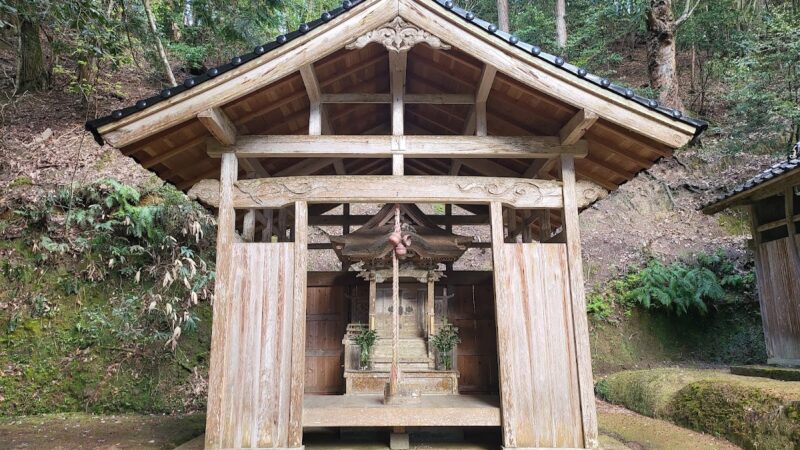
Main Hall and Worship Hall
The main hall of Ikimi Tenmangu Shrine is a building that conveys the beauty of traditional shrine architecture. Its vibrant vermilion color and intricate carvings create a solemn atmosphere that welcomes visitors.
In the worship hall, you can quietly offer your prayers. Visiting in the refreshing early morning air will be a truly cleansing experience.
Nadeushi (Petting Cow)
Nadeushi (Petting Cows) are almost always found at Tenmangu shrines, and Ikimi Tenmangu Shrine also boasts a magnificent one. Due to the deep connection between Sugawara no Michizane and cows, cows are a symbolic presence at Tenmangu shrines.
It is said that stroking the cow’s head will bestow wisdom, and stroking the same part of the cow’s head as the part of your body that is ailing will cure your illness. Many visitors stroke the cow with their wishes, so its surface is shiny and polished.
Plum Trees on the Shrine Grounds
Michizane Sugawara was known to have a deep love for plum blossoms, and he composed the famous waka poem: “When the east wind blows, send forth your fragrance, plum blossoms; do not forget spring, even though your master is gone.”
Plum trees are planted on the grounds of Ikimi Tenmangu Shrine, and in early spring, they bloom beautifully. The best time to see them is from late February to early March, and visiting during this period is particularly charming.
Water Basin and Purification Ritual
At the water basin located immediately upon entering the shrine grounds, you purify your body and mind before praying. By purifying your hands and mouth with the correct ritual, you can show respect to the gods.
Goshuin (Shrine Seal) and Goshuincho (Shrine Seal Book) Information
Goshuin of Ikimi Tenmangu Shrine
Ikimi Tenmangu Shrine offers goshuin as a memento of your visit. The goshuin features the calligraphy of “Ikimi Tenmangu” and the shrine’s seal.
Goshuin (temple/shrine stamps) are not merely commemorative stamps; they are cherished as proof of a connection with the shrine. They are carefully written at the shrine office after your visit, so it is recommended to bring your goshuincho (stamp book).
Offering Fee: Approximately 300-500 yen (may vary depending on the season)
Original Goshuincho
Ikimi Tenmangu Shrine also offers original goshuincho. These beautiful goshuincho, featuring designs of the shrine grounds, plum blossoms, and the Nadeushi-ushi (stroking cow), are popular as mementos of your visit.
If you’re looking to start a new goshuincho collection or want to commemorate your visit to Ikimi Tenmangu Shrine in a special way, we highly recommend obtaining one.
Goshuin Reception Hours
Goshuin reception hours are generally from 9:00 AM to 5:00 PM, but may vary depending on Shinto rituals and events. If you want to be sure to receive a goshuin, it is recommended to check with the shrine in advance.
Items Offered and Amulets
“Appareru” (Bravo!) Amulet for Career
The most famous item at Ikimi Tenmangu Shrine is the “Appareru” amulet for improving career luck. This amulet is extremely popular among those seeking employment, changing jobs, promotions, and business success.
The name “Appareru” embodies the wish to achieve outstanding results in work and be praised with “Appare!” (Bravo!) by those around you. This amulet, unique to Ikimi Tenmangu Shrine which has enshrined Sugawara no Michizane since his lifetime, bestows “the power to live.”
Dragonfly Bead Amulet for Passing Exams
The one-of-a-kind “Dragonfly Bead Amulet for Passing Exams” is another distinctive item offered at Ikimi Tenmangu Shrine. Each amulet uses a handmade dragonfly bead, and no two are exactly alike.
Popular with students and their families who visit to pray for success in exams, the beautiful glass bead amulet is said to bring peace of mind just by holding it.
Other Items Offered
- Academic Success Charm: For students and those taking qualification exams
- Prayer Ema (votive tablet) for Passing Exams: You can write your wish and offer it
- Exorcism Charm: For protection against misfortune and warding off evil
- Traffic Safety Charm: For safe driving
Charms and offerings are proof of your visit and connect you with the gods. Choose one that suits your wish and carry it with you carefully.
Annual Events and Festivals
Hatsutenjin (January 25th)
Every year on January 25th, it is Hatsutenjin, the first Tenjin festival of the new year. Many worshippers visit to pray for success in exams and academic achievement. It is especially lively as it coincides with the exam season.
Baika Matsuri (February 25th)
On February 25th, the anniversary of Michizane’s death, the Baika Matsuri (Plum Blossom Festival) is held. This is an important Shinto ritual held during the plum blossom season, commemorating and offering prayers of gratitude to Sugawara no Michizane.
It is also the perfect time to visit the shrine while admiring the beautiful plum blossoms, as they are at their peak during this period.
Tenjin Festival (July 25th)
The Tenjin Festival, a major summer festival, is held on July 25th. Local residents gather to celebrate the divine virtues of Sugawara no Michizane.
Autumn Grand Festival (October)
The Autumn Grand Festival, a time of gratitude for the autumn harvest, is another important annual event. Prayers are offered for a bountiful harvest and the prosperity of the community.
Access Information
Access by Train
From Sonobe Station on the JR Sagano Line (San’in Main Line)
- Approximately 15 minutes on foot from the west exit of Sonobe Station
- Exit the station and head west, following the signs
- The route is relatively flat, allowing for a leisurely stroll.
Travel Time from Kyoto Station
- Approximately 40 minutes by JR Sagano Line Rapid train, alight at Sonobe Station
- Approximately 50-60 minutes by local train
Access by Car
Using the Kyoto Jukan Expressway
- Approximately 5 minutes from the Sonobe Interchange on the Kyoto Jukan Expressway
- Accessible via National Route 9
Parking
- Free parking available for visitors on the temple grounds (limited spaces available)
- May be crowded during New Year’s visits and festivals; please consider using public transportation.
Access by Bus
While city buses and community buses operate from Sonobe Station, the number of services is limited, so it is recommended to check the timetable in advance.
Basic Information
Shrine Name: Ikimi Tenmangu Shrine
Address: 1-67 Misono-cho, Sonobe-cho, Nantan City, Kyoto Prefecture 622-0001
Phone Number: 0771-62-0535
Visiting Hours: Grounds are freely accessible (Shrine office is generally open from 9:00 to 17:00)
Admission Fee: Free
Parking: Available (Free)
Official Website: It is recommended to check the latest information in advance.
Nearby Tourist Attractions
Sonobe Castle Ruins
Sonobe Castle Ruins, located within walking distance of Ikimi Tenmangu Shrine, are the remains of the castle of the Sonobe Domain during the Edo period. Currently, it is maintained as a park and is known as a famous cherry blossom viewing spot.
Rurikei Onsen
Located in a naturally rich area of Nantan City, Rurikei Onsen is a resort facility where you can enjoy beautiful valleys and hot springs. It’s highly recommended to relax and soothe your fatigue in the hot springs after visiting Ikimi Tenmangu Shrine.
Kayabuki no Sato (Miyama Town)
In Miyama Town, Nantan City, a village of thatched-roof houses remains, a quintessential Japanese landscape. Located about 30 minutes by car from Ikimi Tenmangu Shrine, visiting both allows you to fully enjoy Kyoto’s history and nature.
Manners and Etiquette for Visiting Shrines
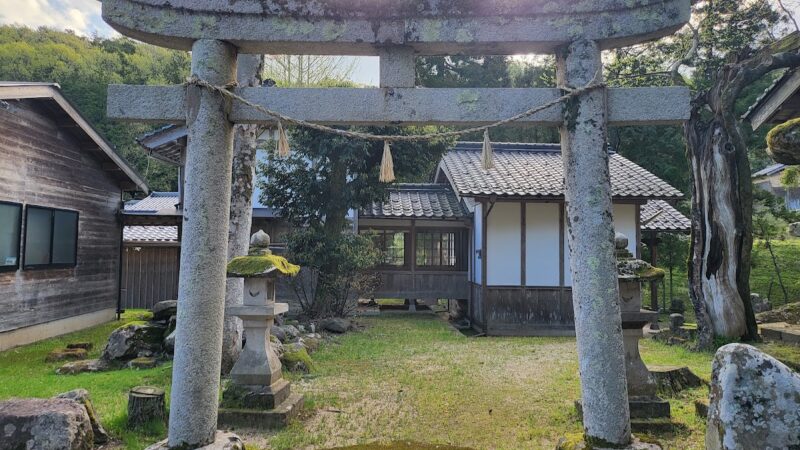
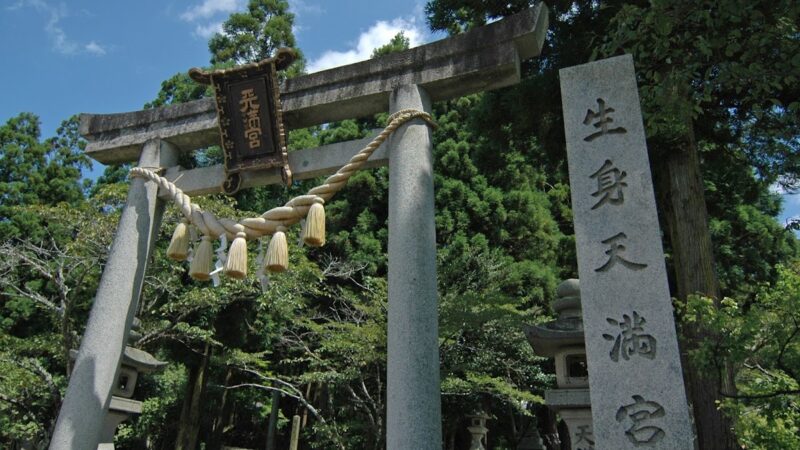
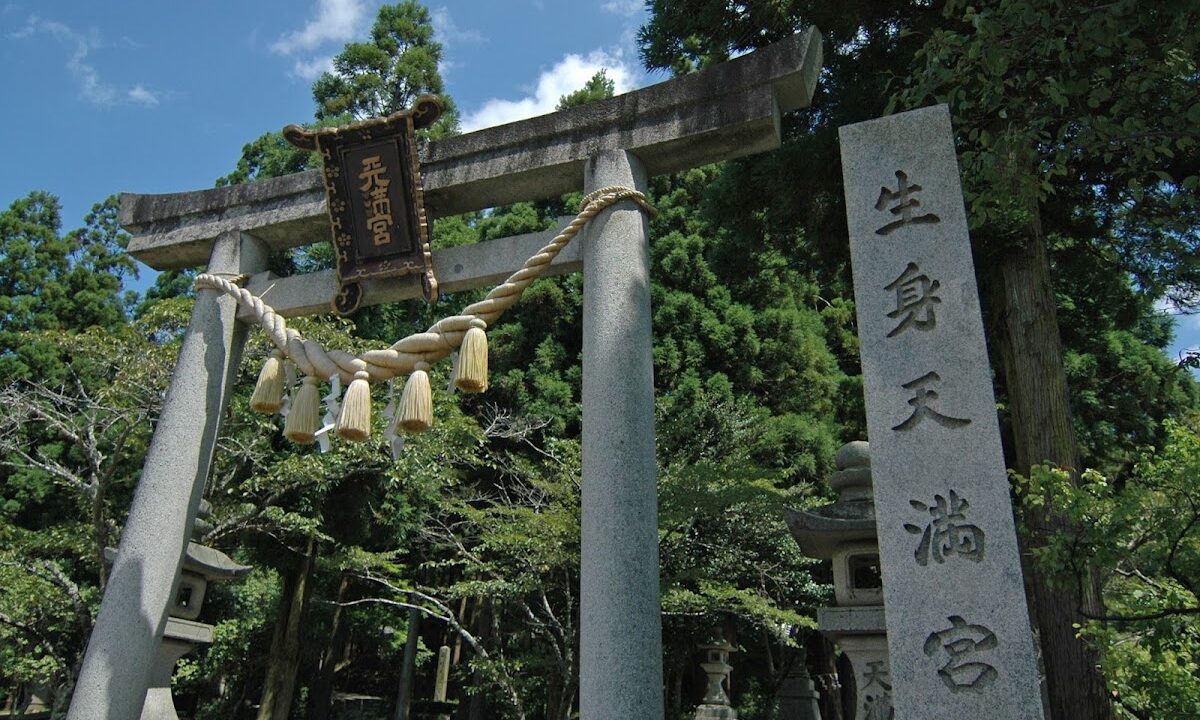
How to Pass Through a Torii Gate
The torii gate is the entrance to the sacred area. Before passing through the torii gate, bow to show respect to the gods. Since the center of the path is considered the gods’ passageway, it is customary to walk along the sides.
How to Purify Yourself at the Water Basin
- Hold the ladle in your right hand and purify your left hand.
- Switch the ladle to your left hand and purify your right hand.
- Switch the ladle back to your right hand, receive water in your left hand, and rinse your mouth.
- Purify your left hand once more.
- Hold the ladle upright, purify the handle, and return it to its original position.
How to Worship at the Main Hall
Two bows, two claps, one bow is the basic etiquette:
- Place your offering in the offering box.
- Ring the bell if there is one.
- Bow deeply twice.
- Clap your hands twice.
- Keep your hands together and make your wish.
- Finally, bow once.
Best Season to Visit Ikimi Tenmangu Shrine
Plum Blossom Season (Late February to Early March)
The plum blossom season, associated with Sugawara no Michizane, is one of the most beautiful times to visit Ikimi Tenmangu Shrine. The Plum Blossom Festival is also held, allowing visitors to enjoy a charming and atmospheric visit.
Exam Season (December-February)
This is a busy time for students and their families praying for success in exams. The first Tenjin festival of the year (January 25th) is particularly lively.
Fresh Green Season (April-May)
The trees in the shrine grounds are enveloped in fresh greenery, allowing for a refreshing and pleasant visit. It’s relatively less crowded, allowing for a leisurely stroll through the grounds.
Autumn Foliage Season (November)
The autumn foliage is also beautiful, providing a tranquil atmosphere for worship. It’s also less crowded than other famous autumn foliage spots in Kyoto, which is another attractive feature.
Points to Note When Visiting
Regarding Attire
While there are no strict dress code regulations for shrine visits, it’s best to wear clean and respectful clothing, reflecting the respect you have for the deities. Especially if you are receiving a prayer, avoid overly casual attire.
Regarding Photography
Photography is generally permitted within the shrine grounds, but it may be advisable to refrain from taking photos inside the main hall or during Shinto rituals. Please check with the shrine office if you have any questions.
Also, please be considerate of other visitors and take photos quietly.
Manners for Receiving a Goshuin (Shrine Stamp)
A Goshuin is proof of your visit. Do not simply leave your Goshuin book before visiting; always complete your visit first before receiving your Goshuin.
Greet the shrine office staff politely and say, “I would like a Goshuin, please.” Wait quietly while they write it, and when receiving it, accept it with both hands and express your gratitude.
Summary of the Charms of Ikimi Tenmangu Shrine
Ikimi Tenmangu Shrine is a special place, unique among other Tenmangu shrines, as it is the only one in Japan that has enshrined Sugawara no Michizane since his lifetime, making it the oldest Tenmangu shrine in Japan.
As its name, “Nama-mi” (生身), suggests, this shrine is widely revered by both students and working adults as a place to bestow the power to live and succeed in one’s career. Its unique offerings, such as the popular “Tenbareru” (天晴る) amulet and the one-of-a-kind “Tonbodama Success Amulet,” are also appealing.
Located in the tranquil setting of Nantan City, a short distance from Kyoto city, it offers a peaceful retreat from the hustle and bustle of tourist areas, making it a truly attractive place for worship. In plum blossom season, one can admire the beautiful flowers, and in the seasons of fresh greenery and autumn leaves, one can appreciate the beauty of nature while calmly facing the deities.
Why not visit this shrine at important milestones in your life, such as exams, job hunting, career changes, or promotions, and receive the divine blessings of Sugawara no Michizane? It will surely grant you the courage and strength to take that new step forward.
Final Checklist Before Your Visit
To ensure a smooth visit to Ikimi Tenmangu Shrine, please check the following points beforehand:
- Confirm Transportation: Check train schedules and driving routes in advance.
- Visiting Hours: Plan your arrival to coincide with the shrine office’s opening hours.
- Goshuincho (Stamp Book): Bring one if you wish to receive a Goshuin (stamp).
- Offering: Prepare small change.
- Check Weather: Prepare an umbrella or rain gear in case of rain.
- Sightseeing in the Surrounding Area: Check out nearby attractions if you have time.
Ikimi Tenmangu Shrine is a special place where history, faith, and the wishes of us living in the modern age intersect. Please visit and experience its unique atmosphere and divine blessings.