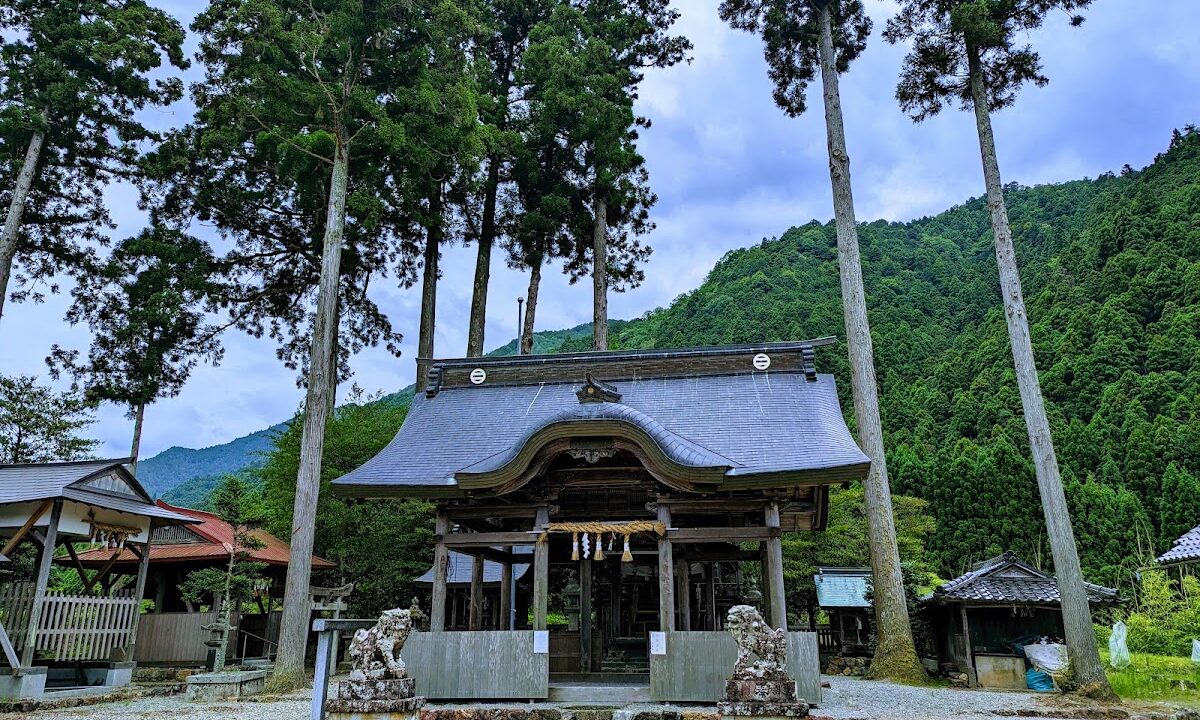
Yamakuni Shrine (Kyoto Prefecture) Complete Guide: The History and Access of a Shikinaisha Shrine that Supported the Relocation of the Capital to Heian-kyo
Yamakuni Shrine, located in Toriicho, Keihoku, Ukyo-ku, Kyoto City, is a venerable shrine with a history of supporting the great Japanese historical project of relocating the capital to Heian-kyo. As a Shikinaisha shrine listed in the Engishiki Jinmyocho (a list of shrines compiled in the Heian period), and as a place associated with the Yamakuni Corps, which played an active role during the Meiji Restoration, it attracts many visitors.
This article will introduce the charm of this ancient shrine in its entirety, from its founding to the present day, including its enshrined deities, highlights within the grounds, and access methods.
Basic Information on Yamakuni Shrine
Location: 1 Miyanomoto, Toriicho, Keihoku, Ukyo-ku, Kyoto City, Kyoto Prefecture
Deity Enshrined: Ōnamuchi-no-Mikoto (also known as Ōkuninushi-no-Mikoto)
Shrine Rank: Shikinaisha (Shrine listed in the Engishiki), Former Prefectural Shrine
Founded: Hōki era (770-780)
Visiting Hours: Open to visitors at any time
Parking: Available (Free)
History of Yamakuni Shrine: Deep Connection to the Relocation of the Capital to Heian-kyō
Founding and Contribution to the Construction of Heian-kyō
Yamakuni Shrine is said to have been founded during the Hōki era (770-780) of Emperor Kōnin’s reign. However, this shrine first appeared on the historical stage in 794 (Enryaku 13), when the capital was relocated to Heian-kyō.
When Emperor Kanmu relocated the capital to Heian-kyo, high-quality timber was needed for the construction of the Daidairi (Imperial Palace). At this time, timber was felled from Yamakuni village (present-day Keihoku area), greatly contributing to the construction of the capital. Yamakuni Shrine played a crucial role as a hub for this timber supply.
The Connection Between the Daikuryo Repair Bureau and Wake no Kiyomaro
With the construction of Heian-kyo, officials from the Daikuryo Repair Bureau were dispatched from the imperial court to Yamakuni. It is said that a full-fledged shrine was constructed at this time, and a divided spirit of Wake no Kiyomaro was enshrined as the chief priest.
Wake no Kiyomaro is known as a figure who strongly promoted Emperor Kanmu’s relocation of the capital to Heian-kyo. His connection to Yamakuni Shrine indicates that this shrine was not merely a local shrine, but an important shrine directly linked to the construction of the capital.
Listing in the Engishiki Jinmyocho (Register of Shrines in the Engi Era)
The Engishiki Jinmyocho, compiled in the mid-Heian period, lists Yamakuni Shrine as a Shikinaisha (a shrine listed in the Engishiki) in Kadono District, Yamashiro Province. A Shikinaisha is a historically significant shrine listed in the Engishiki, indicating its high status and recognition by the imperial court at that time.
In 1016 (Chowa 5), it was granted the highest rank of Shinto deity, and flourished as a center of worship in the Yamakuni region.
Yamakuni-go as Imperial Land
After the relocation of the capital to Heian-kyo, the Yamakuni region was designated as imperial land and became an important area supplying high-quality timber. In particular, timber known as “Yamaguni-soma” was known for its high quality and was used in the construction of the Imperial Palace and other imperial buildings.
This history as imperial land demonstrates that Yamakuni Shrine is not merely a local guardian deity, but a shrine with deep ties to the Imperial family.
The Meiji Restoration and the Yamaguni Corps: A History of Loyalistdom
The Formation and Activities of the Yamaguni Corps
Indispensable to understanding the history of Yamaguni Shrine is the existence of the “Yamaguni Corps,” which played an active role during the Meiji Restoration.
In 1868 (Keio 4), when the Boshin War broke out following the Battle of Toba-Fushimi, volunteers from Yamaguni village gathered and formed the “Yamaguni Corps” to participate in the war as part of the Imperial army. The Yamaguni Corps swore their vows of war at Yamaguni Shrine and served in the Boshin War.
Although the Yamaguni Corps was a unit mainly composed of farmers and lumberjacks, they held a strong loyalist spirit and played a vital role in the Imperial army. In particular, they participated in guarding the Kyoto Imperial Palace and in battles throughout the country, contributing significantly to the realization of the Meiji Restoration.
The Yamakuni Corps Procession at the Jidai Matsuri
In 1895 (Meiji 28), the Yamakuni Corps, as the “Meiji Restoration Loyalist Yamakuni Corps,” led the procession at the Jidai Matsuri, which began to commemorate the 1100th anniversary of the transfer of the capital to Heian-kyo (Kyoto).
Every year on October 22nd, at the Jidai Matsuri, descendants of the Yamakuni Corps, dressed in period costumes, parade through the streets of Kyoto playing drums and flutes. This Yamakuni Corps procession is particularly popular at the Jidai Matsuri and is a valuable cultural heritage that conveys the history of the Meiji Restoration to the present day.
Due to their role in the Jidai Matsuri, Yamakuni Shrine became widely known as the “Shrine associated with the Yamakuni Corps,” and remains a popular destination for history enthusiasts.
The Grounds and Highlights of Yamakuni Shrine
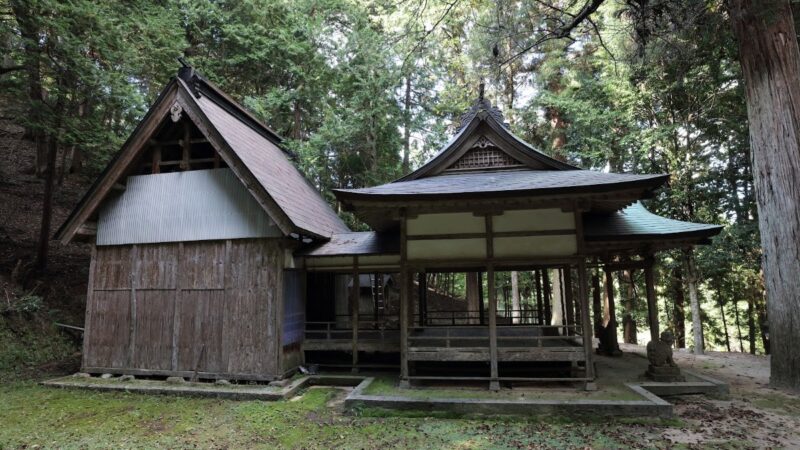
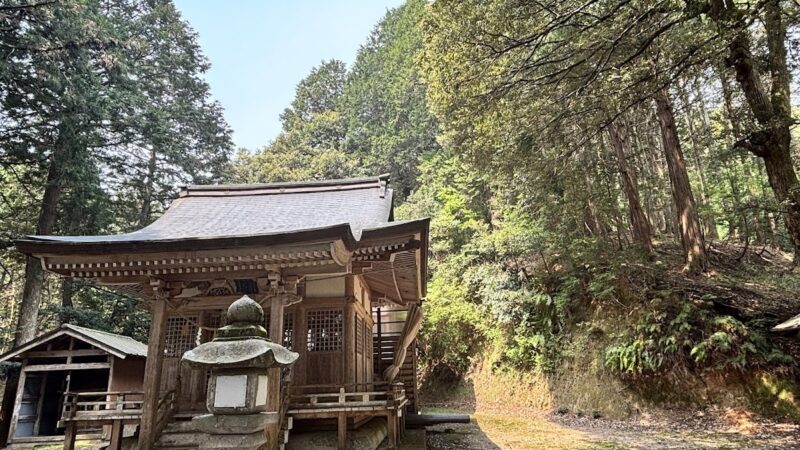
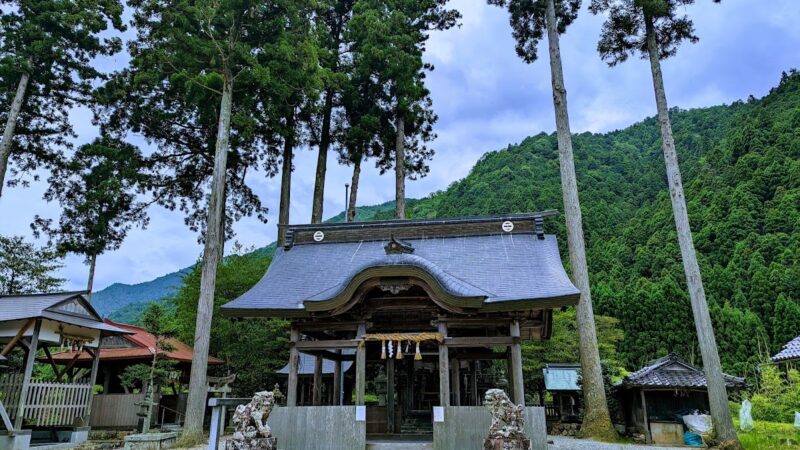
Main Hall and Worship Hall
The main hall of Yamakuni Shrine is said to have been constructed by the repairmen of the Daikuryo (Bureau of Carpenters) during the transfer of the capital to Heian-kyo, but the current building is a later reconstruction. The main shrine building, befitting its mountainous location, is constructed using abundant wood, exuding a simple yet dignified presence.
The worship hall is where worshippers offer their prayers, and from here they can pay their respects to the main shrine. The shrine grounds are enveloped in a quiet and peaceful atmosphere, providing a space for peaceful worship away from the hustle and bustle of the city.
Subsidiary Shrines and Auxiliary Shrines
In addition to the main shrine, several subsidiary shrines are enshrined within the grounds of Yamakuni Shrine. These shrines reflect the local faith and history, and are deeply connected to the lives of the people of Yamakuni village.
A stroll through the grounds reveals old stone monuments and lanterns, allowing visitors to experience the atmosphere unique to a shrine with a long history.
Exhibits Related to the Yamakuni Unit
The shrine grounds house materials and exhibits related to the Yamakuni Unit, allowing visitors to learn about the history of the Meiji Restoration period. Weapons, flags, and photographs used by the Yamakuni Unit are on display, making it a must-see spot for history enthusiasts.
In particular, the costumes and musical instruments used during the Jidai Matsuri (Festival of Ages) are preserved here, allowing visitors to truly feel that the traditions of the Yamakuni-tai (Yamakuni Corps) have been passed down to the present day.
A Rich Natural Environment
The Keihoku area where Yamakuni Shrine is located is blessed with abundant nature despite being within Kyoto City. Cedar and cypress trees flourish around the shrine grounds, allowing visitors to enjoy beautiful scenery throughout the seasons.
With its fresh greenery in spring, deep green in summer, vibrant autumn leaves, and snowy winter landscapes, Yamakuni Shrine displays a different face with each season, making it an attractive place for nature lovers.
Annual Events and Festivals of Yamakuni Shrine
Kankosai (Return Festival)
The most important festival of Yamakuni Shrine is the Kankosai (Return Festival), held annually in mid-October. This festival recreates the procession of the Meiji Restoration loyalist Yamakuni-tai, becoming a grand celebration involving the entire community.
During the Kankosai (Return Procession), local people dressed in the costumes of the Yamakuni-tai (Yamakuni Corps) parade from the shrine through the community, playing drums and flutes. This procession is the prototype for the Yamakuni-tai procession in the Jidai Matsuri (Festival of Ages), and is an important cultural event that conveys the region’s traditions and pride to the present day.
Other Annual Events
In addition to the Kankosai, Yamakuni Shrine holds various festivals throughout the year, including the Saitansai (New Year’s Day Festival), the Kinensai (Spring Harvest Festival), and the Niinamesai (Autumn Harvest Festival). These festivals are deeply intertwined with the lives of the local people and play a central role in the faith of Yamakuni village.
Access: How to Get to Yamakuni Shrine
Access by Public Transportation
Yamakuni Shrine is located in the Keihoku area, away from the central part of Kyoto city, so access by public transportation takes some time.
If using JR West Japan Bus (JR Bus):
- Take the bus bound for “Shuzan” from JR Kyoto Station.
- Get off at the “Shuzan” bus stop and transfer to a bus bound for “Yamaguni”.
- Get off at the “Torii” bus stop and walk for approximately 5 minutes.
If using Kyoto Bus:
- Take a Kyoto Bus from Shijo Station on the Karasuma Subway Line or Karasuma Station on the Hankyu Kyoto Line.
- Take a bus via the “Shuzan” bus stop towards “Torii”.
*Since the number of buses is limited, it is recommended to check the timetable in advance. Especially on holidays and during winter, the timetable may change, so checking the latest information is important.
Access by Private Car
Visiting by private car is the most convenient option.
From central Kyoto:
- Head north on National Route 162 (Shuzan Kaido)
- Via Shuzan towards Keihoku
- Travel time: Approximately 60-90 minutes (depending on traffic conditions)
From Osaka:
- From Meishin Expressway “Kyoto Minami IC” via National Route 162
- Or from Kyoto Jukan Expressway “Sonobe IC” via National Route 477
Parking: Free parking is available on the temple grounds. However, congestion is expected during events such as the Kankosai festival, so early arrival is recommended.
Notes on Access
- The Keihoku area is mountainous, so snow and icy roads are possible in winter. When visiting in winter, it is recommended to use studless tires or carry snow chains.
- National Route 162 is a winding mountain road, so those who are not confident in their driving skills should consider using public transportation.
- Since cell phone signals may be weak in some areas, it’s a good idea to download maps and navigation apps in advance.
Tourist Spots Around Yamakuni Shrine
Charms of the Keihoku Region
The Keihoku region, where Yamakuni Shrine is located, was formerly an independent town called Keihoku-cho in Kitakuwada-gun, but was incorporated into Ukyo-ku, Kyoto City in 2005. This region has many attractions besides Yamakuni Shrine.
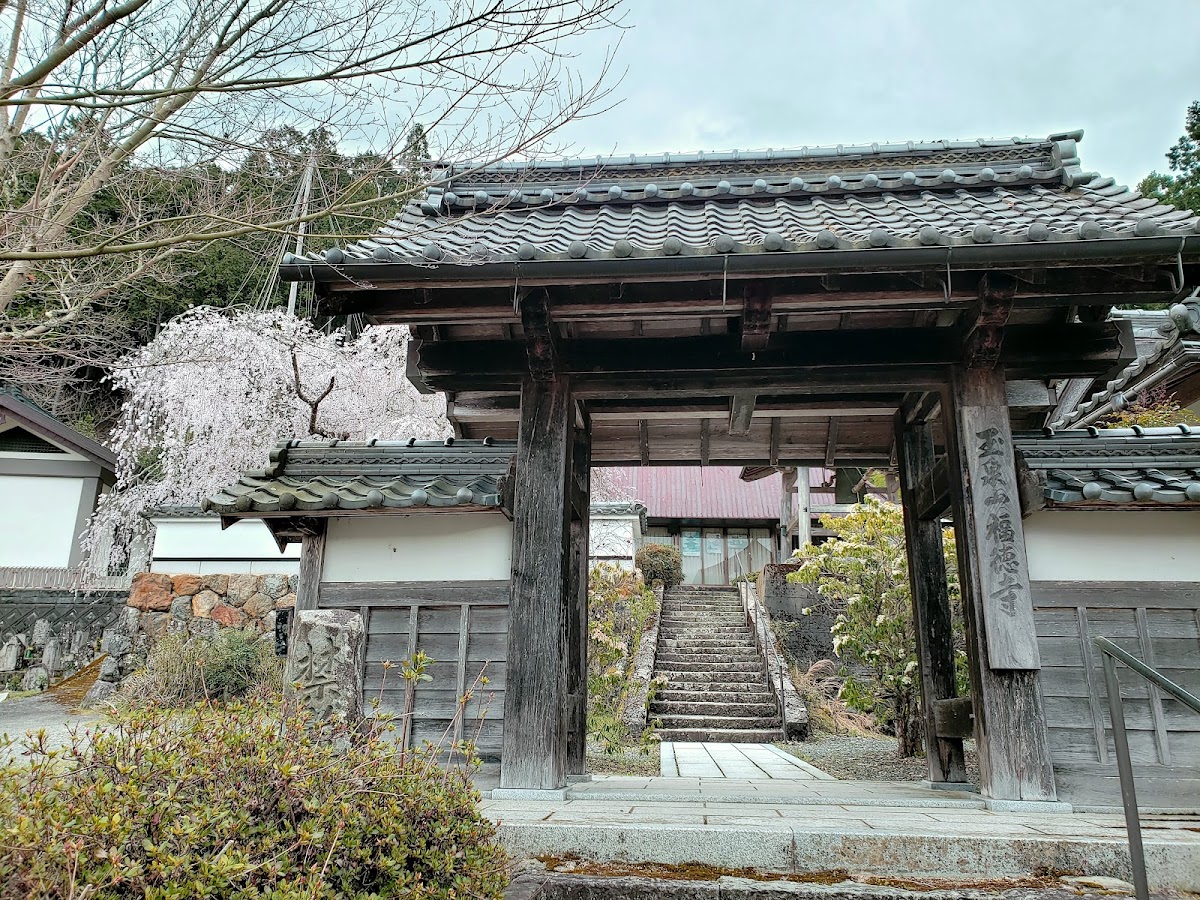
Joshōkōji Temple: A Rinzai Zen temple founded by Emperor Kōgon, famous for its “Kokonoe Cherry Tree,” a national natural monument. You can enjoy beautiful cherry blossoms in spring.
Shūzan Castle Ruins: The remains of a mountain castle built by Akechi Mitsuhide. The ruins still remain today. A recommended spot for history buffs.
Woody Keihoku: A roadside station where you can purchase fresh local vegetables and specialty products. A convenient rest stop.
Nature and Food of Keihoku
The Keihoku region is a naturally rich area with the clear waters of the Kamikatsura River flowing through it, offering opportunities for outdoor activities such as ayu fishing and camping. Dishes made with locally sourced wild vegetables and river fish are also a major draw.
In particular, woodworking products made from Keihoku-grown timber and processed goods using local agricultural products are popular souvenirs.
Goshuin (Shrine Seals) and Amulets
About Goshuin
Goshuin (shrine seals) are available at Yamakuni Shrine. Goshuin are cherished by many visitors as proof of their visit.
To receive a Goshuin, please speak to the shrine office staff. However, since priests may not always be present, it is recommended to call ahead to confirm availability if you wish to be sure to receive a Goshuin.
Amulets and Souvenirs
Yamakuni Shrine also offers various amulets and souvenirs. Amulets are available for various wishes, including traffic safety, family safety, and academic success.
Furthermore, there are special commemorative items related to the Yamakuni Unit, which are particularly popular among history enthusiasts.
Manners and Etiquette for Visiting the Shrine
Basic Worship Etiquette
When visiting Yamakuni Shrine, please observe the following basic etiquette:
- When passing through the torii gate: Bow before entering the shrine grounds.
- Purifying yourself at the water basin: Purify your left hand, right hand, and mouth in that order.
- Worship at the main hall: The basic procedure is two bows, two claps, and one bow.
- Behavior within the shrine grounds: Behave quietly and respectfully.
Regarding Photography
Photography is generally permitted within the shrine grounds, but please refrain from taking photos inside the main hall or in sacred areas, or obtain permission beforehand. Also, please be considerate of other visitors.
The Charm of Yamakuni Shrine: Why You Should Visit
Historical Value
Yamakuni Shrine is deeply connected to the important event in Japanese history: the relocation of the capital to Heian-kyo (Kyoto). With a history of over 1200 years since its founding during the Hoki era, it is a Shikinaisha (a shrine listed in the Engishiki Jinmyocho, an ancient Japanese legal code) and has continued to be a place of worship since ancient times.
From its history of supplying timber for the construction of Heian-kyo, its role as imperial land, and the activities of the Yamakuni Corps during the Meiji Restoration, the shrine has played a crucial role in each era, making it a valuable place where you can feel Japanese history firsthand.
Cultural Significance
The Yamakuni Corps procession at the Jidai Matsuri (Festival of Ages) is an important cultural heritage that conveys the history of the Meiji Restoration to the present day. This tradition is carefully preserved by the local people and passed down to future generations.
By visiting Yamakuni Shrine, you can not only learn about history but also experience the culture and traditions that the local people have cherished.
Harmony with Nature
Surrounded by the rich nature of Keihoku, Yamakuni Shrine is also an ideal place to escape the hustle and bustle of the city and find peace of mind. The shrine grounds, surrounded by trees, showcase the beauty of each season, offering solace to visitors.
In particular, the fact that this area, which historically supplied timber during the relocation of the capital to Heian-kyo, still maintains its rich forests today, evokes a sense of the history of coexistence between nature and humanity.
Summary: A Recommendation for Visiting Yamakuni Shrine
Yamakuni Shrine is a special shrine in Kyoto, where the history of the relocation of the capital to Heian-kyo, the activities of the patriots of the Meiji Restoration, and the rich natural environment of Keihoku (northern Kyoto) are intertwined.
With its prestigious status as a Shikinaisha (a shrine listed in the Engishiki), its deep connection to the Imperial family, and the history of the Yamakuni Corps’ loyalty to the Emperor, this shrine possesses multifaceted appeal, welcoming a diverse range of visitors, from history buffs to nature lovers and those seeking quiet tranquility.
While it is a bit of a distance from the center of Kyoto city, this allows for a peaceful visit away from the hustle and bustle. Visiting during the Jidai Matsuri (Festival of Ages) allows you to witness the Yamakuni Corps procession, further enhancing your sense of history.
Located in Keihoku, often called the inner sanctuary of Kyoto, lies Yamakuni Shrine, boasting a history of over 1200 years. Why not pay a visit sometime? The long history that has continued since the relocation of the capital to Heian-kyo, and the loyalist spirit of the Yamakuni Corps, will surely leave a deep impression on your heart.