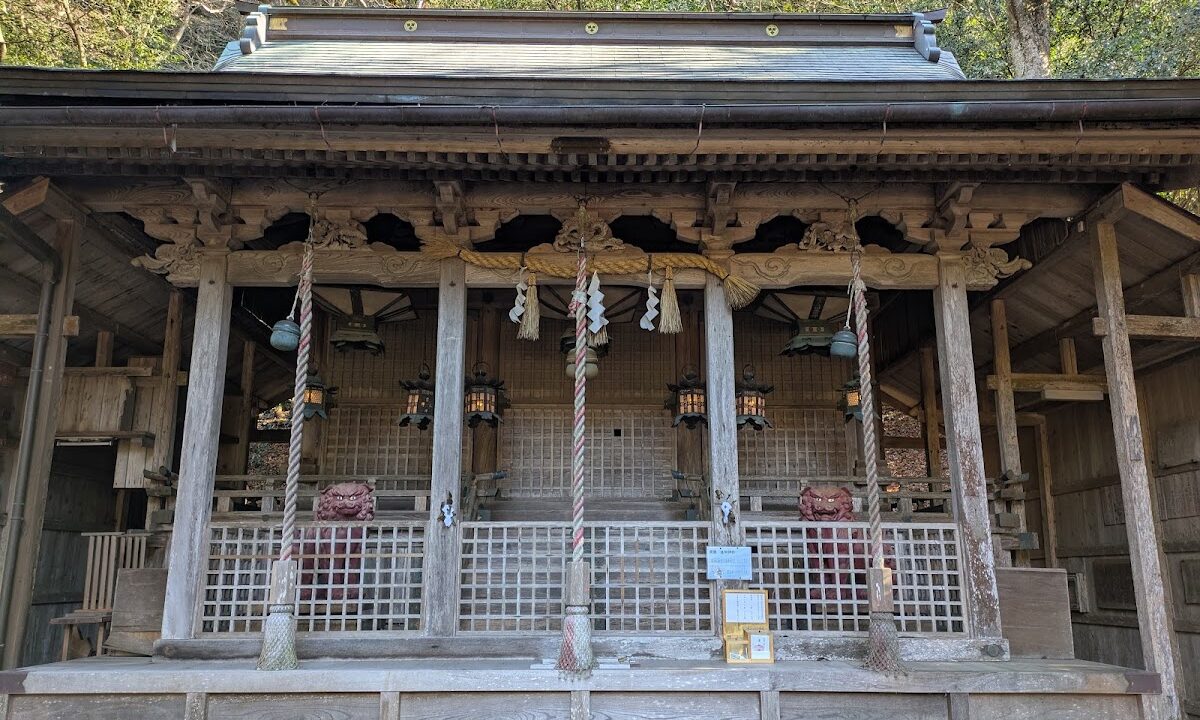
Doso Shrine (Nantan City, Kyoto Prefecture) Complete Guide | History, Deities, Access, and Cultural Properties Explained in Detail
Doso Shrine, located in Miyawaki, Miyama-cho, Nantan City, Kyoto Prefecture, is a venerable shrine boasting a 1500-year history. Known as a candidate for the “Kamino Shrine” listed in the Engishiki Jinmyocho (a list of shrines compiled in the Heian period), it is cherished by the local people as the tutelary shrine of the Miyajima and Hiraya districts of Miyama-cho. This article provides a detailed explanation of Doso Shrine’s history, deities, cultural properties, festivals, and access methods, incorporating local information.
Basic Information on Michiai Shrine
Location: 43-1 Hinotani, Miyawaki, Miyama-cho, Nantan City, Kyoto Prefecture 601-0743
Shrine Rank: Former Village Shrine, Shikinaisha (Contender for Shikinaisha)
Deities Enshrined:
- Emperor Jimmu
- Itsuse no Mikoto
- Prince Kinashi no Karu
Cultural Property Designation: Registered Cultural Property of Kyoto Prefecture (2 buildings)
Date of Designation: March 19, 1999
Parish Area: 8 settlements in the Miyajima district (excluding Shizuhara) and all settlements in the Hiraya district
History and Origins of Michiai Shrine
Founding and Ancient History
Michiai Shrine is said to have been founded approximately 1500 years ago, and is estimated to have been established during the late Kofun period to the Asuka period. This shrine is considered a candidate for the “Kanno Shrine in Kuwata District, Tanba Province” listed in the Engishiki Jinmyocho (compiled in 927), and has long been a center of faith in this region.
There are various theories about the origin of the shrine’s name, “Michiai,” but it is believed to have been revered as a god who protects the roads of the region and a god who illuminates the paths of people.
History of Fires and Reconstruction
Michiai Shrine has suffered numerous fires throughout its long history. The existing main hall was rebuilt in 1822 (Bunsei 5), restored through the fervent faith of the parishioners at the time. The worship hall was built in 1633 (Kanei 10) and renovated in 1902 (Meiji 35).
These buildings are registered as cultural properties of Kyoto Prefecture and are valuable examples that convey the style of shrine architecture from the Edo period to the Meiji period.
About the Deities Enshrined
Emperor Jimmu
Emperor Jimmu, known as the first emperor of Japan, is enshrined as the god of national peace, abundant harvests, and good fortune. Legend says he passed through this region during his eastern expedition, and he has been revered as the guardian deity of the area.
Itsuse no Mikoto
Itsuse no Mikoto, the elder brother of Emperor Jimmu, is known as a brave warrior who died in battle during the eastern expedition. He is worshipped as the god of long-lasting military fortune and protection against misfortune.
Prince Kinashi no Karu
Prince Kinashi no Karu, a son of Emperor Ingyo, is said to have been exiled to this area, and it is believed that he came to be enshrined here due to his deep connection with the region. He is also known as the god of academic achievement and improvement in performing arts.
Buildings and Cultural Properties of Michiai Shrine
Main Hall (Rebuilt in 1822)
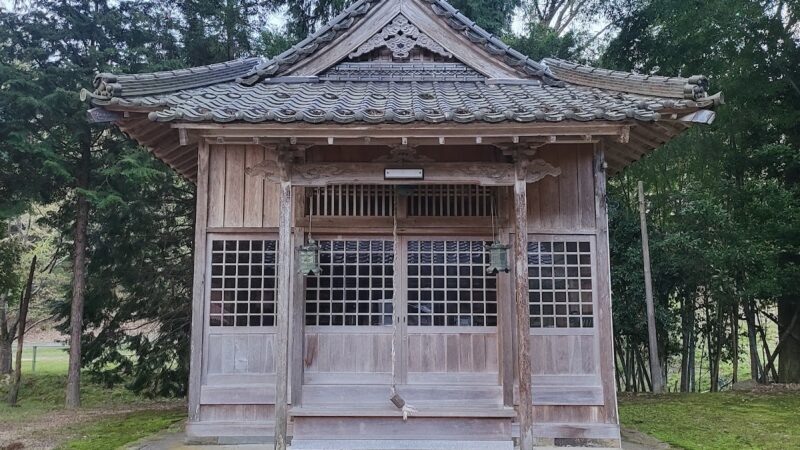
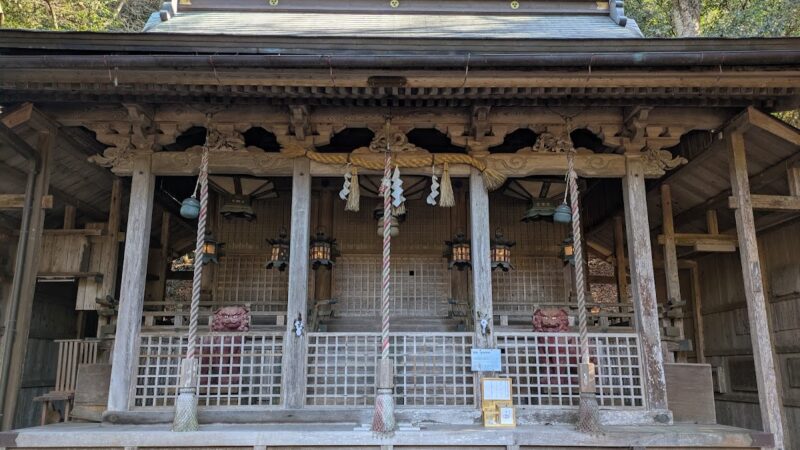
The main hall, a three-bay nagare-zukuri style building with a copper-plated roof, retains many characteristics of late Edo period shrine architecture. The nagare-zukuri style is the most common style in Japanese shrine architecture, characterized by its elegant shape with a long, extended roof.
The main hall is designated as a registered cultural property of Kyoto Prefecture, and the detailed carvings and decorations showcase the craftsmanship of Edo period artisans.
Worship Hall (Built in 1633, Renovated in 1902)
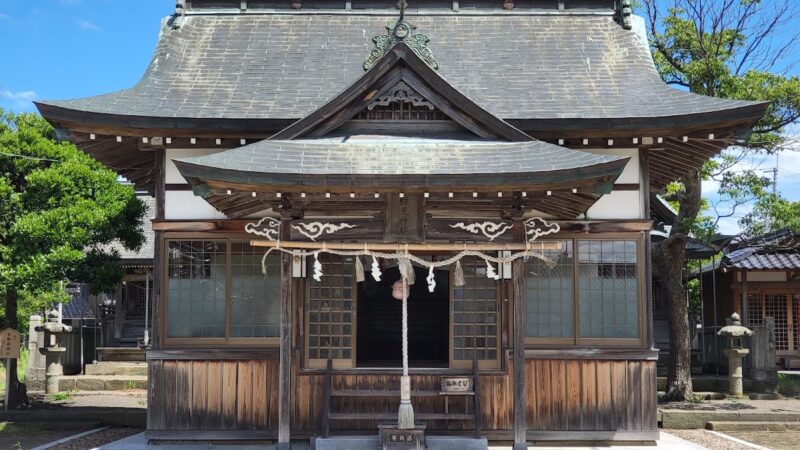
The worship hall, a hip-and-gable roofed building with an iron-plated roof, measuring two bays wide and three bays deep, was built in 1633 and renovated in 1902. The worship hall is where worshippers offer their prayers and, together with the main hall, creates the solemn atmosphere of the shrine.
Zuishinmon Gate (Built in 1633, renovated in 1902)
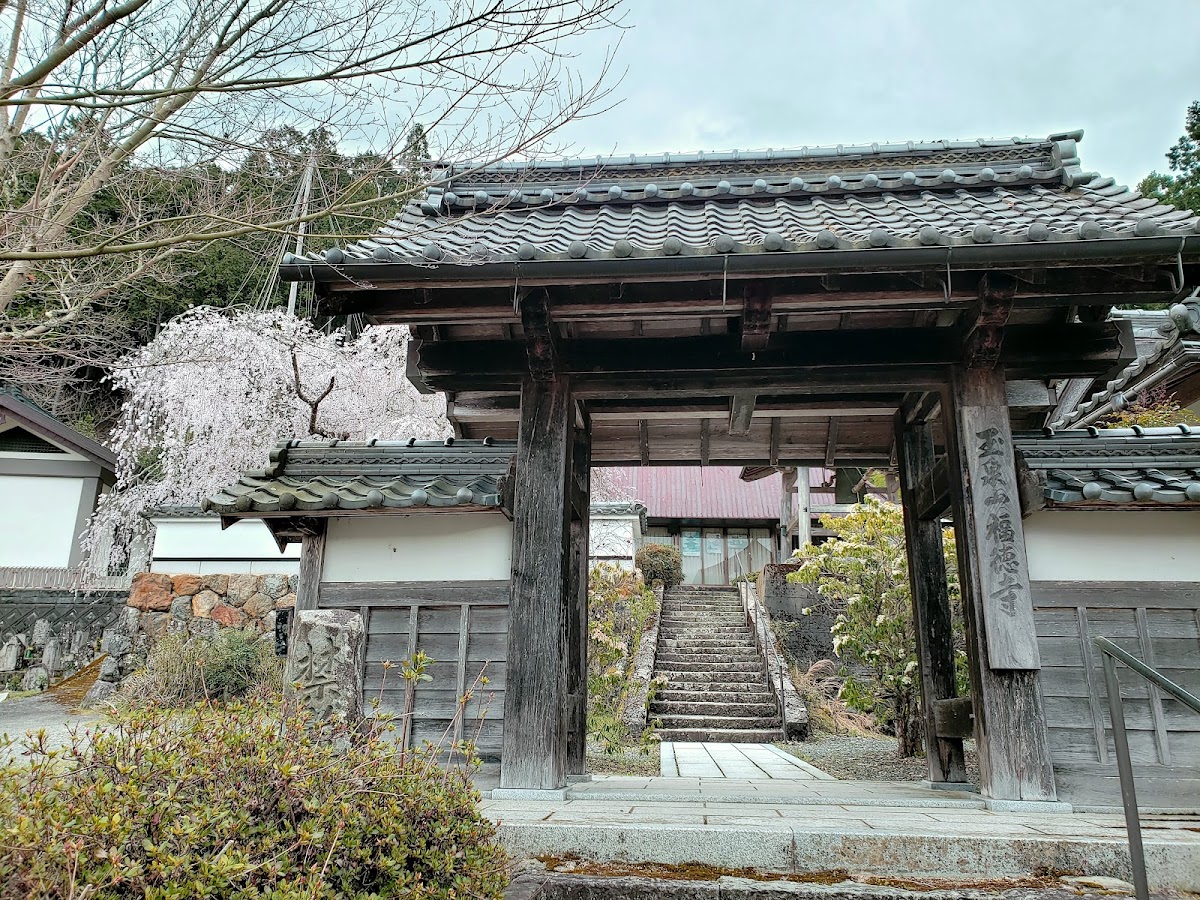
The Zuishinmon Gate, a single-bay, single-entrance, four-legged gate, was built in 1633, the same year as the main hall, and renovated in 1902. It serves as a gate guarding the entrance to the sacred area, welcoming worshippers.
These two buildings are designated as registered cultural properties of Kyoto Prefecture and are important elements in forming the historical landscape of the region.
Festivals and Rituals of Doso Shrine
Autumn Festival (Grand Festival Held Every 7-8 Years)
The most important festival at Doso Shrine is the Autumn Festival, held every 7-8 years. During this grand festival, traditional performing arts passed down in the region are offered, attracting many worshippers.
Main Contents of the Festival:
- Hikiyama (Float Procession): Elaborately decorated floats parade through the parish area. Pulled by young people from the community, these floats are one of the festival’s highlights.
- Tengu and Lion Dance: A magnificent dance by Tengu (mythical creatures) and lions is performed. This traditional ritual wards off evil spirits and prays for a bountiful harvest.
- Okame and Hyottoko Clown Performance: Humorous clown performances entertain worshippers and also symbolize prayers for a good harvest and family safety.
- Rice Bale Swinging: A spirited performance where young men compete by swinging rice bales. This traditional performance expresses gratitude and prayers for a good harvest.
These Kagura dances are preserved and passed down by the “Doso Shrine Kagura Preservation Society” and are cherished as a valuable intangible cultural asset of the region.
Main Annual Festivals
In addition to the Autumn Festival, Doso Shrine holds various festivals throughout the year. Through seasonal rituals such as the New Year’s Day Festival, the Spring Festival, and the Summer Purification Ceremony, prayers are offered for the peace and prosperity of the community.
How to Access Michiai Shrine
Access by Car
From Kyoto City:
- Head north on National Route 162 (Shuzan Kaido)
- Travel time: Approximately 1 hour 30 minutes
- Parking: Parking available for visitors within the shrine grounds
From Osaka:
- Take the Kyoto Jukan Expressway to Sonobe IC and then National Route 162
- Travel time: Approximately 1 hour
From Fukui/Obama:
- Head south on National Route 162 (Shuzan Kaido)
- Travel time: Approximately 1 hour from Obama
Michiai Shrine is located a short distance south of Shuzan Kaido (National Route 162). Entering “Michiai Shrine” or the address “43-1 Miyawaki Hinotani, Miyama-cho, Nantan City, Kyoto Prefecture” into your car navigation system will guide you there.
Access by Public Transportation
By Bus:
From Kyoto city, take the Nantan City Bus “Miyama-Sonobe Line” from JR Sanin Main Line “Sonobe Station” or “Hiyoshi Station” and get off at a bus stop in Miyama town. While it’s possible to walk to the shrine from the nearest bus stop, bus service is limited, so it’s recommended to check the timetable in advance.
Nearest Bus Stop:
- Approximately 5 minutes on foot from the “Miyawaki” bus stop
- Operated by the Nantan City Bus Miyama-Sonobe Line
Note: Because Miyama town is located in a mountainous area, public transportation is limited. Access by car is more convenient.
Regional Characteristics of Miyama Town and Doso Shrine
Characteristics of Miyama Town
Miyama town in Nantan City is a naturally rich area located almost in the center of Kyoto Prefecture, in the headwaters of the Yura River. The area boasts beautiful rural landscapes that preserve the original scenery of Japan, including the Kita settlement known for its thatched roofs.
The Miyawaki district, where the Doso Shrine is located, has a long history within Miyama Town and has flourished as a transportation hub since ancient times. The Shuzan Highway (National Route 162) is an important road connecting Kyoto and Wakasa, and has long functioned as a route for the exchange of goods and culture.
Parishioners’ Organization and Local Community
The parishioners of Doso Shrine consist of the eight settlements in the Miyajima district (excluding Shizuhara) and all settlements in the Hiraya district. Organizations such as the “Doso Shrine Parishioners’ Association,” the “Kagura Preservation Society,” and the “Hokoji Temple Preservation Society” are dedicated to the maintenance and management of the shrine and the continuation of traditional events.
Even amidst depopulation and an aging population, the shrine’s festivals and buildings continue to be maintained thanks to the deep faith and love for the community of the parishioners. The grand festival, held every 7-8 years, is a particularly important event for local parishioners who have moved to urban areas to return home, reaffirming community bonds.
Tourist Spots Around Doso Shrine
Kayabuki no Sato (Kita Settlement)
Located about 15 minutes by car from Doso Shrine, the Kita settlement in Miyama Town is designated as a National Important Preservation District for Groups of Traditional Buildings. Approximately 40 thatched-roof houses remain, making it a valuable settlement that preserves the original landscape of Japan.
You can enjoy the beautiful scenery of each season: the fresh green of spring, the deep green of summer, the autumn leaves, and the snowy landscape of winter. The “Snow Lantern Festival,” held from late January to early February, is particularly noteworthy, as the thatched-roof houses are illuminated, creating a magical atmosphere.
Miyama Folk Museum
This museum allows you to learn about the history, culture, and folklore of Miyama Town. This exhibition facility, housed in a thatched-roof farmhouse, displays old farming tools, daily life implements, and historical materials from Miyama Town. There are also materials on the history of Doso Shrine, and visiting before or after your visit will deepen your understanding.
Nature of the Yura River Headwaters
Miyama Town is located in the headwaters of the Yura River, blessed with clear streams and abundant forests. You can enjoy outdoor activities such as stream fishing, hiking, and camping. Enjoying Miyama’s nature in conjunction with a visit to Doso Shrine is highly recommended.
Miyama Town Nature and Culture Village
This is a comprehensive recreation facility equipped with accommodation, a campsite, and hot spring facilities. You can relax and enjoy Miyama’s nature. It’s also a convenient base for accommodation when visiting Doso Shrine.
Points to Note When Visiting Doso Shrine
Etiquette for Visiting Shrine
When visiting Doso Shrine, follow the general etiquette for visiting a shrine.
- Bow before passing through the torii gate.
- Walk along the approach to the shrine, avoiding the center.
- Cleanse your hands and mouth at the water basin.
- Bow twice, clap twice, and bow once in front of the main hall.
- When leaving, turn around and bow once after passing through the torii gate.
Regarding Photography
Photography is generally permitted on the shrine grounds, but it is considered good manners to refrain from taking photos inside the main hall or during Shinto rituals. When photographing buildings that are registered cultural properties of Kyoto Prefecture, please do so with respect.
Clothing and Belongings
Since the shrine is located in a mountainous area, the temperature can be lower than in Kyoto city depending on the season. Especially in winter, be sure to take adequate precautions against the cold. Also, since there are gravel paths and stone steps on the grounds, we recommend wearing comfortable shoes.
Map and Access Details
Doso Shrine is located at 43-1 Miyawaki Hinotani, Miyama-cho, Nantan City, Kyoto Prefecture. Located a short distance south of the Shuzan Highway (National Route 162), the shrine is marked with a signpost.
Entering “Doso Shrine” or its phone number (if applicable) into your car navigation system or smartphone map app will display its exact location. Since there are few landmarks in the surrounding area, it’s recommended to check a map beforehand.
Miyama Town’s Gourmet Food and Local Products
Miyama Milk and Dairy Products
Miyama Town is a region where dairy farming thrives, and “Miyama Milk” is a popular milk brand within Kyoto Prefecture. Characterized by its rich and full-bodied flavor, it can be purchased at roadside stations and direct sales outlets within Miyama Town. Soft serve ice cream and pudding made with the milk are also popular.
Miyama Ayu (Sweetfish)
Ayu (sweetfish) raised in the clear waters of the Yura River are a summer delicacy of Miyama Town. They can be enjoyed in various ways, such as grilled with salt or simmered in sweet sauce. Local restaurants and inns offer fresh ayu dishes.
Game Meat Cuisine
In Miyama Town, you can enjoy game meat dishes such as deer and wild boar. Local restaurants offer creative dishes that utilize the natural bounty of Miyama.
Roadside Station “Miyama Fureai Hiroba”
Located along National Route 162, this roadside station offers Miyama Town’s specialty products, fresh vegetables, and processed goods for sale. Soft serve ice cream made with Miyama milk is especially popular and makes a perfect rest stop during a drive.
Doso Shrine and the Shikinaisha “Kamino Shrine”
Doso Shrine is considered a candidate for the “Kamino Shrine in Kuwata District, Tanba Province” listed in the Engishiki Jinmyocho (a list of shrines compiled in 927). The Engishiki Jinmyocho is a list of major shrines throughout Japan compiled in the mid-Heian period (927 AD), and shrines listed there are called “Shikinaisha.”
Shikinaisha are historically significant shrines recognized by the imperial court since ancient times, indicating that Doso Shrine has long been an important center of worship in this region. However, there are various theories regarding the identity of “Kanno Shrine,” and Doso Shrine is considered one of the leading candidates.
The Four Seasons of Doso Shrine
Spring (March-May)
Spring at Doso Shrine is a beautiful season with cherry blossoms and fresh greenery in the grounds. As the snow melts, the breath of spring arrives in the grounds, welcoming visitors with a peaceful atmosphere.
Summer (June-August)
The grounds, enveloped in deep green, are filled with a cool atmosphere. Located in a mountainous area, the temperature is lower than in Kyoto city, making it suitable for visits that also serve as a summer retreat.
Autumn (September-November)
During the autumn foliage season, the grounds are colored in red and yellow. In years when the autumn festival is held, you can enjoy both the festival and the autumn leaves simultaneously.
Winter (December-February)
The snow-covered grounds are enveloped in a solemn atmosphere of silence. The snow-covered shrine buildings are especially beautiful, offering a unique winter atmosphere. However, caution is needed when walking on snow.
Guidelines for Visiting Doso Shrine
Doso Shrine is a local guardian shrine deeply intertwined with the lives of the local people. When visiting, please respect the local faith and pray quietly.
The shrine office may not always be staffed, so it is recommended to check in advance if you wish to receive a Goshuin (shrine stamp). Also, many visitors come on special days such as festivals, so please be aware of potential parking congestion.
Summary
Doso Shrine is a Shikinaisha (a shrine listed in the Engishiki, a historical record of 1500 years) located in Miyama-cho, Nantan City, Kyoto Prefecture. It enshrines Emperor Jimmu, Itsuse-no-Mikoto, and Prince Kinashi-no-Karu, and is cherished as the local guardian shrine.
The main hall and Zuishinmon gate, designated as Kyoto Prefecture Registered Cultural Properties, convey the beauty of Edo period shrine architecture to the present day. At the autumn festival, held every 7-8 years, traditional performing arts such as floats, Tengu and lion dances, Okame and Hyottoko clown performances, and rice bale swinging are offered, preserving the region’s culture.
Miyama Town is about 1 hour and 30 minutes by car from Kyoto City, and is blessed with thatched-roof houses and beautiful nature. Visitors can enjoy sightseeing in Miyama Town in conjunction with a visit to Doso Shrine.
Nestled in a quiet mountain village along the Shuzan Highway (National Route 162), Doso Shrine is a place where you can escape the hustle and bustle of the city and pray in peace. When you visit Miyama Town, be sure to stop by. You will be able to experience the region’s history, culture, and the faith of its people.