Shimama Shrine (Ayabe City, Kyoto Prefecture) Complete Guide | History of the Shikinaisha Shrine and the Tradition of Sword Dance
Shimama Shrine (also written as 嶋萬神社), located in Nakasuji-cho, Ayabe City, Kyoto Prefecture, is a Shikinaisha shrine listed in the Engishiki Jinmyocho (a list of shrines compiled in the Heian period) and an important ancient shrine in Ikaruga District, Tanba Province. This shrine, which is said to have originated from prayers for the cessation of epidemics, has continued to attract local faith and still preserves valuable folk cultural assets today.
This article comprehensively explains everything visitors should know about Shimama Shrine, including its history, enshrined deities, highlights of the grounds, the intangible folk cultural assets of sword dance and drum dance, and detailed access information.
Basic Information about Shimaman Shrine
Location and Shrine Rank
Address: 13 Iwagashita, Nakasuji-cho, Ayabe City, Kyoto Prefecture 623-0113
Shrine Rank:
- Shikinaisha (Shiman Shrine, Ikaruga District, Tanba Province)
- Former Village Shrine
Shiman Shrine is located at the southwestern foot of Mt. Takajo (298 meters above sea level), approximately 1 kilometer south of the junction of the Kyoto Expressway and the Maizuru-Wakasa Expressway. It is approximately 7 kilometers northeast of Ayabe Station and is a tranquil shrine surrounded by a rich natural environment.
Deities Enshrined
Main Deity: Susanoo-no-Mikoto
Susanoo-no-Mikoto is a heroic deity in Japanese mythology and is widely worshipped as a god of protection against misfortune and disease. The enshrined deity of Shimaman Shrine is deeply connected to the legend that the shrine was founded to pray for the eradication of disease.
History and Origins of Shimaman Shrine
Origin of Founding
Regarding the founding of Shimaman Shrine, there is an important legend dating back to the Nara period.
According to the legend, smallpox (variola) broke out in 736 AD (Tenpyo 8), and the following year, the main shrine was established in 737 AD (Tenpyo 9) to pray for the eradication of disease. This period saw large-scale epidemics recorded in Japanese history, with the Fujiwara brothers dying one after another, and society as a whole being threatened by disease.
The enshrinement of Susanoo-no-Mikoto, known as the god of warding off disease, and the prayer for the peace and well-being of the local people, is the origin of the founding of Shimaman Shrine.
Status as a Shikinaisha Shrine
The Engishiki Jinmyocho (compiled in 927) lists Shimaman Shrine in Ikaruga District, Tanba Province, indicating that it was a prestigious shrine recognized by the imperial court during the Heian period.
Ikaruga District is the area centered around present-day Ayabe City, and Shimaman Shrine has been one of the central shrines in this region, deeply connected to the local community throughout its long history.
Developments since the Edo Period
During the Edo period, it was a local shrine that attracted the faith of the community, and was also ranked as a local shrine under the Meiji era’s shrine ranking system. Even in modern times, it has played an important role as the local tutelary shrine and as a valuable site for preserving folk culture.
Highlights of the Shrine Grounds
Main Hall and Shrine Architecture
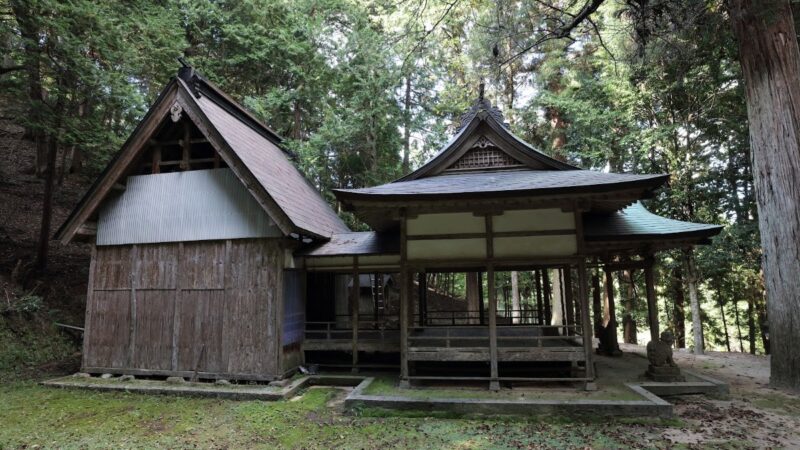
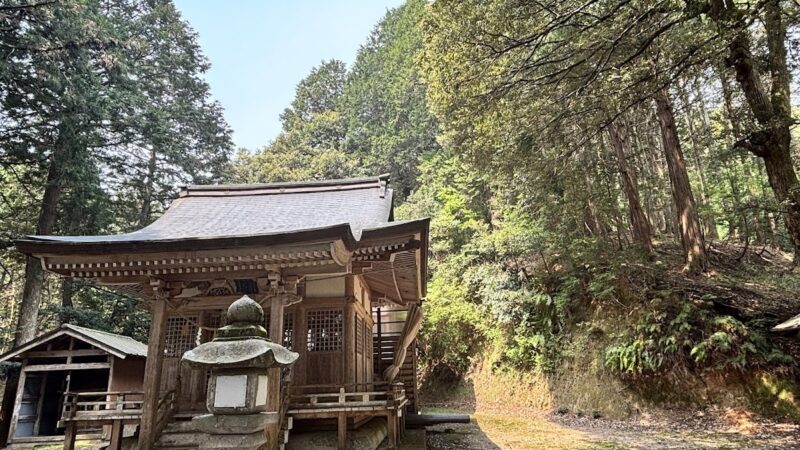
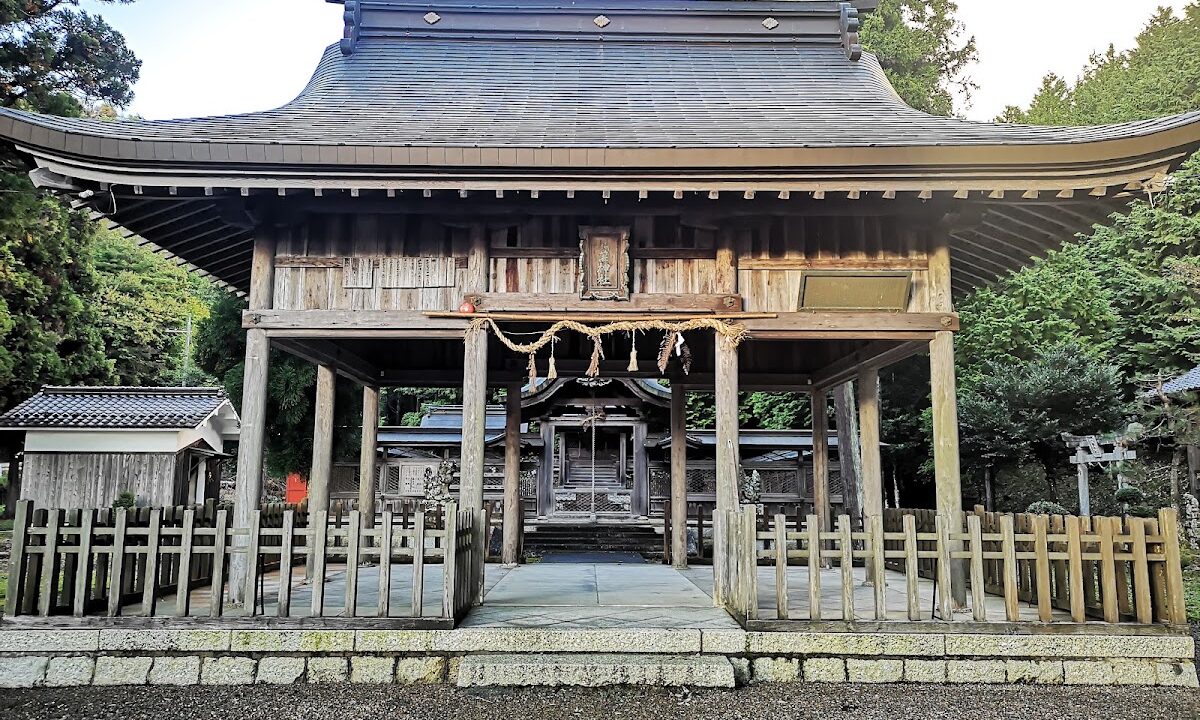
The main hall of Shimaman Shrine has a historical appearance and exhibits characteristics of shrine architecture in northern Kyoto Prefecture. The shrine grounds are laid out to take advantage of its location at the foot of Mt. Takagi, creating a space that feels in harmony with nature.
Shrine Precincts and Stone Structures
Around the main shrine building, there are shrine precincts and stone structures that reflect the local faith. These were donated over time and speak to the deep faith of the local residents.
Natural Environment
Located at the foot of Mt. Takagi, the shrine grounds are surrounded by abundant nature. The shrine’s forest, which displays different expressions throughout the seasons, provides visitors with a tranquil atmosphere, creating a sacred space far removed from the hustle and bustle of the city.
Kyoto Prefecture Intangible Folk Cultural Property: Tachifuri and Taiko Dance
The Tradition of Tachifuri
The most important cultural property of Shimaman Shrine is the Tachifuri and Taiko Dance, which is designated as a Kyoto Prefecture Registered Intangible Folk Cultural Property.
Tachifuri is a spirited dance using swords, a folk performance praying for the eradication of disease and a bountiful harvest. The Tachiburi (sword dance) at Shimaman Shrine preserves a form that has been passed down in the region for centuries and is valued as an important example of folk performing arts in the Tanba region.
Characteristics of Taiko Odori (drum dance)
Taiko Odori is a traditional performing art offered alongside Tachiburi, and is danced to the rhythm of drums. These performances have been passed down through generations by the local people and are an indispensable element of the shrine’s festivals.
Value as a Cultural Asset
Kyoto Prefecture is a region with many cultural assets, but only a limited number of performing arts are registered as intangible folk cultural assets. The Tachiburi and Taiko Odori of Shimaman Shrine are particularly valuable among them. The local community continues its transmission activities, making it important from the perspective of cultural inheritance.
Annual Events and Festivals
Main Festivals
Shimaman Shrine holds various festivals throughout the year. In particular, the autumn festival features Tachiburi and Taiko Odori performances, attracting many worshippers and spectators.
Prayer for Protection Against Epidemics
The belief in the healing of epidemics, which is the origin of the shrine’s founding, continues to this day, and worshippers visit seeking good health and protection from evil. Especially in recent infectious disease outbreaks, the belief in the shrine as a deity that wards off epidemics has received renewed attention.
Access Information
Nearest Station and Railway Access
Nearest Station: JR San’in Main Line, Ayabe Station
Shimaman Shrine is approximately 7 kilometers from Ayabe Station, making walking difficult. Using a bus, taxi, or private car from the station is recommended.
Bus Access
Nearest Bus Stop: Use the Aya Bus (Ayabe City Community Bus)
While city loop buses and community buses operate from Ayabe Station, routes and schedules may change, so it is recommended to check the latest information on the Ayabe City official website or at a tourist information center beforehand.
Take a bus towards Nakasuji-cho and walk from the nearest bus stop.
Access by Car
The easiest way to access the shrine is by private car.
- Near the Ayabe Junction of the Kyoto Expressway and the Maizuru-Wakasa Expressway
- Approximately 1 kilometer south of the junction
- Parking: Parking spaces are available on the shrine grounds or in the surrounding area (on-site confirmation is recommended for details)
When using a car navigation system, please search using the address “13 Iwagashita, Nakasuji-cho, Ayabe City, Kyoto Prefecture” or the shrine name.
Access by Taxi
If taking a taxi from Ayabe Station, the journey takes approximately 15 minutes. Fares vary depending on the distance, but if you are using a taxi for a round trip, it is recommended to have the driver wait for you or to arrange a return taxi in advance.
Nearby Tourist Attractions
Cultural Properties of Ayabe City
Besides Shimaman Shrine, Ayabe City has many other historical and cultural sites.
- Ankoku-ji Temple: A temple associated with Ashikaga Takauji
- Komyoji Temple: An ancient temple with a national treasure, the Niomon Gate
- Ayabe Rose Garden: Enjoy seasonal flowers
Around Takagiyama
The area around Takagiyama, where Shimaman Shrine is located, is rich in nature and suitable for hiking and nature observation. You can enjoy the local history and nature at the same time.
Manners and Precautions for Visiting Shrines
Basic Worship Etiquette
- Bow before passing through the torii gate
- Purify your hands and mouth at the water basin (if there is one)
- Bow twice, clap twice, and bow once in front of the main hall
- Maintain silence within the shrine grounds
Regarding Photography
Photography within the shrine grounds is generally permitted, but there may be restrictions during festivals and special events. Also, when photographing folk performing arts such as sword dances and drum dances, please follow the instructions of the organizers and related parties.
Attire for Visitors
While there are no strict dress code regulations, it is desirable to dress appropriately, keeping in mind that this is a sacred place.
The Charm and Significance of Shimaman Shrine
Historical Value
The founding legend dating back to the Nara period and its status as a Shikinaisha (a shrine listed in the Engishiki Jinmyocho) demonstrate the historical value of Shimaman Shrine. As a shrine born from the wish for the eradication of disease, a wish still relevant today, its significance has been passed down through the ages.
Cultural Value
The Tachiburi and Taiko Odori (sword-flying and drum-dancing dances), registered as Kyoto Prefecture Intangible Folk Cultural Properties, are important elements in forming the region’s cultural identity. The fact that these performing arts have been passed down to the present day speaks to the strong bonds of the local community and the high level of awareness regarding cultural preservation.
Value as a Place of Worship
With a history of nearly 1300 years, Shimaman Shrine is not merely a tourist spot, but continues to function as a center of faith for the local residents. The worship of Susanoo-no-Mikoto, intertwined with the universal desire for protection against disease and misfortune, continues to hold significance for modern worshippers.
Shrine Culture of Ayabe City and the Tamba Region
Shikinaisha Shrines of Ikaruga District
Several Shikinaisha shrines exist in Ikaruga District of Tamba Province, and Shimaman Shrine holds an important position as one of them. These shrines are valuable institutions that convey the ancient religious culture of the Tamba region.
Folk Performing Arts of Tamba
The sword-flicking and drum dance of Shimaman Shrine is an example of folk performing arts passed down in the Tamba region. Similar performing arts are transmitted throughout the Tamba region, which stretches from northern Kyoto Prefecture to eastern Hyogo Prefecture, forming a distinctive feature of the regional culture.
Guidelines for Visiting and the Benefits
Main Benefits
- Protection from Epidemics and Recovery from Illness: The main benefit based on the origin of the shrine’s founding.
- Protection from Misfortune and Disaster: Due to the divine virtue of Susanoo-no-Mikoto.
- Family Safety: Role as the local guardian deity.
- Abundant Harvest: A traditional belief in agricultural regions.
Best Time to Visit
Shimaman Shrine is open year-round, but the following times are especially recommended:
- Spring: Beautiful fresh greenery and a refreshing atmosphere.
- Autumn: The time of the annual festival, with the possibility of seeing sword-fighting and drum dances.
- New Year’s Visit: Praying for health and safety in the new year.
Summary: Visiting Shimaman Shrine
Shimaman Shrine in Ayabe City, Kyoto Prefecture, is a Shikinaisha (a shrine listed in the Engishiki, an ancient Japanese legal text) that has been protected by the local people since its founding in the Nara period, primarily for its belief in the protection of epidemics. Shimaman Shrine enshrines Susanoo-no-Mikoto and preserves the precious cultural traditions of Tachiburi (sword dance) and Taiko Odori (drum dance), which are designated as Kyoto Prefecture Intangible Folk Cultural Properties.
Located at the foot of Mt. Takagi in a naturally rich environment, one of its attractions is the tranquil atmosphere away from the hustle and bustle of Kyoto city. While private car access is convenient, it is also possible to visit by bus or taxi from Ayabe Station.
For history enthusiasts, those interested in folk culture, and those seeking protection from disease and good health, Shimaman Shrine is well worth a visit. When visiting Ayabe in northern Kyoto Prefecture, be sure to stop by.
With its status as a Shikinaisha (a shrine listed in the Engishiki), nearly 1300 years of history, and thriving folk performing arts, Shimaman Shrine is a valuable example of the diversity of Japanese shrine culture and the forms of faith rooted in local communities.