Asashiro Shrine (Maizuru City, Kyoto Prefecture) | A Complete Guide to the 1300-Year-Old Local Deity
Asashiro Shrine, located in Maizuru City, Kyoto Prefecture, is a venerable shrine boasting a history of over 1300 years. It is said to have been founded in 672 AD (the first year of the Hakuhō era), and has been deeply revered by the local people as the local tutelary deity of Maizuru. This article comprehensively introduces information you should know before visiting Asashiro Shrine, including its history, enshrined deities, highlights, festivals, and access methods.
History and Origins of Asashiro Shrine
Origins of its Founding and Deep Connection to Awaji Island
The founding of Asashiro Shrine dates back to September 672 AD (the first year of the Hakuhō era). It is believed to have begun with the enshrinement of a divided spirit from Izanagi Shrine, an ancient shrine on Awaji Island formerly known as “Hino-shōmiya.”
Izanagi Shrine is known as one of the oldest shrines dedicated to Izanagi-no-Mikoto, the god of creation in Japanese mythology. The fact that a分霊 (bunrei, a divided spirit) of Izanagi-no-Mikoto was brought to Maizuru speaks to the importance of this region at the time.
As the tutelary deity of the Tanabe Domain
During the Edo period, Asashiro Shrine became the tutelary deity of Tanabe, the castle town of the Tanabe Domain (Maizuru Domain), receiving deep reverence and protection from successive feudal lords. A tutelary deity is a god who protects the land and watches over its inhabitants, and Asashiro Shrine developed as a spiritual anchor for the people of Maizuru.
It was worshipped as the tutelary deity of the townspeople of the Tanabe Domain, and records show that it garnered such local faith that it was even sung about in folk songs, such as “Morning visits to Asashiro Shrine” and “Visiting Asashiro Shrine day and night.”
Ranked as one of the Eleven Shrines of Tango Province
Due to its prosperity during the Edo period, Asashiro Shrine came to be counted as one of the “Eleven Shrines of Tango Province.” The Eleven Shrines of Tango Province refer to eleven shrines selected as particularly historically significant in the Tango region, indicating Asashiro Shrine’s important position in this area.
Developments since the Modern Era
Under the Meiji-era shrine ranking system, Asashiro Shrine was ranked as a village shrine, and in 1928 (Showa 3), it was promoted to a prefectural shrine. This signified its recognition as a highly prestigious shrine within Kyoto Prefecture.
Even today, it is affectionately known as “Asashiro-san” by the citizens of Maizuru, and visitors continue to flock to the shrine for important life events such as New Year’s visits, Shichi-Go-San (a traditional rite of passage for children), and exorcisms.
Deities and Divine Virtues
Main Deity: Izanagi-no-Mikoto
The main deity of Asashiro Shrine is Izanagi-no-Mikoto, the god of creation in Japanese mythology. Izanagi-no-Mikoto, along with his consort Izanami-no-Mikoto, is known as the creator god who brought forth the land of Japan and many other gods.
Divine Virtues (Benefits)
Asashiro Shrine, which enshrines Izanagi-no-Mikoto, is believed to offer the following divine virtues:
- National Security and Regional Prosperity: As the god of creation, she protects and develops the land.
- Family Safety and Prosperity: Peace and prosperity for the family.
- Matchmaking and Marital Harmony: From the myth of Izanami-no-Mikoto, she grants blessings for successful relationships.
- Exorcism and Good Fortune: She wards off all calamities and brings good fortune.
- Prosperity of Descendants and Safe Childbirth: Having given birth to many gods, she grants blessings for fertility and safe childbirth.
With a long history of being worshipped as a guardian deity of the land, this shrine is cherished by local residents as a place that responds to a wide range of prayers, from everyday wishes to important milestones in life.
Highlights of the Shrine Grounds
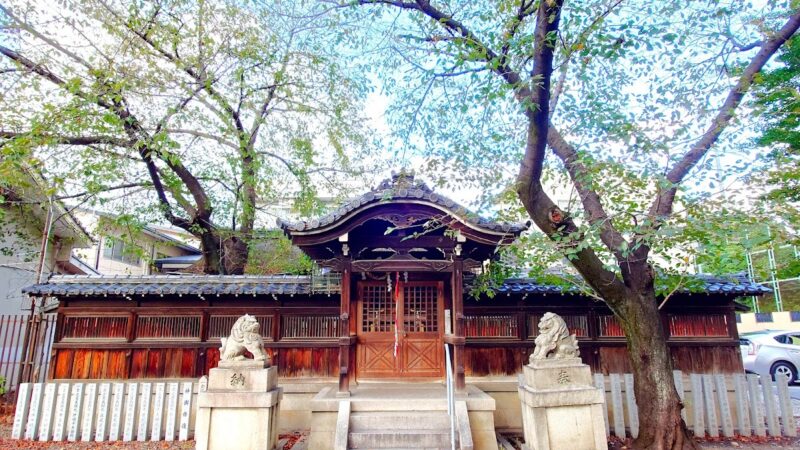
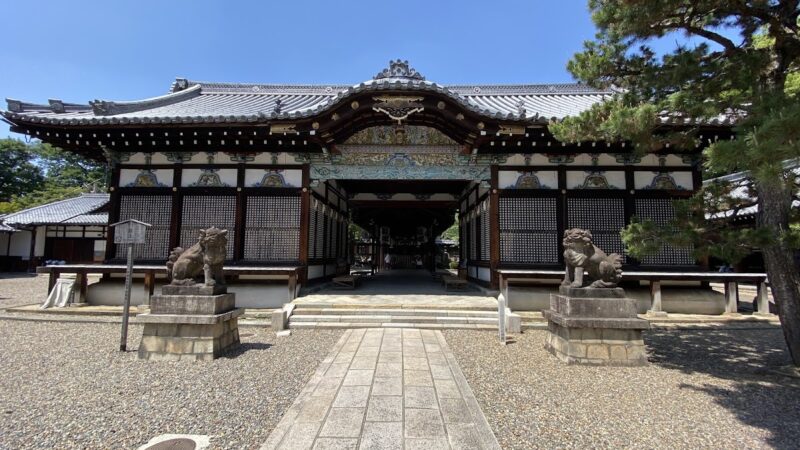
Main Hall (Maizuru City Designated Cultural Property)
The main hall of Asashiro Shrine was rebuilt in 1739 (Genbun 4) during the mid-Edo period and is a designated cultural property of Maizuru City. This shrine, with a history of approximately 280 years, retains many characteristics of Edo period shrine architecture, making it a valuable asset from an architectural history perspective.
The intricate carvings and traditional architectural style convey the high level of craftsmanship of the time. The majestic presence of the main hall inspires deep reverence in worshippers.
Approach and Torii Gate
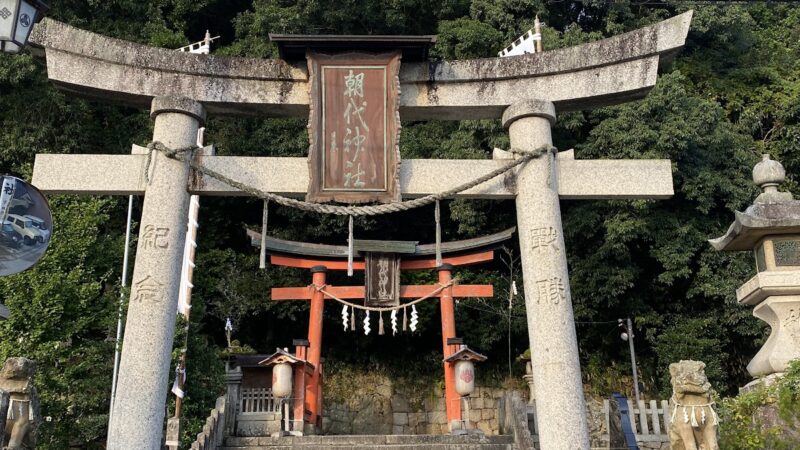
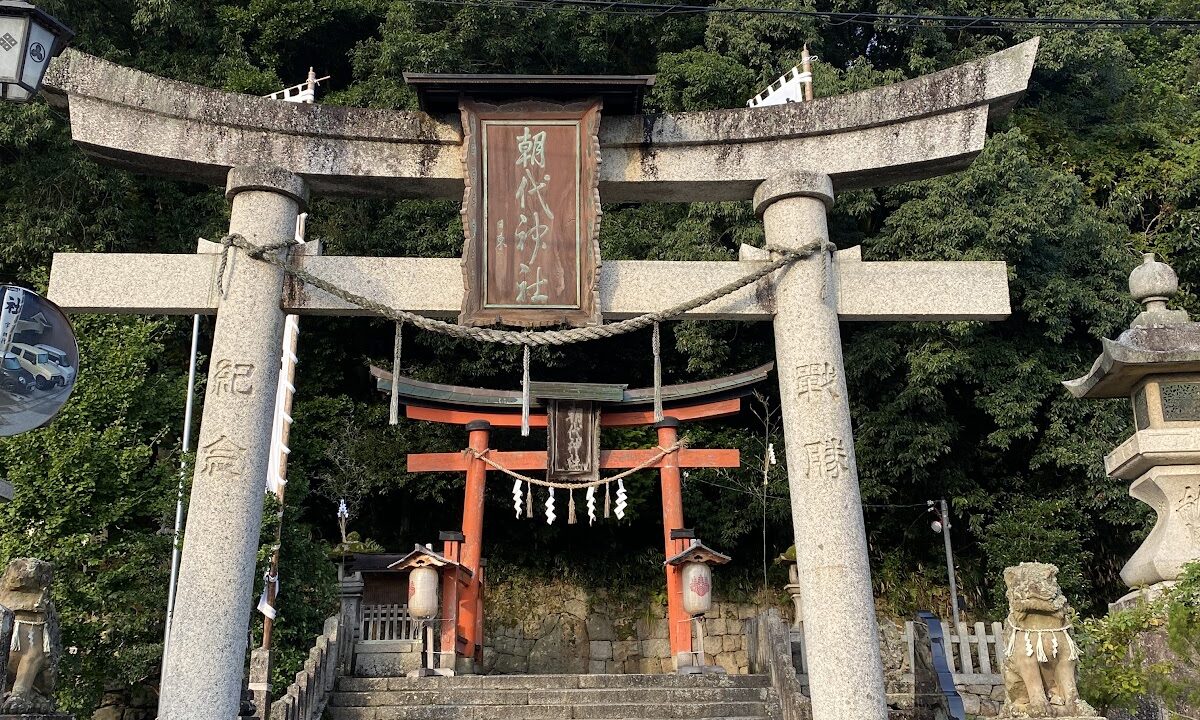
The approach to Asashiro Shrine is located in an area known as Teramachi in Maizuru. Situated in a corner lined with temples, including Enryu-ji Temple, it forms a unique landscape where shrines and temples coexist.
Passing through the torii gate, a tranquil atmosphere unfolds within the shrine grounds. Though small, the well-maintained grounds welcome visitors with a refreshing ambiance.
Asashiro Hall
Within the shrine grounds is the Asashiro Hall, where goshuin (shrine stamps) are issued and various prayers are accepted. It also functions as a community space, demonstrating the shrine’s close connection to the local community.
Festivals and Traditional Events
Yoshiwara Sword Dance (Kyoto Prefecture Registered Intangible Cultural Property)
The most noteworthy event at the Asashiro Shrine festival is the “Yoshiwara Sword Dance,” performed once every four years. This traditional event is designated as a Kyoto Prefecture Registered Intangible Folk Cultural Property and is one of Maizuru City’s representative folk performing arts.
The sword dance is a traditional performing art in which performers wield swords and perform a vigorous dance, with the meaning of praying for a bountiful harvest and the expulsion of evil spirits. This dance, which has been passed down in the Yoshiwara district, is inherited by young people in the region for generations, and the performance held once every four years attracts many spectators.
Kagura Dedication
Along with the sword dance, Kagura is also dedicated at the festival. Kagura is a sacred dance intended to entertain the gods and enhance their divine power, adding color to the Asashiro Shrine festival. The Kagura dance, performed to the sounds of flutes and drums, creates a traditional and elegant atmosphere.
Annual Events
Asashiro Shrine holds the following annual events:
- Hatsumode: Many worshippers visit during the first three days of the New Year to pray for safety and prosperity in the new year.
- Setsubun Festival: Events such as bean-throwing are held the day before the beginning of spring.
- Reitaisai: A grand annual festival where Kagura and sword dances (held once every four years) are offered.
- Shichi-Go-San: In autumn, the shrine is bustling with families praying for the healthy growth of their children.
Goshuin Information
Goshuin (shrine stamps) are available at Asashiro Shrine. They are given out at the shrine office in the Asashiro Hall, and many people receive them as a memento of their visit.
The goshuin features the calligraphy of “Asashiro Shrine” and the shrine’s seal, creating a simple yet dignified design. You can bring your own goshuincho (stamp book) or receive a pre-printed goshuin (stamp).
Goshuin Issuance Hours: Generally 9:00 AM to 5:00 PM (may vary depending on events and rituals)
*When receiving a goshuin, it is considered proper etiquette to visit the shrine office after completing your prayers. Since staff may be absent, it is recommended to call ahead to confirm if you wish to receive a goshuin.
Access and Transportation Information
Basic Information
- Address: 13 Asashiro, Maizuru City, Kyoto Prefecture 624-0842
- Phone Number: 0773-75-0132
- Nearest Station: Nishi-Maizuru Station, Kyoto Tango Railway Miyazu Line
Access by Train
Walking from Nishi-Maizuru Station
- Approximately 8 minutes on foot from Nishi-Maizuru Station (approx. 600m)
- Exit the station and head southwest towards Teramachi Street
- Located in an area lined with temples such as Enryuji Temple
Nishi-Maizuru Station is a major station on the Kyoto Tango Railway, making it easily accessible from Kyoto. Its proximity to the station and within walking distance make it suitable for visitors using public transportation.
Access by Car
From the Maizuru-Wakasa Expressway
- Approximately 10 minutes from Maizuru-Nishi Interchange
- Take National Route 27 towards the city center
Parking
There is parking space for visitors on the shrine grounds, but the number of spaces is limited. During festivals or other times when congestion is expected, we recommend using public transportation.
Nearby Tourist Attractions
The following are some of the attractions near Asashiro Shrine:
- Enryuji Temple: A temple adjacent to the approach to Asashiro Shrine.
- Maizuru Teramachi Area: A historical district with many temples.
- Tanabe Castle Ruins: The ruins of the Tanabe Domain castle, within walking distance.
- Red Brick Warehouses: A representative tourist attraction of Maizuru (approximately 10 minutes by car).
- Maizuru Repatriation Memorial Museum: A facility related to the World Memory Heritage (approximately 15 minutes by car).
Manners and Precautions for Visiting Shrines
Proper Way to Visit Shrines
- Bow before passing through the torii gate: This is a courtesy when entering the sacred area.
- Purify yourself at the water basin: Purify your left hand, right hand, and mouth in that order.
- Two bows, two claps, one bow: Basic worship etiquette in front of the main hall.
- Be quiet: Be quiet on the shrine grounds and be considerate of other worshippers.
Photography
Photography is generally permitted on the shrine grounds, but please refrain from taking pictures inside the main hall or during Shinto rituals. Also, please be considerate and avoid including other worshippers in your photos.
Attire
For regular visits, everyday clothing is fine, but if you are receiving a prayer, clean and presentable attire is preferable.
The Charm and Value of Visiting Asashiro Shrine
A Space Where You Can Feel the Weight of History
Asashiro Shrine, with its history of over 1300 years, is arguably synonymous with the history of Maizuru itself. From its founding to the present day, it has watched over this land as a tutelary deity, deeply intertwined with the lives of the local people.
You can feel the weight of history everywhere you look, from the Edo-period main hall and the sword-fighting ceremony held once every four years to the history of faith sung about in folk songs.
A “Living Shrine” Rooted in the Community
The greatest charm of Asashiro Shrine is that it is a “living shrine” that has not been commercialized for tourism. It continues to function as a place of daily worship for local residents.
Seeing locals visiting the shrine for life’s milestones such as New Year’s visits, Shichi-Go-San (a traditional rite of passage for children), and exorcisms, you can truly feel that the shrine is not merely a historical building, but a living center of the community.
A Hidden Gem of Maizuru Tourism
While the red brick warehouses and the Repatriation Memorial Museum are well-known attractions in Maizuru, Asashiro Shrine is an important spot for deeply understanding Maizuru’s history and culture. Its convenient location, within walking distance of Nishi-Maizuru Station, is also a major draw, making it a must-visit when in Maizuru.
A Tranquil Atmosphere and Peace of Mind
Despite its small size, the shrine grounds are meticulously maintained and filled with refreshing air. Away from the hustle and bustle of the city, the peaceful environment for worship offers visitors peace and tranquility.
Asashiro Shrine in Every Season
Spring: Fresh Greenery
In spring, the trees on the shrine grounds bud, creating a beautiful season of fresh greenery. During cherry blossom season, you can enjoy the tranquil spring atmosphere along with the surrounding temple district.
Summer: The Grand Festival
The grand festival is held from summer to early autumn, and the temple grounds are filled with the excitement of the festivities. It is especially crowded in the years when the sword dance, performed once every four years, is dedicated to the temple.
Autumn: Shichi-Go-San and Autumn Leaves
Autumn is the season for Shichi-Go-San (a traditional Japanese rite of passage for children), and children in their finest attire and their families visit. The trees in the temple grounds and surrounding areas change color, creating a calm and serene autumn atmosphere.
Winter: The Silent Temple Grounds and New Year’s Visit
In winter, the temple grounds are enveloped in silence, and a solemn atmosphere prevails. During the New Year’s period, it becomes bustling with worshippers making their first visit of the year, praying for safety and prosperity in the new year.
Voices of Visitors to Asashiro Shrine
A Historic Atmosphere
“Despite being just a short walk from Nishi-Maizuru Station, this shrine has a quiet and peaceful atmosphere. Knowing that it has a history of over 1300 years, I truly felt the depth of Maizuru’s history.”
A Shrine Loved by Locals
“I got the impression that this shrine is loved by the locals rather than being geared towards tourists. Seeing the locals praying, I could feel that this shrine is an important presence in the community.”
As Part of a Temple District Stroll
“I visited it while strolling through Maizuru’s temple district. Visiting it along with surrounding temples such as Enryuji Temple allows you to fully appreciate Maizuru’s historical townscape. It’s small, but a shrine with a deep sense of character.”
Summary: Asashiro Shrine Conveys Maizuru’s History to the Present
Asashiro Shrine is a historic shrine that has watched over the region as the tutelary deity of Maizuru for over 1300 years since its founding in 672. The Asashiro Shrine, whose main deity is Izanagi-no-Mikoto, who was invited from Izanagi Shrine on Awaji Island, has been deeply revered since the time of the Tanabe Domain.
The main hall, rebuilt during the Edo period, is preserved as a designated cultural property of Maizuru City, and the Yoshiwara sword dance, performed every four years, is a registered intangible folk cultural property of Kyoto Prefecture. These are not merely relics of the past, but a “living culture” that is still carefully protected and passed down by the local people.
Despite its convenient location just an 8-minute walk from Nishi-Maizuru Station, it maintains a simple atmosphere that hasn’t been commercialized for tourism, making it a must-see spot for those who want to learn more about Maizuru’s history and culture.
When you visit Maizuru, be sure to visit Asashiro Shrine along with other famous tourist spots such as the Red Brick Warehouses. The time spent quietly praying in the grounds where 1300 years of history quietly breathes will add depth to your travel memories.