Complete Guide to Wakinomiya Shrine (Miyazu City, Kyoto Prefecture) | The Origin of the Name Miyazu and the History of Namikoshi Rock
Wakinomiya Shrine, located in the heart of Miyazu City, Kyoto Prefecture, is a historical shrine deeply connected to the origin of the name Miyazu. It is full of little-known charms, such as Namikoshi Rock (Kumikoshi Rock), which conveys the memory of a port town that once faced the sea, and its history of attracting reverence from all over Japan during the Kitamae-bune (northern trade ship) era.
This article provides detailed information useful for visiting Wakinomiya Shrine, including its history, enshrined deities, highlights of the grounds, information on Goshuin (shrine stamps), and access methods.
What is Wakinomiya Shrine? | The Shrine from which the Name Miyazu Originated
Wakinomiya Shrine is located at 428 Miyamoto, Miyazu City, Kyoto Prefecture, and its former shrine rank was Village Shrine. Located just 50 meters west of Miyazu City Hall, this shrine is cherished by local residents as the guardian deity of Miyazu’s city center.
Origin of the Place Name “Miyazu”
The place name “Miyazu” is said to originate from this shrine. It is believed that the name originated from the fact that the deity was once enshrined on the seashore and the area was called “Miya-no-tsu.” “Tsu” means port, indicating that this area was an important port city from ancient to medieval times.
Until the Muromachi period, it was also called “Enoshima Shrine,” suggesting that it was a shrine facing an inlet. This name also reveals the deep connection between the geographical environment and the sea at that time.
Guardian Deity of the Eastern District of the Former Miyazu Castle Town
During the Edo period, it functioned as the guardian deity of the eastern district, which was divided into east and west by the Nishibori River in the Miyazu castle town. It flourished as a shrine for the townspeople of the castle town, attracting many worshippers along with the prosperity of commerce.
History of Wakinomiya Shrine | A Faith Continuing from the Sengoku Period
Founding and Early History
The exact founding date of Wakinomiya Shrine is unknown, but it is believed to have begun with the enshrinement of a sacred rock formation called Namikoshi-iwa (Kumikoshi-iwa) within the shrine grounds. This megalithic worship is a valuable legacy that conveys a form of ancient Japanese nature worship.
The name “Wakinomiya” is said to have existed since the Sengoku period, and it can be confirmed that the shrine was worshipped in its current form at least by the late Muromachi period.
Construction of the Shrine and Development
According to records, the shrine building was constructed in 1421 (Oei 28). Later, in 1470 (Bunmei 2), the deity of Motoise Kono Shrine, the Ichinomiya (first-ranked shrine) of Tango Province, was enshrined there, raising the shrine’s status.
This enshrinement allowed Wakinomiya Shrine to develop not only as a local tutelary shrine but also as a shrine that attracted a wider range of worshippers.
Prosperity during the Kitamae-bune Era
From the Edo period to the Meiji era, Miyazu flourished greatly as a port of call for Kitamae-bune ships sailing the Sea of Japan. During this time, Wakimiya Shrine attracted the fervent devotion of shipping merchants and traders.
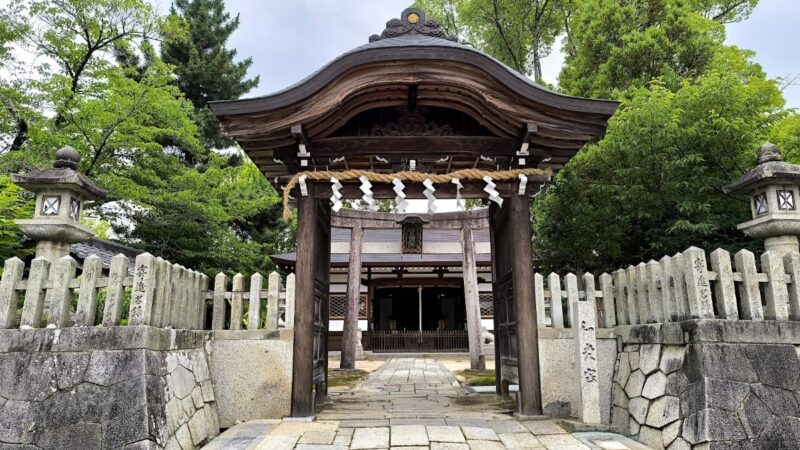
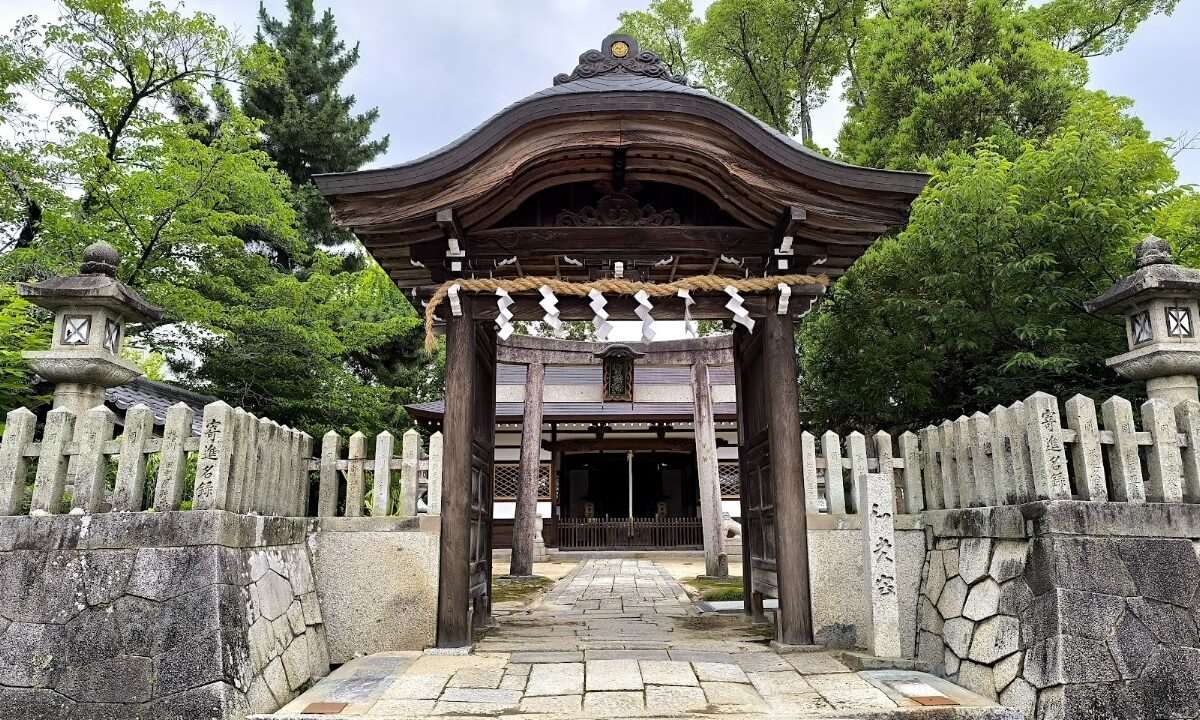
The stone fence that remains on the shrine grounds today bears the names of wealthy merchants who visited the shrine from all over western Japan, brought by the passage of Kitamae-bune ships. These names of donors are valuable historical documents that tell the story of Miyazu’s commercial prosperity at the time and the wide-ranging sphere of influence of Wakimiya Shrine.
Deities Enshrined | A Diverse Array of Gods
Wakimiya Shrine enshrines Amenominakanushi-no-kami as its principal deity, and also enshrines the following gods:
- Amaterasu Omikami: The ancestral deity of the Imperial family, goddess of the sun
- Toyouke-bime no Kami: Goddess of food and grains, enshrined at the Outer Shrine of Ise Grand Shrine
- Izanagi no Kami: The male deity who created the land
- Izanami no Mikoto: The goddess who created the land
- Ame no Mikumari no Kami: The god who controls water
- Kuninotokotachi no Mikoto: The primordial deity of land formation
- Watatsumi no Mikoto: God of the sea
- Sarutahiko no Kami: God who opens paths
- Agahime-no-Mikoto
These deities represent diverse divine attributes encompassing creation, land formation, agriculture, maritime transport, and all aspects of life, and have protected the history and lives of the people of Miyazu, a port town.
Highlights of the Shrine Grounds | Namikoshi-iwa and Historical Buildings
Namikoshi-iwa (Kumikoshi-iwa/Mizukoshi-iwa)
The greatest highlight of Wakimiya Shrine is the massive rock formation “Namikoshi-iwa” located to the right of the main hall. Also known as “Kumikoshi-iwa” and “Mizukoshi-iwa,” this rock formation is considered the origin of Wakimiya Shrine’s faith.
This rock is considered evidence that the sea once extended to this area. The large rock that was once in the sea remains on the shrine grounds, a valuable legacy that conveys the topographical changes of Miyazu and its relationship with the sea.
Ancient people revered this megalith as sacred, worshipping it as a vessel for the gods. This form of rock worship is a primitive Japanese belief, suggesting the extremely ancient origins of Wakimiya Shrine.
Worship Hall and Main Sanctuary
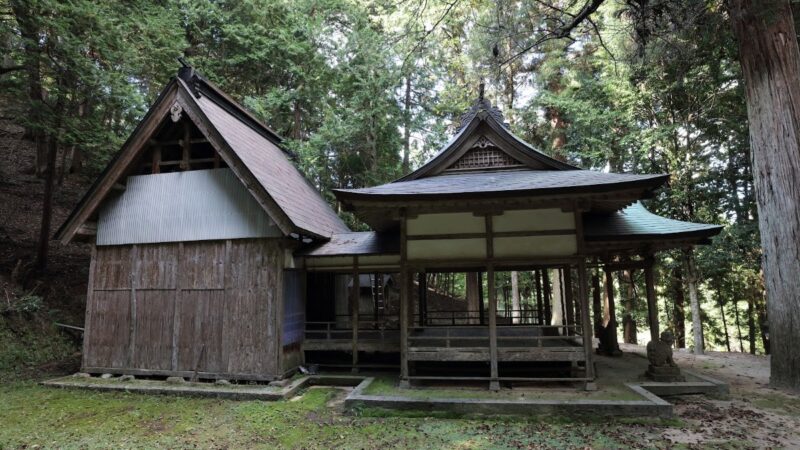
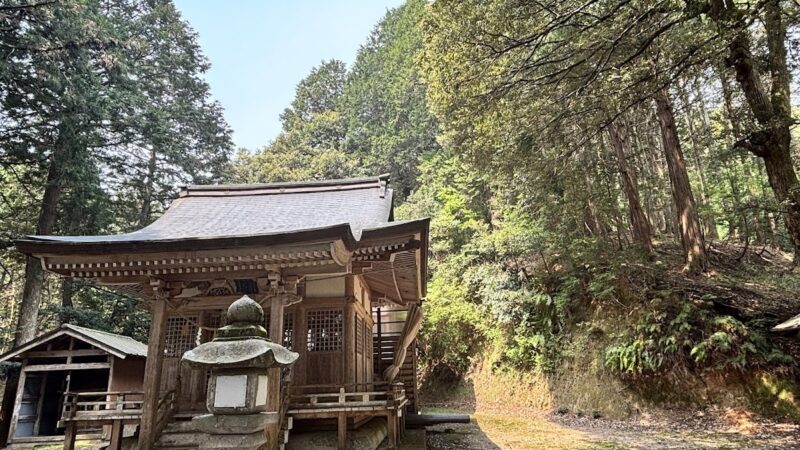
The current shrine buildings quietly convey the history of Miyazu while maintaining the style of traditional shrine architecture. The worship hall serves as a place to welcome worshippers, while the main sanctuary is a sacred space for enshrining the deities.
The details of the buildings showcase the finest craftsmanship dating back to the Edo period, and their value as historical structures is highly regarded.
Names of Wealthy Merchants Carved on the Stone Fence
The stone fence surrounding the shrine grounds bears numerous names of merchants and shipowners who made donations from the Edo period to the Meiji period. These donors came from various parts of western Japan connected by the Kitamae-bune shipping routes, demonstrating the wide sphere of influence of Wakimiya Shrine at that time.
The names of merchants from various regions such as Osaka, Setouchi, and Hokuriku can be seen, conveying the history of Miyazu’s prosperity as a key point in the Sea of Japan trade.
Goshuin (Shrine Seal) and Goshuincho (Shrine Seal Book) Information
You can receive a goshuin at Wakimiya Shrine. Many visitors receive a goshuin as a memento of their visit and as proof of their connection with the shrine.
About the Issuance of Goshuin
Goshuin are issued at the shrine office. However, the office is not always open, so it is recommended to check in advance. Due to its location in the center of Miyazu City, many visitors come as part of their Miyazu sightseeing.
The goshuin features the calligraphy of “Wakimiya Shrine” and the shrine’s seal, creating a simple yet dignified design.
Visit Records and Photos
Many posts from people who have visited Wakimiya Shrine are available on social media and visit record websites. Photos of the shrine grounds, images of the goshuin (shrine stamps), and accounts of visits are shared, providing a wealth of information that will be helpful for those planning to visit.
In particular, photos of the Namikoshi Rock and images conveying the atmosphere of the historical shrine grounds are invaluable resources for understanding the charm of Wakimiya Shrine.
Basic Information about Wakimiya Shrine
Location and Contact Information
- Address: 428 Miyamoto, Miyazu City, Kyoto Prefecture 626-0025
- Phone Number: Inquiries can be made through the Miyazu City Tourism Association, etc.
- Shrine Rank: Former Village Shrine
- Deities Enshrined: Amenominakanushi-no-kami and nine other deities
Visiting Hours and Admission Fee
- Visiting Hours: Grounds are freely accessible (please check the opening hours of the shrine office)
- Admission Fee: Free
- Estimated Visiting Time: Approximately 15-30 minutes
The grounds are relatively compact, but if you take your time to explore the sights, including the Namikoshi-iwa rock formation, it’s a good idea to allow about 30 minutes.
Access | Conveniently located within walking distance of Miyazu Station
Access by Train
Approximately 10 minutes on foot from Miyazu Station on the Kyoto Tango Railway (Tantetsu) Miyazu Line
Miyazu Station is located on the line heading towards Amanohashidate, after transferring to the Kyoto Tango Railway at Fukuchiyama Station from Kyoto. The path from the station to the shrine is flat and passes through the center of Miyazu City.
Access by Car
- Approximately 10 minutes from the Miyazu-Amanohashidate Interchange on the Kyoto Expressway
- Parking: There is no dedicated parking lot, but there are public parking lots around Miyazu City Hall.
The shrine is located immediately west of Miyazu City Hall, so using the city hall as a landmark will make it easy to find. However, there is no parking space on the shrine grounds, so you will need to use a nearby paid parking lot.
Combining with Nearby Sightseeing
Since Wakimiya Shrine is located in the center of Miyazu City, it can be combined with the following sightseeing spots.
- Amanohashidate: One of Japan’s three most scenic views, approximately 5 minutes by train from Miyazu Station.
- Motoise Kono Shrine: The Ichinomiya (first-ranked shrine) of Tango Province, located north of Amanohashidate.
- Miyazu Castle Ruins: The site of the Miyazu Domain’s castle, with stone walls remaining in the city.
- Former Mikami Residence: The residence of a wealthy Edo-period merchant, a nationally designated Important Cultural Property.
The History of Miyazu and Wakimiya Shrine
Miyazu as a Port Town
Miyazu has developed as an important port city on the Sea of Japan coast since ancient times. As a key point for trade with the continent and the Korean Peninsula, and for maritime traffic with the Hokuriku and San’in regions, many ships came and went.
The name “Miya no Tsu” (宮の津) of Wakimiya Shrine perfectly reflects this character as a port city. The shrine was built on the seashore and worshipped as a guardian presence overlooking the port.
Development of Miyazu Castle Town
From the late Sengoku period to the Edo period, Miyazu Castle was built in Miyazu, and the town was developed as a castle town. Wakimiya Shrine, as the tutelary shrine of the eastern district of the castle town, attracted the faith of the townspeople.
Miyazu also developed as a commercial city, and many merchants prayed at Wakimiya Shrine for business prosperity and safe voyages. The names of donors inscribed on the shrine’s stone fence convey the prosperity of that time.
Kitamae Ships and the Spread of Faith
From the mid-Edo period to the Meiji era, Miyazu experienced a golden age as a port of call for Kitamae ships sailing the Sea of Japan. The Kitamae ships were an important shipping route connecting Osaka and Hokkaido, and Miyazu was a major port of call along the way.
Shipowners and sailors had a custom of visiting shrines in ports of call to pray for safe voyages. Wakimiya Shrine was one such shrine, attracting worshippers from all over Japan. The names of merchants from various parts of western Japan can be seen on the stone fence within the shrine grounds, a remnant of the Kitamae-bune (northern route trading ship) era.
Annual Events at Wakimiya Shrine
Wakimiya Shrine holds various festivals throughout the year. As the local guardian shrine, seasonal festivals are deeply intertwined with the lives of the local residents.
Main Annual Events
- Annual Festival: The most important festival held once a year.
- Hatsumode (First Shrine Visit of the New Year): The shrine is bustling with many worshippers during the first three days of the New Year.
- Setsubun Festival: A prayer for warding off evil on the day before the beginning of spring.
- Natsukoshi no Harae (Summer Purification Ceremony): A Shinto ritual to purify oneself of the impurities accumulated over the past six months.
For specific dates and details, it is recommended to inquire at the shrine or the Miyazu City Tourism Association.
Nearby Shrines and Temples
There are other historical shrines and temples scattered around the area surrounding Wakimiya Shrine.
Motoise Kono Shrine
A prestigious shrine, considered the Ichinomiya (first-ranked shrine) of Tango Province, located in the Fuchu district on the north side of Amanohashidate. It is considered one of the original shrines of Ise Grand Shrine and enshrines Toyouke-no-Okami. Wakimiya Shrine also enshrines the deity of Kono Shrine, indicating a deep connection.
Chionji Temple
Located in the Monju district on the south side of Amanohashidate, this Rinzai Zen temple is known as one of Japan’s three most important Monju temples. It attracts many worshippers seeking wisdom and academic success, including students taking exams.
Nariaiji Temple
An ancient temple situated on a mountain overlooking Amanohashidate, it is the 28th temple on the Saigoku Kannon Pilgrimage. Known for its beautiful views and historic buildings, it is a popular tourist spot in Miyazu.
Miyazu Sightseeing and Wakimiya Shrine
Exploring Miyazu City
Wakimiya Shrine is located in the heart of Miyazu City, making it a recommended stop as part of a city exploration. You can stroll through the old castle town, which retains its Edo-period layout, and visit historical buildings and long-established shops.
Combining Miyazu with Amanohashidate Sightseeing
Many tourists visiting Miyazu aim for Amanohashidate, one of Japan’s three most scenic views. A route that includes visiting Miyazu city and Wakimiya Shrine before or after Amanohashidate is efficient.
Amanohashidate is about a 5-minute train ride or a 30-minute walk from Miyazu Station, so if you have time, a leisurely stroll along the way can be enjoyable.
Miyazu’s Food Culture
As a port town facing the Sea of Japan, Miyazu boasts an abundance of fresh seafood. In particular, winter’s snow crab, summer’s rock oysters, and year-round seafood bowls are just some of the many culinary delights of Miyazu tourism.
After visiting Wakimiya Shrine, we recommend enjoying local cuisine at restaurants in the city center.
Points to Note When Visiting Wakimiya Shrine
Carefully Observe Namikoshi-iwa Rock
When visiting Wakimiya Shrine, be sure to see Namikoshi-iwa Rock. This megalith is not just a rock; it is an important heritage site that tells the story of Miyazu’s topographical changes and the origins of the shrine.
Imagining the fact that the sea once extended this far, as you gaze upon it, you will surely be able to picture the ancient Miyazu.
Read the Names of Donors on the Stone Fence
If you have time, try reading the names of donors inscribed on the stone fence within the shrine grounds. The names of merchants who visited from various parts of western Japan from the Edo period to the Meiji period remain, giving you a real sense of the extent of trade at that time.
Feel the History in the Quiet Shrine Grounds
Wakimiya Shrine is a shrine rooted in the local community, not a tourist destination. The best way to enjoy this shrine is to pray in its tranquil grounds, reflecting on the long history of the port town of Miyazu.
Summary | Visiting the Origins of Miyazu
Wakimiya Shrine is a shrine that can be considered the origin of Miyazu City, from which the place name “Miya-no-tsu” originates. Beginning with the worship of the rock formation known as Namikoshi-iwa, its history, which has progressed alongside the development of the port town, tells the very story of how Miyazu came to be.
When visiting Miyazu for sightseeing in Amanohashidate, be sure to also visit Wakimiya Shrine in the city center. It’s a place of worship rooted in the community, different from the glamour of tourist spots, where you can experience Miyazu’s deep history and culture.
Its convenient location, just a 10-minute walk from Miyazu Station on the Kyoto Tango Railway, is also a major attraction. It’s located just west of Miyazu City Hall, making it easy to find even for first-time visitors.
Wakimiya Shrine, though small, is filled with profound charm, encompassing the history of Miyazu that Iwao Namikoshi has watched over, the faith that gathered from all over the country during the Kitamae-bune era, and its current status as a beloved local guardian deity.