Complete Guide to Yuwasaka Inari Shrine (Kyoto Prefecture): A Hidden Sacred Site Associated with Abe no Seimei and Access Information
Kyoto is home to numerous Inari shrines, including the nationally renowned Fushimi Inari Taisha, but among them, Yuwasaka Inari Shrine stands out for its particularly mystical atmosphere. Also known locally as “Yuwasaka Inari Shrine,” this shrine is a hidden sanctuary, known to those in the know, as a place associated with the family of the Onmyoji (exorcist) Abe no Seimei, and as a spot offering breathtaking panoramic views of Kyoto city.
This article comprehensively covers everything you need to know before visiting Yuwasaka Inari Shrine, including its history, highlights, access methods, and surrounding tourist attractions.
What is Yuwasaka Inari Shrine?: A Mysterious Shrine Associated with the Abe no Seimei Family
Basic Information and Official Name
Yuwasaka Inari Shrine is an Inari shrine located in Ohara Raigoin-cho, Sakyo-ku, Kyoto City. While its official name is also written as “Iwasaka Inari Shrine,” it is affectionately known locally as “Yuwasaka Inari.”
Although it is located a little distance from Kyoto’s main tourist areas, its tranquil atmosphere and historical background have made it a popular power spot in recent years. Among the approximately 30,000 Inari shrines nationwide, it is particularly revered for its unique history.
The Legend of Abe no Yasuyuki and Abe no Seimei
The area where Iwasaka Inari Shrine is located is said to be associated with Abe no Yasuyuki, a Heian period Onmyōdō (diviner). Abe no Yasuyuki is also said to be a descendant of the famous Onmyōji, Abe no Seimei.
It is believed that the Abe family resided in this area, and it has been suggested that Onmyōdō training and rituals may have been performed here. Therefore, Iwasaka Inari Shrine is believed to possess a mystical energy, attracting visitors seeking spiritual experiences. Within the shrine grounds stands the subsidiary shrine, “Angyosan Seimei Shrine,” dedicated to Abe no Yasuyuki, demonstrating the deep connection with the Abe clan.
Deities and Benefits
At Iwaei Inari Shrine, the main deity is Ukanomitama no Okami, known as the Inari god. Inari worship is believed to bring blessings such as abundant harvests, business prosperity, and family safety, and has been deeply revered throughout Japan since ancient times.
Furthermore, due to its connection to the Abe clan, it is also believed to bring blessings for academic success, protection from evil, and good fortune. It particularly attracts worshippers interested in divination, geomancy, and feng shui related to Onmyodo (Japanese esoteric cosmology).
History of Iwae Inari Shrine: A Place of Worship Dating Back to the Heian Period
Circumstances of Founding and Historical Background
The exact founding date of Iwae Inari Shrine is unclear, but it is believed to have existed as a place of Inari worship since the Heian period. Since Fushimi Inari Taisha, the head shrine of all Inari shrines nationwide, is said to have been founded in 711 AD (Wado 4), Iwae Inari Shrine may have been established around the same time, or after the relocation of the capital to Heian-kyo (794 AD).
This region has long been part of the Inari Mountain worship sphere and has functioned as one of the centers of Inari worship in northern Kyoto. In particular, it is speculated that the Abe clan’s residence in this area gave rise to a unique form of worship that fused Onmyodo (Japanese esoteric cosmology) and Inari worship.
The Relationship Between the Abe Clan and Onmyodo
During the Heian period, Onmyodo was positioned as an important academic discipline and technology of the state. The Onmyoji (diviners) belonging to the Onmyoryo (Bureau of Divination) were responsible for a wide range of duties, including astronomical observation, calendar creation, judgment of auspicious and inauspicious days, and the performance of rituals.
Abe no Seimei (921-1005) is known as an Onmyoji with particularly outstanding abilities, and many legends surround him. His descendant, Abe no Yasuyuki, also worked as an Onmyodo Hakase (Dr. of Divination) and is said to have studied and practiced Onmyodo in this area.
The area around Iwae Inari Shrine was a training ground for Onmyodo practitioners and a place where people prayed for abundant harvests and family safety through their faith in Inari. It can be said to be a valuable place that conveys the Heian period’s form of faith, where Shinto and Onmyodo were closely intertwined.
Changes since the Modern Era
Even after the Meiji-era separation of Shinto and Buddhism and the social changes of the post-war period, Iwae Inari Shrine has been preserved as a place of worship for the local community. It remains secluded from large-scale tourism development, maintaining its quiet presence nestled in the mountains.
In recent years, with the rise in interest in Abe no Seimei and power spots, the number of visitors to this shrine has been increasing. However, it has not been developed into a large-scale tourist destination like Fushimi Inari Taisha, and its charm lies in the fact that visitors can worship in a calm atmosphere.
Highlights of Iwaei Inari Shrine: A Thorough Explanation of the Shrine’s Charms
Architectural Beauty of the Main Hall and Worship Hall
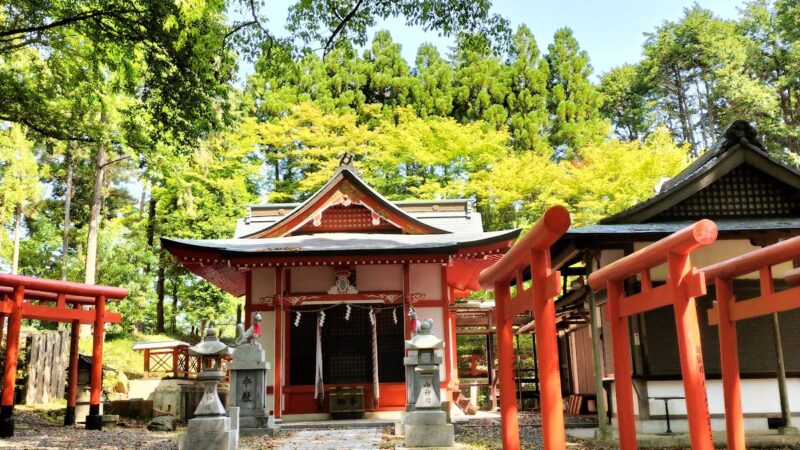
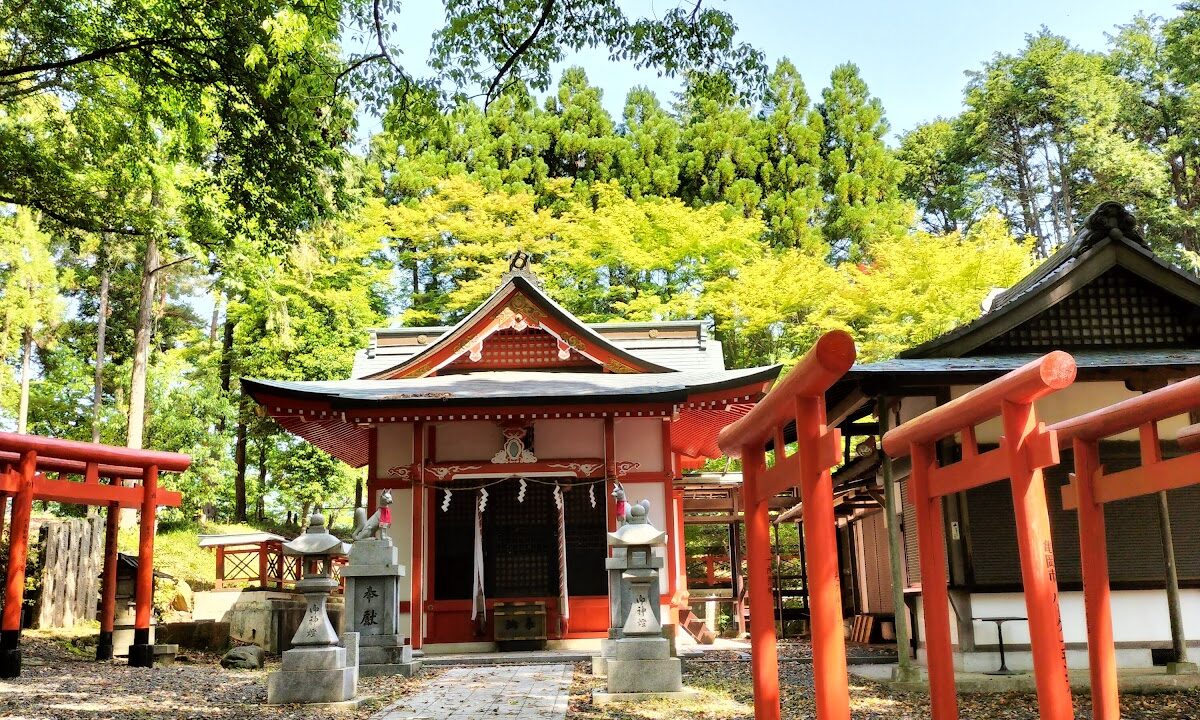
The main hall of Iwaei Inari Shrine follows the traditional style of shrine architecture, while being positioned in harmony with the mountainous terrain. The vermilion shrine building is a symbol of Inari worship and creates a beautiful contrast with the surrounding greenery.
Although not large in scale, the carefully maintained grounds are filled with a refreshing atmosphere, offering visitors a tranquil experience. The scenery, especially in the early morning and at dusk, is mystical and is a popular spot for photography.
Angyo-yama Seimei Shrine: A Special Subsidiary Shrine
Within the grounds of Iwaei Inari Shrine, the “Angyo-yama Seimei Shrine” is enshrined as a subsidiary shrine. This shrine enshrines Abe no Angyo and is associated with the gods of learning and direction.
This subsidiary shrine, bearing the name of Abe no Seimei, is particularly revered by those interested in Onmyodo (Japanese esoteric cosmology) and divination. Although small, its presence is strong, and it’s a must-visit when visiting Iwae Inari Shrine.
Angyo-yama Seimei Shrine is believed to grant blessings for academic success, passing exams, protection from misfortune, and warding off evil. Many students and those preparing for qualification exams visit the shrine.
Panoramic View from Heiwadai Park
Heiwadai Park is located on the mountaintop where Iwae Inari Shrine is situated, offering a spectacular panoramic view of Kyoto city. On clear days, you can see Kyoto Tower, the Higashiyama mountain range, and even as far as Osaka.
The view at sunset is particularly breathtaking; the Kyoto cityscape bathed in the setting sun will be an unforgettable sight. During cherry blossom and autumn foliage seasons, you can enjoy the colorful scenery spread out below.
Benches are installed in the park, allowing you to relax and enjoy the view after your visit. It’s rarely crowded with tourists, making it especially recommended for those who want to escape the hustle and bustle of Kyoto and enjoy some quiet time.
The Charm of the Torii Gates and Approach
The approach to Iwaei Inari Shrine is lined with vermilion torii gates, the symbol of Inari shrines. While not on the scale of the Senbon Torii (thousand torii gates) of Fushimi Inari Taisha, the tunnel of torii gates harmonizing with the mountainous nature has a unique charm.
The approach includes sections with stone steps, requiring a little stamina, but the sense of accomplishment and refreshment upon arrival is exceptional. Seasonal flowers can be seen along the approach, allowing you to experience the changing seasons while visiting the shrine.
Goshuin (Shrine Seal) Information: Items Available at Iwaei Inari Shrine
About the Issuance of Goshuin
Iwaei Inari Shrine offers goshuin to visitors. However, since there may not always be a permanent shrine office, it is recommended that those wishing to receive a Goshuin (shrine stamp) check in advance.
The Goshuin will bear the calligraphy of “Iwaei Inari-gu” or “Iwaei Inari Shrine” and the shrine’s seal. The Goshuin of this shrine, with its special history as a place associated with the Abe clan, is also valuable as a Goshuincho (stamp book) collection item.
Amulets and Offerings
Iwaei Inari-gu offers amulets for business prosperity, family safety, and academic success. Because of its connection to the Abe clan, amulets for academic success and passing exams are particularly popular.
Amulets for abundant harvests and business prosperity, based on Inari faith, are also traditionally popular, and are often received by business owners and those starting new businesses.
Access Information: How to Get to Iwaei Inari Shrine
Location and Basic Information
Address: 148, Ohara Raigoin-cho, Sakyo-ku, Kyoto City, Kyoto Prefecture 601-1242
Iwaei Inari Shrine is located in the Ohara area, in the northeastern part of Kyoto City. While it is some distance from Kyoto Station and major tourist attractions, it maintains a quiet and peaceful atmosphere.
Access by Public Transportation
Access from Kyoto Station:
- Take Kyoto Bus Route 17 bound for Ohara from Kyoto Station (approx. 60 minutes)
- Get off at the “Ohara” bus stop
- From there, it’s about a 20-30 minute walk, or you can take a local taxi.
Using the Subway:
- Get off at Kokusai-Kaikan Station on the Karasuma Subway Line
- Take Kyoto Bus Route 19 bound for Ohara
- Get off at the “Ohara” bus stop, then walk or take a taxi.
While access by public transportation is somewhat inconvenient, it’s a quiet sanctuary well worth visiting. Since bus services are limited, it’s recommended to check the timetable in advance.
Access by Private Car
From Kyoto City Center:
- Head north on National Route 367 towards Ohara.
- Travel time is approximately 40-50 minutes from Kyoto Station.
Parking Information:
There is limited parking space around Heiwadai Park, but the number of spaces is limited. Consider parking at the Ohara tourist parking lot and then walking or taking a taxi from there.
Visiting by private car offers more flexibility in terms of time than using public transportation, making it easier to plan a sightseeing itinerary that combines visits to other tourist spots in the Ohara area.
Points to Note When Visiting
- As there are mountain paths and stone steps, we recommend wearing comfortable shoes.
- In winter, there is a possibility of snow, so please check the weather beforehand.
- There may not be a permanently staffed shrine office, so those wishing to receive a Goshuin (shrine stamp) should check in advance.
- Mobile phone reception may be unstable.
Visiting Information: Best Time to Visit
Visiting Hours and Admission Fee
Iwaei Inari Shrine is generally open for worship 24 hours a day, but for safety reasons, daytime visits are recommended. Especially in the early morning and at dusk, you can experience a mystical atmosphere, but please be very careful of your footing.
Admission Fee: Free
Recommended Time to Visit
Spring (March-May):
- The surrounding mountains are beautifully colored during cherry blossom season.
- Enjoy visiting the shrine amidst the refreshing air of new greenery.
- The temperature is mild, making it a pleasant season for walking.
Summer (June-August):
- Cooler and more comfortable than Kyoto city center.
- Enjoy the coolness of nature amidst lush greenery.
- However, insect repellent is necessary.
Autumn (September-November):
- The scenery is especially beautiful during the autumn foliage season.
- The contrast between the panoramic view of Kyoto city and the autumn leaves is magnificent.
- It’s the best season for sightseeing, but it’s relatively less crowded.
Winter (December-February):
- Enjoy breathtaking views stretching far into the distance in the clear air.
- The vermilion shrine buildings amidst the snowscape are fantastic.
- Warm clothing and safety precautions for footwear are necessary.
Tips and Manners for Visiting the Shrine
- Attire: Since you will be walking on mountain paths, choose comfortable clothing and shoes that allow for easy movement.
- Time Allocation: Allow approximately 1-2 hours, including time for worship and sightseeing.
- Photography: Photography is permitted on the temple grounds, but please be considerate of other visitors.
- Offerings: Having small change ready will make things smoother.
- Quietness: To maintain a peaceful environment, please refrain from loud conversations.
Tourist Spots Around Iwae Inari Shrine: The Charms of the Ohara Area
Sanzen-in Temple: A Representative Temple of Ohara
When visiting Iwae Inari Shrine, you should also definitely visit Sanzen-in Temple, a representative tourist spot in the Ohara area. As one of the five main temples of the Tendai sect, it is a highly prestigious temple with beautiful gardens and historical buildings.
In particular, the two gardens, “Yuseien” and “Shubeien,” show different expressions in each season, captivating visitors. The stone Buddha statues, affectionately known as Warabe Jizo, are also popular. ### Jakko-in Temple: A Temple Associated with the Tale of the Heike
Jakko-in Temple, known as the place where Empress Kenreimon-in Tokuko lived in seclusion, is a temple that conveys the tragedy of the Tale of the Heike to this day. Nestled in a quiet mountain valley, the temple grounds are filled with the weight of history and tranquility.
It is especially beautiful during the autumn foliage season, attracting many tourists. While it’s a bit of a distance from Iwae Inari Shrine, it’s a must-see spot when exploring the Ohara area.
Ohara no Sato: A Landscape Where Nature and History Harmonize
The entire Ohara area is a scenic region known as Kyoto’s inner sanctuary. The rural landscape, clear streams, and mountains provide a respite from the hustle and bustle of city life.
There are restaurants serving dishes made with local produce and shops selling handmade crafts, allowing you to enjoy a leisurely stroll.
Ohara Onsen: A Time of Relaxation After Pilgrimage
The Ohara area also has hot spring facilities where you can soothe your tired body after pilgrimage and sightseeing. Some facilities offer day-trip bathing, making them a great place to stop by at the end of your trip.
Differences between Iwae Inari Shrine and Fushimi Inari Taisha: Two Types of Inari Worship
Differences in Scale and Recognition
Fushimi Inari Taisha is the head shrine of approximately 30,000 Inari shrines nationwide, attracting millions of visitors annually from both Japan and abroad. It boasts a long history, founded in 711 AD, and is known for its magnificent scenery, including its thousands of torii gates.
On the other hand, Iwae Inari Shrine is a small, locally rooted shrine characterized by its quiet atmosphere, unspoiled by tourism. While the number of visitors is incomparably smaller, it offers the advantage of a more relaxed and peaceful visit.
Differences in the Nature of Worship
Fushimi Inari Taisha is revered as the god of business prosperity and family safety, attracting a wide range of worshippers. Many visits are for the prosperity of businesses, and the worship is primarily focused on worldly benefits.
While Iwae Inari Shrine shares the same basic benefits as Inari worship, its connection to the Abe clan emphasizes its ties to Onmyōdō (Japanese esoteric cosmology) and scholarship. It tends to attract many visitors seeking spiritual experiences and those praying for academic success.
Differences in Access and Tourism
Fushimi Inari Taisha boasts excellent access, being just a short walk from JR Nara Line’s Inari Station and a 5-minute walk from Keihan Railway’s Fushimi Inari Station. Its proximity to Kyoto Station (approximately 5 minutes) makes it easily incorporated into sightseeing plans.
Iwae Inari Shrine is located in the Ōhara area, away from the city center of Kyoto, and access by public transport takes time. However, this inconvenience contributes to its sacred atmosphere, enhancing its appeal as a “hidden sanctuary.”
How to Enjoy Visiting Iwae Inari Shrine
Meditation and Prayer in Silence
The greatest charm of Iwae Inari Shrine is its tranquil environment. Unlike the bustling main temples and shrines of Kyoto, this place offers a tranquil setting where you can slowly reflect on yourself.
Taking deep breaths within the grounds and meditating while listening to the sounds of nature will be a precious experience that releases you from the stresses of everyday life. The historical background, as a place associated with the Abe clan, also deepens the spiritual experience.
Attractive as a Photography Spot
Iwae Inari Shrine and its surroundings are excellent photography spots. The contrast between the vermilion shrine buildings and the lush greenery, the panoramic view of Kyoto city from Heiwadai Park, and the torii gates along the approach offer plenty of subjects to photograph.
The light in the early morning and at dusk is particularly beautiful, allowing you to capture fantastical photos. It’s recommended for those seeking Instagrammable photos, but please remember to be considerate of other visitors while taking pictures.
As a Starting Point for Exploring the Ohara Area
When visiting Iwae Inari Shrine, it’s recommended to plan an itinerary that combines it with other sightseeing spots in the Ohara area. Ohara boasts numerous charming temples, including Sanzen-in, Jakko-in, and Jikko-in.
Spending a full day exploring the Ohara area allows you to experience the profound allure of Kyoto. Enjoy local cuisine, relax in hot springs, and discover a variety of other attractions.
Reviews and Reputation of Iwae Inari Shrine
Visitor Feedback
Visitors to Iwae Inari Shrine have shared the following comments:
- “A quiet and sacred atmosphere.”
- “The panoramic view of Kyoto city is magnificent.”
- “I was intrigued by the historical background, as it is associated with Abe no Seimei.”
- “There were few tourists, allowing for a peaceful visit.”
- “Access is inconvenient, but it’s well worth the effort.”
Many visitors highly appreciate the tranquil environment and mystical atmosphere. However, some point out the inconvenient access and lack of information, emphasizing the importance of prior research.
Evaluation as a Power Spot
Amidst the recent boom in power spots, Iwae Inari Shrine is gaining attention as a “hidden power spot known only to those in the know.” Its historical background as a place associated with the Abe clan, its mountaintop location, and its tranquil environment seem to be factors contributing to the feeling of spiritual energy it evokes.
Especially those interested in Onmyodo (Japanese esoteric cosmology) and Feng Shui have reported feeling “strong energy” and experiencing “sharpened intuition.” While there is no scientific evidence, it is certain that many people recognize it as a special place.
Summary: Iwae Inari Shrine is a Hidden Gem of Kyoto
Iwae Inari Shrine is a sacred place with a particularly unique charm among Kyoto’s many shrines. Its historical background as a place associated with the Abe clan, its spectacular panoramic views of Kyoto city, and its quiet, sacred atmosphere all make it well worth a visit.
Unlike large-scale tourist destinations like Fushimi Inari Taisha, Iwae Inari Shrine maintains a simple, unspoiled atmosphere, making it especially recommended for those who want to spend time reflecting on themselves or discovering the hidden charms of Kyoto.
While access is somewhat inconvenient, the sense of accomplishment and satisfaction upon visiting is exceptional. Why not combine a visit to Iwae Inari Shrine with other tourist spots in the Ohara area to experience the profound charm of Kyoto?
Within the nationwide network of Inari worship, Iwae Inari Shrine, though small, holds an important position. This place, where history, nature, and faith harmonize, will offer visitors a special experience.
When traveling to Kyoto, we recommend visiting not only the standard tourist spots but also hidden gems like this one. A quiet time at Iwae Inari Shrine will surely become an unforgettable memory.