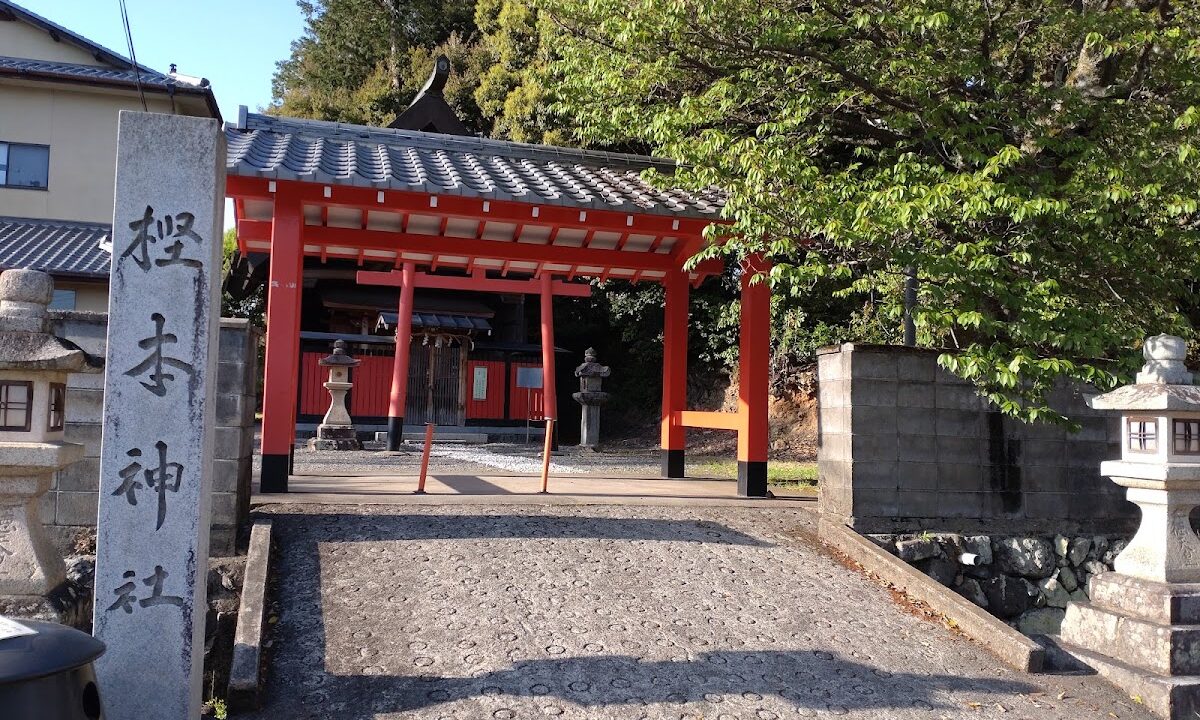
Kashimoto Shrine (Kyoto Prefecture) | Complete Guide to the History, Goshuin (Shrine Seal), and Access of the Outlying Shrine of Oharano Shrine
Kashimoto Shrine, located in the Oharano area of Nishikyo Ward, Kyoto City, is an ancient shrine known as an outlying subsidiary shrine of Oharano Shrine. Enshrining Emperor Nintoku as its deity, this shrine, nestled quietly in a peaceful residential area, is a hidden gem often visited in conjunction with a visit to Oharano Shrine.
This article comprehensively introduces information useful for those actually planning a visit to Kashimoto Shrine, including its history and origins, goshuin information, detailed access methods, and highlights for visitors.
Basic Information about Kashimoto Shrine
Official Name: Kashimoto Shrine
Location: 813 Minami-Kasuga-cho, Oharano, Nishikyo-ku, Kyoto City, Kyoto Prefecture 610-1153
Deity Enshrined: Emperor Nintoku
Shrine Rank: Subsidiary shrine outside the grounds of Oharano Shrine
Nearest Station: Rakusaiguchi Station, Hankyu Kyoto Line
Nearest Bus Stop: Minami-Kasuga-cho, Kyoto City Bus/Hankyu Bus
Kashimoto Shrine is a subsidiary shrine of Oharano Shrine, but it is positioned as an “external shrine,” meaning it is located away from the main shrine grounds. Goshuin (shrine stamps) are not given at Kashimoto Shrine; they can be obtained at the shrine office of the main shrine, Oharano Shrine.
History and Origins of Kashimoto Shrine
Origin of Founding
While detailed records of the founding of Kashimoto Shrine are scarce, tradition suggests it dates back to the early Heian period, before 850 AD (Kashō 3).
The shrine’s founding is linked to the turmoil surrounding the succession to the throne after the death of Emperor Nintoku, the 16th emperor. Emperor Nintoku, also known as Ōsasagi-no-Mikoto, was an emperor of the Kofun period and is known as the fourth son of Emperor Ōjin, the 15th emperor.
After Emperor Nintoku’s death, some people caught up in the succession struggle fled the conflict, carrying the emperor’s spirit with them, and arrived in this Ōharano area. It is believed that the enshrinement of a divided spirit of the emperor here marked the beginning of Kashimoto Shrine.
Relationship with Oharano Shrine
While there are no clear records of how Kashimoto Shrine became an auxiliary shrine outside the grounds of Oharano Shrine, it is believed to be deeply related to the spread of shrine worship in the Oharano area.
Oharano Shrine is a historically significant shrine founded in 784 AD (Enryaku 3), when Emperor Kanmu moved the capital to Nagaoka-kyo, by inviting a divided spirit from Kasuga Taisha Shrine in Nara, the tutelary shrine of the Fujiwara clan. The Oharano area developed as a place associated with the Fujiwara clan, and it is presumed that Kashimoto Shrine also became connected to Oharano Shrine within the sphere of faith in this region.
About the enshrined deity, Emperor Nintoku
Emperor Nintoku is the 16th emperor recorded in the Kojiki and Nihon Shoki, and is known as the benevolent ruler famous for the anecdote of “the people’s hearth.” Emperor Nintoku is believed to have been buried in the Nintoku Emperor’s Mausoleum (Daisenryo Kofun), the largest keyhole-shaped burial mound in Japan, located in Sakai City, Osaka Prefecture. He is one of the symbolic emperors of ancient Japan.
Kashimoto Shrine enshrines Emperor Nintoku alone and has been cherished as a place to comfort the emperor’s spirit and pray for peace in the region.
Kashimoto Shrine Grounds and Highlights
Atmosphere of the Shrine Grounds
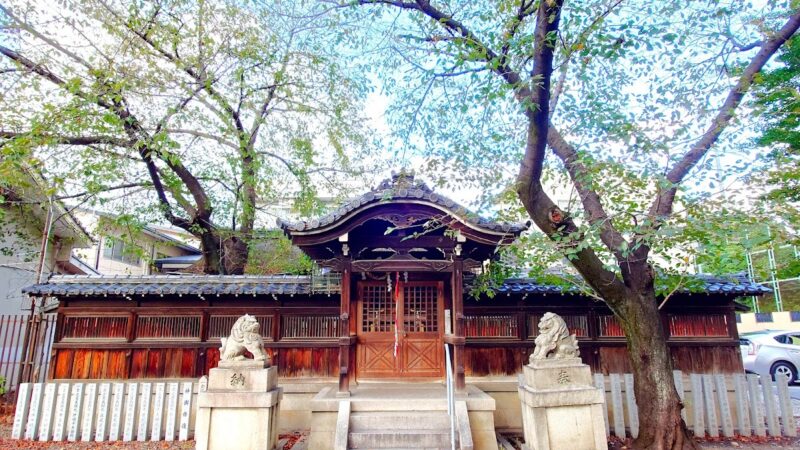
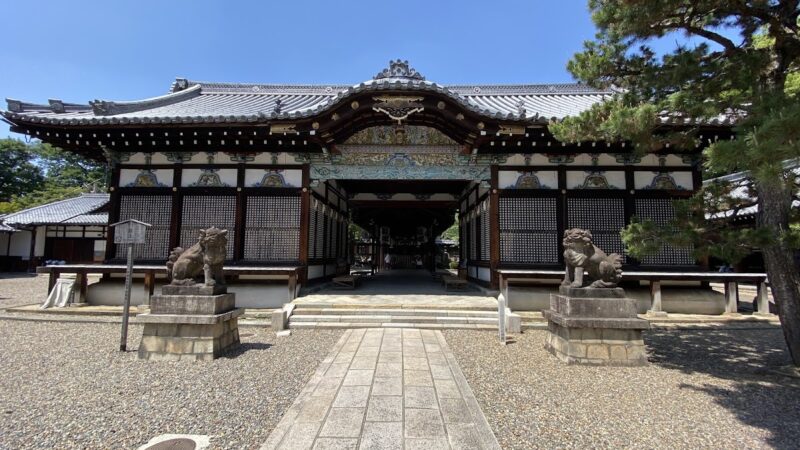
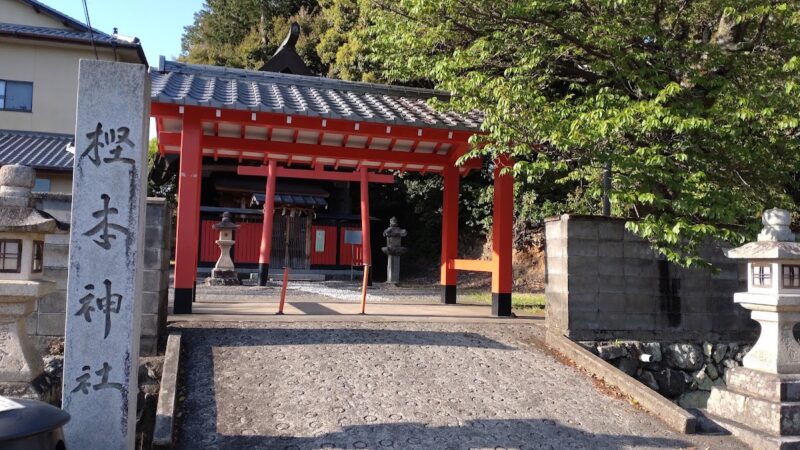
Kashimoto Shrine is located in a residential area and is a small shrine in scale, but it is enveloped in a tranquil and peaceful atmosphere. Passing through the torii gate, the shrine building sits within the small grounds, conveying a sense of history as a cherished guardian deity of the region.
Trees are planted on the grounds, allowing visitors to enjoy the changing seasons while praying. The quiet grounds are especially beautiful during the fresh greenery of spring and the vibrant autumn foliage.
Features of the Shrine
Kashimoto Shrine’s main hall maintains a traditional shrine architectural style, but is relatively small in scale. The main hall is protected by a protective structure and is carefully maintained by local residents.
A donation box is placed in front of the worship hall, allowing visitors to quietly offer their prayers. While there are no elaborate decorations, this simplicity is the charm of Kashimoto Shrine, reflecting its long history as a guardian of this land.
Surrounding Environment
Kashimoto Shrine is located in the Oharano area of Nishikyo Ward, Kyoto City, a peaceful area where rural landscapes and residential areas coexist. Because it is located on the way to Oharano Shrine, many people visit both shrines together.
It is easily accessible by bus, being just a short walk from the Minami-Kasuga-cho bus stop. Oharano Shrine is about a 15-20 minute walk away, allowing for a pleasant stroll between the two.
Kashimoto Shrine is located in the Oharano area of Nishikyo Ward, Kyoto City, a peaceful area where rural landscapes and residential areas coexist. ## Goshuin (Shrine Seal) Information
Where to Obtain a Goshuin
Goshuin (shrine seals) for Kashimoto Shrine are not available on the grounds of Kashimoto Shrine. To obtain a goshuin, you must go to the shrine office of the main shrine, Oharano Shrine.
Oharano Shrine offers goshuin for Kashimoto Shrine and its subsidiary shrines, and will record them in your goshuincho (seal book) as a record of your visit.
Goshuin Issuance Hours
The goshuin issuance hours at the Oharano Shrine office are generally as follows (please check in advance as these hours may change):
- Issuance Hours: Approximately 9:00 AM to 5:00 PM
- Closed Days: None in particular (except for New Year’s holidays, etc.)
Points to Note When Obtaining a Goshuin
Please note the following points when obtaining a goshuin from Kashimoto Shrine.
- It is customary to visit Kashimoto Shrine first and then receive a Goshuin (seal) at Oharano Shrine.
- It is common to bring your Goshuincho (seal book) and have it stamped directly.
- The offering fee (for the Goshuin) is generally around 300-500 yen.
- There may be a waiting time during busy periods.
About Goshuincho
Oharano Shrine also offers its own original Goshuincho. It might be a good idea to start a new Goshuincho after visiting Kashimoto Shrine.
Access Method
The most common way to access Kashimoto Shrine is by public transportation. Since it is located somewhat far from the center of Kyoto city, bus access is convenient.
Access by Train and Bus
Access by Bus from the Nearest Station
From Hankyu Kyoto Line “Rakusaiguchi Station”
- Get off at Rakusaiguchi Station
- Take a Hankyu Bus or Kyoto City Bus from the bus terminal in front of the station
- Get off at the “Minami Kasugacho” bus stop (approximately 10-15 minutes)
- Kashimoto Shrine is approximately a 2-3 minute walk from the bus stop
From JR Kyoto Station
- Take a Kyoto City Bus from the JR Kyoto Station bus terminal
- Get off at the “Minami Kasugacho” bus stop (approximately 40-50 minutes)
- Approximately a 2-3 minute walk from the bus stop
Available Bus Routes
- Kyoto City Bus: Bound for Rakusai Bus Terminal
- Hankyu Bus: Bound for Oharano
*Bus service varies depending on the time of day, so it is recommended to check the timetable in advance.
Access by Car
From central Kyoto
- Head west on National Route 9 (Gojo-dori)
- Head towards Oharano
- Estimated time: Approximately 30-40 minutes (depending on traffic)
Parking Information
Kashimoto Shrine does not have its own parking lot. If you are visiting by car, we recommend using the parking lot at Oharano Shrine and walking to Kashimoto Shrine.
Oharano Shrine has a free parking lot (approximately 100 spaces), and it’s about a 15-20 minute walk from there to Kashimoto Shrine.
Access on Foot (From Oharano Shrine)
When walking from Oharano Shrine to Kashimoto Shrine:
- Distance: Approximately 1.2 km
- Estimated Time: Approximately 15-20 minutes on foot
- Route: Take the road descending from Oharano Shrine towards Minami-Kasuga-cho.
The route offers a peaceful atmosphere of the Kyoto suburbs, with residential areas and rural landscapes.
Points and Manners for Visiting
Etiquette for Visiting
When visiting Kashimoto Shrine, follow the general etiquette for visiting a shrine.
- Bow before passing through the torii gate.
- Purify your hands and mouth if there is a water basin. (Kashimoto Shrine may not have a water basin.)
- Bow twice, clap twice, and bow once in front of the main hall.
- Offer your prayers quietly.
- Bow again in front of the torii gate when leaving.
Regarding Photography
Photography is generally permitted on the shrine grounds, but please observe the following:
- Refrain from taking photos inside the main hall.
- Be considerate of other worshippers.
- Maintain silence.
- Pay attention to location information when posting on social media.
Suitable Time for Visiting
Kashimoto Shrine is open 24 hours a day, but the following times are recommended:
- Morning (9:00 AM – 11:00 AM): Enjoy a refreshing visit in pleasant air.
- Weekdays: Fewer crowds, allowing for a peaceful visit.
- Spring and Autumn: Pleasant weather, perfect for exploring the surrounding area.
Visiting Oharano Shrine in conjunction with Kashimoto Shrine
Many visitors to Kashimoto Shrine also visit Oharano Shrine. Visiting both shrines allows for a deeper understanding of the history and beliefs of the Oharano region.
Recommended Pilgrimage Route
Route 1: By Bus
- Get off at Minami-Kasuga-cho bus stop
- Visit Kashimoto Shrine (Estimated time: 15-20 minutes)
- Walk to Oharano Shrine (Approx. 15-20 minutes)
- Visit Oharano Shrine (Estimated time: 30-60 minutes)
- Receive a Goshuin (seal) at Oharano Shrine
- Return from Oharano Shrine bus stop
Route 2: Walking from Oharano Shrine
- Visit Oharano Shrine
- Walk to Kashimoto Shrine (Approx. 15-20 minutes)
- Visit Kashimoto Shrine
- Return from Minami-Kasuga-cho bus stop
- (Later) Receive a Goshuin at Oharano Shrine
Estimated Time Required
Estimated time required when visiting both shrines:
- Travel time: Approximately 15-20 minutes (one way)
- Visit to Kashimoto Shrine: Approximately 15-20 minutes
- Visit to Oharano Shrine: Approximately 30-60 minutes
- Total: Approximately 1 hour 30 minutes to 2 hours
Nearby Attractions
There are other spots worth visiting around Kashimoto Shrine and Oharano Shrine.
Shōhōji Temple (Oharano)
An ancient Shingon Buddhist temple located about a 10-minute walk from Oharano Shrine. Known as a famous spot for autumn leaves, it has a beautiful garden called the “Garden of Birds and Beasts.”
Shōjiji Temple (Temple of Flowers)
Known as a temple associated with the monk Saigyo, it is famous as a cherry blossom viewing spot. Approximately a 15-minute walk from Oharano Shrine.
Zenpōji Temple
A famous Tendai Buddhist temple located on the mountainside of Nishiyama. It is a scenic spot offering panoramic views of Kyoto city, and the scenery is especially beautiful during the autumn leaf and cherry blossom seasons. ## Annual Events and Festivals
While Kashimoto Shrine doesn’t have any particularly large-scale festivals of its own, as a subsidiary shrine of Oharano Shrine, it’s possible that rituals are performed in conjunction with Oharano Shrine’s main festivals.
Main Annual Events of Oharano Shrine:
- January 1st: New Year’s Day Festival
- February 3rd: Setsubun Festival
- April 8th: Kasuga Festival
- First Sunday of September: Annual Festival
- November 23rd: Niiname-sai Festival
Visiting Kashimoto Shrine during these festivals will likely provide a deeper religious experience.
Visitor Voices and Experiences
The following are some comments from people who have actually visited Kashimoto Shrine:
- “It’s a quiet shrine nestled in a residential area, and it brought me peace of mind.”
- “I stopped by on my way to Oharano Shrine, and although it’s small, you can tell it’s carefully maintained.”
- “It’s a shrine that you can feel is cherished by the locals.”
- “You can get a Goshuin (shrine stamp) at Oharano Shrine, so I recommend visiting both.”
Attire and Items to Bring When Visiting
Attire
- Clean clothing appropriate for visiting a shrine
- Comfortable walking shoes (if walking to Oharano Shrine)
- Warm clothing appropriate for the season
Items to Bring
- Goshuincho (stamp book) (if you wish to receive a Goshuin)
- Camera (for recording)
- Drinks (especially in summer)
- Rain gear (in case of bad weather)
- Bus timetable or smartphone
Summary: The Charm of Visiting Kashimoto Shrine
Kashimoto Shrine is a historical shrine dedicated to Emperor Nintoku, quietly nestled in the Oharano area of Nishikyo Ward, Kyoto City. As an auxiliary shrine located outside the grounds of Oharano Shrine, it has long been a center of local faith.
Although small in scale, it is a precious place where you can feel the history of its ancient origins and the protection it has received from the local people. Visiting both Oharano Shrine and Kashimoto Shrine will allow you to gain a deeper understanding of the history and culture of this region.
Why not take a short detour from the typical Kyoto sightseeing route and visit this quiet place of worship? Away from the hustle and bustle of the city, Kashimoto Shrine offers a peaceful place to pray and is a spot where you can discover a hidden charm of Kyoto.
Since the Goshuin (shrine stamp) is given at Oharano Shrine, we recommend planning your visit to include both shrines. Please enjoy a leisurely visit to Kashimoto Shrine, where you can feel the changing seasons and history.