Complete Guide to Okawa Shrine (Maizuru City, Kyoto Prefecture) | History, Goshuin (Shrine Seal), and Access Information for Maizuru’s Oldest Shikinaisha Shrine
Okawa Shrine, located in Okawa, Maizuru City, Kyoto Prefecture, is said to be the oldest shrine in Maizuru City, founded in the first year of Emperor Kenzo’s reign (485 AD). As a Shikinaisha (a shrine listed in the Engishiki, an ancient Japanese legal code), it has received reverence from the imperial court since the Heian period and is known as a historically significant shrine boasting a status and tradition second only to Motoise Kono Shrine in Miyazu City within the former Tango Province.
This article comprehensively explains everything you need to know before visiting Okawa Shrine, including its detailed history, legends concerning the enshrined deity Uke-mochi-no-kami, highlights of the shrine grounds, goshuin information, and access methods.
Basic Information and Detailed Data of Okawa Shrine
Basic Data of the Shrine
Official Name: Okawa Shrine (Ōkawa Jinja)
Alternative Name: Okawa Daimyōjin
Location: 589 Ōkawa, Maizuru City, Kyoto Prefecture 624-0101
Shrine Grounds: 169-1 Tetsumitsuyama, Ōkawa, Maizuru City, Kyoto Prefecture (Shrine Grounds)
Shrine Rank: Shikinaisha (Myōjin Taisha), Former Prefectural Shrine
Main Deity: Ukemochi-no-kami
Year of Founding: First year of Emperor Kenzō’s reign (485 AD)
Annual Festival Date: October 17th
Former Province Name: Kasa District, Tango Province
Access Information
Nearest Station: Shisho Station, JR Maizuru Line (within walking distance)
From JR Nishi-Maizuru Station: Approximately 17 minutes by Kyoto Kotsu bus By Car: Approximately 15 minutes from Maizuru-Nishi Interchange on the Maizuru-Wakasa Expressway
Parking: Available (parking space for visitors within the shrine grounds)
Okawa Shrine is located on the eastern slope of Mt. Tekkozan, nestled in a rich natural environment. Despite its location in Maizuru City in northern Kyoto Prefecture, it is a valuable shrine that conveys ancient history to the present day, serving as a center of local faith.
History of Okawa Shrine | An Ancient Shrine with Over 1500 Years of Tradition
Founding and Ancient History
According to shrine tradition, the founding of Okawa Shrine dates back to the first year of Emperor Kenzō’s reign (485 AD). Emperor Kenzō’s reign was in the latter half of the 5th century, and it is said that “the shrine pillars were erected and the deity was enshrined” during this period. This founding date is the oldest among shrines in Maizuru City and one of the oldest shrines in the northern Kyoto Prefecture region.
From its founding, the shrine has been revered as the god of abundant harvests and sericulture, playing an important role in the local community centered on agriculture. Ancient Tango Province was a region where sericulture flourished, and Okawa Shrine garnered deep faith from local residents as the guardian deity of agriculture and sericulture.
Promotion of Divine Rank and Status as a Shikinaisha (Shrine Listed in the Engishiki) during the Heian Period
The status of Okawa Shrine rose dramatically during the Heian period. According to records, its divine rank was promoted as follows:
- Jōgan 1 (859): Appointed to Junior Fifth Rank, Lower Grade
- Jōgan 13 (871): Promoted to Senior Fifth Rank, Lower Grade
This promotion of divine rank indicates that the imperial court recognized Okawa Shrine as an important shrine. Furthermore, in the *Engishiki Jinmyōchō* (completed in 927), compiled in the mid-Heian period, Okawa Shrine is listed as a “Myōjin Taisha” (a major shrine).
Myōjin Taisha refers to shrines of particularly high status among those listed in the Engishiki (an ancient Japanese legal code), and which were considered important in national religious ceremonies. In Tango Province, only Kono Shrine (Miyazu City) and Ōkawa Shrine were designated Myōjin Taisha, a fact that speaks to the high status of Ōkawa Shrine.
History from the Medieval to Early Modern Periods
While detailed records from the medieval period are limited, Ōkawa Shrine continued to exist as a center of local faith. After the turbulent Sengoku period, in the Edo period, it came under the reverence and protection of the Hosokawa family, the lords of the Tanabe Domain (Maizuru Domain).
Under the protection of the Hosokawa family, the shrine grounds were improved, and the shrine buildings were repaired and the grounds expanded. Throughout the Edo period, Ōkawa Shrine maintained its position as a major shrine in the Tango region, and grand harvest prayers and thanksgiving festivals were held by the parishioners.
Changes Since the Modern Period
Due to the reforms of the shrine system in the Meiji era, Ōkawa Shrine underwent the following changes.
- 1872 (Meiji 5): Ranked as a local shrine
- 1919 (Taisho 8): Promoted to a prefectural shrine
The promotion to a prefectural shrine signified the official recognition of Okawa Shrine’s importance within Kyoto Prefecture. Although the shrine ranking system was abolished after the post-war reforms, Okawa Shrine continues to maintain its historical status as a Shikinaisha (a shrine listed in the Engishiki, an ancient Japanese legal text) and continues to attract the faith of local people.
Deities and Divine Virtues | The Legend of Uke-mochi-no-kami and the Golden Salmon
Main Deity: Uke-mochi-no-kami
The main deity of Okawa Shrine is Uke-mochi-no-kami. Uke-mochi-no-kami is a goddess of food and grains in Japanese mythology. She is recorded as Ogetsuhime-no-kami in the Kojiki and as Uke-mochi-no-kami in the Nihon Shoki.
Uke-mochi-no-kami is worshipped as the goddess of abundant harvests, the blessings of food, and the guardian deity of agriculture, fishing, and sericulture. She has been revered as the god who presides over all the food necessary for life. At Okawa Shrine, she is particularly revered as the goddess of abundant harvests and sericulture, and is worshipped as an important deity supporting people’s lives in the Tango region, where agriculture and sericulture flourished.
The Legend of the God Riding a Golden Salmon
Okawa Shrine has an interesting legend concerning the appearance of its enshrined deity.
According to shrine tradition, Uke-mochi-no-kami appeared on the Yura River riding a golden salmon. At that time, the goddess carried seeds of the five grains and mulberry silkworm (sericulture) seeds, and is said to have brought agricultural and sericulture techniques to this land.
This legend is thought to be a mythological representation of the spread of agricultural and sericulture techniques in the ancient Tango region, indicating that Okawa Shrine played a central role in the region’s industrial development.
The Custom of Not Eating Salmon
In connection with the legend of the golden salmon, a traditional custom of “not eating salmon” has remained among the parishioners of Okawa Shrine. From the legend that the deity appeared riding on a salmon, a belief arose that salmon were sacred and should not be consumed.
This custom is noteworthy as a valuable folk culture that conveys the way of faith in an era when mythology and daily life were closely intertwined. Although few people currently follow this custom, it is remembered as a regional tradition.
Divine Virtues (Benefits)
The main divine virtues believed to be bestowed at Okawa Shrine are as follows:
- Abundant Harvest: Prayers for a bountiful harvest of crops
- Protection of Sericulture: Prayers for the prosperity of the sericulture industry
- Industrial Prosperity: Prayers for business success and venture success
- Healing from Illness: Prayers for protection from illness and good health
- Prayers for Safe Childbirth: Prayers for safe childbirth and conception
- Abundance of Food: Prayers for a prosperous life free from food shortages
Since Uke Mochi no Kami is the goddess who presides over all aspects of food, many worshippers visit to pray for stability and prosperity in all aspects of life.
Highlights and Cultural Assets of the Shrine Grounds
Shrine Buildings and Grounds Layout
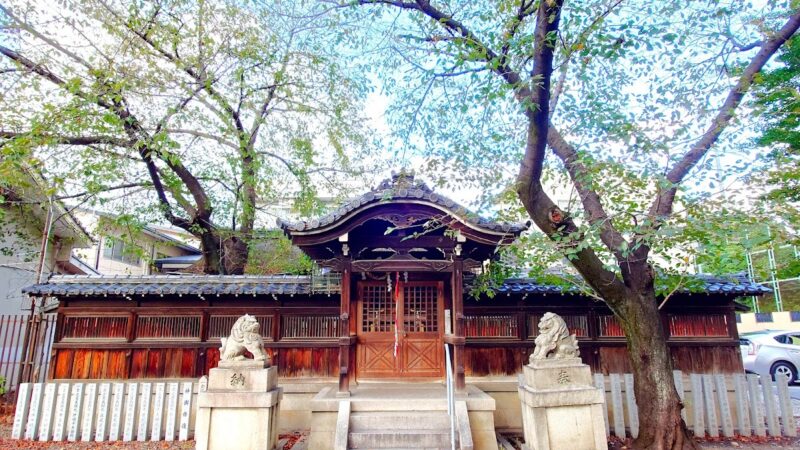
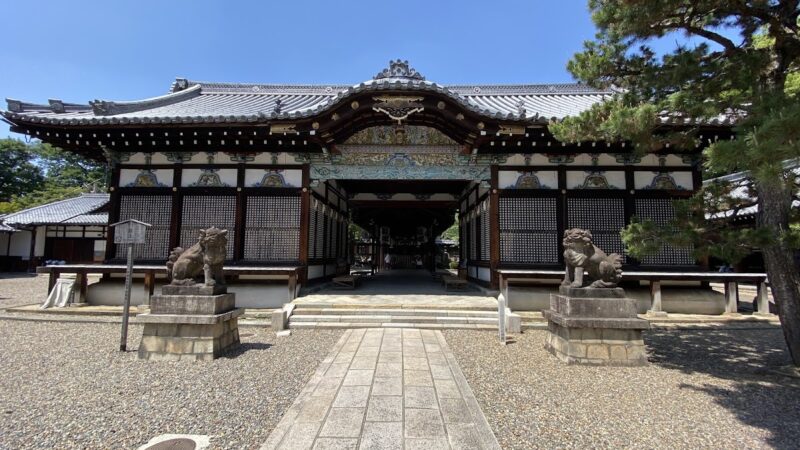
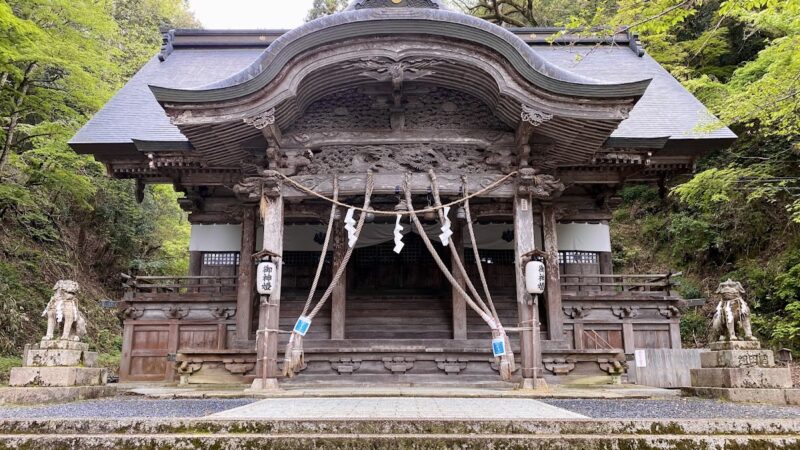
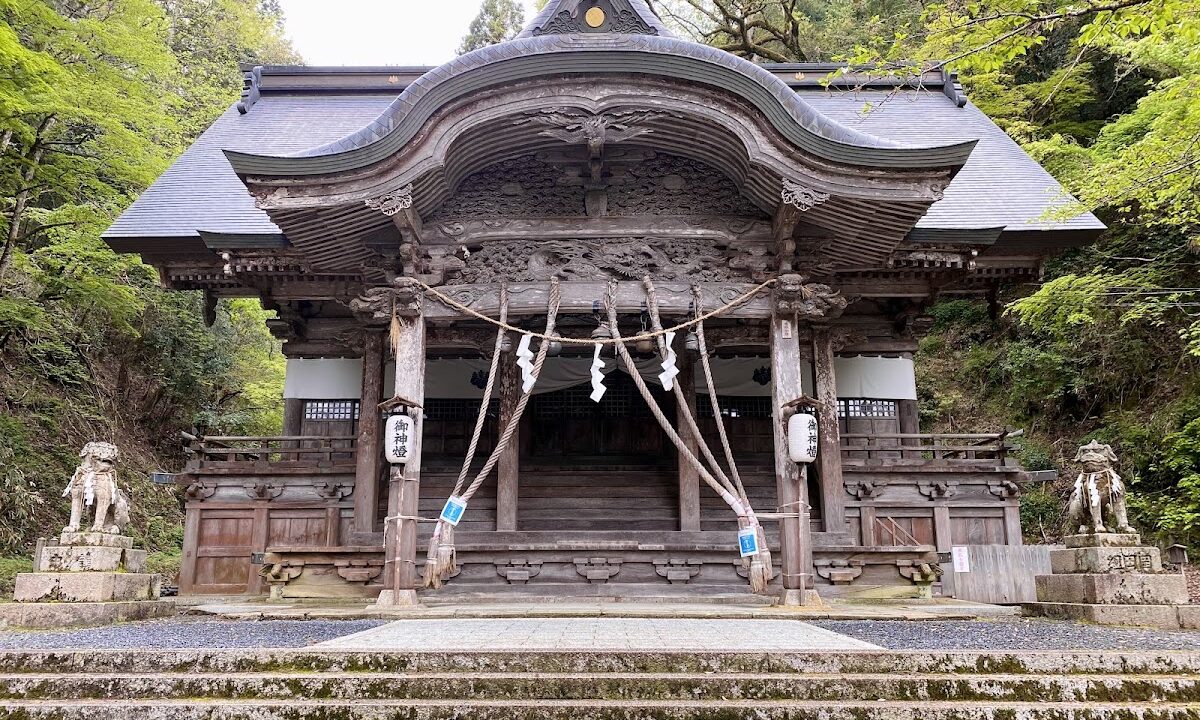
Okawa Shrine is situated in a naturally rich location on the eastern slope of Mt. Tetsuko, and the grounds are enveloped in a tranquil atmosphere. As you proceed along the approach to the shrine, the historically significant shrine buildings come into view.
The main hall is built in the traditional shrine architectural style, and although it has undergone several repairs throughout its long history, it still conveys the dignity of an ancient shrine. From the main hall, you can enjoy views of the natural scenery of Tetsukozan Mountain, appreciating the beauty of the changing seasons.
Natural Environment of the Shrine Grounds
The grounds of Okawa Shrine are surrounded by abundant nature, offering particularly beautiful scenery in the spring with its fresh green leaves and in the autumn with its vibrant foliage. Many ancient trees stand on the grounds, their long history contributing to the sacred atmosphere of the shrine.
Located on the mountainside, the shrine grounds offer panoramic views of Maizuru city and the surrounding mountains, making the experience of worship in harmony with nature one of Okawa Shrine’s charms.
Stone Monuments and Memorials
Within the shrine grounds, there are stone monuments and memorials that tell the history of Okawa Shrine. These inscriptions reveal the changes the shrine underwent from the Edo period to the modern era, as well as the history of the faith of the local residents.
Information on Goshuin (Shrine Seals) and Goshuincho (Shrine Seal Books)
About Goshuin
Okawa Shrine offers Goshuin, but since there may not always be a permanently staffed shrine office, it is recommended that those wishing to receive a Goshuin check in advance.
The Goshuin features the calligraphy of “Okawa Shrine” and the shrine’s seal, with a simple yet powerful design that reflects its status as a Shikinaisha (a shrine listed in the Engishiki, an ancient Japanese legal code). It is popular among many visitors as a memento of their visit and as a record of their shrine pilgrimage.
Precautions for Receiving a Goshuin
- Since the chief priest may be absent, it is recommended to contact the shrine in advance if you wish to receive a Goshuin.
- Visiting hours are generally during daylight hours.
- Goshuin are given as proof of worship, so please be sure to worship before receiving one.
Annual Events and Festival
Annual Festival (October 17th)
The annual festival of Okawa Shrine is held every year on October 17th. This festival is an important Shinto ritual to give thanks for a bountiful harvest and for the parishioners to celebrate the good harvest.
During the annual festival, the Shinto ritual is solemnly performed, and people from the community gather to offer their gratitude to the gods. Held in the autumn harvest season, the annual festival has long been considered one of the most important events of the year in this agriculturally-centered community.
Other Annual Events
- New Year’s Festival (January 1st): A Shinto ritual celebrating the New Year
- Spring Festival: A prayer for a bountiful harvest
- Autumn Festival: A harvest thanksgiving ceremony
Through these festivals, Okawa Shrine also plays a role in strengthening the bonds of the local community.
Points and Manners for Visiting the Shrine
Etiquette for Visiting the Shrine
When visiting Okawa Shrine, please follow the general manners for visiting a shrine.
- Bow before passing through the torii gate: This is a courtesy before entering the sacred area.
- Walk along the edge of the approach to the shrine: The center is considered the path for the gods.
- Purify yourself at the water basin: Cleanse your hands and mouth before praying.
- Etiquette at the main hall: Two bows, two claps, and one bow are the basic rituals.
Best time to visit
Okawa Shrine is open for worship throughout the year, but the following times are especially recommended:
- Spring (April-May): The fresh greenery is beautiful, making for a refreshing visit.
- Autumn (October-November): This is the time of the annual festival, and you can also enjoy the autumn foliage.
- Hatsumode (January): As a New Year’s visit.
Time required
Allow approximately 20-30 minutes for a visit to the shrine grounds. If you wish to stroll leisurely through the grounds and appreciate the history, it is recommended to allow about an hour. ## Detailed Access Information
Access by Public Transportation
Using the JR Maizuru Line
- From Shisho Station: The nearest station is Shisho Station. It is within walking distance from the station.
- From Nishi-Maizuru Station: Approximately 17 minutes by Kyoto Kotsu bus from JR Nishi-Maizuru Station, then a short walk from the nearest bus stop.
When accessing from within Kyoto City, the most common route is to take the JR Sanin Main Line to Fukuchiyama Station and transfer to the Maizuru Line. The journey takes approximately 2 to 2.5 hours from Kyoto Station.
Access by Car
Using Expressways
- Approximately 15 minutes from the Maizuru-Nishi Interchange on the Maizuru-Wakasa Expressway
- Accessible via the Kyoto Jukan Expressway connecting to the Maizuru-Wakasa Expressway
From Kyoto City: Approximately 2 to 2.5 hours
From Osaka City: Approximately 2.5 to 3 hours
From Kobe City: Approximately 2.5 to 3 hours
When using a car navigation system, please search for “Okawa Shrine, Maizuru City” or the address “589 Okawa, Maizuru City, Kyoto Prefecture”.
Parking Information
There is parking space for visitors on the shrine grounds. However, congestion is expected during events such as festivals, so it is recommended to visit with plenty of time to spare.
Nearby Tourist Attractions and Shrines/Temples
Major Tourist Attractions in Maizuru City
When visiting Okawa Shrine, you can also visit other tourist attractions in Maizuru City.
Maizuru Red Brick Warehouses
These red brick warehouses, built during the Meiji and Taisho periods, are famous as a modern heritage site of Maizuru. They are approximately a 30-minute drive from Okawa Shrine.
Maizuru Repatriation Memorial Museum
This museum tells the history of post-war repatriation and displays materials registered as a UNESCO World Memory Heritage site.
Kongoin Temple
A renowned temple in Maizuru City, it houses a three-story pagoda designated as an Important Cultural Property. It is also known as a famous spot for autumn foliage.
Nearby Shrines and Temples
Matsuo-ji Temple
The 29th temple of the Saigoku Thirty-Three Kannon Pilgrimage, this ancient temple enshrines Batō Kannon (Horse-Headed Kannon) as its principal deity. It is approximately a 20-minute drive from Okawa Shrine.
Tane-ji Temple
An ancient temple in the Tango region, this charming temple is nestled in a quiet mountain setting.
Experiencing Maizuru’s Food Culture
As a port town facing the Sea of Japan, Maizuru offers a variety of fresh seafood. Maizuru is particularly famous for its kamaboko (fish cake), navy curry, and seafood dishes from the Maizuru Toretore Market. Enjoying Maizuru’s food culture after visiting the shrine is highly recommended.
Significance of Visiting Okawa Shrine and its Appeal as a Power Spot
Value as Maizuru’s Oldest Shrine
Okawa Shrine boasts the oldest history in Maizuru City, founded in 485 AD, and has remained the center of local faith for over 1500 years. This long history is not merely a matter of age, but also evidence of the deep connection between the community and the shrine.
The unbroken tradition of rituals since ancient times, the fervent faith of local residents, and its status as a Shikinaisha (a major shrine listed in the Engishiki) position Okawa Shrine not merely as a tourist spot, but as a true “sacred place.”
Evaluation as a Power Spot
In recent years, Okawa Shrine has attracted attention as Maizuru City’s proud “ultimate power spot.” The reasons for this include the following:
- Divine Power from a Long History: The sacred energy generated by over 1500 years of ritual history
- Harmony with Nature: A naturally rich location on the slopes of Mt. Tetsukou
- Status as a Shikinaisha (Great Shrine): The spiritual power of a shrine that has been valued at the national level since ancient times
- Divine Virtue of Uke Mochi-no-Kami: The power of a deity that protects all aspects of life
The Meaning of Visiting in Modern Times
In modern society, visiting Okawa Shrine has meaning beyond mere sightseeing. The quiet environment away from city life, where one can calm their mind while connecting with nature and history, provides an opportunity for spiritual refreshment.
Furthermore, Okawa Shrine’s faith in gratitude for abundant harvests and the blessings of food holds renewed importance in today’s world, where food safety and environmental issues are receiving increased attention. As a place that reminds us to be grateful for daily meals and to cherish the blessings of nature, Okawa Shrine is a valuable presence for modern people.
Summary of Information and Visiting Plan for Okawa Shrine
Checklist Before Visiting
This is a summary of things you should check before visiting Okawa Shrine.
- If you wish to receive a Goshuin (temple/shrine stamp): Contact in advance to confirm the priest’s availability.
- Confirm access method: Decide whether to use public transport or a car.
- Visiting time: Choose daytime hours when it is bright.
- Attire: As it is located on a mountainside, comfortable walking shoes are recommended.
- Weather check: The ground may be slippery in rainy weather.
Recommended Visiting Plans
Half-Day Plan: Experience the history of Maizuru, focusing on Okawa Shrine.
- Morning: Visit Okawa Shrine (1 hour)
- Lunch: Seafood cuisine in Maizuru city
- Afternoon: Visit Kongoin or Matsuo-ji Temple
Full-Day Plan: Enjoy the history and culture of Maizuru.
- Morning: Visit Okawa Shrine
- Lunch: Maizuru Toretore Market
- Afternoon: Visit Maizuru Red Brick Warehouses and Maizuru Repatriation Memorial Museum
- Evening: Enjoy the sunset over Maizuru Bay.
Combining a Visit with Sightseeing in Northern Kyoto Prefecture
Since Okawa Shrine is located in northern Kyoto Prefecture, it is recommended to combine it with other sightseeing spots in northern Kyoto Prefecture, such as Amanohashidate (Miyazu City) and Ine no Funaya (Ine Town). In particular, visiting Okawa Shrine together with Kono Shrine (Moto-Ise), another Shikinaisha (a major shrine listed in the Engishiki), will allow you to gain a deeper understanding of the ancient religious history of Tango Province.
Cultural Value of Maizuru City and Okawa Shrine
Position in the History of Tango Province
Okawa Shrine belonged to the former Kasa District of Tango Province and, as a shrine of the second highest status in Tango Province after Kono Shrine in Miyazu City, played a central role in the region’s religious culture. Tango Province has formed its own unique cultural sphere since ancient times, and Okawa Shrine is an important component of that culture.
The Tango region has developed a unique culture and industries, including the textile industry represented by Tango Chirimen silk and abundant marine products. Okawa Shrine’s role as a protector of sericulture is deeply intertwined with the industrial history of this region.
Relationship with the Local Community
Okawa Shrine is not merely a historical building; it is a “living shrine” that remains closely intertwined with the lives of local residents. Annual events, including the festival, serve as important opportunities to strengthen community bonds and function as a place for intergenerational exchange.
The maintenance and management of the shrine by the parishioners, and the continuation of festivals, are of significant importance from the perspective of preserving local culture. In rural areas facing depopulation, the example of a historical shrine like Okawa Shrine, which serves as the core of the community’s identity, is noteworthy from a cultural preservation standpoint.
Summary: The Charm of Visiting Okawa Shrine
Located in Maizuru City, Kyoto Prefecture, Okawa Shrine boasts the oldest history in Maizuru City, founded in 485 AD. It is a venerable shrine, a Shikinaisha (a shrine listed in the Engishiki, an ancient Japanese legal code), and holds the second highest rank in Tango Province after Kono Shrine.
Okawa Shrine, dedicated to the goddess Uke Mochi-no-kami and known for its divine blessings of abundant harvests, sericulture, protection from illness, and safe childbirth, boasts an intriguing legend of a deity appearing on a golden salmon. It has a history of over 1500 years as a center of local faith and culture.
Nestled on the slopes of Mt. Tetsuko, a naturally rich environment, Okawa Shrine offers a tranquil atmosphere for worship. As a power spot that Maizuru City is proud of, and a valuable place to experience history and tradition, it continues to attract many visitors.
Its convenient access—within walking distance of JR Shisho Station and approximately 17 minutes by bus from Nishi-Maizuru Station—is another attractive feature. Day trips from Kyoto City and the Kansai region are possible, and it can be combined with other Maizuru tourist attractions.
Those wishing to receive a Goshuin (shrine stamp) are advised to contact the shrine in advance to confirm the priest’s availability and to visit during daylight hours. Why not have a valuable experience of connecting with history and nature at Okawa Shrine, where you can enjoy the beauty of each season, from the annual festival in October to the fresh greenery of spring and the vibrant autumn foliage?
As the oldest shrine in Maizuru City and a prestigious shrine listed in the Engishiki (ancient Japanese legal code), Okawa Shrine is a valuable place for understanding the history of Japanese shrine culture and regional beliefs. When you visit Kyoto Prefecture, be sure to extend your trip and experience the history and sacred atmosphere of Okawa Shrine.