Complete Guide to Ono Gentayu Shrine (Kyoto Prefecture) | Deities, History, Access, and Visiting Information
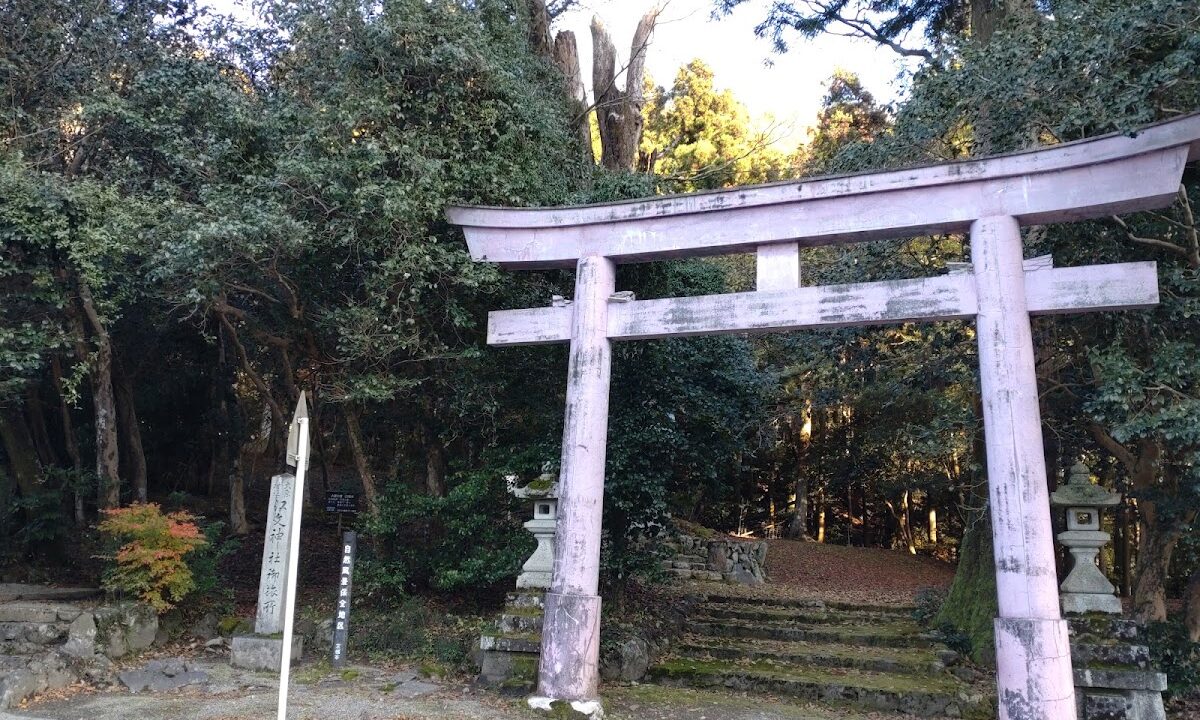
Nearby nestled in the quiet mountain village of Ohara, Sakyo-ku, Kyoto City, Ono Gentayu Shrine is known as a shrine associated with the ancient Ono clan. This article provides detailed information useful for visiting Ono Gentayu Shrine, including its enshrined deities, historical background, access methods, and related shrines in the surrounding area.
Basic Information on Ono Gentayu Shrine
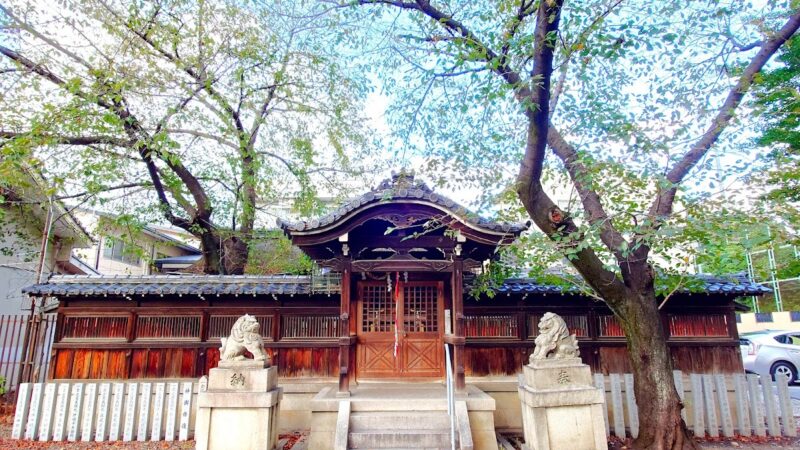
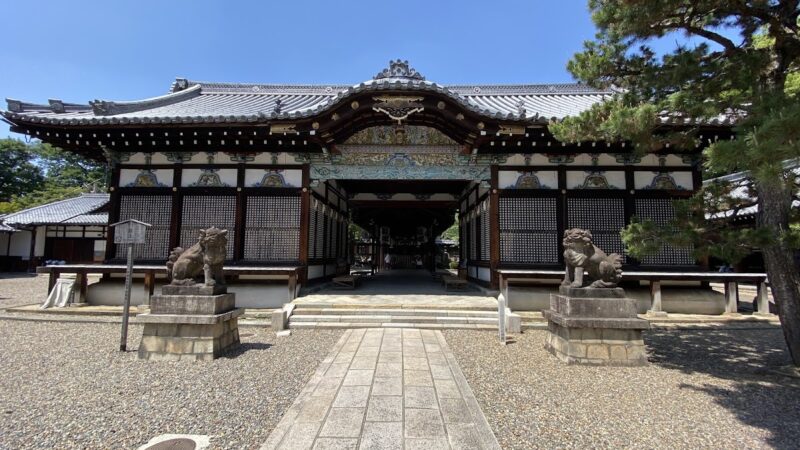
Ono Gentayu Shrine is located in Ohara Todera-cho, Sakyo-ku, Kyoto City, Kyoto Prefecture. Ohara has long been known as a place of worship, and amidst many temples such as Sanzen-in and Jakko-in, this small shrine has attracted the faith of the local community.
Location
Address: 553 Ohara Todera-cho, Sakyo-ku, Kyoto City, Kyoto Prefecture 601-1245
Ohara is located northeast of Kyoto city center and is surrounded by abundant nature. This area was formerly part of the Atago District of Yamashiro Province, and was part of a region called Ono-go. This region holds significant historical importance as one of the strongholds of the ancient Ono clan.
Deity Enshrined
The deity enshrined at Ono Gentayu Shrine is Sarutahiko-no-Mikoto.
About Sarutahiko-no-Mikoto
In Japanese mythology, Sarutahiko-no-Mikoto is known as a Kunitsukami (earthly deity) who guided Ninigi-no-Mikoto, the grandson of Amaterasu-Omikami, during the descent of the heavenly grandchild. He is worshipped as a god of opening paths and guidance, and is believed to bring blessings of traffic safety, protection from misfortune, and good fortune.
Sarutahiko-no-Mikoto is often depicted with a long nose, tall stature, and shining eyes, and is said to be the prototype of the Tengu (a mythical creature). His head shrine is the Sarutahiko Shrine in Ise Province (present-day Mie Prefecture), and he is worshipped throughout Japan.
Why is Sarutahiko-no-Mikoto enshrined at Ono Gentayu Shrine?
The name Ono Gentayu Shrine suggests that it is a shrine related to a person named Gentayu, a member of the Ono clan. Since Sarutahiko-no-Mikoto is the god of guidance, it may be connected to the history of the Ono clan, who traveled to various regions as envoys of the imperial court.
The Ono clan was a family that played an active role as diplomats and local officials, including Ono no Imoko, famous as an envoy to the Sui Dynasty. It is thought that they worshipped Sarutahiko-no-Mikoto to pray for safe travels and enshrined him as their guardian deity.
Historical Background of the Ono Clan and Ono Gentayu Shrine
About the Ono Clan
The Ono clan was one of the powerful clans of ancient Japan and is considered to be a branch of the Wani clan. According to the *Nihon Shoki*, the Wani clan was one of the royal families that ruled a wide area in the Kinai region even before the establishment of the Yamato court.
There are various theories regarding the location of the Ono clan’s base, but the following areas are the most commonly cited:
- Ono-go, Atago District, Yamashiro Province (present-day Sakyo Ward, Kyoto City)
- Ono, Shiga District, Omi Province (present-day Ono, Otsu City, Shiga Prefecture)
- Ono-go, Uji District, Yamashiro Province (present-day Ono, Yamashina Ward, Kyoto City)
In particular, Ono Shrine in Ono, Shiga District, Omi Province, is known as the shrine that enshrines the ancestral deity of the Ono clan throughout Japan, and is a highly prestigious shrine listed as a Shikinaisha (Myojin Taisha).
Key Figures of the Ono Clan
Ono no Imoko: An official of the Asuka period, he was dispatched to the Sui Dynasty as an envoy in 607 and 608. He was an important figure who handled diplomacy with China at the behest of Prince Shotoku.
Ono no Emishi: Said to be the son of Ono no Imoko, he traveled to Tang China as part of a Japanese envoy.
Ono no Takamura: A court official and poet of the early Heian period. He is known for the legend that he served the imperial court during the day and the King of Hell in the underworld at night.
Ono no Tofu (or Michikaze): A calligrapher of the mid-Heian period. He is an important figure in the history of calligraphy as one of the “Three Great Calligraphers.”
Ono no Komachi: A female poet of the early Heian period. One of the Six Immortal Poets and Thirty-Six Immortal Poets. She is legendary as a woman of unparalleled beauty.
Relationship between Ohara and the Ono Clan
The Ohara area belonged to Atago District, Yamashiro Province, and may have been part of Ono-go. This region is dotted with historical sites associated with the Ono clan, and the Ono Gentayu Shrine is thought to be one of them.
The name Gentayu may indicate that a member of the Ono clan whose name shared the character “Gen” held the official rank of “Tayu.” While it’s unclear which specific individual this refers to due to limited historical records, it’s certain that the shrine has been worshipped as an object of local faith for generations.
How to Access Ono Gentayu Shrine
Nearest Station and Route
When visiting Ono Gentayu Shrine by public transport, the following routes are common:
From Kyoto Station:
- Approximately 20 minutes on the Kyoto Municipal Subway Karasuma Line to “Kokusai Kaikan Station”
- Transfer to a bus from Kokusai Kaikan Station
Nearest Train Station:
- Kyoto Municipal Subway Karasuma Line “Kokusai Kaikan Station” (approximately 20 minutes by bus from the station)
- Eizan Electric Railway Kurama Line “Yase Hieizanguchi Station” (approximately 15 minutes by bus or taxi from the station)
Nearest Bus Stop and Route
Kyoto Bus:
- Get off at the “Ohara” bus stop and walk for approximately 10 minutes
- Approximately 60 minutes from Kyoto Station on Kyoto Bus routes 17 or 18
- Approximately 20 minutes by Kyoto Bus Route 19 from Kokusai Kaikan Station.
Access to Todera area:
Walk from the Ohara bus stop towards Todera-cho. It’s located in a quiet area, slightly away from major tourist attractions such as Sanzen-in and Jakko-in.
Access by car
From Kyoto city center:
- Head north on National Route 367 (Saba Kaido)
- Approximately 40 minutes
- Parking: Public parking available nearby (for Ohara tourists)
Ohara is a developed tourist area, so congestion is expected during the autumn foliage season and the spring greenery season. Using public transportation is recommended.
Points to Note and Highlights for Visiting the Shrine
Etiquette for Visiting the Shrine
Ono Gentayu Shrine is a small shrine, but you should follow basic shrine etiquette when visiting:
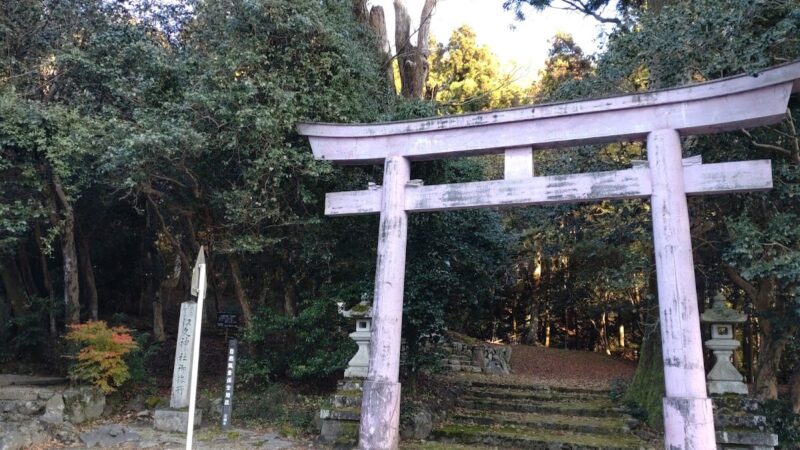
- Bow once before the torii gate
- Cleanse your hands and mouth at the water basin (if available)
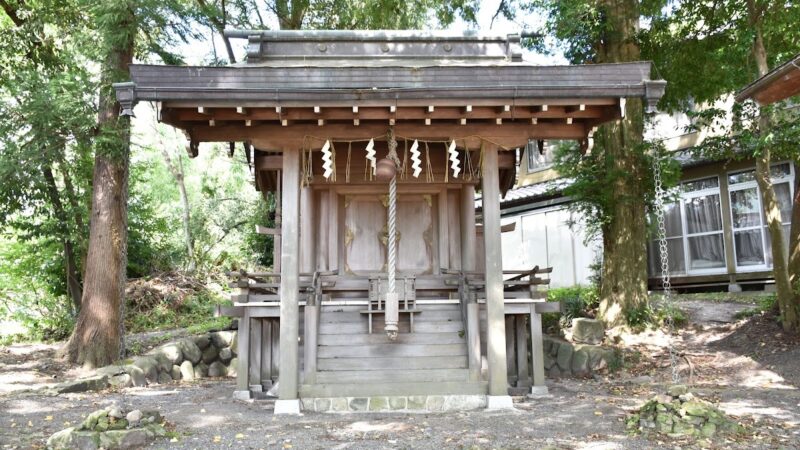
- Bow twice, clap twice, and bow once before the main hall
- Turn around and bow once before leaving the torii gate
Surrounding Atmosphere
Ohara is known as the “inner sanctuary of Kyoto,” offering a tranquil mountain village atmosphere. The area around Ono Gentayu Shrine is a mix of residential areas and rural landscapes, creating a peaceful atmosphere different from the bustling city of Kyoto.
It’s a place where you can experience the beauty of nature throughout the seasons: fresh greenery in spring, deep green in summer, vibrant autumn leaves, and snowy landscapes in winter.
Related Shrines and Historical Sites
When visiting Ono Gentayu Shrine, visiting the surrounding related shrines and historical sites associated with the Ono clan will provide a deeper understanding.
Major Temples and Shrines around Ohara
Sanzen-in: A representative Tendai sect temple in Ohara. Known for its beautiful gardens and moss.
Jakko-in: A nunnery associated with the Tale of the Heike. Famous as the place where Kenreimon-in lived in seclusion.
Sudo Shrine: A shrine dedicated to Prince Sawara (Emperor Sudo). While not directly related to the Ono clan, it is an important shrine within the same Sakyo Ward.
Shrines Associated with the Ono Clan (Kyoto Prefecture)
Omori Kamo Shrine (Kita Ward, Kyoto City): A shrine considered one of the Ono clan’s tutelary shrines.
Ono Shrine (Ono, Otsu City, Shiga Prefecture): Considered the birthplace of the Ono clan, this is a Shikinaisha (a major shrine listed in the Engishiki, an ancient Japanese legal text) that enshrines the ancestral deity of the Ono family throughout Japan. Visitors to Ono Gentayu Shrine are also recommended to visit this main shrine, Ono Shrine.
Zuishin-in Temple (Ono, Yamashina Ward, Kyoto City): A Shingon Buddhist temple associated with Ono no Komachi. It is believed to be the site of Ono no Komachi’s residence.
Historical Sites Related to the Ono Clan
Grave of Murasaki Shikibu and Ono no Takamura (Murasakino, Kita Ward, Kyoto City): Located facing Horikawa Street, this is the former site of the Unrin-in cemetery. It is believed to be the grave of Ono no Takamura.
Yamashina-Ono Area: Many historical sites related to the Ono clan remain in the Ono area of Yamashina Ward, Kyoto City.
About Festivals and Events
Because Ono Gentayu Shrine is a small shrine, information on large-scale festivals and special events is limited. Typical annual events at shrines include the following:
- New Year’s Day Festival (January 1st): A festival celebrating the New Year
- Annual Festival: The most important festival of the shrine (dates vary by shrine)
- Autumn Festival: A festival giving thanks for the harvest
For specific festival dates, it is recommended to check with the Kyoto Prefectural Shrine Association or a local tourist information center before visiting.
Kyoto Examination and Ono Clan Related Questions
The Kyoto Examination (Kyoto Tourism and Culture Examination) sometimes includes questions about the Ono clan.
Past Question Examples
[Kyoto Examination, 15th Examination, Level 2]: Questions about historical figures and historical sites related to the Ono clan were included.
[Kyoto Examination, 21st Examination, Level 2]: Questions about temples, shrines, and place names associated with the Ono clan were included.
Key Points for Kyoto Certification Exam Preparation
Key Points Regarding the Ono Clan:
- Ono no Imoko’s Role as an Envoy to the Sui Dynasty
- The Legend of Ono no Takamura (Travels to the Underworld)
- Ono no Michikaze’s Achievements in Calligraphy
- Ono no Komachi’s Status as a Poet and the Legend of Her Beauty
- Places Associated with the Ono Clan (Ohara, Yamashina Ono, Omi Ono)
- Related Shrines and Temples (Ono Shrine, Zuishin-in Temple, etc.)
Those planning to take the Kyoto Certification Exam can expect a deeper understanding and better retention of information by actually visiting historical sites associated with the Ono clan, including Ono Gentayu Shrine.
Precautions and Manners When Visiting Shrines
Basic Manners
- Quiet: This is a small shrine, and the surrounding area is residential. Please visit quietly.
- Photography: Photography is generally permitted on the shrine grounds, but please be considerate of the privacy of local residents.
- Garbage: Please take all your trash with you.
- Parking: If there is no dedicated parking lot for the shrine, please use the public parking lot in Ohara.
Appropriate Attire for Visiting the Shrine
There are no specific dress code requirements, but clean and appropriate attire for visiting a shrine is desirable. Since Ohara is in a mountainous area, we recommend clothing that allows for temperature adjustment according to the season.
Seasonal Highlights and Precautions
Spring (March-May): A beautiful season with fresh greenery. The pleasant weather makes it ideal for strolling.
Summer (June-August): The greenery deepens, and the weather becomes cooler. Insect repellent is recommended.
Autumn (September-November): Ohara, a famous spot for autumn foliage, is at its busiest during this season. Early morning visits are recommended.
Winter (December-February): While the snowy scenery is beautiful, caution is needed regarding snow accumulation and icy roads.
Pilgrimage Plan Combined with Ohara Sightseeing
We propose a one-day plan that combines a visit to Ono Gentayu Shrine with sightseeing in Ohara.
Model Course (Duration: Approx. 5-6 hours)
Morning:
- Take a Kyoto Bus from Kyoto Station to Ohara (approx. 60 minutes)
- Visit Sanzen-in Temple (approx. 60 minutes)
- Stroll through Ohara village to Ono Gentayu Shrine (approx. 30 minutes)
- Visit Ono Gentayu Shrine (approx. 20 minutes)
Lunch: Enjoy local Ohara cuisine (shibazuke pickles and wild vegetable dishes)
Afternoon:
- Visit Jakko-in Temple (approx. 40 minutes)
- Shop for souvenirs in Ohara (approx. 30 minutes)
- Return by Kyoto Bus
Ohara’s Gourmet
Ohara is known as the birthplace of “shibazuke” pickles. There are many restaurants serving dishes made with local ingredients, making a meal after visiting the shrine another enjoyable experience.
Summary: The Charm of Ono Gentayu Shrine
Ono Gentayu Shrine is a quiet shrine that attracts worshippers in Ohara, away from the hustle and bustle of Kyoto. Though small in scale, it preserves the history of the ancient Ono clan and the faith in Sarutahiko-no-Mikoto, the god of opening paths.
When visiting Ohara, be sure to visit not only famous temples like Sanzen-in and Jakko-in, but also these small shrines. You will be able to feel the roots of local faith and the legacy of the ancient Ono clan.
Ono Gentayu Shrine is a valuable place for understanding Kyoto’s profound history and culture. The experience of being in a place of worship that has continued since ancient times, amidst the quiet mountain village air, will surely be a memorable visit.
When visiting, take your time to enjoy the surrounding nature and historical scenery, and savor the charm of Ohara. May your visit to Ono Gentayu Shrine be a fruitful experience for everyone.