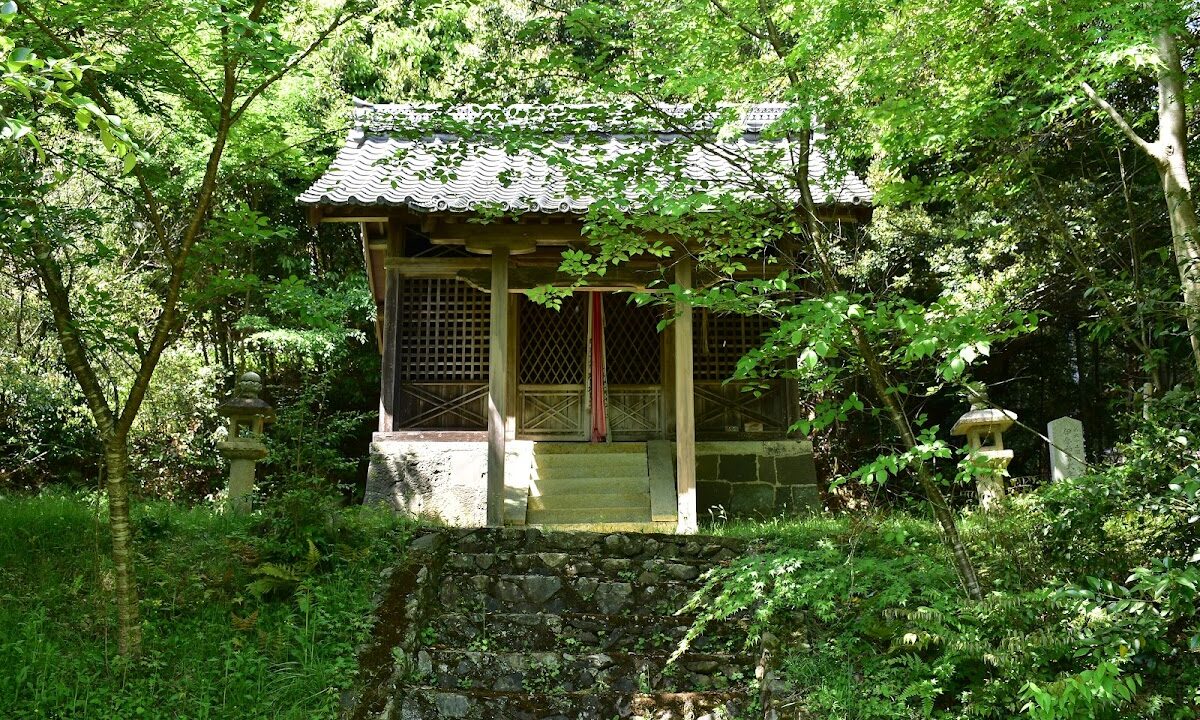
Complete Guide to Mitani Shrine (Nagaokakyo City, Kyoto Prefecture) | History, Goshuin (Shrine Seal), and Access Information
Mitani Shrine, located in Miyanotani, Jododani, Nagaokakyo City, Kyoto Prefecture, is a historically significant shrine listed in the Engishiki Jinmyocho (a list of shrines compiled during the Heian period). Nestled in a quiet mountain valley, this shrine has long been revered as the local tutelary deity. This article comprehensively covers information useful for visitors, including the history of Mitani Shrine, its enshrined deities, highlights of the grounds, goshuin information, and access methods.
Basic Information about Mikotani Shrine
Location: Miyanotani, Jododani, Nagaokakyo City, Kyoto Prefecture
Shrine Rank: Shikinaisha (Minor Shrine), Former Village Shrine
Deities Enshrined: Amenokoyane-no-Mikoto, Emperor Ojin, Wakeikazuchi-no-Kami, Ukanomitama-no-Mikoto
Former Name: Goshajinja, Goshadaimyojin
Annual Festival Date: Mid-October
Mikotani Shrine is located in the Jododani district of Nagaokakyo City, immediately north of Joganji Temple. Situated in a quiet environment slightly removed from the center of Kyoto, it has long been cherished as a center of faith for local residents.
History and Origins of Mitani Shrine
Status as an Engishiki Shrine
Mitani Shrine is a Shikinaisha (shrine listed in the Engishiki) listed in Volumes 9 and 10 of the Engishiki Jinmyocho (a list of shrines compiled in the Heian period) under the section for shrines in the Kinai region, Yamashiro Province, and Otokuni District. The Engishiki is a legal code completed in the 5th year of the Encho era (927 AD) during the mid-Heian period, listing high-ranking shrines recognized by the imperial court at the time. This indicates that Mitani Shrine already existed as an important shrine at least during the Heian period.
Founding and Ancient Beliefs
The exact founding date of Mitani Shrine is unclear due to a lack of historical records. However, given its listing as a Shikinaisha, it is presumed to have been founded before the Heian period, probably during the Nara period or earlier. The name “Mitani” is thought to mean “sacred valley,” indicating that this area has been revered as a sacred site since ancient times.
The Era of Goshadaimyojin
Before the modern era, Mikotani Shrine was known as “Goshadaimyojin” or “Goshajinja.” This name indicates that multiple deities were enshrined there. While the name was standardized to the current “Mikotani Shrine” during the Meiji era’s shrine system reforms, it is still affectionately known as “Goshasan” by the local community.
Relationship with Joganji Temple
Immediately south of Mikotani Shrine is Joganji Temple, a Jodo sect temple. This temple is believed to have been the shrine temple of Mikotani Shrine, and they had a close relationship during the era of Shinto-Buddhist syncretism. Although the two were separated by the Meiji-era Shinto-Buddhist Separation Order, they still exist adjacent to each other, testifying to their former relationship. There is also a theory that Joganji Temple is the successor to Mikotani Shrine, making it an important example illustrating the changes in faith in this region.
Developments Since the Modern Era
Under the Meiji-era shrine ranking system, it was classified as a village shrine. It has continued to attract the faith of the people of Jododani as the local tutelary deity, and this continues to this day. Although small in scale, it has been carefully preserved as a spiritual pillar of the local community.
Deities and Divine Virtues
Four deities are enshrined at Mikotani Shrine. Let’s take a closer look at each of them.
Amenokoyane-no-Mikoto
Amenokoyane-no-Mikoto is the ancestral deity of the Nakatomi clan and is also known as the principal deity of Kasuga Taisha Shrine. He is famous for the myth in which he recited prayers and helped open the cave where Amaterasu Omikami hid.
Divine Virtues: Academic success, improvement in performing arts, good fortune, family safety
Emperor Ojin
The 15th Emperor, he is enshrined as Hachiman-sama in Hachiman shrines throughout Japan. He has a strong character as a god of war and is also said to have contributed to the development of culture.
Divine Virtues: Long-lasting military fortune, good luck in competitions, national peace and security, industrial development
Wakeikazuchi-no-kami
This is the thunder god known as the principal deity of Kamo Wakeikazuchi Shrine (Kamigamo Shrine). “Wakeikazuchi” means “young thunder,” and this god is revered as a powerful being.
Divine Virtues: Protection from evil, protection from lightning, abundant harvests, protection of electricity and power-related matters
Ukanomitama-no-mikoto
This is the god of grain and food, enshrined as Inari-shin in Inari shrines throughout Japan. Also written as “Ukanomitama-no-kami.”
Divine Virtues: Abundant harvests, business prosperity, industrial development, protection of clothing, food, and shelter
With these four deities enshrined, Mikotani Shrine possesses a diverse range of divine virtues. This shrine is revered by the local community as a place that grants a wide range of wishes, from academic success to business prosperity and protection from evil.
Highlights of the Shrine Grounds
Shrine Buildings
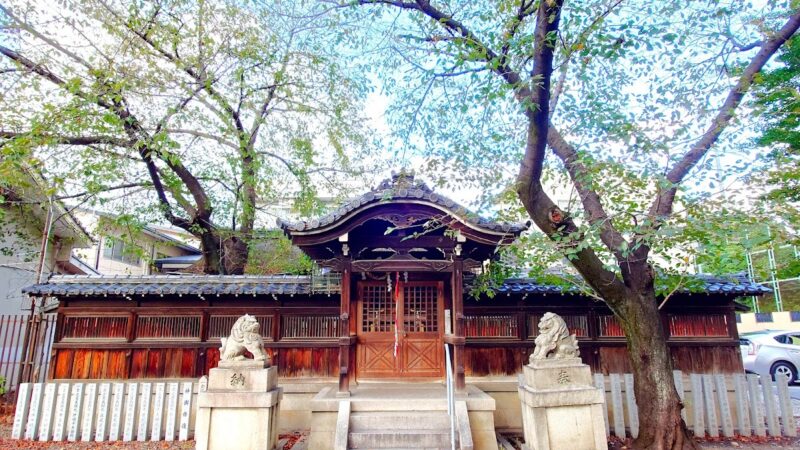
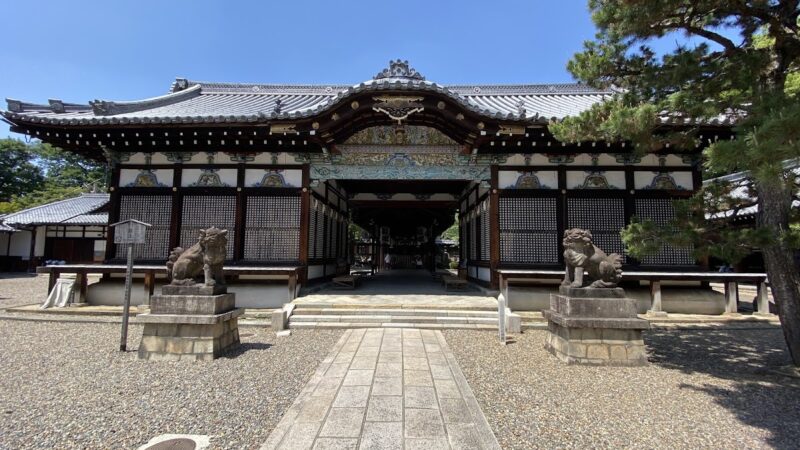
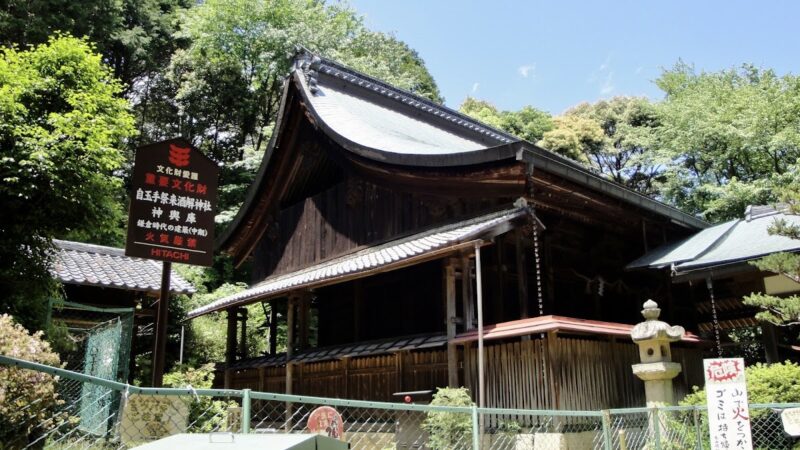
The shrine buildings of Mikotani Shrine, though small, are meticulously maintained. The main hall is protected by a protective structure, preserving the traditional style of shrine architecture. The worship hall, though simple, is kept clean, reflecting the deep faith of the local people.
Atmosphere of the Shrine Grounds
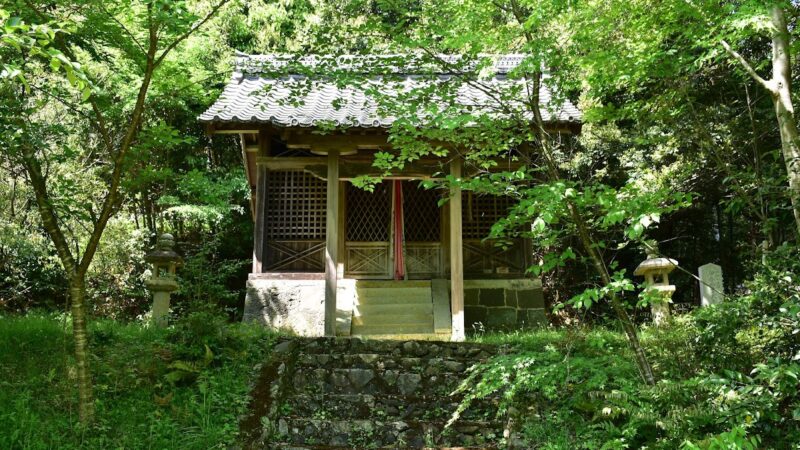
Located in the mountains of Jododani, the grounds of Mikotani Shrine are a sacred space enveloped in tranquility. Surrounded by trees, it offers a peaceful environment for worship, far removed from the hustle and bustle of the city. Especially during the seasons of fresh greenery and autumn leaves, the scenery, combined with the beauty of nature, offers a deeply evocative view.
Stone Steps and Torii Gate
To reach the shrine grounds, you ascend stone steps. A torii gate stands at the entrance, marking the entrance to the sacred area. The steps are not steep, but please be careful of your footing when worshipping.
Surrounding Cultural Properties
The adjacent Joganji Temple may contain remnants and cultural properties from a time when it was connected to Mikotani Shrine. Visiting both together will allow you to gain a deeper understanding of the history of this region.
Goshuin (Shrine Seal) Information
Availability of Goshuin
Mikotani Shrine is a small shrine, and there may not be a resident priest. It is recommended to check in advance regarding the issuance of goshuin. Generally, many shrines of this size do not issue goshuin, so it is recommended to make the visit itself your primary purpose.
Requesting a Goshuin (Shrine Seal)
If you would like a Goshuin, please try the following methods:
- Prior Contact: Inquire with the Nagaokakyo City Cultural Properties Department or the local parishioners’ representative.
- Nearby Shrines: Check with a large nearby shrine that may be entrusted with the management of the Goshuin.
- During Festivals: During festivals and other events, there is a high probability that Shinto priests will be present.
Mindset for Worship
Regardless of whether or not you request a Goshuin, the essence of visiting a shrine is respect and gratitude to the gods. A quiet shrine like Mikotani Shrine offers a precious opportunity to leave the hustle and bustle behind and worship in peace.
Access Information
Access by Public Transportation
Nearest Station: Hankyu Kyoto Line “Nagaoka-Tenjin Station” or JR Tokaido Main Line “Nagaokakyo Station”
From Nagaoka-Tenjin Station:
- Approximately 30 minutes on foot (approx. 2.5 km)
- Approximately 10 minutes by taxi
- If using Hankyu Bus, get off at “Jododani” bus stop and walk for approximately 5 minutes
From Nagaokakyo Station:
- Approximately 35 minutes on foot (approx. 3 km)
- Approximately 12 minutes by taxi
- If using Hankyu Bus, get off at “Jododani” bus stop and walk for approximately 5 minutes
Access by Car
From Kyoto City:
Take National Route 171 towards Nagaokakyo City. Approximately 30 minutes.
From Osaka: Approximately 15 minutes from the Meishin Expressway “Oyamazaki IC,” or approximately 10 minutes from the Kyoto Jukan Expressway “Nagaokakyo IC.”
Parking: There is no dedicated parking lot on the temple grounds. We recommend using nearby coin-operated parking lots or public transportation. Please avoid street parking as it will inconvenience local residents.
Access Notes
- The Jōdoya area is located within a residential area, and some roads are narrow.
- If accessing on foot, it is recommended to wear comfortable shoes.
- Setting “Jōganji” as your destination on a map app or car navigation system will make it easier to find.
- Bus services may be limited, so please check the timetable in advance.
Manners and Etiquette for Visiting a Shrine
Basic Visiting Etiquette
- Bow before passing through the torii gate: This is a greeting before entering the sacred area.
- Purify yourself at the water basin: Purify your left hand, right hand, and mouth in that order.
- Walking along the approach: The center is considered the path of the gods, so walk along the sides.
- Etiquette at the main hall: Two bows, two claps, and one bow are the basics.
- When leaving: After leaving the torii gate, turn around and bow.
Considerations for Small Shrines
At small shrines like Mikotani Shrine, pay special attention to the following points:
- Please be quiet: As it is close to a residential area, please refrain from speaking loudly.
- Please keep clean: Please take your trash with you.
- Photography: Photography is permitted on the temple grounds, but please remember that it is a sacred place.
- Treating private property: Please be mindful of the boundary between the temple grounds and surrounding houses.
Nearby Attractions
Joganji Temple
A Jodo sect temple located south of Mikotani Shrine. It has a historical connection as it was formerly the temple associated with Mikotani Shrine, and visiting both allows you to understand the local religious history.
Nagaoka Tenmangu Shrine
A representative shrine of Nagaokakyo City, dedicated to Sugawara no Michizane, the god of learning. It is within walking distance of Hankyu Nagaoka Tenjin Station, and the Kirishima azaleas at Hachijo-ga-ike Pond are magnificent in spring.
Komyoji Temple
The head temple of the Nishiyama Jodo sect, known as a famous spot for autumn foliage. The “Maple Leaf Path” is one of the most beautiful in Kyoto.
Yanagiya Kannon (Yōgoku-ji Temple)
This ancient temple is revered as a Kannon (Goddess of Mercy) that heals eye diseases. It is also famous for its “flower water basin” and is particularly popular with female worshippers.
Nagaoka-kyō Ruins
The ruins of Nagaoka-kyō, built by Emperor Kanmu, are scattered throughout the Nagaoka-kyō area. Those interested in history should visit the ruins along with the museums and other historical sites.
Annual Events and Festivals
Annual Festival
The annual festival of Mikotani Shrine is held annually in mid-October. Local parishioners gather, and the Shinto rituals are performed solemnly. Although small in scale, traditional rituals are preserved.
Daily Worship
Worship is possible at any time, not just during the annual festival. Local people visit especially during New Year’s, Setsubun (bean-throwing festival), and Shichi-Go-San (children’s festival). However, since there is often no resident priest, worship should be conducted quietly.
The Charm and Significance of Visiting Mikotani Shrine
A Tranquil Worship Experience
The greatest charm of Mikotani Shrine lies in its tranquil environment. While Kyoto boasts many famous shrines, unlike the large, bustling tourist sites, Mikotani Shrine offers a peaceful and serene place to worship. It provides an opportunity to escape the hustle and bustle of everyday life and find time for self-reflection.
Historical Value as a Shikinaisha Shrine
Shikinaisha shrines, listed in the Engishiki (ancient Japanese legal code), are prestigious shrines recognized since ancient times. Even though small in scale, visiting Mikotani Shrine, with its history spanning over 1000 years, signifies touching upon the origins of Japanese religious culture.
Inheritance of Local Beliefs
Mikotani Shrine has been carefully preserved by the local community. The fact that such a small shrine has been maintained to this day demonstrates the strength of the local community’s bonds. Visiting allows one to feel the history and culture of this region.
Multiple Divine Blessings
By enshrining four deities, the shrine offers a variety of divine blessings, including academic success, business prosperity, protection from evil, and abundant harvests. The shrine’s broad acceptance of worshippers with diverse wishes is one of its charms.
Precautions and Requests for Visiting the Shrine
Visiting Season and Time
- Visiting Hours: The shrine grounds are generally open for worship at any time during the day.
- Recommended Time: The fresh greenery of spring and the vibrant autumn foliage are particularly beautiful.
- Times to Avoid: Please refrain from visiting early in the morning or late at night out of consideration for local residents.
Clothing and Items to Bring
- Comfortable shoes are recommended as there are stone steps.
- Insect repellent is useful in summer.
- Dress warmly in winter.
- Be careful as the ground can be slippery in rainy weather.
Manners and Etiquette
- Please be considerate of noise levels as the shrine is close to a residential area.
- Always take your trash with you.
- Please refrain from eating or drinking on the shrine grounds.
- Pets are generally not allowed on the shrine grounds.
- Smoking is strictly prohibited.
Relationship with Other Shikinaisha Shrines in Kyoto Prefecture
Many Shikinaisha shrines exist in Kyoto Prefecture. The following are other Shikinaisha (shrines listed in the Engishiki) located in Otokuni District, Yamashiro Province, the same area as Mikotani Shrine:
- Mukou Shrine (Mukou Jinja): Mukō City, Shikinaisha Myōjin Taisha
- Ogura Shrine (Ogura Jinja): Mukō City
- Ōharano Shrine (Ōharano Jinja): Nishikyō Ward, Kyoto City
Visiting these shrines allows you to experience the ancient religious sphere of the Otokuni region. A pilgrimage to Shikinaisha will be a fascinating journey for history enthusiasts.
Summary: A Recommendation to Visit Mikotani Shrine
Mikotani Shrine is a Shikinaisha nestled in the quiet mountains of Nagaokakyō City, Kyoto Prefecture. Though small in scale, it boasts a history of over 1000 years and has been carefully preserved by the local people.
Features of Mitani Shrine:
- Its status and history as an Engishiki-listed shrine
- Diverse divine virtues of four deities
- A peaceful environment for quiet worship
- Relationship with Joganji Temple, which conveys the history of Shinto-Buddhist syncretism
- Cultural value as a continuation of local faith
Unlike famous tourist spots, Mitani Shrine is not crowded with tourists, allowing you to rediscover the true meaning of shrine worship. It is especially recommended for those tired of visiting shrines in Kyoto, those seeking a quiet place to calm their minds, and those interested in historical Engishiki-listed shrines.
When you visit Nagaokakyo City, be sure to extend your trip and visit Mitani Shrine. You will be able to spend a peaceful time in a place of worship that has continued since ancient times.
Frequently Asked Questions (FAQ)
Q1: How do you pronounce Mitani Shrine?
A: It is pronounced “Mitani Jinja”. Please note that it is “Mitani”, not “Otani”.
Q2: Can I get a Goshuin (shrine stamp)? **A**: Since Mikotani Shrine is a small shrine and often does not have a resident priest, we recommend checking in advance regarding the issuance of Goshuin (shrine stamps). We recommend making the visit itself your primary purpose.
Q3: Is there parking?
A: There is no dedicated parking lot on the shrine grounds. We recommend using public transportation. If you are driving, please use a nearby coin-operated parking lot.
Q4: How long does it take to visit the shrine?
A: Since the shrine grounds are small, the visit itself takes about 15-20 minutes. If you want to stroll around the grounds or visit the adjacent Joganji Temple, it’s best to allow 30 minutes to an hour.
Q5: Can I visit for Hatsumode (New Year’s visit) or Shichi-Go-San (children’s festival)?
A: As a local tutelary shrine, visits for Hatsumode and Shichi-Go-San are possible. However, if you wish to have prayers or other special services performed, we recommend checking in advance with the shrine’s representatives or other local officials.
Q6: How long does it take to get there from the nearest station?
A: It’s about a 30-35 minute walk from Hankyu Nagaoka-Tenjin Station or JR Nagaokakyo Station. If you take the bus, it’s about a 5-minute walk from the “Jododani” bus stop. Taking a taxi is also convenient.
Q7: Are Mitani Shrine and Kamitani Shrine the same?
A: No, they are different shrines. Mitani Shrine is in Nagaokakyo City, and Kamitani Shrine is in Kumihama-cho, Kyotango City, Kyoto Prefecture. Please be careful as their names are similar and they are easily confused.
Q8: Is photography allowed?
A: Photography is generally permitted on the shrine grounds, but please remember that it is a sacred place and take photos with moderation. Also, please be considerate of the privacy of nearby residents.
Q9: Is it wheelchair accessible?
A: As it is a small shrine, there are stone steps, and complete accessibility for people with mobility issues may be difficult. We recommend checking in advance.
Q10: Are there any places to eat nearby?
A: The area around the shrine is residential, so there are limited restaurants. If you go back to the area around Nagaoka Tenjin Station, you will find a variety of restaurants. It would be a good idea to plan your post-visit meal around the station.