Complete Guide to Kihara-ni-imasu Takeinadahime Shrine (Kyoto Prefecture) | History, Deities, Access, and Highlights Explained in Detail
Kihara-ni-imasu Takeinadahime Shrine, located in Kida, Yamashiro-cho, Kizugawa City, Kyoto Prefecture, is a venerable shrine with a long history dating back to ancient times. It is commonly known as “Kanbara Shrine” and is known as a unique shrine dedicated to deities related to sericulture and weaving. This article provides a detailed explanation of the shrine’s history, deities, highlights within the grounds, visiting information, and access methods.
What is Kihara-ni-imasu Takeinadahime Shrine?
Kihara-ni-imasu Takeinadahime Shrine is an Engishiki-listed shrine located at 16 Kida Yamagiwa, Yamashiro-cho, Kizugawa City, Kyoto Prefecture. Because its official name is quite long, it is often called “Kanbara Shrine” or “Kanbara-san” by locals, and during the Edo period it was also known as “Kajiwara Shrine.”
Pronunciation and Origin of the Name
The official pronunciation of the shrine’s name is “Kihara ni Imasu Takeinadahime Shrine,” but it is widely known by its common name, “Kanbara Shrine.” The place name “Kanbara” originates from the ancient “Kamuhata-go,” and the current place name “Kabata” is also derived from this old place name.
The character “綺” means beautiful silk fabric, indicating that this region has had a deep connection with the textile industry since ancient times. The Edo period name “Kajiwara Shrine” is also thought to be a corruption of “Kanbara.”
Status as an Engishiki-listed Shrine
Kiharaza Takeinahime Shrine is a Shikinaisha (shrine listed in the Engishiki) located in Soraku District, Yamashiro Province, as listed in the Engishiki Jinmyocho (a list of shrines compiled in the Engi era). The Engishiki Jinmyocho is a list of official shrines compiled in 927 (Enchō 5) during the mid-Heian period. Shrines listed here were granted special status by the imperial court.
In 1873 (Meiji 6), it received the status of a village shrine, and in June 1877 (Meiji 10), it was officially designated as a Shikinaisha. Until this designation, it was called Kajiwara Shrine, but its connection to the Engishiki Jinmyocho was recognized, leading to its formal recognition as a Shikinaisha.
Deities and the History of the Shrine
Main Deity: Takeinadahime-no-Mikoto
The deity enshrined at Kiharaza Takeinadahime Shrine is Takeinadahime-no-Mikoto. This deity has been worshipped as the goddess who presides over sericulture and weaving techniques.
Takeinadahime-no-Mikoto is considered the guardian deity of artisans who weave clothing offered to the gods and sericulture artisans. In ancient times, the production of clothing, especially sacred garments used in Shinto rituals, played a very important role, and those who possessed these skills were considered special.
The Relationship Between the Ki Clan and the Shrine
This shrine is said to have been founded in the Nara period as the tutelary shrine of the Ki Clan, who were engaged in the weaving business. The Ki Clan was a group of artisans who possessed advanced weaving techniques in this region and presented textiles to the imperial court.
The ancient Yamashiro Province’s Soraku District was a region where sericulture and textile production flourished. The area around Kabata, in particular, was known as Kanihata-go and was home to many weavers. The Kabata-za Takeina-tahime Shrine played a crucial role as a center of worship for these artisans.
Founding Period and Historical Changes
The exact founding date of the shrine is unknown, but since it is listed in the Engishiki Jinmyocho (compiled in 927), it is believed to have existed at least by the early Heian period. In fact, some suggest it may date back to the Nara period or even earlier.
During the Edo period, it was known as Kajiwara-sha and was cherished by the local people. Following the Meiji-era reform of the shrine system, it was ranked as a village shrine in 1873, and its status as a Shikinaisha (a shrine listed in the Engishiki) was officially recognized in 1877. This recognition officially confirmed its historical value as a venerable shrine with a long history dating back to ancient times.
Highlights and Cultural Assets of the Shrine Grounds
Architectural Style of the Main Hall
The main hall of Kiharaza Takeinahime Shrine is built in the traditional architectural style of hiwadabuki gable roof. Hiwadabuki is an ancient Japanese technique of roofing with multiple layers of cypress bark, and is one of the features that indicates high status in shrine architecture.
The gable roof is one of the simplest and oldest styles, with a roof shaped like an inverted book. Its simple construction with minimal ornamentation conveys the essence of ancient shrine architecture.
Atmosphere and Layout of the Shrine Grounds
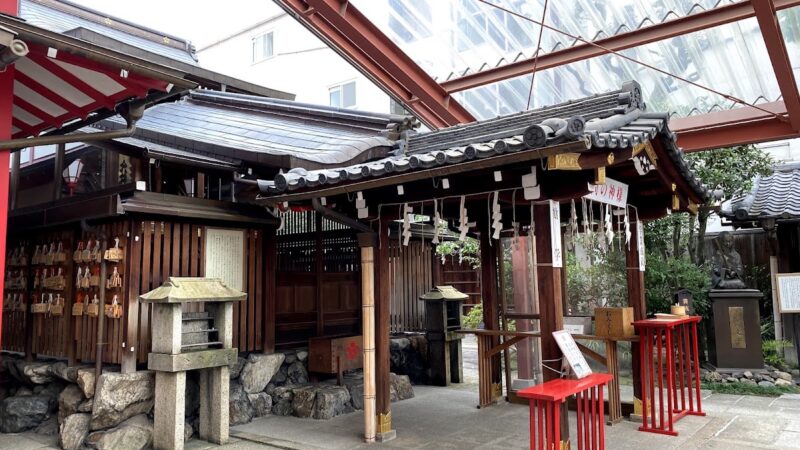
The shrine grounds are located in a quiet residential area, surrounded by a tranquil rural landscape. Passing through the torii gate, a path leads to the main hall. Komainu (guardian lion-dogs) and sakaki (sacred tree branches) are placed throughout the grounds, creating a solemn atmosphere befitting an ancient shrine.
Atmosphere and Layout of the Shrine Grounds Although not particularly large, the well-maintained grounds offer a refreshing and serene atmosphere, quietly welcoming visitors. Surrounded by fields and farmlands, the environment evokes a deep sense of the area’s long-standing connection to agriculture and sericulture.
Surrounding Historical Environment
Near the Kiharaza Takeinatahime Shrine lies Kanimanji Temple, which houses a national treasure. Kanimanji Temple is an ancient temple founded during the Hakuhō period and is known for its national treasure seated statue of Shakyamuni Buddha. When visiting the shrine, we highly recommend also visiting Kanimanji Temple.
This region belonged to the ancient Kanihata district, and is dotted with historical sites and temples. Exploring the surrounding area will allow you to experience firsthand the history and culture of ancient Yamashiro Province.
Information on Visiting the Shrine and its Benefits
Benefits and Faith
Kiharaza Takeinahime Shrine, dedicated to the god of sericulture and weaving, is believed to offer the following benefits:
- Improvement of Skills and Techniques: As the guardian deity of weaving technicians, it is believed to improve all skills and techniques.
- Industrial Prosperity: Development of industries including sericulture and weaving.
- Prayers Regarding Clothing: A wish to never lack for clothing.
- Success in Handicrafts: Success in handicrafts and detailed work.
In modern times, it attracts worshippers from those involved in manufacturing and those with hobbies such as handicrafts and sewing.
Etiquette and Precautions for Visiting the Shrine
Kiharaza Takeinahime Shrine is open for worship at any time, but the shrine office may not always be staffed. If you wish to receive a Goshuin (shrine stamp) or other items, it is recommended to check in advance.
When visiting, please observe the following basic etiquette. 1. Bow before entering the shrine grounds after bowing at the torii gate.
- Walk along the edge of the path (the center is the path for the gods).
- If there is a purification fountain, cleanse your hands and mouth.
- Bow twice, clap twice, and bow once before the main shrine.
- When leaving, turn around and bow once after exiting the torii gate.
Annual Events and Festivals
Detailed information regarding the shrine’s festivals is limited, but it is carefully preserved by the local people as the guardian deity of the region. When planning a visit, it is recommended to check the latest information beforehand.
Access and Surrounding Information
Basic Information
Location: 16, Kihara-yama, Yamashiro-cho, Kizugawa City, Kyoto Prefecture
Reading: Kihara-ni-imasu Takeinadahime Jinja (commonly known as Kanbara Jinja)
Access by Train
The nearest station is JR Nara Line “Tanagura Station”.
- Approximately 14 minutes on foot from Tanakura Station (approx. 1.1 km)
- Approximately 40 minutes from Kyoto Station on the JR Nara Line, alight at Tanakura Station
- Approximately 25 minutes from Nara Station on the JR Nara Line, alight at Tanakura Station
Tanakura Station is a small, unmanned station, but it is located on the JR Nara Line connecting Kyoto and Nara, making it relatively convenient to access. The path from the station to the shrine is a quiet route through a residential area, suitable for a walk.
Access by Car
- Approximately 4 km (approx. 10 minutes) from the Seika-Shimokoma IC on the Keina-Wa Expressway
- Approximately 8 km (approx. 15 minutes) from the Joyo IC on the Daini-Keihan Expressway
There may not be a dedicated parking lot around the shrine, so please avoid street parking and be considerate of the neighbors. Consider using the Kanimanji Temple parking lot and visiting on foot.
Nearby Tourist Attractions
Kanimanji Temple: Approximately 5 minutes on foot
- An ancient temple housing a national treasure, a seated statue of Shakyamuni Buddha
- A historical temple said to have been founded during the Hakuhō period
- Known for legends related to crabs
Jōruriji Temple: Approximately 15 minutes by car
- A national treasure, the main hall and nine seated statues of Amida Buddha
- Beautiful Pure Land style garden
Iwafuneji Temple: Approximately 20 minutes by car
- Known as a famous spot for hydrangeas
- Magnificent three-story pagoda (Important Cultural Property)
The area around Kizugawa City is dotted with numerous historical temples and shrines dating back to ancient times, making it an ideal region for historical walks.
The Charm of Kiharaza Takeinatahime Shrine
Conveying Ancient Industrial Beliefs to the Present
The greatest charm of Kiharaza Takeinatahime Shrine is that it conveys the form of ancient industrial beliefs to the present day. This site tells the story of how important sericulture and weaving, industries that are less familiar today, once were in this region.
Visiting the shrine allows us to imagine how ancient people sought divine protection for their livelihoods and prayed for improvement in their skills. It’s a valuable place to learn about one aspect of Japanese religious culture: faith in industry and technology.
A Peaceful Worship Experience
The tranquil environment, untouched by tourism, is another charm of this shrine. Nestled in a rural area far from the hustle and bustle, the small shrine offers a peaceful time for worship and tranquility.
The atmosphere of this shrine, carefully preserved by the local people, possesses a simple and warm feeling, unlike large-scale tourist shrines.
Historical Value as a Shikinaisha Shrine
The shrine’s status as a Shikinaisha shrine, listed in the Engishiki Jinmyocho (a list of shrines compiled in the Heian period), demonstrates its historical value. With a long history dating back to the Heian period and recognized by the imperial court, it’s a place worth visiting for those interested in shrine research and ancient history.
Points to Note and Etiquette When Visiting the Shrine
Importance of Prior Confirmation
Kiharaza Takeinahime Shrine is a small shrine, and there may not be a resident priest. If you wish to receive a Goshuin (shrine stamp) or other items, or if you would like to know the dates of special festivals, it is recommended that you contact the Kizugawa City Tourism Association or related facilities in advance.
Photography Etiquette
Photography is generally permitted on the shrine grounds, but please note the following:
- Do not take photos in areas where photography is prohibited, such as inside the main hall.
- Be considerate of other visitors.
- When posting on social media, remember to show respect to the shrine.
Consideration for the Community
Since the shrine is located in a residential area, consideration for nearby residents is necessary when visiting.
- Do not speak loudly
- Always take your trash with you
- Never park on the street
- Do not trespass on private property
Reasons to visit Kiharaza Takeinatahime Shrine
Kiharaza Takeinatahime Shrine may not have flashy tourist attractions, but it is a valuable shrine that quietly conveys the history of ancient Japanese beliefs and industries. It preserves forms of faith related to sericulture and weaving, which were once important industries in Japan, allowing visitors to reflect on the lives and beliefs of ancient people.
While easily accessible from major tourist destinations in Kyoto and Nara, its quiet environment, rarely crowded with tourists, is ideal for those who want to slowly immerse themselves in history. Visiting it in conjunction with nearby Kanimanji Temple and other historical spots in Kizugawa City will allow you to gain a deeper understanding of the history and culture of ancient Yamashiro Province.
For those involved in manufacturing and technology, or those who enjoy handicrafts and sewing, this shrine will hold special meaning as a place to pray for skill improvement. Furthermore, it is an important shrine worth visiting for those who are on a pilgrimage to ancient shrines or those who are interested in visiting shrines listed in the Engishiki (ancient Japanese legal code).
Why not experience the history of faith that has continued since ancient times at this small shrine nestled in a quiet rural landscape? Kiharaza Takeinatahime Shrine is a special place that will leave visitors with a quiet sense of awe and teach them about the profound depths of Japanese history.