Aizuchi Shrine (Kyoto Prefecture) Complete Guide | History, Blessings, and Access Information for the Sacred Site of Swordsmiths
What is Aizuchi Shrine?
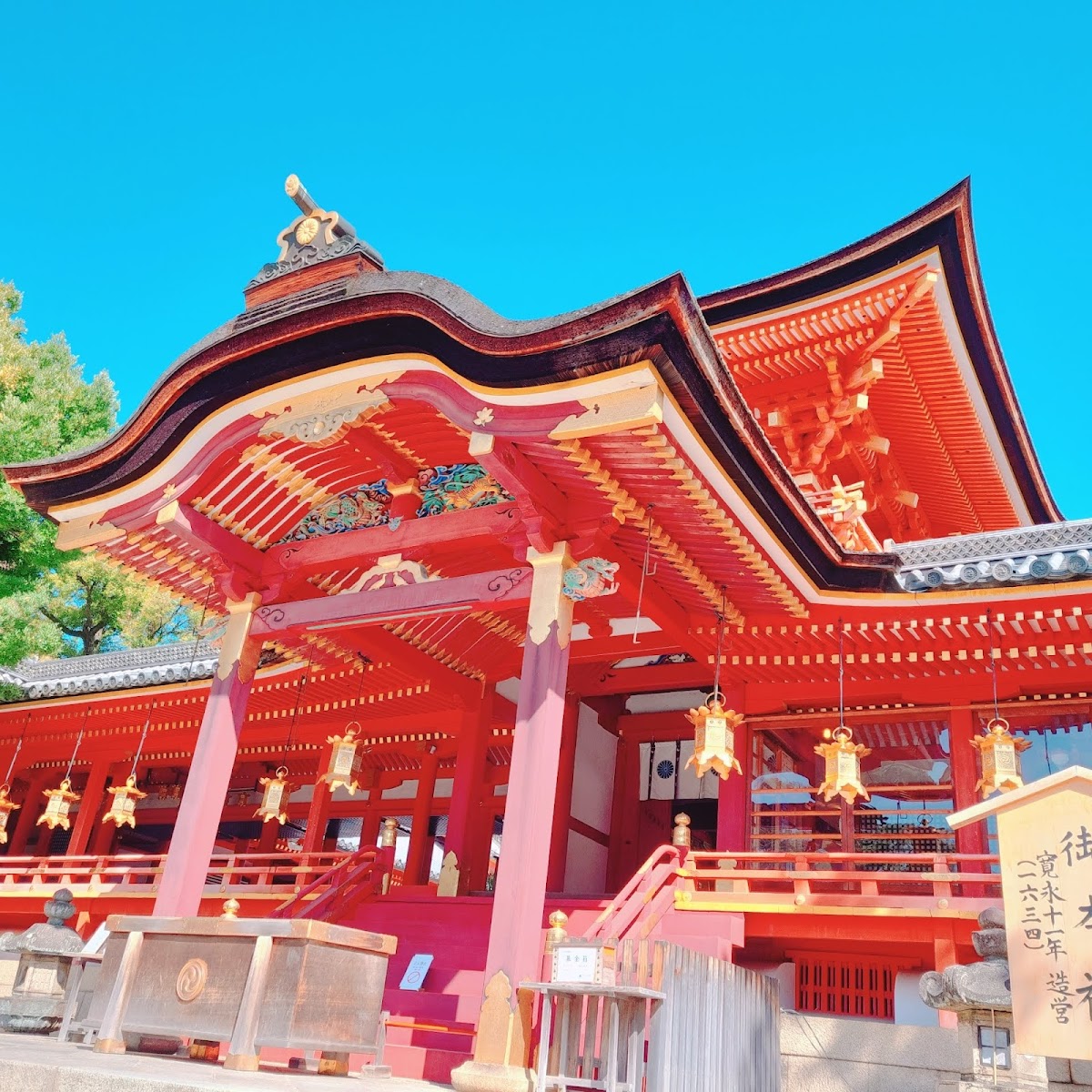
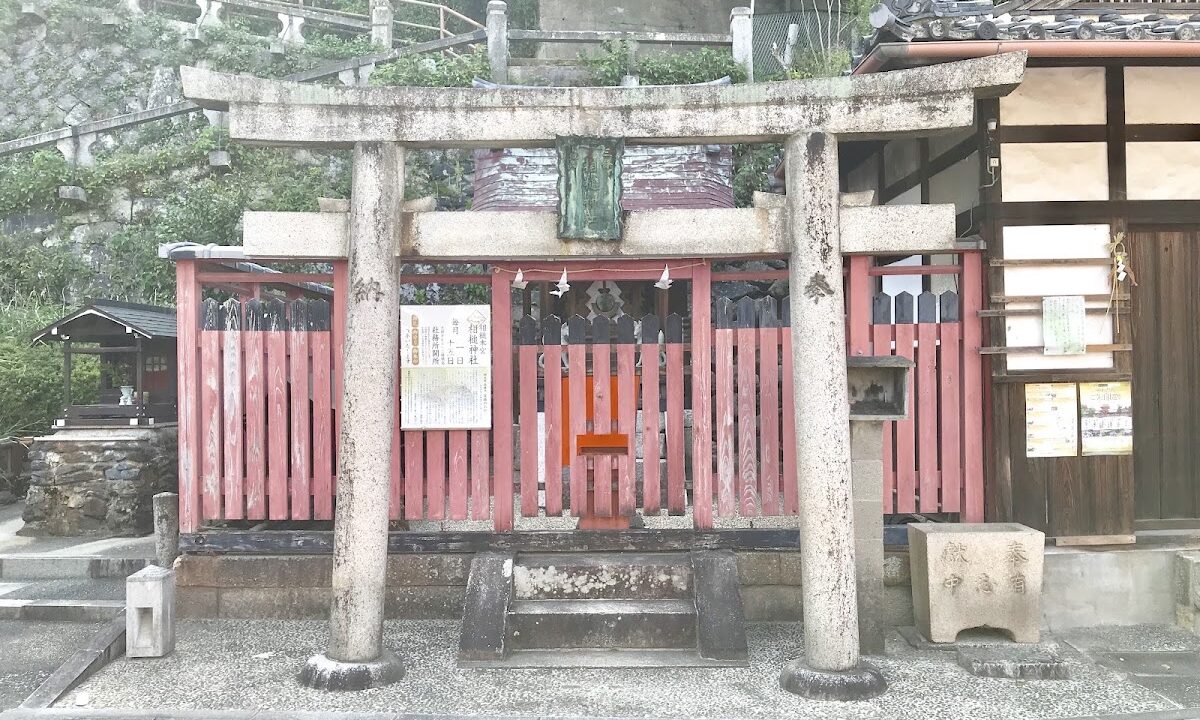
Aizuchi Shrine is a shrine located in Izumi, Mineyama-cho, Kyotango City, Kyoto Prefecture. Known as a rare shrine nationwide associated with “swordsmiths,” it is a historical shrine steeped in legend, featuring the story of Sanjo Kokaji Munechika, a master swordsmith of the Heian period, and Inari Daimyojin, who assisted him.
It is a little-known power spot, attracting not only sword enthusiasts and history buffs, but also many visitors praying for improved skills and career success.
Basic Information about Aizuchi Shrine
Location: 1165-2 Izumi, Mineyama-cho, Kyotango City, Kyoto Prefecture
Deities Enshrined: Inari Daimyojin, Sanjo Kokaji Munechika
Founded: Heian period (according to tradition)
Shrine Rank: Village Shrine
Annual Festival: Mid-October
Parking: Available (Free, several spaces)
Admission Fee: Free
Visiting Hours: Open all day
History and Origin of Aizuchi Shrine
The Legend of Sanjo Kokaji Munechika and Inari Daimyojin
The founding of Aizuchi Shrine is deeply connected to a legend about Sanjo Kokaji Munechika, a swordsmith from the mid-Heian period.
During the reign of Emperor Ichijo, Munechika received an imperial order to forge a famous sword. However, he could not find a suitable assistant to strike the hammer (aizuchi). It is said that when Munechika was at his wit’s end and prayed to Inari Daimyojin, Inari Daimyojin himself appeared in the form of a young boy and assisted in the forging process, resulting in the completion of the magnificent sword “Kogitsunemaru.”
This legend is also known as the subject of the Noh play “Kokaji” (The Little Swordsmith) and has influenced traditional Japanese performing arts.
Origin of the Name of Aizuchi Shrine
The name “Aizuchi” refers to the hammer used by apprentices or assistants in swordsmithing, in sync with the hammer used by the master. In this legend, Inari Daimyojin assisted Munechika in the forging process, hence the name.
In sword making, “Aizuchi” is not merely an auxiliary task, but a symbol of harmonious teamwork, representing the importance of skill transmission and cooperation.
Connection to Izumi, Mineyama Town
The Izumi district of present-day Mineyama Town, Kyotango City, is said to have been a region inhabited by craftsmen involved in blacksmithing and metalworking since ancient times. There are various theories as to why Munechika visited this area, but it is believed to be related to the availability of high-quality iron sand and water, as well as the prevalence of Inari worship.
The place name “Kajiya” (blacksmith) still remains in the area, evoking the atmosphere of the past.
Deities enshrined at Aizuchi Shrine
Inari Daimyojin
While Inari Daimyojin, the main deity, is generally known as the god of abundant harvests and business prosperity, Aizuchi Shrine emphasizes its aspect as the “god of technology” and “guardian deity of craftsmen.”
Inari worship spread from Kyoto during the Heian period and was revered as the guardian deity of various occupations. For blacksmiths, it was also important as an object of prayer for safety in their work involving fire and for improvement of their skills.
Sanjo Kokaji Munechika
Sanjo Kokaji Munechika (dates of birth and death unknown, active from the late 10th to the early 11th century) is one of the representative swordsmiths of the Heian period. He was known as “Sanjo Kokaji” (Sanjo Blacksmith) because he established his workshop in Sanjo, Kyoto.
Munechika’s swords are highly prized as “Munechika swords,” and several of his swords are still designated as National Treasures or Important Cultural Properties. His techniques had a significant influence on later generations of swordsmiths.
At Aizuchi Shrine, Munechika is enshrined as a “model craftsman” and a “symbol of skill improvement.”
Benefits of Aizuchi Shrine
Aizuchi Shrine is believed to offer various benefits due to its history.
Skill Improvement and Enhancement
The most representative benefit is skill improvement and enhancement of techniques. Because it enshrines the god of swordsmithing, many people who hone their skills, such as craftsmen, technicians, and artists, visit the shrine.
In modern times, technicians from various fields, such as IT engineers, chefs, hairdressers, and musicians, also visit the shrine.
Career Success and Promotion
Due to the legend that Munechika completed a famous sword at the Emperor’s command, many visitors pray for success and promotion in their careers.
In particular, there is an increasing number of business professionals visiting the shrine who wish to succeed in important projects or pass promotion exams.
Good Relationships and Harmonious Interpersonal Relationships
As the word “aizuchi” (mutual agreement) suggests, this shrine symbolizes building harmonious cooperative relationships, and people visit to pray for good colleagues and harmonious interpersonal relationships.
This shrine is meaningful for those in jobs where teamwork is important and those seeking good partners.
Luck in Competitions and Protection from Evil
Swords have been considered not only weapons but also sacred objects that ward off evil spirits. Therefore, they are believed to bring victory in competitions and protection from evil and misfortune.
Highlights of the Shrine Grounds
Main Hall
The main hall of Aizuchi Shrine is a small but meticulously maintained wooden structure. Supported by the faith of the local people, it undergoes regular repairs.
In front of the main hall, instead of guardian lions (komainu), there are stone statues of foxes, a characteristic feature of Inari shrines.
Torii Gate and Approach
A vermilion torii gate stands at the entrance to the shrine, and a short approach leads from there to the main hall. Trees line the approach, creating a tranquil atmosphere.
Donated Sword-Related Items
Within the shrine grounds, you can sometimes see items donated by sword enthusiasts and craftsmen. Especially in recent years, due to the influence of games and anime themed around swords, donations from younger generations of visitors have increased.
Surrounding Natural Environment
Aizuchi Shrine is located in a rural landscape, offering an environment where you can experience the changing seasons. In spring, the cherry blossoms are beautiful, and in autumn, the autumn leaves are stunning, making it a perfect place for a stroll.
How to Worship and Manners
Basic Worship Etiquette
- Bow Before the Torii Gate: Before entering the sacred area, bow before the torii gate.
- Purify at the Water Basin: If there is a water basin, purify your hands and mouth.
- Walking Along the Path: The center of the path is considered the path of the gods, so walk along the sides.
- Etiquette at the Main Hall: Two bows, two claps, and one bow are the basic rituals.
- Bow Upon Exit: After leaving the torii gate, turn around and bow.
Etiquette Specific to Inari Shrines
Aizuchi Shrine belongs to the Inari shrine lineage, so some unique rituals seen at certain Inari shrines (such as two bows, four claps, and one bow) may be used. However, generally, the etiquette of a typical shrine is acceptable.
Regarding Photography
Photography is generally permitted on the shrine grounds, but please refrain from taking photos inside the main hall or towards the sacred object. Also, please be considerate of other visitors.
Information on Goshuin (Shrine Seals) and Amulets
Regarding Goshuin (Shrine Seals)
As Aizuchi Shrine is a small shrine, there may not always be a resident priest. If you wish to receive a Goshuin, it is recommended to inquire in advance with the Kyotango City Tourism Association or the local Shrine Association.
Special Goshuin may be issued during certain periods or festivals.
Regarding Amulets and Items
While the amulet office is not always open, amulets for skill improvement and career success may be issued during festivals and other events.
Amulets with sword motifs and items inspired by craftsmen are popular.
Access Information
Access by Train and Bus
Nearest Station: Mineyama Station, Kyoto Tango Railway Miyazu Line
Distance from Station: Approximately 3km
Travel Time: Approximately 40 minutes on foot, approximately 10 minutes by taxi
Taking a taxi from Mineyama Station is convenient. You can also use Tankai Bus routes, but since the number of buses is limited, it is recommended to check the timetable in advance.
Access by Car
From Kyoto City:
Kyoto Jukan Expressway → Yosa-Amanohashidate IC → Via National Routes 176 and 482 → Approximately 30 minutes
Total travel time: Approximately 2 hours 30 minutes
From Osaka:
Kyoto Jukan Expressway → Yosa-Amanohashidate IC → Via National Routes 176 and 482
Total travel time: Approximately 3 hours
Parking: Several free parking spaces available in front of the shrine.
Car Navigation Settings
You can search using the address “1165-2 Izumi, Mineyama-cho, Kyotango City, Kyoto Prefecture”. However, since the surrounding area is rural with few landmarks, it is recommended to check a map app beforehand.
Nearby Tourist Attractions
Kotohira Shrine (Mineyama)
Located in the center of Mineyama-cho, this shrine is affectionately known as “Tango’s Konpira-san”. Many people visit this shrine along with Aizuchi Shrine.
Distance: Approximately 2km from Aizuchi Shrine
Features: Blessings for maritime safety and business prosperity
Chirimen Kaido (Yosano Town)
A production area for Tango chirimen silk, which has continued since the Edo period, with a preserved traditional townscape. It’s worth visiting in conjunction with Aizuchi Shrine to experience the skills of the artisans.
Distance: Approximately 15km from Aizuchi Shrine
Features: Important Preservation District for Groups of Traditional Buildings
Amanohashidate
One of Japan’s three most scenic views and a representative tourist attraction of the Kyotango region. Enjoy Tango sightseeing in conjunction with a visit to Aizuchi Shrine.
Distance: Approximately 20km from Aizuchi Shrine
Estimated Time: Approximately 30 minutes by car
Tango Kingdom “Food Capital”
The largest roadside station in Western Japan, offering a wide variety of Tango ingredients and specialty products. It also has restaurants and experience facilities, making it popular with families.
Distance: Approximately 10km from Aizuchi Shrine
Opening Hours: Varies by facility
Annual Events at Aizuchi Shrine
Grand Festival (Mid-October)
This is the most important festival at Aizuchi Shrine, held annually in mid-October. Local people gather, and sometimes Kagura (sacred dance) performances and a portable shrine procession take place.
Special Goshuin (shrine stamps) and amulets are sometimes available during this time, attracting more visitors from afar.
New Year’s Visit (January 1st-3rd)
The New Year’s visit is also lively, mainly with local people. Many visitors come to pray for improved skills and career success.
Monthly Festivals
Small-scale festivals may be held on specific days each month. For details, it is best to inquire with the local parishioners’ organization.
Aizuchi Shrine and Sword Culture
Relationship between Japanese Swords and Shinto
Japanese swords have been treated not merely as weapons, but as sacred objects. Swordsmiths would perform a purification ritual before forging a sword, purifying their minds before beginning their work.
Aizuchi Shrine can be said to symbolize this deep connection between swords and Shintoism.
The Modern Sword Boom
In recent years, interest in swords has been growing among younger generations, influenced by online games like “Touken Ranbu” and anime. Consequently, the number of sword enthusiasts visiting Aizuchi Shrine has also increased.
“Kogitsunemaru” is a particularly popular sword, and many fans visit Aizuchi Shrine as a place associated with it.
Collaboration with Sword Museums and Archives
Swords made by Munechika are sometimes exhibited in sword museums in Kyoto City and throughout Japan. Visiting Aizuchi Shrine in conjunction with these exhibits allows for a deeper understanding of sword culture.
Attire and Items to Bring When Visiting
Attire
While there are no specific dress code requirements for visiting the shrine, it is desirable to wear clothing that reflects the sacred nature of the place.
- Avoid revealing clothing.
- Comfortable walking shoes are recommended over sandals.
- Take adequate precautions against the cold in winter.
Items to Bring
- Small change: Prepare 5-yen and 50-yen coins for offerings.
- Goshuincho: If you wish to receive a Goshuin (temple/shrine stamp).
- Camera: To record memories (please observe photography etiquette).
- Drinking water: Especially in summer, to prevent heatstroke.
Points to Note When Visiting Aizuchi Shrine
Understanding that it is a Small Shrine
Aizuchi Shrine is a small local shrine, not a large tourist shrine. There may not be a resident priest or shrine office, so please avoid excessive expectations.
Consideration for Local Residents
The area around the shrine consists of residential areas and farmland. Please be considerate of local residents by avoiding noise, illegal parking, etc.
Protection of the Natural Environment
Please cherish the natural environment of the shrine grounds and surrounding area, and be sure to take your trash with you.
History and Culture of Kyotango City
Production Area of Tango Chirimen Silk
Kyotango City boasts a history of over 300 years as a production area for “Tango Chirimen” silk crepe. Its advanced weaving techniques, like those of swordsmiths, are the culmination of skilled craftsmanship.
The Aizuchi Shrine’s status as a “god of technology” is deeply intertwined with the artisan culture of this region.
Legends of the Ancient Tango Kingdom
The Tango region retains legends of the ancient powerful clan, the “Tango Kingdom,” and numerous burial mounds and ruins have been discovered. This indicates that this area has been culturally important since ancient times.
Blessings of the Sea and Mountains
Facing the Sea of Japan, Kyotango City is blessed with abundant seafood and mountain produce. Its rich food culture, including Matsuba crab and Tango Koshihikari rice, is another of its attractions.
Model Course for Visiting Aizuchi Shrine
Day Trip Course (Departing from Kyoto City)
9:00 Departure from Kyoto City
11:30 Arrival at Aizuchi Shrine and worship (30 minutes)
12:00 Lunch in Mineyama Town (local seafood dishes, etc.)
13:30 Visit to Kotohira Shrine
14:30 Stroll along the Chirimen Kaido (Silk Fabric Road)
16:00 Purchase souvenirs at the “Tango Kingdom” roadside station
17:00 Departure towards Kyoto
19:30 Arrival in Kyoto City
2-Day/1-Night Course (Including Amanohashidate Sightseeing)
Day 1
10:00 Departure from Kyoto City
12:30 Amanohashidate sightseeing
15:00 Check-in at accommodation (e.g., Yuhigaura Onsen)
18:00 Dinner (crab dishes, etc.)
Day 2
9:00 Departure from accommodation
10:00 Visit to Aizuchi Shrine
11:00 Stroll around Mineyama Town
12:00 Lunch
13:30 Tango Kingdom “Food Capital”
15:00 Departure for Kyoto
17:30 Arrival in Kyoto City
Frequently Asked Questions
Can I get a Goshuin (shrine stamp)?
Aizuchi Shrine is often unattended, so Goshuin are not always available. They may be given out on special days such as festivals. We recommend checking with the Kyotango City Tourism Association or the local shrine association in advance.
Is there parking?
There are several free parking spaces in front of the shrine. However, it may be full during busy times or festivals.
When is the best time to visit?
While the shrine is open year-round, it is busiest in mid-October when the annual festival is held. Beautiful scenery can also be enjoyed during the cherry blossom season in spring and the autumn foliage season. Snow can fall in winter, so warm clothing and checking road conditions are necessary.
Does the sword Kogitsunemaru actually exist?
There are no definitive records confirming the existence of the legendary sword “Kogitsunemaru.” However, several swords made by Munechika still exist, historically demonstrating his high level of skill. The legend of Kogitsunemaru is deeply rooted in Japanese culture, as seen in Noh plays such as “Kokaji” (The Little Swordsmith).
Can I visit the shrine even if I’m not interested in swords?
Of course, you can visit. It is believed to offer various blessings, including improved skills, better career prospects, and successful relationships. Furthermore, as a shrine nestled in a tranquil rural landscape, it is also worth visiting as a place to find peace of mind.
Summary
Aizuchi Shrine is a shrine associated with swordsmiths, where legends of Sanjo Kokaji Munechika, a renowned swordsmith of the Heian period, and Inari Daimyojin remain. Many people, including craftsmen, technicians, and sword enthusiasts, visit seeking blessings for improved skills and career success.
Nestled quietly in the rural area of Mineyama-cho, Kyotango City, this shrine possesses a simple and heartwarming atmosphere, unlike large-scale tourist shrines. Visiting it in conjunction with nearby tourist spots such as Amanohashidate and the Chirimen Kaido (Silk Road) will allow you to experience Tango’s history and culture more deeply.
For those interested in sword culture, those wishing to hone their skills, those seeking success in their work, and those simply looking for a peaceful place to recharge, Aizuchi Shrine is a special place worth visiting.
When sightseeing in Kyoto, why not extend your trip a little and visit this little-known sacred site of swordsmiths?